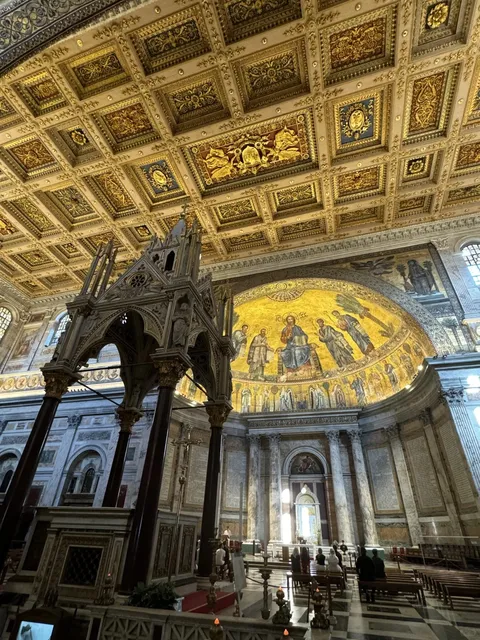
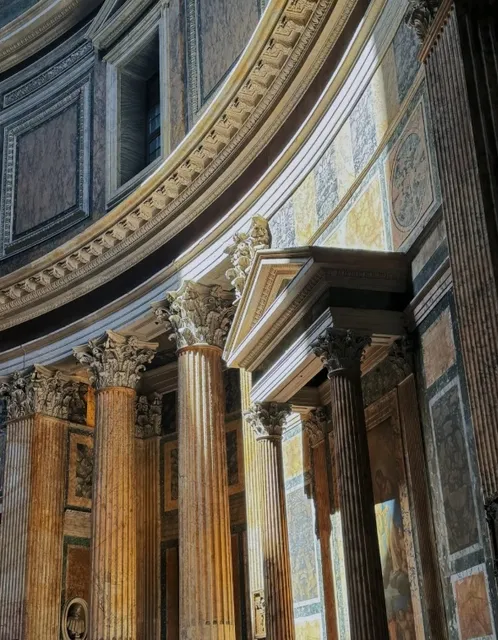
Basilica Papale di Santa Maria Maggiore things to do, attractions, restaurants, events info and trip planning
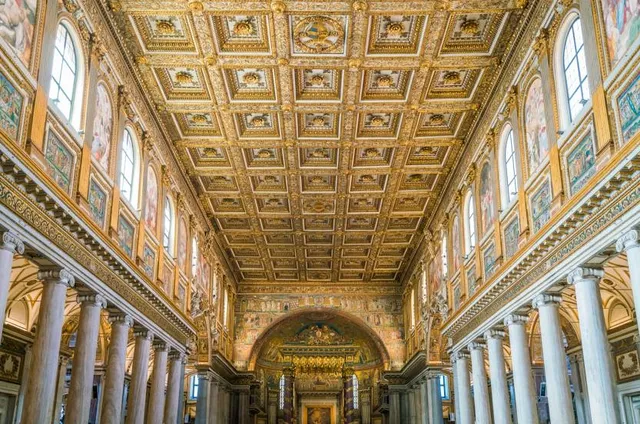
Basic Info
Basilica Papale di Santa Maria Maggiore
P.za di Santa Maria Maggiore, 00100 Roma RM, Italy
4.8(17.8K)
Open until 6:30 PM
Save
spot
spot
Ratings & Description
Info
The Basilica of Saint Mary Major, or church of Santa Maria Maggiore, is a Major papal basilica as well as one of the Seven Pilgrim Churches of Rome and the largest Catholic Marian church in Rome, Italy.
Cultural
Accessibility
attractions: Museo delle Illusioni Roma, Cappella Paolina, Basilica of Saint Pudentiana, Teatro dell'Opera di Roma, National Roman Museum - Palazzo Massimo, Basilica dei Santi Silvestro e Martino ai Monti, Capital Luggage Deposit - Termini Station Luggage Storage, Palazzo Brancaccio, Basilica of San Pietro in Vincoli, Vittorio Emanuele II Square, restaurants: Molino bakery bar & cucina, Tonnarello Santa Maria, Casa Maria, Bar Cottini, Antico Caffe Santamaria, Gelateria Aurora, Gran Caffè Maggiore, Masa Rooftop, Le 2 Colonne, Ristorante e Pizzeria ''SAPORI DI ROMA'', local businesses: Tipsy Tours Rome, Antica Cappelleria dell'Urbe Lombardi, Oh My Gold Italia (Roma), ElettroTecnica, Viminal Hill, The Hive Spa & Fitness, The Space Cinema Moderno Roma, Paolina Roma, National Museum of Rome - Baths of Diocletian, Stereo Immagine
 Learn more insights from Wanderboat AI.
Phone
+39 06 6988 6800
Website
basilicasantamariamaggiore.va
Open hoursSee all hours
Sun7 AM - 6:30 PMOpen
Plan your stay

Pet-friendly Hotels in Rome
Find a cozy hotel nearby and make it a full experience.

Affordable Hotels in Rome
Find a cozy hotel nearby and make it a full experience.

The Coolest Hotels You Haven't Heard Of (Yet)
Find a cozy hotel nearby and make it a full experience.

Trending Stays Worth the Hype in Rome
Find a cozy hotel nearby and make it a full experience.
Reviews
Live events
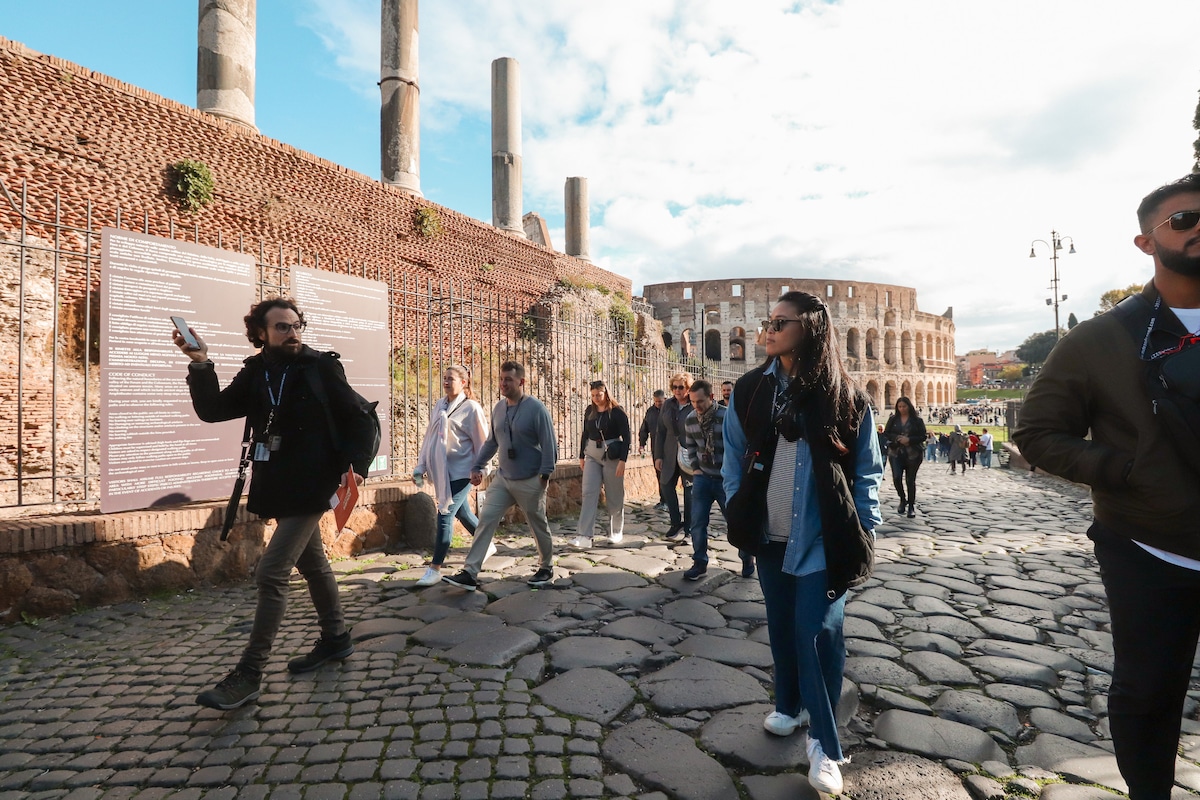
Colosseum, Forum, and Palatine Hill Guided Tour
Tue, Feb 24 • 9:30 AM
00184, Rome, Lazio, Italy
View details
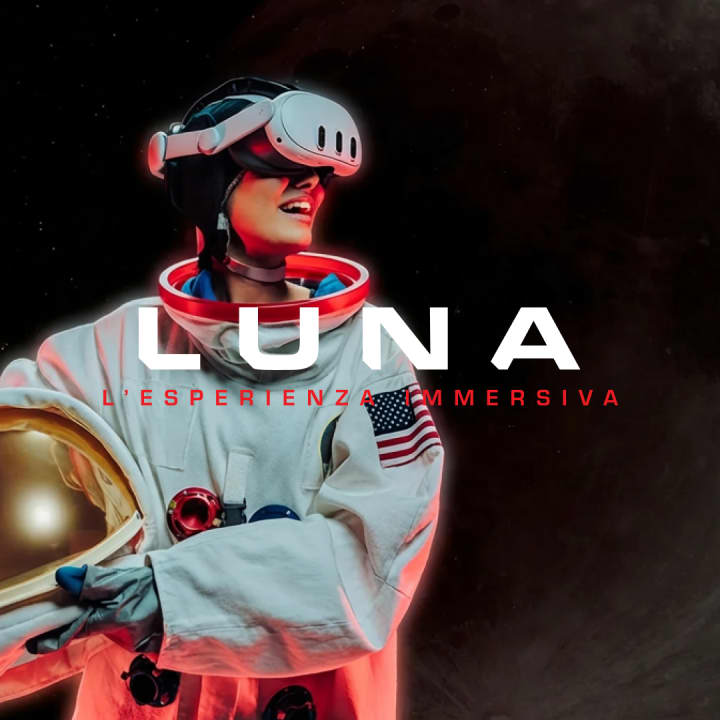
LUNA: A Journey to the Moon – un’esperienza immersiva in realtà virtuale a Roma
Sun, Feb 22 • 10:00 AM
Via Trionfale, 7400, Roma, 00136
View details
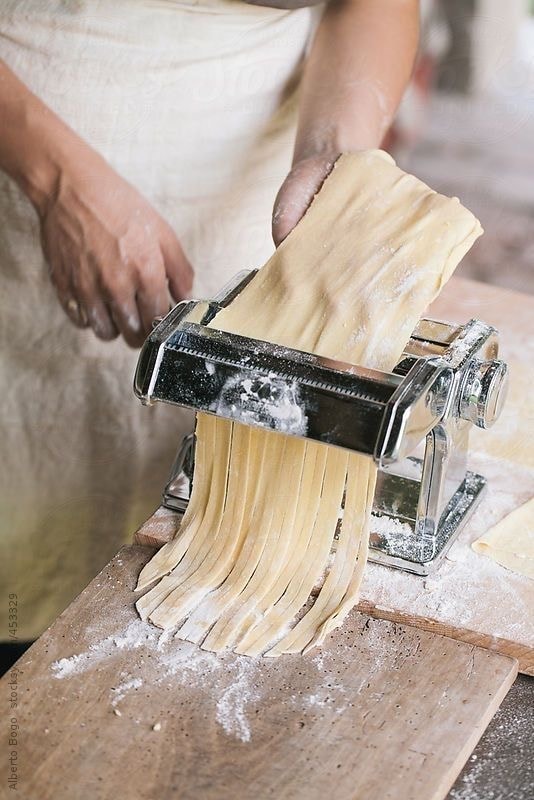
Pasta, Tiramisu & Gelato Party in Rome
Sun, Feb 22 • 10:30 AM
00154, Rome, Lazio, Italy
View details
Nearby attractions of Basilica Papale di Santa Maria Maggiore
Museo delle Illusioni Roma
Cappella Paolina
Basilica of Saint Pudentiana
Teatro dell'Opera di Roma
National Roman Museum - Palazzo Massimo
Basilica dei Santi Silvestro e Martino ai Monti
Capital Luggage Deposit - Termini Station Luggage Storage
Palazzo Brancaccio
Basilica of San Pietro in Vincoli
Vittorio Emanuele II Square
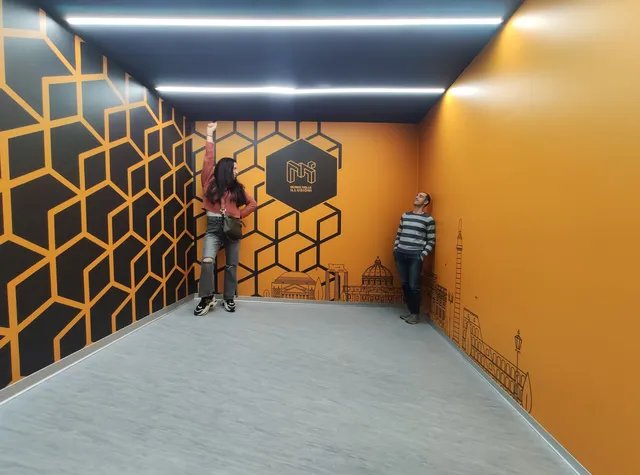
Museo delle Illusioni Roma
4.4
(1.8K)
Closed
Click for details
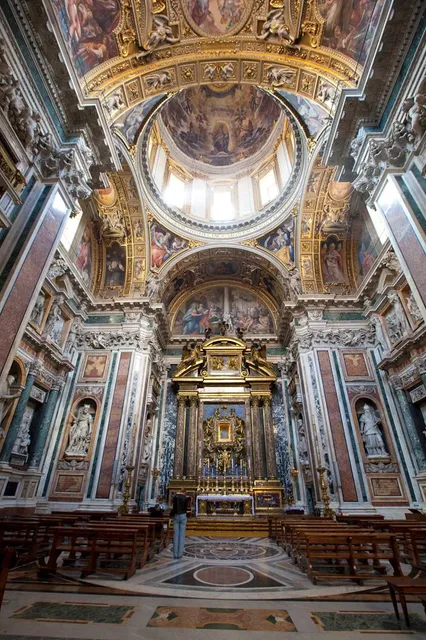
Cappella Paolina
4.8
(68)
Open until 6:45 PM
Click for details
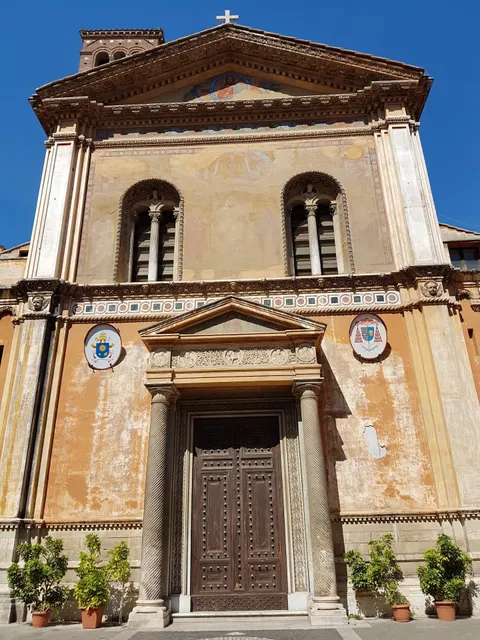
Basilica of Saint Pudentiana
4.6
(422)
Closed
Click for details
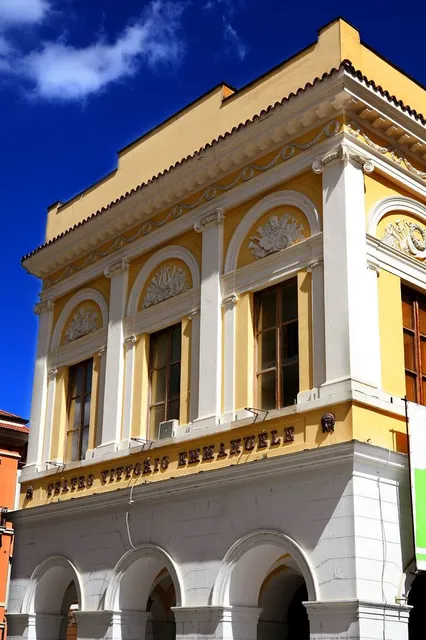
Teatro dell'Opera di Roma
4.7
(2.5K)
Open 24 hours
Click for details
Nearby restaurants of Basilica Papale di Santa Maria Maggiore
Molino bakery bar & cucina
Tonnarello Santa Maria
Casa Maria
Bar Cottini
Antico Caffe Santamaria
Gelateria Aurora
Gran Caffè Maggiore
Masa Rooftop
Le 2 Colonne
Ristorante e Pizzeria ''SAPORI DI ROMA''
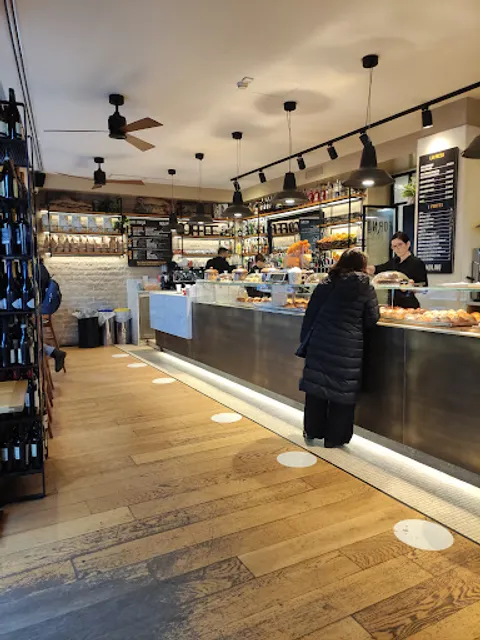
Molino bakery bar & cucina
4.1
(2K)
Open until 12:00 AM
Click for details
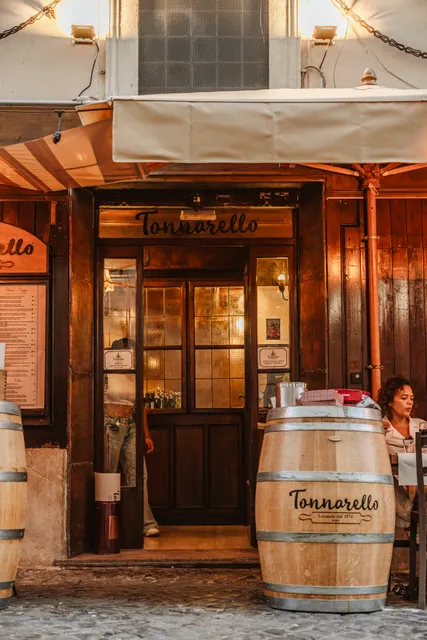
Tonnarello Santa Maria
4.8
(866)
Closed
Click for details
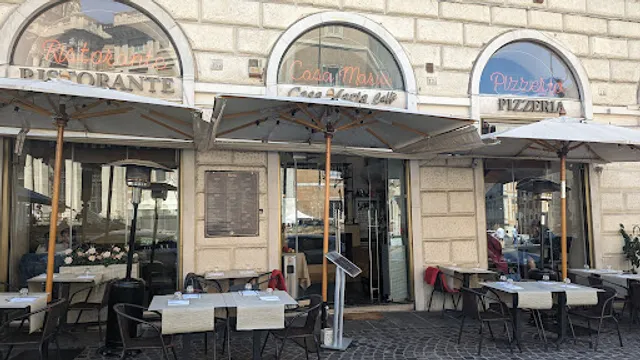
Casa Maria
4.2
(831)
$$
Closed
Click for details
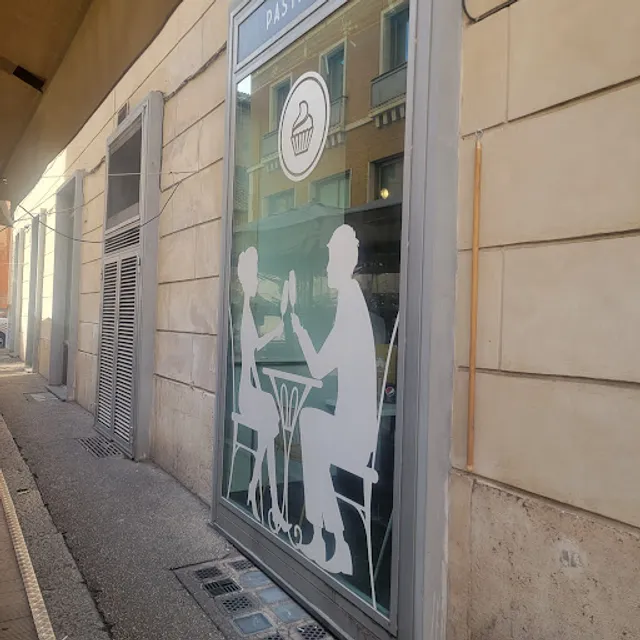
Bar Cottini
3.4
(764)
Open until 11:00 PM
Click for details
Nearby local services of Basilica Papale di Santa Maria Maggiore
Tipsy Tours Rome
Antica Cappelleria dell'Urbe Lombardi
Oh My Gold Italia (Roma)
ElettroTecnica
Viminal Hill
The Hive Spa & Fitness
The Space Cinema Moderno Roma
Paolina Roma
National Museum of Rome - Baths of Diocletian
Stereo Immagine
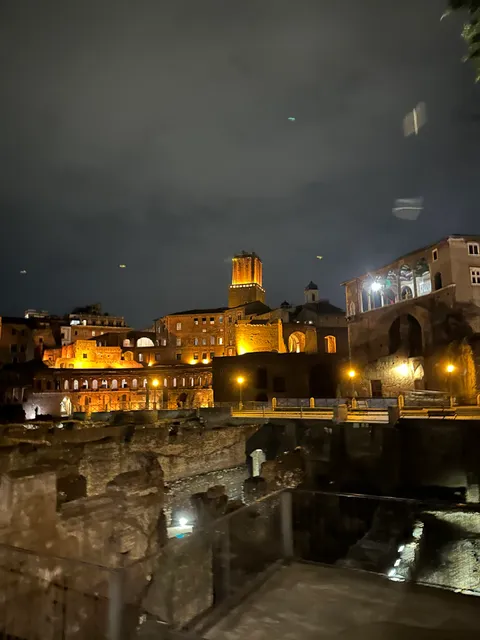
Tipsy Tours Rome
5.0
(1.3K)
Click for details
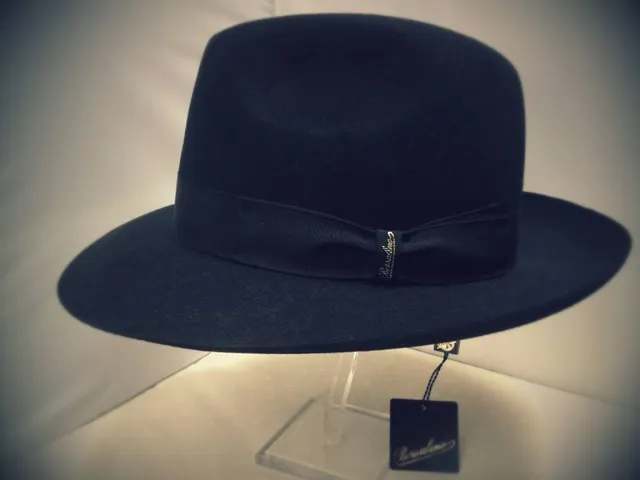
Antica Cappelleria dell'Urbe Lombardi
4.7
(57)
Click for details
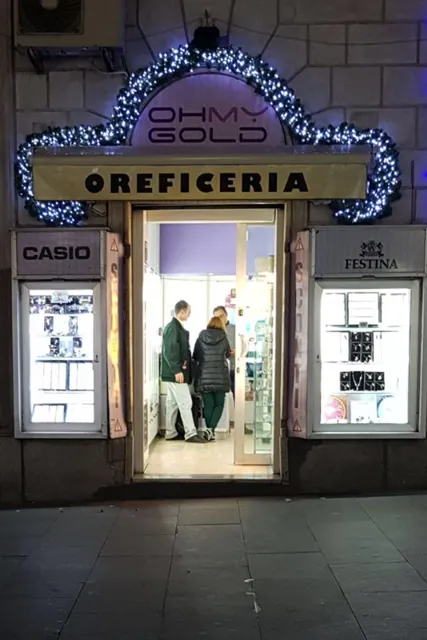
Oh My Gold Italia (Roma)
4.9
(205)
Click for details
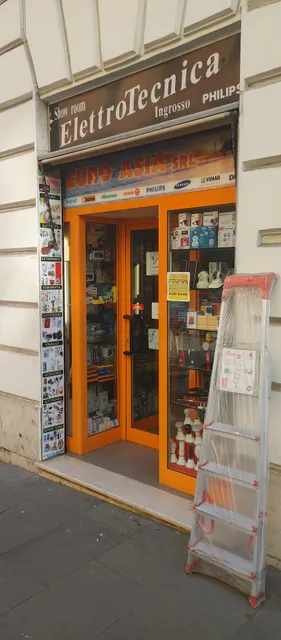
ElettroTecnica
4.4
(9)
Click for details


The hit list
Plan your trip with Wanderboat
Welcome to Wanderboat AI, your AI search for local Eats and Fun, designed to help you explore your city and the world with ease.
Powered by Wanderboat AI trip planner.