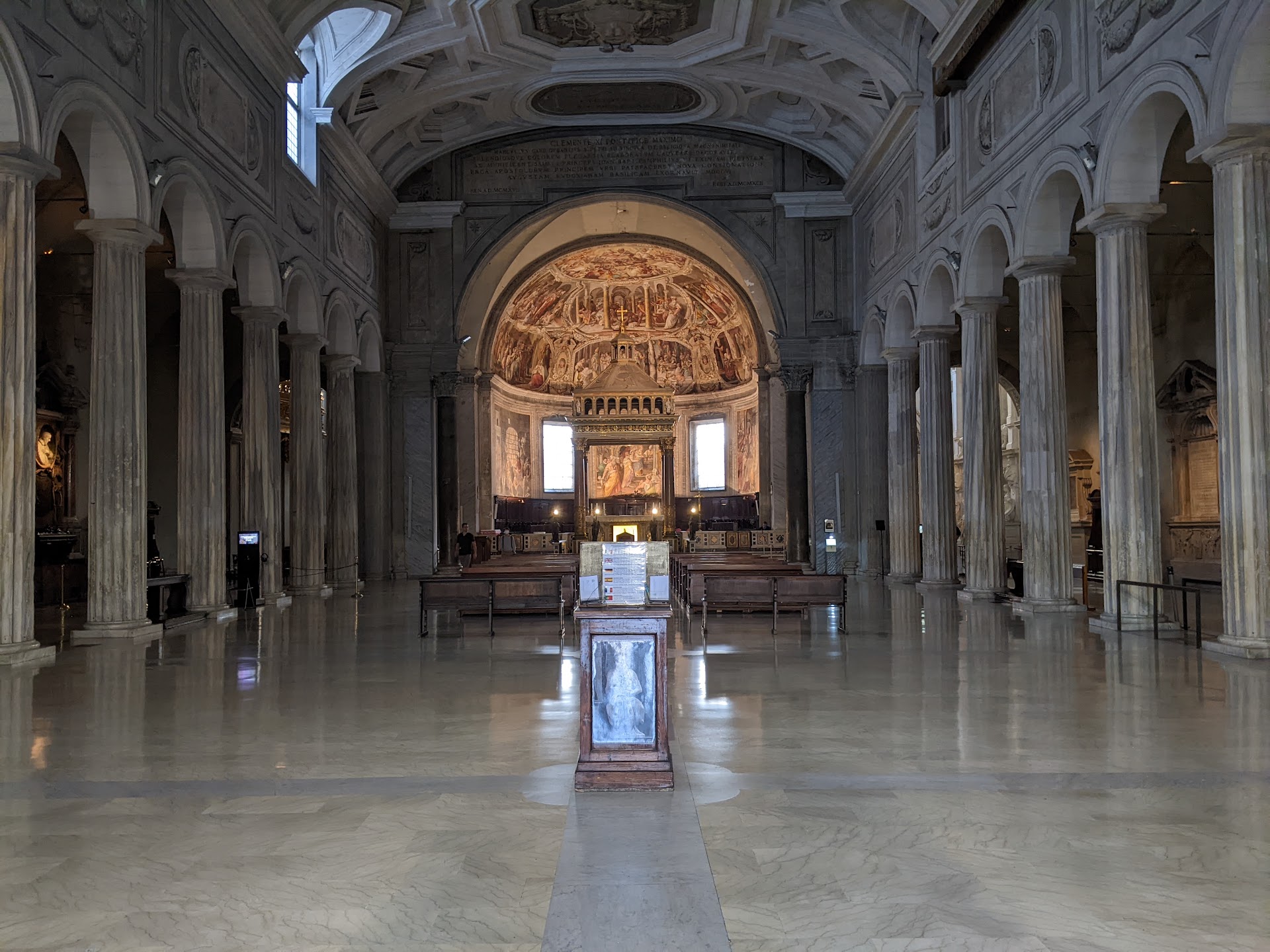
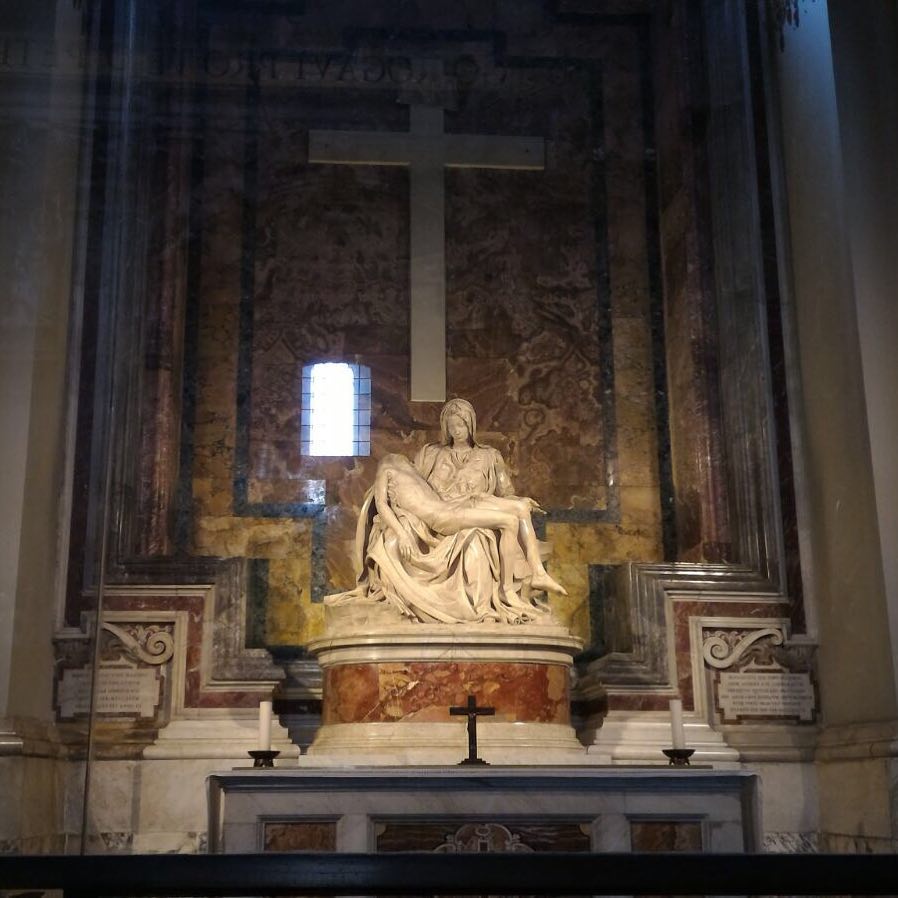
Basilica of San Pietro in Vincoli things to do, attractions, restaurants, events info and trip planning
Basic Info
Basilica of San Pietro in Vincoli
Piazza di San Pietro in Vincoli, 4/A, 00184 Roma RM, Italy
4.7(7.1K)
Closed
Save
spot
spot
Ratings & Description
Info
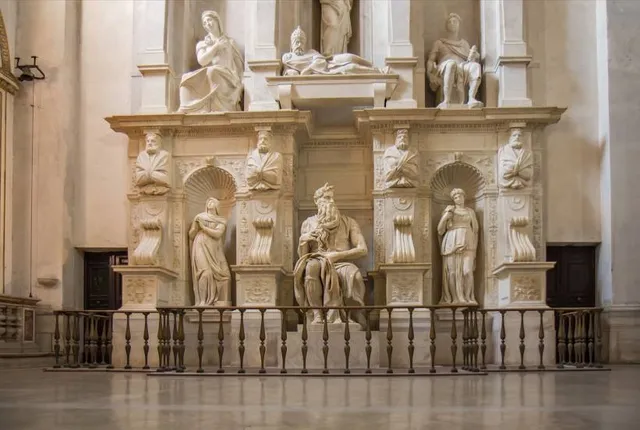
San Pietro in Vincoli is a Roman Catholic titular church and minor basilica in Rome, Italy, best known for being the home of Michelangelo's statue of Moses, part of the tomb of Pope Julius II. The Titulus S. Petri ad vincula was assigned on 20 November 2010, to Donald Wuerl.
Cultural
Accessibility
attractions: Mosè di Michelangelo, Colosseum, Fountain of the Catechumens, Parco del Colle Oppio, Chiesa di Santa Maria ai Monti, Domus Aurea, Roman Forum, Giardinetto del Monte Oppio, Church of Saints Sergius and Bacchus, Colosseum Skatepark, restaurants: Benso 215, Amici Pizza & Burger, La Nuova Piazzetta, Cuoco & Camicia, La Vecchia Roma, Pizzeria Boccaccia, La Licata, L'Archetto di Cavour, Finnegan irish pub, Mizio's Street Food, local businesses: Lato 15, GOLD ICE, Vesti di Messalina, ARTCHADEL "cuoreartigiano", Esquiline Hill, Italy With Family | Colosseum Tours | Vatican Tours, Paolina Roma, LOL ROMA, IL MICROMOSAICO, Noni and Gifts
 Learn more insights from Wanderboat AI.
Phone
+39 06 4543 7949
Website
lateranensi.org
Open hoursSee all hours
Mon7:30 AM - 12:20 PM, 3 - 5:50 PMClosed
Plan your stay

Pet-friendly Hotels in Rome
Find a cozy hotel nearby and make it a full experience.

Affordable Hotels in Rome
Find a cozy hotel nearby and make it a full experience.

The Coolest Hotels You Haven't Heard Of (Yet)
Find a cozy hotel nearby and make it a full experience.

Trending Stays Worth the Hype in Rome
Find a cozy hotel nearby and make it a full experience.
Reviews
Live events
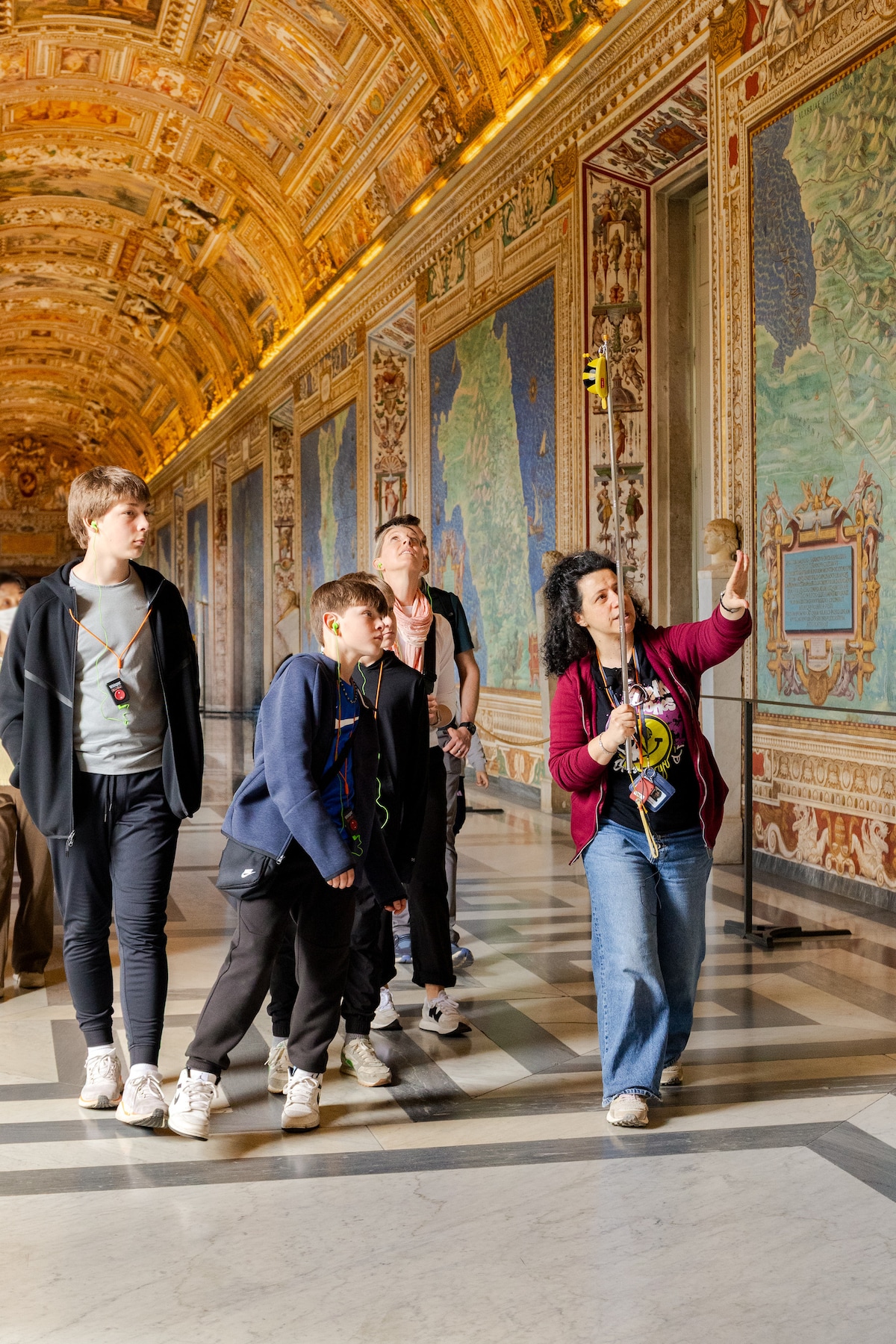
Complete Vatican Tour: Museums, Sistine & Basilica
Tue, Jan 27 • 9:30 AM
00192, Rome, Lazio, Italy
View details
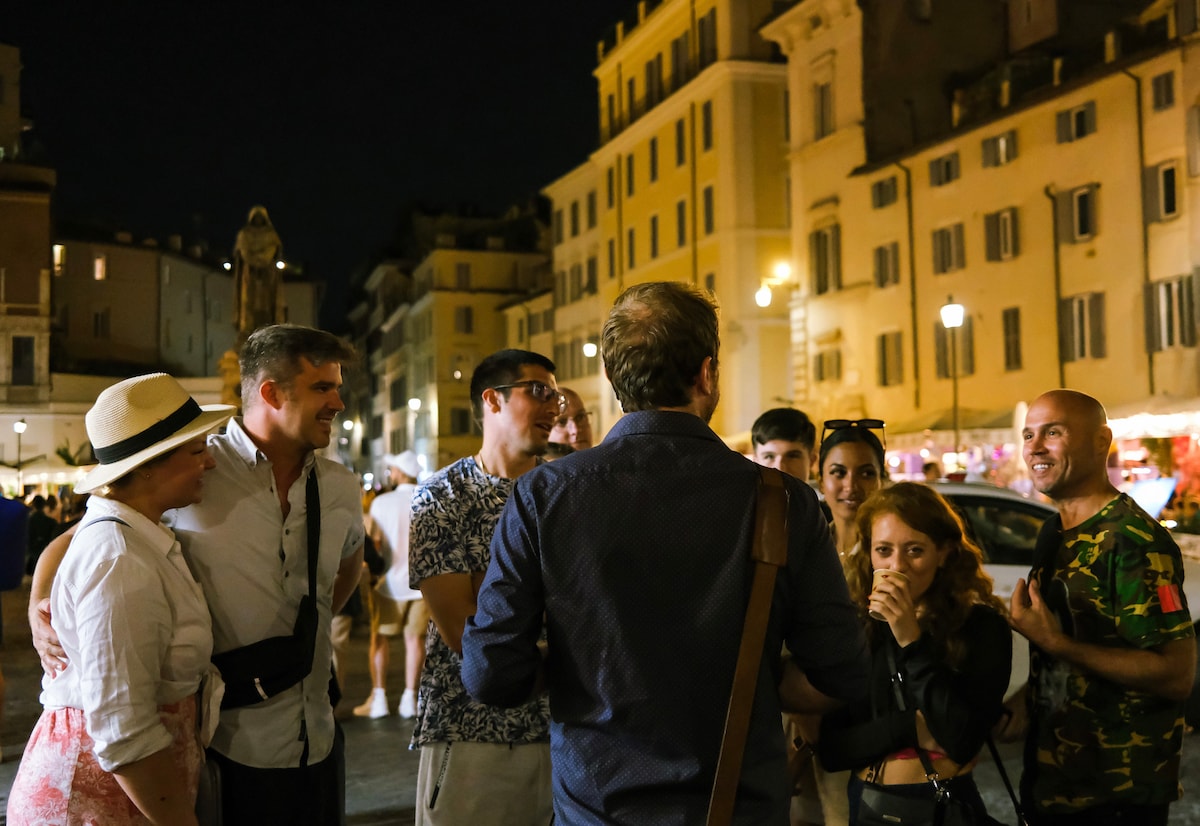
Rome’s Dark Side - Ghosts & Legends
Mon, Jan 26 • 8:00 PM
00186, Rome, Lazio, Italy
View details
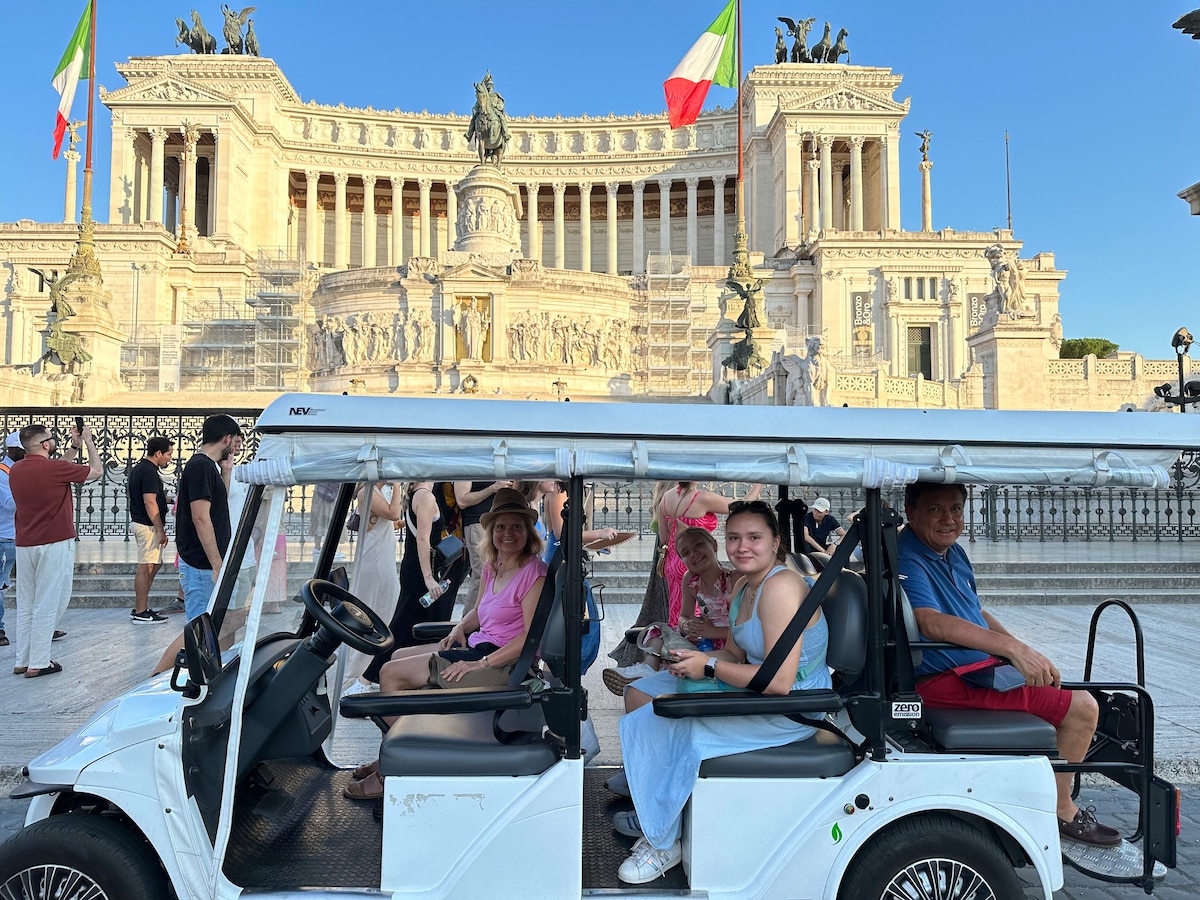
Discover Rome Highlights by Golf Cart
Mon, Jan 26 • 6:00 PM
00184, Rome, Lazio, Italy
View details
Nearby attractions of Basilica of San Pietro in Vincoli
Mosè di Michelangelo
Colosseum
Fountain of the Catechumens
Parco del Colle Oppio
Chiesa di Santa Maria ai Monti
Domus Aurea
Roman Forum
Giardinetto del Monte Oppio
Church of Saints Sergius and Bacchus
Colosseum Skatepark
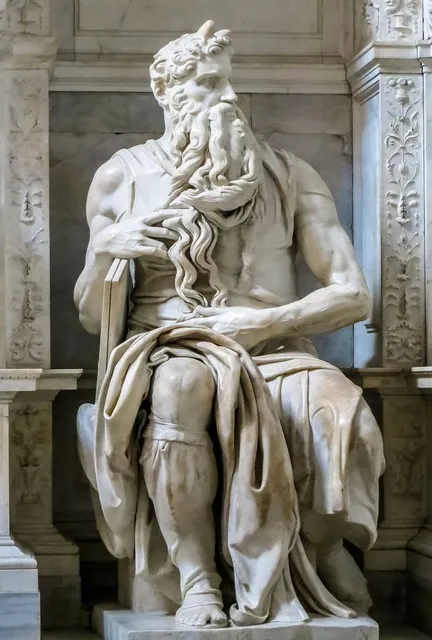
Mosè di Michelangelo
4.9
(3.5K)
Open until 6:50 PM
Click for details
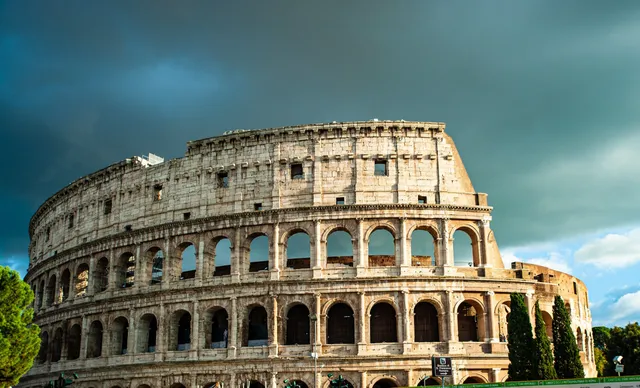
Colosseum
4.8
(141.1K)
Closed
Click for details
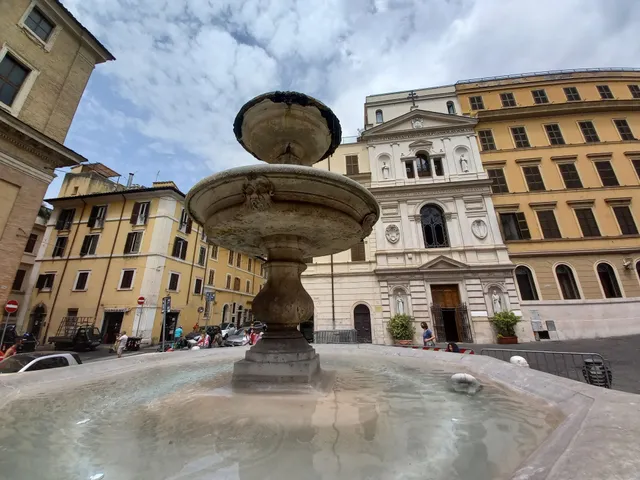
Fountain of the Catechumens
4.5
(645)
Open until 12:00 AM
Click for details
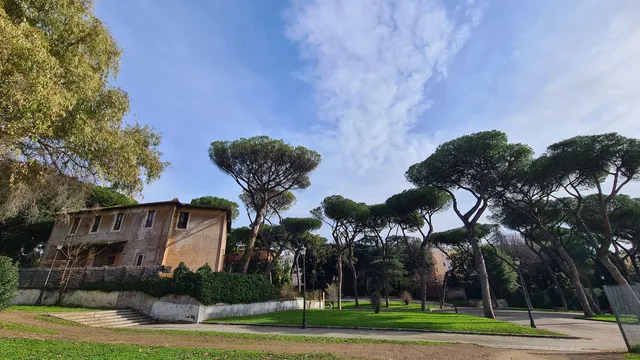
Parco del Colle Oppio
4.2
(2.1K)
Open until 7:00 PM
Click for details
Nearby restaurants of Basilica of San Pietro in Vincoli
Benso 215
Amici Pizza & Burger
La Nuova Piazzetta
Cuoco & Camicia
La Vecchia Roma
Pizzeria Boccaccia
La Licata
L'Archetto di Cavour
Finnegan irish pub
Mizio's Street Food
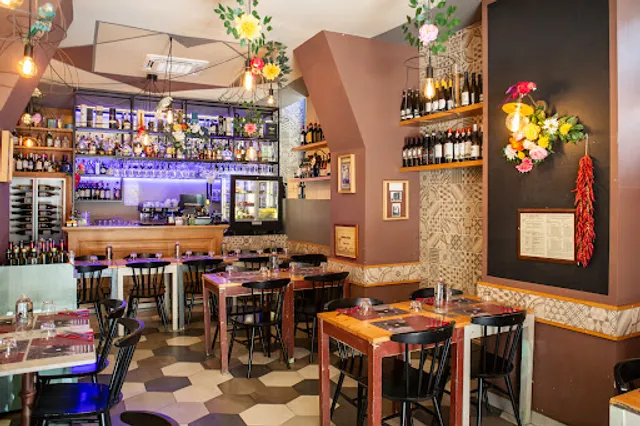
Benso 215
4.7
(3.5K)
Open until 12:00 AM
Click for details
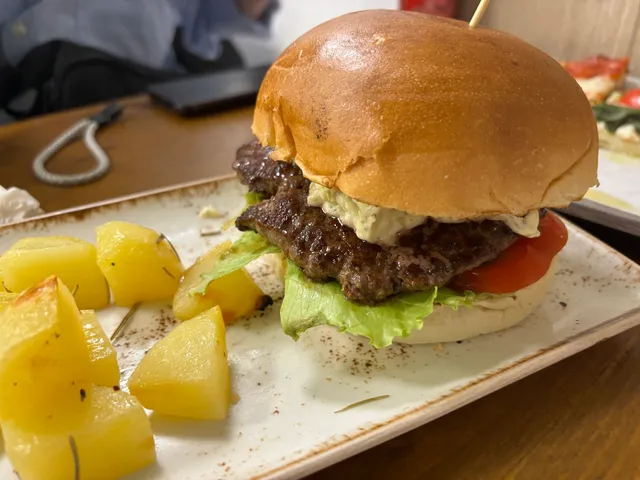
Amici Pizza & Burger
4.8
(2K)
Open until 2:00 AM
Click for details
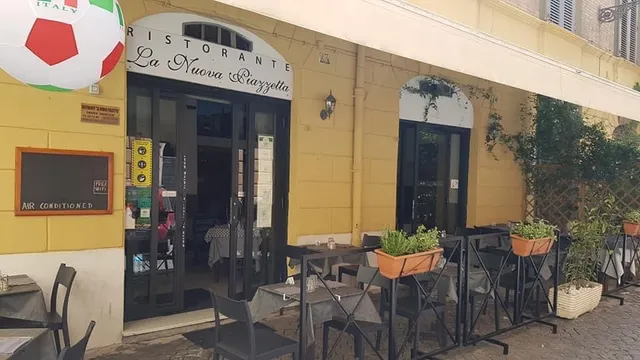
La Nuova Piazzetta
4.8
(16.1K)
Open until 10:30 PM
Click for details
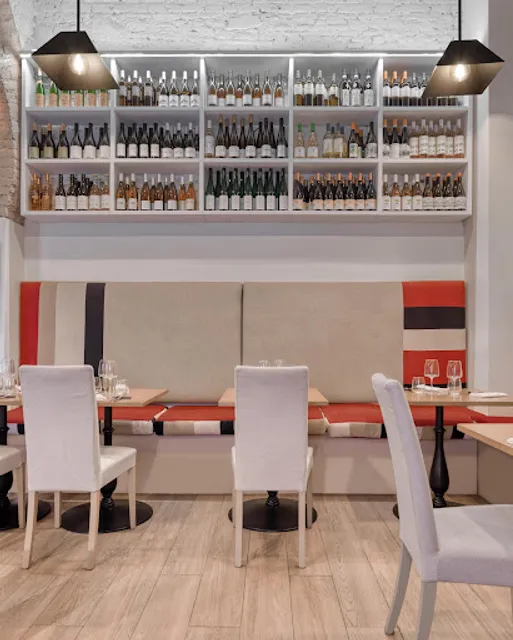
Cuoco & Camicia
4.7
(489)
$$
Open until 12:00 AM
Click for details
Nearby local services of Basilica of San Pietro in Vincoli
Lato 15
GOLD ICE
Vesti di Messalina
ARTCHADEL "cuoreartigiano"
Esquiline Hill
Italy With Family | Colosseum Tours | Vatican Tours
Paolina Roma
LOL ROMA
IL MICROMOSAICO
Noni and Gifts
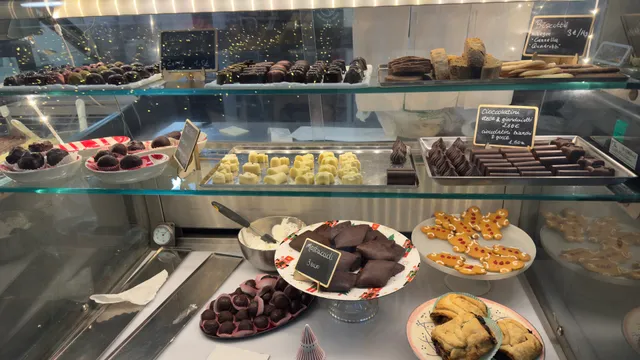
Lato 15
4.6
(321)
Click for details
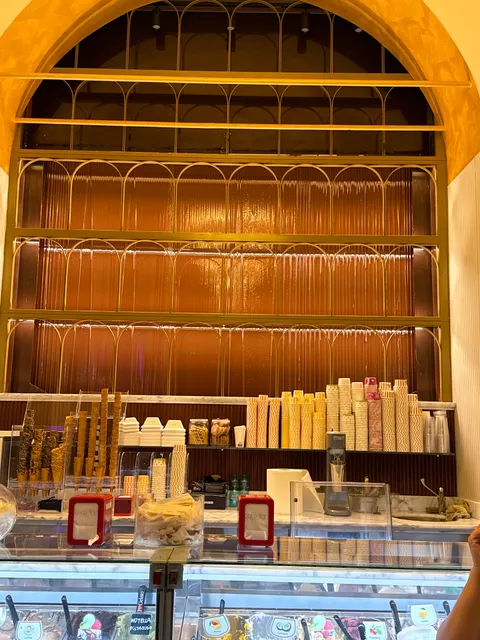
GOLD ICE
3.6
(193)
Click for details
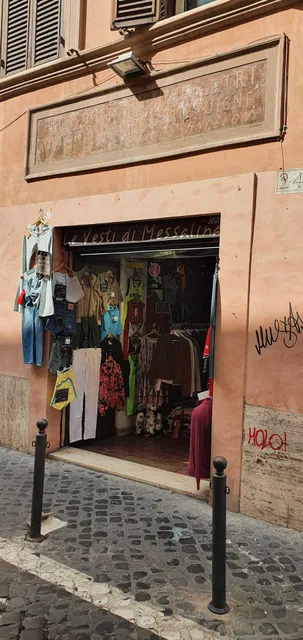
Vesti di Messalina
4.5
(61)
Click for details
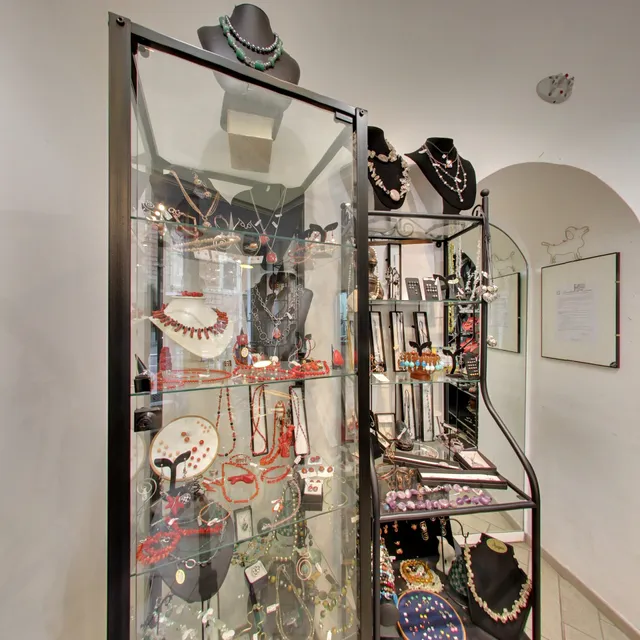
ARTCHADEL "cuoreartigiano"
4.6
(43)
Click for details


The hit list



Plan your trip with Wanderboat
Welcome to Wanderboat AI, your AI search for local Eats and Fun, designed to help you explore your city and the world with ease.
Powered by Wanderboat AI trip planner.