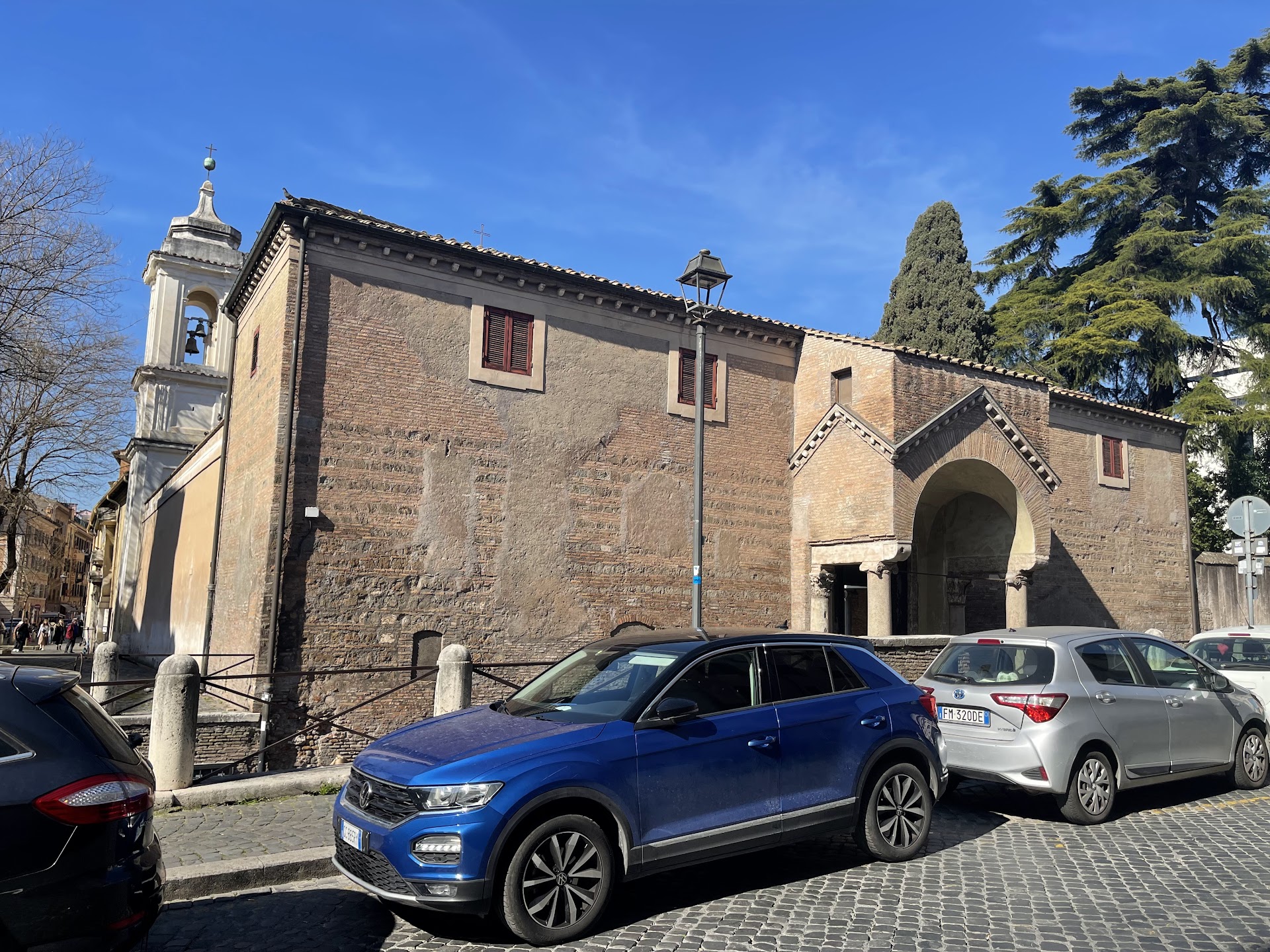
Basilica of San Clemente things to do, attractions, restaurants, events info and trip planning
Basic Info
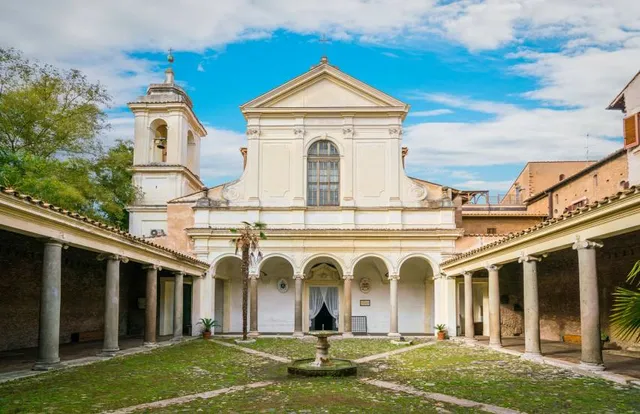
Basilica of San Clemente
Piazza di S. Clemente, 00184 Roma RM, Italy
4.7(3.2K)
Open until 12:30 PM


tickets
Save
spot
spot
Ratings & Description
Info
The Basilica of Saint Clement is a Latin Catholic minor basilica dedicated to Pope Clement I located in Rome, Italy.
Cultural
Accessibility
attractions: Colosseum, Domus Aurea, Parco del Colle Oppio, Tour in The City Rome, Ludus Magnus, Teatro Flavio, Baths of Trajan, Gothic Hall, Basilica of San Pietro in Vincoli, Arch of Constantine, restaurants: Trattoria Luzzi, Ristorante Colosseo "Luzzi", Naumachia Ristorante, Giulia&Sisto Roma Terrazza San Clemente, Ristorante Pizza Forum, Li Rioni a Santiquattro, Pasqualino Al Colosseo dal 1956- Trattoria Romana, Hostaria Isidoro, Le Terrazze al Colosseo, Trattoria Pizzeria Luzzi dal 1945, local businesses: Antiques & Antics, La Mandragora, Le Cinquine - Pizza e Tradizione Cecchini, Lato 15, Carpe Diem Tours, Case Romane del Celio, Curia Generalizia dei Padri Passionisti, Palatine Hill, Centro Sportivo Santa Maria, Esquiline Hill
 Learn more insights from Wanderboat AI.
Phone
+39 06 774 0021
Website
basilicasanclemente.com
Open hoursSee all hours
Mon9 AM - 12:30 PM, 2 - 6 PMOpen
Plan your stay

Pet-friendly Hotels in Rome
Find a cozy hotel nearby and make it a full experience.

Affordable Hotels in Rome
Find a cozy hotel nearby and make it a full experience.

The Coolest Hotels You Haven't Heard Of (Yet)
Find a cozy hotel nearby and make it a full experience.

Trending Stays Worth the Hype in Rome
Find a cozy hotel nearby and make it a full experience.
Reviews
Live events
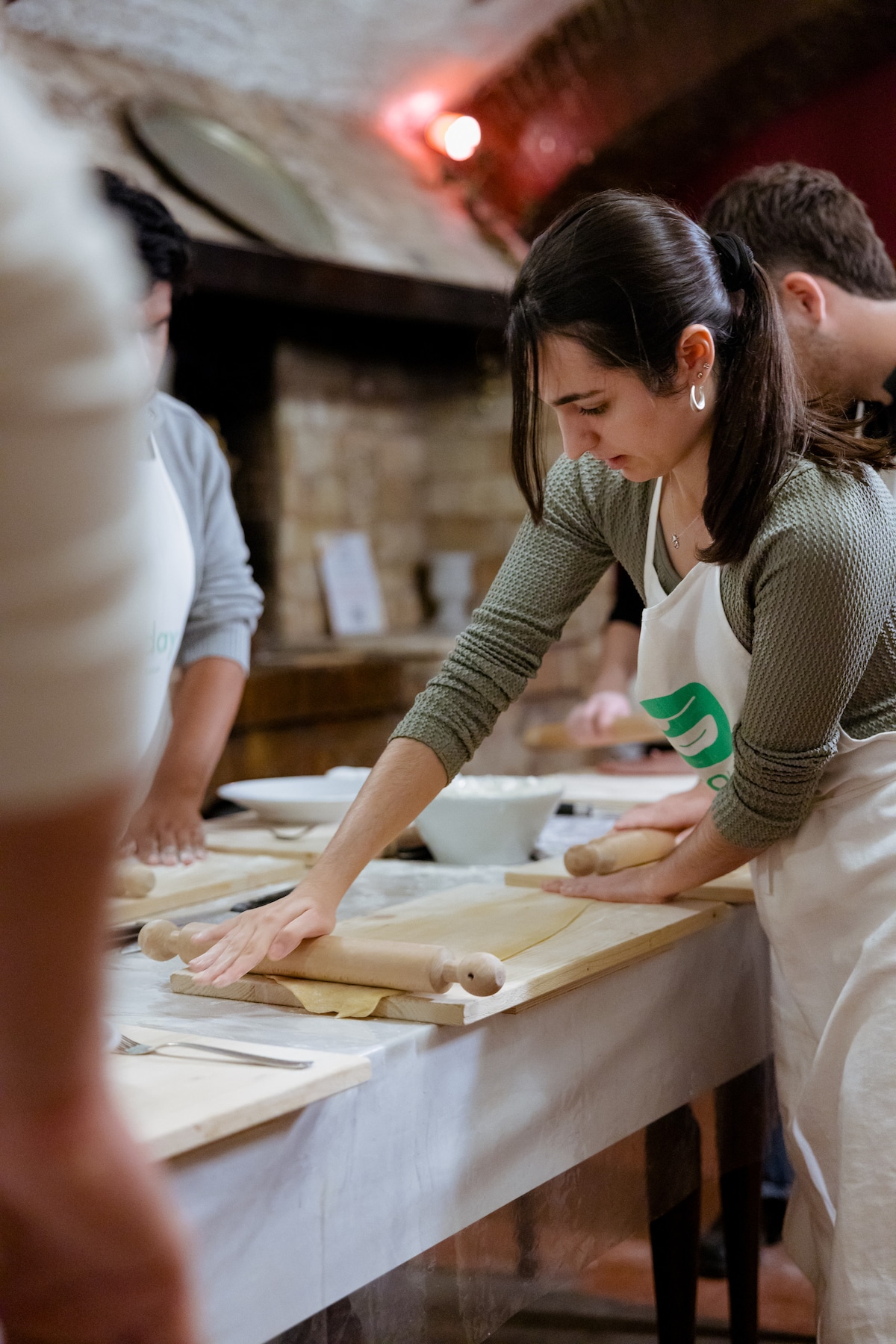
Make handmade fettuccine and tiramisu with a local
Mon, Feb 9 • 10:15 AM
00187, Rome, Lazio, Italy
View details
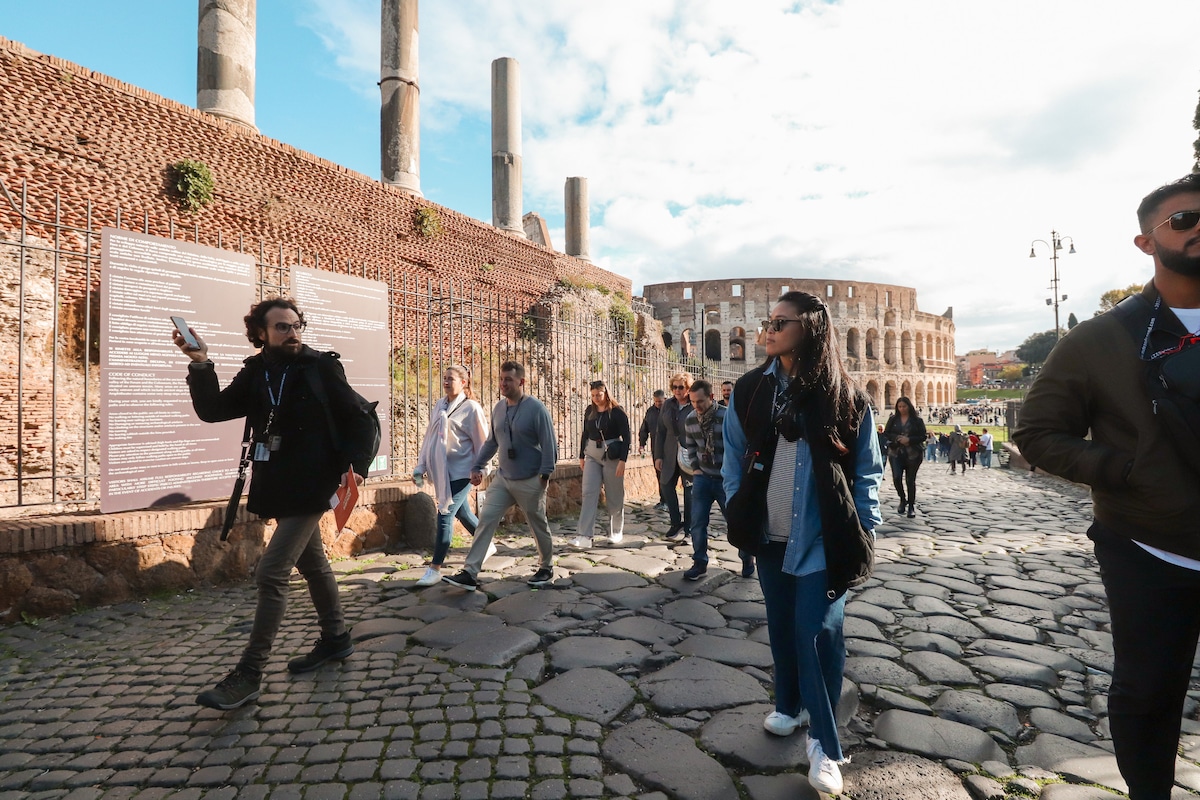
Colosseum, Forum, and Palatine Hill Guided Tour
Tue, Feb 10 • 9:30 AM
00184, Rome, Lazio, Italy
View details
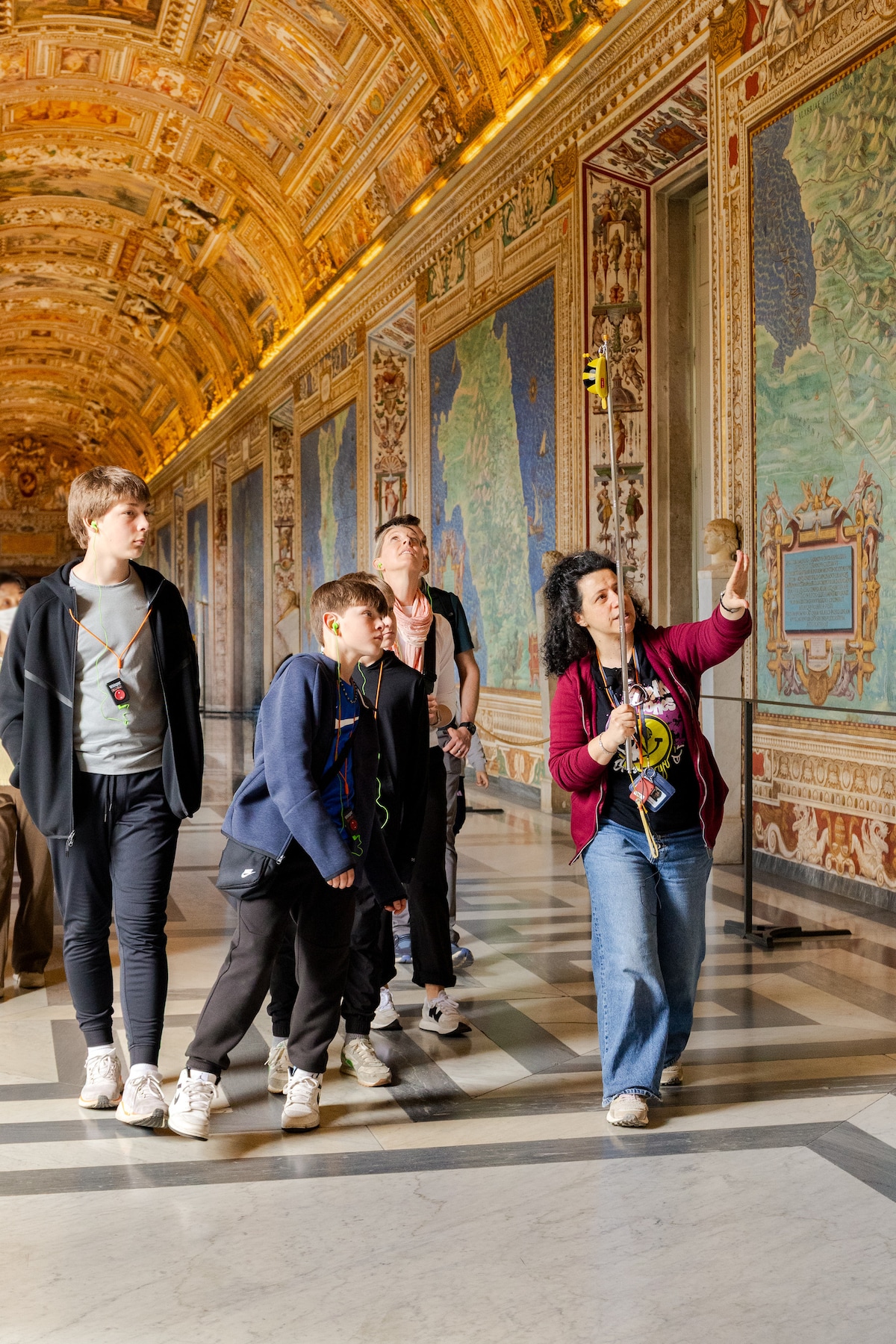
Complete Vatican Tour: Museums, Sistine & Basilica
Mon, Feb 9 • 9:15 AM
00192, Rome, Lazio, Italy
View details
Nearby attractions of Basilica of San Clemente
Colosseum
Domus Aurea
Parco del Colle Oppio
Tour in The City Rome
Ludus Magnus
Teatro Flavio
Baths of Trajan
Gothic Hall
Basilica of San Pietro in Vincoli
Arch of Constantine
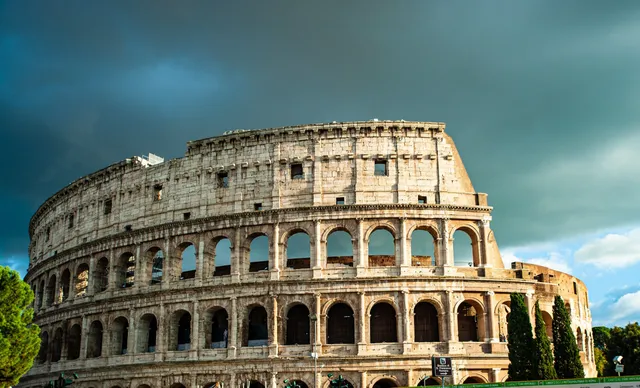
Colosseum
4.8
(141.1K)
Open until 4:30 PM
Click for details
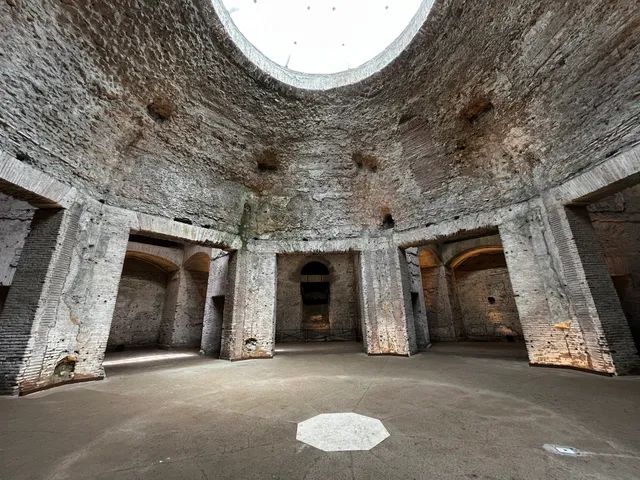
Domus Aurea
4.6
(1.8K)
Open until 12:00 AM
Click for details
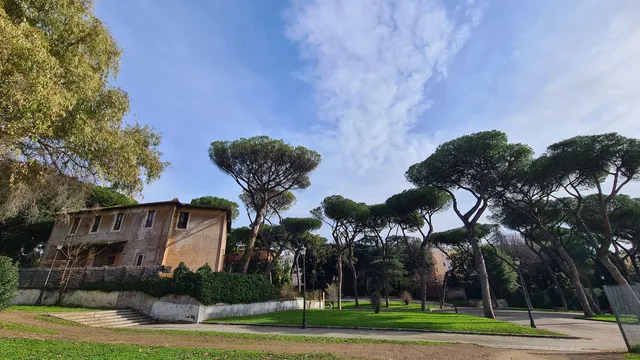
Parco del Colle Oppio
4.2
(2.1K)
Open until 7:00 PM
Click for details

Tour in The City Rome
4.2
(92)
Open until 7:00 PM
Click for details
Nearby restaurants of Basilica of San Clemente
Trattoria Luzzi
Ristorante Colosseo "Luzzi"
Naumachia Ristorante
Giulia&Sisto Roma Terrazza San Clemente
Ristorante Pizza Forum
Li Rioni a Santiquattro
Pasqualino Al Colosseo dal 1956- Trattoria Romana
Hostaria Isidoro
Le Terrazze al Colosseo
Trattoria Pizzeria Luzzi dal 1945
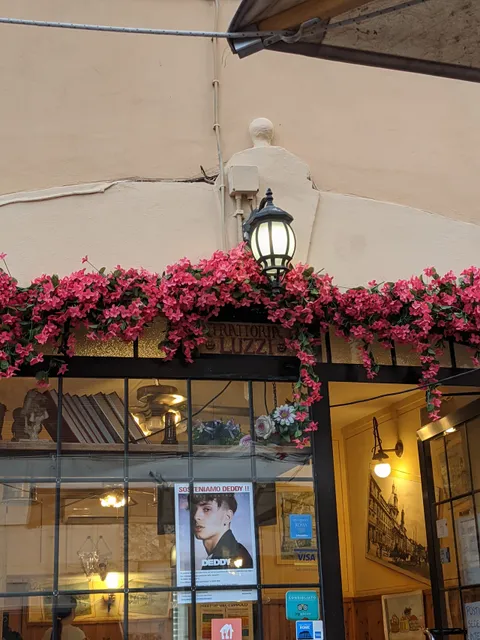
Trattoria Luzzi
4.1
(7.2K)
Closed
Click for details
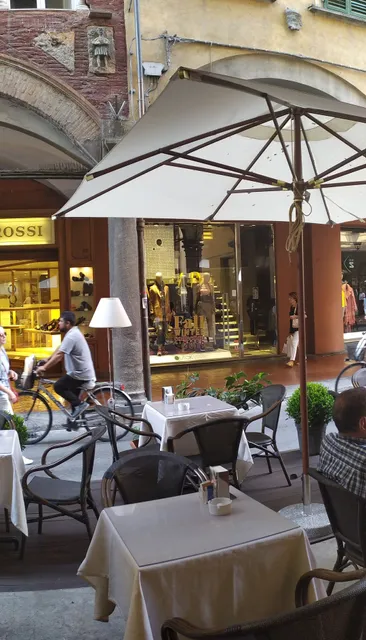
Ristorante Colosseo "Luzzi"
4.1
(2.6K)
Closed
Click for details
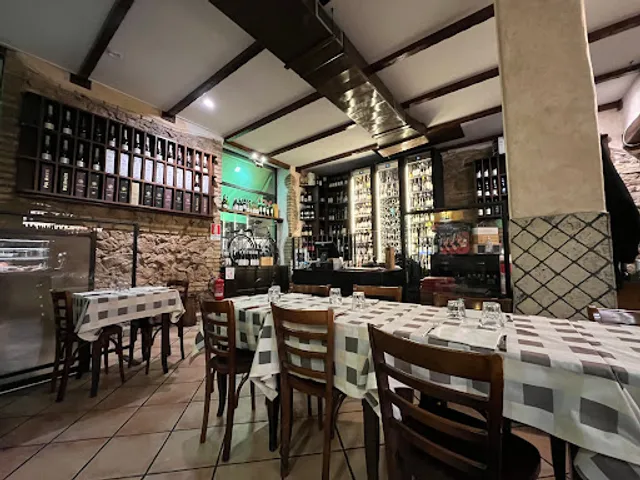
Naumachia Ristorante
4.3
(1.8K)
Open until 11:30 PM
Click for details
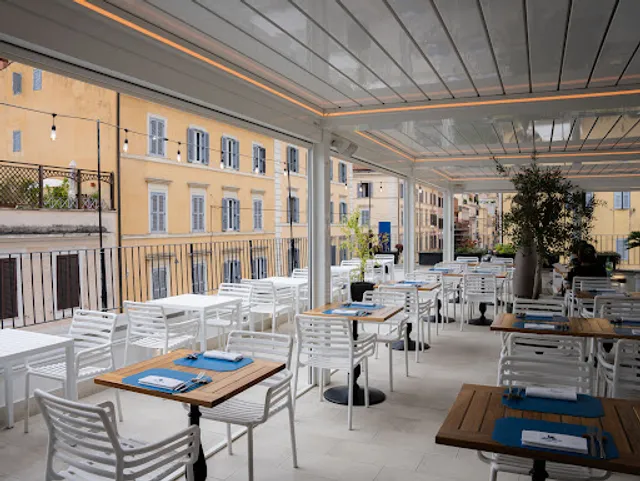
Giulia&Sisto Roma Terrazza San Clemente
4.1
(1.1K)
Open until 12:00 AM
Click for details
Nearby local services of Basilica of San Clemente
Antiques & Antics
La Mandragora
Le Cinquine - Pizza e Tradizione Cecchini
Lato 15
Carpe Diem Tours
Case Romane del Celio
Curia Generalizia dei Padri Passionisti
Palatine Hill
Centro Sportivo Santa Maria
Esquiline Hill
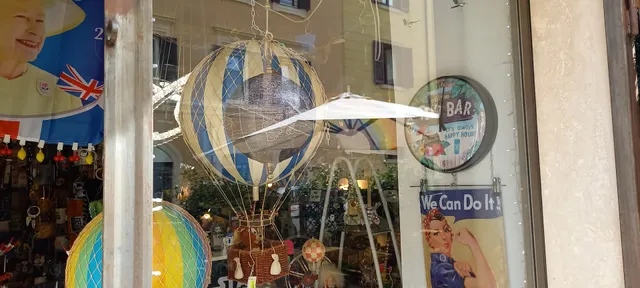
Antiques & Antics
4.8
(20)
Click for details
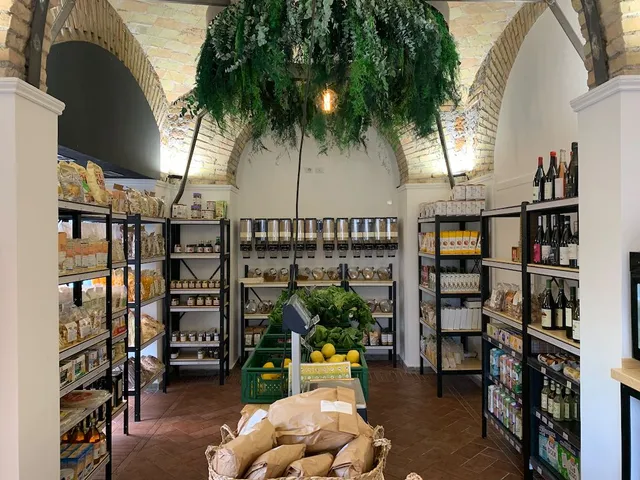
La Mandragora
4.8
(19)
Click for details
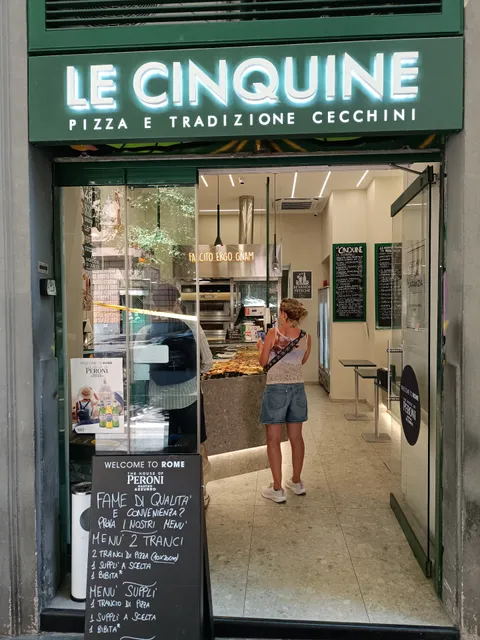
Le Cinquine - Pizza e Tradizione Cecchini
4.9
(190)
Click for details
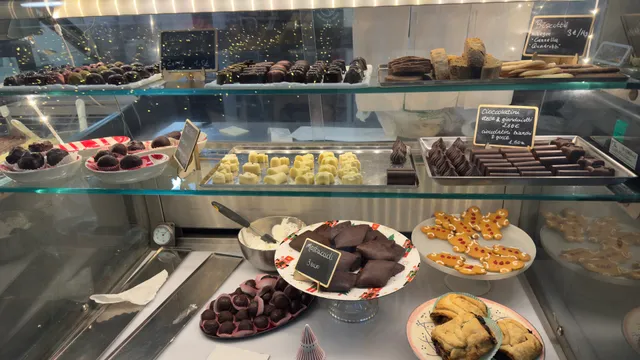
Lato 15
4.6
(321)
Click for details


The hit list
Plan your trip with Wanderboat
Welcome to Wanderboat AI, your AI search for local Eats and Fun, designed to help you explore your city and the world with ease.
Powered by Wanderboat AI trip planner.