Mercati di Traiano Museo dei Fori Imperiali things to do, attractions, restaurants, events info and trip planning
Basic Info
Mercati di Traiano Museo dei Fori Imperiali
Via Quattro Novembre, 94, 00187 Roma RM, Italy
4.6(3.9K)
Closed


tickets
Save
spot
spot
Ratings & Description
Info
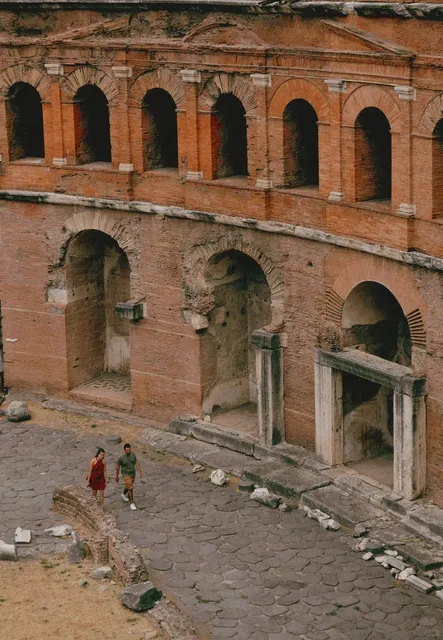
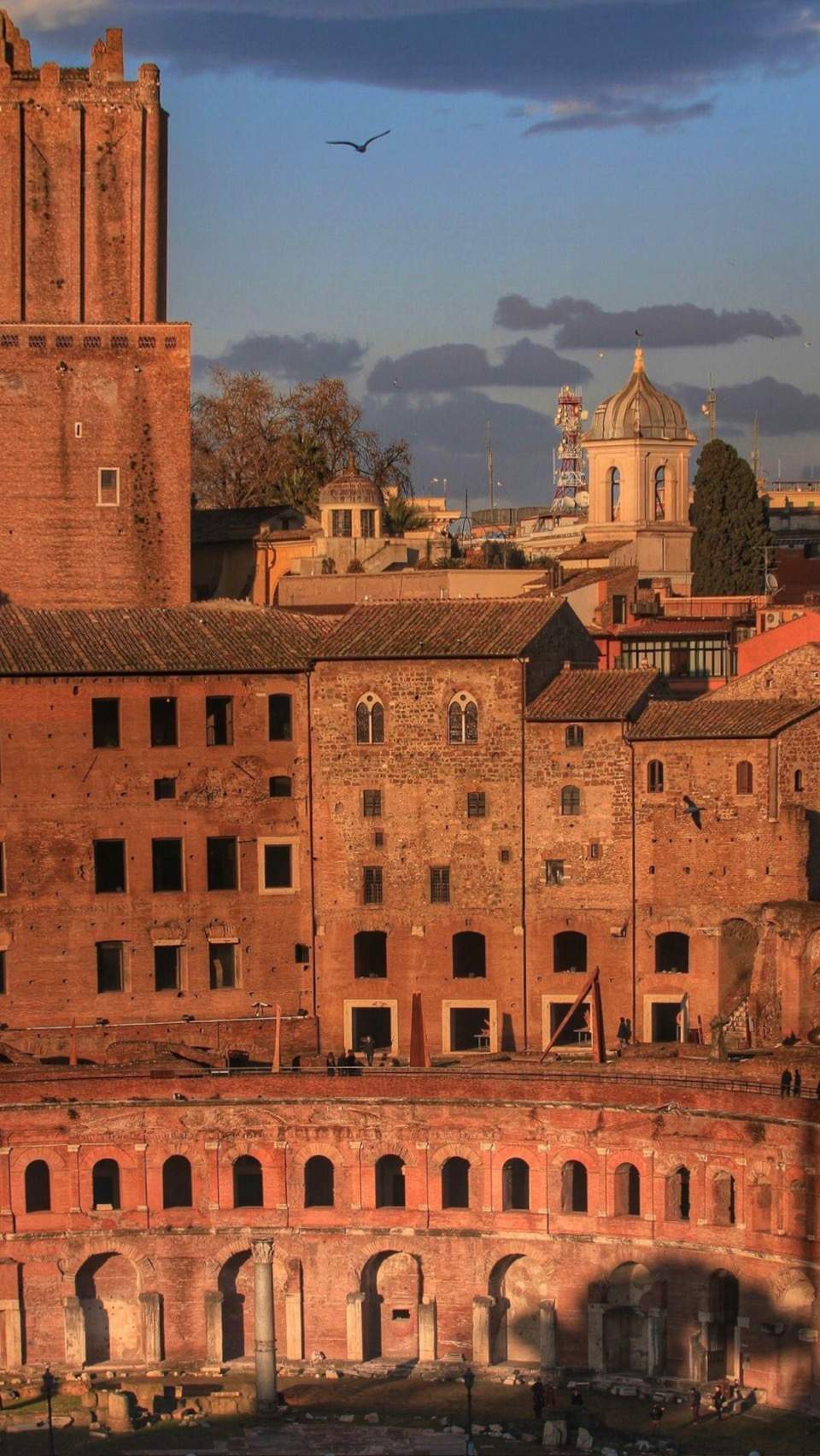
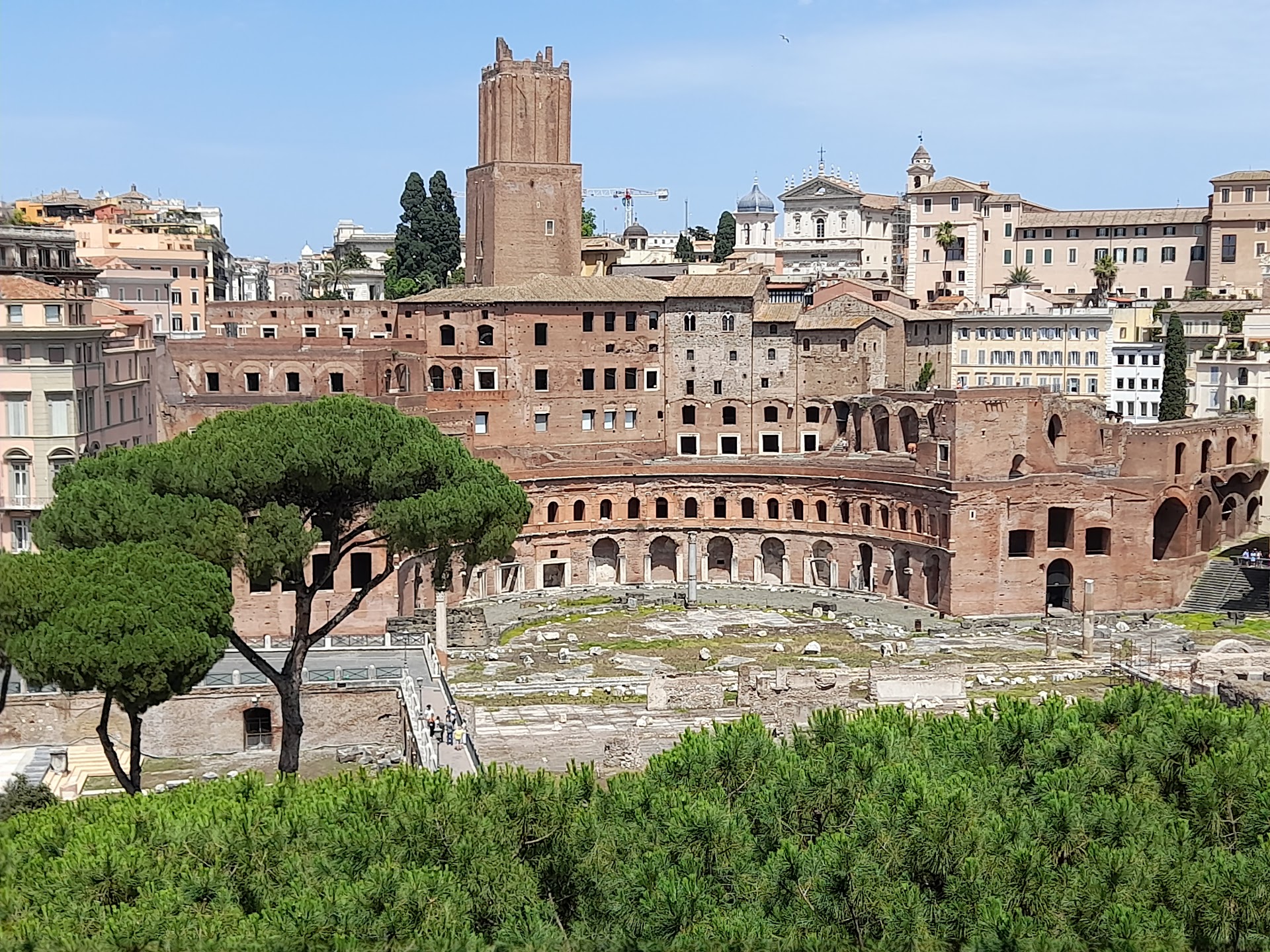
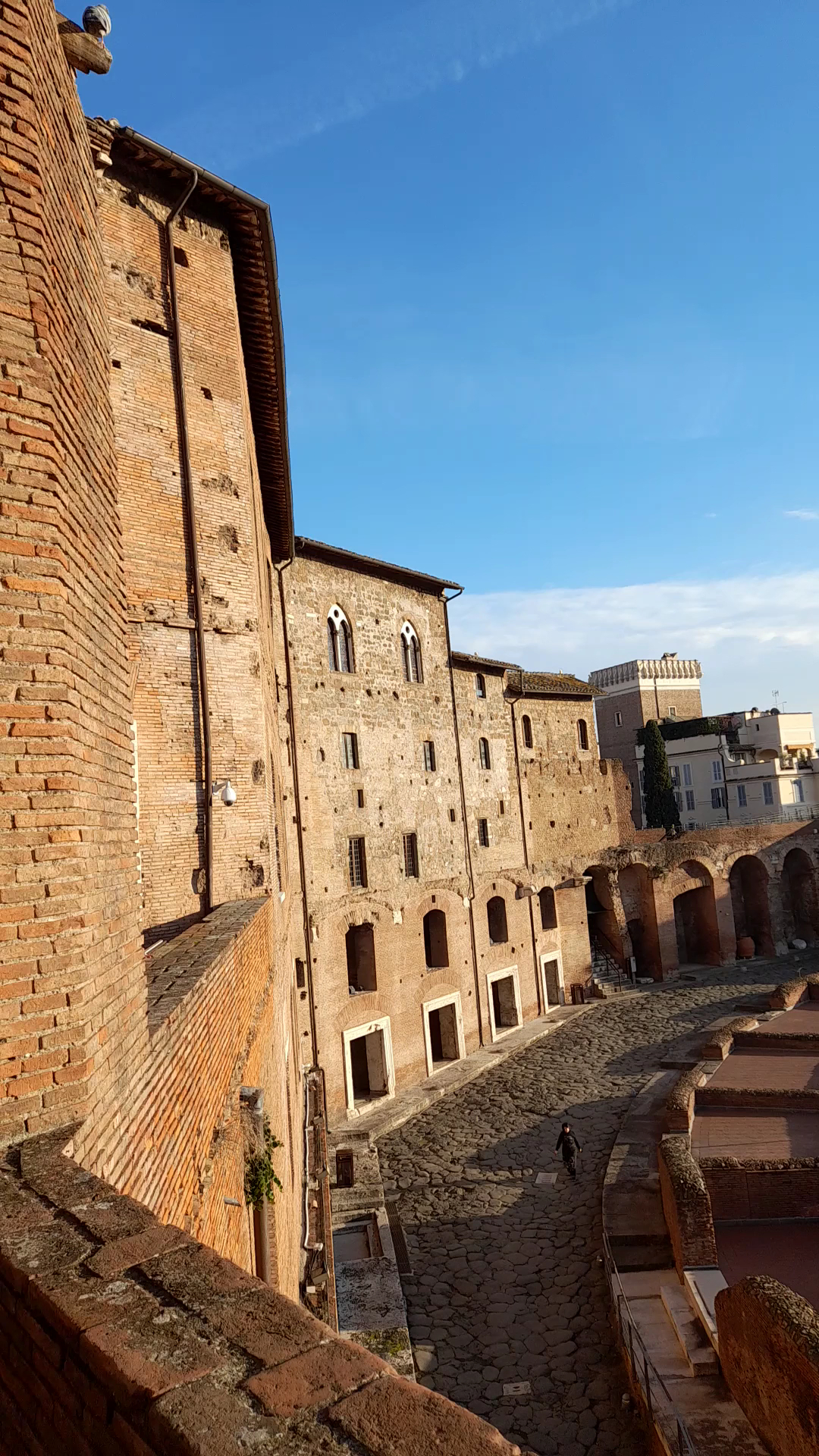
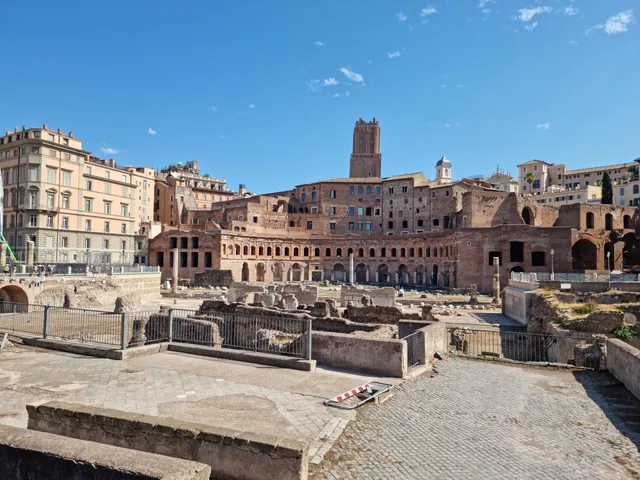
Trajan's Market is a large complex of ruins in the city of Rome, Italy, located on the Via dei Fori Imperiali, at the opposite end to the Colosseum.
Cultural
Accessibility
attractions: Trajan Forum, Monument to Victor Emmanuel II, Trajan's Column, Roman Forum, Piazza Venezia, Foro di Augusto, Le Domus Romane di Palazzo Valentini, Imperial Fora, Galleria Colonna, Piazza del Campidoglio, restaurants: Grano la cucina di Traiano, Nonno Melo, Oro Bistrot, Panna&Liquirizia, Gelateria la fragola, La Nuova Piazzetta, The Gelatist Via Nazionale 160, A Casa Tua, Gio' Gio' a Monti, Caffè Teatro Roma, local businesses: Campidoglio, Palacio Colonna, Souvenir Roma, Via dei Fori Imperiali, Doria Pamphili Gallery, IVY Donna - Abbigliamento, Tonin Casa, Museo Italiano della Birra Artigianale, Biglietteria Foro Romano, Giolitti Catering Srl
 Learn more insights from Wanderboat AI.
Phone
+39 06 0608
Website
mercatiditraiano.it
Open hoursSee all hours
Mon9:30 AM - 7:30 PMClosed
Plan your stay

Pet-friendly Hotels in Rome
Find a cozy hotel nearby and make it a full experience.

Affordable Hotels in Rome
Find a cozy hotel nearby and make it a full experience.

The Coolest Hotels You Haven't Heard Of (Yet)
Find a cozy hotel nearby and make it a full experience.

Trending Stays Worth the Hype in Rome
Find a cozy hotel nearby and make it a full experience.
Reviews
Live events
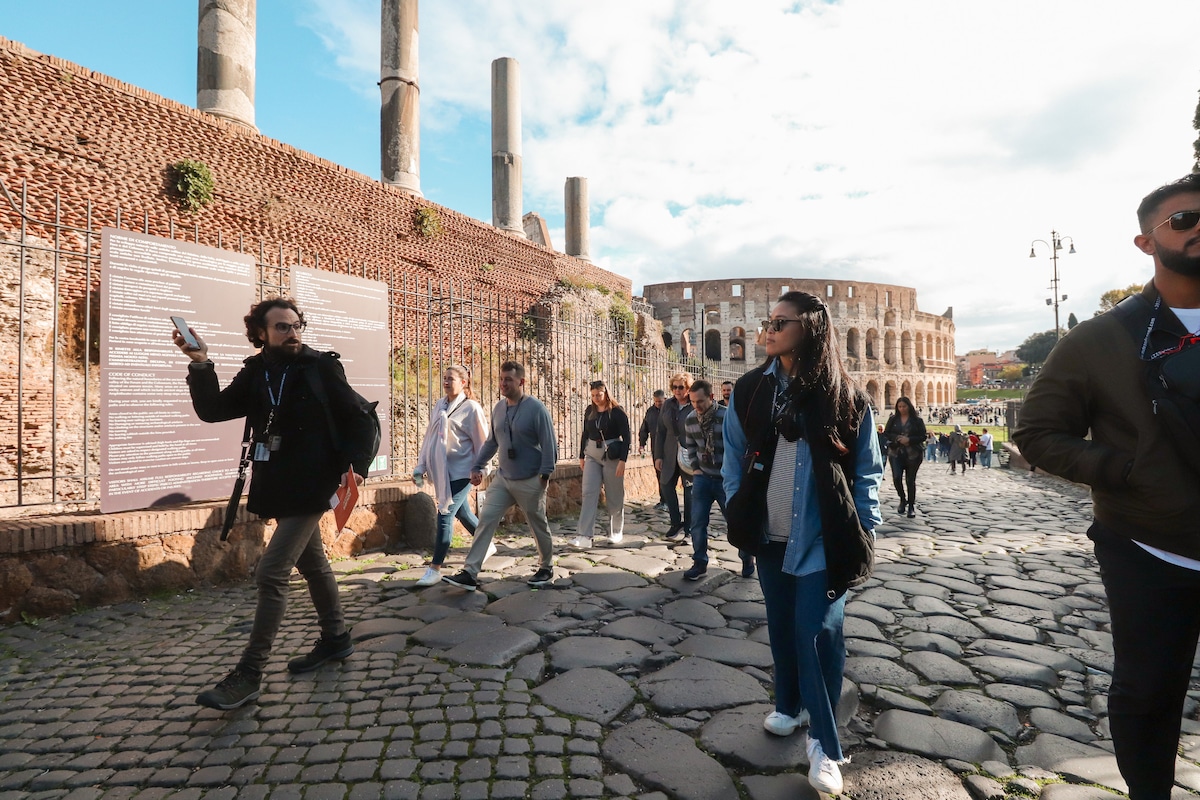
Colosseum, Forum, and Palatine Hill Guided Tour
Tue, Feb 24 • 9:30 AM
00184, Rome, Lazio, Italy
View details
LUNA: A Journey to the Moon – un’esperienza immersiva in realtà virtuale a Roma
Wed, Feb 25 • 4:00 PM
Via Trionfale, 7400, Roma, 00136
View details
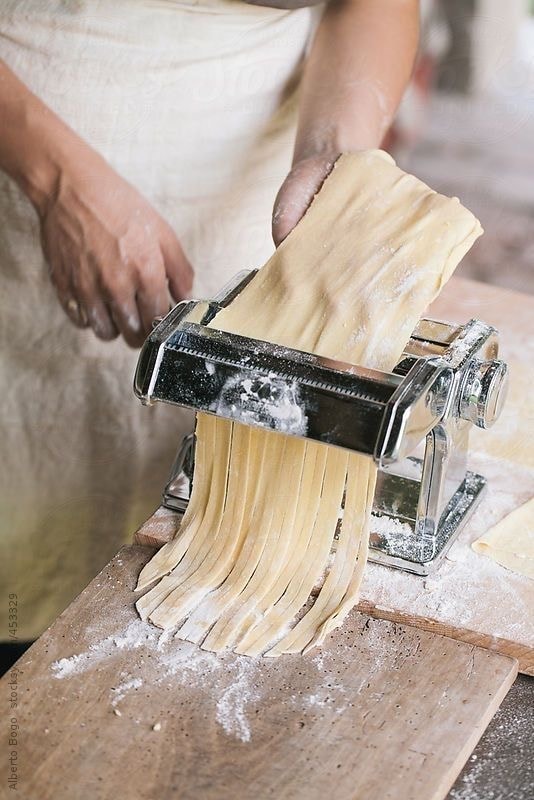
Pasta, Tiramisu & Gelato Party in Rome
Mon, Feb 23 • 10:30 AM
00154, Rome, Lazio, Italy
View details
Nearby attractions of Mercati di Traiano Museo dei Fori Imperiali
Trajan Forum
Monument to Victor Emmanuel II
Trajan's Column
Roman Forum
Piazza Venezia
Foro di Augusto
Le Domus Romane di Palazzo Valentini
Imperial Fora
Galleria Colonna
Piazza del Campidoglio
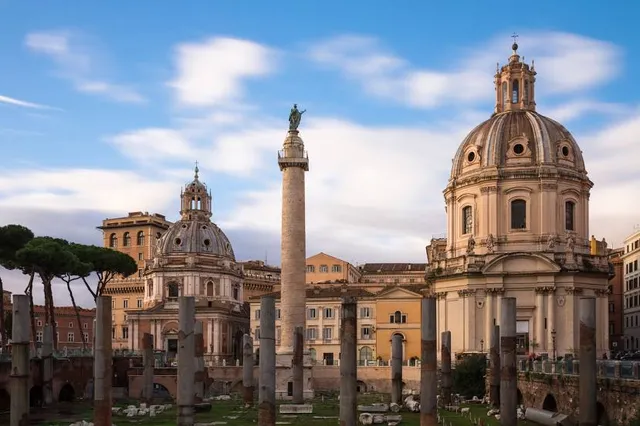
Trajan Forum
4.7
(4K)
Closed
Click for details
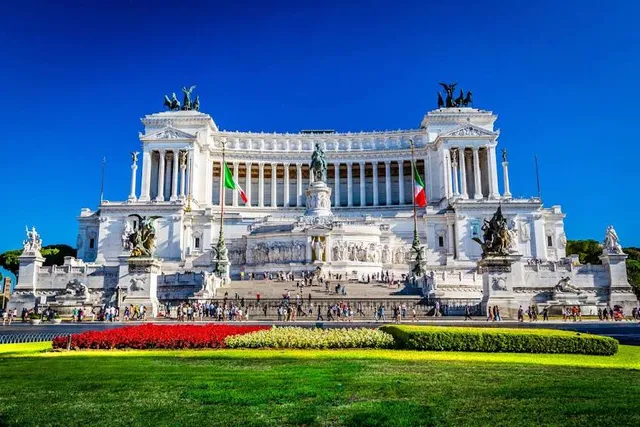
Monument to Victor Emmanuel II
4.8
(24.3K)
Closed
Click for details
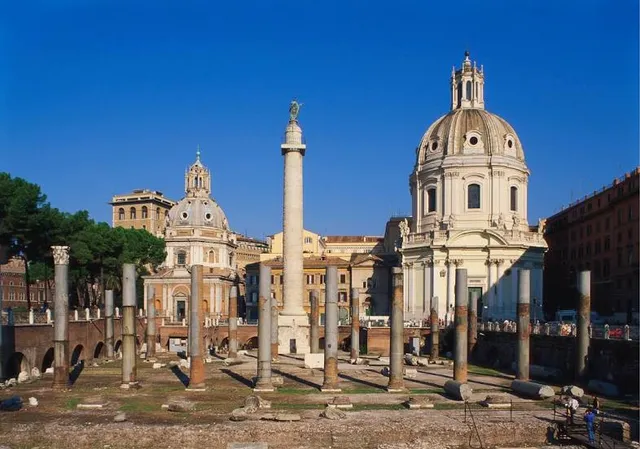
Trajan's Column
4.8
(2K)
Open 24 hours
Click for details
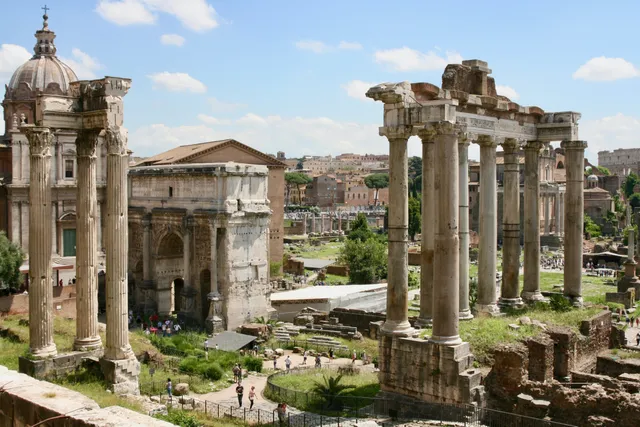
Roman Forum
4.8
(44.4K)
Closed
Click for details
Nearby restaurants of Mercati di Traiano Museo dei Fori Imperiali
Grano la cucina di Traiano
Nonno Melo
Oro Bistrot
Panna&Liquirizia
Gelateria la fragola
La Nuova Piazzetta
The Gelatist Via Nazionale 160
A Casa Tua
Gio' Gio' a Monti
Caffè Teatro Roma
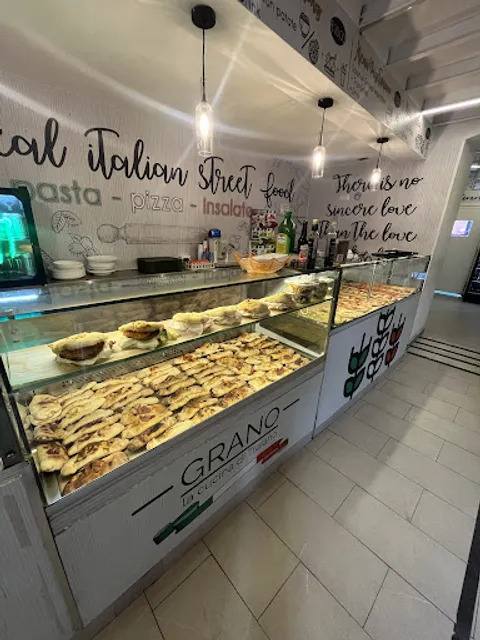
Grano la cucina di Traiano
4.7
(1.3K)
Closed
Click for details
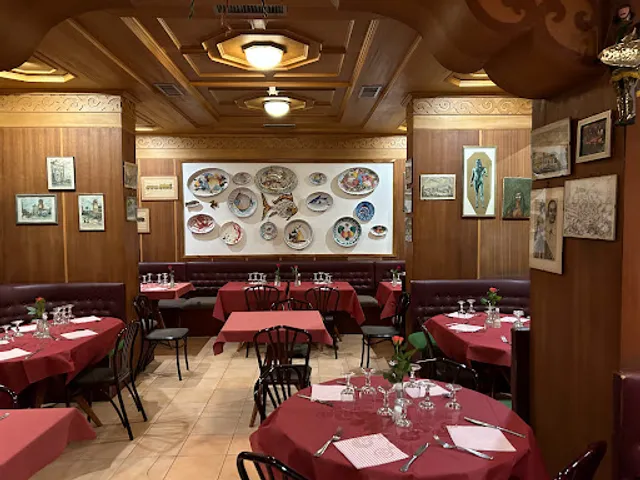
Nonno Melo
4.4
(808)
Closed
Click for details
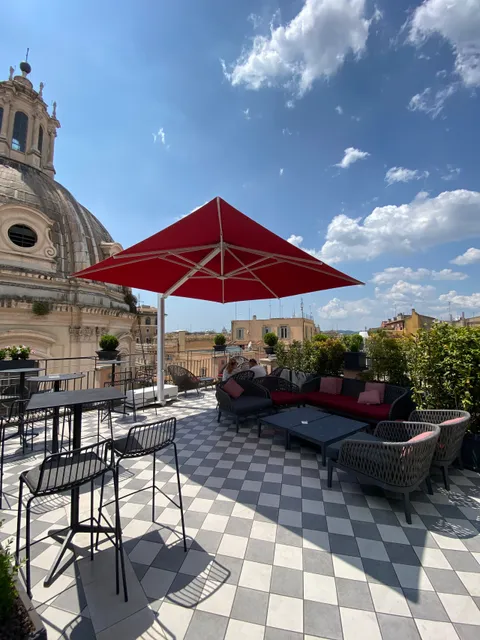
Oro Bistrot
4.4
(957)
$$$$
Closed
Click for details
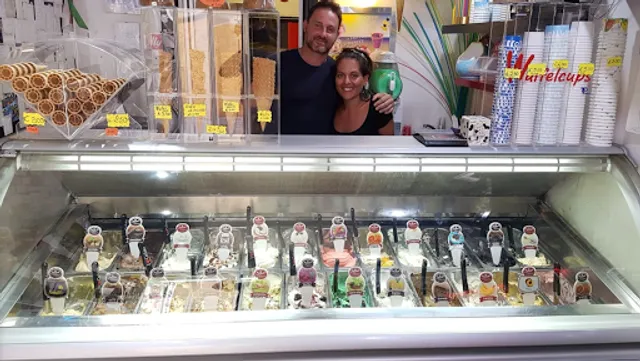
Panna&Liquirizia
4.8
(520)
$
Closed
Click for details
Nearby local services of Mercati di Traiano Museo dei Fori Imperiali
Campidoglio
Palacio Colonna
Souvenir Roma
Via dei Fori Imperiali
Doria Pamphili Gallery
IVY Donna - Abbigliamento
Tonin Casa
Museo Italiano della Birra Artigianale
Biglietteria Foro Romano
Giolitti Catering Srl
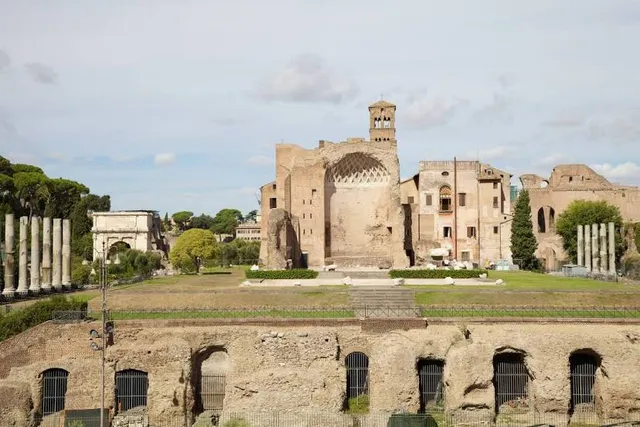
Campidoglio
4.7
(8.1K)
Click for details
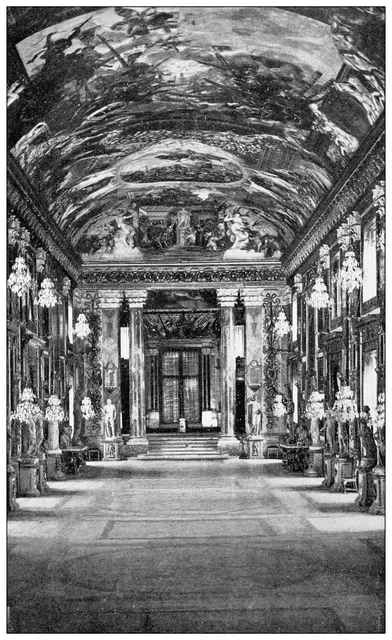
Palacio Colonna
4.8
(831)
Click for details
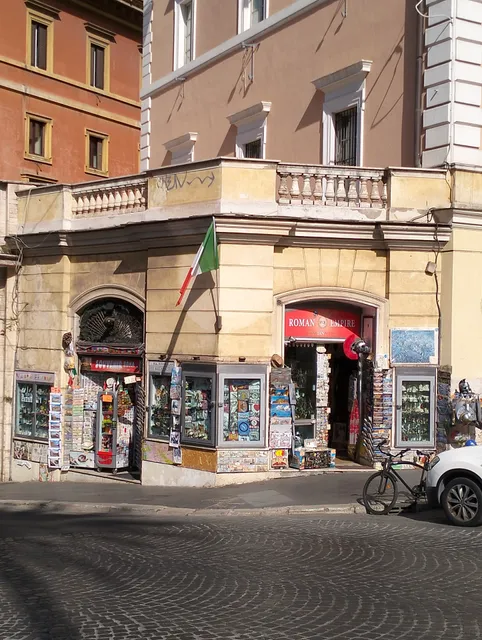
Souvenir Roma
4.7
(82)
Click for details
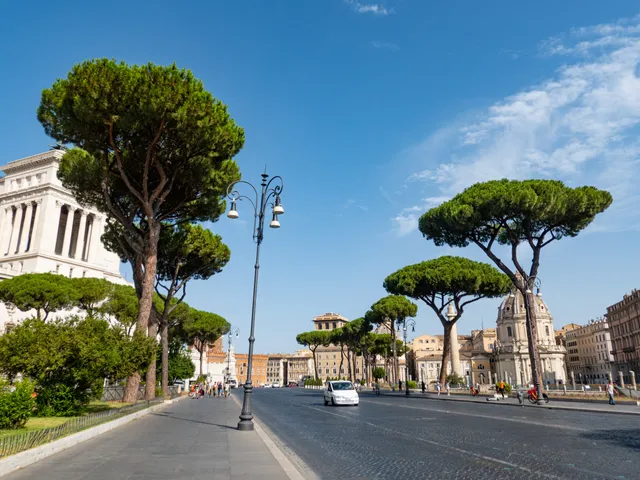
Via dei Fori Imperiali
4.8
(410)
Click for details


The hit list


Plan your trip with Wanderboat
Welcome to Wanderboat AI, your AI search for local Eats and Fun, designed to help you explore your city and the world with ease.
Powered by Wanderboat AI trip planner.