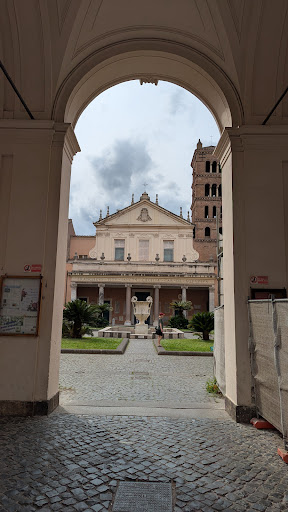
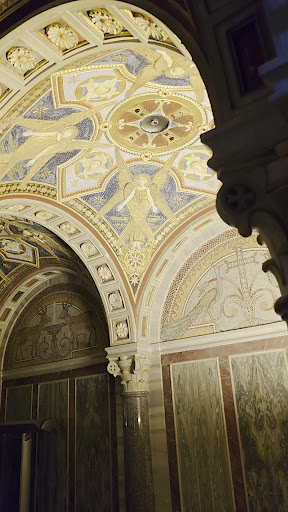
Santa Cecilia in Trastevere things to do, attractions, restaurants, events info and trip planning
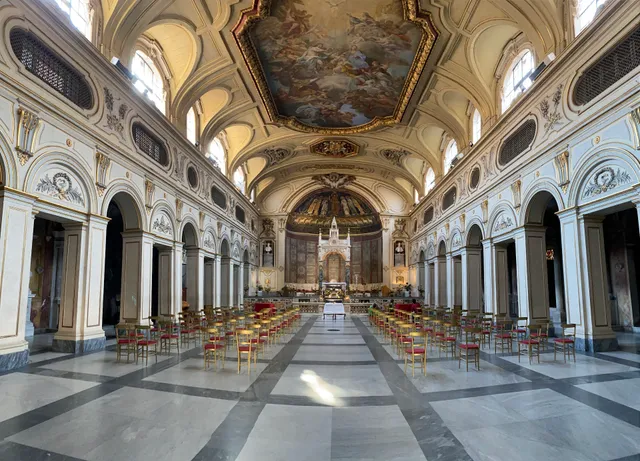
Basic Info
Santa Cecilia in Trastevere
Piazza di Santa Cecilia, 22, 00153 Roma RM, Italy
4.7(1.9K)
Closed
Save
spot
spot
Ratings & Description
Info
Cultural
Scenic
Accessibility
attractions: Borgia Gallery Arena Magna, Chiesa di Santa Maria dell’Orto, Basilica di San Crisogono, Church of Saint Benedict 'in Piscinula', Giardino degli Aranci, Mouth of Truth, Chiesetta di Santa Maria in Cappella, Ponte Cestio, Sant'Andrea de Scaphis, Basilica di San Bartolomeo all'Isola Tiberina, restaurants: Roma Sparita, Trattoria Da Enzo, Da Meo Patacca, Ristorante le Mani in Pasta, Ristorante Sette Oche in Altalena, Spirito di Vino, La Gattabuia, 404 Name Not Found, Ai Marmi, L'Insalata Ricca, local businesses: Basilica di Santa Cecilia in Trastevere, Biscottificio Artigiano Innocenti, Terme di Trastevere - Massage Wellness Center and Spa Rome, Tiber Island, Porta Portese, Chiesa di Santa Maria della Luce, Porta Portese, Fatebenefratelli Isola Tiberina, Ponte Fabricio, Isola del Cinema
 Learn more insights from Wanderboat AI.
Phone
+39 06 4549 2739
Website
benedettinesantacecilia.it
Open hoursSee all hours
Sun10 AM - 12:30 PM, 4:30 - 6:30 PMClosed
Plan your stay

Pet-friendly Hotels in Rome
Find a cozy hotel nearby and make it a full experience.

Affordable Hotels in Rome
Find a cozy hotel nearby and make it a full experience.

The Coolest Hotels You Haven't Heard Of (Yet)
Find a cozy hotel nearby and make it a full experience.

Trending Stays Worth the Hype in Rome
Find a cozy hotel nearby and make it a full experience.
Reviews
Live events
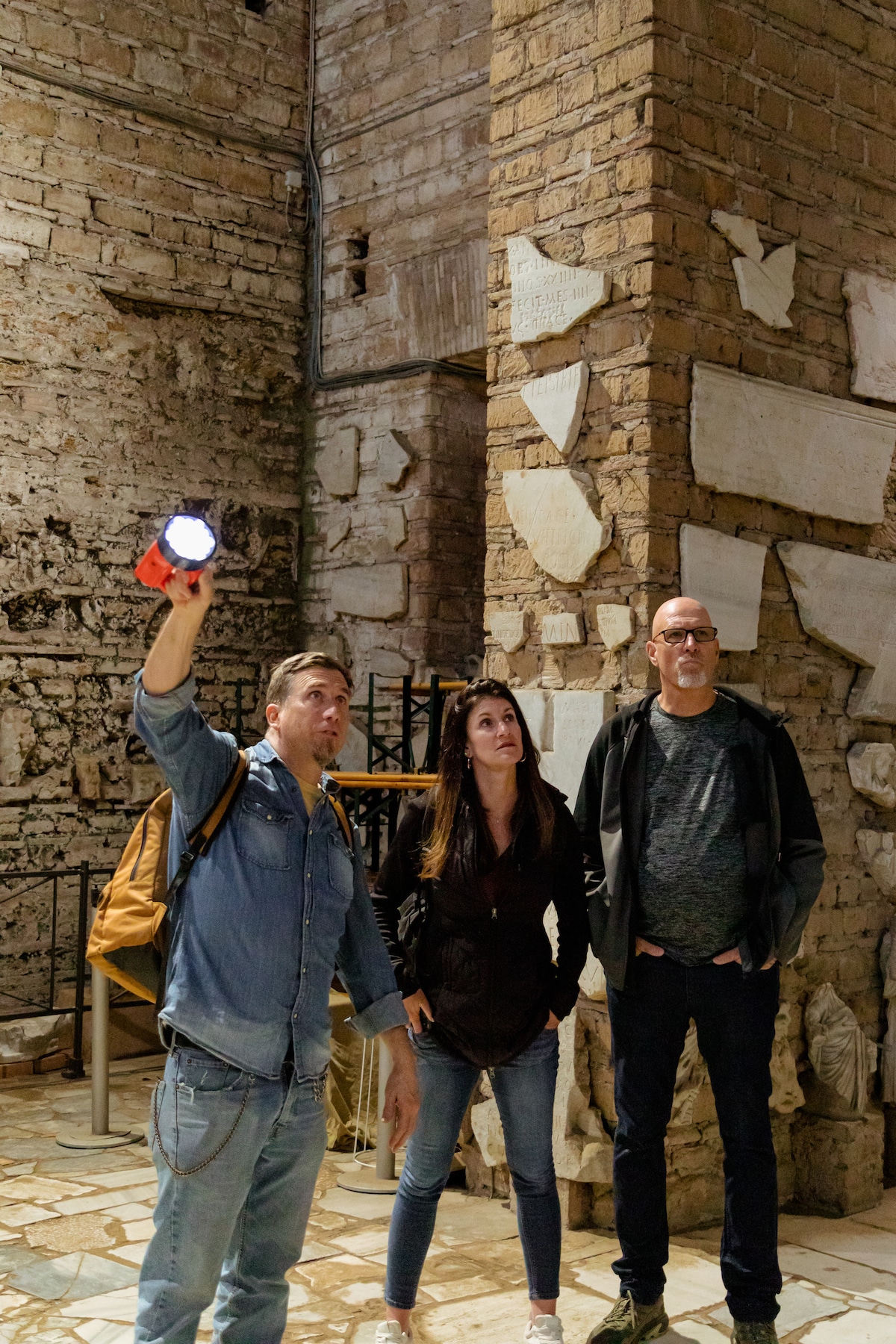
Skip the line to uncover the catacombs’ history
Sun, Feb 8 • 10:00 AM
00147, Rome, Lazio, Italy
View details
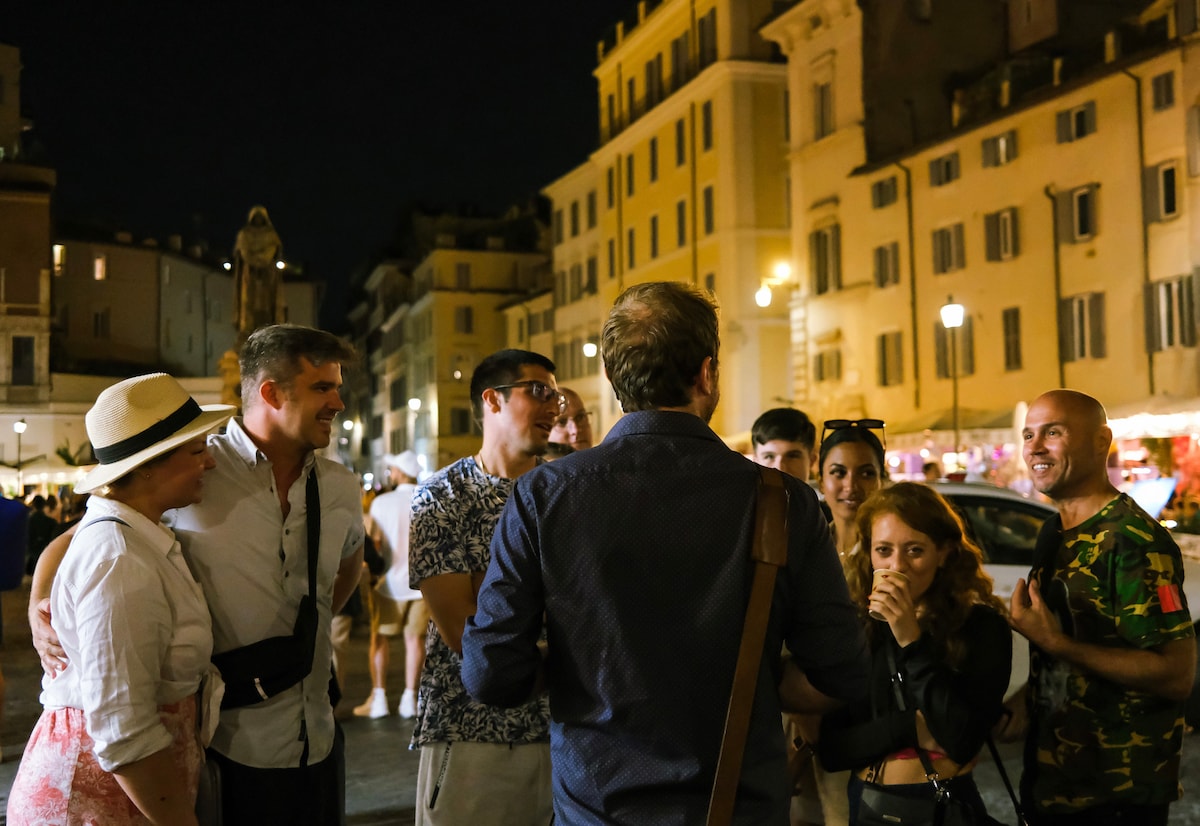
Rome’s Dark Side - Ghosts & Legends
Mon, Feb 9 • 8:00 PM
00186, Rome, Lazio, Italy
View details

Visit a 16th-century boutique winery
Sun, Feb 8 • 10:00 AM
00044, Frascati, Lazio, Italy
View details
Nearby attractions of Santa Cecilia in Trastevere
Borgia Gallery Arena Magna
Chiesa di Santa Maria dell’Orto
Basilica di San Crisogono
Church of Saint Benedict 'in Piscinula'
Giardino degli Aranci
Mouth of Truth
Chiesetta di Santa Maria in Cappella
Ponte Cestio
Sant'Andrea de Scaphis
Basilica di San Bartolomeo all'Isola Tiberina

Borgia Gallery Arena Magna
5.0
(48)
Open 24 hours
Click for details
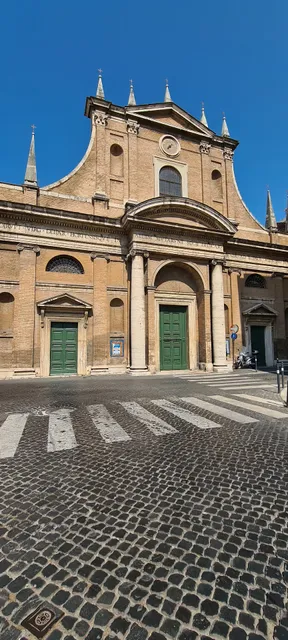
Chiesa di Santa Maria dell’Orto
4.7
(220)
Closed
Click for details
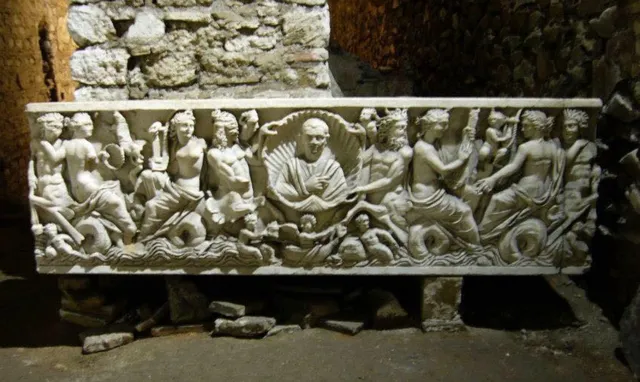
Basilica di San Crisogono
4.6
(645)
Closed
Click for details
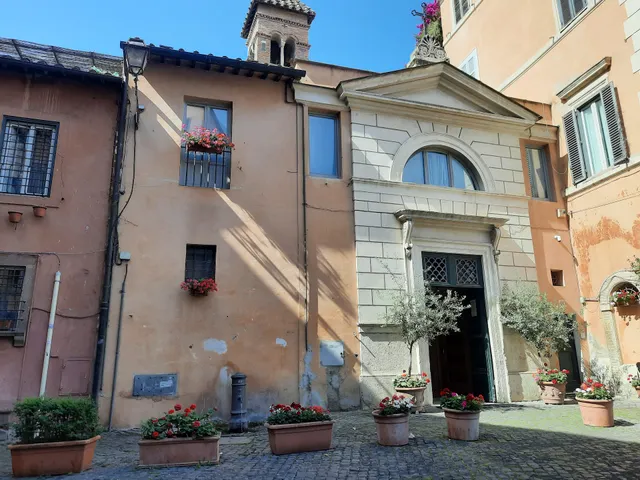
Church of Saint Benedict 'in Piscinula'
4.8
(191)
Closed
Click for details
Nearby restaurants of Santa Cecilia in Trastevere
Roma Sparita
Trattoria Da Enzo
Da Meo Patacca
Ristorante le Mani in Pasta
Ristorante Sette Oche in Altalena
Spirito di Vino
La Gattabuia
404 Name Not Found
Ai Marmi
L'Insalata Ricca
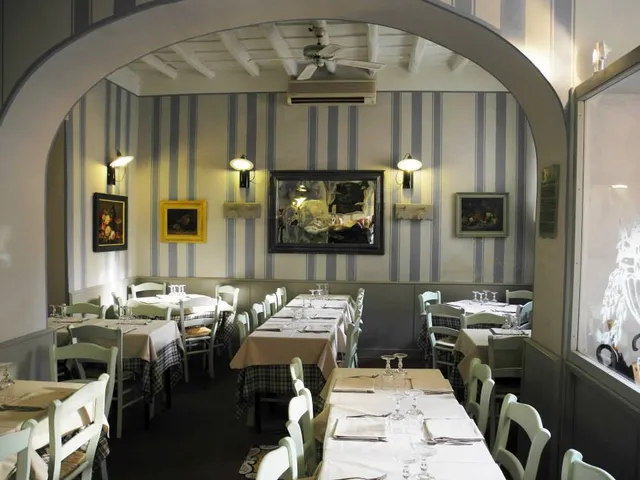
Roma Sparita
4.4
(1.5K)
Closed
Click for details
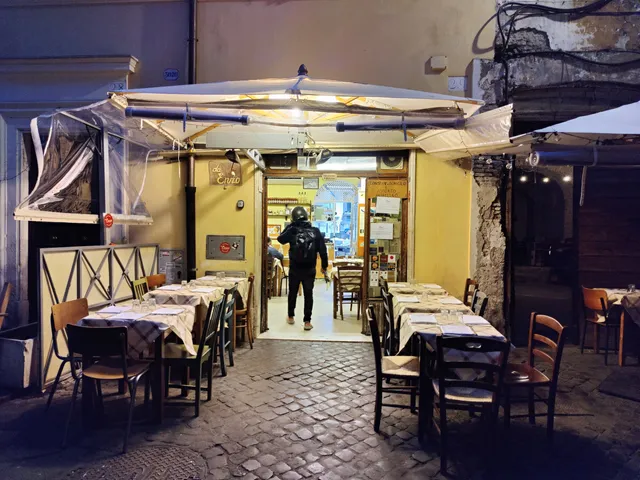
Trattoria Da Enzo
4.3
(3.8K)
Open until 12:00 AM
Click for details
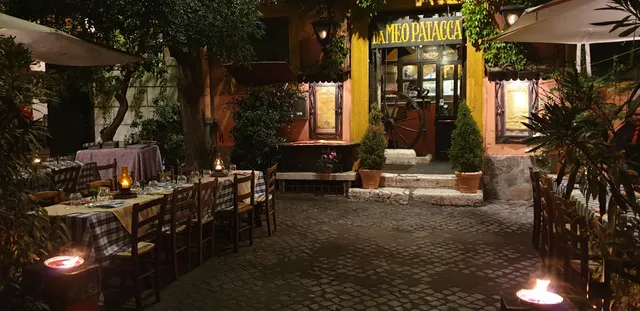
Da Meo Patacca
4.2
(1.6K)
Closed
Click for details
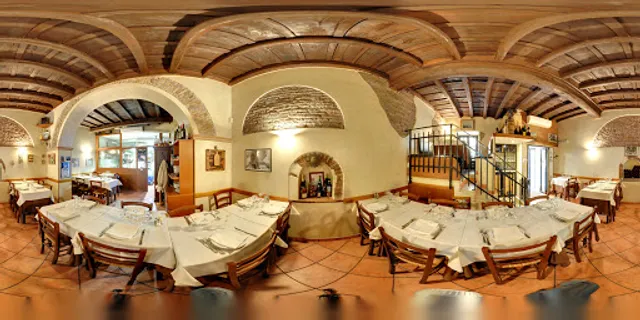
Ristorante le Mani in Pasta
4.4
(1.1K)
Closed
Click for details
Nearby local services of Santa Cecilia in Trastevere
Basilica di Santa Cecilia in Trastevere
Biscottificio Artigiano Innocenti
Terme di Trastevere - Massage Wellness Center and Spa Rome
Tiber Island
Porta Portese
Chiesa di Santa Maria della Luce
Porta Portese
Fatebenefratelli Isola Tiberina
Ponte Fabricio
Isola del Cinema
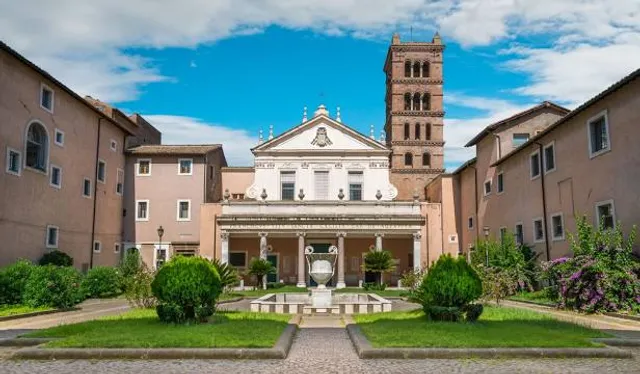
Basilica di Santa Cecilia in Trastevere
4.7
(1.5K)
Click for details
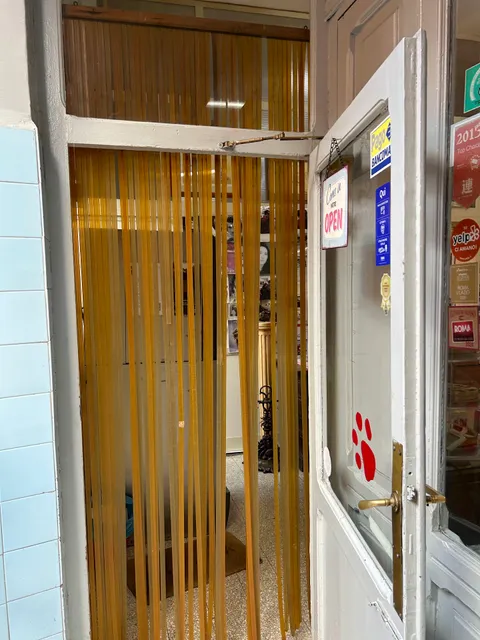
Biscottificio Artigiano Innocenti
4.8
(543)
Click for details
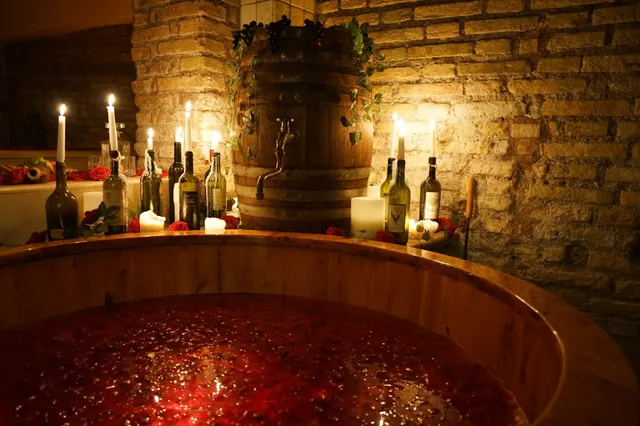
Terme di Trastevere - Massage Wellness Center and Spa Rome
4.7
(251)
Click for details
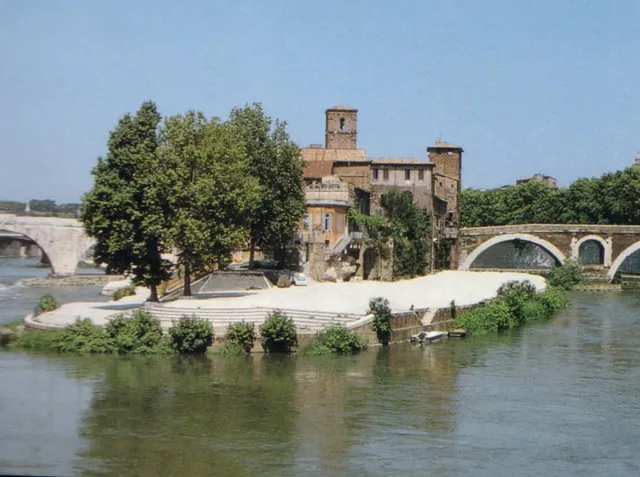
Tiber Island
4.6
(1.3K)
Click for details


The hit list
Plan your trip with Wanderboat
Welcome to Wanderboat AI, your AI search for local Eats and Fun, designed to help you explore your city and the world with ease.
Powered by Wanderboat AI trip planner.