Villa Doria Pamphili things to do, attractions, restaurants, events info and trip planning
Basic Info
Villa Doria Pamphili
Via di San Pancrazio, 00152 Roma RM, Italy
4.6(8K)
Closed
Save
spot
spot
Ratings & Description
Info
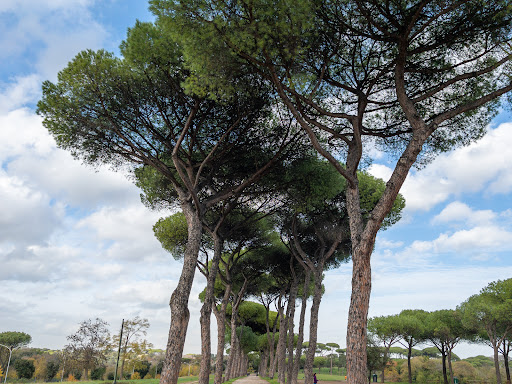
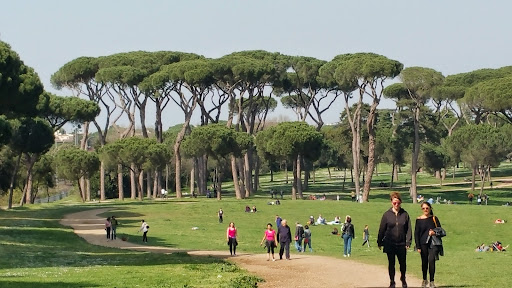
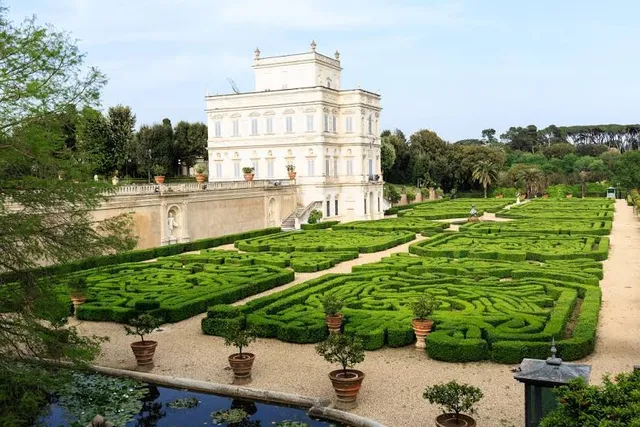
The Villa Doria Pamphili is a seventeenth-century villa with what is today the largest landscaped public park in Rome, Italy. It is located in the quarter of Monteverde, on the Gianicolo, just outside the Porta San Pancrazio in the ancient walls of Rome where the ancient road of the Via Aurelia commences.
Outdoor
Cultural
Pet friendly
attractions: Belvedere Lake, Villa Pamphili, Fontana del Giglio, underpass Waterfall, Casale dei Cedrati, Albero Monumentale Pioppo Nero, Play area for children, Fountain of Venus, Largo del Casale di Giovio, restaurants: ViVi – Villa Pamphili, Ristorante La Maielletta, Mucca Pazza Monteverde, Trattoria Da Cesare al Casaletto, Bfr Gianicolense, Himalaya Palace, Le Bon Bock Whisky Bar, Wood San Pietro, Pomodoro & Mozzarella, Risky Point, local businesses: Parco Villa Doria Pamphilj, Via Nicolò Piccolomini, Mercatino Usato Roma Gregorio VII, Villino Algardi (Casino del Bel Respiro), Fontana del Cupido (o del Putto)
 Learn more insights from Wanderboat AI.
Phone
+39 06 0608
Website
villadoriapamphilj.it
Open hoursSee all hours
Wed7 AM - 6 PMClosed
Plan your stay

Pet-friendly Hotels in Rome
Find a cozy hotel nearby and make it a full experience.

Affordable Hotels in Rome
Find a cozy hotel nearby and make it a full experience.

The Coolest Hotels You Haven't Heard Of (Yet)
Find a cozy hotel nearby and make it a full experience.

Trending Stays Worth the Hype in Rome
Find a cozy hotel nearby and make it a full experience.
Reviews
Live events

Make handmade fettuccine and tiramisu with a local
Thu, Feb 26 • 10:15 AM
00187, Rome, Lazio, Italy
View details

Passioni, simpatia e convenzioni: la natura umana in Hume e Darwin
Thu, Feb 26 • 6:00 PM
Via Plebiscito 118 00186 Roma
View details

LUNA: A Journey to the Moon – un’esperienza immersiva in realtà virtuale a Roma
Fri, Feb 27 • 4:00 PM
Via Trionfale, 7400, Roma, 00136
View details
Nearby attractions of Villa Doria Pamphili
Belvedere Lake
Villa Pamphili
Fontana del Giglio
underpass Waterfall
Casale dei Cedrati
Albero Monumentale Pioppo Nero
Play area for children
Fountain of Venus
Largo del Casale di Giovio
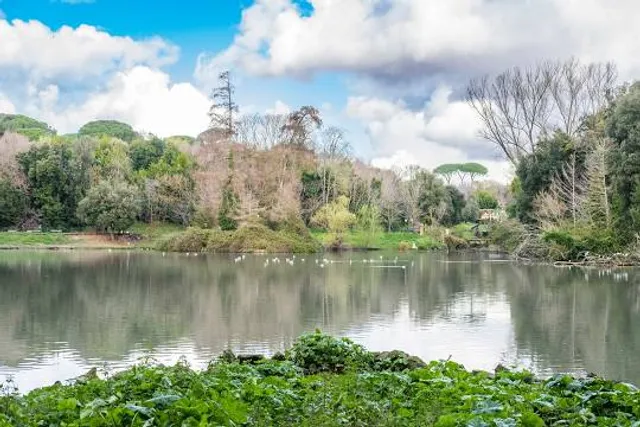
Belvedere Lake
4.5
(125)
Open until 12:00 AM
Click for details
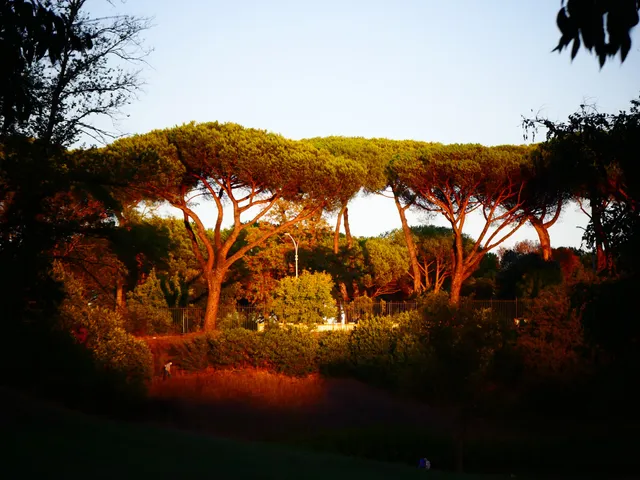
Villa Pamphili
4.7
(1.2K)
Closed
Click for details
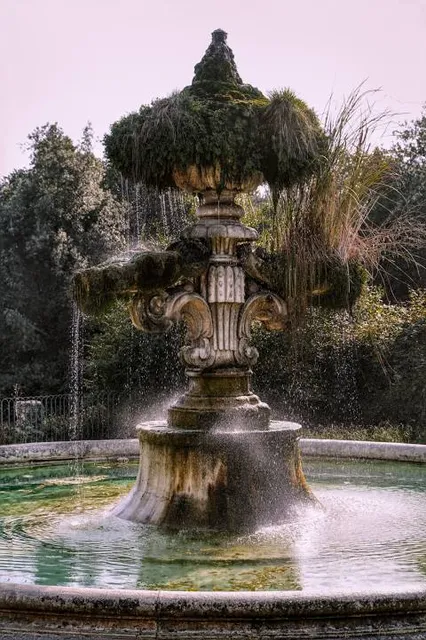
Fontana del Giglio
4.3
(87)
Open 24 hours
Click for details
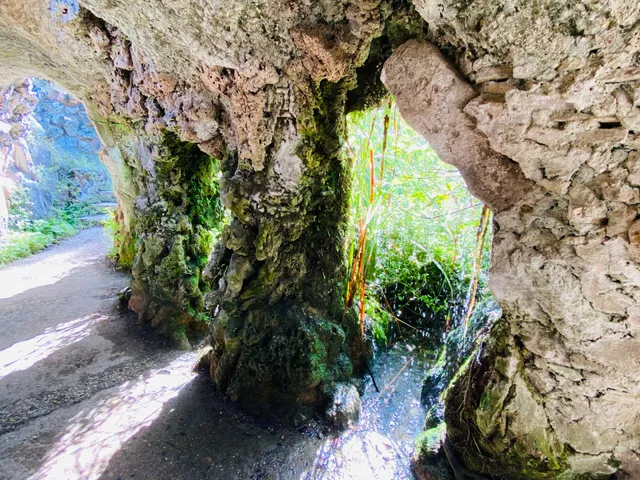
underpass Waterfall
3.9
(48)
Open until 12:00 AM
Click for details
Nearby restaurants of Villa Doria Pamphili
ViVi – Villa Pamphili
Ristorante La Maielletta
Mucca Pazza Monteverde
Trattoria Da Cesare al Casaletto
Bfr Gianicolense
Himalaya Palace
Le Bon Bock Whisky Bar
Wood San Pietro
Pomodoro & Mozzarella
Risky Point
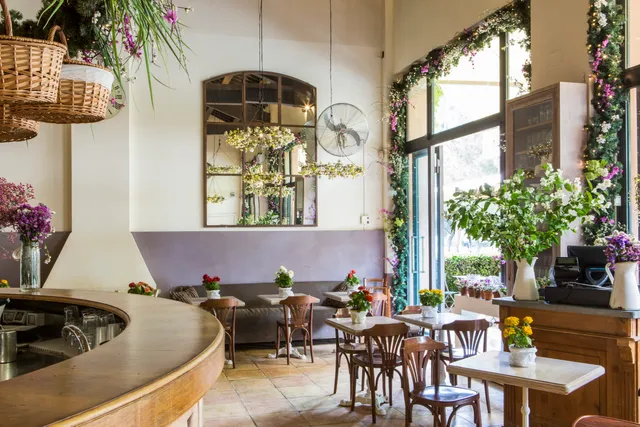
ViVi – Villa Pamphili
4.0
(1.4K)
Closed
Click for details
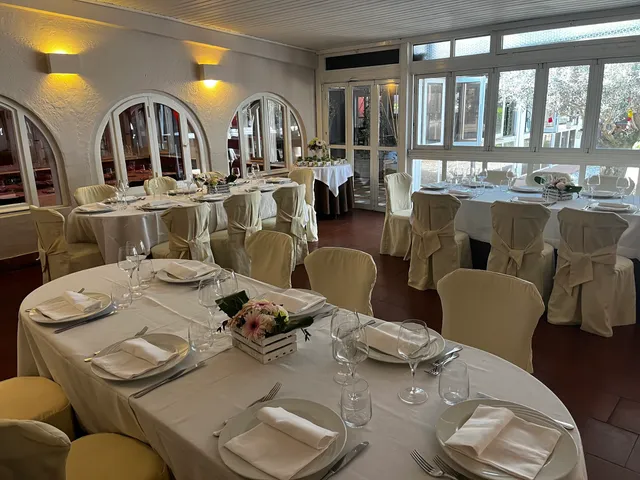
Ristorante La Maielletta
4.3
(246)
Closed
Click for details
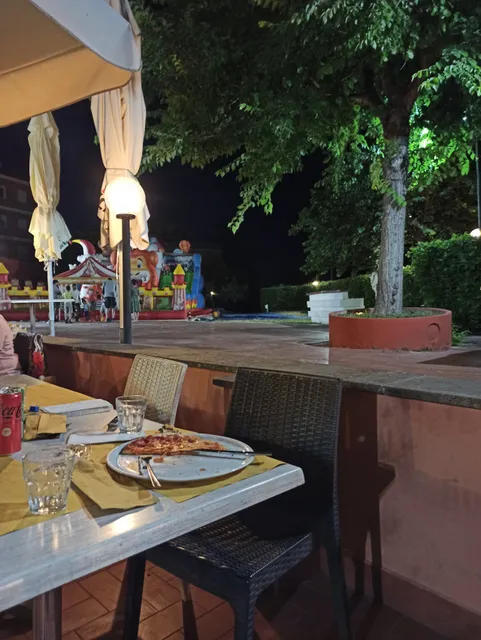
Mucca Pazza Monteverde
4.0
(1.5K)
Closed
Click for details
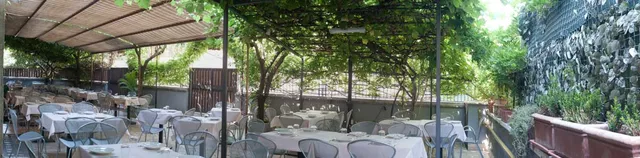
Trattoria Da Cesare al Casaletto
4.4
(1.2K)
$$
Open until 12:00 AM
Click for details
Nearby local services of Villa Doria Pamphili
Parco Villa Doria Pamphilj
Via Nicolò Piccolomini
Mercatino Usato Roma Gregorio VII
Villino Algardi (Casino del Bel Respiro)
Fontana del Cupido (o del Putto)
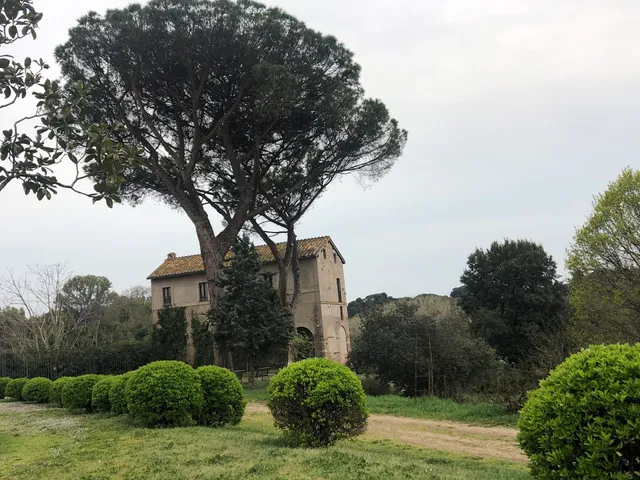
Parco Villa Doria Pamphilj
4.5
(37)
Click for details

Via Nicolò Piccolomini
4.7
(107)
Click for details

Mercatino Usato Roma Gregorio VII
4.0
(1.2K)
Click for details
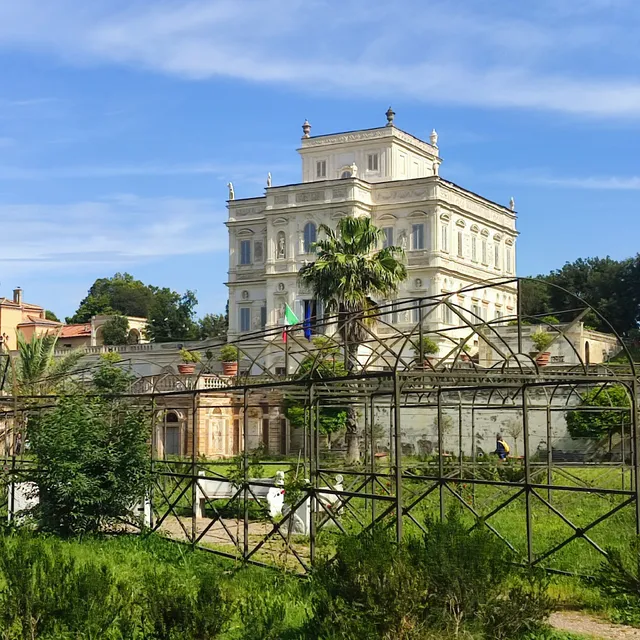
Villino Algardi (Casino del Bel Respiro)
4.6
(74)
Click for details


The hit list



Plan your trip with Wanderboat
Welcome to Wanderboat AI, your AI search for local Eats and Fun, designed to help you explore your city and the world with ease.
Powered by Wanderboat AI trip planner.