Piazza della Cisterna things to do, attractions, restaurants, events info and trip planning
Basic Info
Piazza della Cisterna
Piazza Della Cisterna, 20, 53037 San Gimignano SI, Italy
4.8(745)
Open until 12:00 AM
Save
spot
spot
Ratings & Description
Info
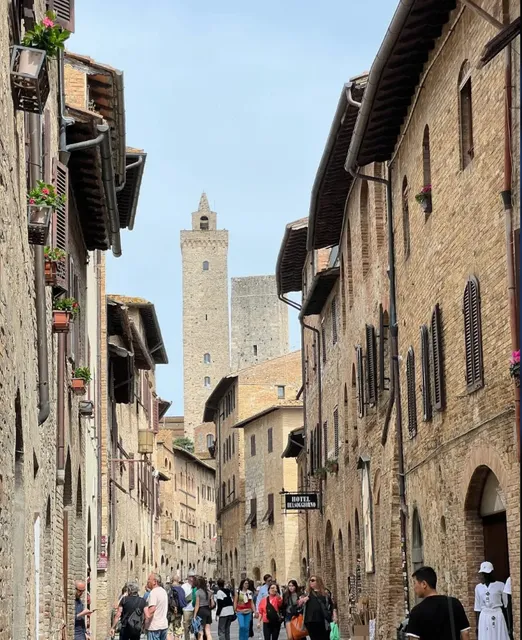
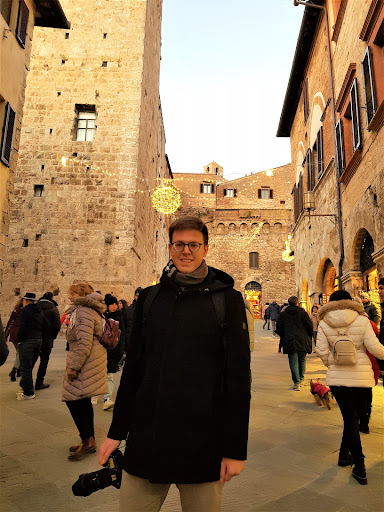
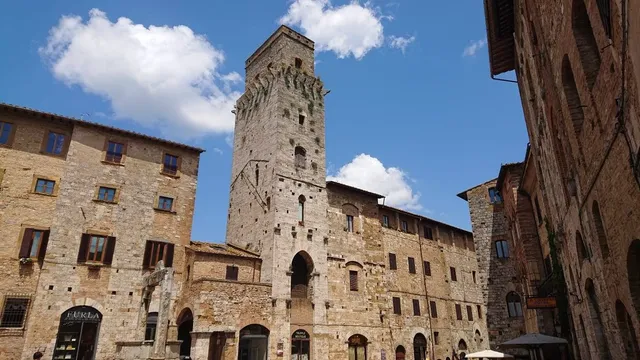
Piazza della Cisterna is a piazza in San Gimignano, Italy. It has a triangular shape with a slight natural slope and is connected to the nearby Piazza del Duomo by an open passage. The pavement is brick and the piazza is surrounded by houses and medieval towers.
Cultural
Scenic
Family friendly
Accessibility
attractions: Piazza del Duomo, San Gimignano, Palazzo Comunale, Pinacoteca, Torre Grossa - San Gimignano Musei, Torre e Casa Campatelli, Galleria Continua, SanGimignano1300, Torre dei Becci, Torre dei Cugnanesi, Torre Chigi, Torre Rognosa, restaurants: Gelateria Dondoli, Caffetteria Gelateria dell'Olmo | San Gimignano, Le Vecchie Mura, Divinorum Wine Bar, Vinaio di San Gimignano, dulcisinfundo, Osteria San Giovanni, Osteria del Carcere, Osteria Enoteca I Quattro Gatti, Bar Ristorante Boboli, local businesses: Torre Grossa, Torre del Diavolo, Panoramic View, Campana Palace, Collegiate Church of Santa Maria Assunta, Duomo di Santa Maria Assunta, Chiesa di San Lorenzo in Ponte, Torri dei Salvucci, Porta São Geovani, Torre Salvucci Maggiore Medieval Tower Experience
 Learn more insights from Wanderboat AI.
Phone
+39 0577 940008
Website
sangimignano.com
Open hoursSee all hours
SunOpen 24 hoursOpen
Plan your stay

Pet-friendly Hotels in San Gimignano
Find a cozy hotel nearby and make it a full experience.

Affordable Hotels in San Gimignano
Find a cozy hotel nearby and make it a full experience.

The Coolest Hotels You Haven't Heard Of (Yet)
Find a cozy hotel nearby and make it a full experience.

Trending Stays Worth the Hype in San Gimignano
Find a cozy hotel nearby and make it a full experience.
Reviews
Live events
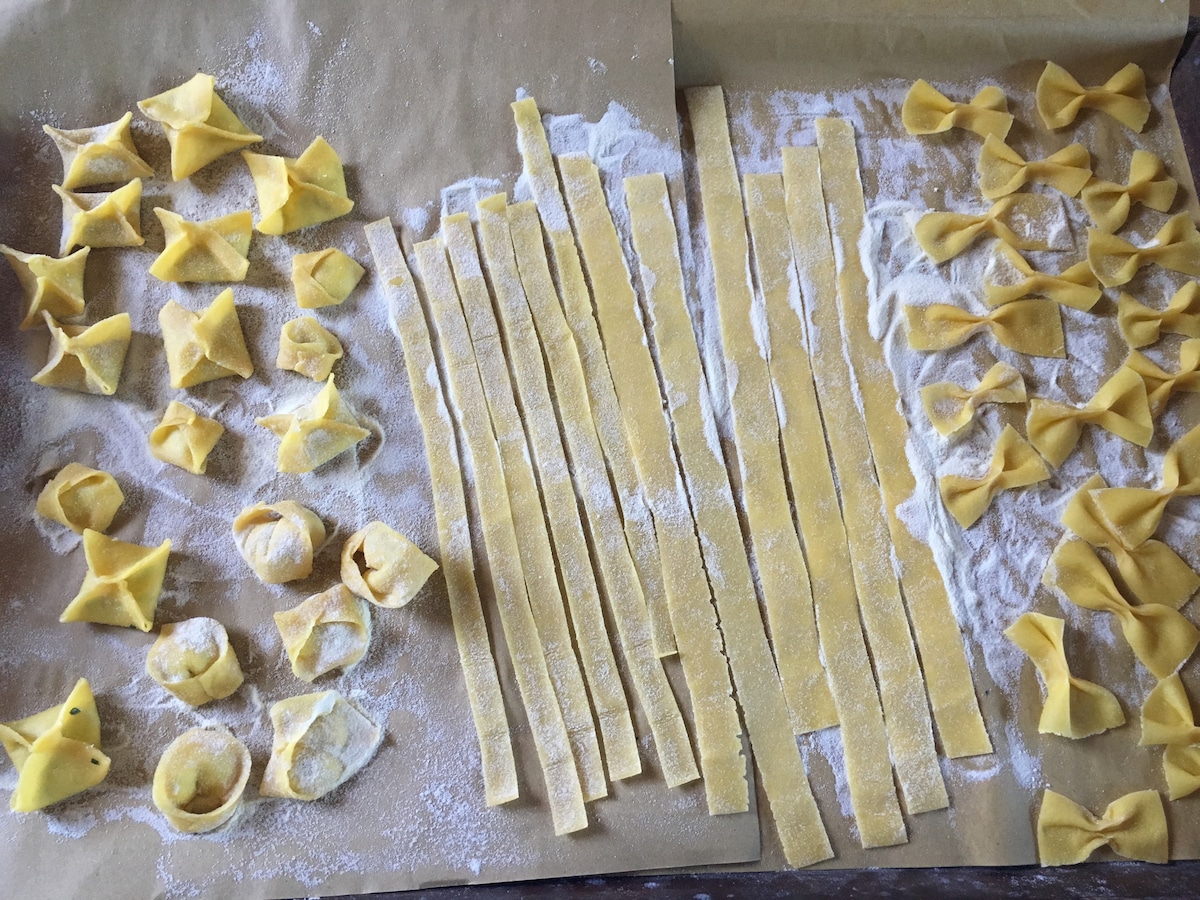
Learn authentic Tuscan cooking
Mon, Feb 9 • 11:30 AM
53037, San Gimignano, Toscana, Italy
View details
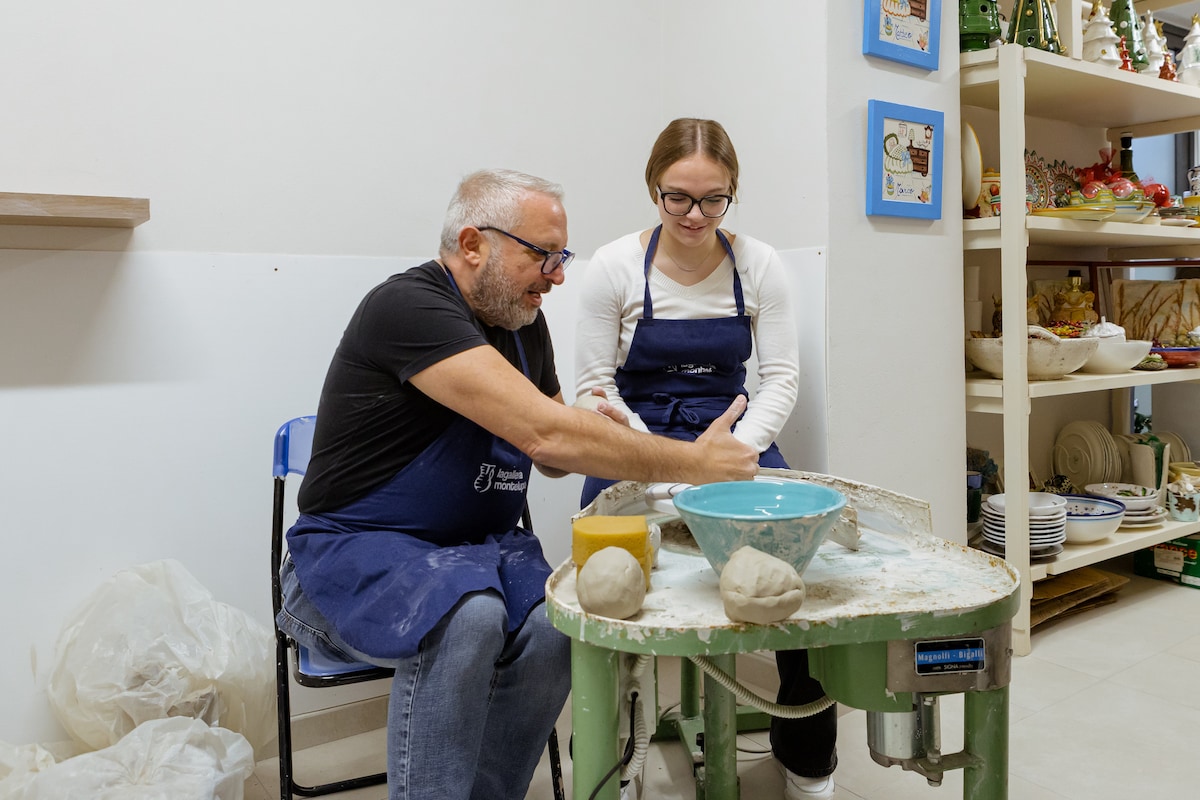
Take a factory tour & hands-on pottery masterclass
Mon, Feb 9 • 10:00 AM
50056, Montelupo Fiorentino, Tuscany, Italy
View details

Taste organic wines in secluded Chianti
Mon, Feb 9 • 10:30 AM
53017, Radda in Chianti, Toscana, Italy
View details
Nearby attractions of Piazza della Cisterna
Piazza del Duomo
San Gimignano
Palazzo Comunale, Pinacoteca, Torre Grossa - San Gimignano Musei
Torre e Casa Campatelli
Galleria Continua
SanGimignano1300
Torre dei Becci
Torre dei Cugnanesi
Torre Chigi
Torre Rognosa
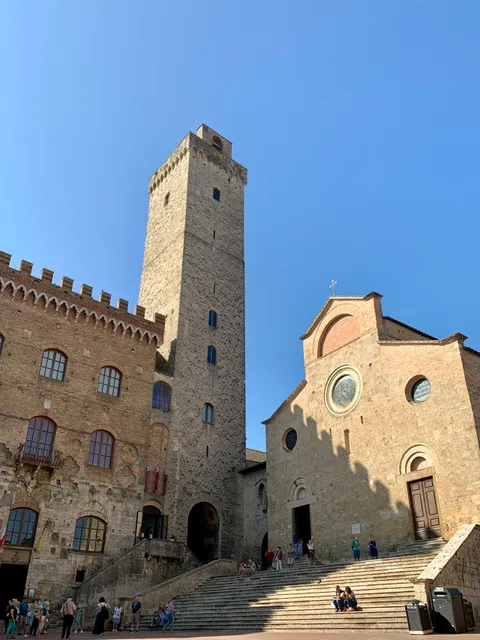
Piazza del Duomo
4.7
(3K)
Open until 12:00 AM
Click for details

San Gimignano
4.8
(662)
Open 24 hours
Click for details
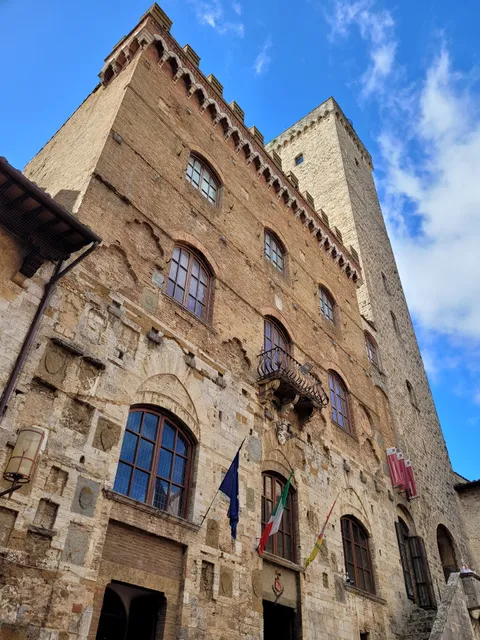
Palazzo Comunale, Pinacoteca, Torre Grossa - San Gimignano Musei
4.6
(679)
Closed
Click for details
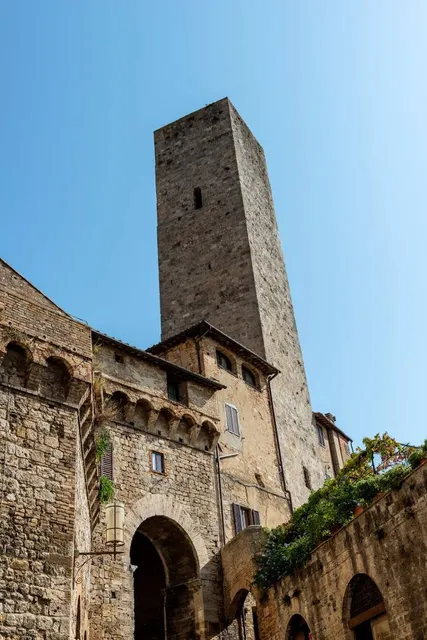
Torre e Casa Campatelli
4.6
(424)
Closed
Click for details
Nearby restaurants of Piazza della Cisterna
Gelateria Dondoli
Caffetteria Gelateria dell'Olmo | San Gimignano
Le Vecchie Mura
Divinorum Wine Bar
Vinaio di San Gimignano
dulcisinfundo
Osteria San Giovanni
Osteria del Carcere
Osteria Enoteca I Quattro Gatti
Bar Ristorante Boboli
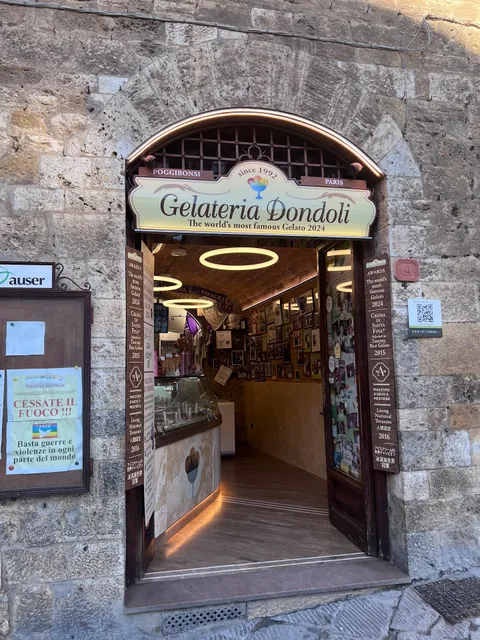
Gelateria Dondoli
4.6
(3.1K)
$$
Closed
Click for details
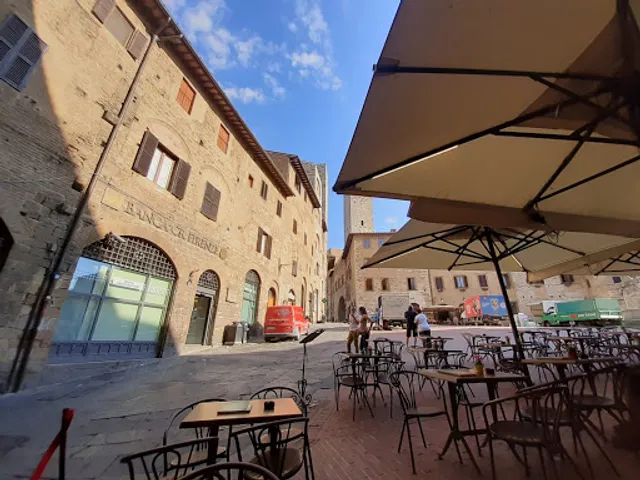
Caffetteria Gelateria dell'Olmo | San Gimignano
3.8
(546)
Closed
Click for details
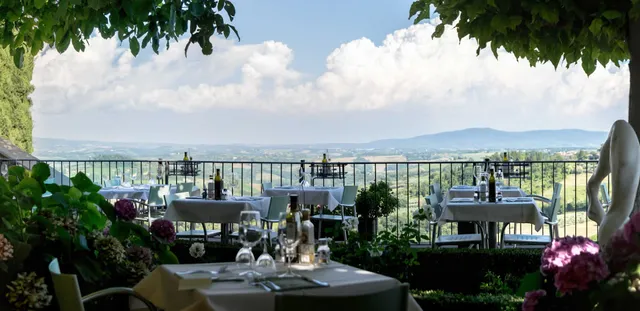
Le Vecchie Mura
4.6
(1.1K)
Click for details
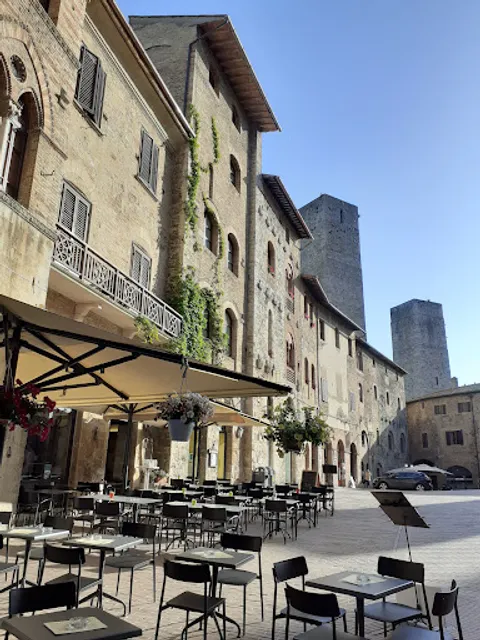
Divinorum Wine Bar
4.1
(260)
Closed
Click for details
Nearby local services of Piazza della Cisterna
Torre Grossa
Torre del Diavolo
Panoramic View
Campana Palace
Collegiate Church of Santa Maria Assunta
Duomo di Santa Maria Assunta
Chiesa di San Lorenzo in Ponte
Torri dei Salvucci
Porta São Geovani
Torre Salvucci Maggiore Medieval Tower Experience
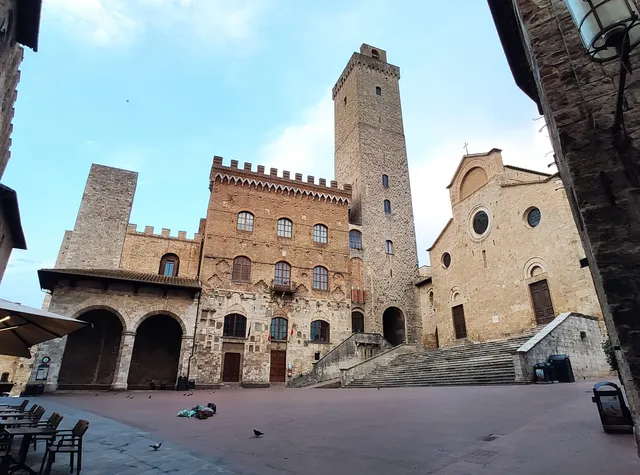
Torre Grossa
4.6
(490)
Click for details
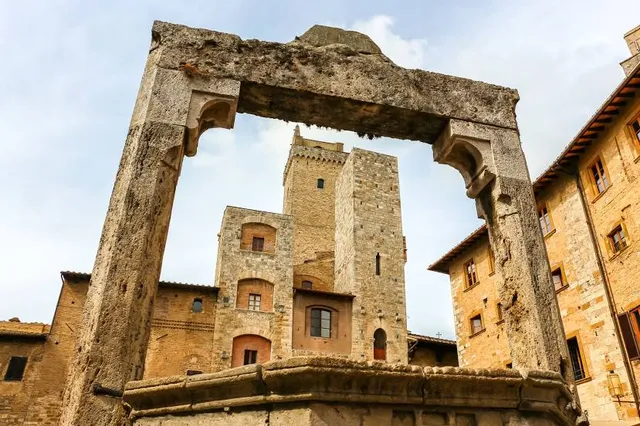
Torre del Diavolo
4.5
(42)
Click for details
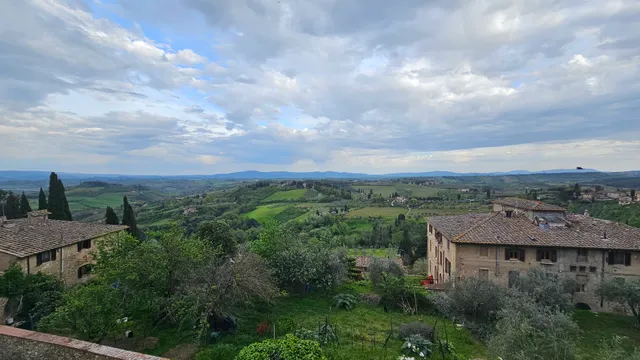
Panoramic View
4.8
(89)
Click for details
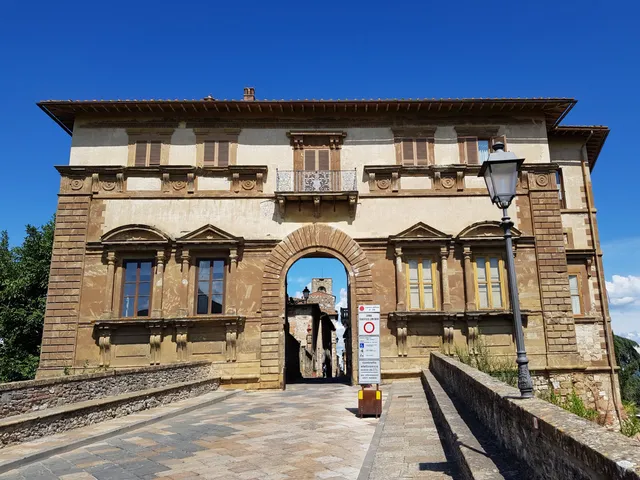
Campana Palace
4.2
(56)
Click for details