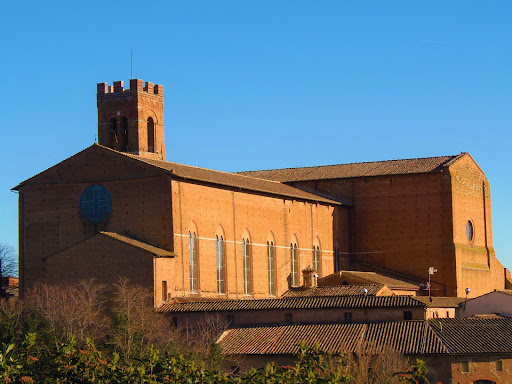
Basilica Cateriniana San Domenico things to do, attractions, restaurants, events info and trip planning
Basic Info
Basilica Cateriniana San Domenico
Piazza S. Domenico, 1, 53100 Siena SI, Italy
4.6(25)
Closed
Save
spot
spot
Ratings & Description
Info
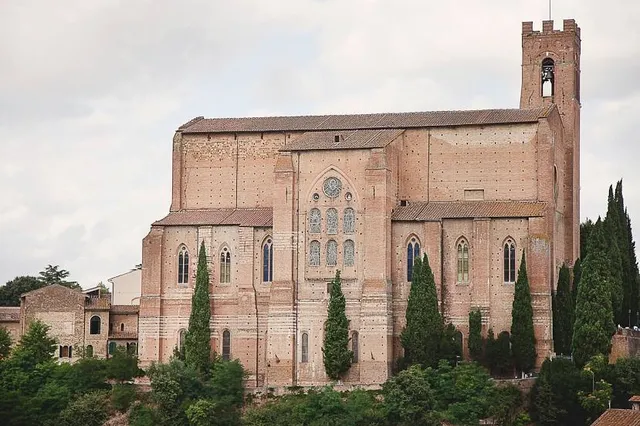
The Basilica of San Domenico, also known as Basilica Cateriniana, is a basilica church in Siena, Tuscany, Italy, one of the most important in the city. The basilica is an example of Cistercian Gothic style.
Cultural
Accessibility
attractions: Fontebranda, Duomo di Siena, Fortezza Medicea, Stadio Franchi, Palazzo Salimbeni, Battistero di San Giovanni Battista, Santa Maria della Scala, Art Gallery In Tuscany, Piccolomini Library, Piazza del Campo, restaurants: The Masgalano Gelateria, Il Pomodorino, Il Masgalano Ristorante Pizzeria, Da Poldo Food & Love - Siena, Pizzeria Alle Scalette - Pizzeria Siena, Ristorante San Domenico - Gluten Free, La Vecchia Latteria, Osteria degli Svitati, Osteria La Chiacchera, Pizzeria Ristorante di Nonno Mede, local businesses: CONAD CITY, Gabriella Souvenirs • Ceramiche, Iris Galerie Siena, Fani Gioielli Siena Rivenditore autorizzato Rolex, Feltrinelli Bookstores, Boutique dell'Orafo di Bottiglioni Luca - PREGIATI -, Foot Locker, Kasanova, PENNY., Piazza del Duomo
 Learn more insights from Wanderboat AI.
Phone
+39 0577 286848
Website
basilicacateriniana.it
Open hoursSee all hours
WedClosed
Plan your stay

Pet-friendly Hotels in Siena
Find a cozy hotel nearby and make it a full experience.

Affordable Hotels in Siena
Find a cozy hotel nearby and make it a full experience.

The Coolest Hotels You Haven't Heard Of (Yet)
Find a cozy hotel nearby and make it a full experience.

Trending Stays Worth the Hype in Siena
Find a cozy hotel nearby and make it a full experience.
Reviews
Live events
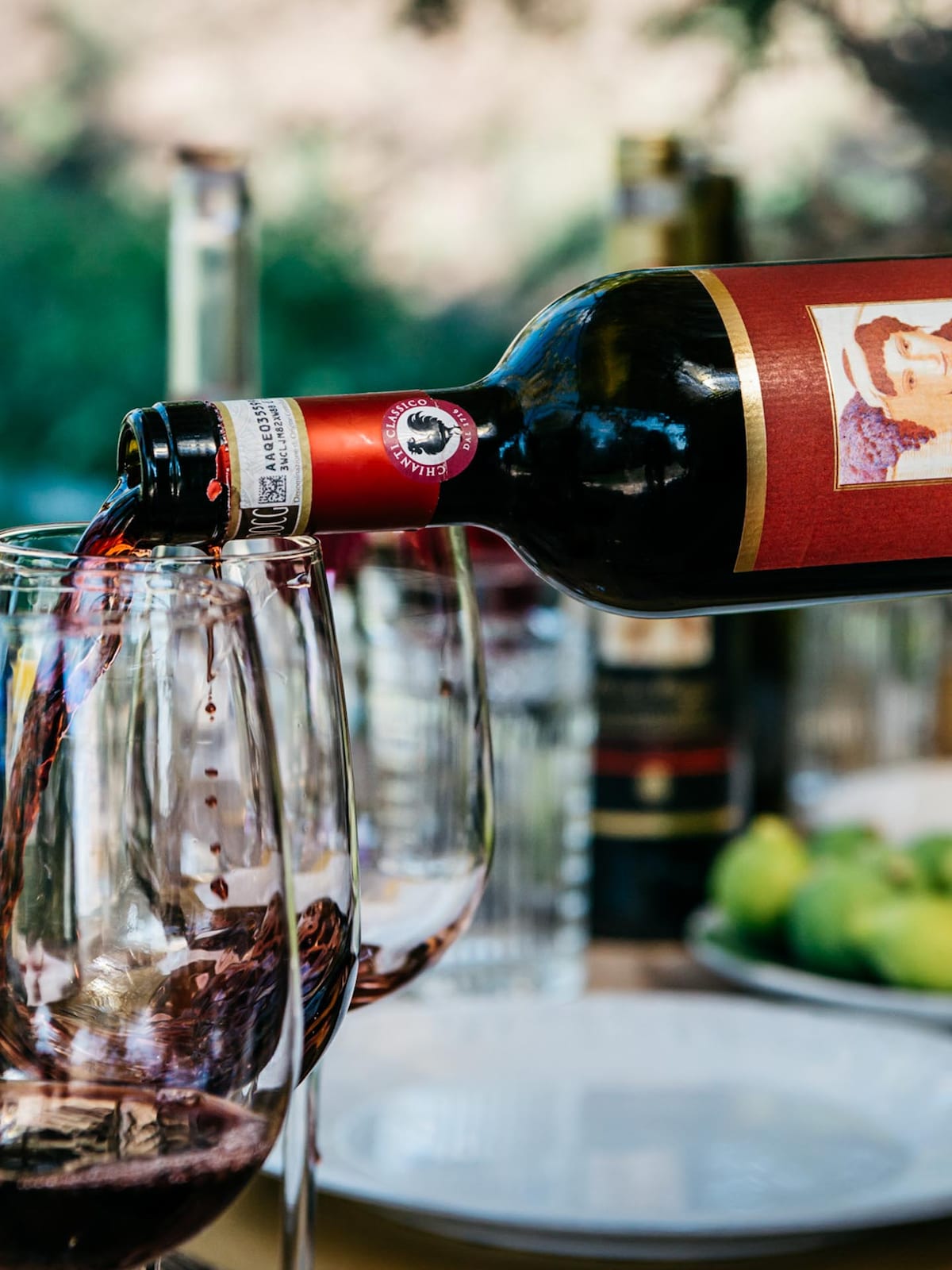
Taste organic wines in secluded Chianti
Wed, Feb 11 • 10:30 AM
53017, Radda in Chianti, Toscana, Italy
View details
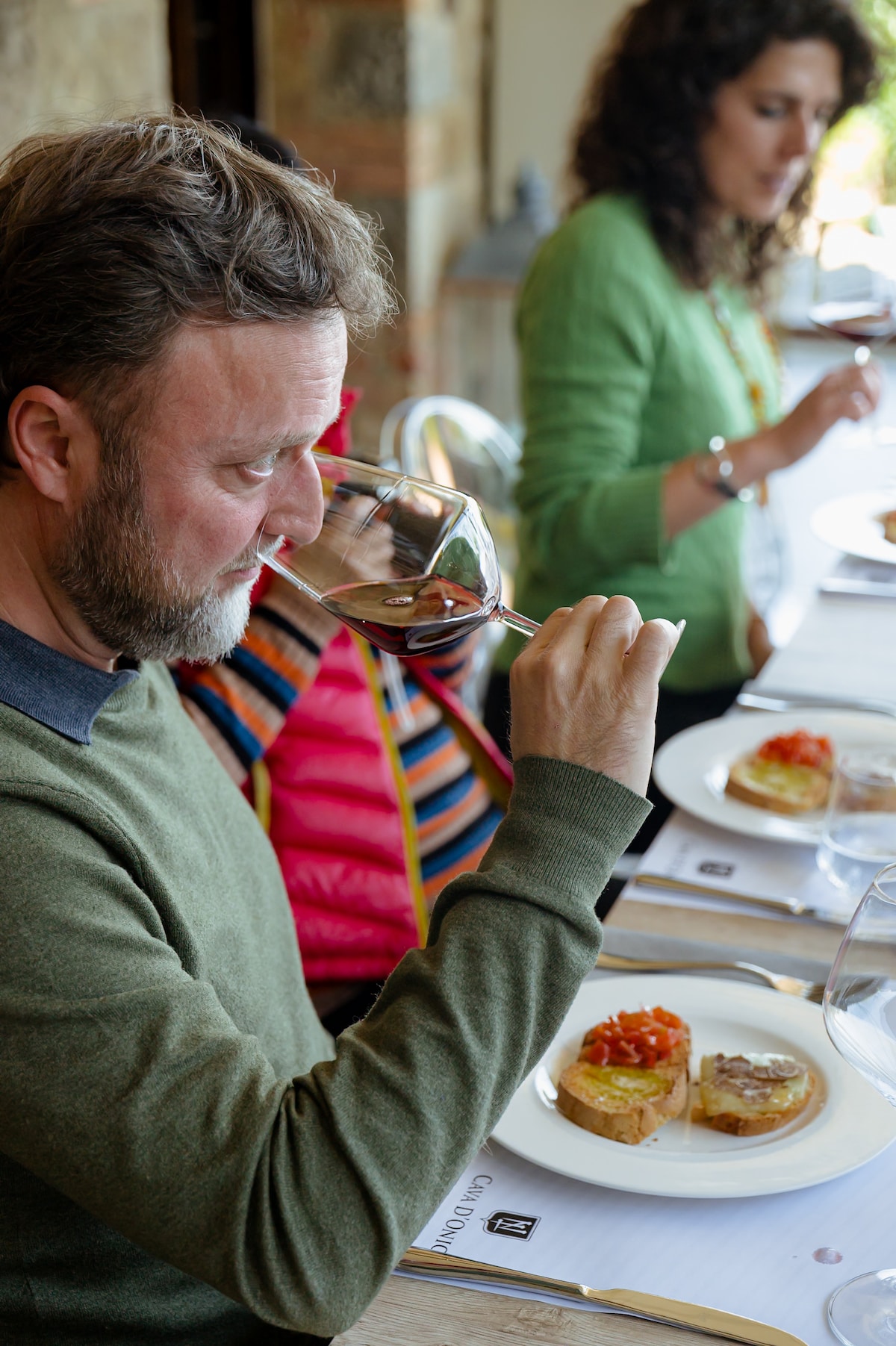
Sip on Brunello wines and explore Tuscan wineries
Tue, Feb 17 • 9:30 AM
53100, Siena, Tuscany, Italy
View details
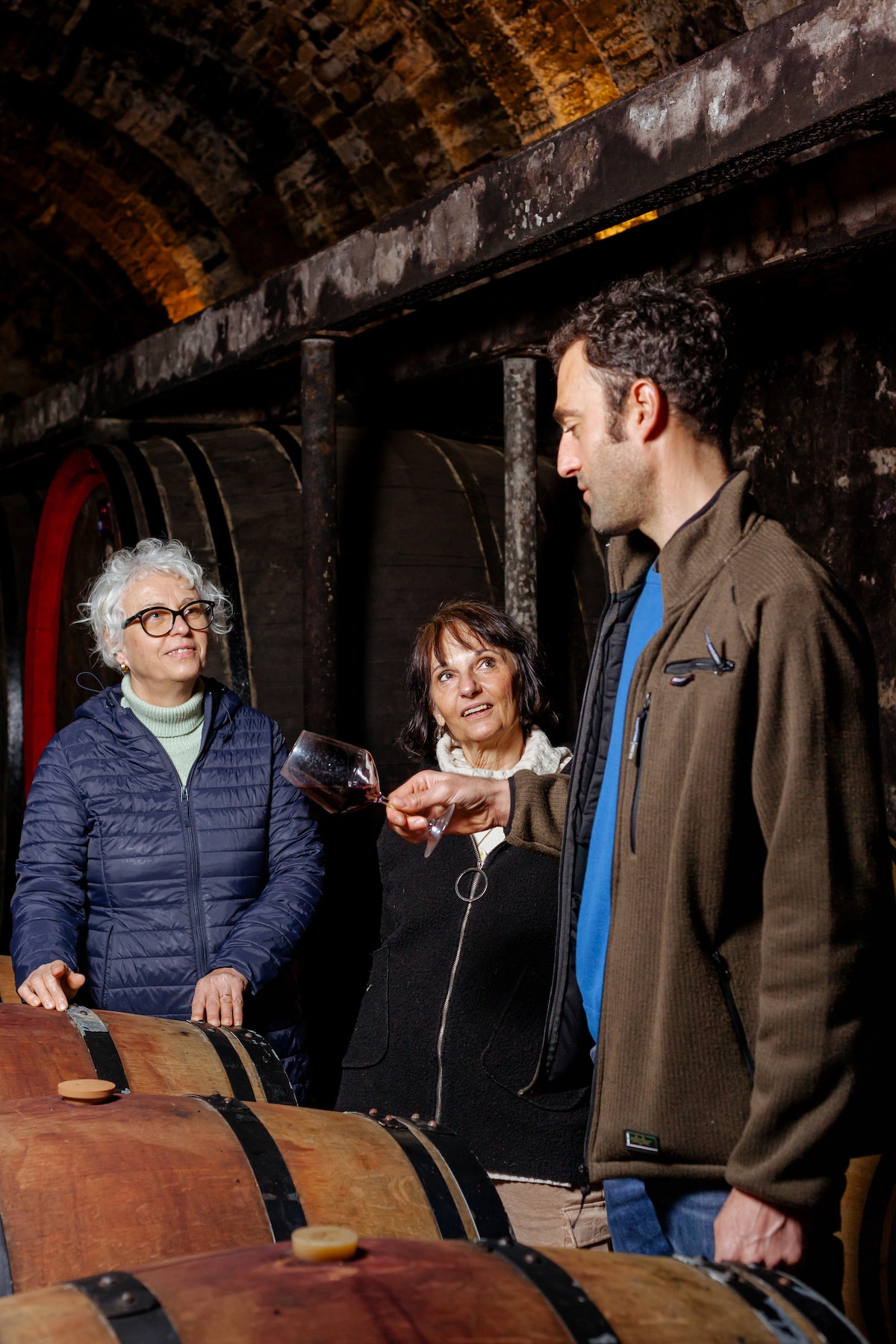
Explore a 7th generations organic Family winery
Wed, Feb 11 • 12:30 PM
53036, Montemorli, Tuscany, Italy
View details
Nearby attractions of Basilica Cateriniana San Domenico
Fontebranda
Duomo di Siena
Fortezza Medicea
Stadio Franchi
Palazzo Salimbeni
Battistero di San Giovanni Battista
Santa Maria della Scala
Art Gallery In Tuscany
Piccolomini Library
Piazza del Campo
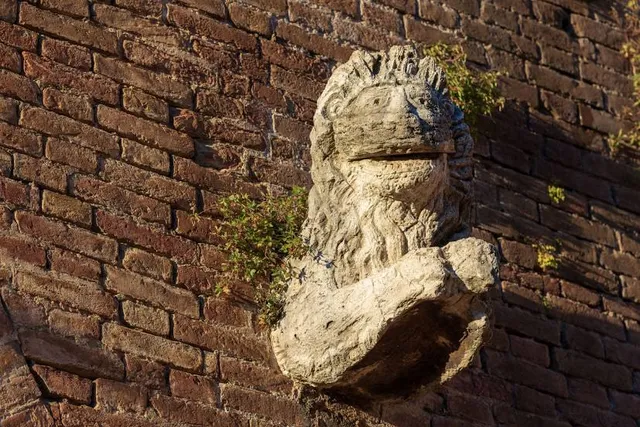
Fontebranda
4.6
(926)
Open until 12:00 AM
Click for details
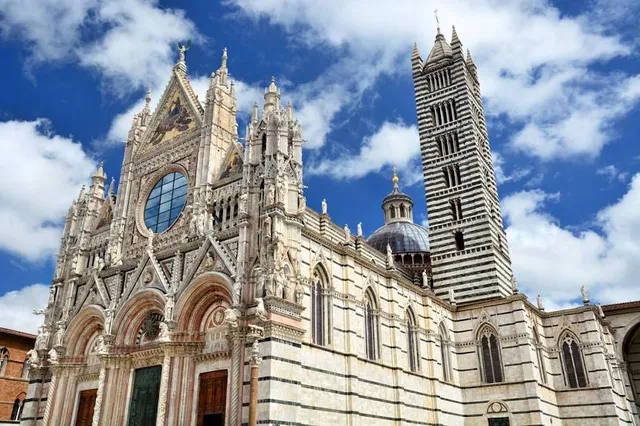
Duomo di Siena
4.8
(11.7K)
Closed
Click for details
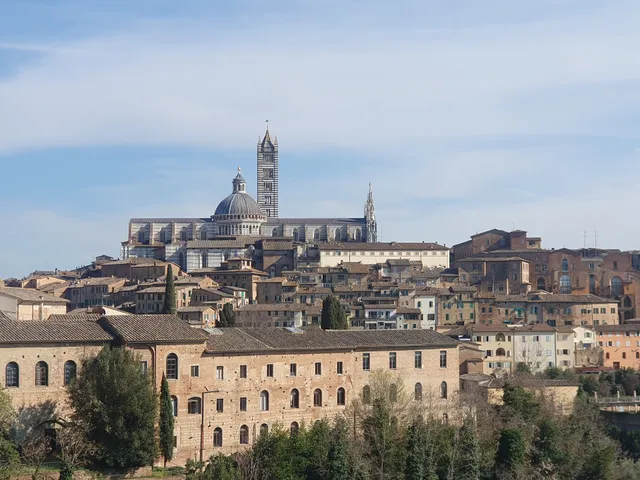
Fortezza Medicea
4.5
(4.8K)
Open 24 hours
Click for details
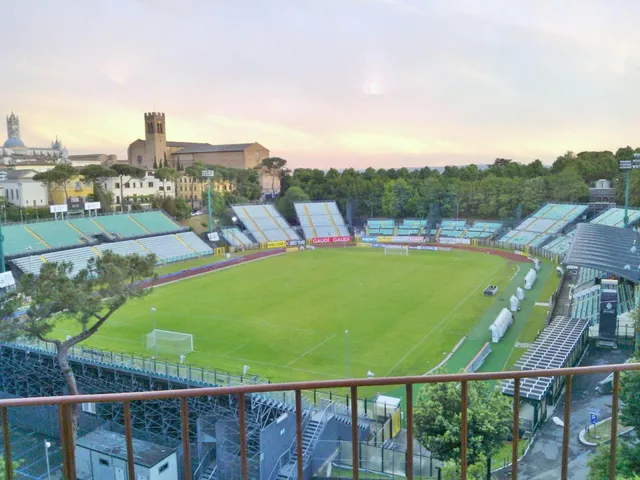
Stadio Franchi
3.9
(558)
Open 24 hours
Click for details
Nearby restaurants of Basilica Cateriniana San Domenico
The Masgalano Gelateria
Il Pomodorino
Il Masgalano Ristorante Pizzeria
Da Poldo Food & Love - Siena
Pizzeria Alle Scalette - Pizzeria Siena
Ristorante San Domenico - Gluten Free
La Vecchia Latteria
Osteria degli Svitati
Osteria La Chiacchera
Pizzeria Ristorante di Nonno Mede
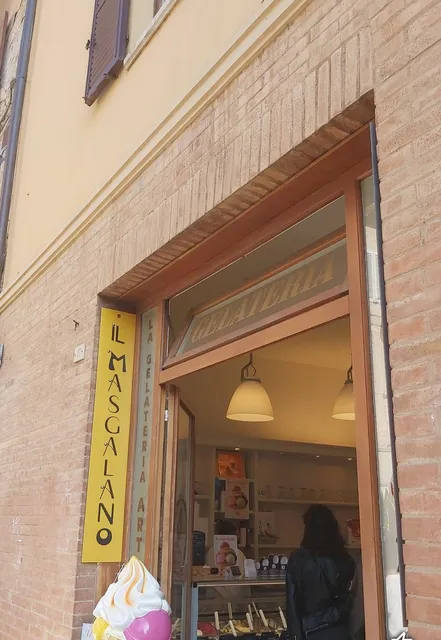
The Masgalano Gelateria
4.8
(543)
$
Click for details
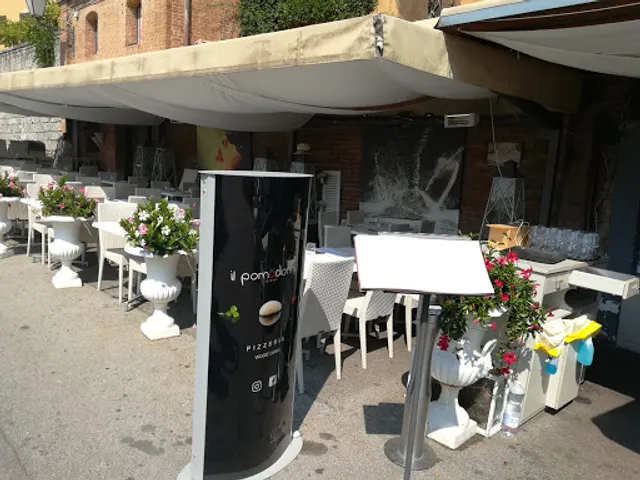
Il Pomodorino
3.9
(998)
Closed
Click for details
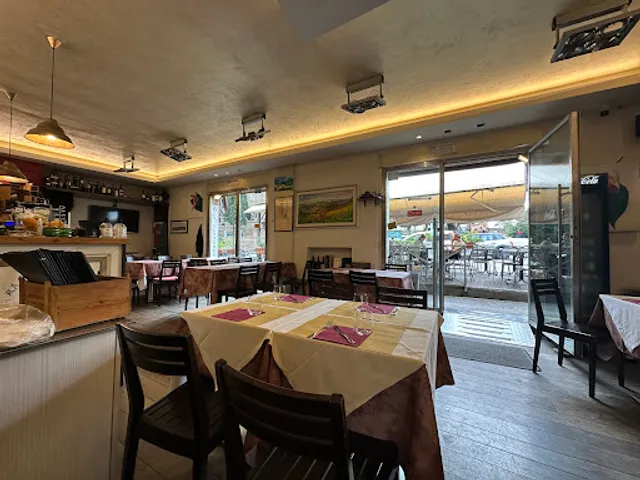
Il Masgalano Ristorante Pizzeria
4.1
(332)
Closed
Click for details
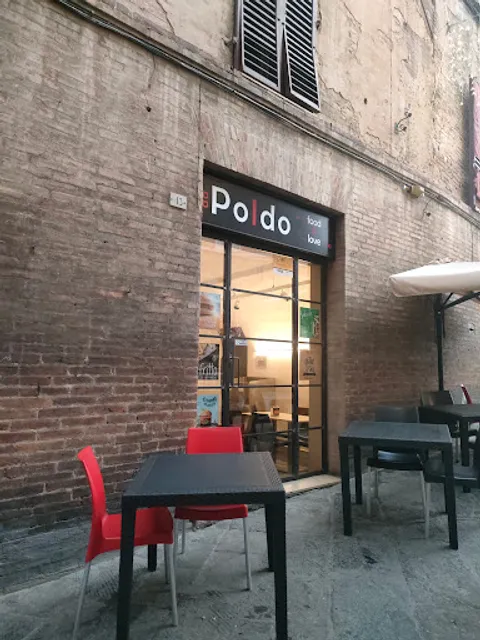
Da Poldo Food & Love - Siena
4.6
(727)
Closed
Click for details
Nearby local services of Basilica Cateriniana San Domenico
CONAD CITY
Gabriella Souvenirs • Ceramiche
Iris Galerie Siena
Fani Gioielli Siena Rivenditore autorizzato Rolex
Feltrinelli Bookstores
Boutique dell'Orafo di Bottiglioni Luca - PREGIATI -
Foot Locker
Kasanova
PENNY.
Piazza del Duomo
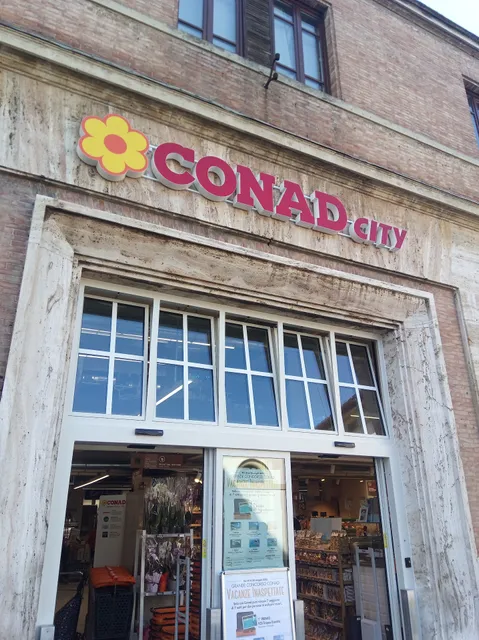
CONAD CITY
4.0
(92)
Click for details
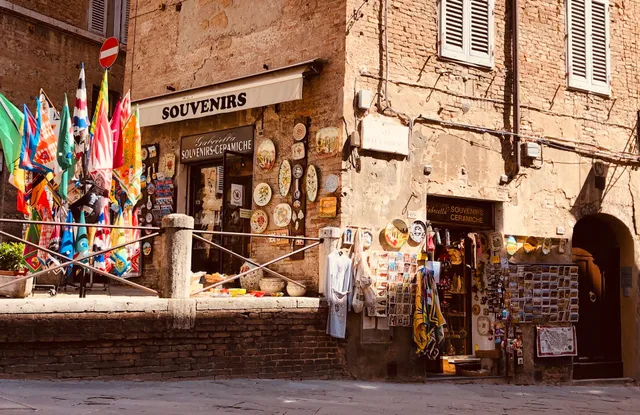
Gabriella Souvenirs • Ceramiche
4.1
(16)
Click for details
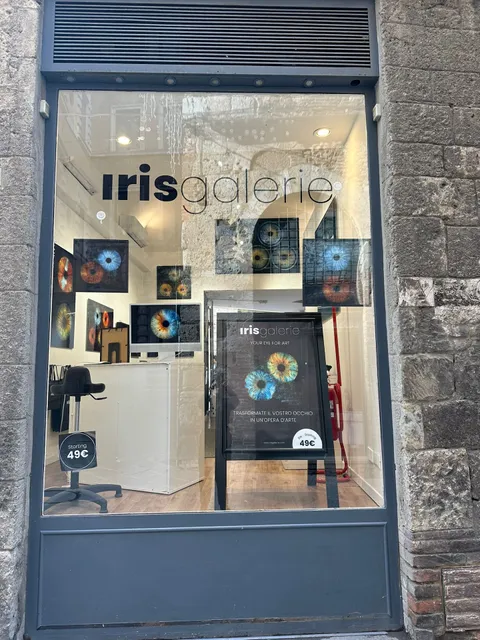
Iris Galerie Siena
5.0
(171)
Click for details

Fani Gioielli Siena Rivenditore autorizzato Rolex
4.7
(163)
Click for details