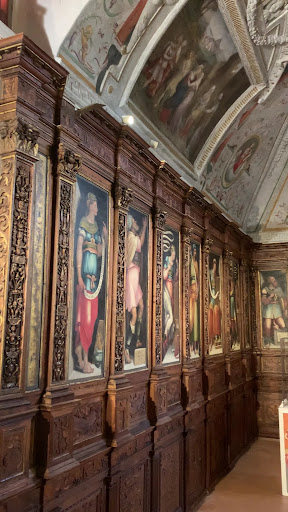
Spoleto Cathedral things to do, attractions, restaurants, events info and trip planning
Basic Info
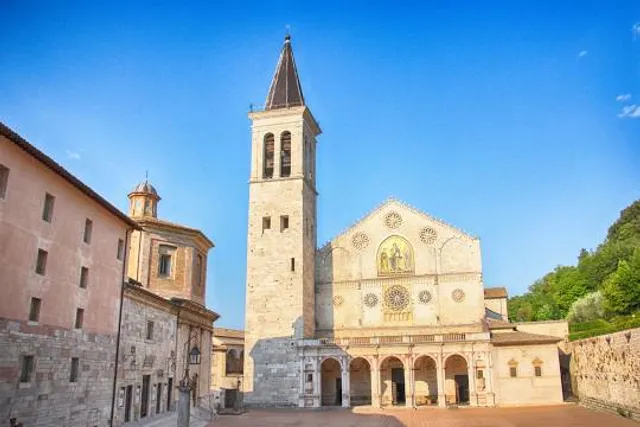
Spoleto Cathedral
Piazza del Duomo, 2, 06049 Spoleto PG, Italy
4.7(3.3K)
Open until 6:00 PM
Save
spot
spot
Ratings & Description
Info
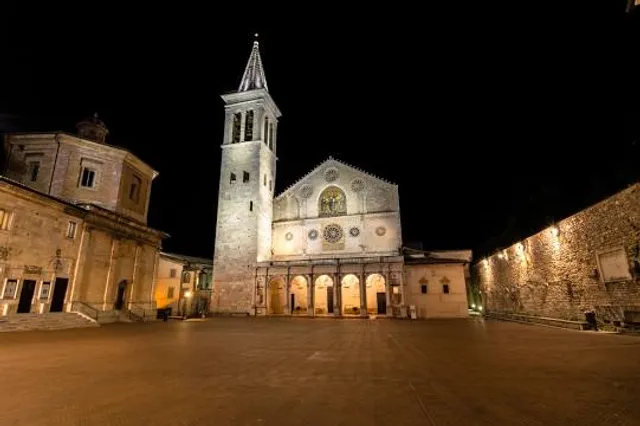
Spoleto Cathedral is the cathedral of the Archdiocese of Spoleto-Norcia created in 1821, previously that of the diocese of Spoleto, and the principal church of the Umbrian city of Spoleto, in Italy. It is dedicated to the Assumption of the Blessed Virgin Mary.
Cultural
Accessibility
attractions: Association Rocca Albornoziana, Fontana del mascherone, Casa Menotti, Casa Romana - Spoleto, MUSEO NAZIONALE DEL DUCATO DI SPOLETO, Ex Chiostro di San Nicolò, Torre dell'Olio, Palazzo Collicola Visual Arts, San Ponziano, Spoleto, San Gregorio Maggiore, restaurants: Ristorante Locanda della Signoria, Tric Trac, Osteria Al Bacco Felice, Taverna dei Duchi, Osteria dell'Enoteca, Ristorante La Barcaccia, Taverna dello Spagna, Osteria del Matto, Cantina de' Corvi, La Torretta, local businesses: Saint Eufemia, Arcidiocesi Spoleto-Norcia, Sala Frau, Ponte delle torri, Sala Pegasus, Galleria D'Arte Germanico, Percorso Meccanizzato Posterna, Games Time Spoleto
 Learn more insights from Wanderboat AI.
Phone
+39 0743 44307
Website
duomospoleto.it
Open hoursSee all hours
Sun8:30 AM - 6 PMOpen
Plan your stay

Pet-friendly Hotels in Spoleto
Find a cozy hotel nearby and make it a full experience.

Affordable Hotels in Spoleto
Find a cozy hotel nearby and make it a full experience.

The Coolest Hotels You Haven't Heard Of (Yet)
Find a cozy hotel nearby and make it a full experience.

Trending Stays Worth the Hype in Spoleto
Find a cozy hotel nearby and make it a full experience.
Reviews
Live events

Cook & Eat fresh pasta in an umbrian country house
Sun, Feb 8 • 10:00 AM
05020, Palombara-Palazzo, Umbria, Italy
View details

Horseback ride in the Natural Way
Sun, Feb 8 • 1:30 PM
Provincia di Perugia, Umbria, Italy
View details
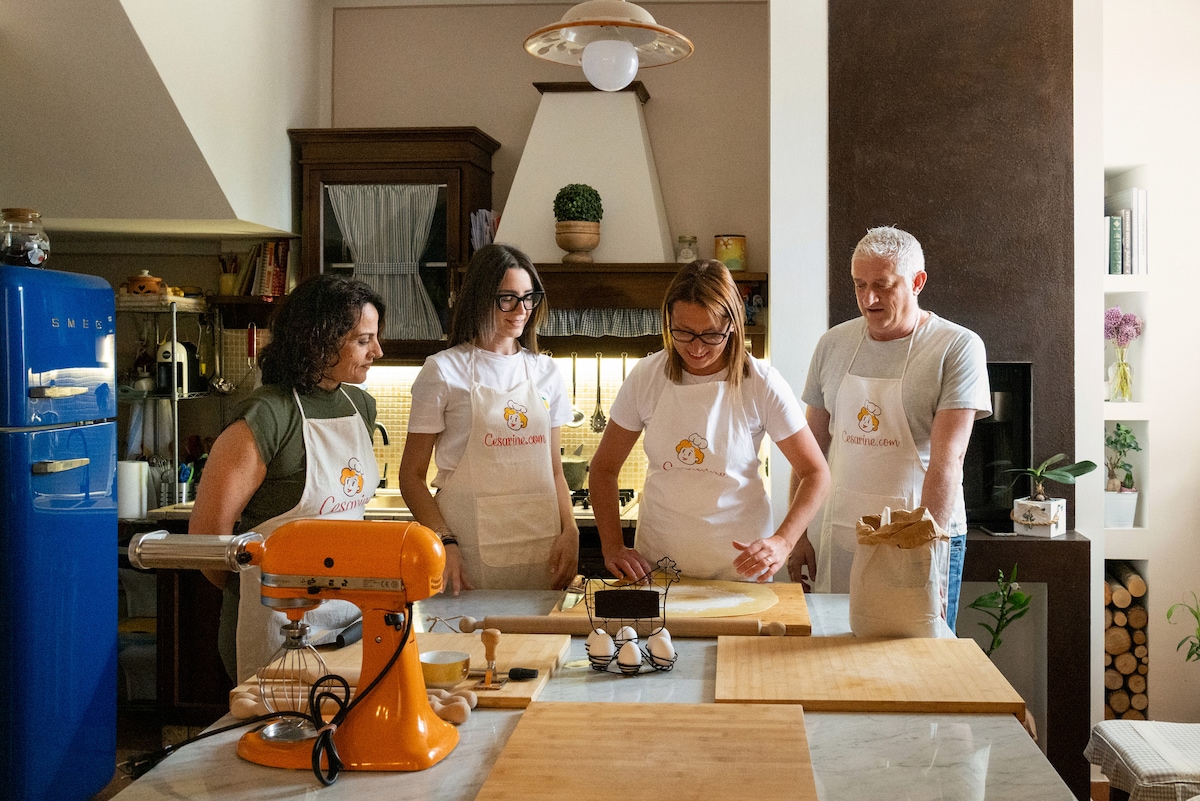
Learn Pasta and Tiramisu in Spoleto
Sun, Feb 8 • 10:00 AM
06049, Spoleto, Umbria, Italy
View details
Nearby attractions of Spoleto Cathedral
Association Rocca Albornoziana
Fontana del mascherone
Casa Menotti
Casa Romana - Spoleto
MUSEO NAZIONALE DEL DUCATO DI SPOLETO
Ex Chiostro di San Nicolò
Torre dell'Olio
Palazzo Collicola Visual Arts
San Ponziano, Spoleto
San Gregorio Maggiore
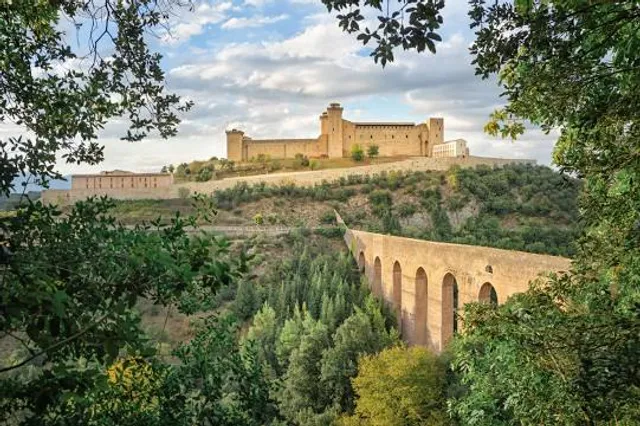
Association Rocca Albornoziana
4.5
(1.2K)
Open until 5:30 PM
Click for details
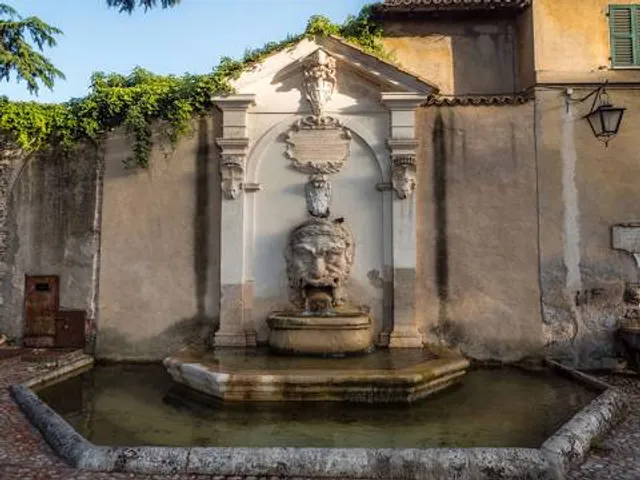
Fontana del mascherone
4.6
(97)
Open 24 hours
Click for details
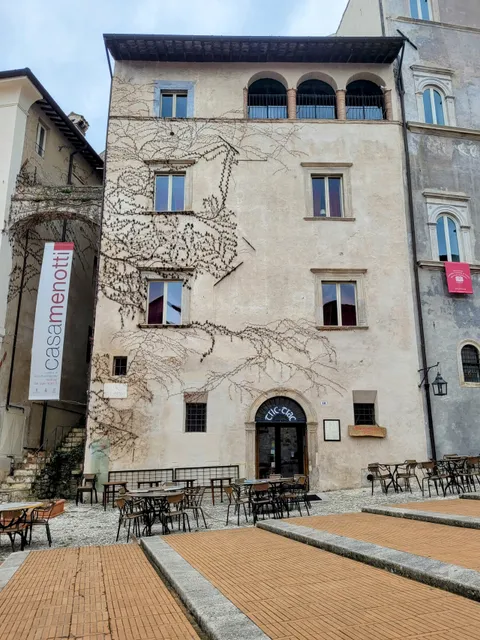
Casa Menotti
4.9
(20)
Open until 1:00 PM
Click for details
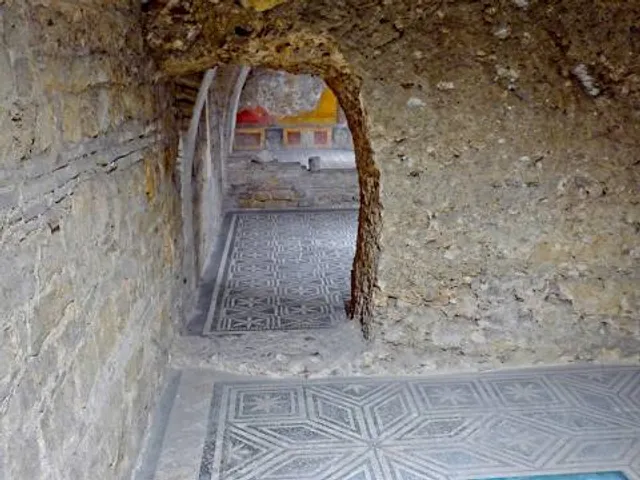
Casa Romana - Spoleto
4.2
(124)
Open until 4:00 PM
Click for details
Nearby restaurants of Spoleto Cathedral
Ristorante Locanda della Signoria
Tric Trac
Osteria Al Bacco Felice
Taverna dei Duchi
Osteria dell'Enoteca
Ristorante La Barcaccia
Taverna dello Spagna
Osteria del Matto
Cantina de' Corvi
La Torretta
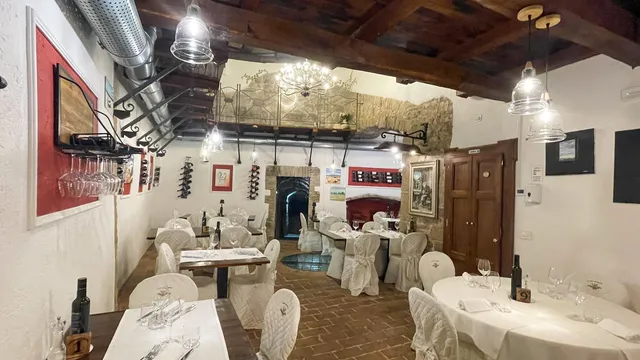
Ristorante Locanda della Signoria
4.4
(421)
Closed
Click for details
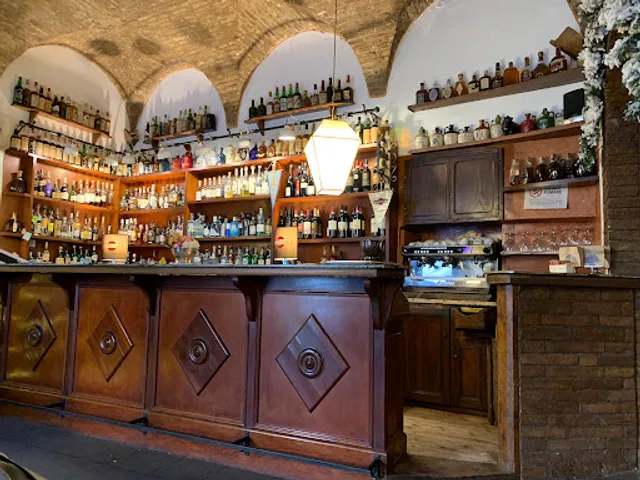
Tric Trac
3.1
(220)
Click for details
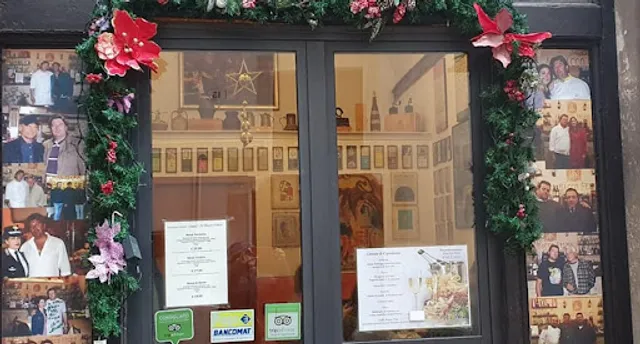
Osteria Al Bacco Felice
4.0
(399)
Closed
Click for details
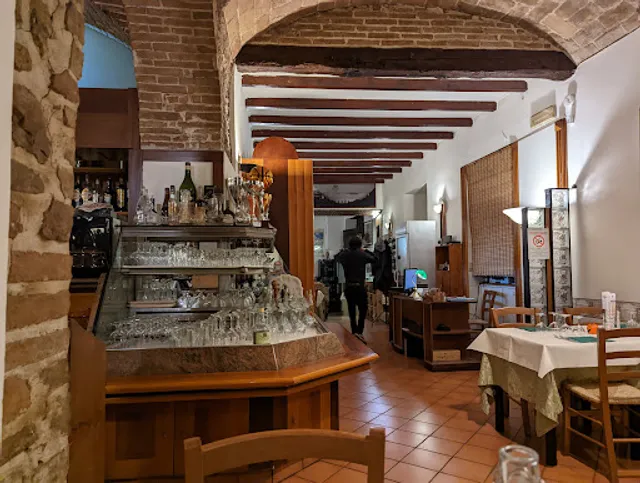
Taverna dei Duchi
4.2
(432)
Closed
Click for details
Nearby local services of Spoleto Cathedral
Saint Eufemia
Arcidiocesi Spoleto-Norcia
Sala Frau
Ponte delle torri
Sala Pegasus
Galleria D'Arte Germanico
Percorso Meccanizzato Posterna
Games Time Spoleto
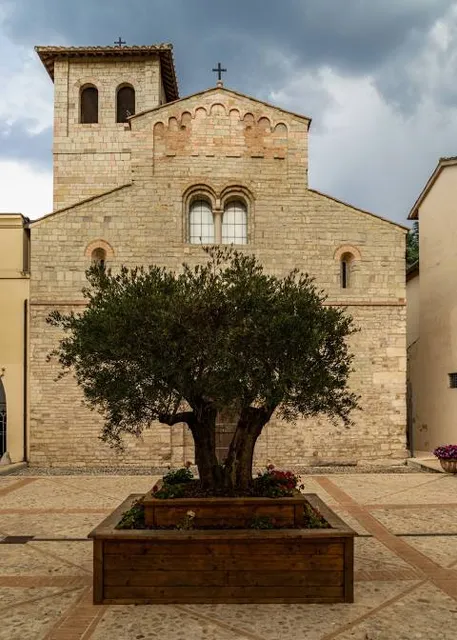
Saint Eufemia
4.6
(55)
Click for details
Arcidiocesi Spoleto-Norcia
4.6
(36)
Click for details
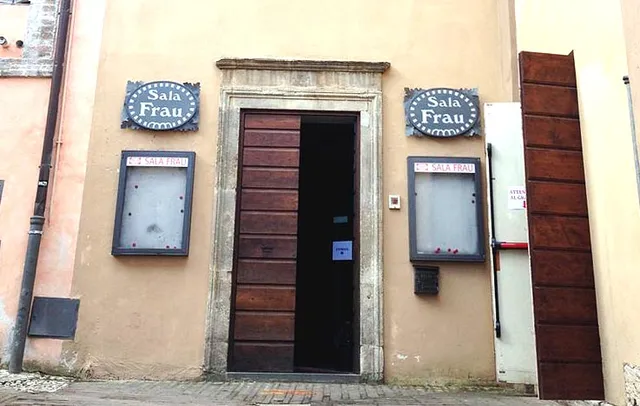
Sala Frau
4.5
(110)
Click for details
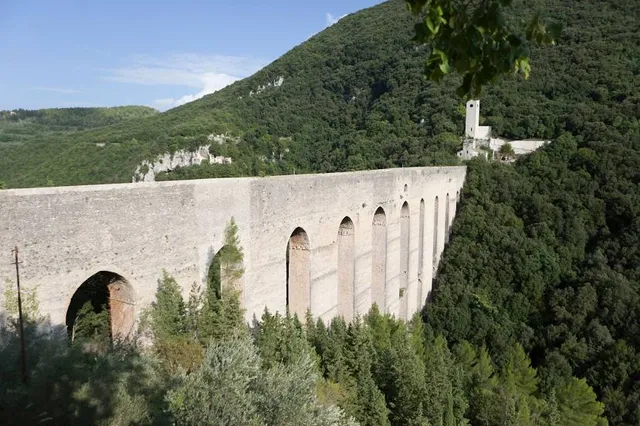
Ponte delle torri
4.6
(555)
Click for details