HTML SitemapExplore
logo
Find Things to DoFind The Best Restaurants

Tomb of Hunting and Fishing — Attraction in Tarquinia

Name
Tomb of Hunting and Fishing
Description
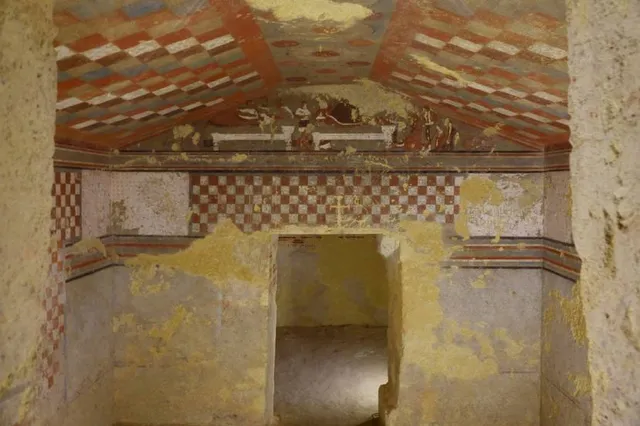
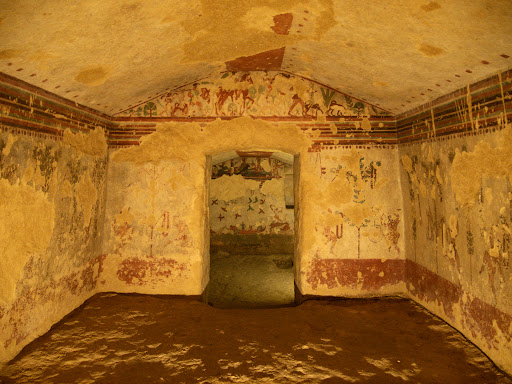
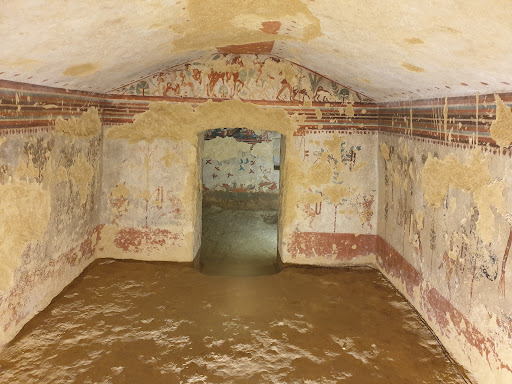
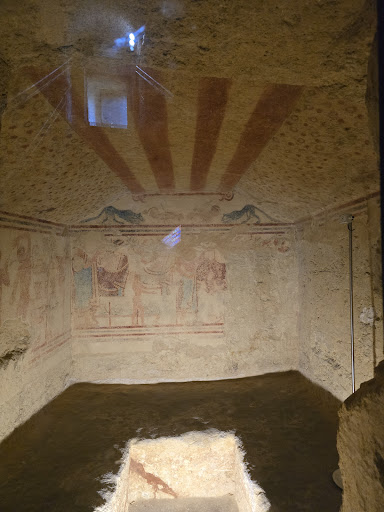
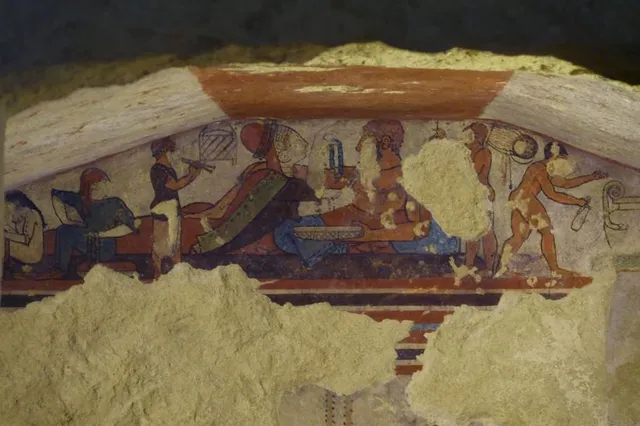
The Tomb of Hunting and Fishing, formerly known as the Tomb of the Hunter, is an Etruscan tomb in the Necropolis of Monterozzi near Tarquinia, Lazio, Italy. It was discovered in 1873 and has been dated variously to about 530–520 BC, 520 BC, 510 BC or 510–500 BC.
Nearby attractions
Necropolis of Tarquinia
Via Ripagretta, 01016 Tarquinia VT, Italy
Tomb of Lions - Etrurian Necropolis
SP43, 58, 01016 Tarquinia VT, Italy
Tomba della Pulcella
01016 Tarquinia, Province of Viterbo, Italy
Etruscopolis
Vicolo delle Pietrare, 01016 Tarquinia VT, Italy
Tomb of the Leopards
01016 Tarquinia, Province of Viterbo, Italy
Nearby restaurants
Don Nicó
Via Veio, 1, 01016 Tarquinia VT, Italy
Farina e Tempesta
Via Alberata Dante Alighieri, 31, 01016 Tarquinia VT, Italy
Il Pesciolino
Via Menotti Garibaldi, 12, 01016 Tarquinia VT, Italy
L'Ambaradam ristorante
Piazza Giacomo Matteotti, 14, 01016 Tarquinia VT, Italy
LA QUADRA
Via Menotti Garibaldi, 13, 01016 Tarquinia VT, Italy
Il Grappolo Wine Bar di Marco Podda
Via Alberata Dante Alighieri, 3, 01016 Tarquinia VT, Italy
Il Falchetto
Via IV Novembre, 21, 01016 Tarquinia VT, Italy
L' Alberata
Via Alberata Dante Alighieri, 18, 01016 Tarquinia VT, Italy
La Capanna del Buttero
Via della Tuscia, 19, 01016 Tarquinia VT, Italy
Ristorante "Il boccone del prete" Tarquinia
Via Felice Cavallotti, 9, 01016 Tarquinia VT, Italy
Related posts
Keywords
Tomb of Hunting and Fishing tourism.Tomb of Hunting and Fishing hotels.Tomb of Hunting and Fishing bed and breakfast. flights to Tomb of Hunting and Fishing.Tomb of Hunting and Fishing attractions.Tomb of Hunting and Fishing restaurants.Tomb of Hunting and Fishing travel.Tomb of Hunting and Fishing travel guide.Tomb of Hunting and Fishing travel blog.Tomb of Hunting and Fishing pictures.Tomb of Hunting and Fishing photos.Tomb of Hunting and Fishing travel tips.Tomb of Hunting and Fishing maps.Tomb of Hunting and Fishing things to do.
Tomb of Hunting and Fishing things to do, attractions, restaurants, events info and trip planning
Tomb of Hunting and Fishing
ItalyLazioTarquiniaTomb of Hunting and Fishing

Basic Info

Tomb of Hunting and Fishing

01016 Tarquinia, Province of Viterbo, Italy
4.6(13)
Open 24 hours
Save
spot

Ratings & Description

Info

The Tomb of Hunting and Fishing, formerly known as the Tomb of the Hunter, is an Etruscan tomb in the Necropolis of Monterozzi near Tarquinia, Lazio, Italy. It was discovered in 1873 and has been dated variously to about 530–520 BC, 520 BC, 510 BC or 510–500 BC.

Cultural
Scenic
Family friendly
attractions: Necropolis of Tarquinia, Tomb of Lions - Etrurian Necropolis, Tomba della Pulcella, Etruscopolis, Tomb of the Leopards, restaurants: Don Nicó, Farina e Tempesta, Il Pesciolino, L'Ambaradam ristorante, LA QUADRA, Il Grappolo Wine Bar di Marco Podda, Il Falchetto, L' Alberata, La Capanna del Buttero, Ristorante "Il boccone del prete" Tarquinia
logoLearn more insights from Wanderboat AI.
Website
necropoliditarquinia.it

Plan your stay

hotel
Pet-friendly Hotels in Tarquinia
Find a cozy hotel nearby and make it a full experience.
hotel
Affordable Hotels in Tarquinia
Find a cozy hotel nearby and make it a full experience.
hotel
The Coolest Hotels You Haven't Heard Of (Yet)
Find a cozy hotel nearby and make it a full experience.
hotel
Trending Stays Worth the Hype in Tarquinia
Find a cozy hotel nearby and make it a full experience.

Reviews

Nearby attractions of Tomb of Hunting and Fishing

Necropolis of Tarquinia

Tomb of Lions - Etrurian Necropolis

Tomba della Pulcella

Etruscopolis

Tomb of the Leopards

Necropolis of Tarquinia

Necropolis of Tarquinia

4.5

(2K)

Open 24 hours
Click for details
Tomb of Lions - Etrurian Necropolis

Tomb of Lions - Etrurian Necropolis

4.8

(10)

Open 24 hours
Click for details
Tomba della Pulcella

Tomba della Pulcella

4.5

(8)

Open 24 hours
Click for details
Etruscopolis

Etruscopolis

4.0

(180)

Open 24 hours
Click for details

Things to do nearby

Shore excursion Civitavecchia to Rome & theVatican
Thu, Dec 4 • 7:30 AM
00053, Civitavecchia, Lazio, Italy
View details
Weekend nel Regno di Babbo Natale - INGRESSO GRATUITO & Eventi Imperdibili!
Sat, Dec 6 • 9:30 AM
Via Cassia Cura, 01019 Vetralla
View details

Nearby restaurants of Tomb of Hunting and Fishing

Don Nicó

Farina e Tempesta

Il Pesciolino

L'Ambaradam ristorante

LA QUADRA

Il Grappolo Wine Bar di Marco Podda

Il Falchetto

L' Alberata

La Capanna del Buttero

Ristorante "Il boccone del prete" Tarquinia

Don Nicó

Don Nicó

4.6

(268)

Click for details
Farina e Tempesta

Farina e Tempesta

4.5

(269)

$

Click for details
Il Pesciolino

Il Pesciolino

4.4

(416)

$$$

Click for details
L'Ambaradam ristorante

L'Ambaradam ristorante

4.2

(449)

$$

Click for details
Get the Appoverlay
Get the AppOne tap to find yournext favorite spots!
Wanderboat LogoWanderboat

Your everyday Al companion for getaway ideas

CompanyAbout Us
InformationAI Trip PlannerSitemap
SocialXInstagramTiktokLinkedin
LegalTerms of ServicePrivacy Policy

Get the app

© 2025 Wanderboat. All rights reserved.
logo

Reviews of Tomb of Hunting and Fishing

4.6
(13)
avatar
5.0
2y

520-510 a.C.

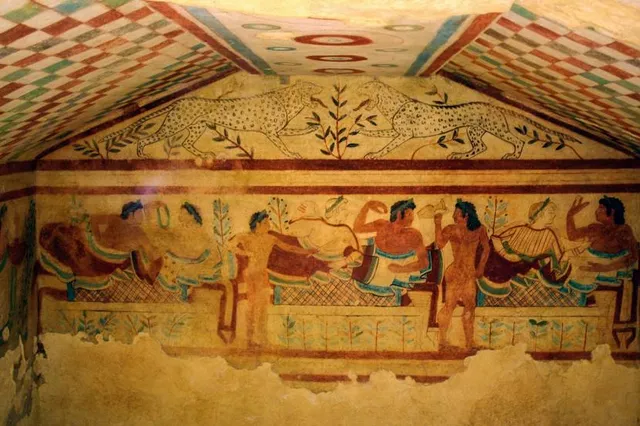
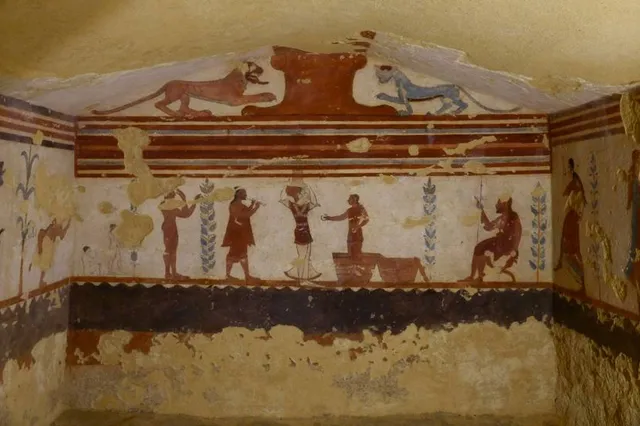
Costituita da due camere in asse, con soffitto a doppio spiovente e corridoio di accesso (dromos) a gradini. Decorazione: nel frontone della parete di fondo una scena di ritorno dalla caccia con due cavalieri e i servi con le prede; sulle pareti, in un boschetto di allori ai quali sono appese bende e corone, si svolge una danza orgiastica (komos). Nel frontone della seconda camera una coppia (i proprietari della tomba) a banchetto, accudita da servitori. Lungo le pareti sono raffigurati paesaggi marini con vivaci scene di caccia e di pesca; sulla parete sinistra la celebre rappresentazione di un giovane nudo che si tuffa in mare da un grande scoglio e che trova confronto con la più tarda “tomba del Tuffatore” di Paestum (480 a.C.), opera di un maestro magno-greco: vi è evocata la metafora del tuffo come passaggio dalla vita alla morte. Lo stile, il gusto narrativo e l’attenzione per il paesaggio avvicinano queste pitture all’ambiente artistico greco-orientale (Samo) cui si deve la produzione di una particolare classe ceramica: le coppe dei “piccoli Maestri ionici”; ad un pittore greco operante in questa tradizione va dunque attribuita la decorazione dell’ipogeo.

ENGLISH: Consisting of two rooms in axis, with a gabled ceiling and access corridor (dromos) with steps. Decoration: in the pediment of the back wall a scene of returning from hunting with two horsemen and servants with prey; an orgiastic dance (komos) takes place on the walls, in a grove of laurels from which bandages and crowns are hung. In the pediment of the second chamber a couple (the owners of the tomb) at a banquet, looked after by servants. Seascapes with lively hunting and fishing scenes are depicted along the walls; on the left wall the famous representation of a naked young man who dives into the sea from a large rock and which finds comparison with the later "tomb of the Diver" of Paestum (480 BC), the work of a Magna Graecia master: it is evoked the metaphor of the dive as a passage from life to death. The style, the narrative taste and the attention to the landscape bring these paintings closer to the Greek-Oriental artistic environment (Samos) to which we owe the production of a particular ceramic class: the cups of the "little Ionic Masters"; the decoration of the hypogeum should therefore be attributed to a Greek painter working in...

   Read more
avatar
4.0
1y

Das Grab der Jäger und Fischer hat sehr feine Malereien, die leider schon relativ stark zerstört sind. Neben Bankettszenen und Tänzen fallen besonders viele Abbildungen von Vögeln, Fischen und Jagen auf, die dem Grab seinen Namen gegeben haben.

Die berühmte Szene, in der ein Mann von einer Klippe ins Meer springt, ist nicht erreichbar. Das Grab hat zwei Räume und vom hinteren, wo das Fresko ist, kann nur wenig einsehbar.

Diese Grab ist originalgetreu und voll rekonstruiert in der Etruskopolis nachgebaut und dort auch vollständug begehbar. (Privatmuseum in der Stadt,...

   Read more
avatar
5.0
8y

La tomba, databile al 530 a.C., è divisa in due spazi: un'anticamera e una seconda stanza dove riposano i defunti. Sono stati ritrovati i resti di un corpo femminile e le ceneri di un uomo in un'urna. Scene di danza e di caccia raffiguranti schiavi e amanti decorano le pareti, che si presentano prevalentemente tinte di...

   Read more
Page 1 of 4
Previous
Next

Posts

Simone PorrelliSimone Porrelli
520-510 a.C. Costituita da due camere in asse, con soffitto a doppio spiovente e corridoio di accesso (dromos) a gradini. Decorazione: nel frontone della parete di fondo una scena di ritorno dalla caccia con due cavalieri e i servi con le prede; sulle pareti, in un boschetto di allori ai quali sono appese bende e corone, si svolge una danza orgiastica (komos). Nel frontone della seconda camera una coppia (i proprietari della tomba) a banchetto, accudita da servitori. Lungo le pareti sono raffigurati paesaggi marini con vivaci scene di caccia e di pesca; sulla parete sinistra la celebre rappresentazione di un giovane nudo che si tuffa in mare da un grande scoglio e che trova confronto con la più tarda “tomba del Tuffatore” di Paestum (480 a.C.), opera di un maestro magno-greco: vi è evocata la metafora del tuffo come passaggio dalla vita alla morte. Lo stile, il gusto narrativo e l’attenzione per il paesaggio avvicinano queste pitture all’ambiente artistico greco-orientale (Samo) cui si deve la produzione di una particolare classe ceramica: le coppe dei “piccoli Maestri ionici”; ad un pittore greco operante in questa tradizione va dunque attribuita la decorazione dell’ipogeo. ENGLISH: Consisting of two rooms in axis, with a gabled ceiling and access corridor (dromos) with steps. Decoration: in the pediment of the back wall a scene of returning from hunting with two horsemen and servants with prey; an orgiastic dance (komos) takes place on the walls, in a grove of laurels from which bandages and crowns are hung. In the pediment of the second chamber a couple (the owners of the tomb) at a banquet, looked after by servants. Seascapes with lively hunting and fishing scenes are depicted along the walls; on the left wall the famous representation of a naked young man who dives into the sea from a large rock and which finds comparison with the later "tomb of the Diver" of Paestum (480 BC), the work of a Magna Graecia master: it is evoked the metaphor of the dive as a passage from life to death. The style, the narrative taste and the attention to the landscape bring these paintings closer to the Greek-Oriental artistic environment (Samos) to which we owe the production of a particular ceramic class: the cups of the "little Ionic Masters"; the decoration of the hypogeum should therefore be attributed to a Greek painter working in this tradition.
Eltje WeißEltje Weiß
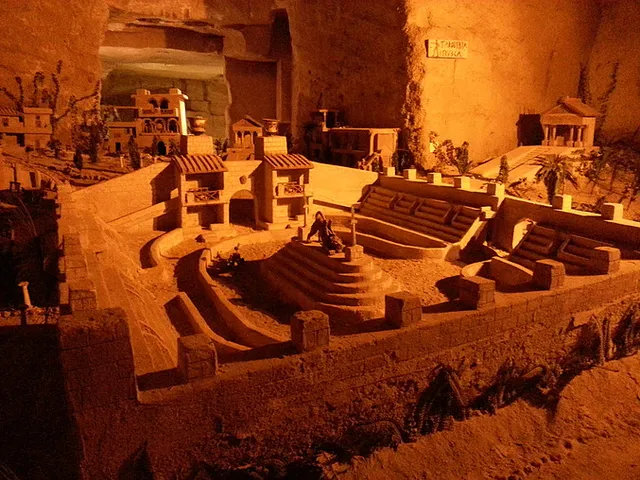
Das Grab der Jäger und Fischer hat sehr feine Malereien, die leider schon relativ stark zerstört sind. Neben Bankettszenen und Tänzen fallen besonders viele Abbildungen von Vögeln, Fischen und Jagen auf, die dem Grab seinen Namen gegeben haben. Die berühmte Szene, in der ein Mann von einer Klippe ins Meer springt, ist nicht erreichbar. Das Grab hat zwei Räume und vom hinteren, wo das Fresko ist, kann nur wenig einsehbar. Diese Grab ist originalgetreu und voll rekonstruiert in der Etruskopolis nachgebaut und dort auch vollständug begehbar. (Privatmuseum in der Stadt, relativ teuer)
Paolo MaggianiPaolo Maggiani
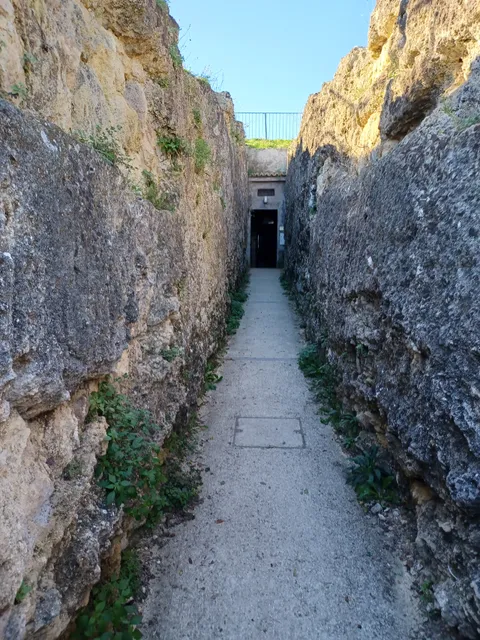
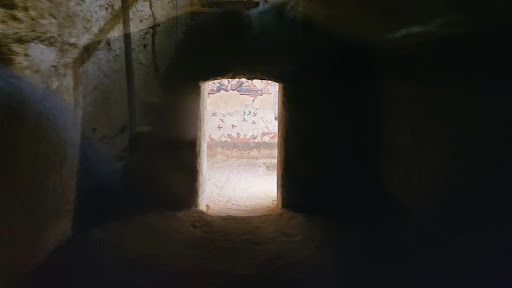
Questa tomba si fa risalire al 520 - 510 a. C.; è situata a circa 10 metri di profondità e la si raggiunge tramite una scala interamente scavata nel tufo; purtroppo a causa di problemi di illuminazione, era visibile soltanto l'affresco che raffigura alcuni pescatori su una barca con attorno uccelli e delfini.
See more posts
See more posts
hotel
Find your stay

Pet-friendly Hotels in Tarquinia

Find a cozy hotel nearby and make it a full experience.

520-510 a.C. Costituita da due camere in asse, con soffitto a doppio spiovente e corridoio di accesso (dromos) a gradini. Decorazione: nel frontone della parete di fondo una scena di ritorno dalla caccia con due cavalieri e i servi con le prede; sulle pareti, in un boschetto di allori ai quali sono appese bende e corone, si svolge una danza orgiastica (komos). Nel frontone della seconda camera una coppia (i proprietari della tomba) a banchetto, accudita da servitori. Lungo le pareti sono raffigurati paesaggi marini con vivaci scene di caccia e di pesca; sulla parete sinistra la celebre rappresentazione di un giovane nudo che si tuffa in mare da un grande scoglio e che trova confronto con la più tarda “tomba del Tuffatore” di Paestum (480 a.C.), opera di un maestro magno-greco: vi è evocata la metafora del tuffo come passaggio dalla vita alla morte. Lo stile, il gusto narrativo e l’attenzione per il paesaggio avvicinano queste pitture all’ambiente artistico greco-orientale (Samo) cui si deve la produzione di una particolare classe ceramica: le coppe dei “piccoli Maestri ionici”; ad un pittore greco operante in questa tradizione va dunque attribuita la decorazione dell’ipogeo. ENGLISH: Consisting of two rooms in axis, with a gabled ceiling and access corridor (dromos) with steps. Decoration: in the pediment of the back wall a scene of returning from hunting with two horsemen and servants with prey; an orgiastic dance (komos) takes place on the walls, in a grove of laurels from which bandages and crowns are hung. In the pediment of the second chamber a couple (the owners of the tomb) at a banquet, looked after by servants. Seascapes with lively hunting and fishing scenes are depicted along the walls; on the left wall the famous representation of a naked young man who dives into the sea from a large rock and which finds comparison with the later "tomb of the Diver" of Paestum (480 BC), the work of a Magna Graecia master: it is evoked the metaphor of the dive as a passage from life to death. The style, the narrative taste and the attention to the landscape bring these paintings closer to the Greek-Oriental artistic environment (Samos) to which we owe the production of a particular ceramic class: the cups of the "little Ionic Masters"; the decoration of the hypogeum should therefore be attributed to a Greek painter working in this tradition.
Simone Porrelli

Simone Porrelli

hotel
Find your stay

Affordable Hotels in Tarquinia

Find a cozy hotel nearby and make it a full experience.

Get the Appoverlay
Get the AppOne tap to find yournext favorite spots!
Das Grab der Jäger und Fischer hat sehr feine Malereien, die leider schon relativ stark zerstört sind. Neben Bankettszenen und Tänzen fallen besonders viele Abbildungen von Vögeln, Fischen und Jagen auf, die dem Grab seinen Namen gegeben haben. Die berühmte Szene, in der ein Mann von einer Klippe ins Meer springt, ist nicht erreichbar. Das Grab hat zwei Räume und vom hinteren, wo das Fresko ist, kann nur wenig einsehbar. Diese Grab ist originalgetreu und voll rekonstruiert in der Etruskopolis nachgebaut und dort auch vollständug begehbar. (Privatmuseum in der Stadt, relativ teuer)
Eltje Weiß

Eltje Weiß

hotel
Find your stay

The Coolest Hotels You Haven't Heard Of (Yet)

Find a cozy hotel nearby and make it a full experience.

hotel
Find your stay

Trending Stays Worth the Hype in Tarquinia

Find a cozy hotel nearby and make it a full experience.

Questa tomba si fa risalire al 520 - 510 a. C.; è situata a circa 10 metri di profondità e la si raggiunge tramite una scala interamente scavata nel tufo; purtroppo a causa di problemi di illuminazione, era visibile soltanto l'affresco che raffigura alcuni pescatori su una barca con attorno uccelli e delfini.
Paolo Maggiani

Paolo Maggiani

See more posts
See more posts