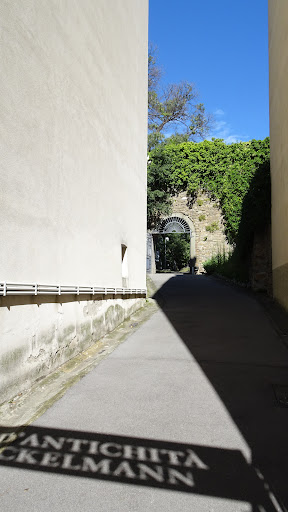
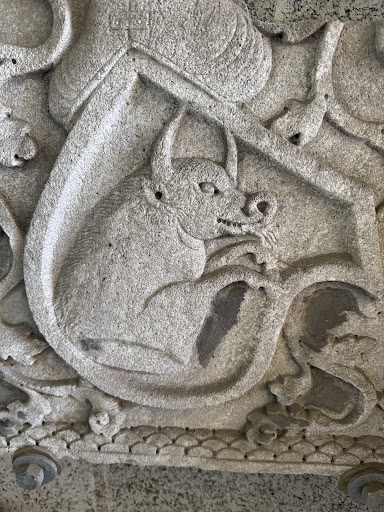
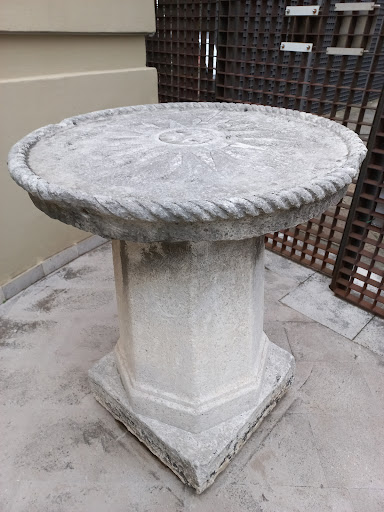
Museo d’Antichità J.J. Winckelmann things to do, attractions, restaurants, events info and trip planning
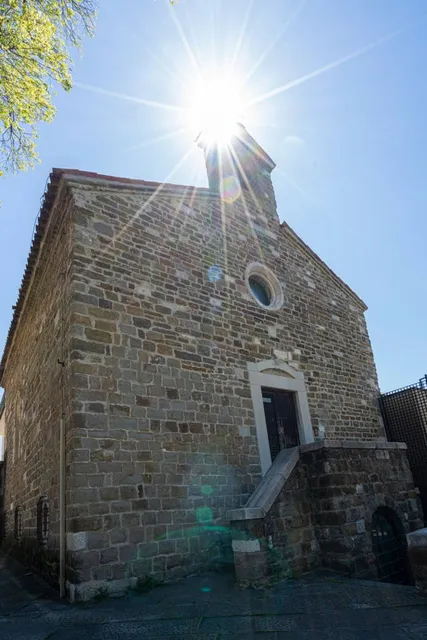
Basic Info
Museo d’Antichità J.J. Winckelmann
P.za della Cattedrale, 1, 34124 Trieste TS, Italy
4.6(292)
Closed
Save
spot
spot
Ratings & Description
Info
Cultural
Family friendly
Accessibility
attractions: Castello di San Giusto, Roman Theatre of Trieste, Unity of Italy Square, Trieste War Memorial, Parco della Rimembranza, Parrocchia di Santa Maria Maggiore, Piazza della Borsa, Infopoint Trieste, Basilica of San Silvestro, Lapidario Tergestino, restaurants: Barakin San Giusto, Pizzeria Trattoria Al Campanon, Gelato Marco, Panificio Pasticceria Giovini Moreno, Alla Valle, Mastro Birraio, Donna Amalia, Antica Hostaria da Libero, Cemût - Piccola osteria furlana, Taverna Sapori Greci, local businesses: Cattedrale di San Giusto Martire, Unity of Italy Square, Cenotafio di Winckelmann, Gioielleria di Via San Michele, Piazza della Borsa, Anglican Church in Via San Michele (Christ Church Trieste), Macelleria Idea Carne, San Giusto Informatica di G. Coletta "the" Apple Specialist, Boogaloo, l'oasi della frutta
 Learn more insights from Wanderboat AI.
Phone
+39 040 310500
Website
museoantichitawinckelmann.it
Open hoursSee all hours
Sun10 AM - 5 PMClosed
Plan your stay

Pet-friendly Hotels in Trieste
Find a cozy hotel nearby and make it a full experience.

Affordable Hotels in Trieste
Find a cozy hotel nearby and make it a full experience.

The Coolest Hotels You Haven't Heard Of (Yet)
Find a cozy hotel nearby and make it a full experience.

Trending Stays Worth the Hype in Trieste
Find a cozy hotel nearby and make it a full experience.
Reviews
Live events
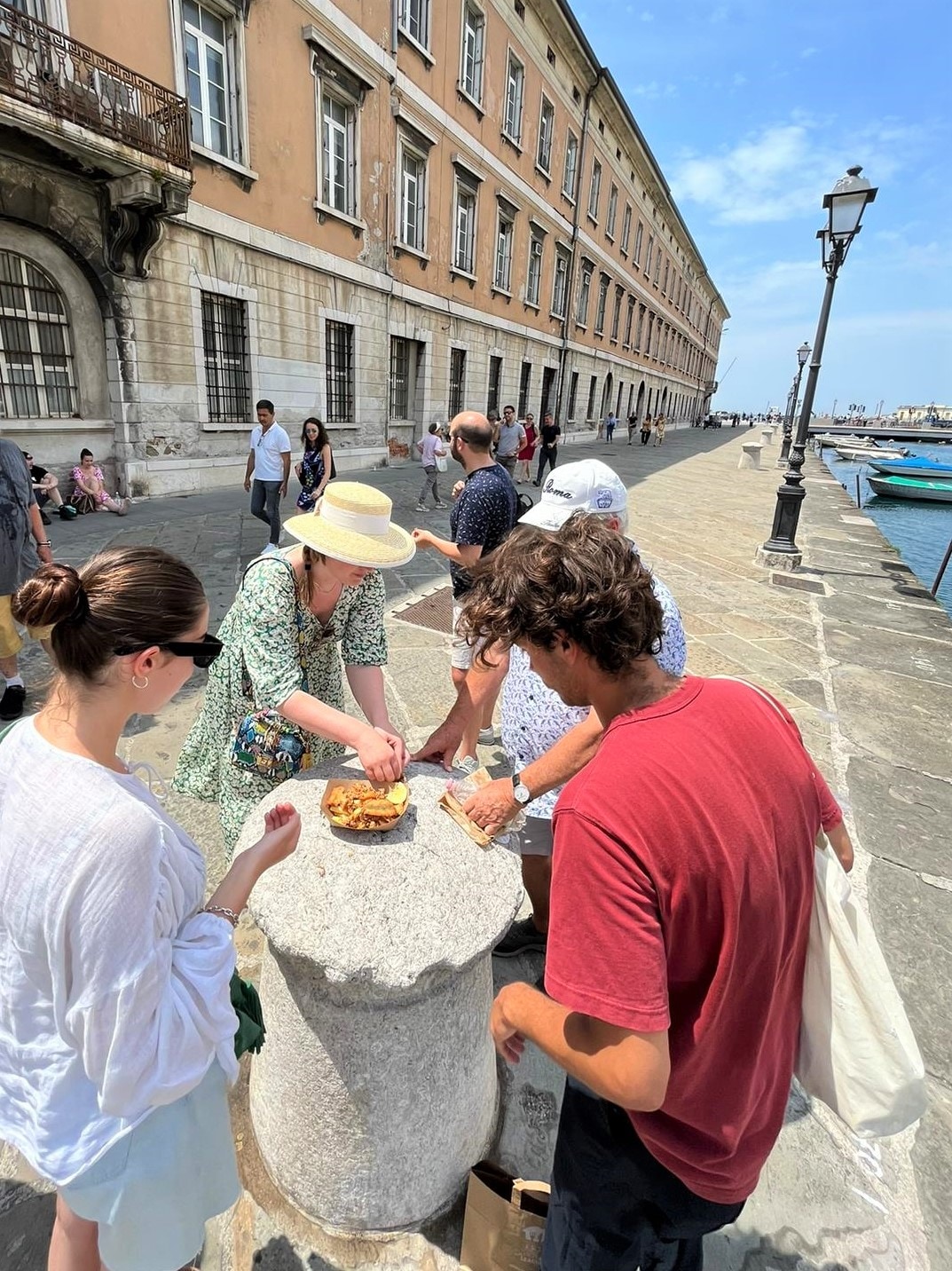
No Diet Club - Unique local food in Trieste
Fri, Feb 13 • 11:30 AM
34123, Trieste, Friuli-Venezia Giulia, Italy
View details
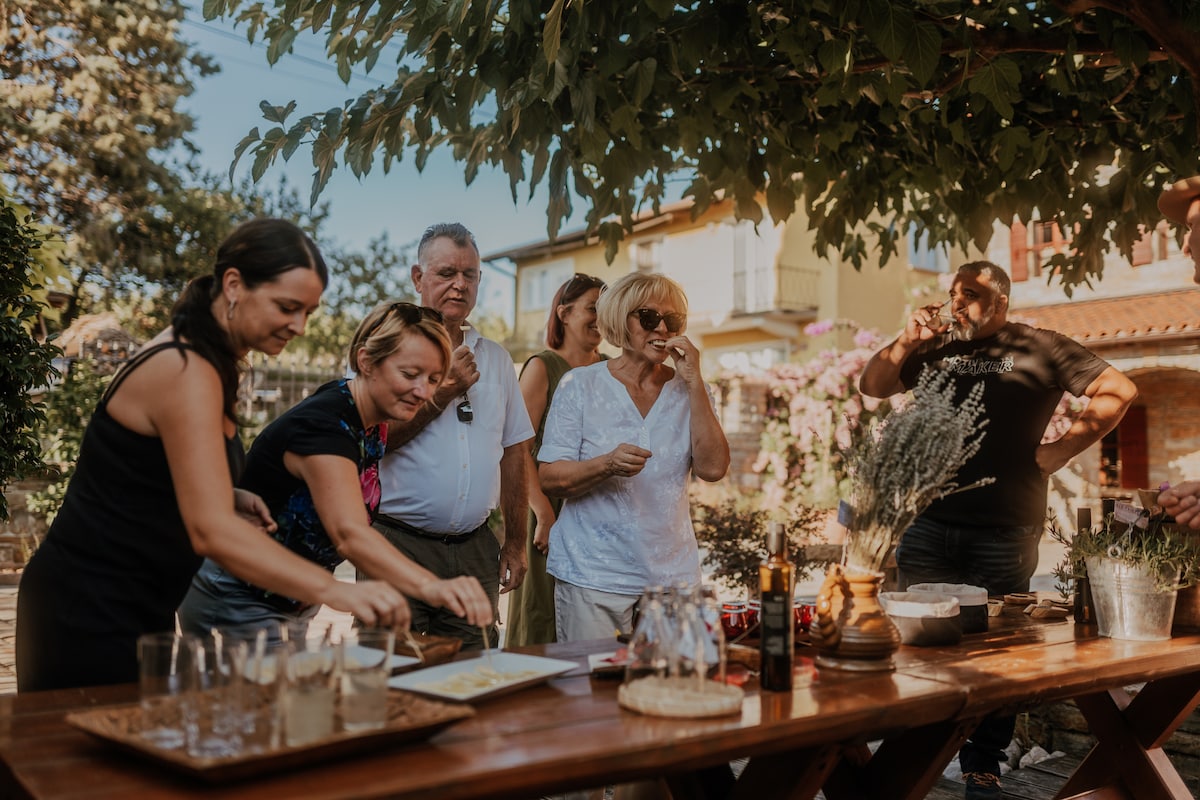
Olive Oil Tasting Experience Journey of Flavors
Mon, Feb 9 • 11:00 AM
6273, Marezige, Slovenia
View details
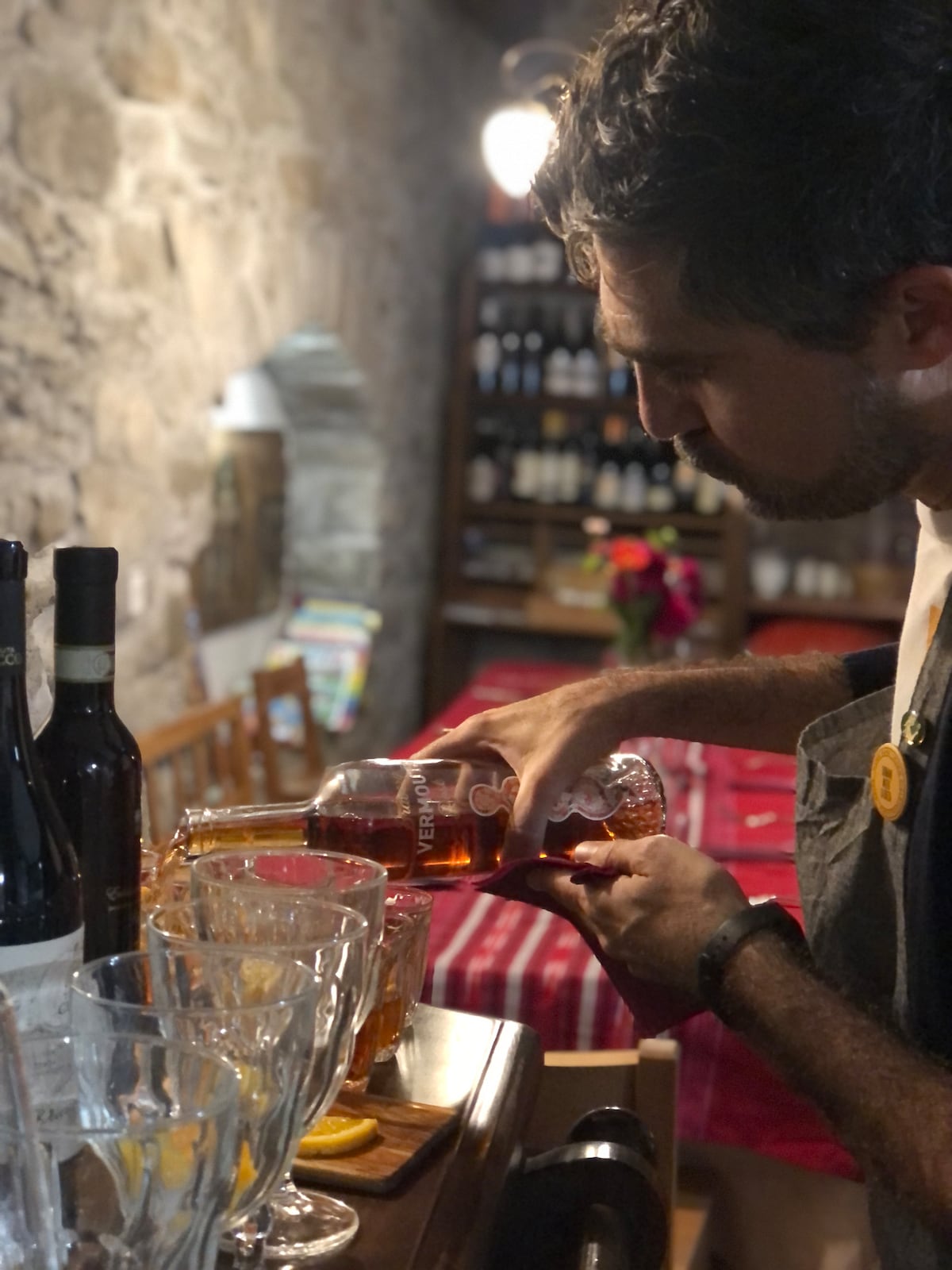
Wine Pairing & Thoughtfully Simple Cuisine
Mon, Feb 9 • 12:00 AM
5272, Podnanos, Slovenia
View details
Nearby attractions of Museo d’Antichità J.J. Winckelmann
Castello di San Giusto
Roman Theatre of Trieste
Unity of Italy Square
Trieste War Memorial
Parco della Rimembranza
Parrocchia di Santa Maria Maggiore
Piazza della Borsa
Infopoint Trieste
Basilica of San Silvestro
Lapidario Tergestino
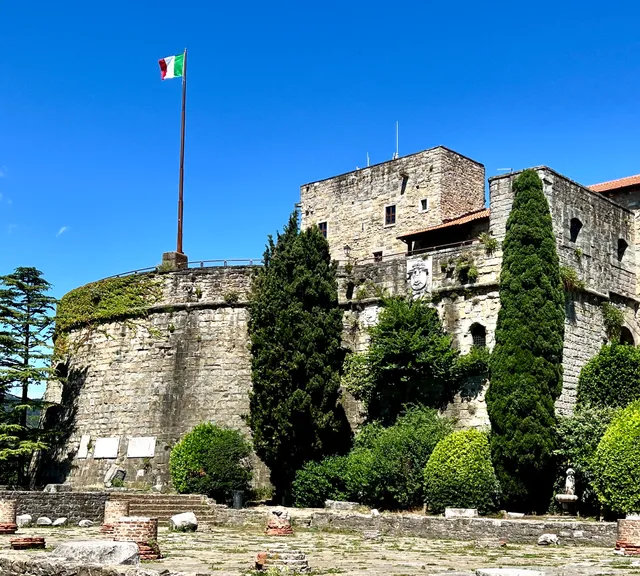
Castello di San Giusto
4.5
(2.5K)
Closed
Click for details
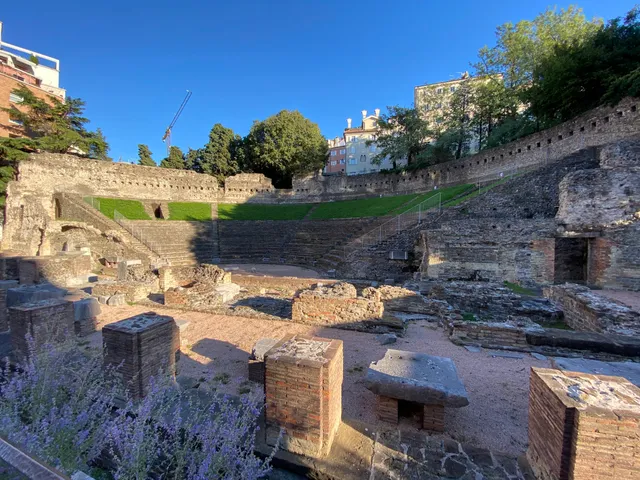
Roman Theatre of Trieste
4.3
(2.3K)
Open until 12:00 AM
Click for details
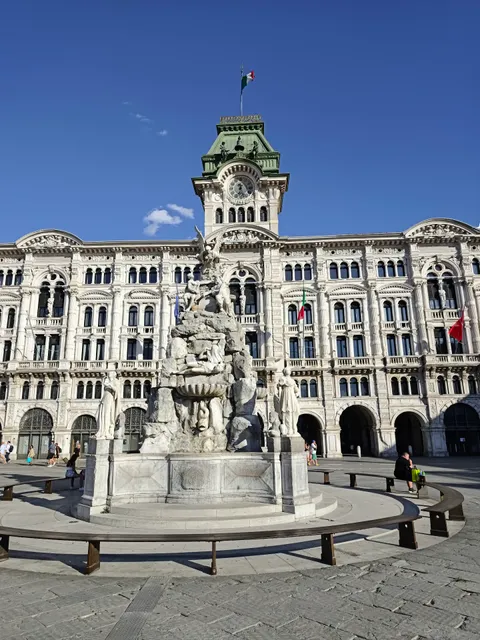
Unity of Italy Square
4.8
(19.7K)
Open until 12:00 AM
Click for details
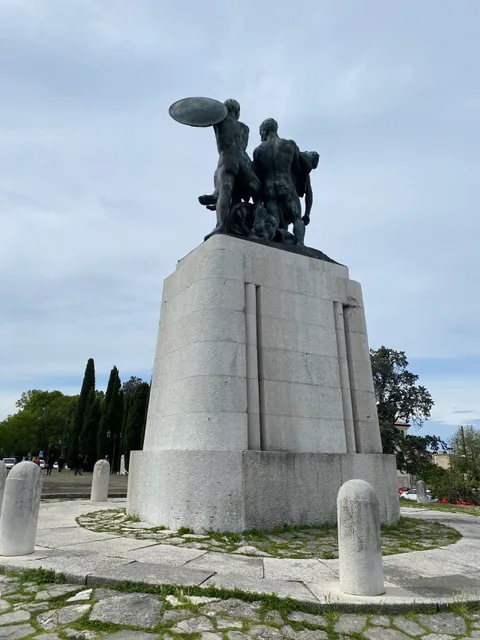
Trieste War Memorial
4.6
(142)
Open until 12:00 AM
Click for details
Nearby restaurants of Museo d’Antichità J.J. Winckelmann
Barakin San Giusto
Pizzeria Trattoria Al Campanon
Gelato Marco
Panificio Pasticceria Giovini Moreno
Alla Valle
Mastro Birraio
Donna Amalia
Antica Hostaria da Libero
Cemût - Piccola osteria furlana
Taverna Sapori Greci
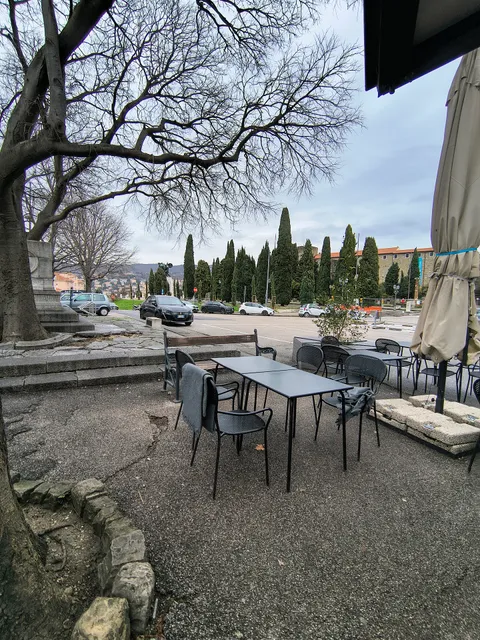
Barakin San Giusto
4.8
(199)
Closed
Click for details
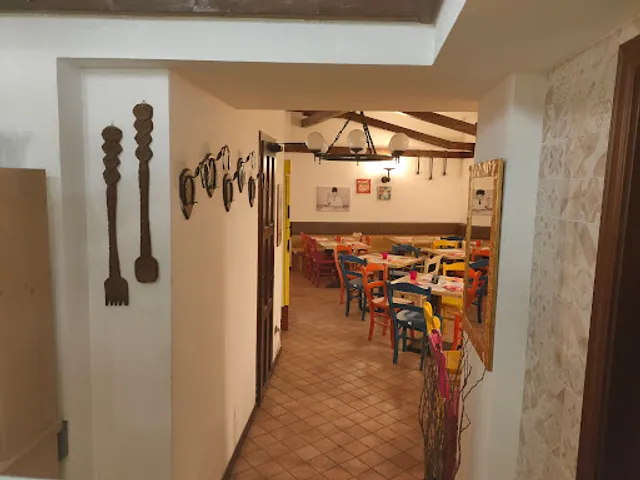
Pizzeria Trattoria Al Campanon
4.5
(298)
Closed
Click for details
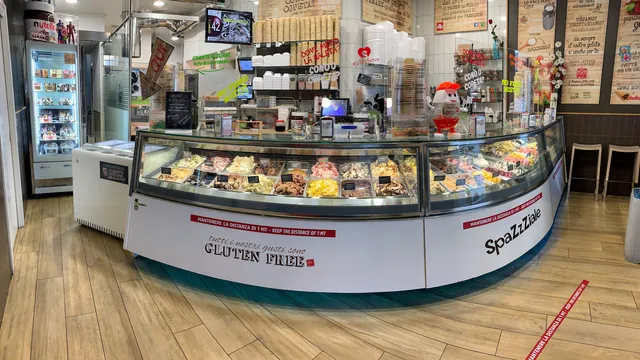
Gelato Marco
4.6
(1.4K)
$
Click for details
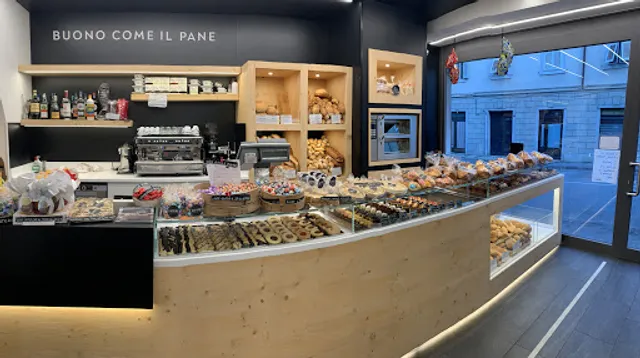
Panificio Pasticceria Giovini Moreno
4.7
(177)
Open until 12:00 AM
Click for details
Nearby local services of Museo d’Antichità J.J. Winckelmann
Cattedrale di San Giusto Martire
Unity of Italy Square
Cenotafio di Winckelmann
Gioielleria di Via San Michele
Piazza della Borsa
Anglican Church in Via San Michele (Christ Church Trieste)
Macelleria Idea Carne
San Giusto Informatica di G. Coletta "the" Apple Specialist
Boogaloo
l'oasi della frutta
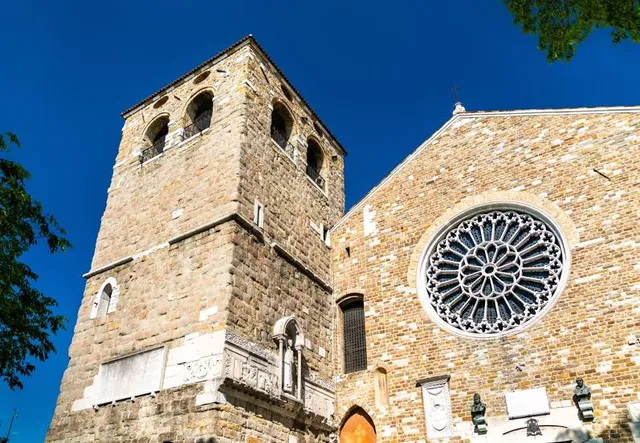
Cattedrale di San Giusto Martire
4.6
(1.6K)
Click for details
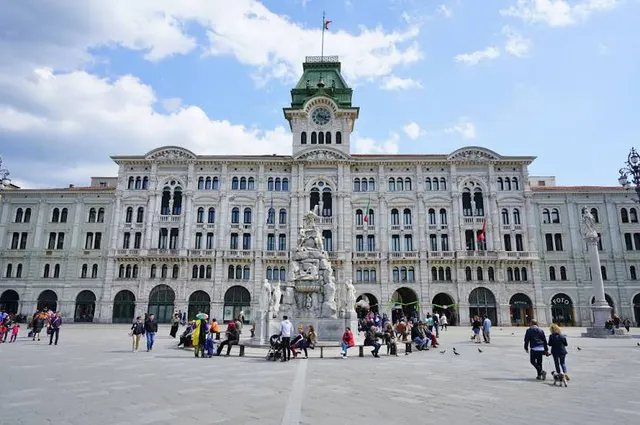
Unity of Italy Square
4.8
(16.1K)
Click for details
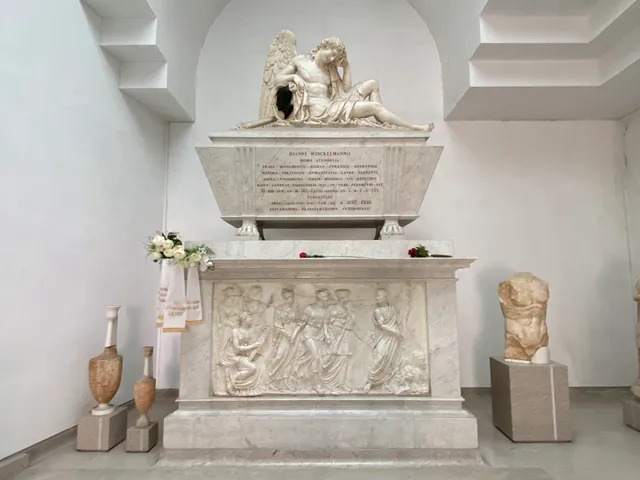
Cenotafio di Winckelmann
4.7
(16)
Click for details
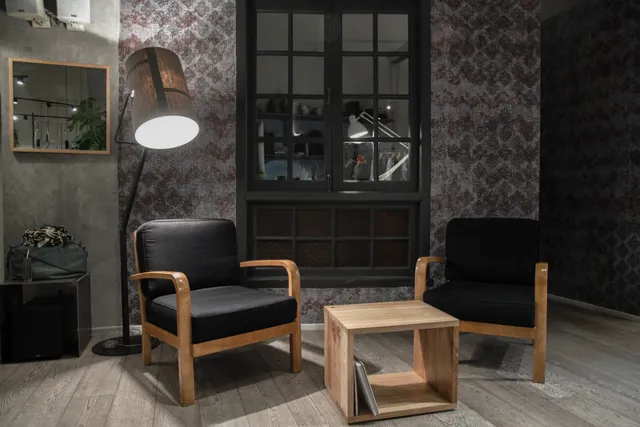
Gioielleria di Via San Michele
4.9
(32)
Click for details