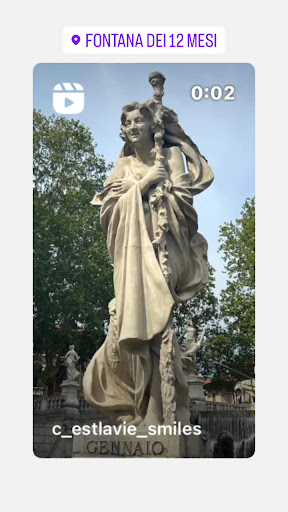
Fontana del 12 Mesi: Symbolic Metaphors and Travel Pleasantries at Parco del Valentino in Torino, Italy
Italy's rich history, breathtaking landscapes, and cultural heritage make it a popular destination for travelers seeking remarkable experiences. Torino, the capital of the Piedmont region, is a city that encapsulates the essence of Italian charm. One of its hidden gems is Parco del Valentino, a picturesque park where visitors can immerse themselves in nature and encounter fascinating landmarks. Among these is the Fontana del 12 Mesi, a beautiful fountain that holds profound symbolic metaphors and offers a delightful stop for travelers.
Exploring Parco del Valentino: Parco del Valentino, nestled on the banks of the River Po, is a sprawling green oasis in the heart of Torino. Spanning over 42 hectares, the park is a serene escape from the bustling city. Its meticulously landscaped gardens, tranquil pathways, and romantic atmosphere attract locals and tourists alike. As visitors stroll through the park, they encounter various notable landmarks, including the Fontana del 12 Mesi.
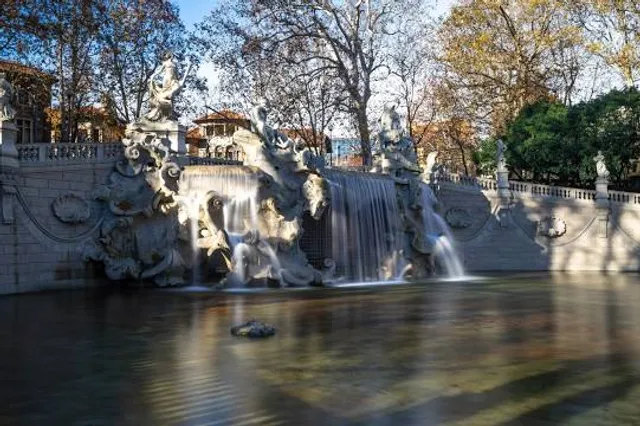
Fontana del 12 Mesi: A Fountain of Symbolic Metaphors: The Fontana del 12 Mesi, meaning "Fountain of the 12 Months," is a captivating work of art located at Parco del Valentino. Designed by the architect Carlo Ceppi, it was inaugurated in 1998 and has since become an emblem of the park. The fountain is an impressive representation of the passage of time and the changing seasons, which are deeply ingrained in Italian culture.
The fountain features a circular basin adorned with twelve bronze sculptures, each representing a different month of the year. The statues depict various symbolic figures, such as a woman with flowers for spring, a reaper for summer, a grape harvester for autumn, and a bundled-up figure for winter. Each sculpture is meticulously crafted, capturing the essence and mood of the respective month it represents.
Travel Pleasantries at Fontana del 12 Mesi: Visiting Fontana del 12 Mesi provides travelers with a myriad of pleasantries. As the water cascades gently into the basin, the sound creates a soothing ambiance, inviting visitors to pause, relax, and appreciate the beauty of the surroundings. The blend of art, nature, and symbolism offers a unique experience, allowing travelers to connect with both the fountain and the passage of time.
Moreover, the Fontana del 12 Mesi acts as a metaphorical journey through the seasons. Each sculpture represents a distinct period of the year, inviting visitors to reflect on the cyclical nature of life and the ever-changing world around them. It serves as a reminder to embrace the present moment, appreciate the beauty of each season, and find joy in the passage of time.
Smile iN Miles for Destination DENZity:
Fontana del 12 Mesi at Parco del Valentino in Torino, Italy, is a captivating fountain that offers travelers a delightful experience filled with symbolic metaphors. As visitors immerse themselves in the beauty of the sculptures and the soothing sound of cascading water, they are reminded of the importance of cherishing the passing seasons and embracing the present moment. Exploring this hidden gem within the park allows travelers to connect with Italian culture, appreciate artistry, and find tranquility amidst the hustle and bustle...
Read moreThe Fountain of the Twelve Months in Turin’s Valentino Park is clearly an expression of the city’s pride, but its history is enveloped in the same aura of mystery that has always surrounded the Piedmontese capital city.
The monumental fountain was designed by architect Carlo Ceppi and built in 1898 for the fiftieth anniversary of the Albertine Statute, the constitution conceded to the Kingdom of Sardinia that would later be extended to the whole Kingdom of Italy until 1944.
1898 was also the year Turin hosted an important national exposition: the perfect occasion to unveil this majestic oval basin at the heart of the city, in its most beautiful park, surrounded by marble statues representing the twelve months and four seasons, as well as the rivers Po, Dora, Sangone, and Stura.
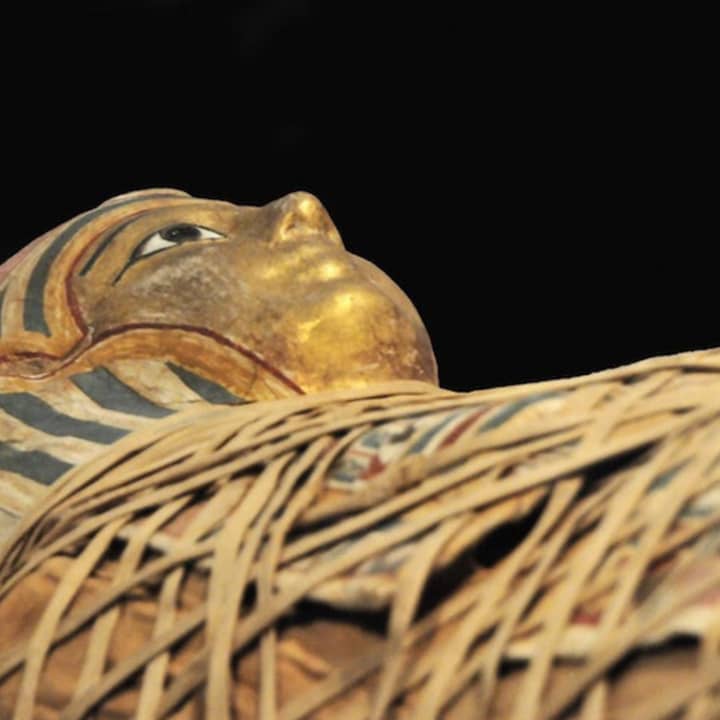
It was a way for the city to affirm its importance and beauty, even compared to the new State capital, Rome… but some believe the Fountain of the Twelve Months is also one of the many clues of the supernatural bond between Turin and Ancient Egypt – which the “experts” say started with prince Pa Rahotep, who in various translations was confused with the mythological Phaeton, who stole the Chariot of his father Helios (the Sun) and crashed into the river Po right where the city of Turin would later be founded.
In the 17th-century version of this story by historian Emanuele Thesauro, Pa Rahotep-Phaéton came to “the territory of Turin around 1523 BC with a large group of followers, looking for new lands.”
“According to Thesauro, Phaeton ‘founded this colony on the banks of the Po. He granted the city the particular honor – following auspices of Apis, adored in Egypt – of a name and insignia inspired by the bull-deity himself’” [“bull” is ‘toro’ in Italian, hence the name ‘Torino’ according to this theory – editor’s note].
“The Egyptian prince founded Eridania, Turin’s first nucleus, merging with autochthonous people in Liguria and surrounding territories, starting a new reign […]. Some say Phaeton fell and died drowning in the river, after a horse-drawn-chariot race, when he fell with his horses at the height of Valentino Park, where the so-called ‘Fountain of the Twelve Months’ now dominates the view” (translated from D. Tacchino, “Torino. Storia e misteri di una provincia magica”, Edizioni Mediterranee, Rome 2007).
A fountain of beauty...
Read moreLa Fontana dei 12 Mesi, che si trova nel Parco del Valentino, è l’unico esempio rimasto del progetto architettonico fatto per l’Esposizione Nazionale del 1898 in occasione dei 50 anni dello Statuto Albertino (la costituzione adottata dal Regno sardo-piemontese e firmata nel 1848 da Carlo Alberto di Savoia). La fontana si trova a sud del Borgo Medievale, nella zona meridionale del Parco del Valentino e segue la pendenza del terreno che scende verso il Po. Come per numerosi luoghi e simboli di Torino, anche la storia della Fontana dei 12 Mesi è legata ad una leggenda. Si narra infatti, che la fontana sorga nel luogo in cui Fetonte, figlio del Dio del Sole, sia caduto dopo essersi impadronito del carro del padre e aver fatto imbizzarrire i cavalli. Fetonte cadde proprio nel fiume Po dove secoli dopo i romani fondarono la città di Augusta Taurinorum. La progettazione della fontana fu affidata a Carlo Ceppi (a lui è dedicato uno dei viali del Parco del Valentino), importante ingegnere e architetto dell’ambiente torinese a cui si devono anche altre opere come il pronao del Santuario della Consolata e la stazione ferroviaria di Porta Nuova. La fontana è composta da una vasca ovale in cui arriva l’acqua da una piccola cascata centrale. La vasca è poi sovrastata da una terrazza della stessa forma su cui si trovano quattro gruppi di statue che rappresentano i 4 fiumi che bagnano Torino: la Stura (rappresentato da tre nudi femminili ed opera di Luigi Contratti), il Po (rappresentato da una figura barbuta eseguito da Edoardo Rubino), la Dora (raffigurata da una pastorella ed opera di Giacomo Cometti) ed il Sangone (rappresentato da un genio che sorride a due amanti e opera, questa, di Cesare Reduzzi). La terrazza è inoltre arricchita da statue che raffigurano allegoricamente i 12 mesi. Lo stile della fontana è un misto tra lo stile liberty ed il rococò e ricalca per alcune cose la fontana della Villa della Regina a Torino. L’architettura, il posto e le leggende legate a questa fontana ne disegnano un’aura romantica e fantastica che affascina i visitatori. Se vi trovate a Torino, fateci un salto. Nel marzo 2019, dopo 5 anni di restauro la Fontana dei 12 Mesi di Torino è tornata a splendere . La fontana è stata finalmente riaccesa dopo il restauro condotto dagli edifici per la cultura della Città in collaborazione con la...
Read more