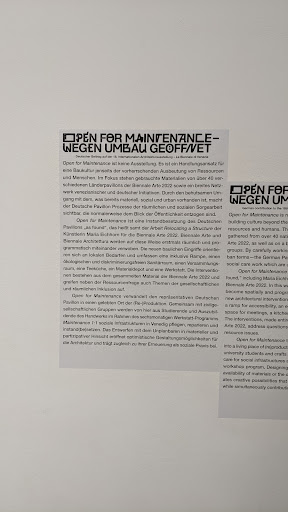
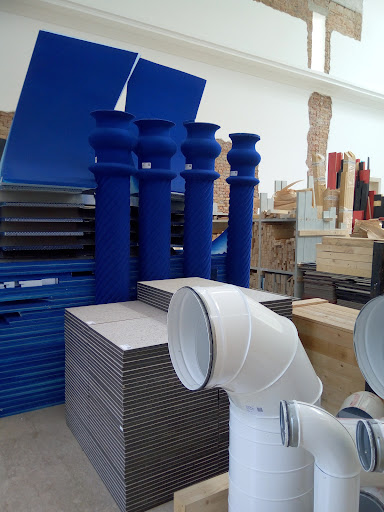
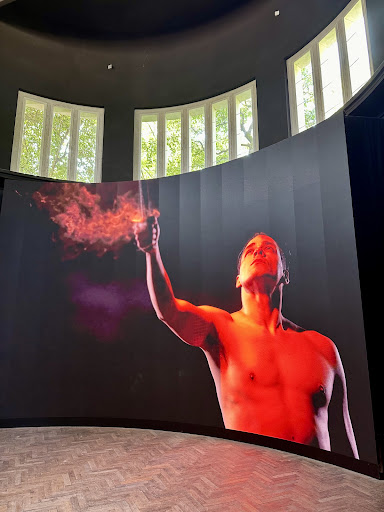
Padiglione della Germania things to do, attractions, restaurants, events info and trip planning
Basic Info
Padiglione della Germania
Giardini della Biennale, 30010 Venezia VE, Italy
3.5(243)
Closed
Save
spot
spot
Ratings & Description
Info
The Barcelona Pavilion, designed by Ludwig Mies van der Rohe and Lilly Reich, was the German Pavilion for the 1929 International Exposition in Barcelona, Spain. This building was used for the official opening of the German section of the exhibition.
Cultural
Accessibility
attractions: Giardini della Biennale, Biennale di Venezia - Padiglione Canadese, Parco delle Rimembranze, Pavilion of France, British Pavilion of the Venice Biennale, Padiglione Centrale, Bolivian Pavillion of the Venice Bienal, Nordic Pavilion of the Venice Biennale, Padiglione del Giappone, Belgian Pavilion, restaurants: Osteria da Pampo, Vincent Bar, Ristorante In Paradiso, GIARDIN Food & Art Oasis, Osteria San Isepo, Vecia Gina, Trattoria Dai Fioi, Caffè La Serra, Antica Osteria da Gino, Trattoria Dai Tosi, local businesses: Central Pavilion, Pavilhão da Austrália da Bienal de Veneza, La Biennale di Venezia - Padiglione della Grecia, Pavilhão da Venezuela da Bienal de Veneza, Non solo pane Venezia, Sant'Elena, Venezia Catamaran Cruises, Isola Sant'Elena, La Biennale di Venezia - Israele, Classic Boats Venice - Boat Rentals and Experiences in Venice, Italy
 Learn more insights from Wanderboat AI.
Phone
+39 041 521 8711
Website
labiennale.org
Open hoursSee all hours
Mon10 AM - 6 PMClosed
Plan your stay

Pet-friendly Hotels in Venice
Find a cozy hotel nearby and make it a full experience.

Affordable Hotels in Venice
Find a cozy hotel nearby and make it a full experience.

The Coolest Hotels You Haven't Heard Of (Yet)
Find a cozy hotel nearby and make it a full experience.

Trending Stays Worth the Hype in Venice
Find a cozy hotel nearby and make it a full experience.
Reviews
Live events

Chiesa di Venezia di Vivaldi: Concerto Le Quattro Stagioni di Vivaldi
Mon, Feb 9 • 7:00 PM
Piazza San Marco, Venezia, 30124
View details

STELLAR-PARTY
Thu, Feb 12 • 7:00 PM
45 Via Fratelli Bandiera, 30175 Venezia
View details

OGNI VENERDI ANDA VENICE HOSTEL - FREE ENTRY
Fri, Feb 13 • 10:00 PM
10 Via Ortigara, 30171 Mestre
View details
Nearby attractions of Padiglione della Germania
Giardini della Biennale
Biennale di Venezia - Padiglione Canadese
Parco delle Rimembranze
Pavilion of France
British Pavilion of the Venice Biennale
Padiglione Centrale
Bolivian Pavillion of the Venice Bienal
Nordic Pavilion of the Venice Biennale
Padiglione del Giappone
Belgian Pavilion
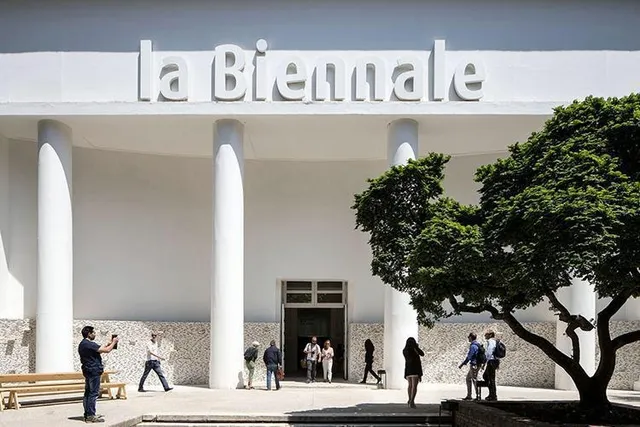
Giardini della Biennale
4.5
(5K)
Open until 12:00 AM
Click for details

Biennale di Venezia - Padiglione Canadese
4.4
(272)
Open until 12:00 AM
Click for details
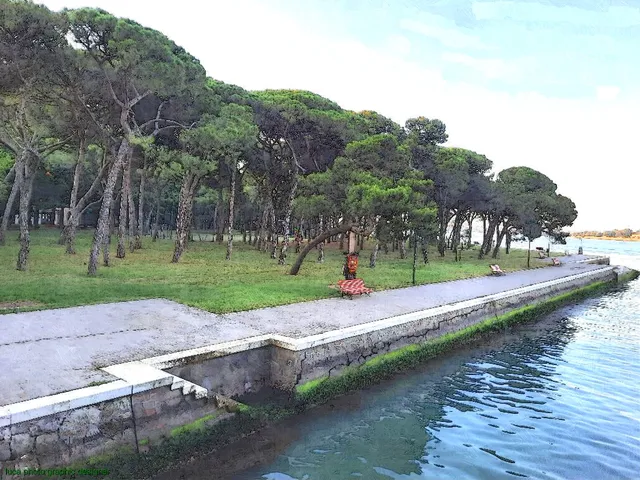
Parco delle Rimembranze
4.6
(679)
Open until 12:00 AM
Click for details
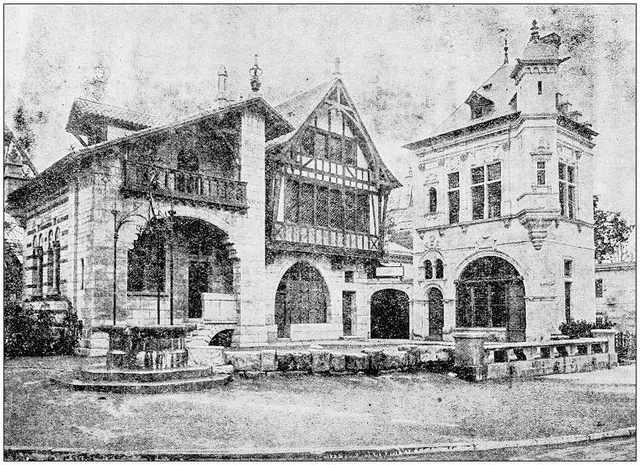
Pavilion of France
4.2
(107)
Closed
Click for details
Nearby restaurants of Padiglione della Germania
Osteria da Pampo
Vincent Bar
Ristorante In Paradiso
GIARDIN Food & Art Oasis
Osteria San Isepo
Vecia Gina
Trattoria Dai Fioi
Caffè La Serra
Antica Osteria da Gino
Trattoria Dai Tosi
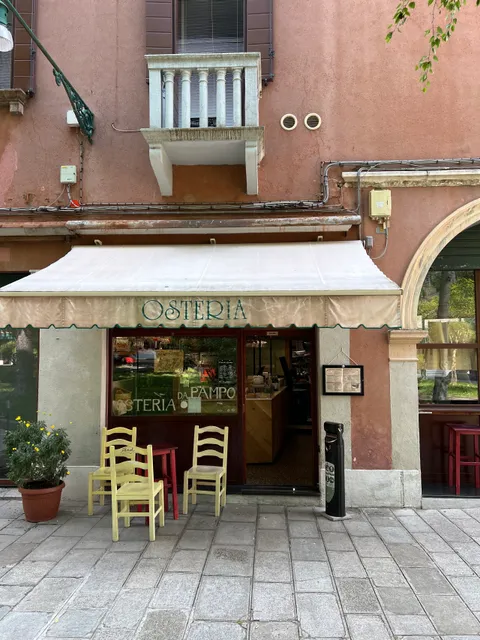
Osteria da Pampo
4.6
(728)
Closed
Click for details
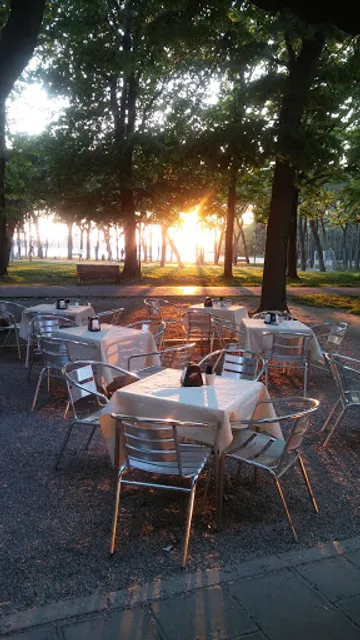
Vincent Bar
4.3
(316)
Open until 12:00 AM
Click for details
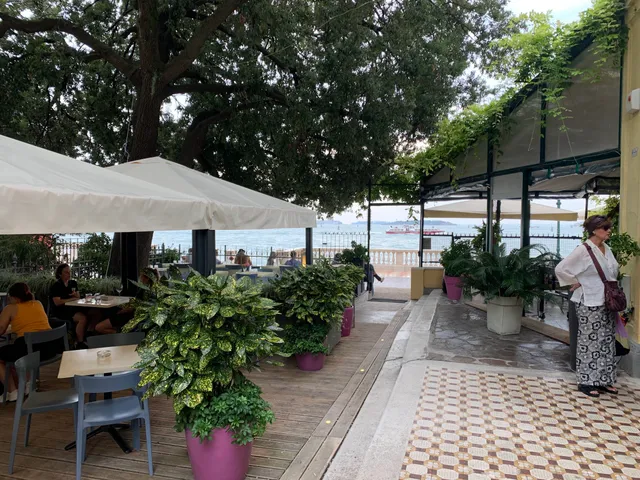
Ristorante In Paradiso
3.5
(201)
$$
Closed
Click for details
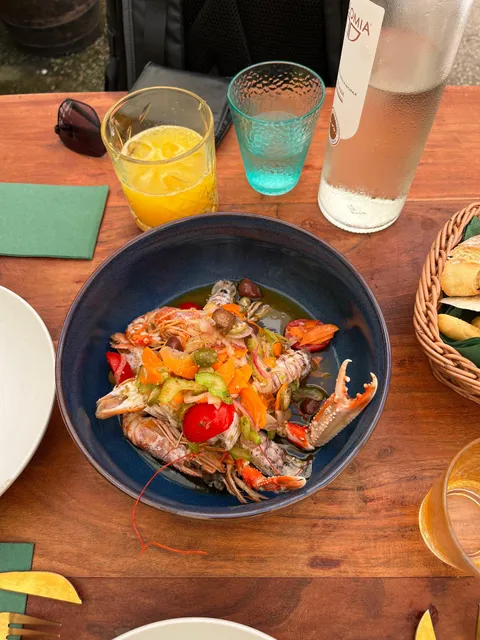
GIARDIN Food & Art Oasis
4.9
(110)
Open until 12:00 AM
Click for details
Nearby local services of Padiglione della Germania
Central Pavilion
Pavilhão da Austrália da Bienal de Veneza
La Biennale di Venezia - Padiglione della Grecia
Pavilhão da Venezuela da Bienal de Veneza
Non solo pane Venezia
Sant'Elena
Venezia Catamaran Cruises
Isola Sant'Elena
La Biennale di Venezia - Israele
Classic Boats Venice - Boat Rentals and Experiences in Venice, Italy
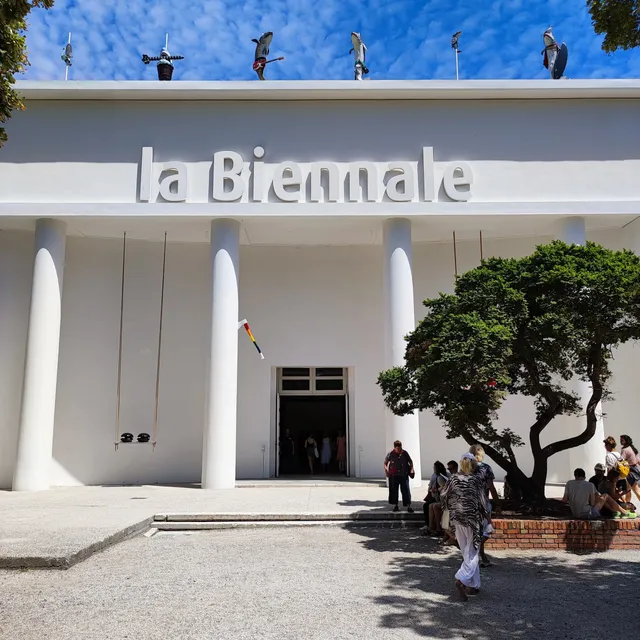
Central Pavilion
4.5
(570)
Click for details
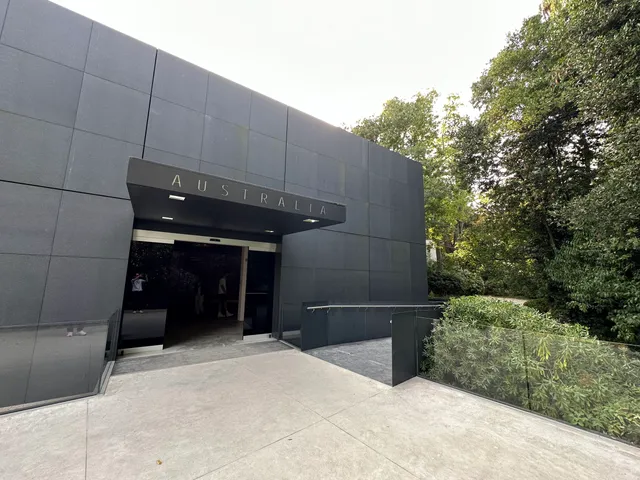
Pavilhão da Austrália da Bienal de Veneza
4.3
(37)
Click for details
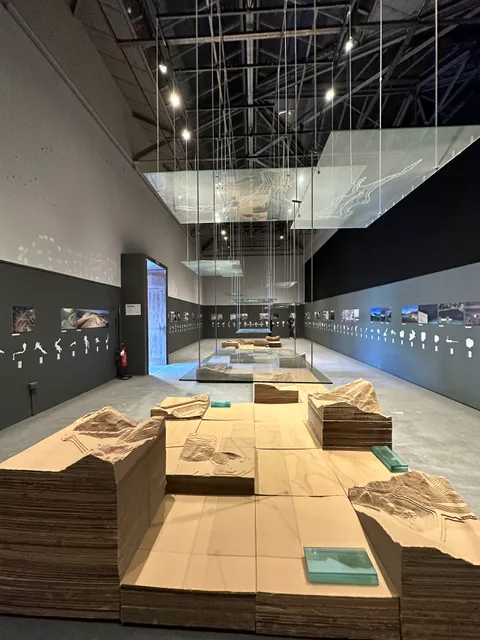
La Biennale di Venezia - Padiglione della Grecia
4.1
(42)
Click for details
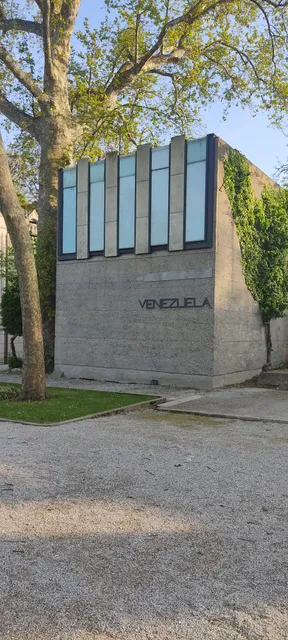
Pavilhão da Venezuela da Bienal de Veneza
3.9
(21)
Click for details