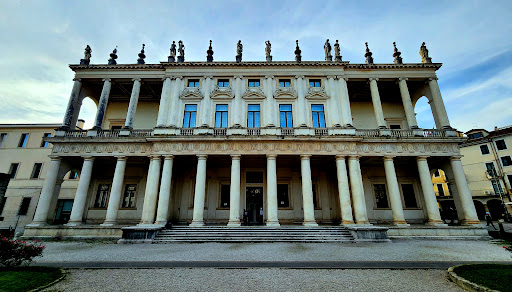
Palazzo Chiericati things to do, attractions, restaurants, events info and trip planning
Basic Info
Palazzo Chiericati
Piazza Matteotti, 37/39, 36100 Vicenza VI, Italy
4.5(937)
Open until 12:00 AM

tickets
Save
spot
spot
Ratings & Description
Info
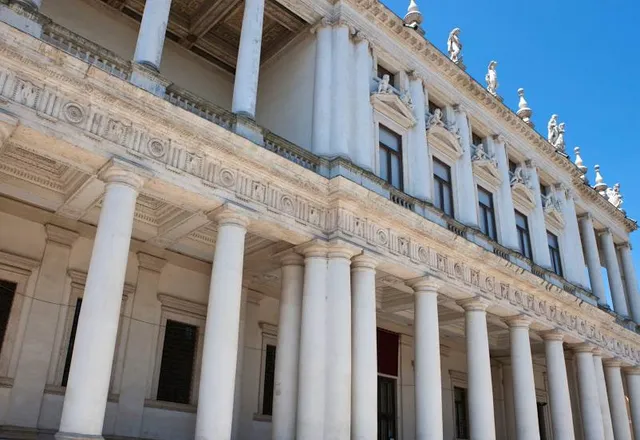
The Palazzo Chiericati is a Renaissance palace in Vicenza, designed by Andrea Palladio.
Cultural
Accessibility
attractions: Olympic Theater, Piazza dei Signori, Chiesa di Santa Corona, Ufficio Informazioni e Accoglienza Turistica - IAT Vicenza, Palladian Basilica, Palazzo Leoni Montanari, Museo di Santa Corona, Palazzo Thiene, Theater Astra in Vicenza, Palazzo da Schio, Ca' d'Oro, restaurants: Pizzeria Vesuvio, Julien Vicenza, Opera Cafè by Albachiara, Fattore F, Signorvino Vicenza, Caffe' Olimpico, HOSEN | Specialty coffee & Bakery, Caffè degli Artisti, koko bubble tea café, Bacaro della Pizza, local businesses: Cinema Odeon, Piazza dei Signori, Pont des Anges, Sun City Vicenza, Arena dei Chiostri di Santa Corona, Pizza House, FrancoP&Sons Vicenza di Franco Pianegonda, Gusto Turco Grill Kebap Pizza Tacos, Palazzo Thiene, Marystè Vicenza
 Learn more insights from Wanderboat AI.
Phone
+39 0444 222811
Website
museicivicivicenza.it
Open hoursSee all hours
Tue10 AM - 6 PMOpen
Plan your stay

Pet-friendly Hotels in Vicenza
Find a cozy hotel nearby and make it a full experience.

Affordable Hotels in Vicenza
Find a cozy hotel nearby and make it a full experience.

The Coolest Hotels You Haven't Heard Of (Yet)
Find a cozy hotel nearby and make it a full experience.

Trending Stays Worth the Hype in Vicenza
Find a cozy hotel nearby and make it a full experience.
Reviews
Live events

La musica nella Comedìa dantesca - Rassegna Incontrando Dante
Tue, Feb 24 • 5:00 PM
Piazza Capitaniato 35139 Padova
View details

Oltrecultura FEST Vicenza #1 con Patrizia Laquidara
Wed, Feb 25 • 6:30 PM
87 Viale Margherita 36100 Vicenza
View details
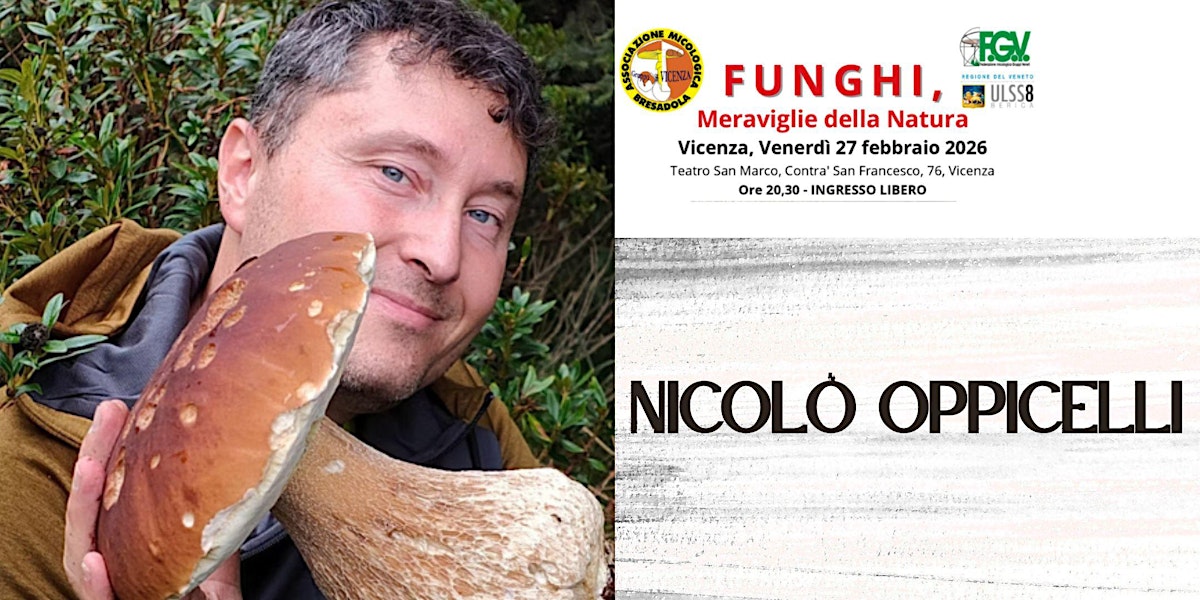
Nicolò Oppicelli presenta: Funghi, Meraviglie della natura
Fri, Feb 27 • 8:30 PM
76 Contra San Francesco 36100 Vicenza
View details
Nearby attractions of Palazzo Chiericati
Olympic Theater
Piazza dei Signori
Chiesa di Santa Corona
Ufficio Informazioni e Accoglienza Turistica - IAT Vicenza
Palladian Basilica
Palazzo Leoni Montanari
Museo di Santa Corona
Palazzo Thiene
Theater Astra in Vicenza
Palazzo da Schio, Ca' d'Oro
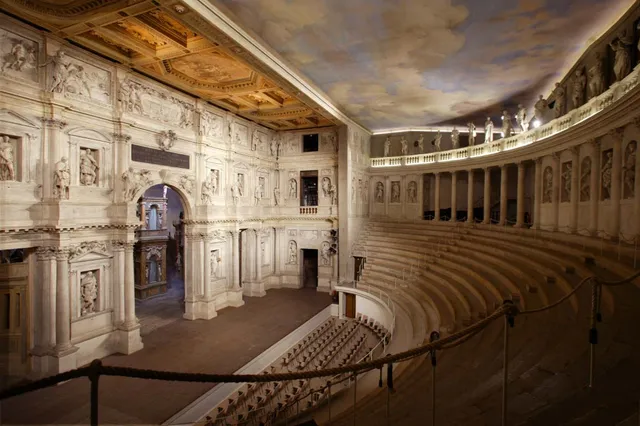
Olympic Theater
4.8
(4K)
Open 24 hours
Click for details
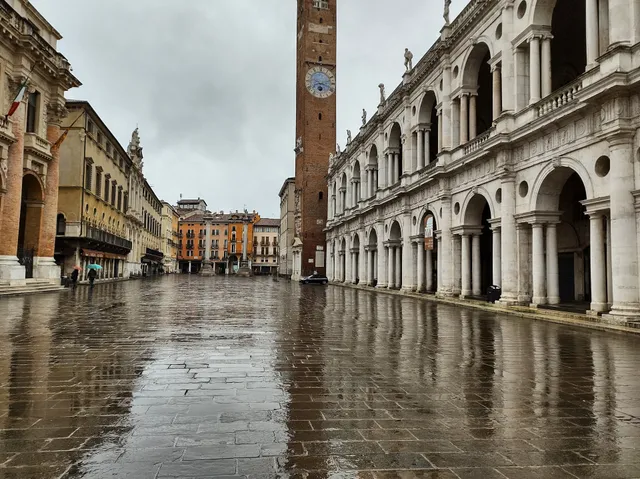
Piazza dei Signori
4.7
(5K)
Open until 12:00 AM
Click for details
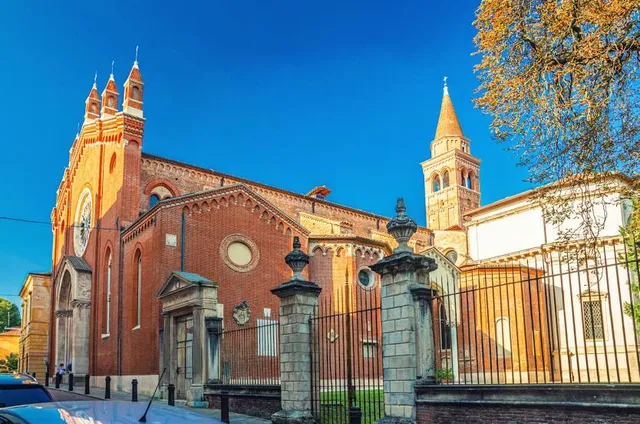
Chiesa di Santa Corona
4.6
(380)
Open until 12:00 AM
Click for details

Ufficio Informazioni e Accoglienza Turistica - IAT Vicenza
4.5
(91)
Closed
Click for details
Nearby restaurants of Palazzo Chiericati
Pizzeria Vesuvio
Julien Vicenza
Opera Cafè by Albachiara
Fattore F
Signorvino Vicenza
Caffe' Olimpico
HOSEN | Specialty coffee & Bakery
Caffè degli Artisti
koko bubble tea café
Bacaro della Pizza
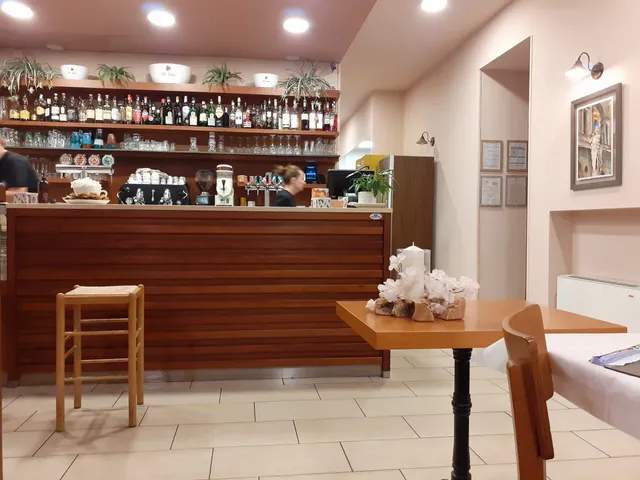
Pizzeria Vesuvio
4.3
(748)
Open until 12:00 AM
Click for details
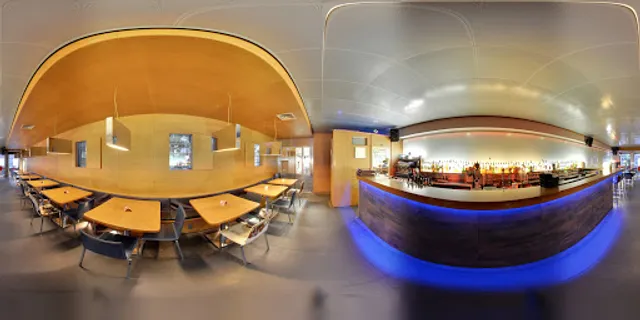
Julien Vicenza
4.4
(401)
Open until 1:00 AM
Click for details
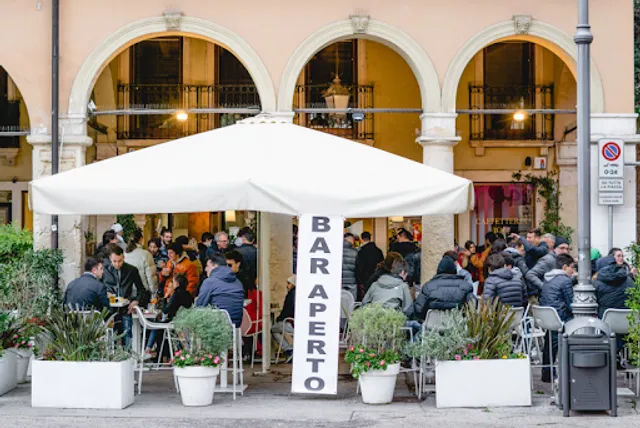
Opera Cafè by Albachiara
3.9
(226)
Open until 12:00 AM
Click for details
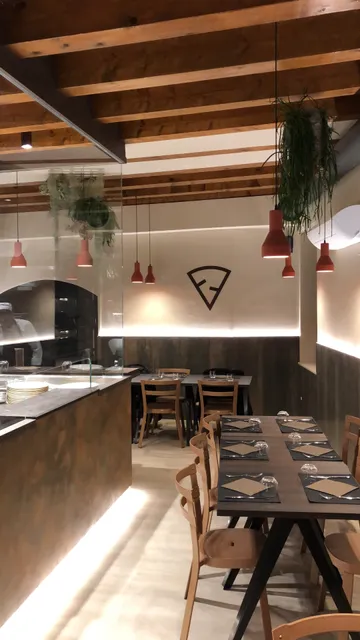
Fattore F
4.5
(358)
Open until 12:00 AM
Click for details
Nearby local services of Palazzo Chiericati
Cinema Odeon
Piazza dei Signori
Pont des Anges
Sun City Vicenza
Arena dei Chiostri di Santa Corona
Pizza House
FrancoP&Sons Vicenza di Franco Pianegonda
Gusto Turco Grill Kebap Pizza Tacos
Palazzo Thiene
Marystè Vicenza
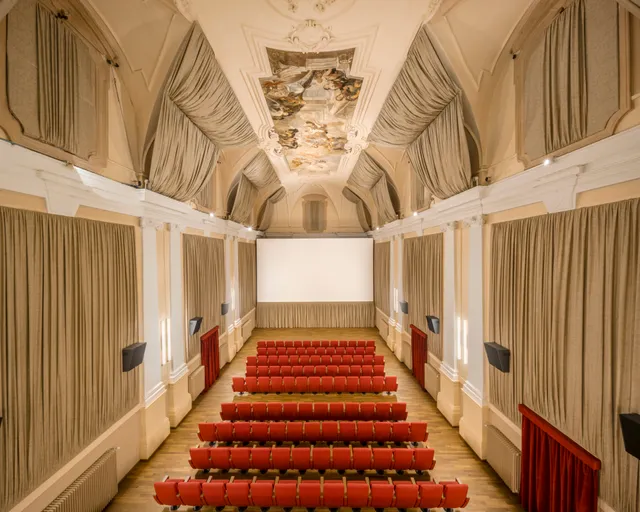
Cinema Odeon
4.3
(260)
Click for details
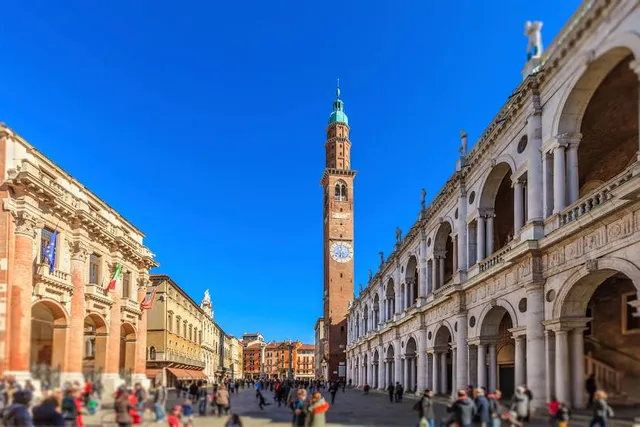
Piazza dei Signori
4.7
(4.2K)
Click for details
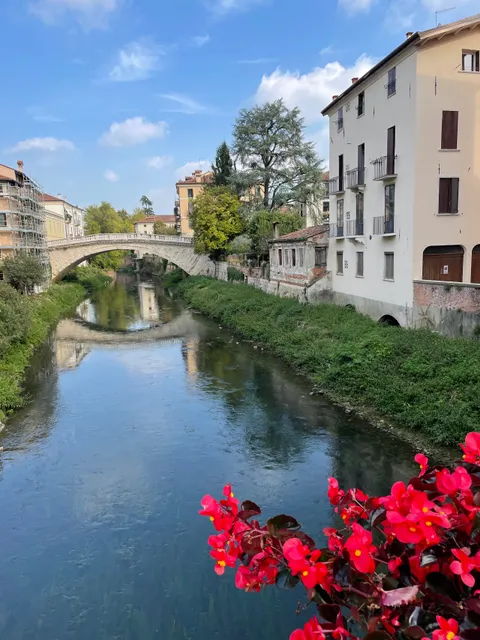
Pont des Anges
4.4
(187)
Click for details
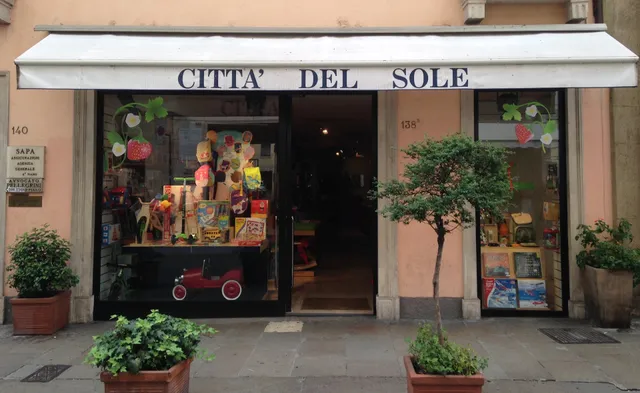
Sun City Vicenza
4.6
(94)
Click for details