Hamamatsu City Museum of Musical Instruments things to do, attractions, restaurants, events info and trip planning
Basic Info
Hamamatsu City Museum of Musical Instruments
3 Chome-9-1 Central, Chuo Ward, Hamamatsu, Shizuoka 430-7790, Japan
4.4(829)
Open 24 hours

tickets
Save
spot
spot
Ratings & Description
Info
Cultural
Entertainment
Family friendly
Accessibility
attractions: Hamamatsu Science Museum, ACT CITY HAMAMATSU, Act City Hamamatsu Dai Hall, Observation Deck, Higashi Fureai Park, Noguchi Park, Kitaterajima Park, 浜松文芸館, XCUBE, Hamamatsu Diorama Factory, restaurants: Mein Schloss, LOLO3RD CAFE, RESTAURANT FIGARO, 揚州厨房 浜松店, FRESHNESS BURGER Hamamatsu Act City, オーシャンビストロトゥクトゥク, orta ristorante, Itayamachi Bar, KUMAR Indian restaurant, Act Plaza, Kohikan Hamamatsuakutopurazaten, local businesses: Hamamatsu City Museum of Musical Instruments, Hamamatsu Act Tower, Exhibit Event Hall, Act City Hamamatsu Congress Center, MAY ONE, Hamamatsu, Entetsu Department Store, Hamamatsu LOFT, Animate Hamamatsu, Bic Camera Hamamatsu
 Learn more insights from Wanderboat AI.
Phone
+81 53-451-1128
Website
gakkihaku.jp
Plan your stay

Pet-friendly Hotels in Hamamatsu
Find a cozy hotel nearby and make it a full experience.

Affordable Hotels in Hamamatsu
Find a cozy hotel nearby and make it a full experience.

The Coolest Hotels You Haven't Heard Of (Yet)
Find a cozy hotel nearby and make it a full experience.

Trending Stays Worth the Hype in Hamamatsu
Find a cozy hotel nearby and make it a full experience.
Reviews
Nearby attractions of Hamamatsu City Museum of Musical Instruments
Hamamatsu Science Museum
ACT CITY HAMAMATSU
Act City Hamamatsu Dai Hall
Observation Deck
Higashi Fureai Park
Noguchi Park
Kitaterajima Park
浜松文芸館
XCUBE
Hamamatsu Diorama Factory
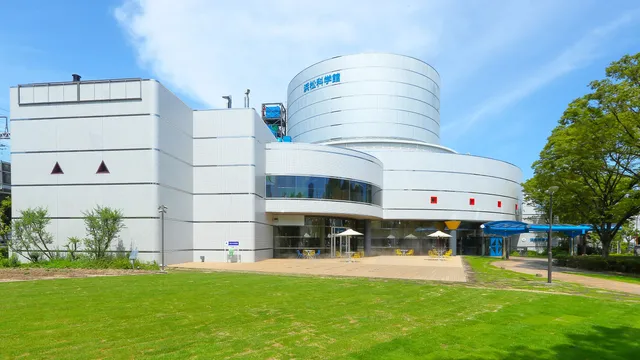
Hamamatsu Science Museum
4.2
(617)
Open until 5:00 PM
Click for details

ACT CITY HAMAMATSU
3.9
(1.3K)
Open until 10:00 PM
Click for details

Act City Hamamatsu Dai Hall
4.1
(135)
Open 24 hours
Click for details
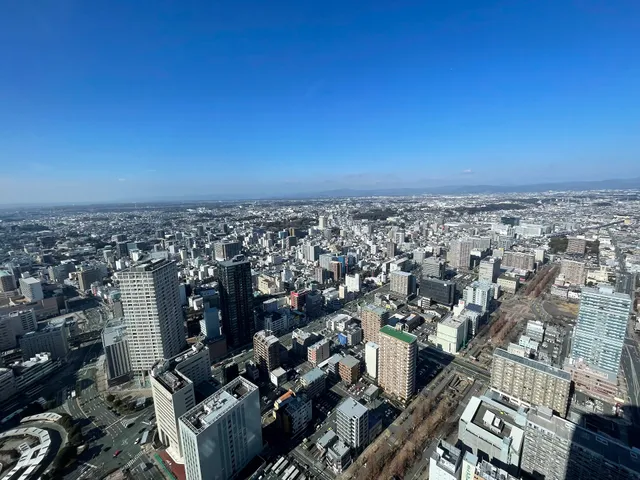
Observation Deck
3.7
(23)
Open until 6:00 PM
Click for details
Nearby restaurants of Hamamatsu City Museum of Musical Instruments
Mein Schloss
LOLO3RD CAFE
RESTAURANT FIGARO
揚州厨房 浜松店
FRESHNESS BURGER Hamamatsu Act City
オーシャンビストロトゥクトゥク
orta ristorante
Itayamachi Bar
KUMAR Indian restaurant, Act Plaza
Kohikan Hamamatsuakutopurazaten
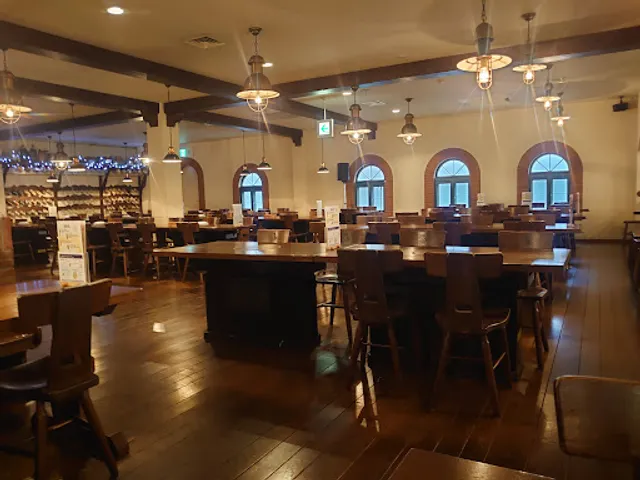
Mein Schloss
4.0
(515)
$$
Closed
Click for details
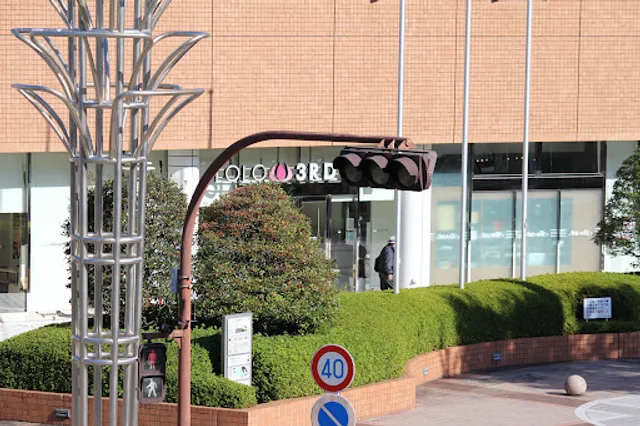
LOLO3RD CAFE
3.5
(27)
Open until 12:00 AM
Click for details
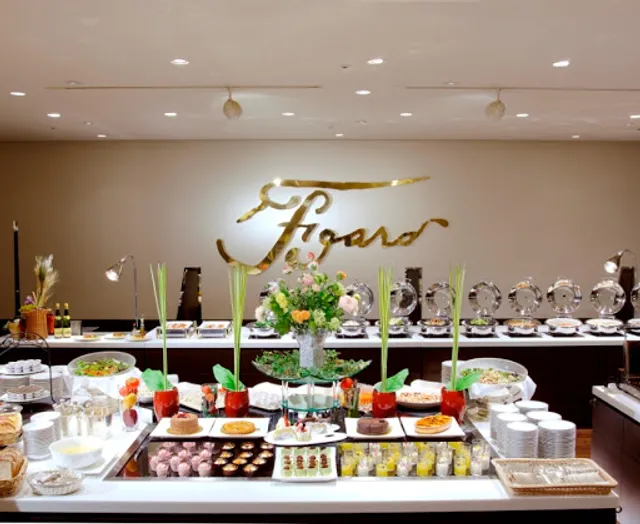
RESTAURANT FIGARO
3.8
(112)
Closed
Click for details

揚州厨房 浜松店
3.9
(57)
Open until 9:00 PM
Click for details
Nearby local services of Hamamatsu City Museum of Musical Instruments
Hamamatsu City Museum of Musical Instruments
Hamamatsu Act Tower
Exhibit Event Hall
Act City Hamamatsu Congress Center
MAY ONE
Hamamatsu
Entetsu Department Store
Hamamatsu LOFT
Animate Hamamatsu
Bic Camera Hamamatsu
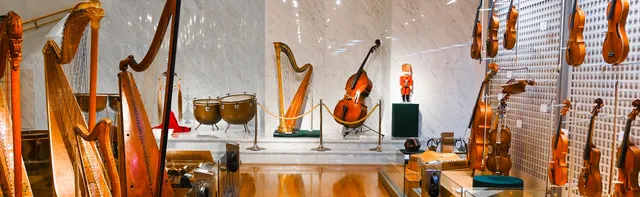
Hamamatsu City Museum of Musical Instruments
4.3
(644)
Click for details
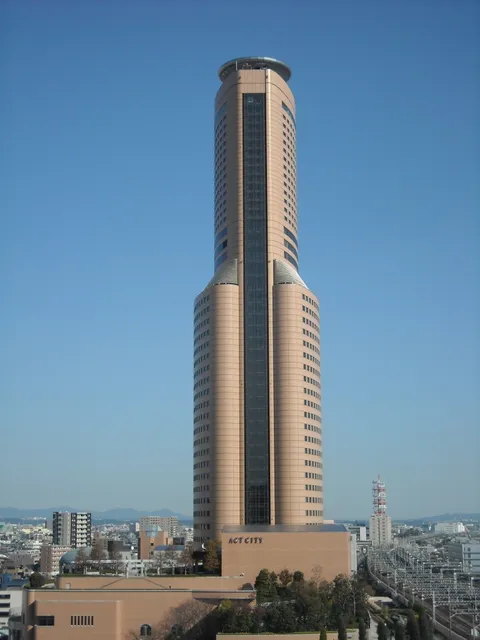
Hamamatsu Act Tower
3.9
(1.0K)
Click for details
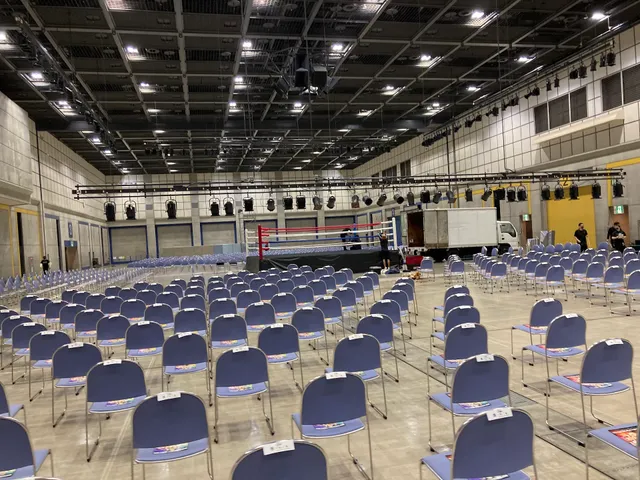
Exhibit Event Hall
3.6
(113)
Click for details
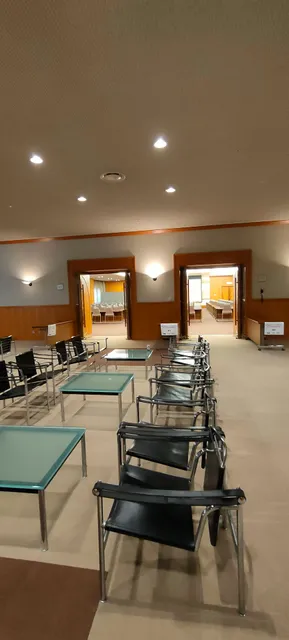
Act City Hamamatsu Congress Center
3.7
(95)
Click for details