Inuyama Castle things to do, attractions, restaurants, events info and trip planning
Basic Info
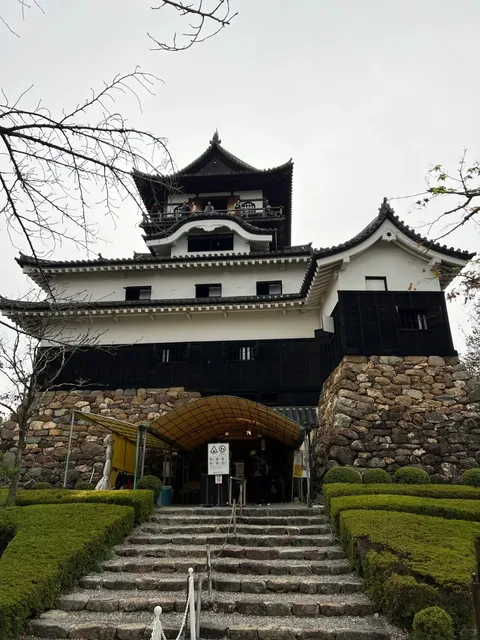
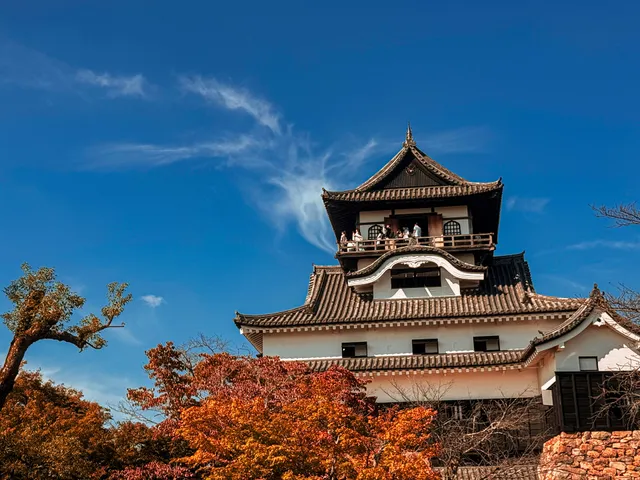
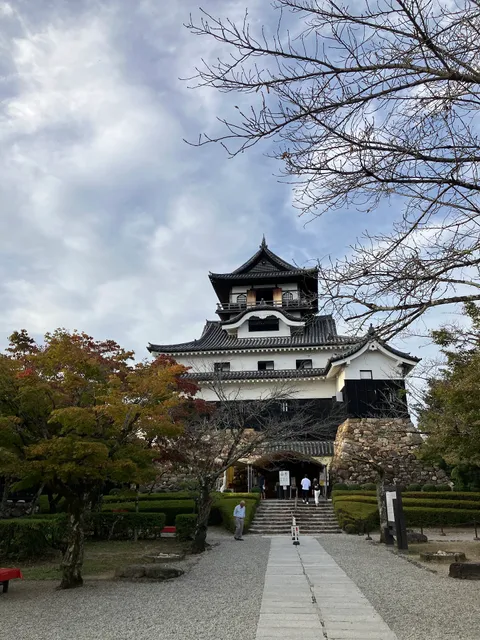
Inuyama Castle
Kitakoken-65-2 Inuyama, Aichi 484-0082, Japan
4.4(7K)
Open until 5:00 PM


tickets
Save
spot
spot
Ratings & Description
Info
Cultural
Scenic
Family friendly
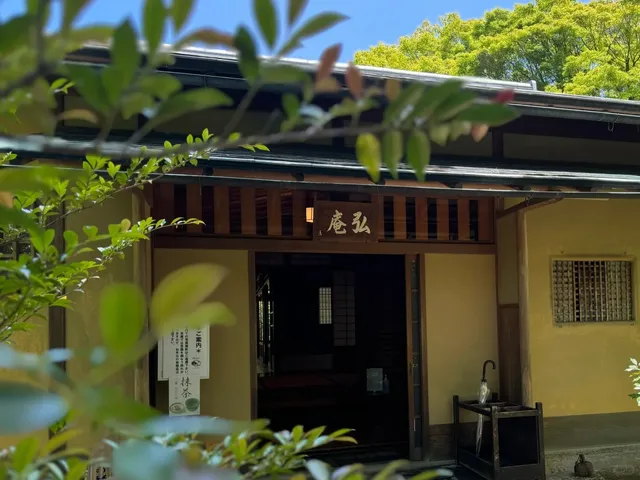
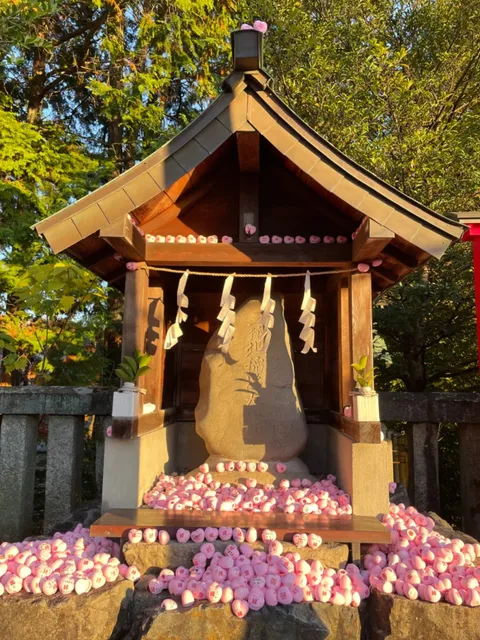
attractions: Sankoinari Shrine, Haritsuna Shrine, Urakuen, Inuyama Cultural History Museum, 城前広場, Inuyama Shrine, Karakuri Exhibition Museum (Karakuri Tenjikan), Inuyamajomae Information Centre, Inuyama-jokamachi, Jo-an, restaurants: 1st TERRACE INUYAMA, 茶処 玉冨久, Sakura Chaya, インディゴホームキッチン車山照 ホテルインディゴ犬山有楽苑, Kotobukiya, Bistro Neko, Inuyama honmaru Square, 豆腐かふぇ浦嶌, Petít Verdot, the BAR Yoyama(夜車山), local businesses: Inuyama Castle, Akariya Geihanro, 白帝観光, Inuyama Castle Ticket Office, Sarutahiko Shrine, Urakuen Japanese Garden, Kitakoken-11-1 Inuyama, COIN RING Amor(コインリング アモル)コインリング作り体験, Yamabiko, 肉工房 美乃家
 Learn more insights from Wanderboat AI.
Phone
+81 568-61-1711
Website
inuyama-castle.jp
Open hoursSee all hours
Tue9 AM - 5 PMOpen
Plan your stay

Pet-friendly Hotels in Inuyama
Find a cozy hotel nearby and make it a full experience.

Affordable Hotels in Inuyama
Find a cozy hotel nearby and make it a full experience.

The Coolest Hotels You Haven't Heard Of (Yet)
Find a cozy hotel nearby and make it a full experience.

Trending Stays Worth the Hype in Inuyama
Find a cozy hotel nearby and make it a full experience.
Reviews
Live events

Special Japanese food experience in Nagoya
Tue, Feb 24 • 11:00 AM
454-0877, Aichi, Nagoya, Japan
View details

Candlelight: 久石譲の音楽の世界
Sat, Feb 28 • 5:45 PM
愛知県名古屋市中区三の丸1丁目1−1, 460-0001
View details
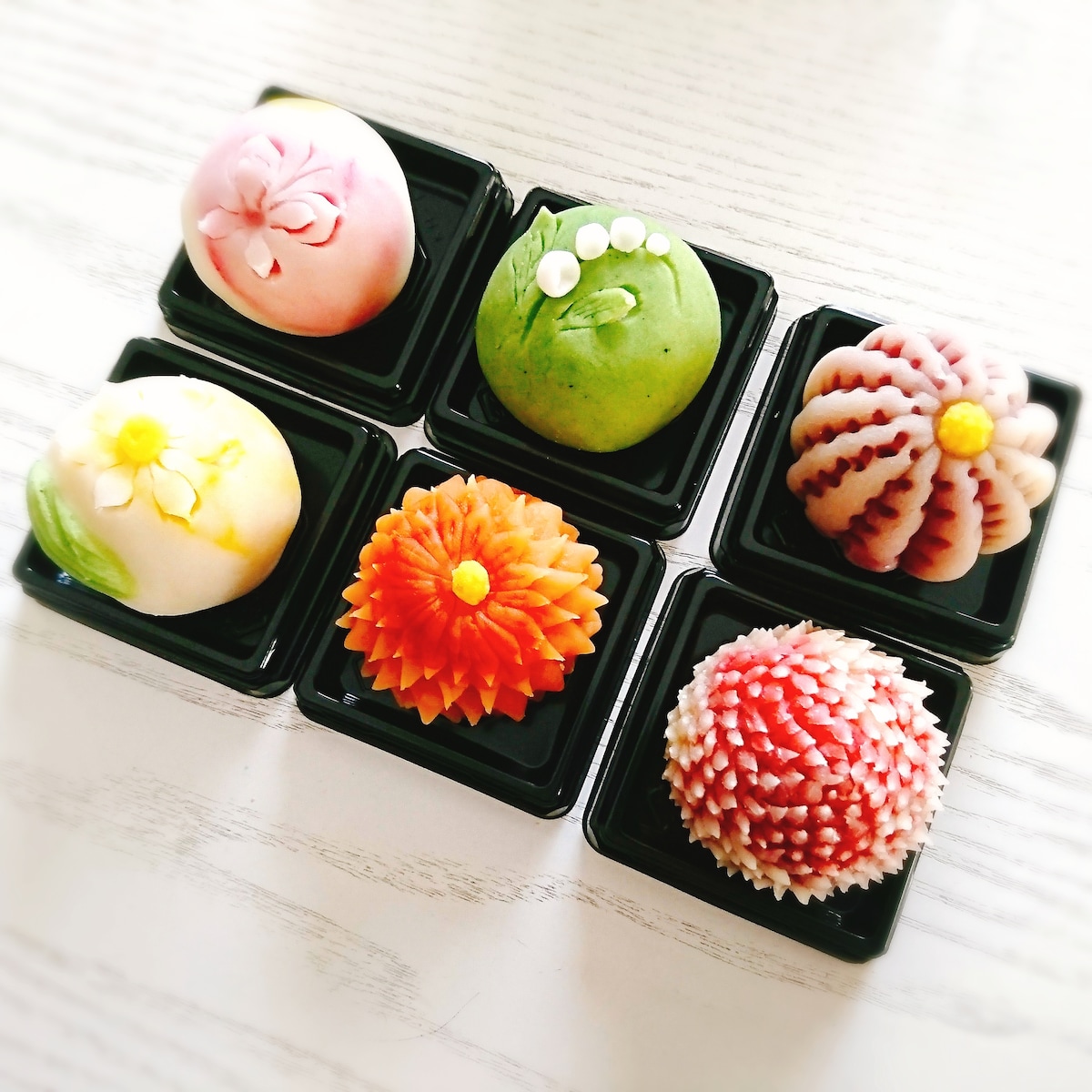
Make nerikiri with a Japanese confectioner
Thu, Feb 26 • 10:00 AM
452-0816, Aichi, Nagoya, Japan
View details
Nearby attractions of Inuyama Castle
Sankoinari Shrine
Haritsuna Shrine
Urakuen
Inuyama Cultural History Museum
城前広場
Inuyama Shrine
Karakuri Exhibition Museum (Karakuri Tenjikan)
Inuyamajomae Information Centre
Inuyama-jokamachi
Jo-an
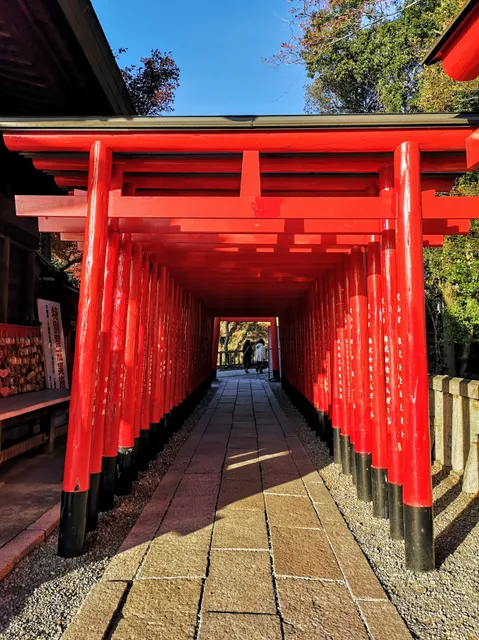
Sankoinari Shrine
4.1
(1.3K)
Open until 4:30 PM
Click for details
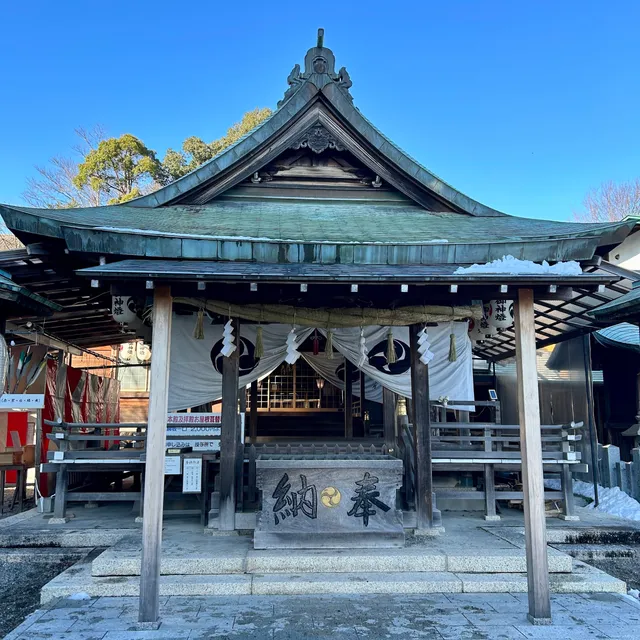
Haritsuna Shrine
4.2
(426)
Open until 5:00 PM
Click for details
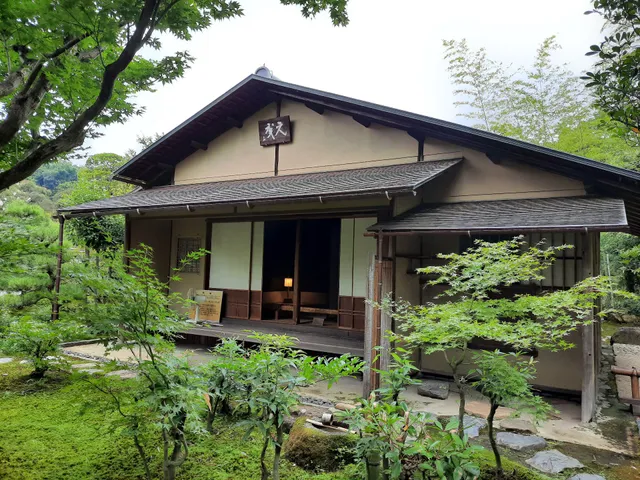
Urakuen
4.3
(219)
Open until 5:00 PM
Click for details
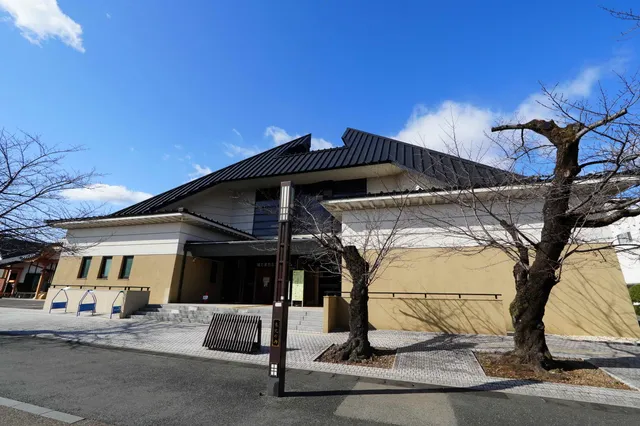
Inuyama Cultural History Museum
3.8
(244)
Open until 5:00 PM
Click for details
Nearby restaurants of Inuyama Castle
1st TERRACE INUYAMA
茶処 玉冨久
Sakura Chaya
インディゴホームキッチン車山照 ホテルインディゴ犬山有楽苑
Kotobukiya
Bistro Neko
Inuyama honmaru Square
豆腐かふぇ浦嶌
Petít Verdot
the BAR Yoyama(夜車山)
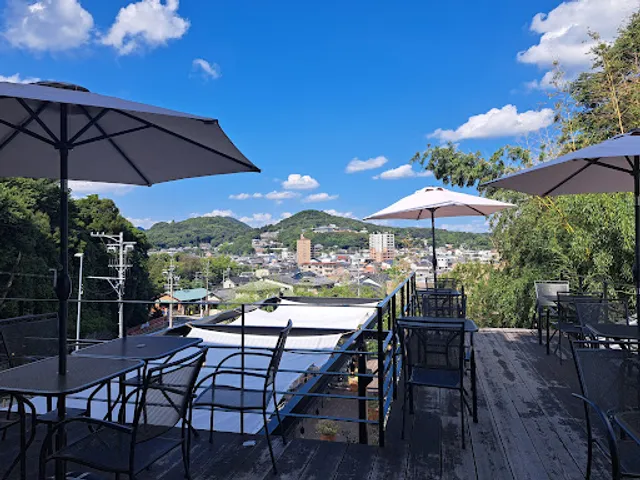
1st TERRACE INUYAMA
4.2
(128)
Open until 6:00 PM
Click for details

茶処 玉冨久
4.4
(93)
Open until 5:00 PM
Click for details
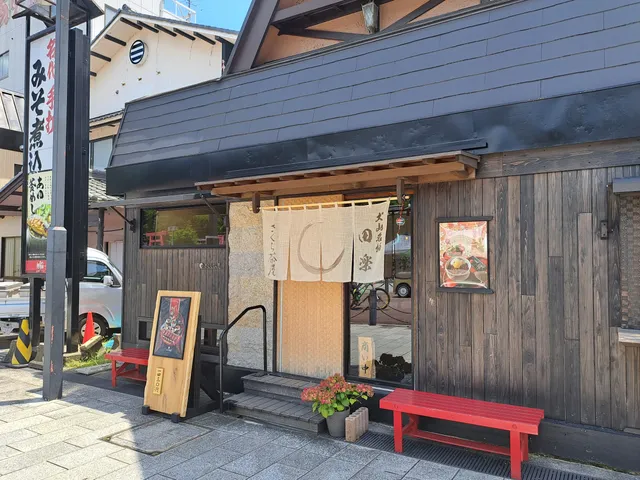
Sakura Chaya
4.2
(93)
Open until 4:00 PM
Click for details
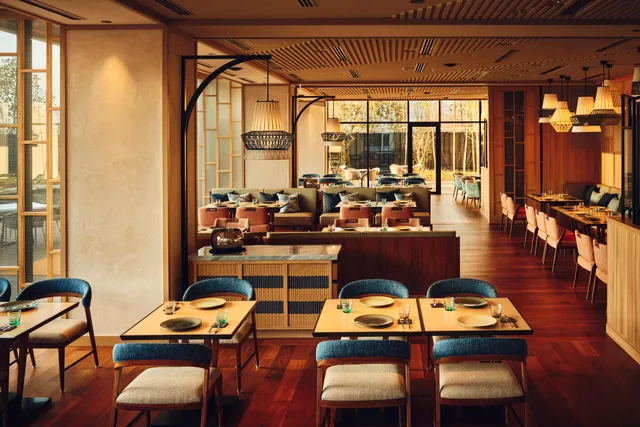
インディゴホームキッチン車山照 ホテルインディゴ犬山有楽苑
3.8
(46)
Open until 10:00 PM
Click for details
Nearby local services of Inuyama Castle
Inuyama Castle
Akariya Geihanro
白帝観光
Inuyama Castle Ticket Office
Sarutahiko Shrine
Urakuen Japanese Garden
Kitakoken-11-1 Inuyama
COIN RING Amor(コインリング アモル)コインリング作り体験
Yamabiko
肉工房 美乃家
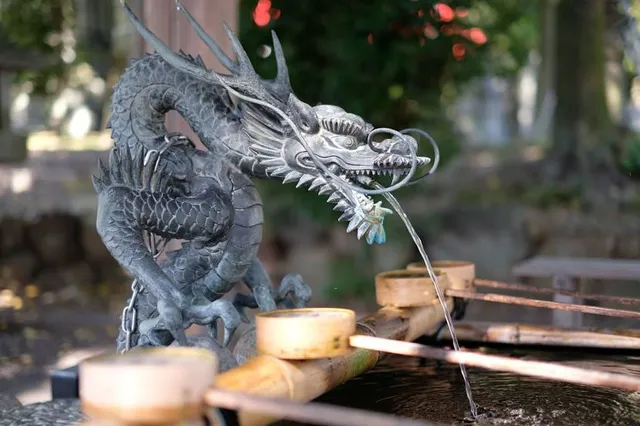
Inuyama Castle
4.3
(5.2K)
Click for details
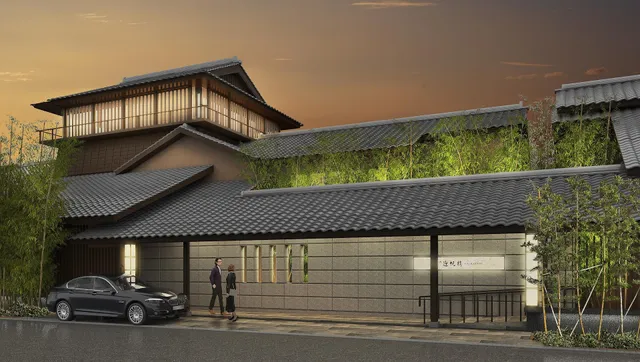
Akariya Geihanro
4.4
(153)
Click for details
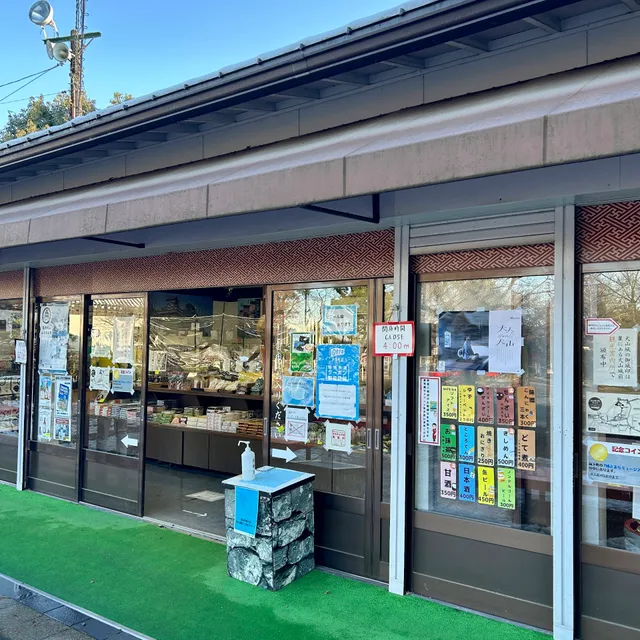
白帝観光
4.0
(29)
Click for details
Inuyama Castle Ticket Office
4.0
(28)
Click for details