Ōhara Museum of Art things to do, attractions, restaurants, events info and trip planning
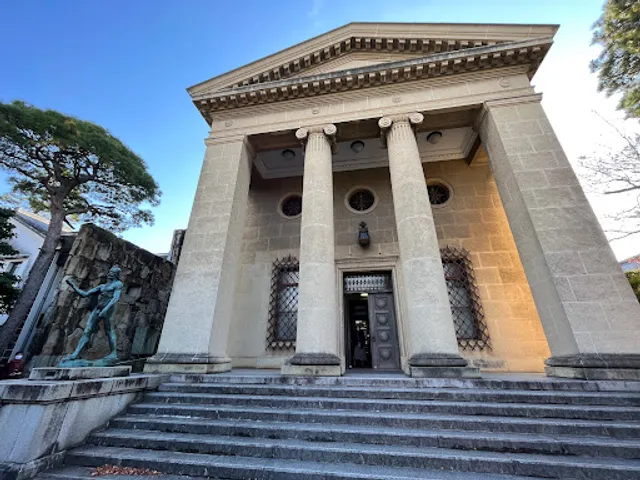
Basic Info
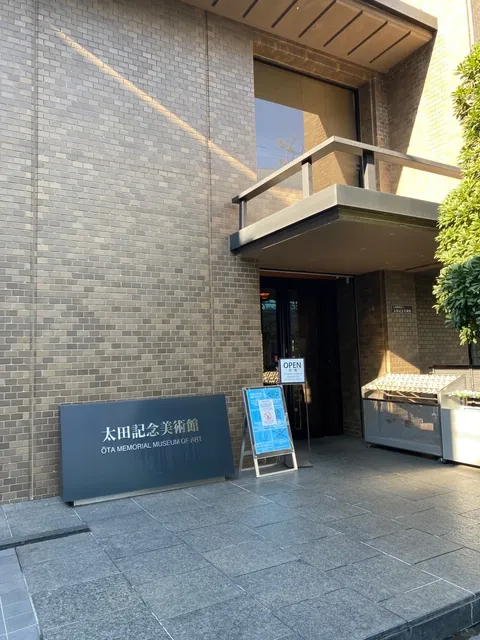
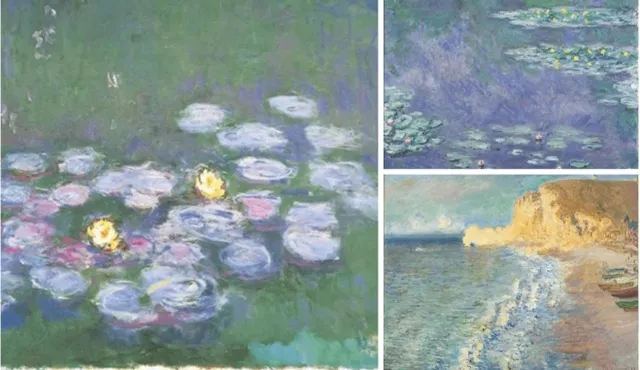
Ōhara Museum of Art
1 Chome-1-15 Central, Kurashiki, Okayama 710-8575, Japan
4.4(1.4K)
Open 24 hours


tickets
Save
spot
spot
Ratings & Description
Info
Cultural
Family friendly
Accessibility
attractions: Kurashiki Bikan Historical Quarter, Former Ohara's Residence, Shinkeien, Boat Ride Boarding, Bengal Cat Forest, Imahashi, Yurin-so, Ōhara Museum of Art - Craft Art Gallery & Asiatic Art Gallery, Kurashiki Monogatarikan, Momotaro's Karakuri Museum, restaurants: CAFÉ EL GRECO, Kurashiki Momoko, KURASHIKI MAMESHIBA CAFE, Yuurin-an Guesthouse & Cafe, Kurashiki Momoko Kurashiki Chūō Shop, Cafe Miyake Shouten, Kurashiki Coffee-kan, Kurashiki Momoko, Kurashiki Ramen Masuya, Kamoi, local businesses: Kurashikikan Information Center, Blue Trick Bikanchiku Ten, Mame-kichi, graphzero / HEART MADE BASE大原美術館店, TANE×612 FACTORY, 平翠軒Heisuiken, 倉敷の浪漫 Romance of Kurashiki, Heart Made Base, KURASHIKI KIMONO KOMACHI, Ray store(レイ・ストア)
 Learn more insights from Wanderboat AI.
Phone
+81 86-422-0005
Website
ohara.or.jp
Plan your stay

Pet-friendly Hotels in Kurashiki
Find a cozy hotel nearby and make it a full experience.

Affordable Hotels in Kurashiki
Find a cozy hotel nearby and make it a full experience.

The Coolest Hotels You Haven't Heard Of (Yet)
Find a cozy hotel nearby and make it a full experience.

Trending Stays Worth the Hype in Kurashiki
Find a cozy hotel nearby and make it a full experience.
Reviews
Live events
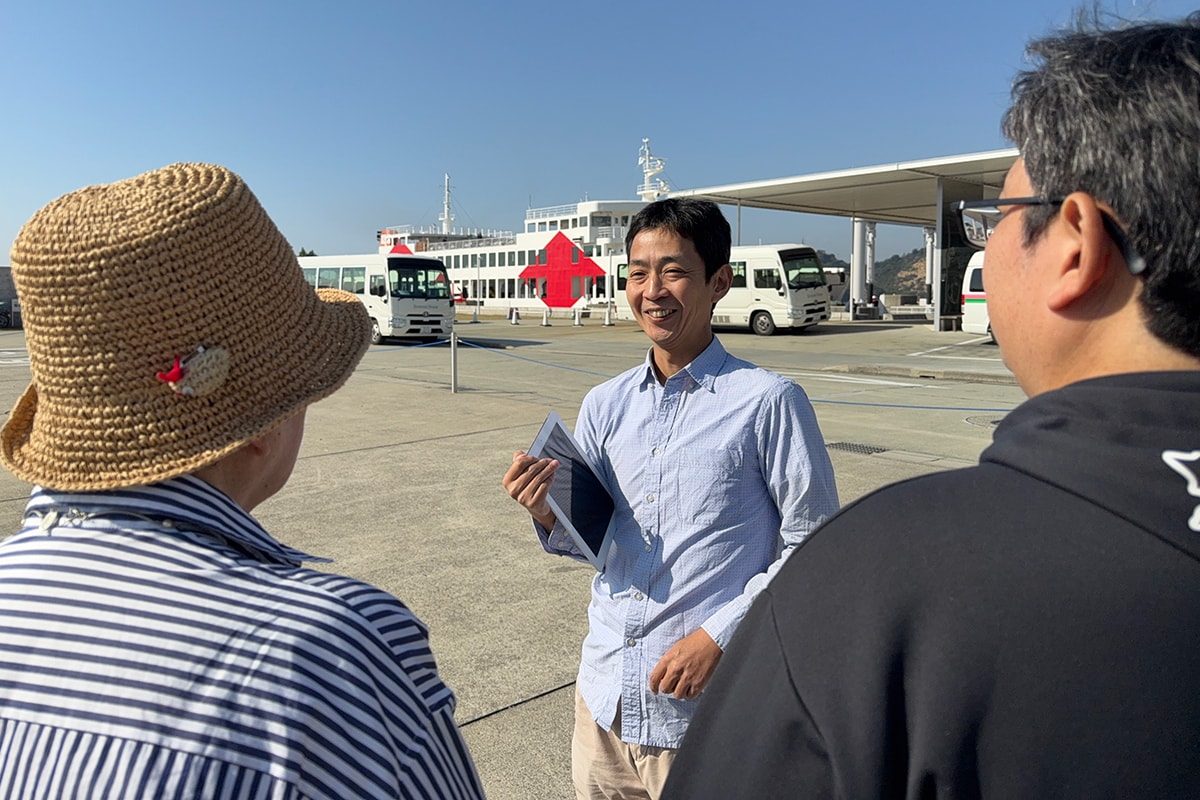
Discover Naoshimas hidden outdoor art
Tue, Jan 20 • 9:30 AM
761-3110, Kagawa, Naoshima, Kagawa District, Japan
View details
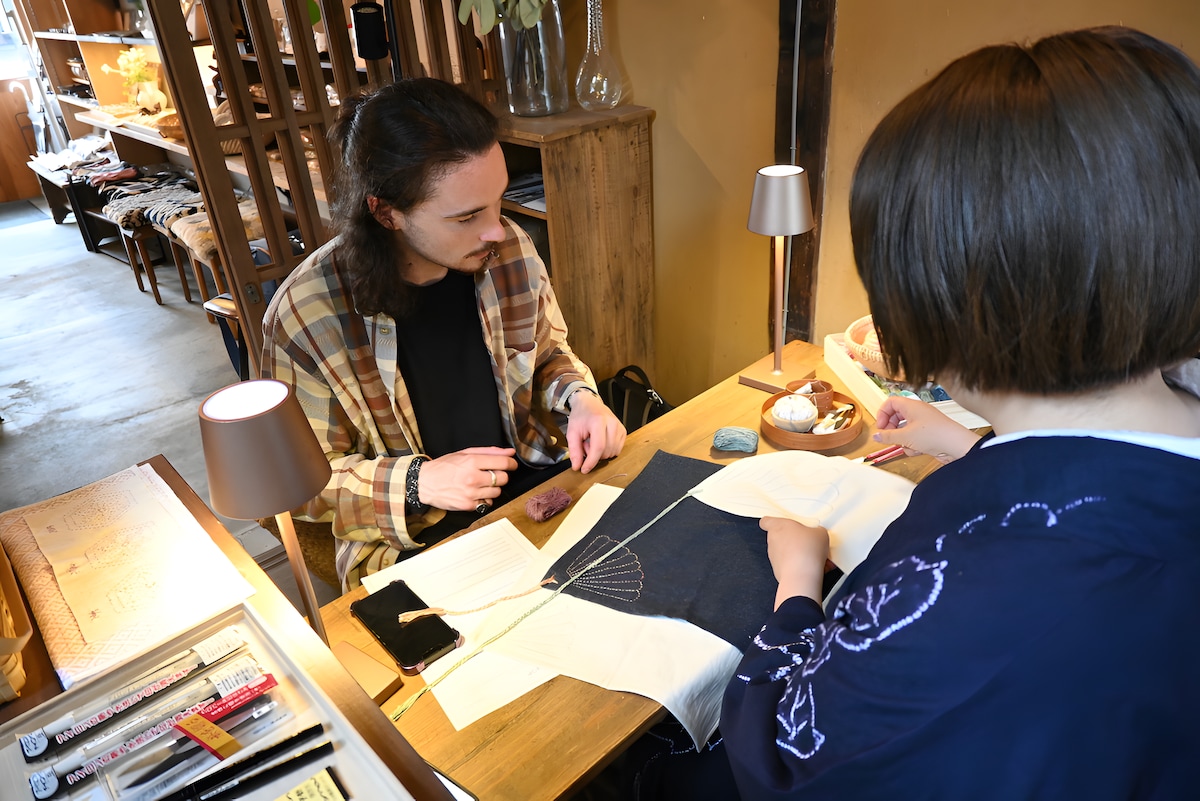
Make a cross stitch piece with Kojima denim and sashiko
Tue, Jan 20 • 1:00 PM
710-0053, Okayama, Kurashiki, Japan
View details
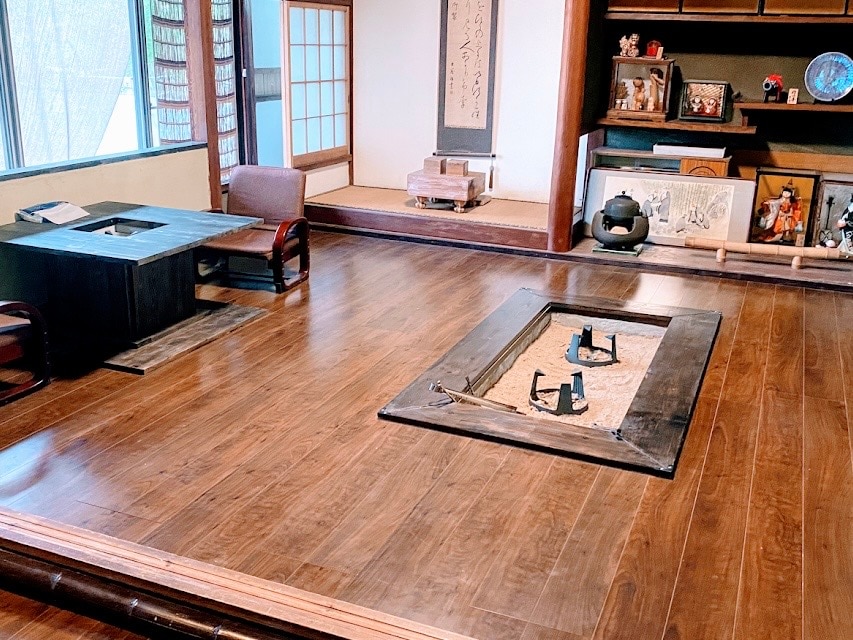
Irori Experience - Time spent with fire in the original Japanese landscape -
Sat, Jan 24 • 6:00 PM
706-0011, Okayama, Tamano, Japan
View details
Nearby attractions of Ōhara Museum of Art
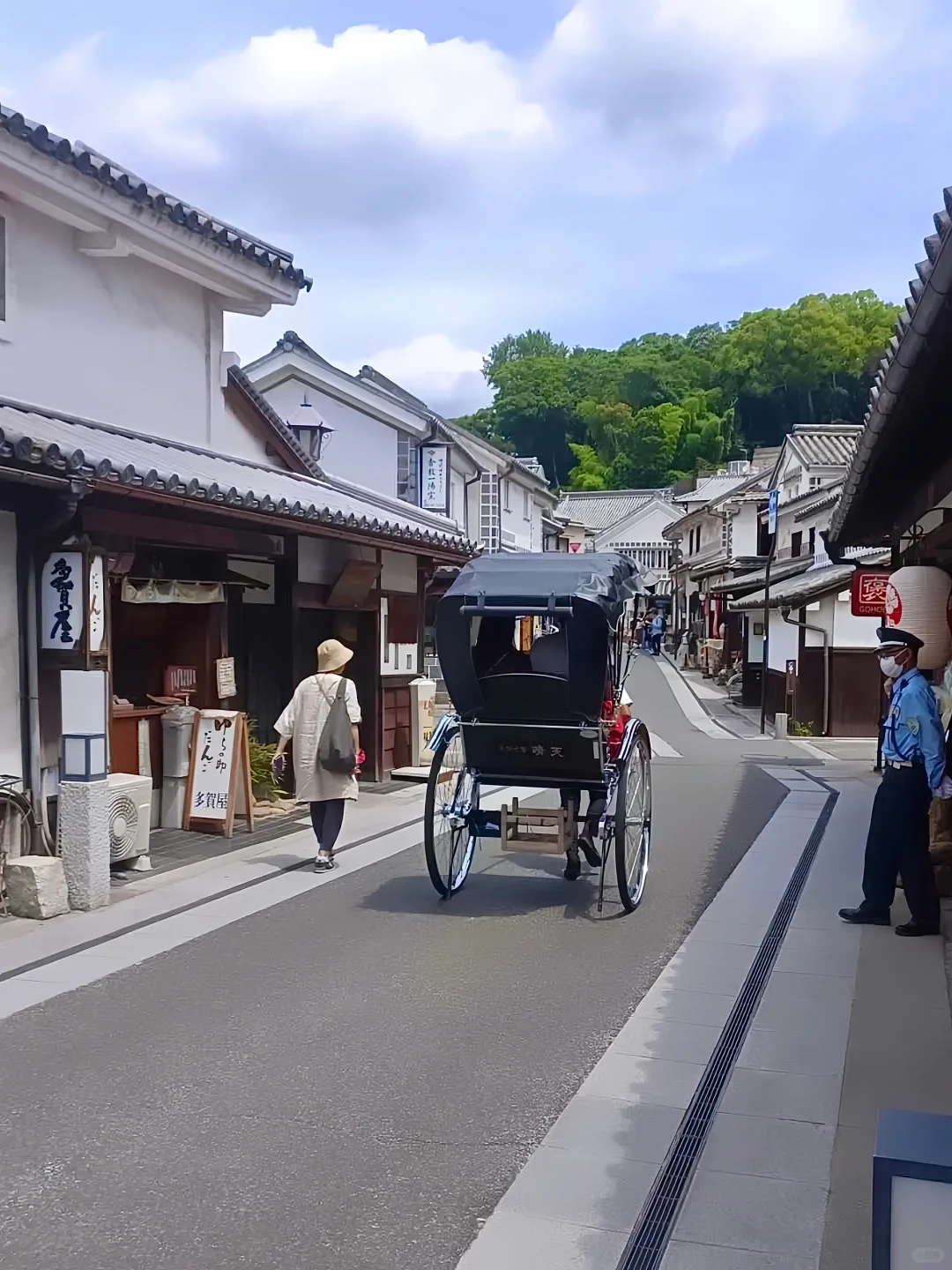
Kurashiki Bikan Historical Quarter
Former Ohara's Residence
Shinkeien
Boat Ride Boarding
Bengal Cat Forest
Imahashi
Yurin-so
Ōhara Museum of Art - Craft Art Gallery & Asiatic Art Gallery
Kurashiki Monogatarikan
Momotaro's Karakuri Museum
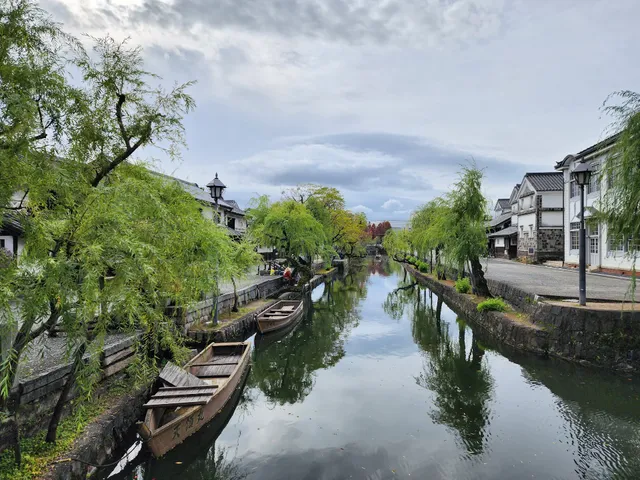
Kurashiki Bikan Historical Quarter
4.4
(10.4K)
Open until 12:00 AM
Click for details
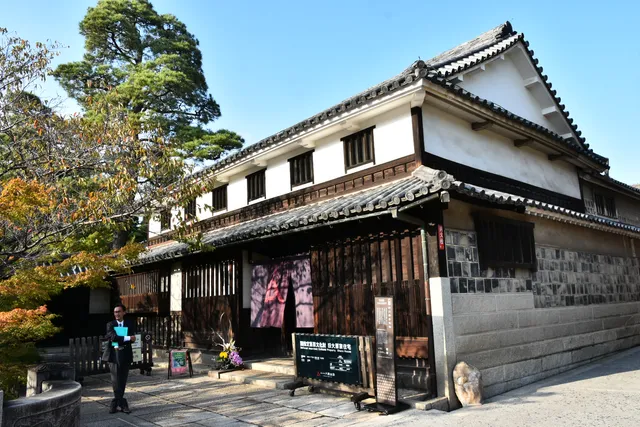
Former Ohara's Residence
4.3
(157)
Open until 12:00 AM
Click for details
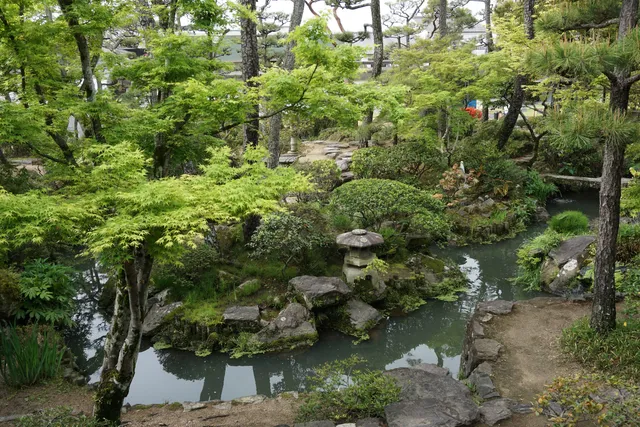
Shinkeien
4.3
(123)
Open 24 hours
Click for details
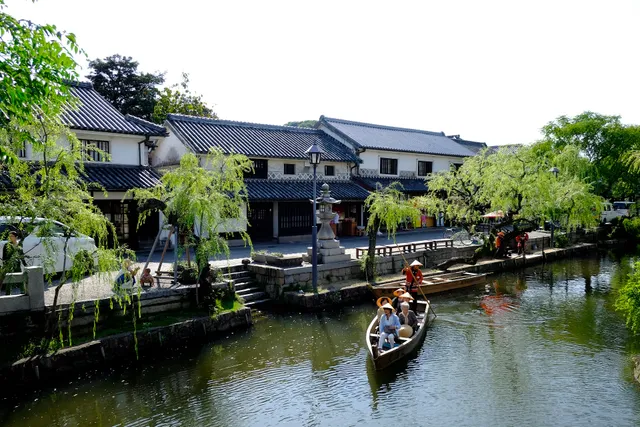
Boat Ride Boarding
4.5
(206)
Open 24 hours
Click for details
Nearby restaurants of Ōhara Museum of Art
CAFÉ EL GRECO
Kurashiki Momoko
KURASHIKI MAMESHIBA CAFE
Yuurin-an Guesthouse & Cafe
Kurashiki Momoko Kurashiki Chūō Shop
Cafe Miyake Shouten
Kurashiki Coffee-kan
Kurashiki Momoko
Kurashiki Ramen Masuya
Kamoi
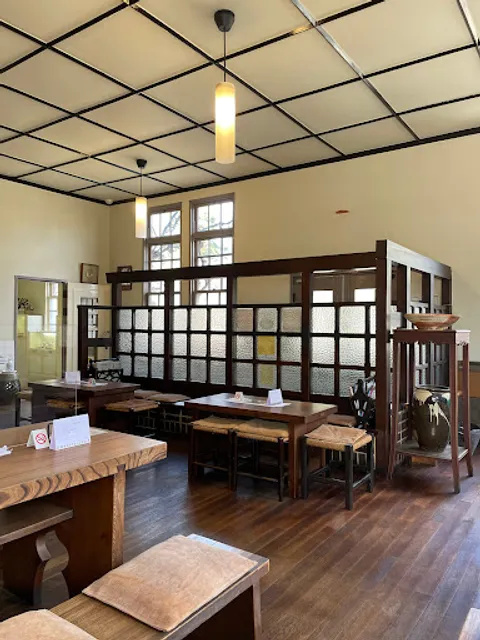
CAFÉ EL GRECO
3.8
(214)
Open until 12:00 AM
Click for details
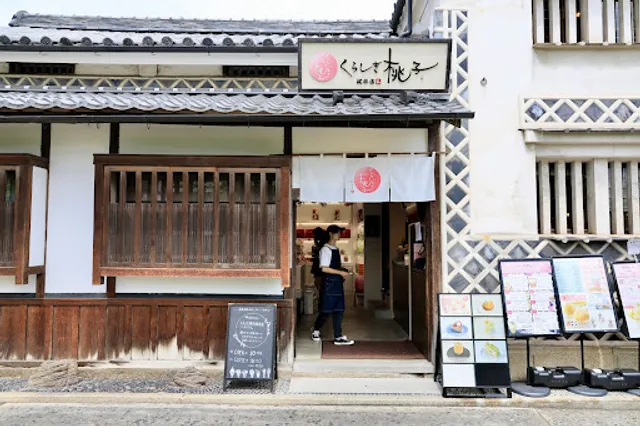
Kurashiki Momoko
3.8
(286)
Closed
Click for details
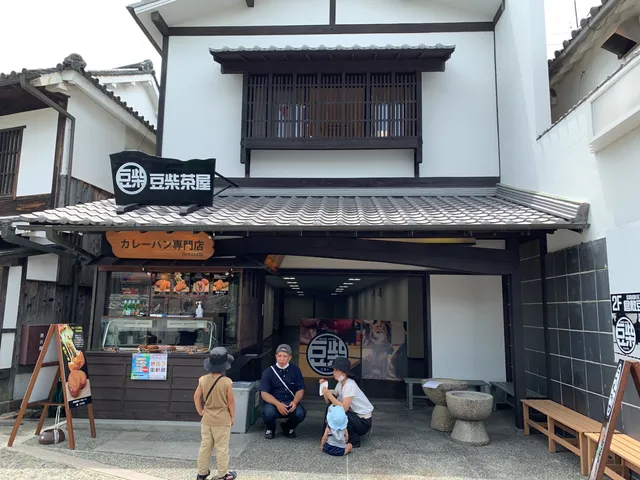
KURASHIKI MAMESHIBA CAFE
3.7
(304)
$$
Closed
Click for details

Yuurin-an Guesthouse & Cafe
4.2
(420)
$$
Closed
Click for details
Nearby local services of Ōhara Museum of Art
Kurashikikan Information Center
Blue Trick Bikanchiku Ten
Mame-kichi
graphzero / HEART MADE BASE大原美術館店
TANE×612 FACTORY
平翠軒Heisuiken
倉敷の浪漫 Romance of Kurashiki
Heart Made Base
KURASHIKI KIMONO KOMACHI
Ray store(レイ・ストア)
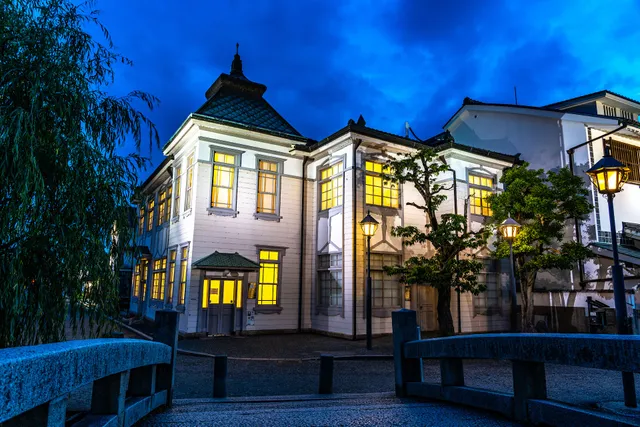
Kurashikikan Information Center
4.3
(127)
Click for details
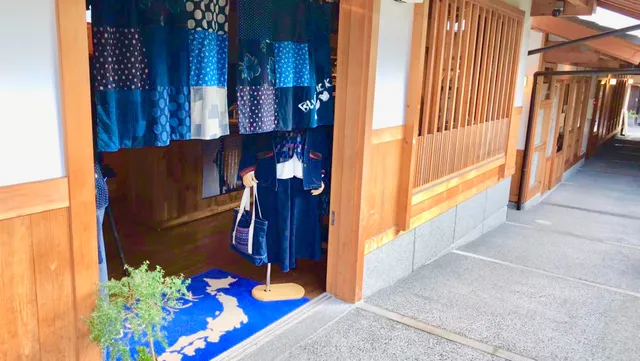
Blue Trick Bikanchiku Ten
5.0
(247)
Click for details
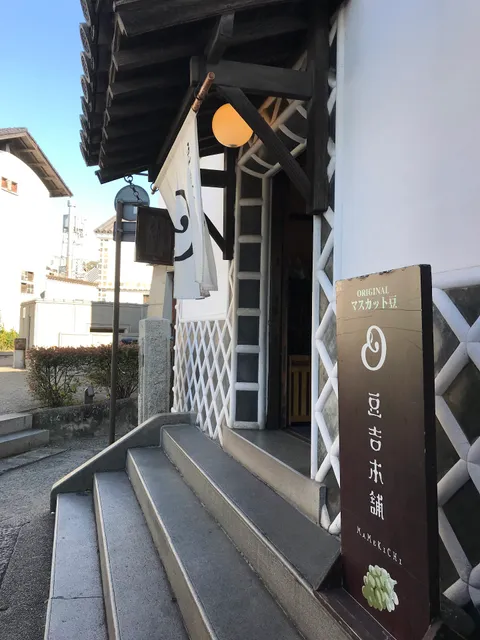
Mame-kichi
4.1
(57)
Click for details
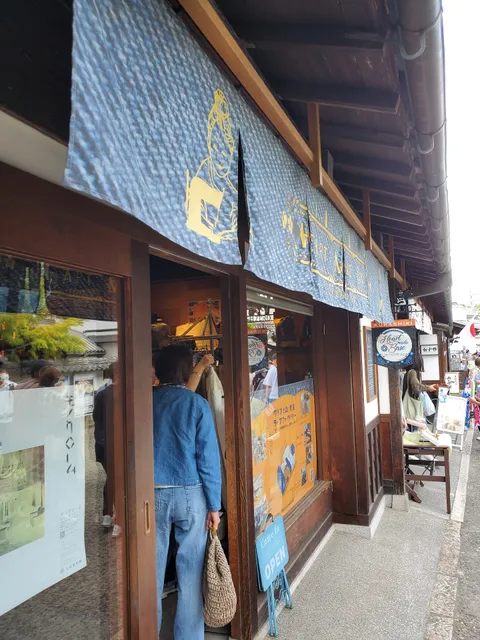
graphzero / HEART MADE BASE大原美術館店
4.9
(14)
Click for details