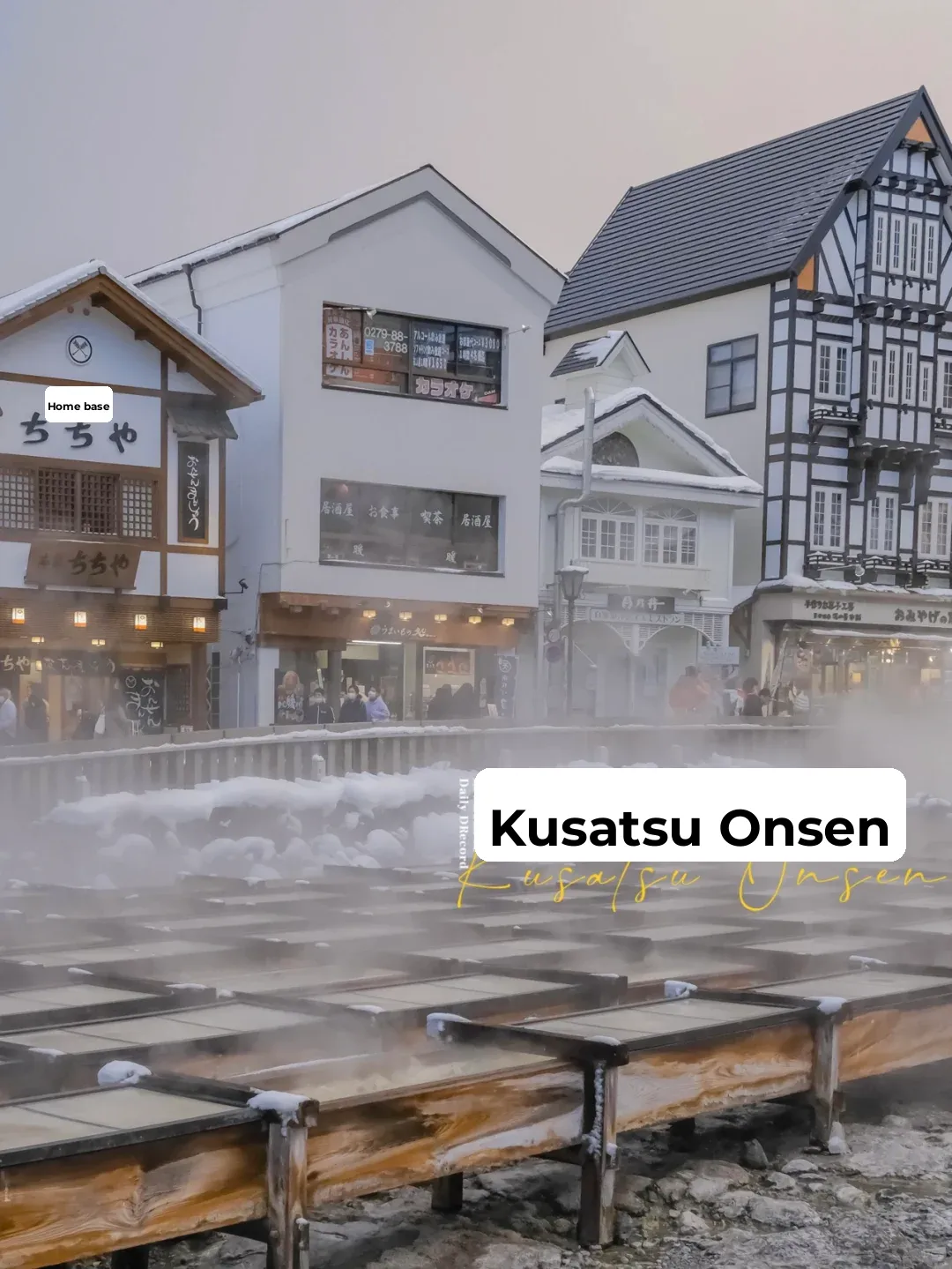
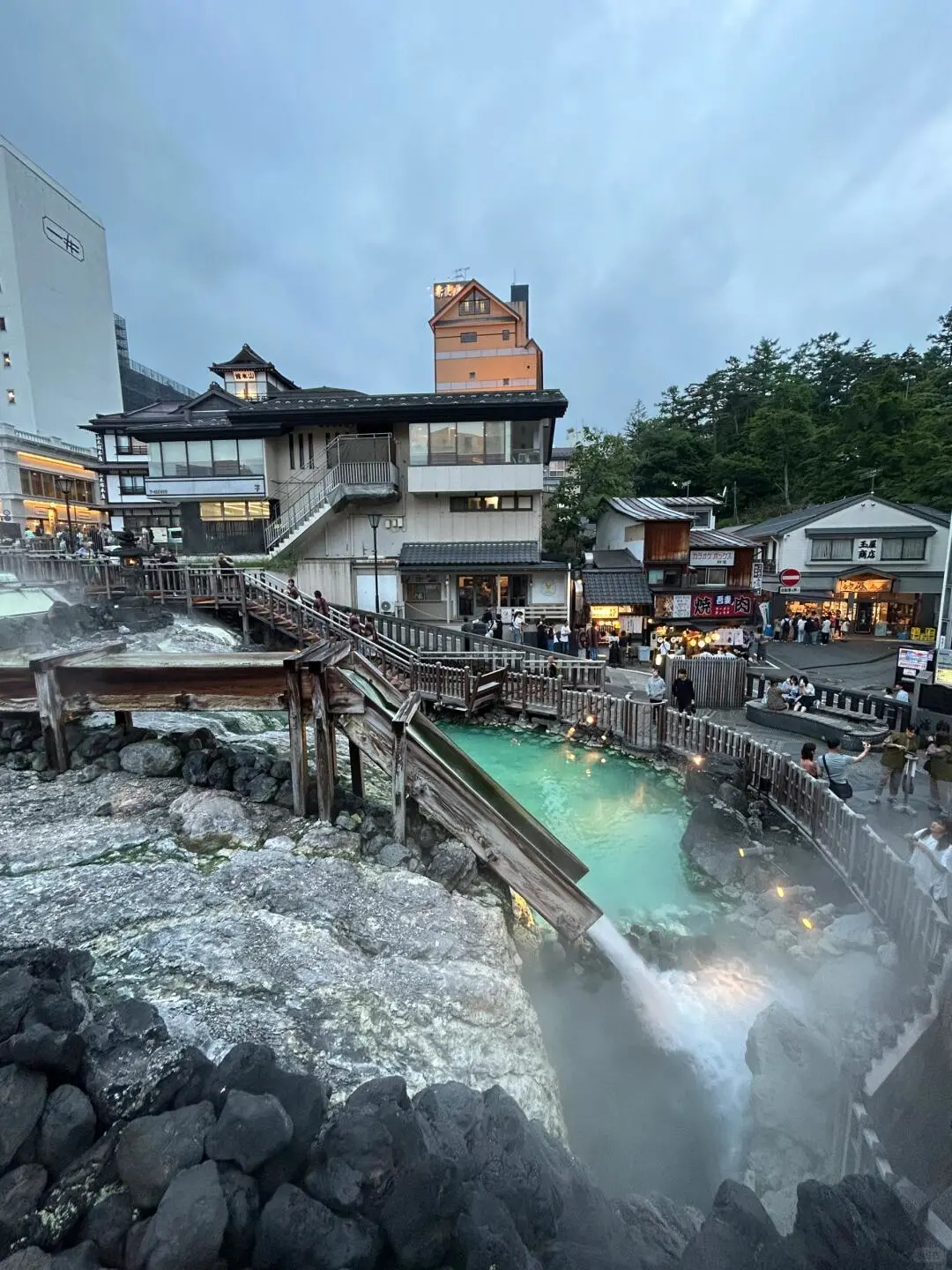
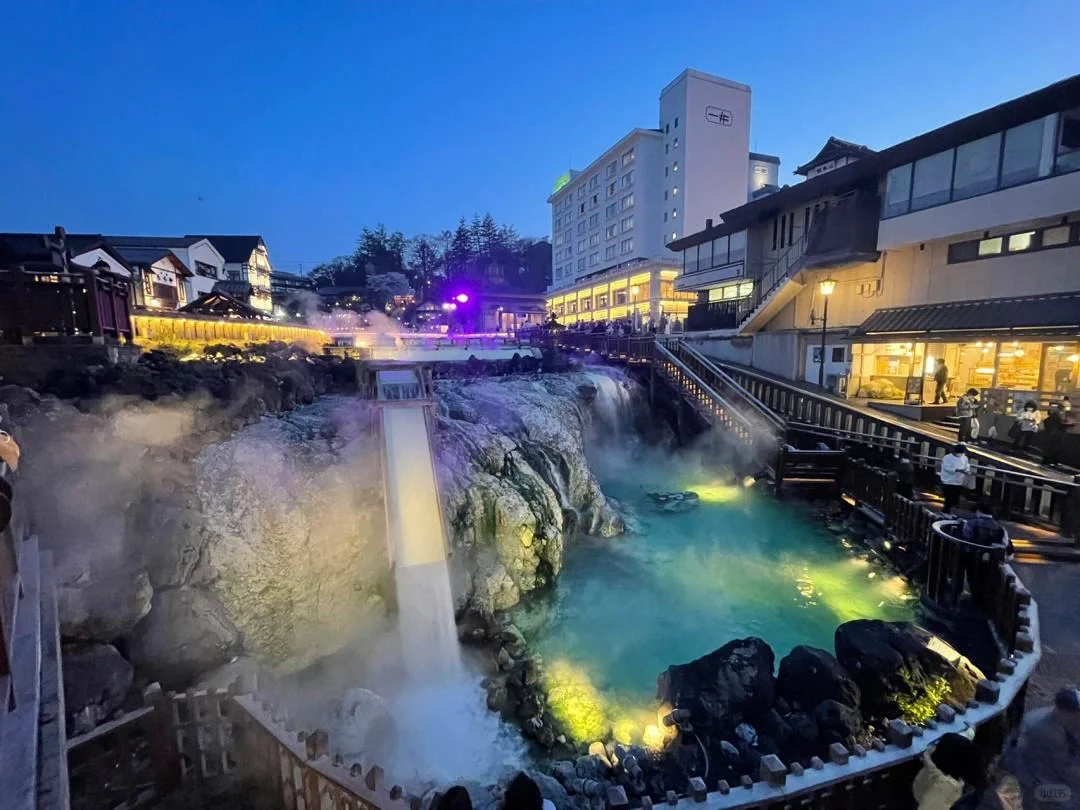
Sainokawara Park things to do, attractions, restaurants, events info and trip planning
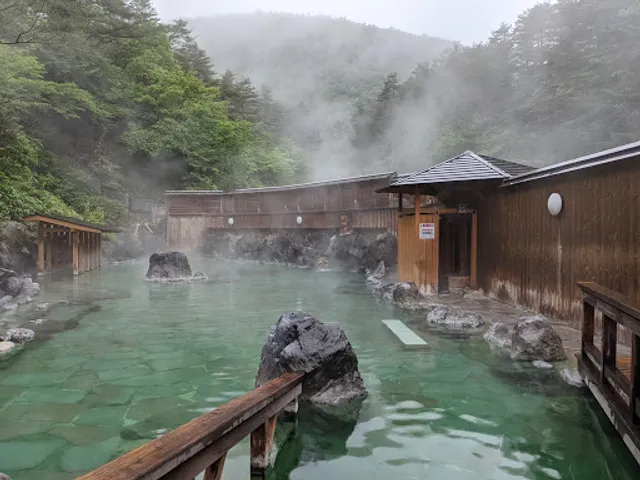
Basic Info
Sainokawara Park
Kusatsu, Agatsuma District, Gunma 377-1711, Japan
4.4(2.1K)
Open until 12:00 AM
Save
spot
spot
Ratings & Description
Info
Outdoor
Relaxation
Scenic
Family friendly
Accessibility
attractions: Sainokawara Open-Air Bath, Kusatsu Tsurutaro Kataoka Museum, 鬼の茶釜碑, Kusatsu Onsen Ski Resort, Osayu, Sainokawara St, Kōsenji Temple, Kusatsu Onsen Netsunoyu, 射的茶屋まつりや, Kusatsu Onsen Ski Resort Tenguyama Rest House, restaurants: Kusatsu Tsurutaro Kataoka Museum, そば処わへい, だんべえ茶屋, インドカレー・ネパール料理 クリムサン草津店(Crimson Restaurant Kusatsu), 鮨 魚𩵋魚〜ぎょぎょぎょ〜 / Bar夢灯〜ゆめあかり〜, 草津温泉らーめん屋青葉, 大島ミート, いいやま亭, Breakfast & Afternoon Meals YAMAIRO, ノイエポスト ダイニング(2F), local businesses: Sainokawara Park, Kusatsu Anamori Inari Shrine, Sainokawara Open-air Bath, Himokawa Kamakichi, Chojuten, Yubatake, かねいち屋山菜佃煮店, 中村みやげ店, Kusatsu Rice Crackers Store Co., Ltd., 又来や
 Learn more insights from Wanderboat AI.
Phone
+81 279-88-7188
Website
town.kusatsu.gunma.jp
Open hoursSee all hours
WedOpen 24 hoursOpen
Plan your stay

Pet-friendly Hotels in Kusatsu
Find a cozy hotel nearby and make it a full experience.

Affordable Hotels in Kusatsu
Find a cozy hotel nearby and make it a full experience.

The Coolest Hotels You Haven't Heard Of (Yet)
Find a cozy hotel nearby and make it a full experience.

Trending Stays Worth the Hype in Kusatsu
Find a cozy hotel nearby and make it a full experience.
Reviews
Live events
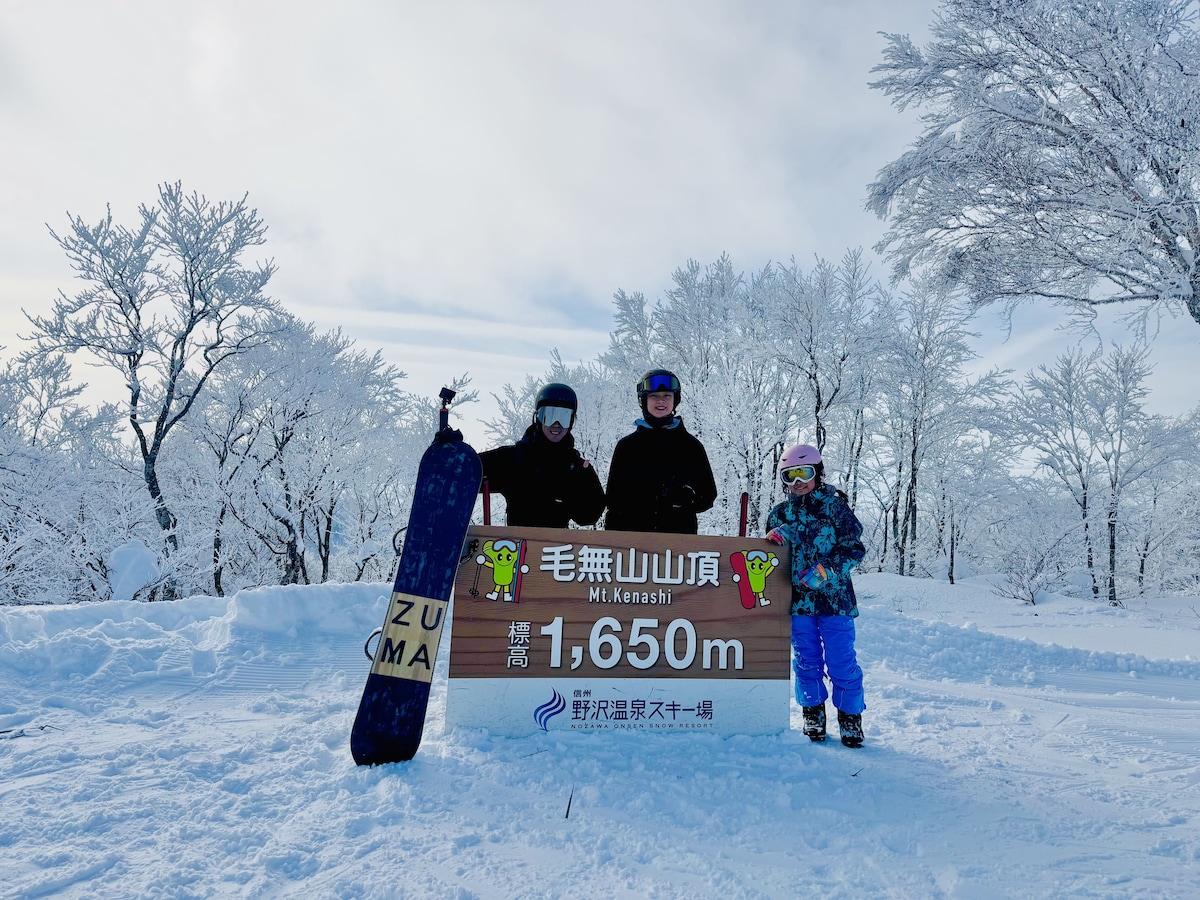
Learn how to snowboard in Nozawa onsen
Fri, Feb 27 • 9:30 AM
389-2303, Nagano, Kijimadaira, Shimotakai District, Japan
View details
Nearby attractions of Sainokawara Park
Sainokawara Open-Air Bath
Kusatsu Tsurutaro Kataoka Museum
鬼の茶釜碑
Kusatsu Onsen Ski Resort
Osayu
Sainokawara St
Kōsenji Temple
Kusatsu Onsen Netsunoyu
射的茶屋まつりや
Kusatsu Onsen Ski Resort Tenguyama Rest House
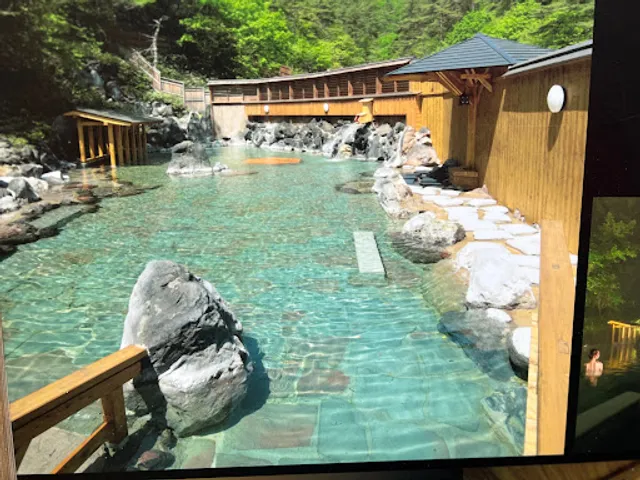
Sainokawara Open-Air Bath
4.4
(2.5K)
Closed
Click for details
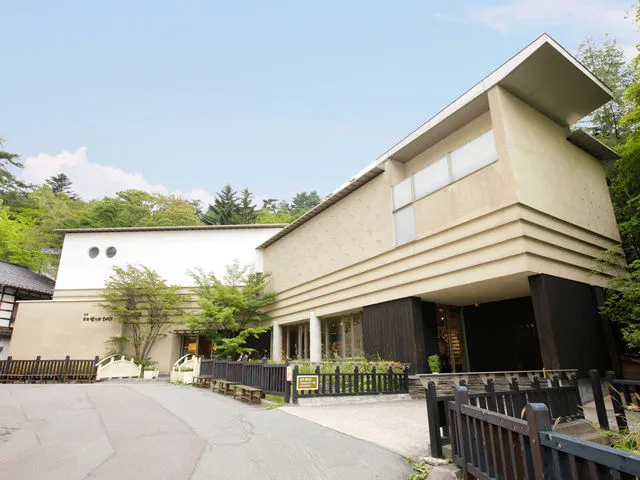
Kusatsu Tsurutaro Kataoka Museum
3.8
(350)
Open until 4:30 PM
Click for details

鬼の茶釜碑
4.1
(20)
Open until 12:00 AM
Click for details
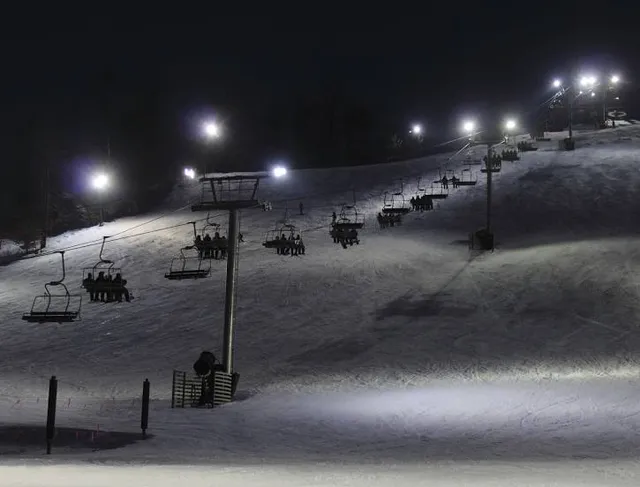
Kusatsu Onsen Ski Resort
4.1
(1.3K)
Open until 4:30 PM
Click for details
Nearby restaurants of Sainokawara Park
Kusatsu Tsurutaro Kataoka Museum
そば処わへい
だんべえ茶屋
インドカレー・ネパール料理 クリムサン草津店(Crimson Restaurant Kusatsu)
鮨 魚𩵋魚〜ぎょぎょぎょ〜 / Bar夢灯〜ゆめあかり〜
草津温泉らーめん屋青葉
大島ミート
いいやま亭
Breakfast & Afternoon Meals YAMAIRO
ノイエポスト ダイニング(2F)
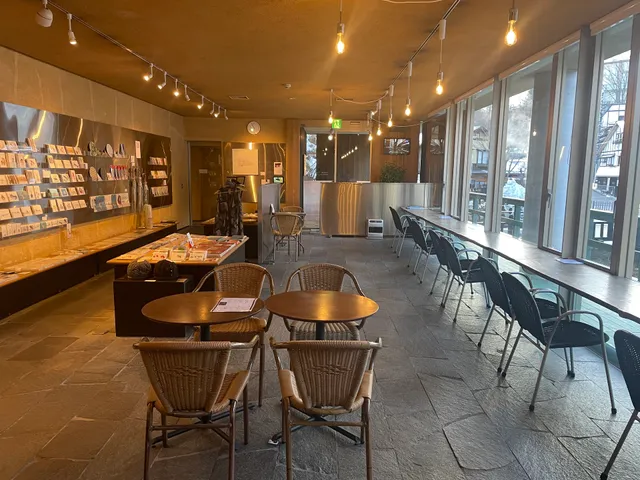
Kusatsu Tsurutaro Kataoka Museum
3.8
(348)
Open until 4:30 PM
Click for details
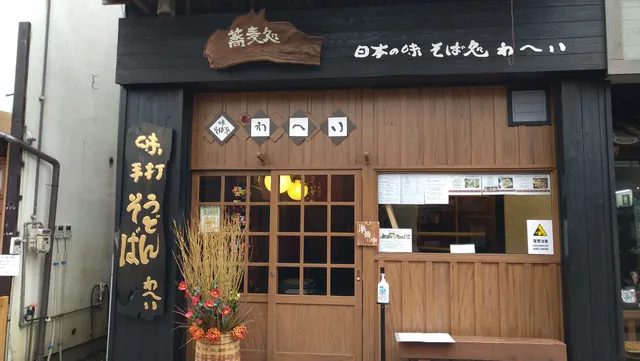
そば処わへい
4.7
(161)
Open until 12:00 AM
Click for details
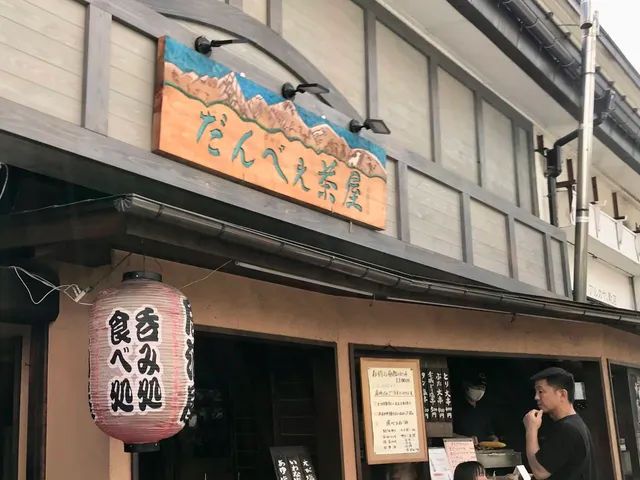
だんべえ茶屋
3.1
(163)
Closed
Click for details
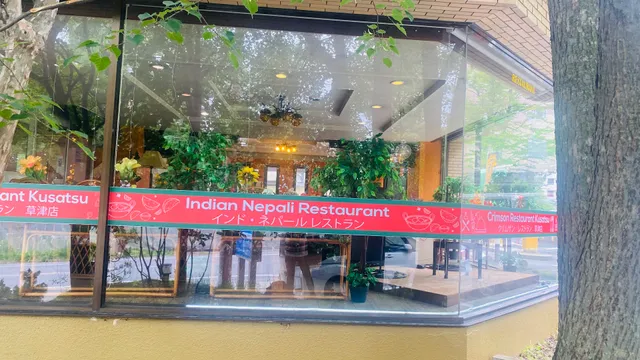
インドカレー・ネパール料理 クリムサン草津店(Crimson Restaurant Kusatsu)
4.5
(49)
Closed
Click for details
Nearby local services of Sainokawara Park
Sainokawara Park
Kusatsu Anamori Inari Shrine
Sainokawara Open-air Bath
Himokawa Kamakichi
Chojuten
Yubatake
かねいち屋山菜佃煮店
中村みやげ店
Kusatsu Rice Crackers Store Co., Ltd.
又来や
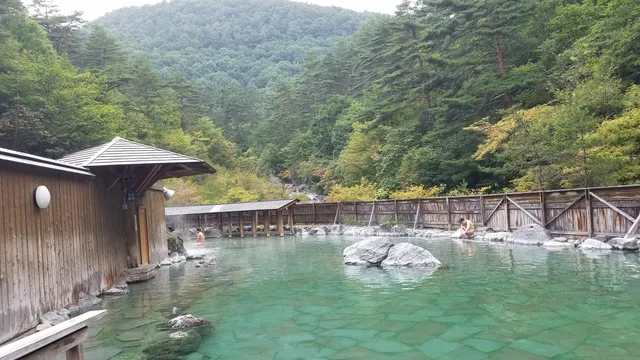
Sainokawara Park
4.3
(1.6K)
Click for details
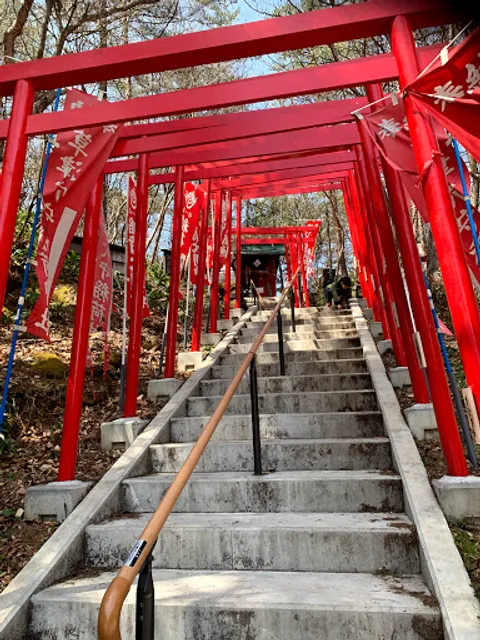
Kusatsu Anamori Inari Shrine
4.2
(74)
Click for details
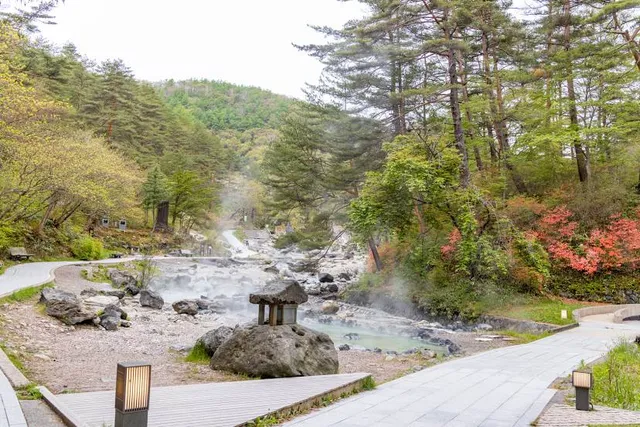
Sainokawara Open-air Bath
4.3
(2K)
Click for details
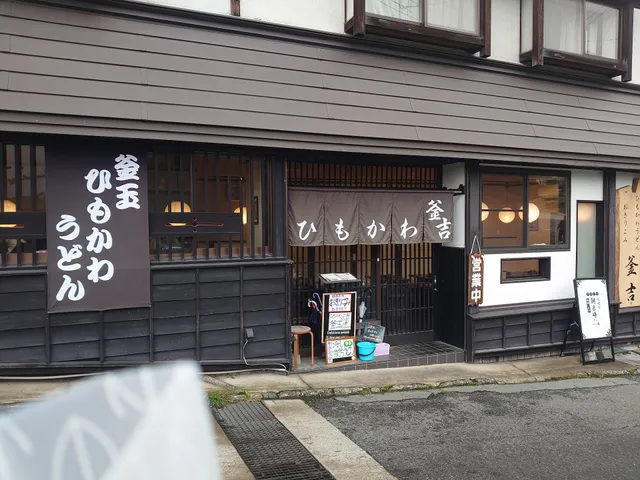
Himokawa Kamakichi
4.2
(57)
Click for details