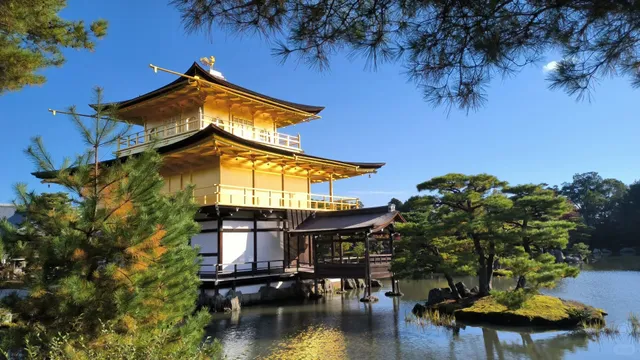
Review of Kinkaku-ji Temple in Kyoto Overview Kinkaku-ji, also known as the Golden Pavilion, is one of Kyoto’s most iconic landmarks and a masterpiece of Japanese Zen architecture. Officially named Rokuon-ji, this Zen Buddhist temple is renowned for its stunning gold-leaf exterior, serene gardens, and reflection in the surrounding pond. It is a UNESCO World Heritage Site and attracts millions of visitors annually.
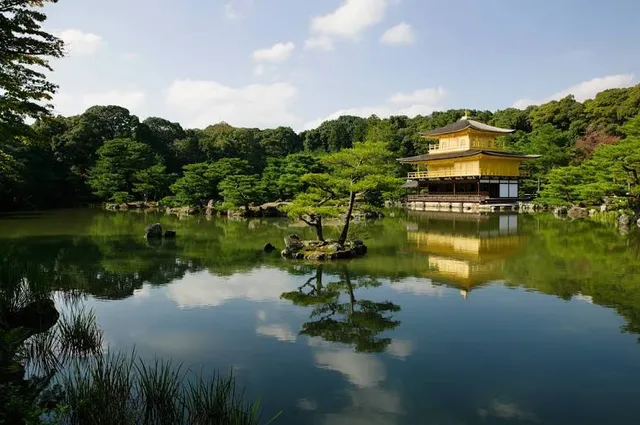
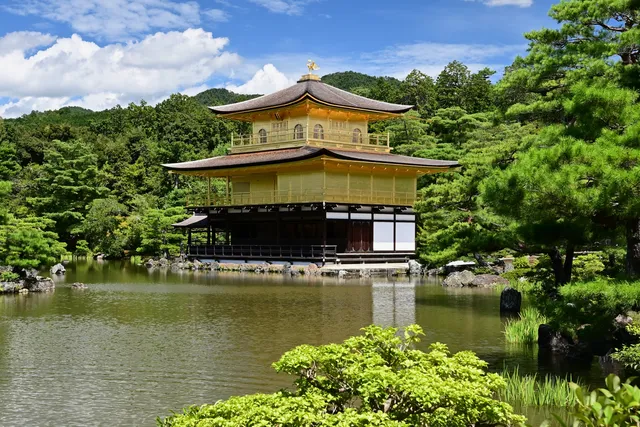
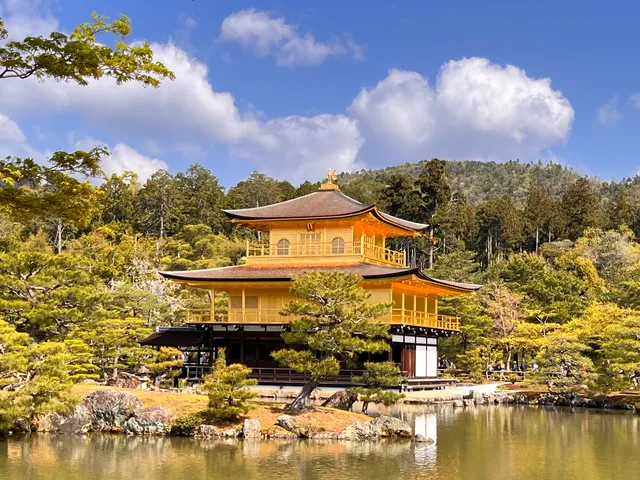
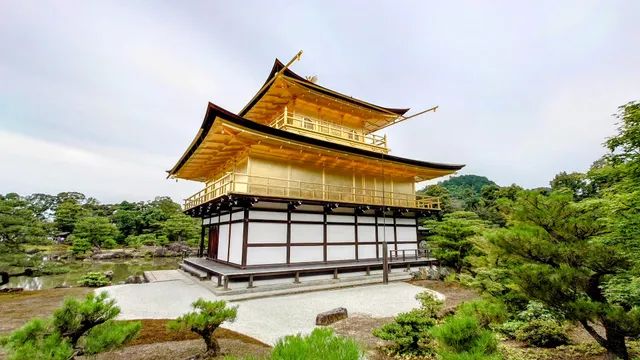
Architecture & Design The temple’s design is a harmonious blend of three distinct architectural styles: Shinden-zukuri (Imperial court style of the Heian Period), Buke-zukuri (Samurai residence style), and Zen temple style. The top two floors are covered in gold leaf, symbolizing purity and enlightenment. The structure stands against a picturesque landscape, with the Kyōko-chi (Mirror Pond) reflecting its golden brilliance, creating an ethereal and timeless beauty.
History Originally built in 1397 as a retirement villa for shogun Ashikaga Yoshimitsu, Kinkaku-ji was later converted into a Zen temple after his death. The current structure, however, is a reconstruction from 1955, as the original temple was tragically burned down in 1950 by a novice monk suffering from mental illness. Despite this, the rebuilt temple stays true to its historical design, preserving its deep cultural and spiritual significance.
Garden & Surroundings The temple is set within a traditional Japanese strolling garden, which is meticulously landscaped with winding paths, strategically placed stones, and seasonal plants. The Anmintaku Pond, a smaller pond in the garden, is believed to have never dried up. The entire setting reflects the principles of Zen aesthetics, encouraging contemplation and peace.
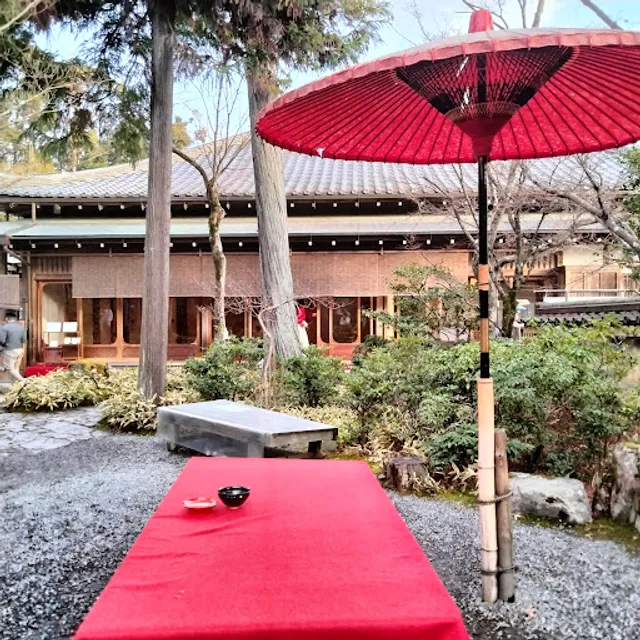
Visitor Experience Visiting Kinkaku-ji is an unforgettable experience. The temple’s golden glow is particularly breathtaking during different seasons—spring brings cherry blossoms, autumn offers vibrant red maple leaves, and winter sometimes covers the temple in snow, enhancing its charm. However, it can get crowded, especially during peak tourist seasons. The walking path guides visitors through the garden, past the Sekka-tei tea house, where traditional matcha tea can be enjoyed.
Conclusion Kinkaku-ji is not just a temple but a symbol of Kyoto’s rich cultural heritage. Its stunning architecture, historical depth, and tranquil gardens make it a must-visit destination. Whether one seeks spiritual enlightenment, historical knowledge, or simply breathtaking scenery, Kinkaku-ji offers a truly...
Read moreKinkaku-ji, or the Golden Pavilion, truly lives up to its reputation as one of Kyoto's most famous landmarks. It’s easy to see why it’s so highly recommended: this stunning Zen temple offers not only a visual feast but also an experience rich in culture and relaxation.
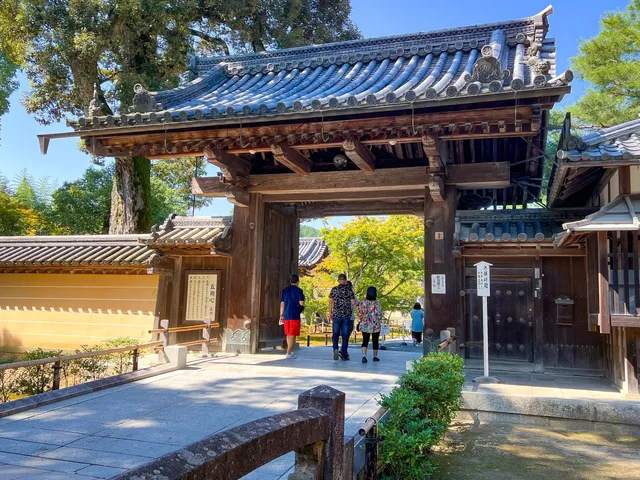
Accessibility and Pleasant Walkways Reaching Kinkaku-ji is straightforward, with well-marked paths leading up to the temple and through its grounds. The walkways are beautifully maintained and easy to navigate, making the visit enjoyable for people of all ages. As you stroll along, you'll find that the pathways wind through lush greenery and pristine gardens, which are especially enchanting in autumn or spring when the seasonal colors are in full bloom.
Picture-Perfect Moments The Golden Pavilion is breathtakingly photogenic. Whether you're an avid photographer or just capturing memories on your phone, every angle reveals something spectacular. The golden façade reflecting in the pond, framed by Japanese pines and seasonal foliage, creates an ideal setting for memorable photos. In fact, it’s nearly impossible to take a bad picture here—the pavilion is so beautifully situated that each shot feels like a masterpiece.
Tea House and Shops for a Full Experience Near the end of the pathway, you’ll find a charming tea house where you can relax with a warm cup of matcha tea. The tea house offers an authentic Japanese experience, letting you pause and reflect on the beauty of the surroundings. There are also several snack stalls and gift shops that sell traditional Japanese souvenirs, sweets, and local crafts. The selection is thoughtfully curated, so you can take home a small piece of Kyoto's cultural heritage.
In summary, Kinkaku-ji is more than a temple—it’s an immersive journey through Japanese aesthetics, history, and tranquility. With its accessible walkways, scenic photo spots, and delightful amenities, it’s a destination that combines ease of access with profound beauty, making it a perfect spot to spend a peaceful morning or...
Read moreKinkaku-ji, also known as the Golden Pavilion, was an unforgettable experience. This iconic Buddhist temple, nestled in the heart of Kyoto, is renowned for its stunning architecture and serene surroundings.
We opted to take the bus to Kinkaku-ji, which proved to be a very convenient choice. The journey was smooth, and purchasing tickets on-site was straightforward and hassle-free. The bus dropped us off close to the temple.
As soon as we entered the temple grounds, we were immediately struck by the beauty and tranquility of the place. The temple is situated beside a picturesque lake, which perfectly mirrors the golden structure, creating a stunning visual effect.
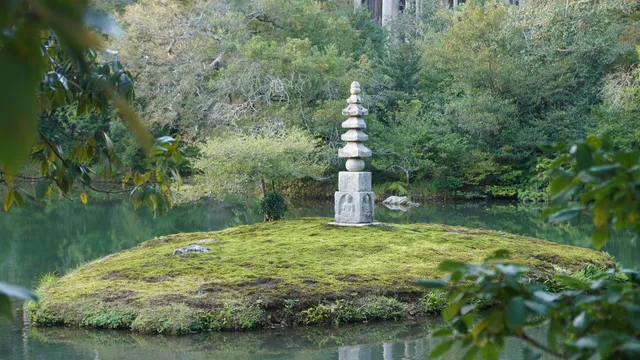
The surrounding gardens are meticulously maintained and add to the overall serene atmosphere of the site. The landscape is designed to enhance the natural beauty of the area, with carefully placed rocks, trees, and pathways. The pond, known as Kyoko-chi (Mirror Pond), is home to small islands and rocks that are said to represent the Buddhist creation story.
Walking around the temple and its grounds was a delightful experience, though it was relatively brief. The entire tour took about 30-40 minutes, making it an ideal visit for those with limited time. Despite the brevity, the visit was deeply fulfilling. The path is well-marked and allows visitors to take in different perspectives of the temple and its reflection in the pond.
Overall, Kinkaku-ji offers a perfect blend of cultural richness, architectural splendor, and natural beauty. Whether you're a history enthusiast, a lover of architecture, or simply seeking peace, Kinkaku-ji is a must-visit destination in Kyoto.
The bus is an excellent way to get to Kinkaku-ji, but make sure to check the schedules ahead of time. Buy your tickets on-site for convenience. Visiting early in the morning or late in the afternoon can help you avoid the crowds and enjoy a more peaceful experience. While the tour is relatively short, take your time to appreciate the details and take...
Read more