Ryōan-ji things to do, attractions, restaurants, events info and trip planning
Basic Info
Ryōan-ji
13 Ryoanji Goryonoshitacho, Ukyo Ward, Kyoto, 616-8001, Japan
4.5(4.3K)
Closed


tickets
Save
spot
spot
Ratings & Description
Info
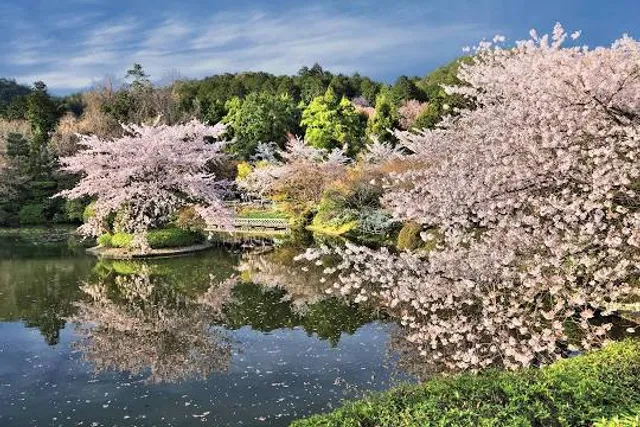
Ryōan-ji is a Zen temple located in northwest Kyoto, Japan. It belongs to the Myōshin-ji school of the Rinzai branch of Zen Buddhism.
Cultural
Outdoor
Relaxation
Family friendly
attractions: Ryoan-ji Hojo Teien (Rock Garden), Ryoan-ji Chisoku no Tsukubai (Stone Washbasin), Mausoleum of Emperor Ichijō, Ninna-ji Temple, Tea Ceremony Camellia GARDEN, Mausoleum of Emperor Horikawa, Tempōrin-ji Temple, Tōji-in Temple, Ritsumeikan University, Ninna-ji Renge-ji Temple, restaurants: Yamanekoken, Nanohana, Chikurin no Sato, Coffee FUKUI, Zonshinkan Cafeteria, kew, Ryoan-ji Aioi Shokudo, Cafe Junge, Tully’s Coffee - Ritsumeikan University Kinugasa Campus, Locanda Kidaya, local businesses: Ryoanji Kuri (Quarters), Ryoan-ji Chokushimon (Imperial Envoy Gate), Ryoanji Kyoyochi Pond, Ryoanji Benzaiten, Ryoanji Sammom Gate, Kyo-komono Kinugasa, Sumiyoshi Ōtomo Shrine, Tōji-in Temple, Kinugasayama, Ninna-ji Kondo (Golden Hall)
 Learn more insights from Wanderboat AI.
Phone
+81 75-463-2216
Website
ryoanji.jp
Open hoursSee all hours
Sat8 a.m. - 5 p.m.Closed
Plan your stay

Pet-friendly Hotels in Kyoto
Find a cozy hotel nearby and make it a full experience.

Affordable Hotels in Kyoto
Find a cozy hotel nearby and make it a full experience.

The Coolest Hotels You Haven't Heard Of (Yet)
Find a cozy hotel nearby and make it a full experience.

Trending Stays Worth the Hype in Kyoto
Find a cozy hotel nearby and make it a full experience.
Reviews
Live events
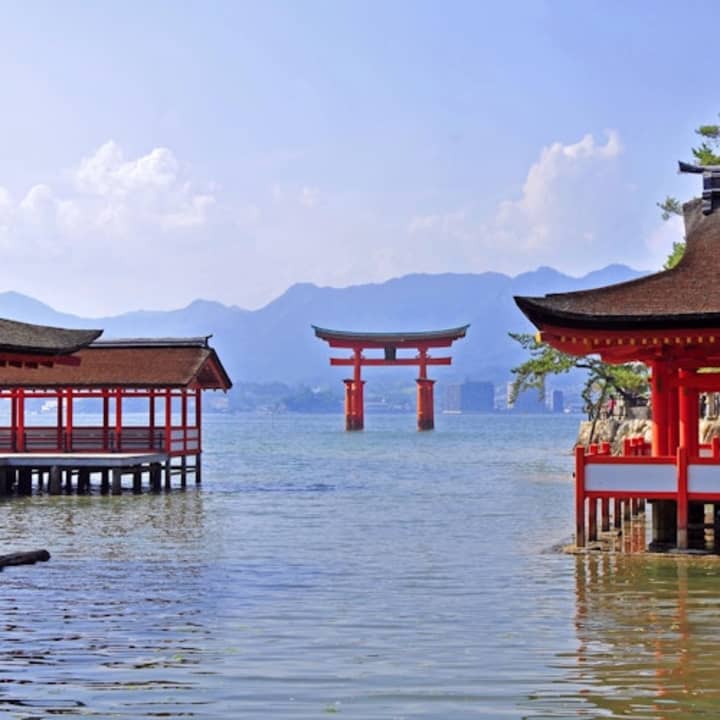
広島&宮島:京都または大阪発ガイド付きツアー+新幹線&フェリー
Sat, Feb 21 • 7:40 AM
京都市中京区笹屋町435 京都御池第一生命ビルディング 6階, 604-8187
View details
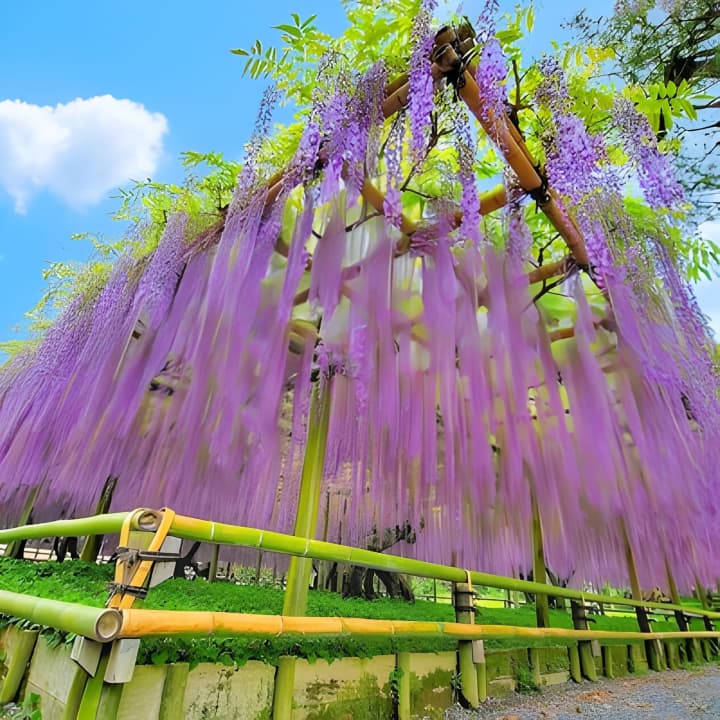
京都日帰りツアー 宇治川抹茶体験
Sun, Feb 22 • 8:00 AM
京都市南区東九条西山王町, 601-8003
View details

Ultimate Kyoto: 10 Must-Sees & Hidden Gems 1-Day
Sat, Feb 21 • 8:45 AM
616-8373, Kyoto, Kyoto, Japan
View details
Nearby attractions of Ryōan-ji
Ryoan-ji Hojo Teien (Rock Garden)
Ryoan-ji Chisoku no Tsukubai (Stone Washbasin)
Mausoleum of Emperor Ichijō
Ninna-ji Temple
Tea Ceremony Camellia GARDEN
Mausoleum of Emperor Horikawa
Tempōrin-ji Temple
Tōji-in Temple
Ritsumeikan University
Ninna-ji Renge-ji Temple
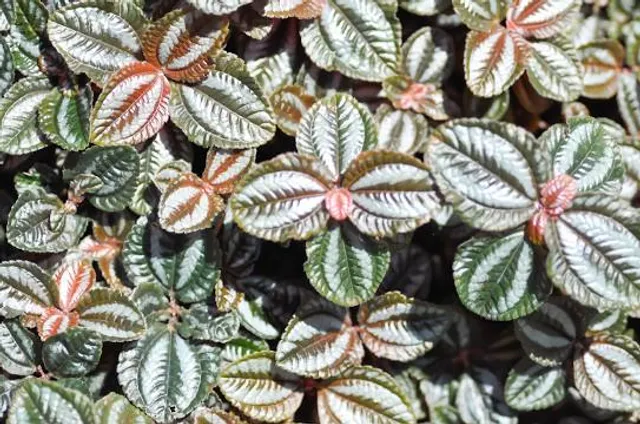
Ryoan-ji Hojo Teien (Rock Garden)
4.5
(225)
Closed
Click for details
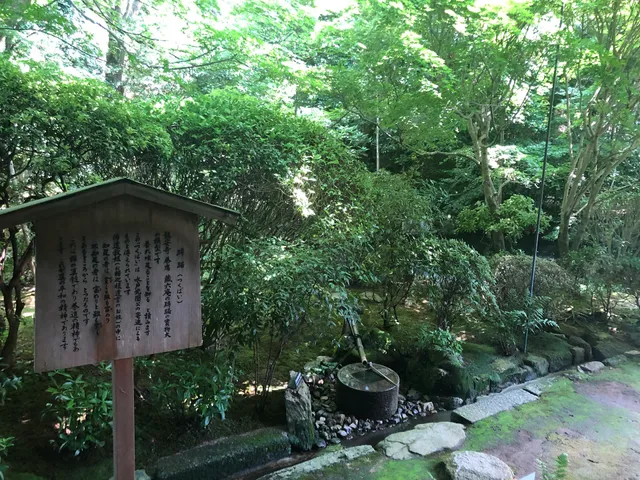
Ryoan-ji Chisoku no Tsukubai (Stone Washbasin)
4.6
(29)
Open 24 hours
Click for details
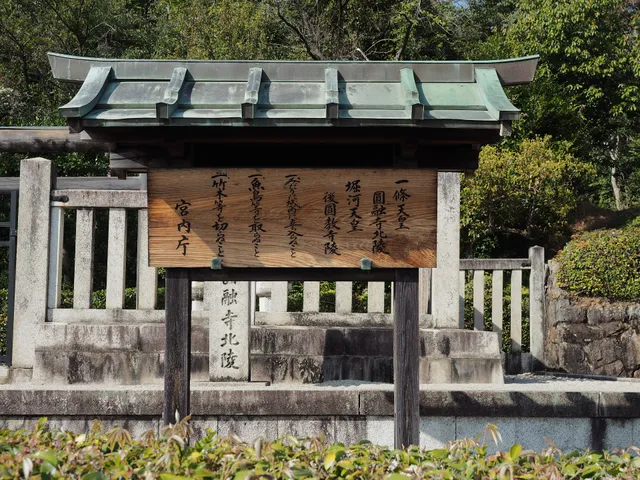
Mausoleum of Emperor Ichijō
4.4
(15)
Open until 12:00 AM
Click for details
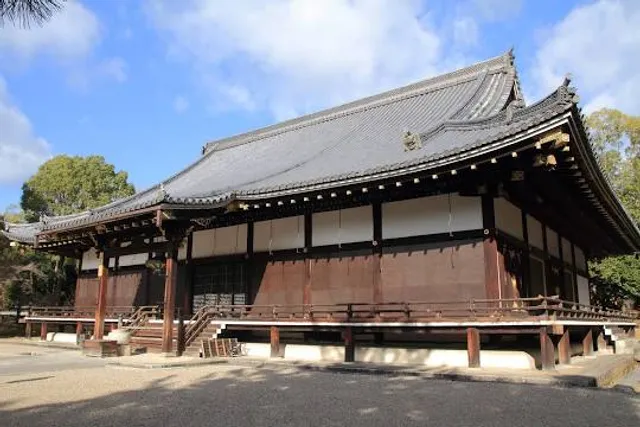
Ninna-ji Temple
4.4
(3.3K)
Closed
Click for details
Nearby restaurants of Ryōan-ji
Yamanekoken
Nanohana
Chikurin no Sato
Coffee FUKUI
Zonshinkan Cafeteria
kew
Ryoan-ji Aioi Shokudo
Cafe Junge
Tully’s Coffee - Ritsumeikan University Kinugasa Campus
Locanda Kidaya
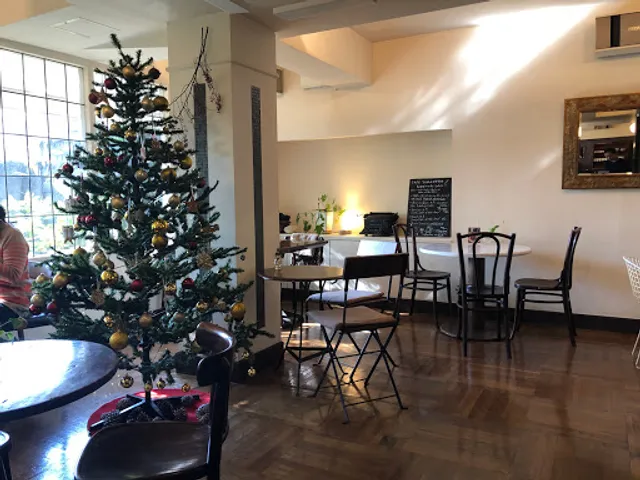
Yamanekoken
3.8
(184)
Closed
Click for details
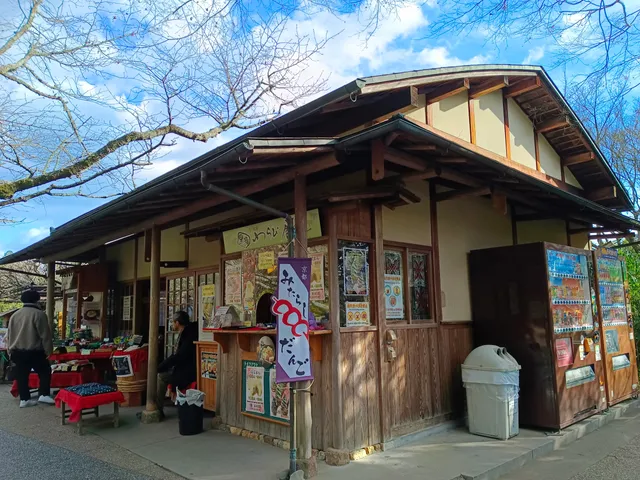
Nanohana
4.6
(50)
Closed
Click for details
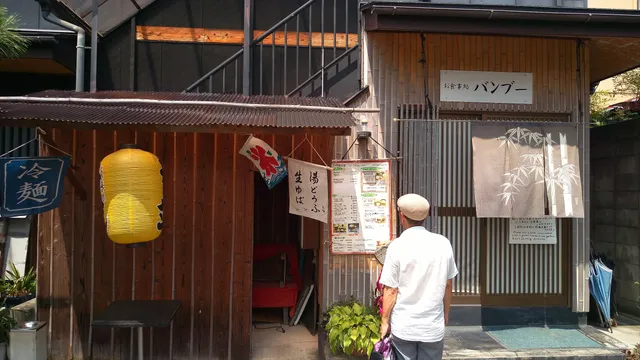
Chikurin no Sato
3.2
(26)
Open until 12:00 AM
Click for details
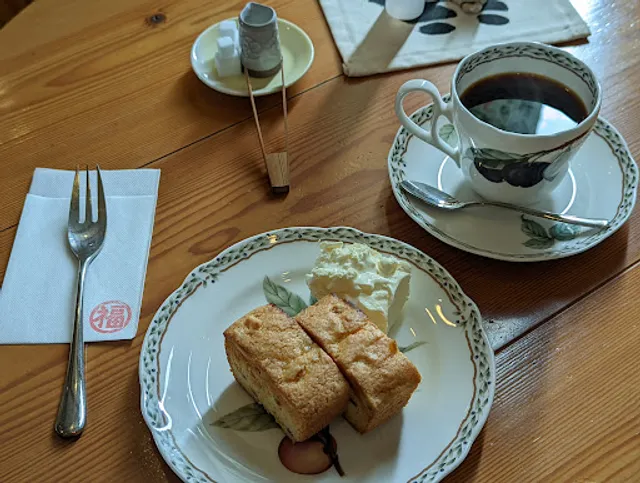
Coffee FUKUI
4.4
(59)
Closed
Click for details
Nearby local services of Ryōan-ji
Ryoanji Kuri (Quarters)
Ryoan-ji Chokushimon (Imperial Envoy Gate)
Ryoanji Kyoyochi Pond
Ryoanji Benzaiten
Ryoanji Sammom Gate
Kyo-komono Kinugasa
Sumiyoshi Ōtomo Shrine
Tōji-in Temple
Kinugasayama
Ninna-ji Kondo (Golden Hall)
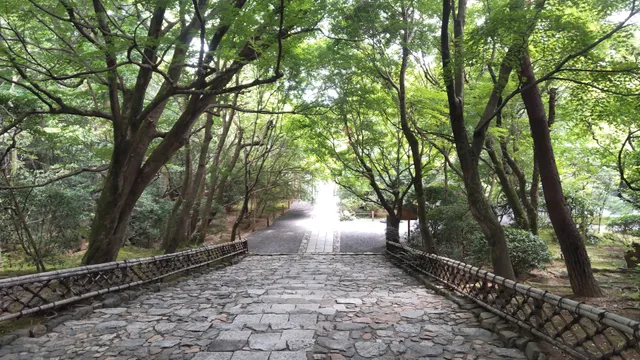
Ryoanji Kuri (Quarters)
4.4
(44)
Click for details
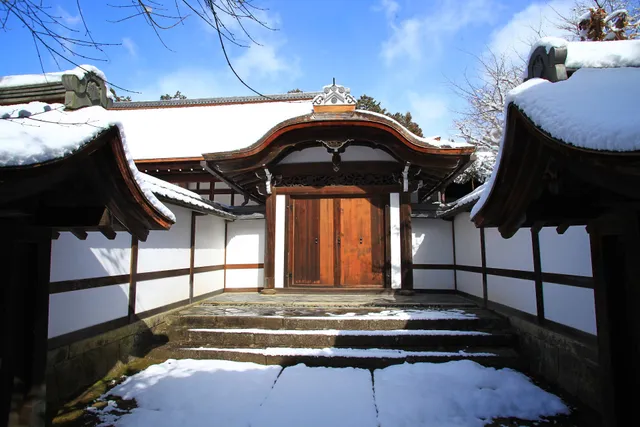
Ryoan-ji Chokushimon (Imperial Envoy Gate)
4.5
(8)
Click for details
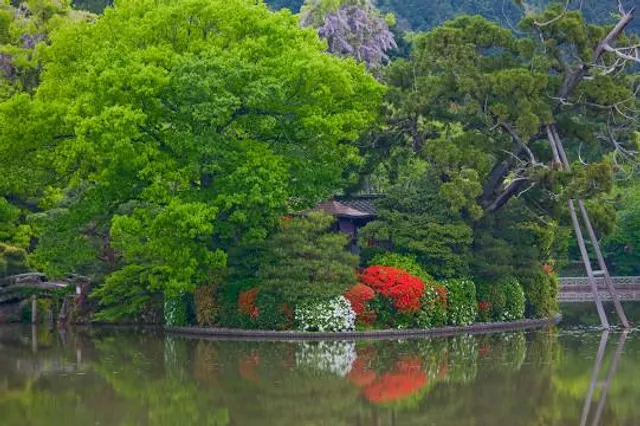
Ryoanji Kyoyochi Pond
4.6
(28)
Click for details
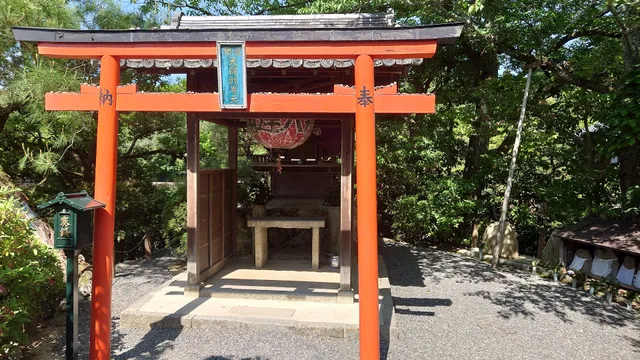
Ryoanji Benzaiten
4.2
(18)
Click for details