Ninna-ji Temple things to do, attractions, restaurants, events info and trip planning
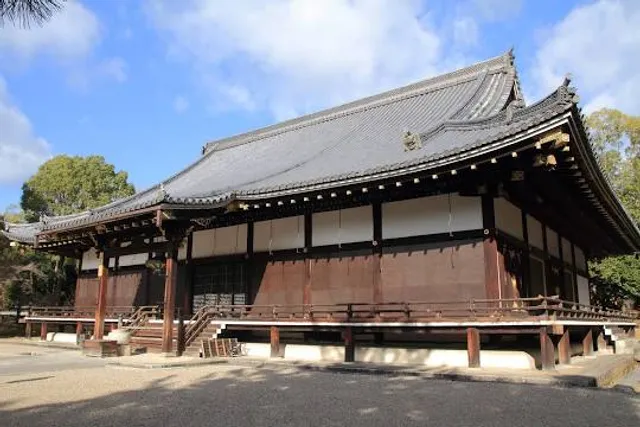
Basic Info
Ninna-ji Temple
33 Omuroouchi, Ukyo Ward, Kyoto, 616-8092, Japan
4.4(3.3K)
Closed


tickets
Save
spot
spot
Ratings & Description
Info
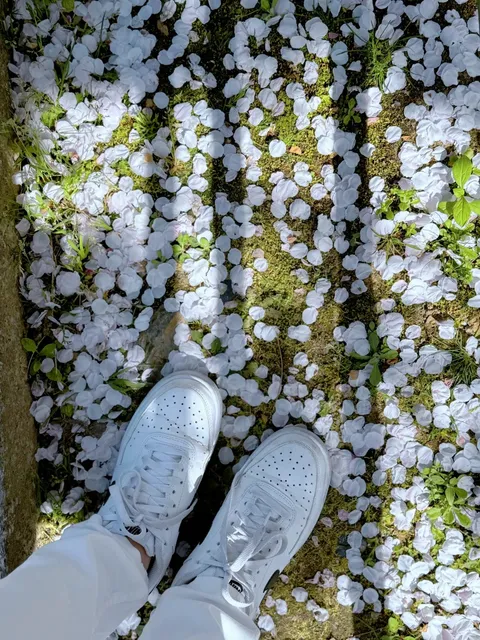
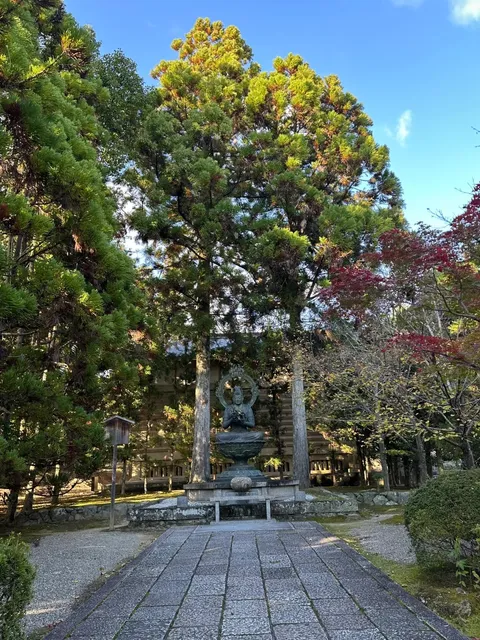
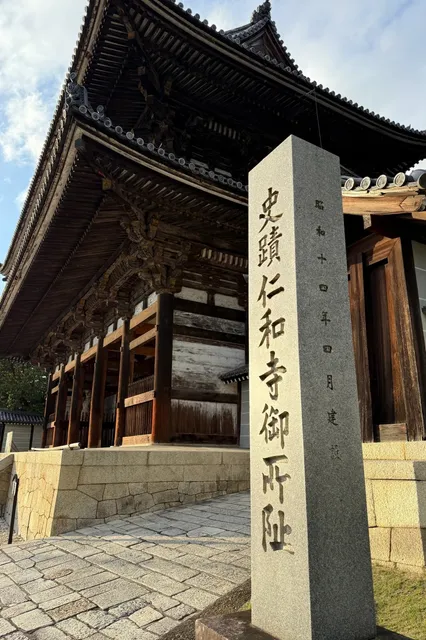
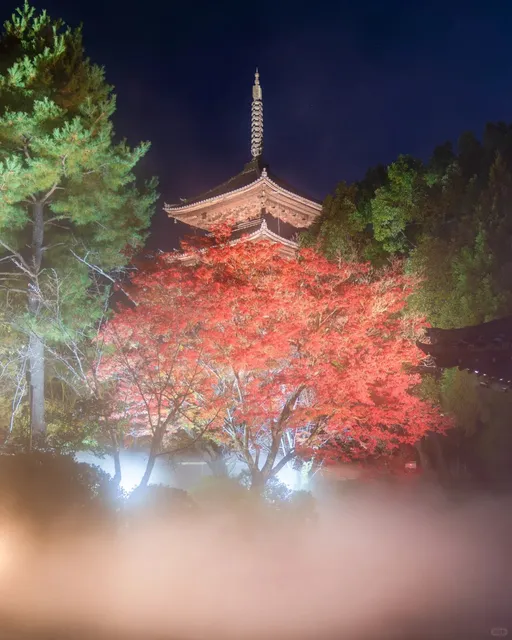
Ninna-ji is the head temple of the Omuro school of the Shingon Sect of Buddhism. Located in western Kyoto, Japan, it was first founded in AD 888 by Emperor Uda, and was later reconstructed in the 17th century. It is part of the Historic Monuments of Ancient Kyoto, a UNESCO World Heritage Site.
Cultural
Outdoor
Family friendly
attractions: Ninna-ji Kondo (Golden Hall), Omuro Zakura (Cherry Blossoms), Goju-no-To (Five Storey Pagoda), Tempōrin-ji Temple, Ninna-ji Renge-ji Temple, Ninnaji Palace Garden, Ryōan-ji, Ryoan-ji Hojo Teien (Rock Garden), Fukuōji Shrine, Tea Ceremony Camellia GARDEN, restaurants: Ninnaji Jaxury Space, Coffee FUKUI, Sakon, 篝, Ippuku Chaya, Kabeya, BigBoy, mama&papas, Okara House, Chikurin no Sato, local businesses: Ninna-ji Kondo (Golden Hall), Nio-mon Gate, Omuro 88 Pilgrimage Temples, Sumiyoshi Ōtomo Shrine, Omuro-Ninnaji Station, Ryoanji Kyoyochi Pond, Kyutei Omuro, Ryoanji Benzaiten, Ryoanji Kuri (Quarters), Kyo-komono Kinugasa
 Learn more insights from Wanderboat AI.
Phone
+81 75-461-1155
Website
ninnaji.jp
Open hoursSee all hours
Tue9 AM - 5 PMClosed
Plan your stay

Pet-friendly Hotels in Kyoto
Find a cozy hotel nearby and make it a full experience.

Affordable Hotels in Kyoto
Find a cozy hotel nearby and make it a full experience.

The Coolest Hotels You Haven't Heard Of (Yet)
Find a cozy hotel nearby and make it a full experience.

Trending Stays Worth the Hype in Kyoto
Find a cozy hotel nearby and make it a full experience.
Reviews
Live events
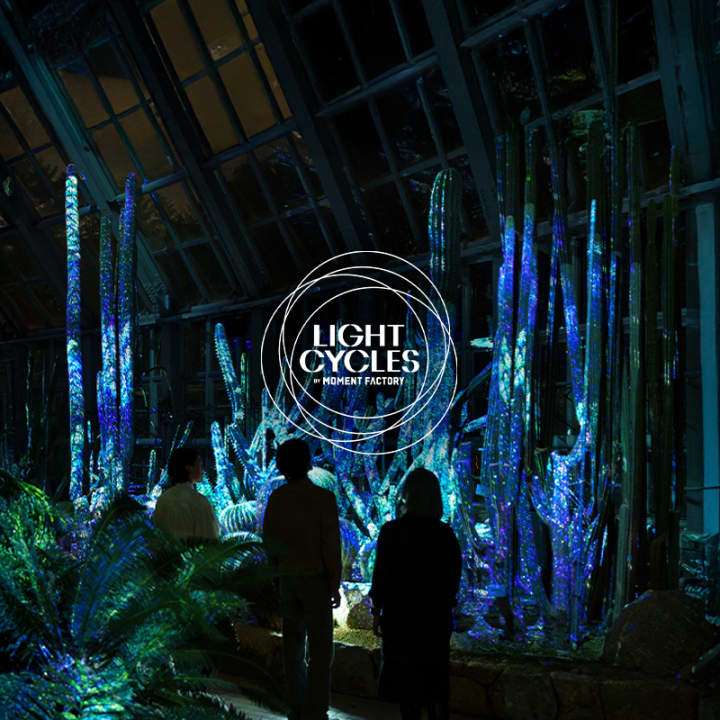
京都府立植物園:LIGHT CYCLES KYOTO (ライトサイクル京都)
Wed, Feb 11 • 6:00 PM
京都市左京区下鴨半木町, 606-0823
View details
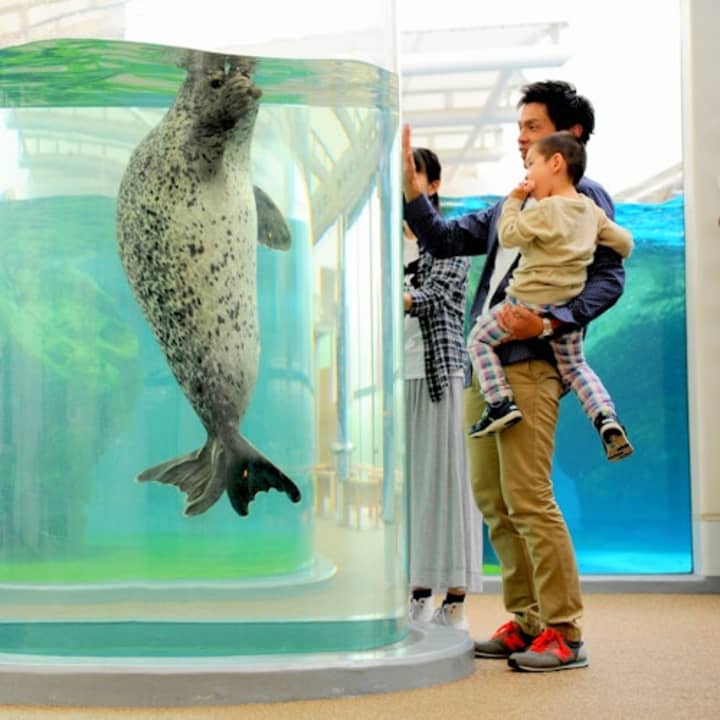
京都水族館: 入場券
Tue, Feb 10 • 10:00 AM
京都市下京区観喜寺町35−1 内 梅小路公園, 600-8835
View details
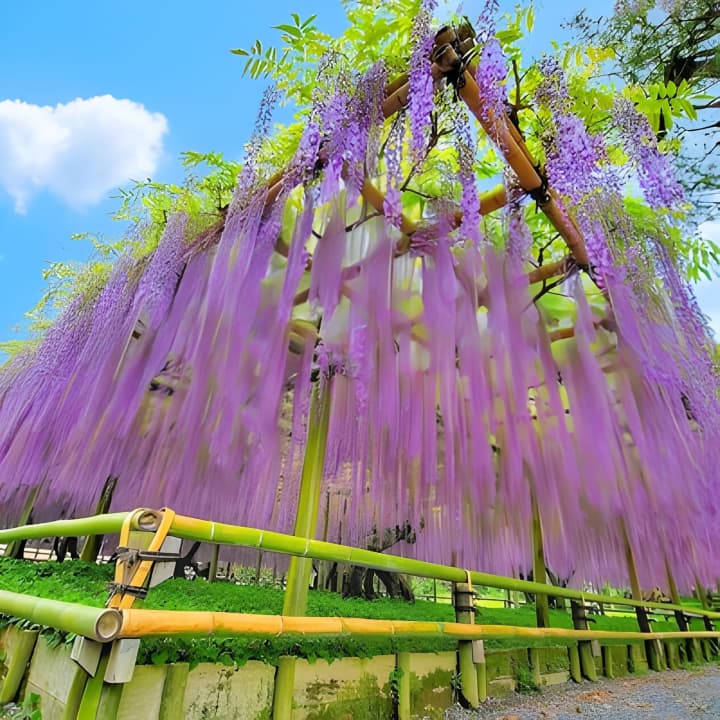
京都日帰りツアー 宇治川抹茶体験
Wed, Feb 11 • 8:00 AM
京都市南区東九条西山王町, 601-8003
View details
Nearby attractions of Ninna-ji Temple
Ninna-ji Kondo (Golden Hall)
Omuro Zakura (Cherry Blossoms)
Goju-no-To (Five Storey Pagoda)
Tempōrin-ji Temple
Ninna-ji Renge-ji Temple
Ninnaji Palace Garden
Ryōan-ji
Ryoan-ji Hojo Teien (Rock Garden)
Fukuōji Shrine
Tea Ceremony Camellia GARDEN
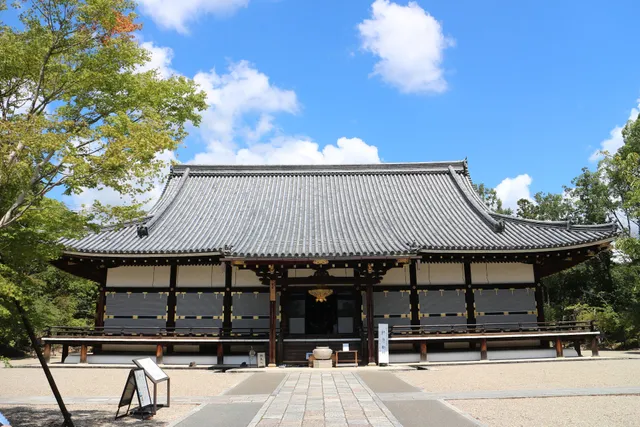
Ninna-ji Kondo (Golden Hall)
4.3
(48)
Closed
Click for details
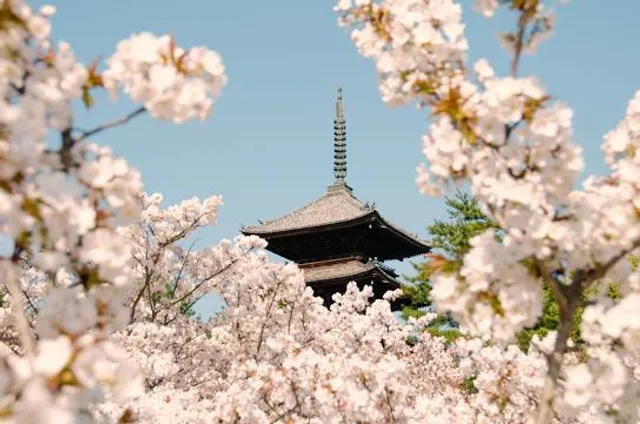
Omuro Zakura (Cherry Blossoms)
4.4
(162)
Closed
Click for details
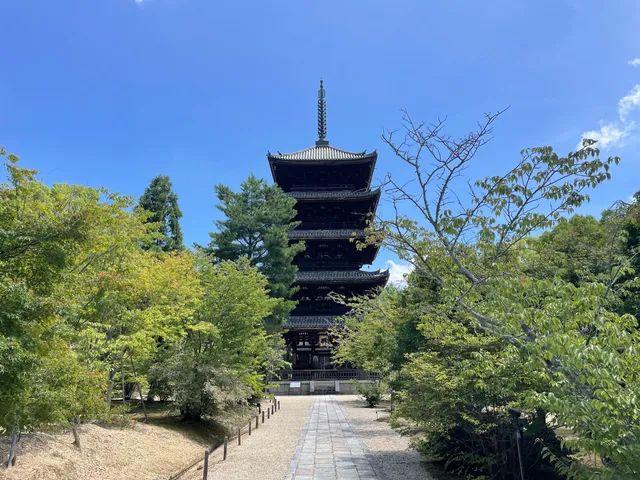
Goju-no-To (Five Storey Pagoda)
4.5
(59)
Closed
Click for details
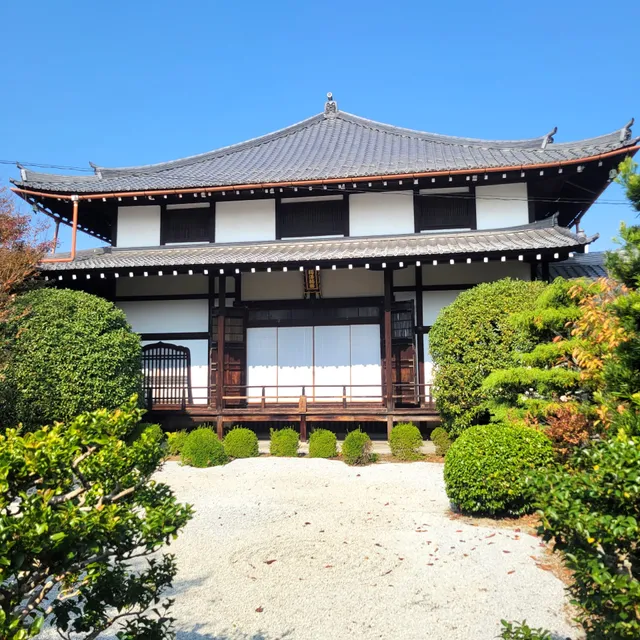
Tempōrin-ji Temple
4.2
(83)
Open 24 hours
Click for details
Nearby restaurants of Ninna-ji Temple
Ninnaji Jaxury Space
Coffee FUKUI
Sakon
篝
Ippuku Chaya
Kabeya
BigBoy
mama&papas
Okara House
Chikurin no Sato
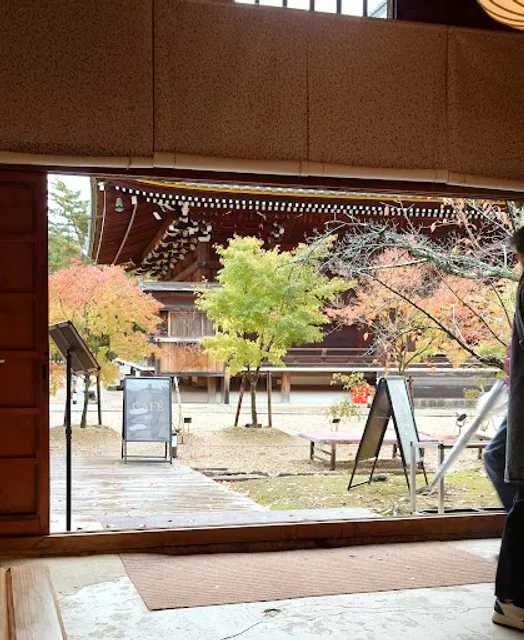
Ninnaji Jaxury Space
3.7
(26)
Closed
Click for details
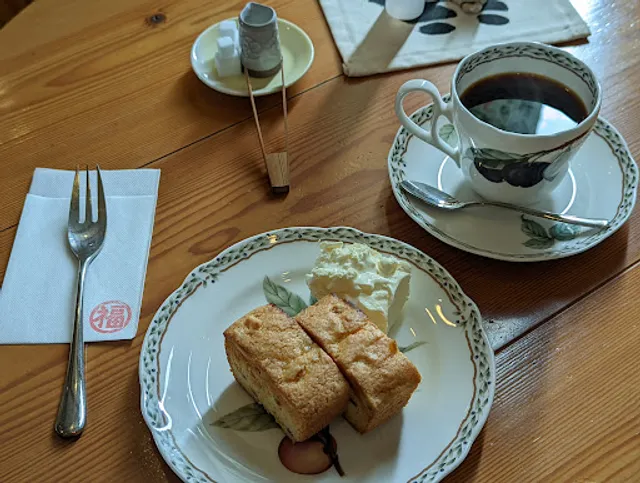
Coffee FUKUI
4.4
(59)
Open until 12:00 AM
Click for details
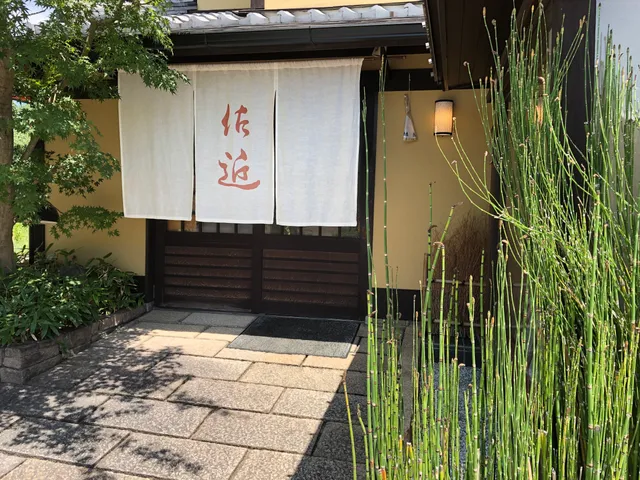
Sakon
4.2
(114)
$$
Closed
Click for details
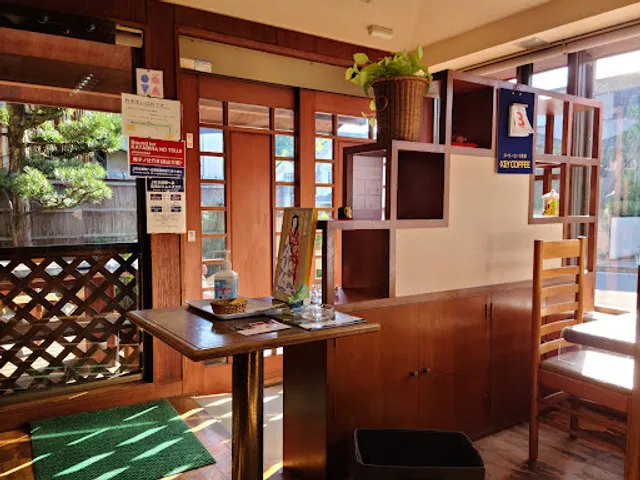
篝
4.5
(125)
Closed
Click for details
Nearby local services of Ninna-ji Temple
Ninna-ji Kondo (Golden Hall)
Nio-mon Gate
Omuro 88 Pilgrimage Temples
Sumiyoshi Ōtomo Shrine
Omuro-Ninnaji Station
Ryoanji Kyoyochi Pond
Kyutei Omuro
Ryoanji Benzaiten
Ryoanji Kuri (Quarters)
Kyo-komono Kinugasa
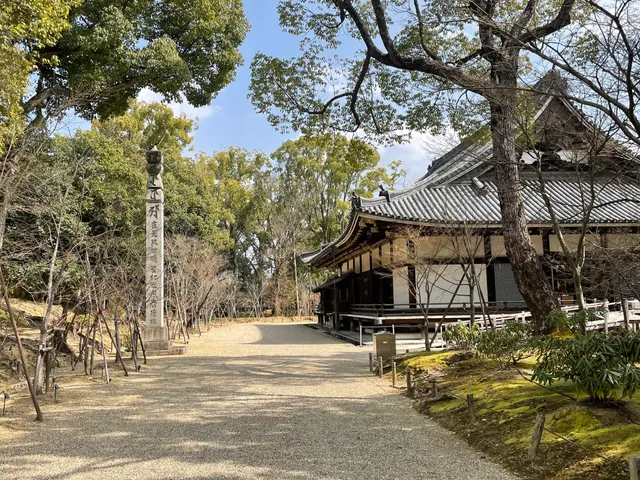
Ninna-ji Kondo (Golden Hall)
4.4
(37)
Click for details
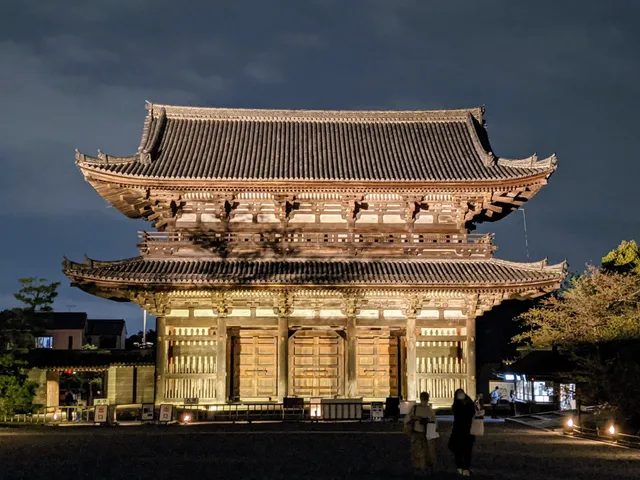
Nio-mon Gate
4.5
(74)
Click for details
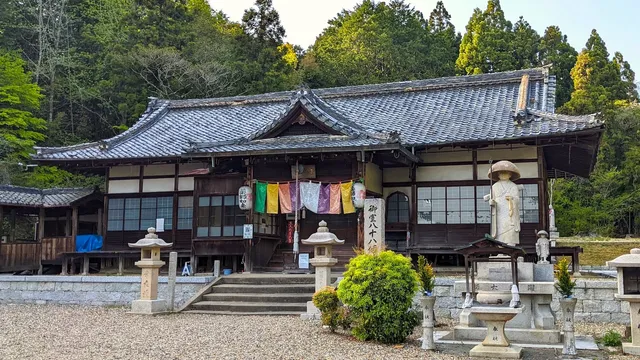
Omuro 88 Pilgrimage Temples
4.6
(16)
Click for details
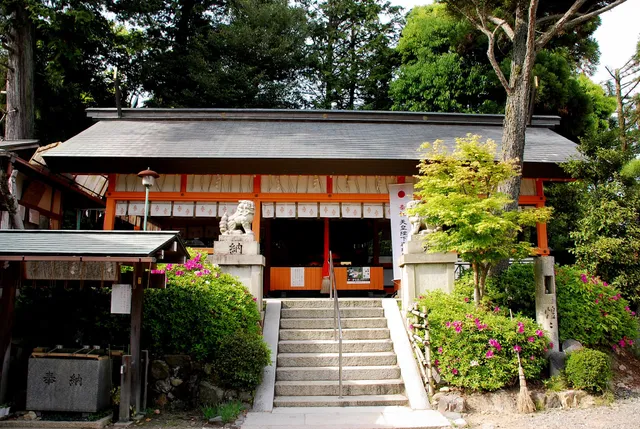
Sumiyoshi Ōtomo Shrine
3.6
(25)
Click for details