Fukushūen Garden things to do, attractions, restaurants, events info and trip planning
Basic Info
Fukushūen Garden
2 Chome-29-19 Kume, Naha, Okinawa 900-0033, Japan
4.3(1.4K)
Closed


tickets
Save
spot
spot
Ratings & Description
Info
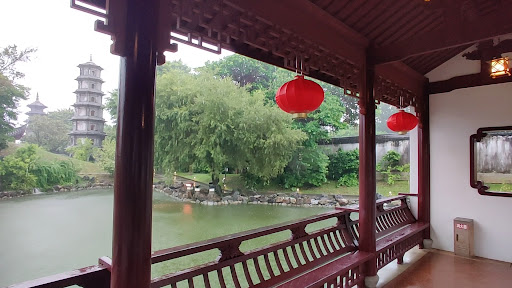
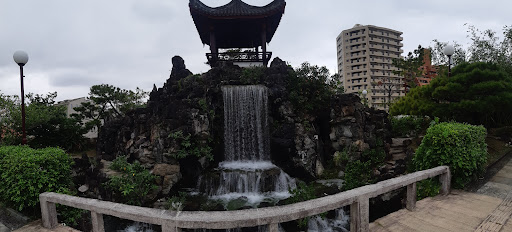
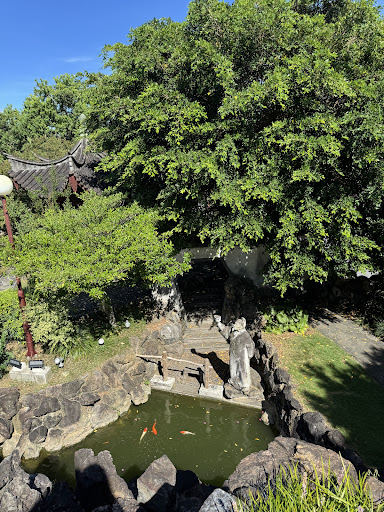
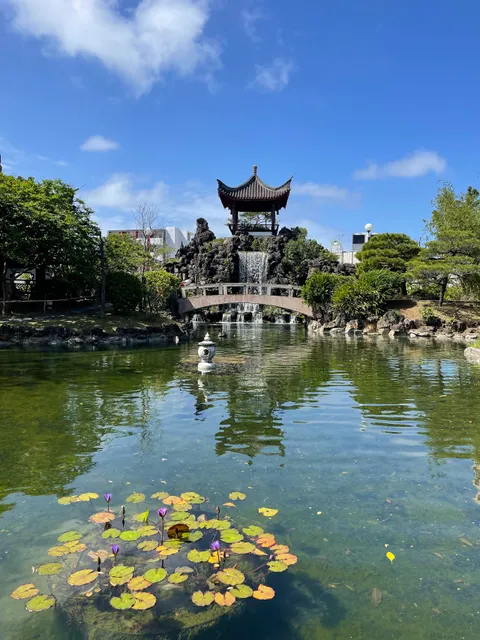
Fukushūen is a traditional Chinese garden in the Kume area of Naha, Okinawa. The garden was constructed in 1992, in celebration of the 10th anniversary of the establishment of the sister city relationship between Naha and Fuzhou in China.
Outdoor
Relaxation
Family friendly
attractions: Shiseibyō, Tsushima-maru Memorial Museum, Naminoue Beach, Daitenji, Street Kart Okinawa, Asahigaoka Park, Gokokuji, Ryuchu, 天妃宮跡, Fukutsukan, restaurants: Fukushūen Garden Cafe Restaurant, Takara Diner, Cafe Okinawashiki, HIMALAYAN CURRY HOUSE&SPICE CENTER KUME, Aguro Baisen Coffee, Sennichi, Okinawan Cuisine Gaja Haruko Sakaba, PASTAIONE OKINAWA, Shimauta Yaninju, Ramen Koryu Naha Matsuyama, local businesses: Matsuyama Park, Lions Mansion Daimonkaku, RYUBO Department Store, Palette Kumoji, 『Chura Bowl 』アサイーボウル専門店, Panasonic Service Center, Prefectural Office Station, 不屈館, Ryubo Supermarket, CROWN
 Learn more insights from Wanderboat AI.
Phone
+81 98-943-6078
Website
fksn-okinawa.jp
Open hoursSee all hours
Sun9 AM - 9 PMClosed
Plan your stay

Pet-friendly Hotels in Naha
Find a cozy hotel nearby and make it a full experience.

Affordable Hotels in Naha
Find a cozy hotel nearby and make it a full experience.

The Coolest Hotels You Haven't Heard Of (Yet)
Find a cozy hotel nearby and make it a full experience.

Trending Stays Worth the Hype in Naha
Find a cozy hotel nearby and make it a full experience.
Reviews
Live events

Snorkeling in Okinawas Blue Cave
Mon, Feb 23 • 10:30 AM
904-0417, Okinawa, Onna, Kunigami District, Japan
View details
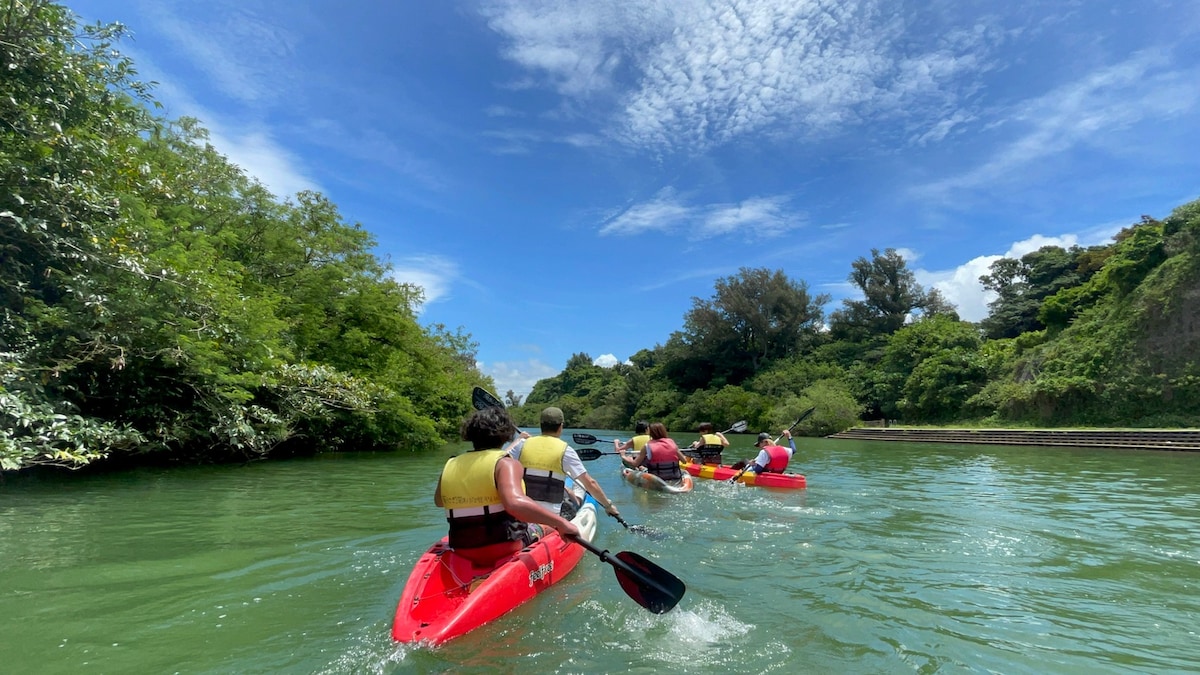
Sunset kayaking in Kadena, Okinawa
Mon, Feb 23 • 4:30 PM
904-0204, Okinawa, Kadena, Nakagami District, Japan
View details
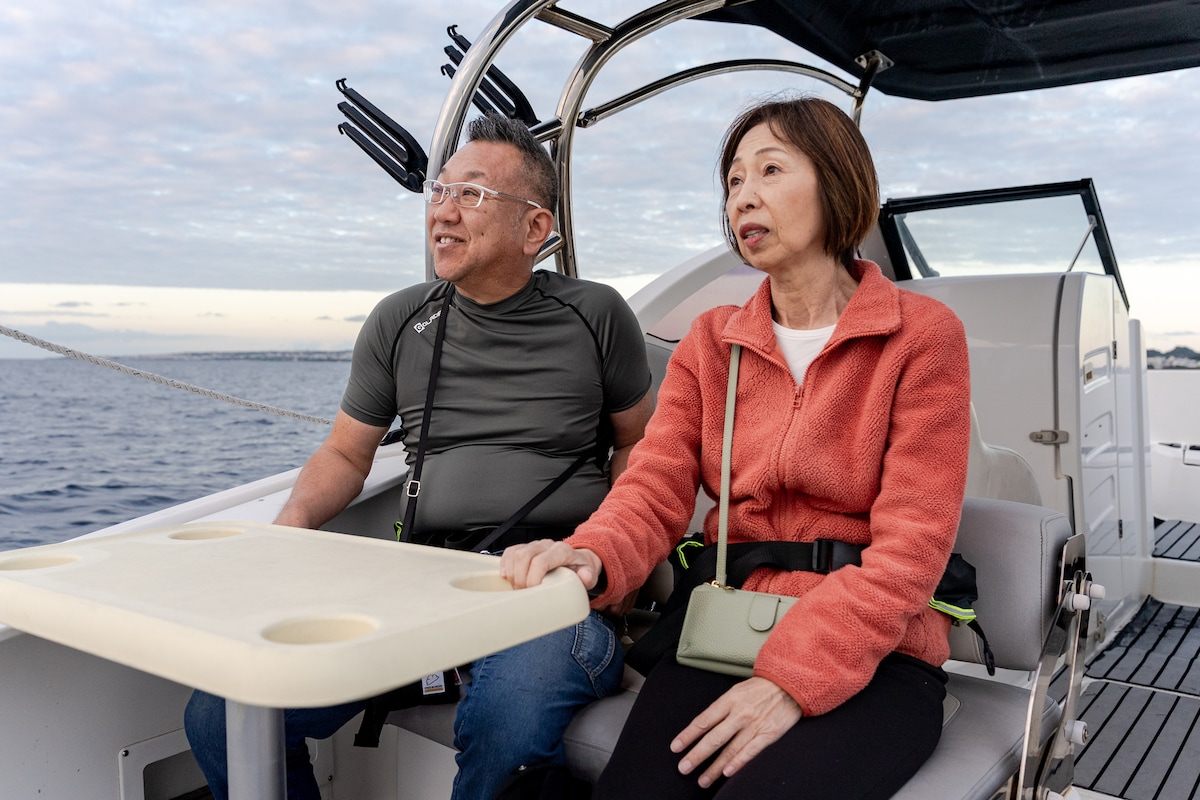
Chatan Departure Private Sunset Cruise
Tue, Feb 24 • 6:00 PM
904-0115, Okinawa, Chatan, Nakagami District, Japan
View details
Nearby attractions of Fukushūen Garden
Shiseibyō
Tsushima-maru Memorial Museum
Naminoue Beach
Daitenji
Street Kart Okinawa
Asahigaoka Park
Gokokuji
Ryuchu
天妃宮跡
Fukutsukan
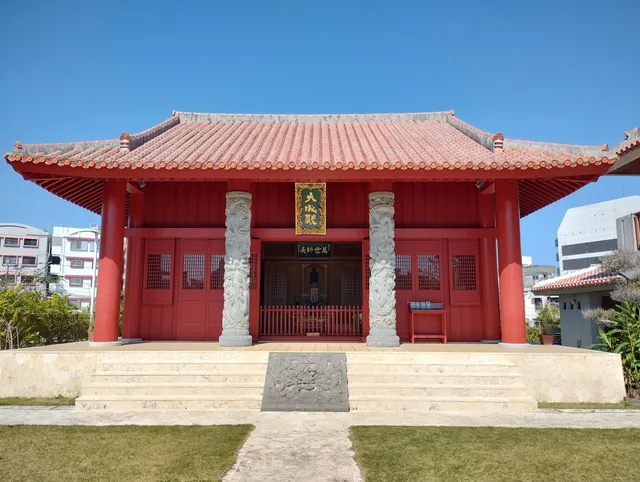
Shiseibyō
3.8
(39)
Closed
Click for details
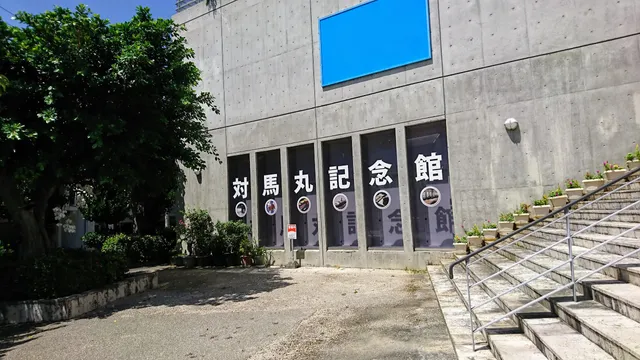
Tsushima-maru Memorial Museum
4.3
(261)
Closed
Click for details
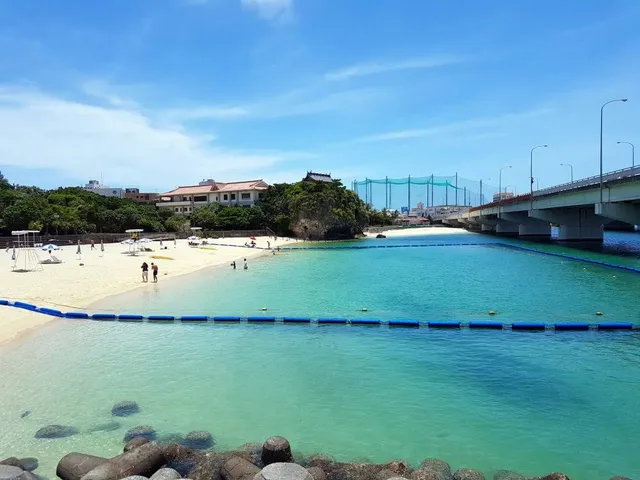
Naminoue Beach
4.0
(1.3K)
Open 24 hours
Click for details
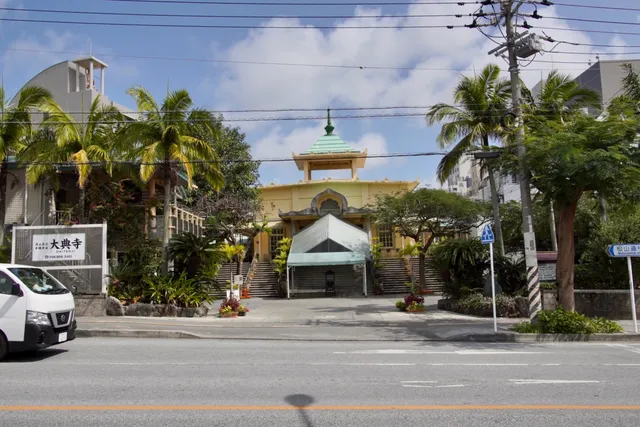
Daitenji
4.1
(30)
Open until 12:00 AM
Click for details
Nearby restaurants of Fukushūen Garden
Fukushūen Garden Cafe Restaurant
Takara Diner
Cafe Okinawashiki
HIMALAYAN CURRY HOUSE&SPICE CENTER KUME
Aguro Baisen Coffee
Sennichi
Okinawan Cuisine Gaja Haruko Sakaba
PASTAIONE OKINAWA
Shimauta Yaninju
Ramen Koryu Naha Matsuyama
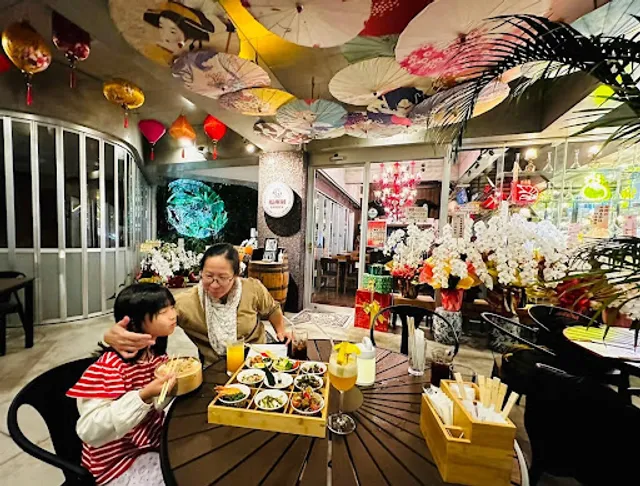
Fukushūen Garden Cafe Restaurant
4.4
(106)
Closed
Click for details
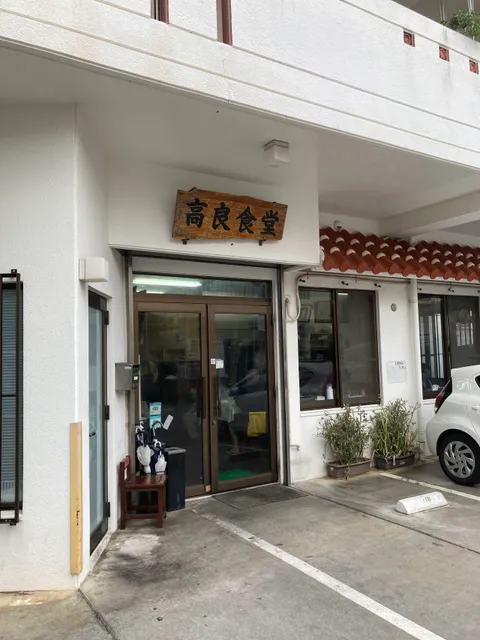
Takara Diner
4.3
(751)
Closed
Click for details
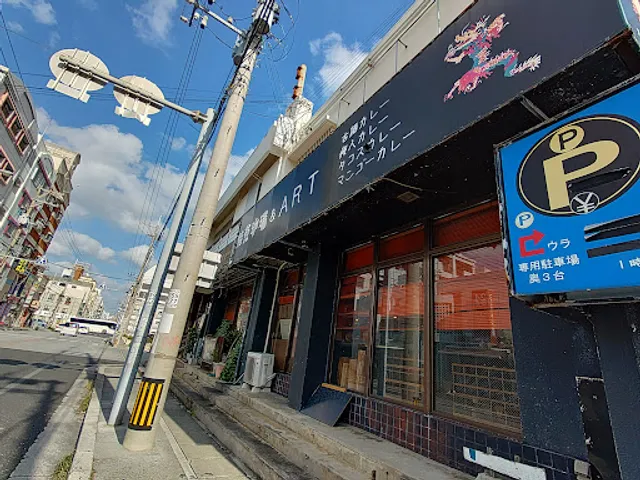
Cafe Okinawashiki
4.4
(201)
Closed
Click for details
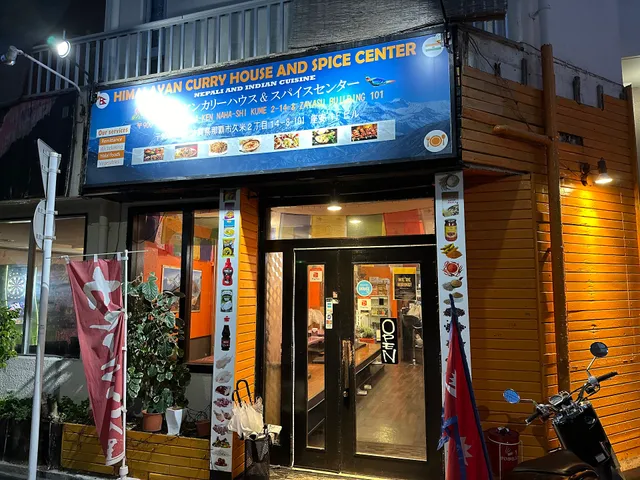
HIMALAYAN CURRY HOUSE&SPICE CENTER KUME
4.9
(257)
Closed
Click for details
Nearby local services of Fukushūen Garden
Matsuyama Park
Lions Mansion Daimonkaku
RYUBO Department Store
Palette Kumoji
『Chura Bowl 』アサイーボウル専門店
Panasonic Service Center
Prefectural Office Station
不屈館
Ryubo Supermarket
CROWN
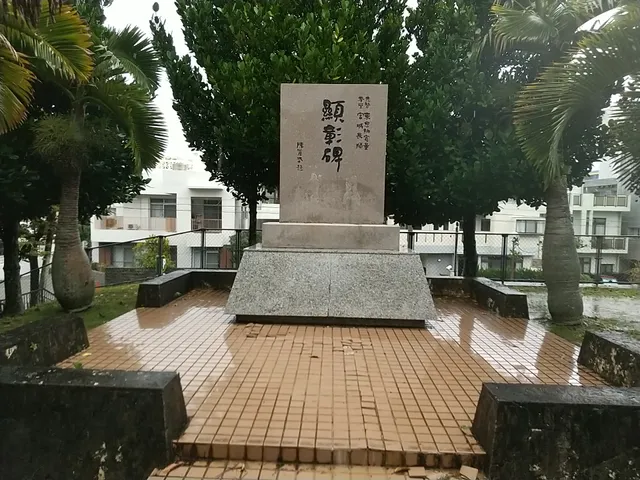
Matsuyama Park
3.7
(166)
Click for details
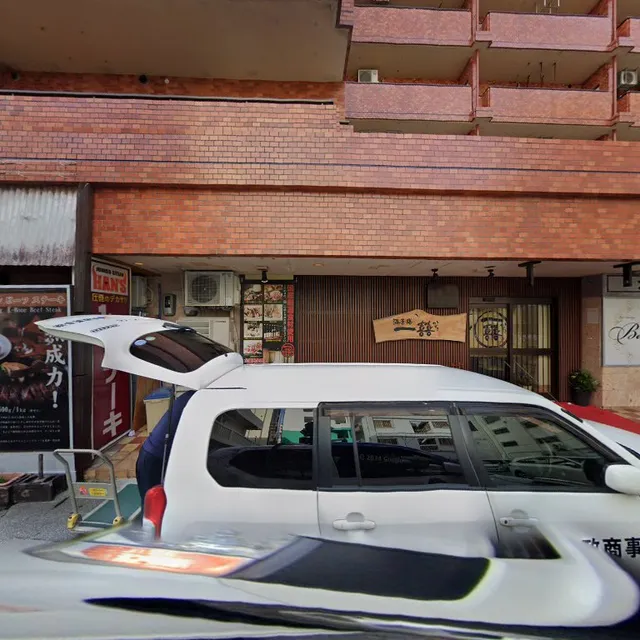
Lions Mansion Daimonkaku
4.5
(387)
Click for details
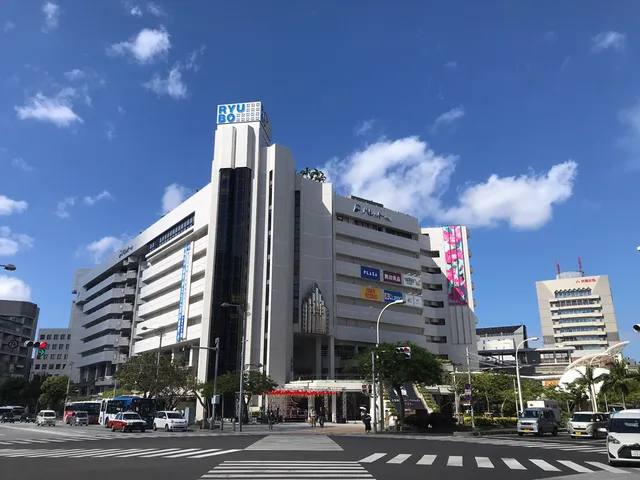
RYUBO Department Store
4.0
(2.7K)
Click for details
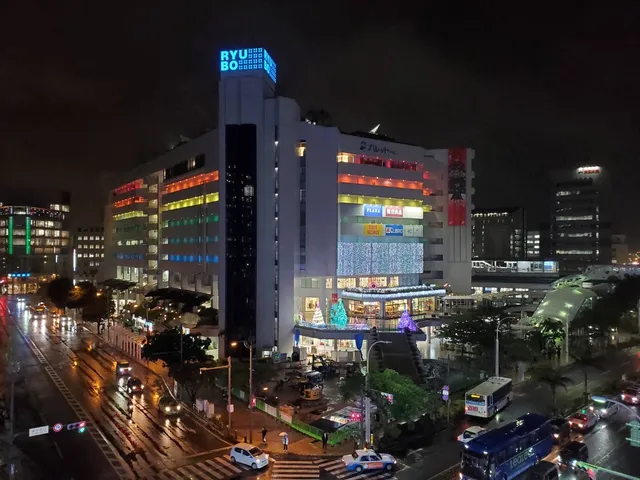
Palette Kumoji
4.0
(1.1K)
Click for details