This is a review of the museum, not artworks/ hotel. Let me preface this by saying I really wanted to love this place - this had been years in the planning and saving up.
My husband and I drove to Naoshima. We stayed overnight (NOT at the ludicrously expensive Benesse House hotel).
We've travelled through Japan &have been to modern art museums here: Kanazawa's 21st Century Museum, Aomori's Museum of Art, Ueno, Mori, Tokyo’s TeamLab exhibition, and Niigata Prefectural Museum. Overseas: The MET, Guggenheim, The Louvre, Sydney's White Rabbit, MCA, Danubiana Slovakia. You get the gist. We’re not art experts but we appreciate modern art. So it’s with a heavy heart that I give this low rating.
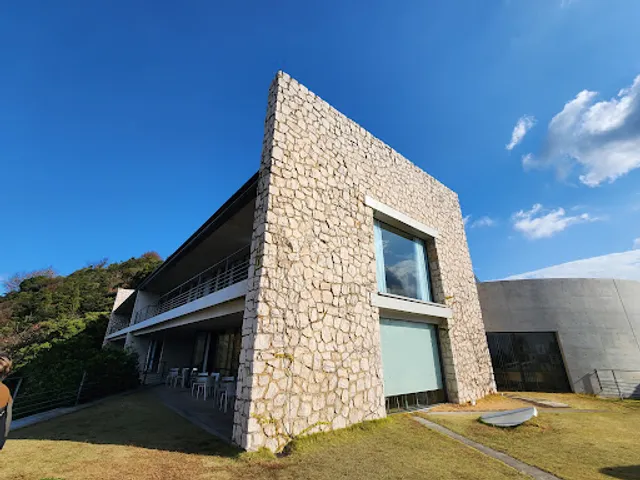
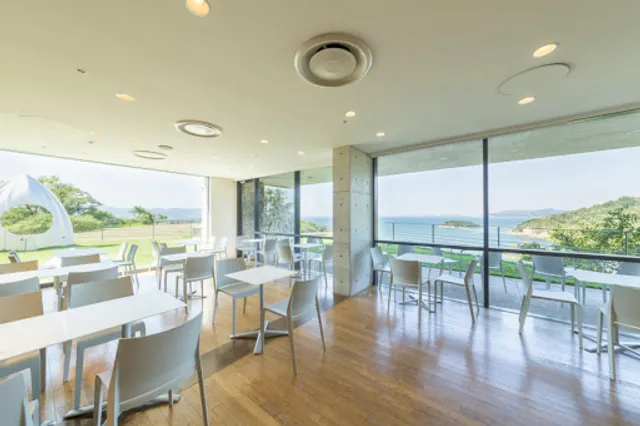
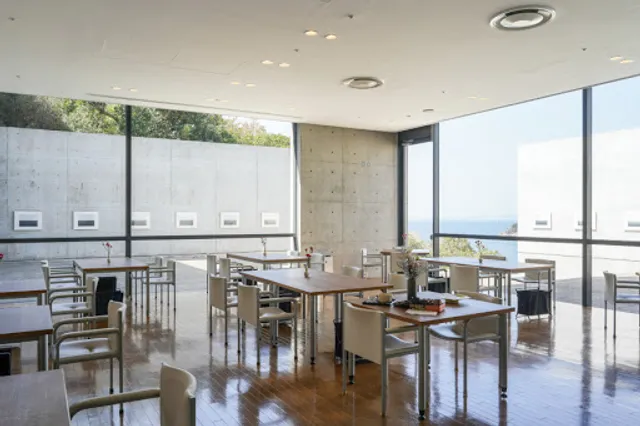
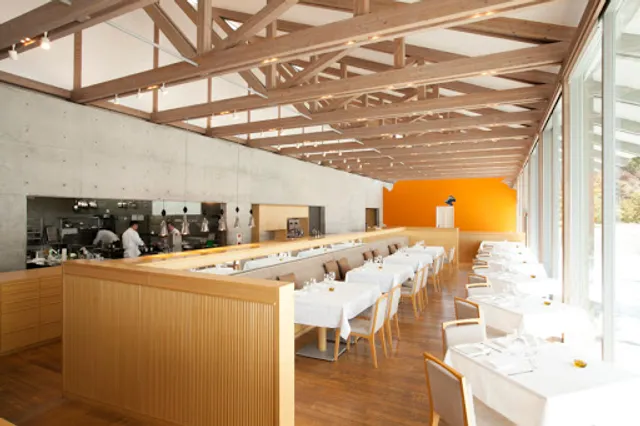
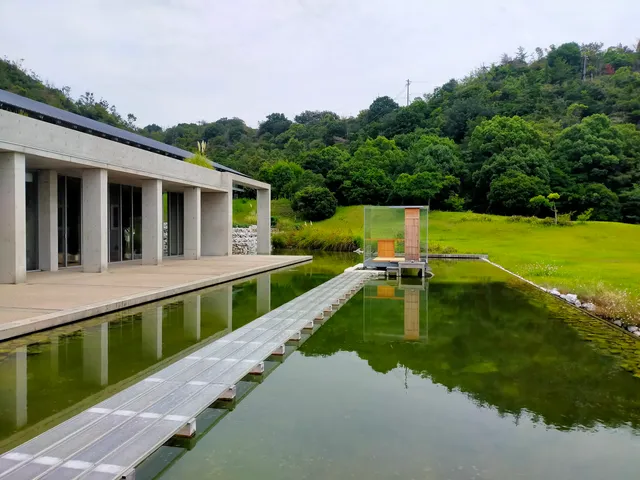
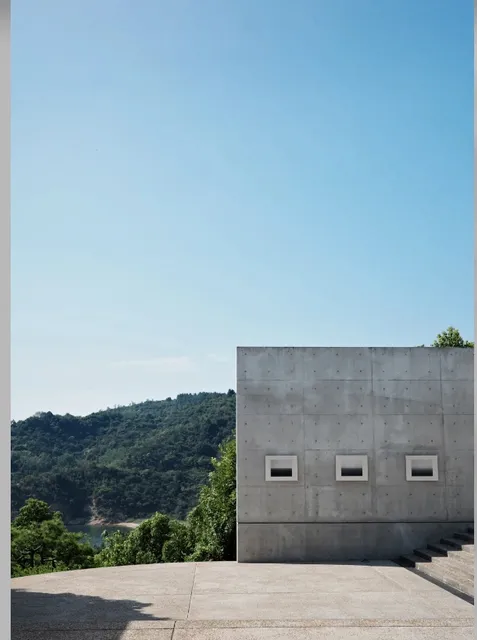
Don’t get me wrong, the location & building is stunning. But Benesse House is first a hotel, and only a gallery a distant second. And as such, it lacks the passion that art-lovers have for art – it lacks soul.
All great galleries empower visitors with knowledge, with the vitality that great artists and powerful art can evoke. It should be space where someone without knowledge of art is welcomed. It should be inclusive; shares its treasures and makes the artists’ works accessible and thus, connect the viewer to the art and the deeper questions that the artists raise.
Benesse House offers none of this. Instead, Benesse House felt like snobbery.
The gallery offers no info other than title, year and artist's name. For all its beauty, its halls echo with a cold emptiness. The magnificent interplay of thoughts and beautiful colours with the backdrop of nature are muted by the perplexing and pretentious withholding of information. You would think a Warhol, a Basquiat and other great works which are so delightful and have had such impact on global pop culture would be celebrated with more detail on their legacy to art history, but no, there is no such joy or enthusiasm. Jennifer Bartlett’s Yellow and Black Boats had no information on the physical reflection of the painting and sculpture; a life-sized black and yellow boat placed on the beach across from the building. I wonder how many visitors have missed her whimsical Alice-in-Wonderland nod because they are simply not told. It is a diservice to the viewer and the artists.
It’s little “in jokes” like these which are KEPT secret that made me feel that Benesse House was less of a gallery to promote art and moreso bragging rights for those rich enough to visit. For those who can afford to stay at the hotel, it may be a 5-star experience, but the museum has an arrogant exclusivity that the likes of Basquait and Warhol would have hated. Their playful cynism, darkness, risk-taking and subversiveness are wasted at Benesse House.
It felt like a tycoon’s passing interest: a collection of great artworks now relegated to mere decoration. A dilettante’s expensive boast.
It costs 1050Yen to enter and less than 100 works (some only for hotel guests). It is not the quantity of artworks that is disappointing, but rather the presentation of them without guidance/ enthusiasm. In comparison, Kanazawa’s museum, which is much more accessible, has 3000+ works, permanent installations by Anish Kapoor, Leandro Erlich, Pipolotti Rist and more, and is 1200Yen and shares insight & promotes a love of art.
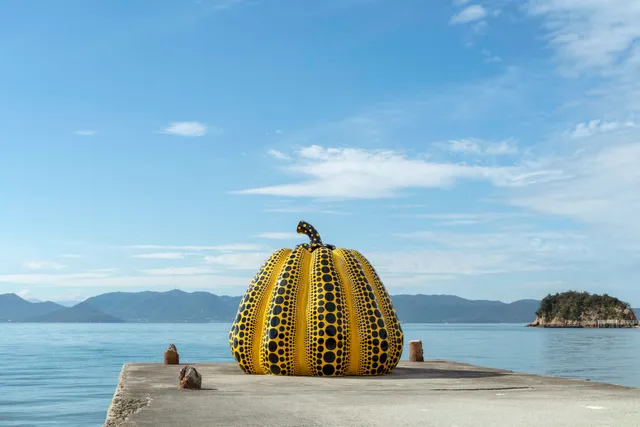
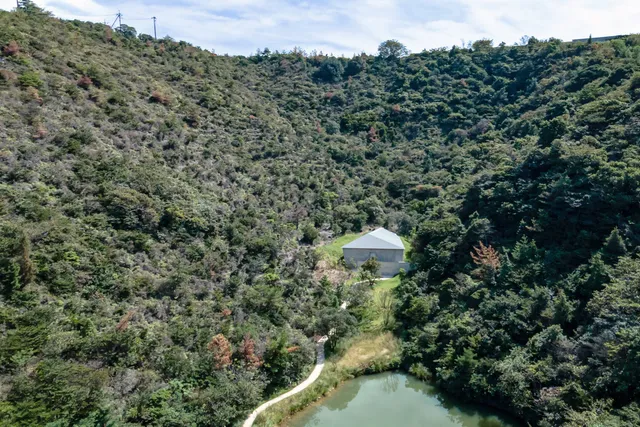
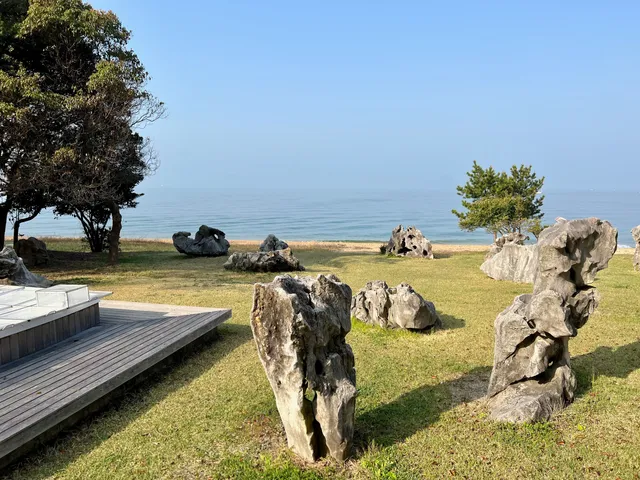
Do walk outside and view the sculptures by Yayoi Kusama and other artists. These sculptures, too, do not have much description, but the outdoor space is free and Naoshima’s nature is the best gallery space of all. (A note on accessibility: Visitors to the museum have to walk from the bottom of the hill to the top. If you’re not a guest, you can’t drive up, drop off or park there. The walk is on a paved road, but it does take about 5-10 minutes for non-disabled people. The walk around the grounds does not feel accessible).
By all means, if you an afford it, go to Benesse House Musem. It is a beautiful space. But read up on the artworks before you go or Google them as you view them, because the elitist echo of Benesse House is louder than the passions of the great artists whose works hang...
Read moreHere’s my take on Naoshima, Japan’s art island, a place that hit me like a bolt of lightning last November 2024—an experience so vivid, so utterly satisfying, it’s still rattling around in my head. I’d heard whispers about this speck in the Seto Inland Sea, a haven where art and nature tangle up in ways that defy expectation, but nothing preps you for the real thing. It’s the kind of spot where you step off the ferry and feel the air shift, like the island’s daring you to see the world differently. And I was all in.
The crown jewel of the trip? Benesse House Museum. Designed by Tadao Ando—yeah, that Tadao Ando, the concrete poet who turns slabs of gray into something that breathes—the place is a masterpiece before you even walk inside. Day one, though, was a bust. I showed up, all eager and wide-eyed, only to find out you need to snag tickets online ahead of time. Rookie move. So, I regrouped, booked for day two, and let me tell you, the wait made it sweeter.
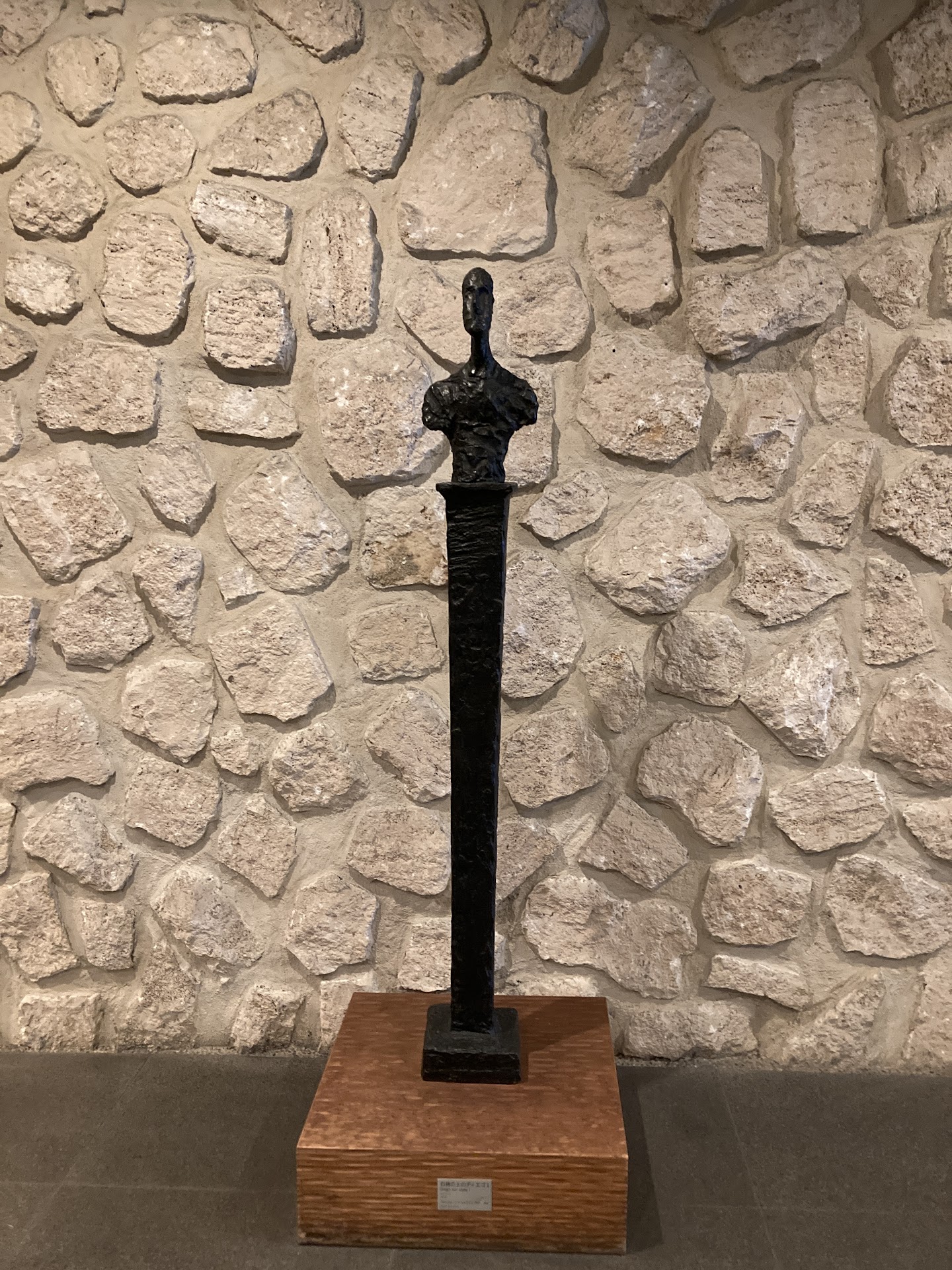
Stepping into Benesse House is like crossing a threshold into someone else’s dream. The collection? A wild, sprawling tapestry of human imagination. You’ve got Giacometti’s spindly figures staring you down, Basquiat’s raw, electric chaos buzzing on the walls, and Richard Long’s land art whispering something ancient and grounded. It’s a lot to take in—almost too much—but it works. The space doesn’t just hold art; it dances with it, Ando’s clean lines and natural light playing off the works like they were meant to be together.
But the real reason I was there, the thing that had me buzzing like a kid on Christmas morning, was Bruce Nauman’s 100 Live and Die. I’d read about it, seen grainy photos, but standing in front of it? That’s a whole other beast. It’s this neon-lit gut punch—words flashing in loops, “live” and “die” trading places in a rhythm that’s hypnotic and unsettling all at once. I stood there longer than I planned, letting it wash over me. It’s not just art; it’s a confrontation. You can’t look away, even if you want to. Nauman’s got this way of making you feel the weight of existence without saying a word—just light and repetition doing the heavy lifting.
What gets me about Naoshima, and Benesse House especially, is how it sneaks up on you. You think you’re just visiting a museum, but it’s more than that—it’s a collision of ideas, a place where the ordinary gets flipped on its head. I left feeling fuller, like I’d stumbled onto a secret I wasn’t quite ready to share. If you’re ever near the Seto Sea, do yourself a favor: go. Book the ticket, take the ferry, and let this island mess with you. It’s worth...
Read moreIn hindsight, I'm glad I stayed here - how many opportunities does one get to stay in a Tadao Ando designed hotel?|However, my initial reaction when I arrived in my very bare room was 'I got ripped off so badly'! This place is very expensive for the quality of the room, you're paying to be part of an experiment in art and architecture rather than for the objective benefits you get. That said, the room, while it doesn't look like anything special after sunset, really is beautiful when flooded with morning light, the service is great (it's especially nice to get so much attention after spending time in budget hotels with bare-bones service), the inclusions such as free transport, and free and after hours entry to some of the museums, are really nice to have (though not worth anywhere near the enormous premium you pay to stay here), and the Japanese breakfast is fantastic (not sure about the dinner, I couldn't afford it and packed konbini snacks to eat in my room instead).|I think that, if you can afford it and you really love contemporary art and architecture, you should spend a night here, but if you can't afford it don't worry, you can still see almost all of Naoshima in one day if you stay in Uno Port instead - arrive there the night before, get an early ferry to Honmura and see the art houses and the Ando museum, then get the town bus to the Benesse House area and see the Chuchi, Lee Ufan, Valley and Benesse House museums (you'll miss out on Time Corridors which closes early for non guests, but it's not that great anyway), then get the town bus to Miyanoura for the baths and the frequent ferries back to Uno - Naoshima's art is quality over quantity, so it really is possible to see all that...
Read more