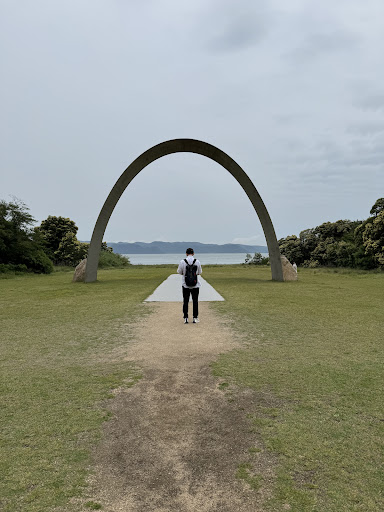
Lee Ufan Museum things to do, attractions, restaurants, events info and trip planning
Basic Info
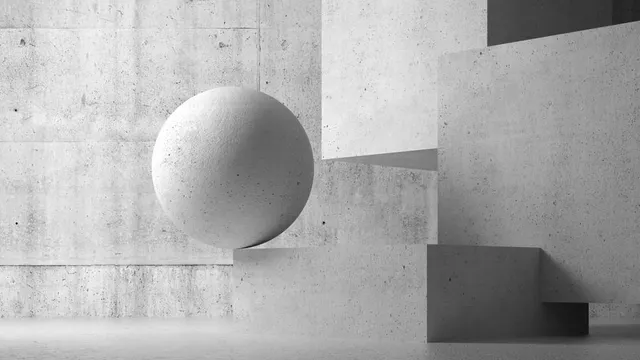
Lee Ufan Museum
Japan, 〒761-3110 Kagawa, Kagawa District, Naoshima, 字倉浦1390
3.9(661)
Closed

tickets
Save
spot
spot
Ratings & Description
Info
Cultural
Scenic
Accessibility
attractions: Chichu Art Museum, Benesse House Museum, Chichu Garden, Yellow Pumpkin, Benesse House Museum Outdoor Works, Seaside Gallery, Drink a Cup of Tea, Shipyard Works By Shinro Otake, Gotanji Swimming Beach, Ebisu Shrine Torii gate, restaurants: Benesse House Museum Cafe, Chichu Cafe, Issen, Terrace Restaurant, EAT LOCAL 直島食堂, Cafe bar-moya, local businesses: Valley Gallery, Benesse House Museum, Chichu Art Museum Ticket Center, Hiroshi Sugimoto Gallery: Time Corridors, Cultural Melting Bath: Project for Naoshima, Labyrinth of Cherry Blossoms, Benesse House Shop, Benesse House Area East Gate, Okame-no-hana
 Learn more insights from Wanderboat AI.
Phone
+81 87-892-3754
Website
benesse-artsite.jp
Open hoursSee all hours
Sat10 AM - 5 PMClosed
Plan your stay

Pet-friendly Hotels in Naoshima
Find a cozy hotel nearby and make it a full experience.

Affordable Hotels in Naoshima
Find a cozy hotel nearby and make it a full experience.

The Coolest Hotels You Haven't Heard Of (Yet)
Find a cozy hotel nearby and make it a full experience.

Trending Stays Worth the Hype in Naoshima
Find a cozy hotel nearby and make it a full experience.
Reviews
Live events
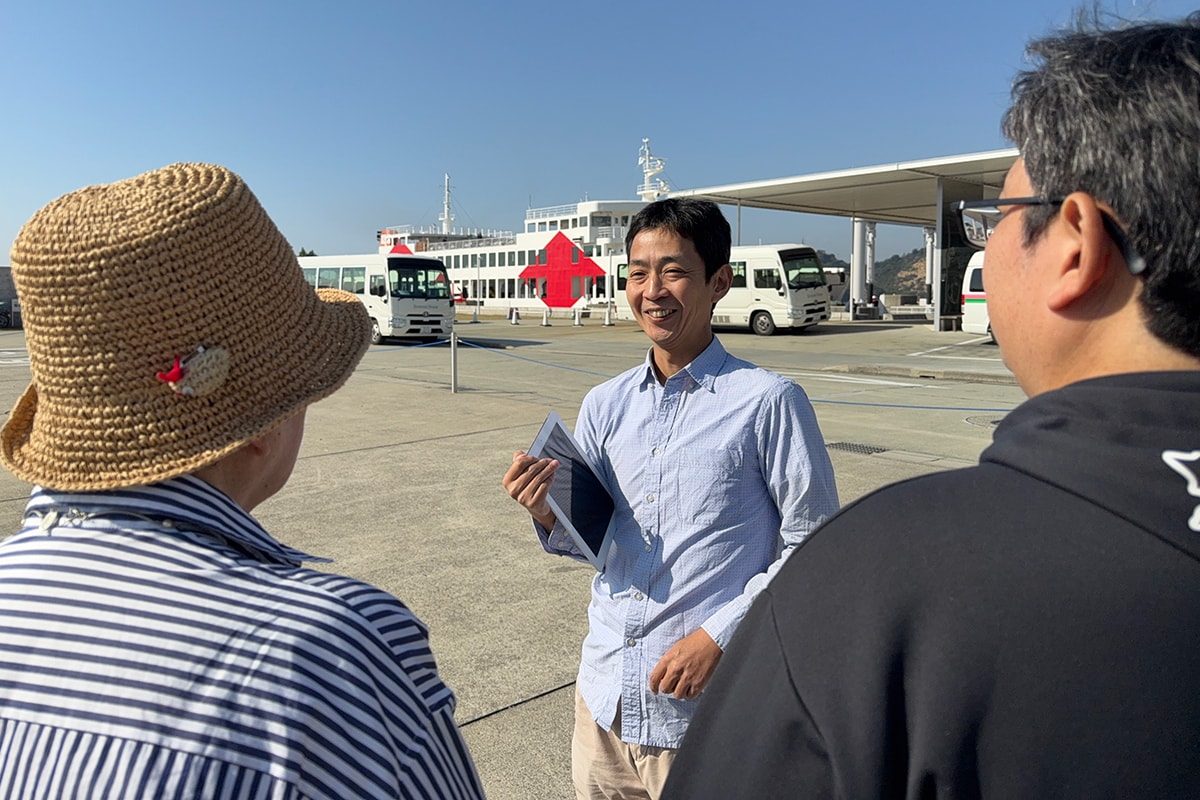
Naoshima and Secret Art Tour with a Former Benesse House Staff
Sat, Feb 21 • 9:00 AM
761-3110, Kagawa, Naoshima, Kagawa District, Japan
View details
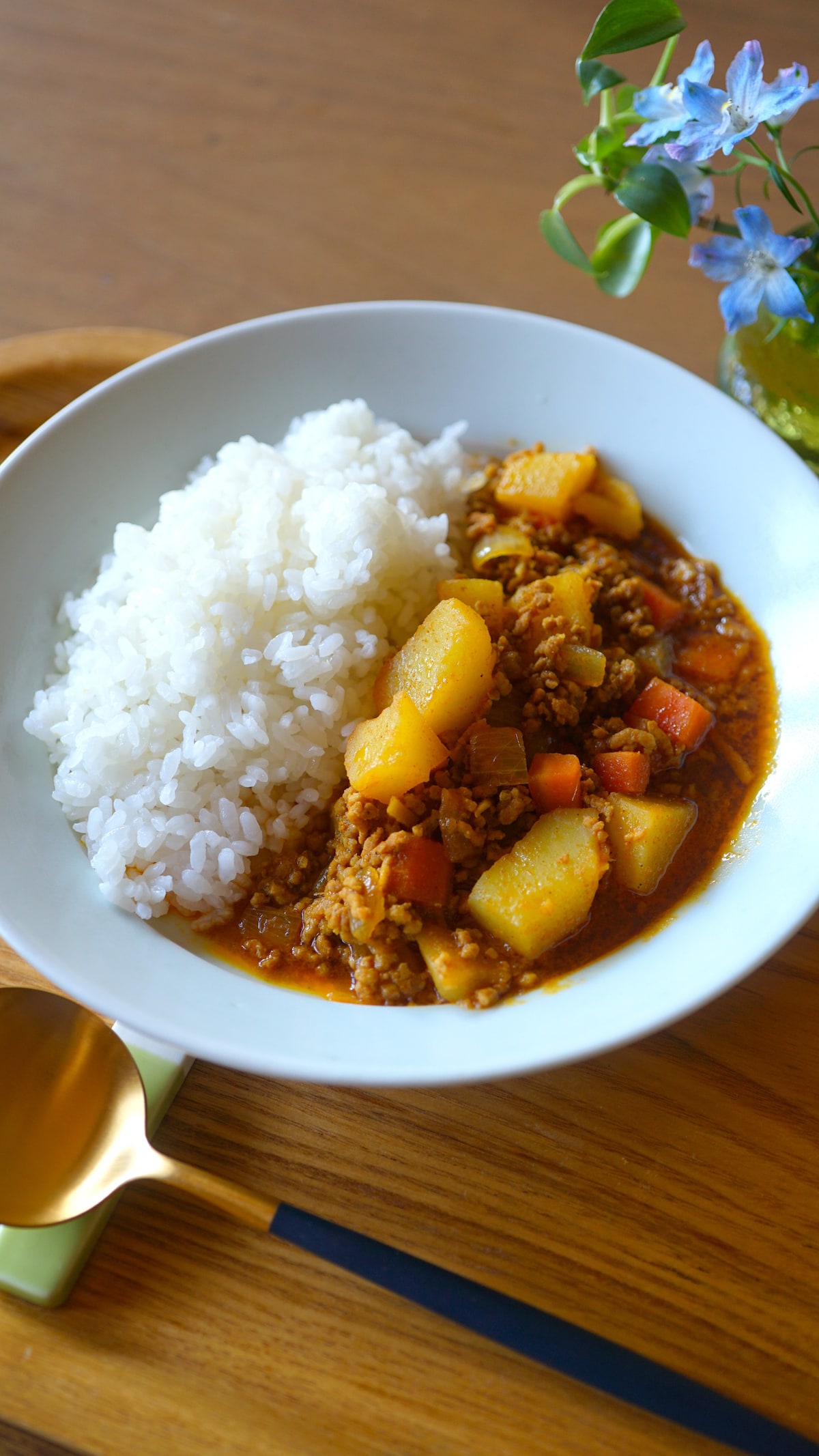
Make Japanese curry and fried chicken with simple ingredients
Sat, Feb 21 • 10:00 AM
760-0078, Kagawa, Takamatsu, Japan
View details
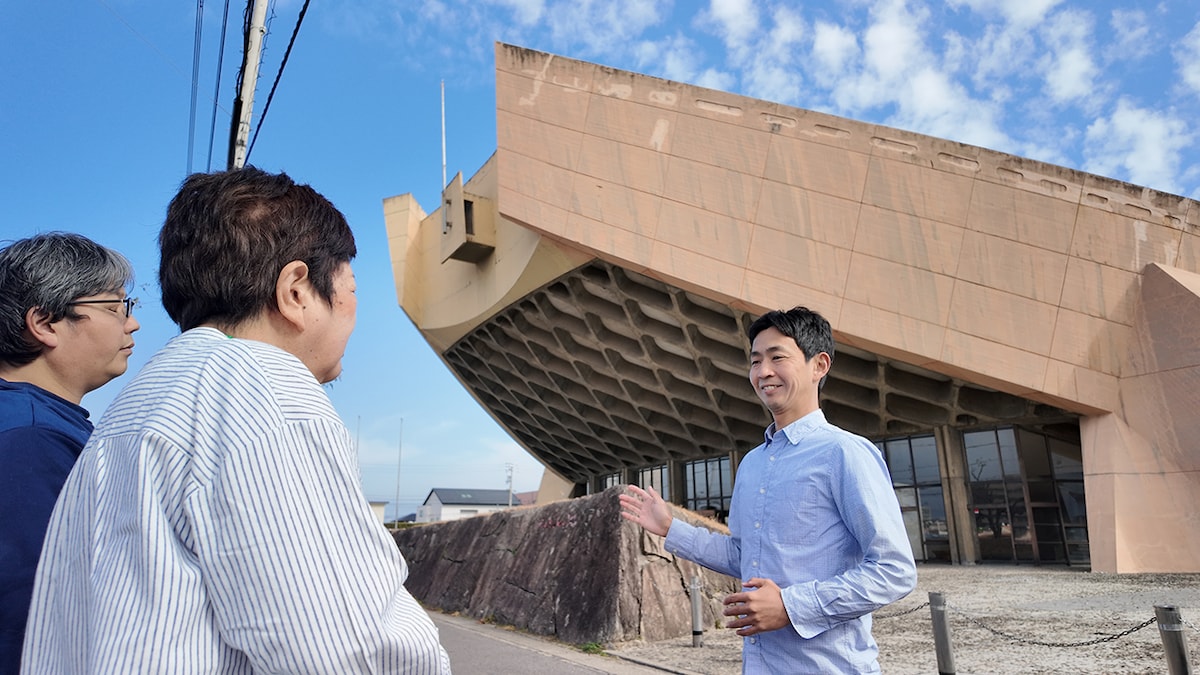
A tour of the works of the master Kensho Tange
Sat, Feb 21 • 1:00 PM
760-0018, Kagawa, Takamatsu, Japan
View details
Nearby attractions of Lee Ufan Museum
Chichu Art Museum
Benesse House Museum
Chichu Garden
Yellow Pumpkin
Benesse House Museum Outdoor Works
Seaside Gallery
Drink a Cup of Tea
Shipyard Works By Shinro Otake
Gotanji Swimming Beach
Ebisu Shrine Torii gate
Chichu Art Museum
4.4
(1.9K)
Closed
Click for details
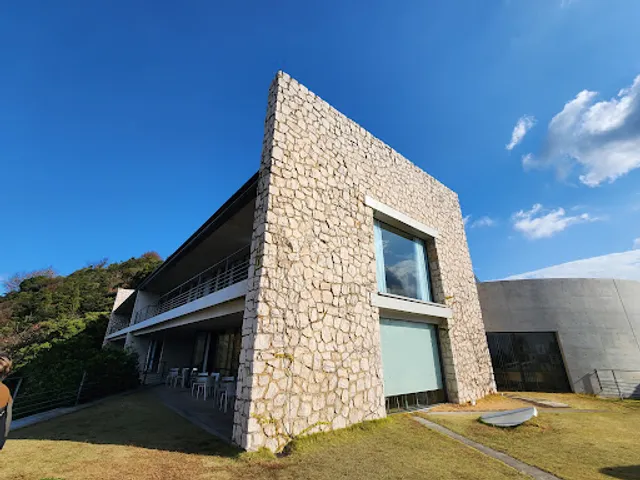
Benesse House Museum
4.3
(1.2K)
Closed
Click for details
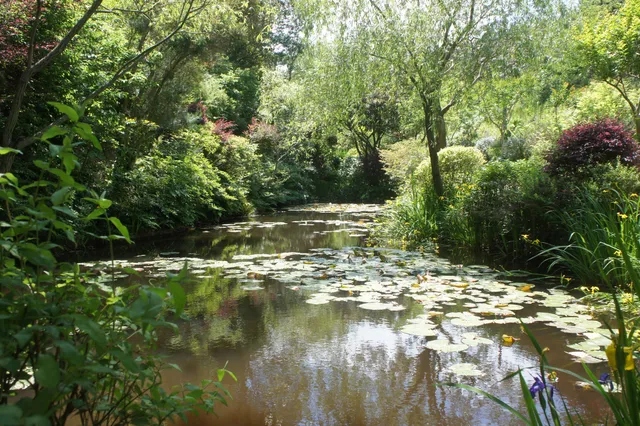
Chichu Garden
4.1
(69)
Open until 12:00 AM
Click for details
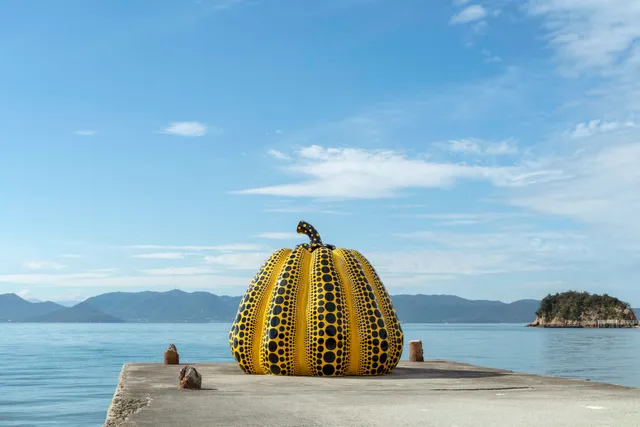
Yellow Pumpkin
4.5
(1.1K)
Open until 12:00 AM
Click for details
Nearby restaurants of Lee Ufan Museum
Benesse House Museum Cafe
Chichu Cafe
Issen
Terrace Restaurant
EAT LOCAL 直島食堂
Cafe bar-moya
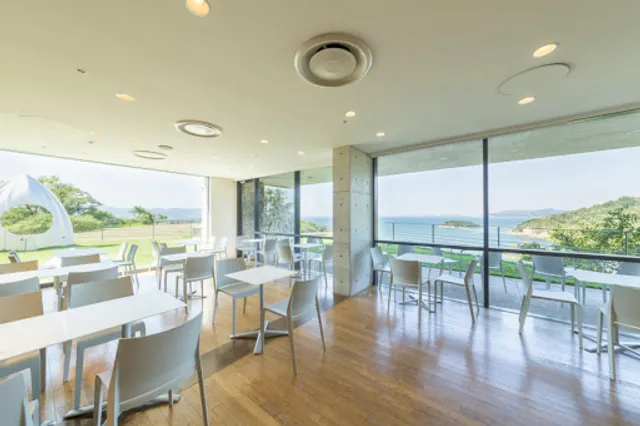
Benesse House Museum Cafe
4.1
(135)
Closed
Click for details
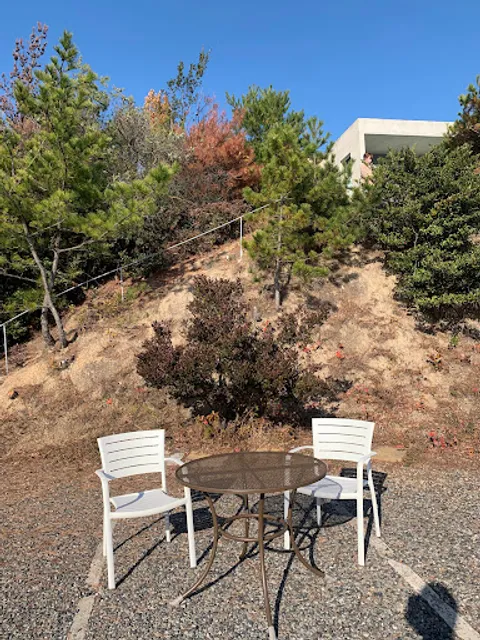
Chichu Cafe
3.9
(143)
Open until 12:00 AM
Click for details
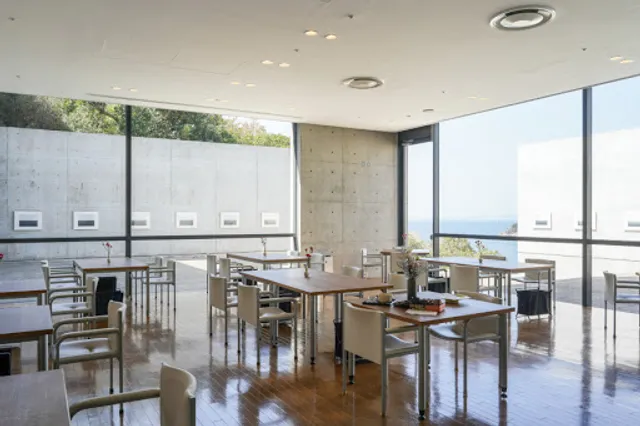
Issen
4.0
(76)
Closed
Click for details
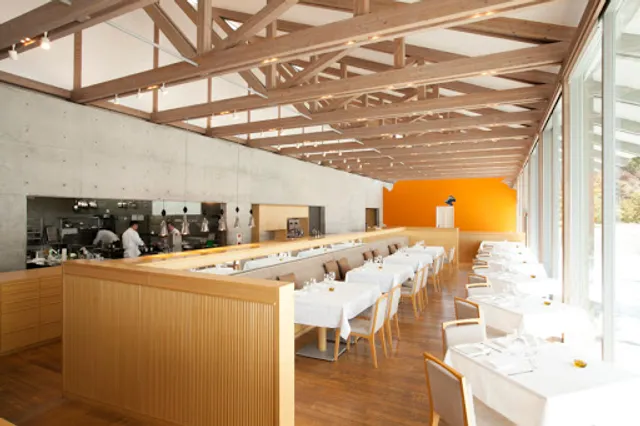
Terrace Restaurant
4.2
(95)
Closed
Click for details
Nearby local services of Lee Ufan Museum
Valley Gallery
Benesse House Museum
Chichu Art Museum Ticket Center
Hiroshi Sugimoto Gallery: Time Corridors
Cultural Melting Bath: Project for Naoshima
Labyrinth of Cherry Blossoms
Benesse House Shop
Benesse House Area East Gate
Okame-no-hana
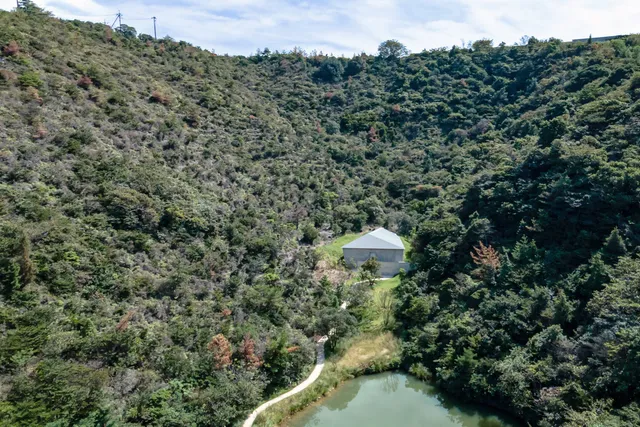
Valley Gallery
4.4
(138)
Click for details

Benesse House Museum
4.3
(953)
Click for details
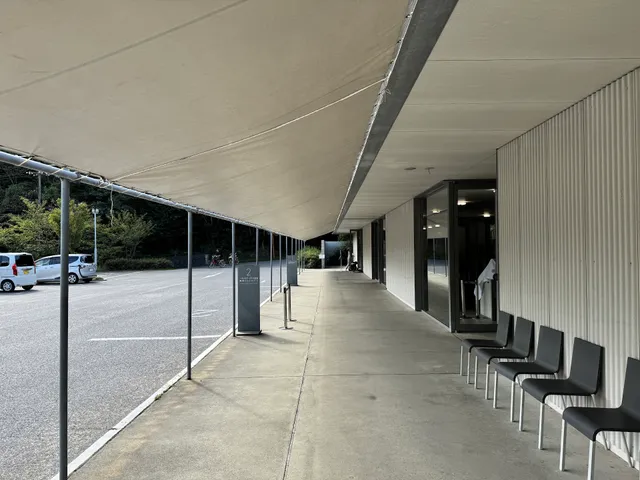
Chichu Art Museum Ticket Center
3.9
(89)
Click for details
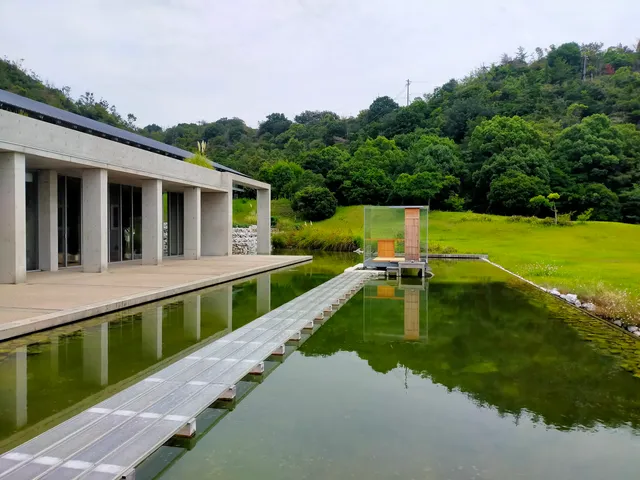
Hiroshi Sugimoto Gallery: Time Corridors
4.5
(189)
Click for details