Naritasan Shinsho-ji: A Sacred Sanctuary in Narita
Naritasan Shinsho-ji, commonly known as Naritasan Temple, is a prominent Shingon Buddhist temple located in Narita, Chiba Prefecture, Japan. Established in 940 AD by the monk Kancho Daisojo, Naritasan Temple has grown into a significant religious and cultural landmark known for its spiritual significance, historic architecture, and vibrant atmosphere. History and Origins
Naritasan Temple traces its origins to a small hermitage founded by Kancho Daisojo, a disciple of Kobo Daishi (Kukai), the founder of the Shingon sect of Buddhism. Over the centuries, the temple has expanded and evolved, becoming a center of worship and pilgrimage for devotees seeking blessings, healing, and spiritual guidance.
Main Attractions:
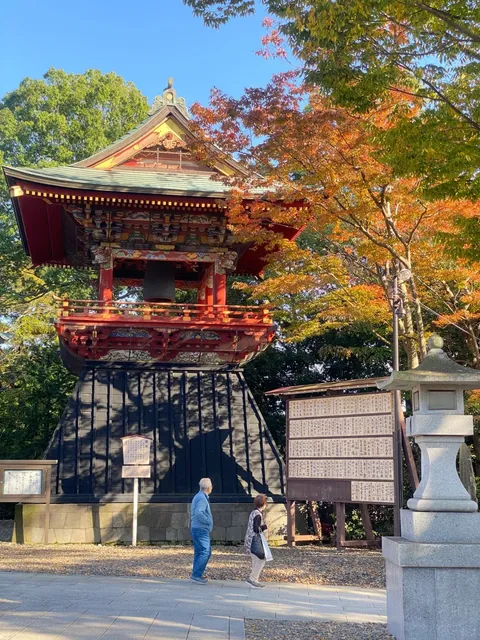
The temple complex encompasses several notable structures and attractions:
Great Pagoda of Peace (Daito): A striking five-story pagoda that serves as the main symbol of Naritasan Temple. It houses a statue of Fudo Myoo, a deity revered for his protective and purifying powers.
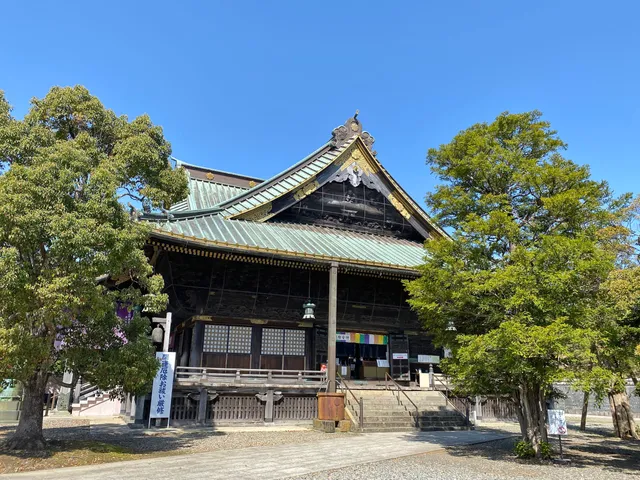
Main Hall (Hondo): The heart of Naritasan Temple, where ceremonies and rituals are conducted. Inside, visitors can admire intricate wood carvings, altar decorations, and religious artifacts.
Shinsho-ji Temple Museum: Exhibits artifacts related to the history and cultural significance of Naritasan Temple, including ancient scrolls, religious artworks, and artifacts donated by worshippers over the centuries.
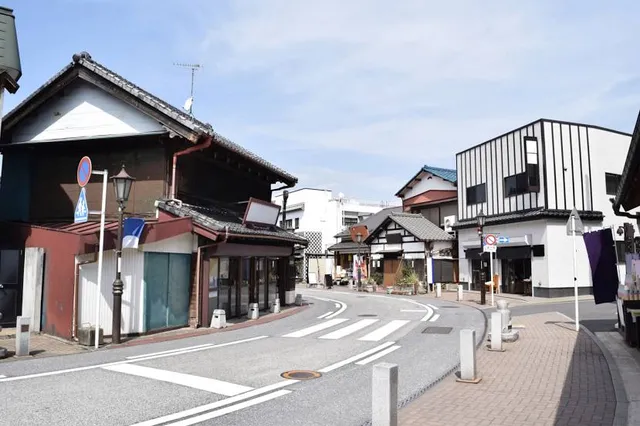
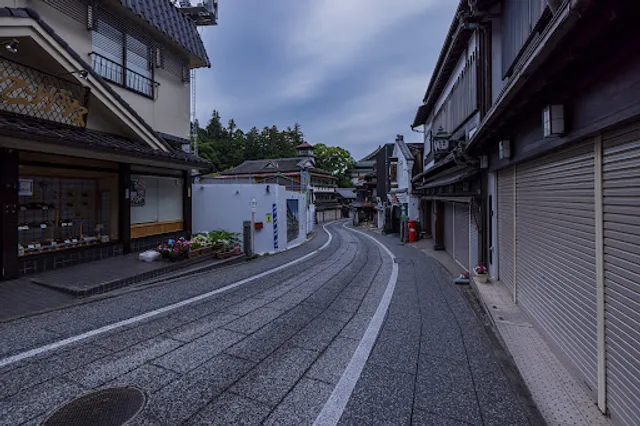
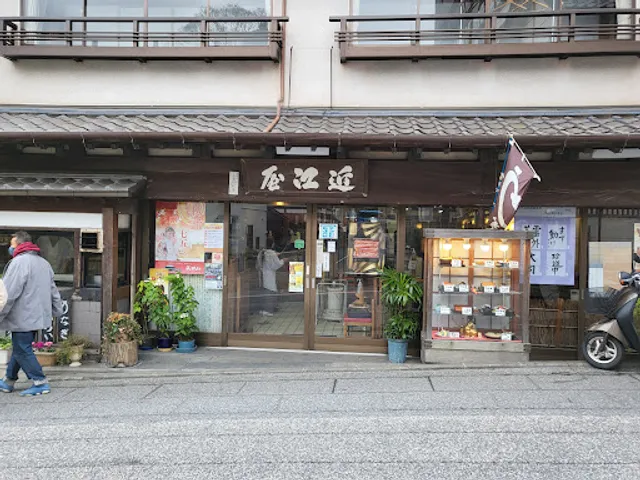
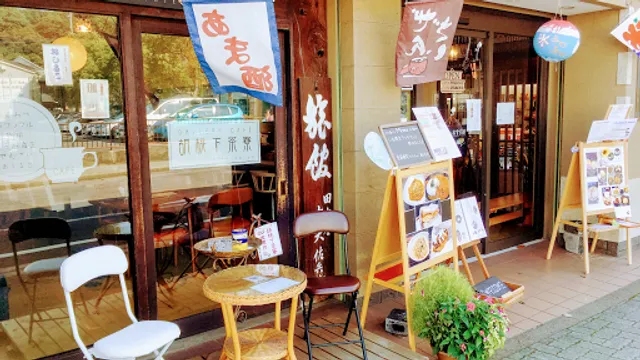
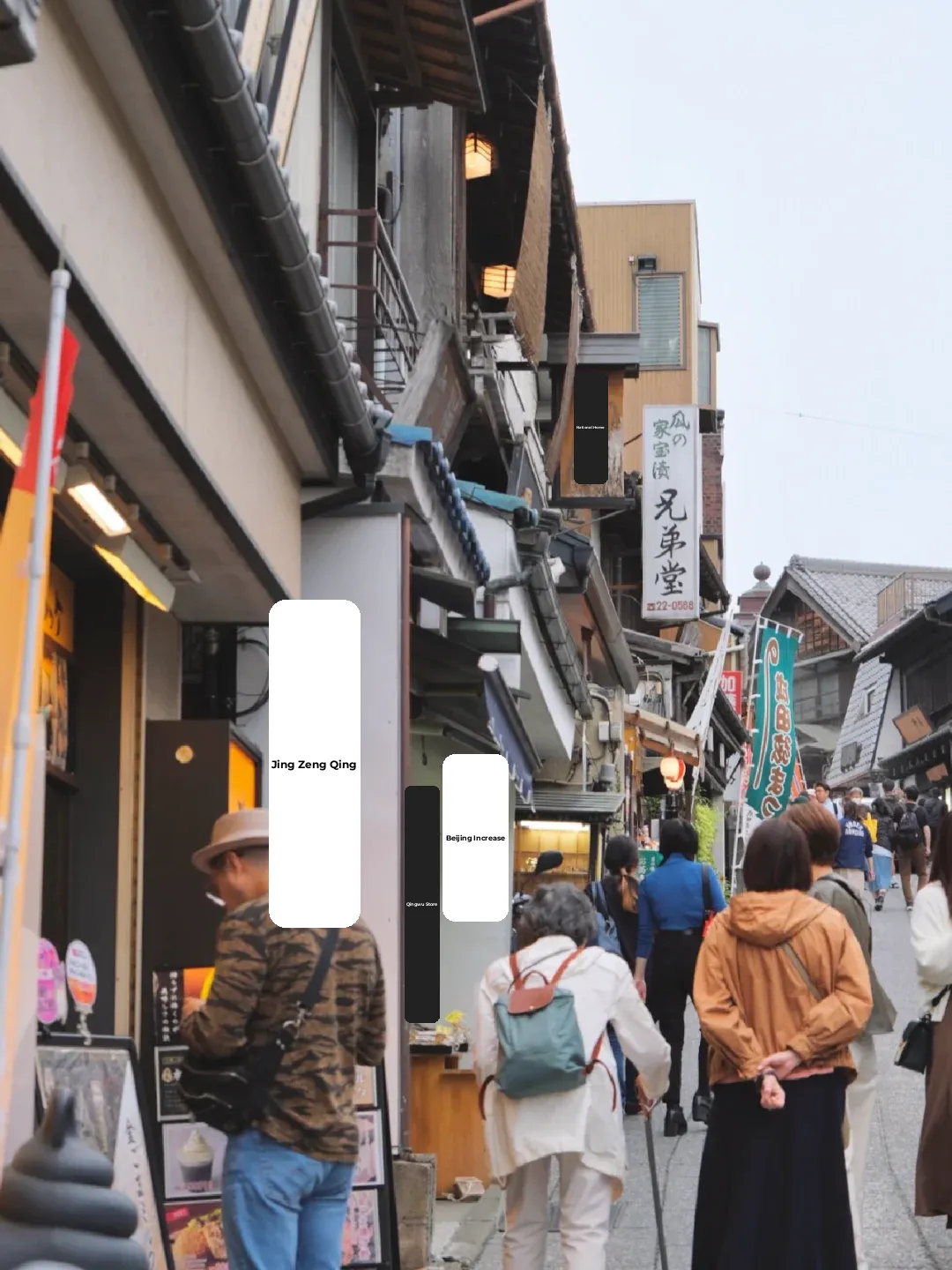
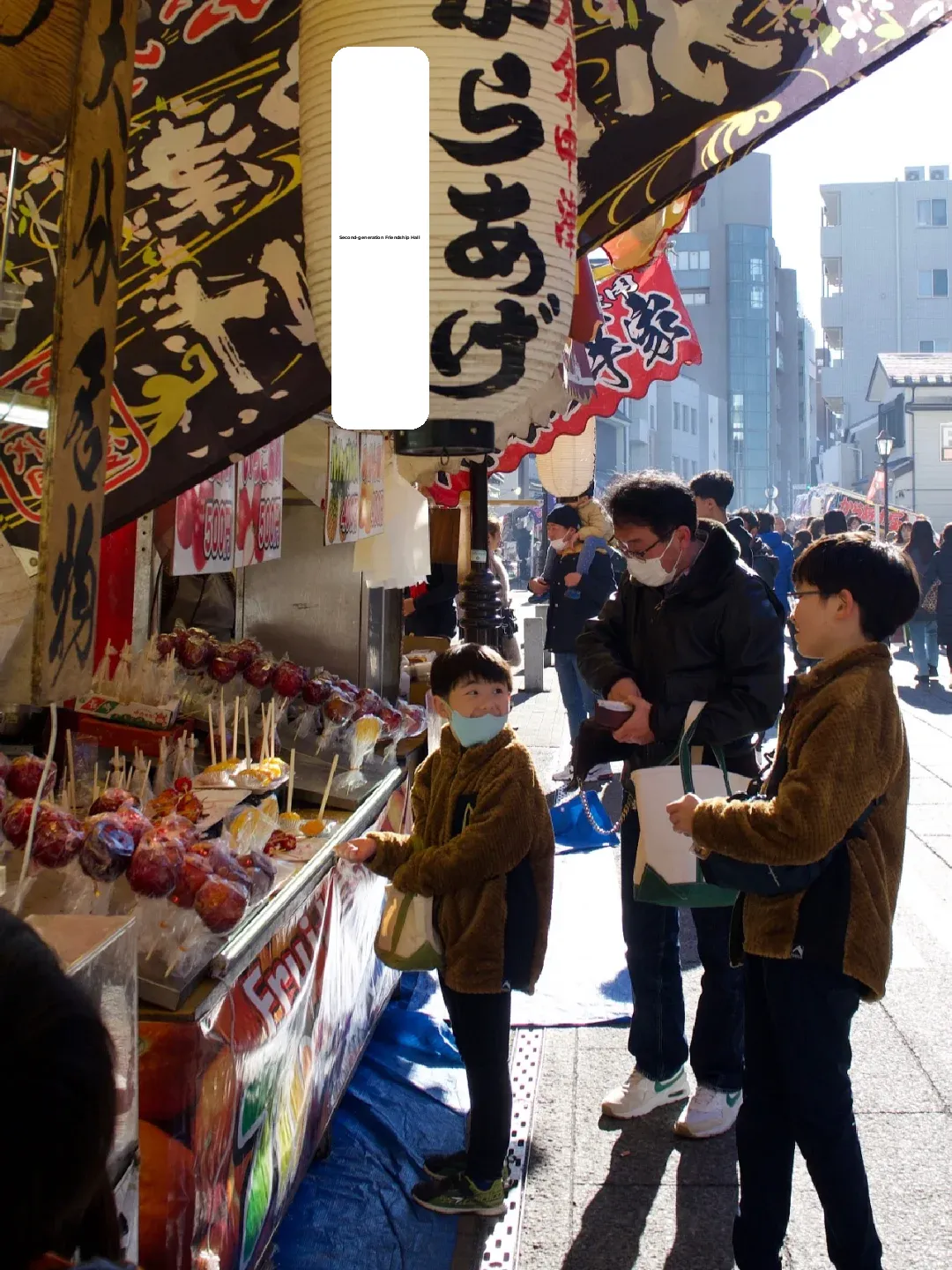
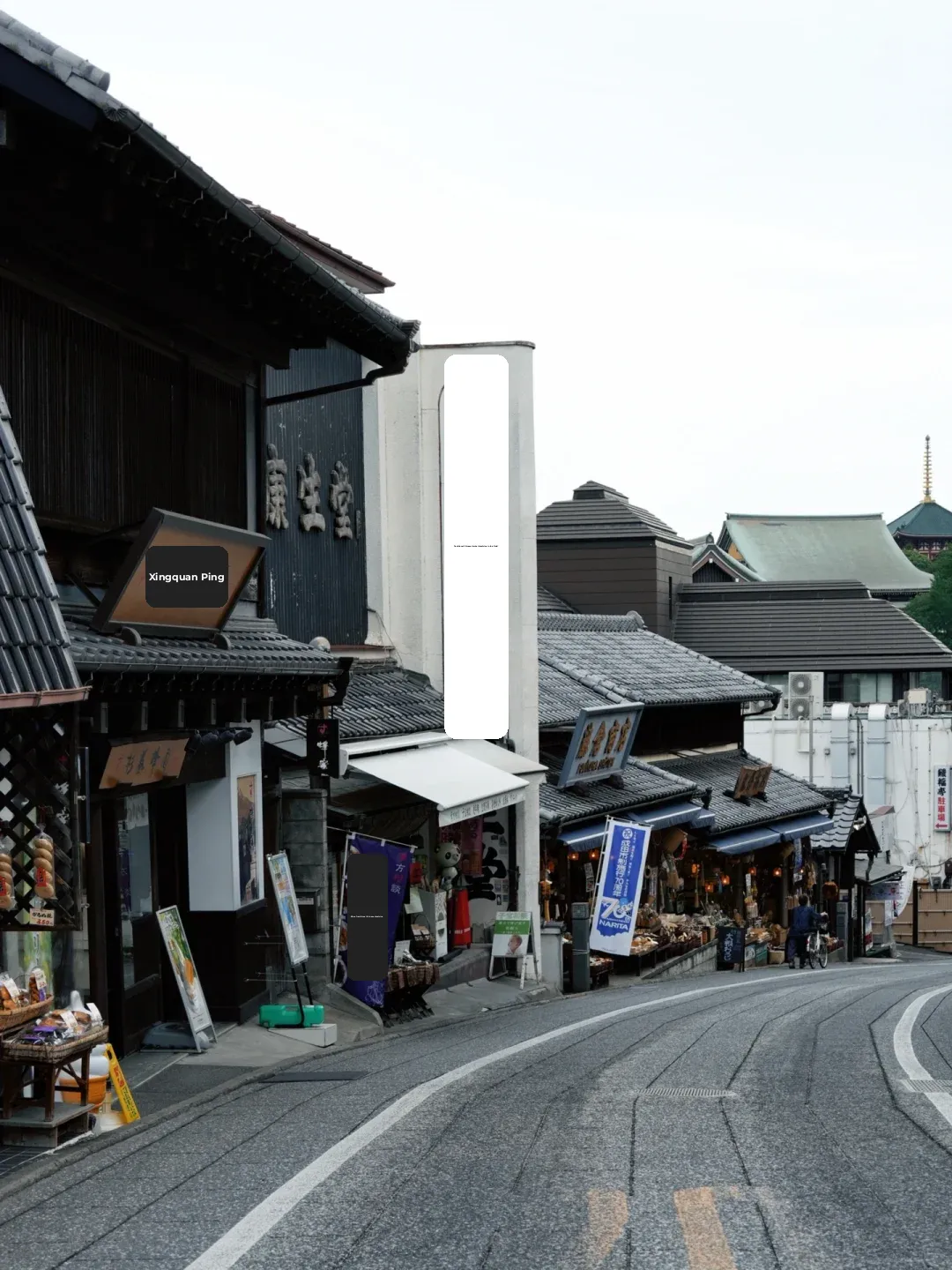
Omotesando Street: A bustling street leading to the temple grounds lined with shops selling souvenirs, local snacks, and religious goods. It offers a lively atmosphere and is popular among visitors and pilgrims alike.
Cultural and Religious Practices:
Naritasan Temple is known for its rich cultural traditions and religious practices:
Goma Rituals: Fire rituals performed for purification and spiritual blessings, believed to grant protection and prosperity to participants.
Ema Votive Tablets: Visitors can purchase ema (wooden votive tablets) to write their prayers or wishes, which are then hung at the temple grounds as offerings to the deities.
Seasonal Festivals: The temple hosts various festivals throughout the year, including Setsubun (Bean-Throwing Festival), Hanami (Cherry Blossom Viewing), and Gion Matsuri (Summer Festival), featuring traditional performances and ceremonies.
Accessibility and Visiting Information:
Naritasan Temple is easily accessible from Narita Station or Narita Airport, making it a popular destination for travelers arriving or departing from Tokyo. Visitors can explore the temple grounds, participate in rituals, and experience the tranquil ambiance of this historic religious site.
Naritasan Shinsho-ji remains a cherished spiritual sanctuary and cultural treasure, offering visitors a glimpse into Japan's Buddhist heritage and traditions. Whether you are seeking spiritual solace, cultural immersion, or simply wish to explore its architectural beauty, Naritasan Temple welcomes all with its profound sense of tranquility and reverence. It stands as a testament to the enduring legacy of Buddhism in Japan and continues to inspire pilgrims and visitors from...
Read moreWalking through Naritasan Shinshoji Temple feels like stepping into a living timeline of Japan’s spiritual and cultural heritage.
Founded in 940 CE, the temple has grown over centuries into a sprawling complex where history, faith, and artistry coexist seamlessly. What struck me most is how each structure tells its own story, yet together they create a rhythm—an unbroken flow of tradition and renewal.
We, a group of six Malaysians coming for our Mt Fuji expedition, visited this temple on 30 July 2025 to kill some time upon arriving at Narita Airport before checking in to our accommodation in Tokyo. What began as a simple detour quickly turned into one of the most memorable highlights of the trip.
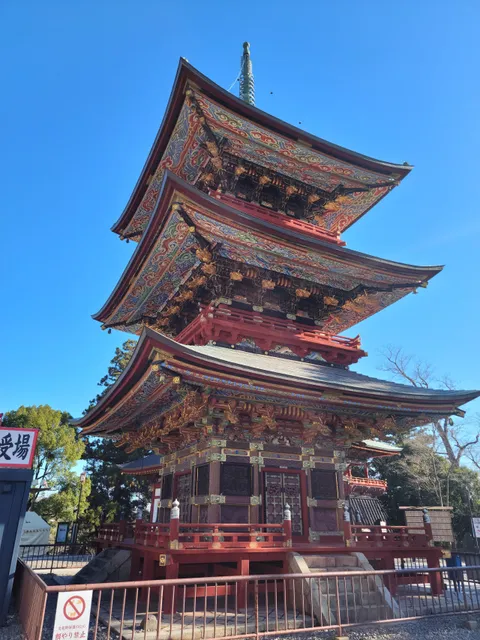
The journey begins with the grand Niomon Gate, its massive guardian statues standing as if frozen in eternal vigilance. Passing through, you enter a world where ancient pagodas and modern reconstructions blend without losing their sacred character. The Three-Story Pagoda, with its delicate carvings and vivid colors, feels like a jewel box of Edo-period craftsmanship—ornate but harmonious, reminding you that architecture here was always more than function; it was an offering in itself.
The Main Hall, by contrast, overwhelms with scale rather than ornament. Its golden altar, soaring roof beams, and tatami-lined expanse give it an atmosphere of solemn energy. Watching monks in colorful robes perform their ritual processions inside made me realize how this isn’t just a preserved monument—it’s a temple still alive, still breathing with daily devotion. The deep resonance of chants and drums carried through the hall in a way that gave the space both gravitas and warmth.
What ties everything together is Naritasan’s cultural role as a place of pilgrimage. Since the Edo period, commoners flocked here not only for religious purposes but also for a sense of shared belonging. Walking its paths today, you sense that continuity—the same incense smoke curling skyward, the same wooden halls echoing with prayers, the same pagodas standing firm against centuries of change.
For us, Naritasan Shinshoji was less about single highlights and more about layers. Each gate, hall, and pagoda is a fragment of Japan’s past—political stability, artistic ambition, spiritual resilience—woven into one living temple. It’s the kind of place where history isn’t trapped behind glass; it lingers in the air, beneath the roof tiles, in the footsteps of monks and...
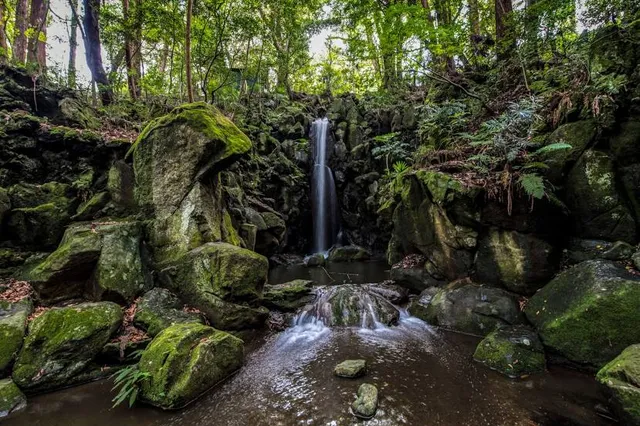
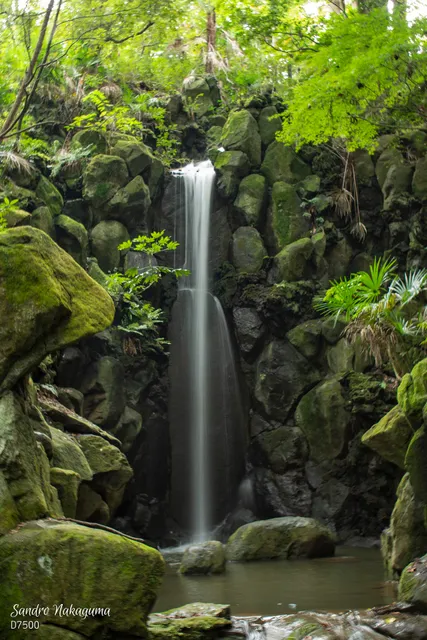
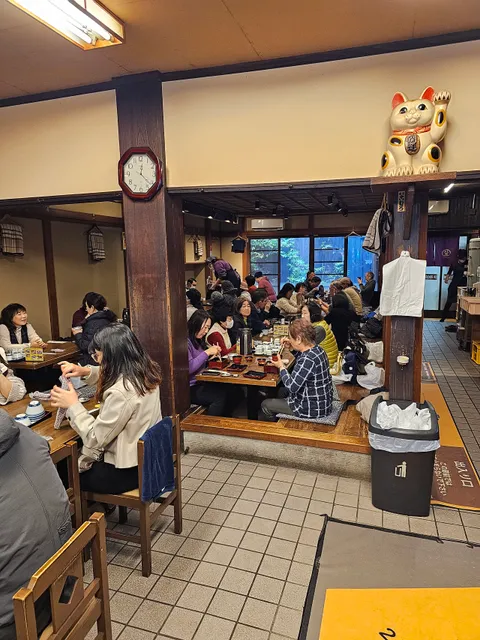
Read moreNaritasan Shinshō-ji Temple is located in Narita and is on two train lines from Narita Airport which serves the Tokyo and area, and is the main international airport for all of northern Japan. the temple is pristine and still in use today with it being frequented by practicing Buddhists, Japanese visiting persons, and flight crews looking to relax between flights. if you time your visit right, you can join the services at the temple or just watch respectfully, just take off your shoes and turn off your cell phone and any cameras, which are not permitted to be used inside - towards the end of the services they play the large "earthquake" taiko drums, some of which are nearly the size of a large van. it is very relaxing here and a perfect way to unwind on a stopover at Narita Intl. Airport; there is even small forest with a waterfall. to get to Naritasan from Narita, take the Kensei line to Narita and exit the station and go towards the traffic light and turn right, or simply turn right immediately as you exit and then left where the street ends, there you will see a narrow street that winds toward the temple - there are nice shops and restaurants along the way. There are actually two trains that go there from Narita Airport, it is recommended to take the Kensei Line and when you return, the two stations are only a block apart, the Kensei Narita station is smaller and across from a bank and next to the Kawai Bldg; each station serves the respective train lines. It takes about 40 minutes to get from the airport to the steps of the temple and costs about $2.50 - you would need at least a five hour layover to venture here and enjoy it. if you are wondering on going here or Tokyo on a stopover, you need to factor in 3 hours for entering and exiting your flights gate area if you have your boarding pass and have checked luggage already, which includes security and immigration; it takes the minimum of 40 minutes, average of an hour to get to the train station in Tokyo and another 20 - 30 minutes to get to an area like Harajuku and costs around $20. so it would take about 4.5 hours to go from flight gate to temple steps in Naritasan, or 6 hours to get to just the station at...
Read more