Gotokuji Temple things to do, attractions, restaurants, events info and trip planning
Basic Info
Gotokuji Temple
2 Chome-24-7 Gotokuji, Setagaya City, Tokyo 154-0021, Japan
4.5(4K)
Open until 5:00 PM
Save
spot
spot
Ratings & Description
Info
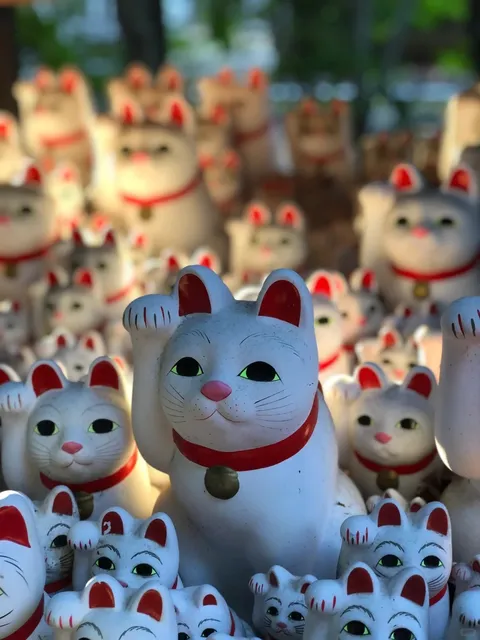
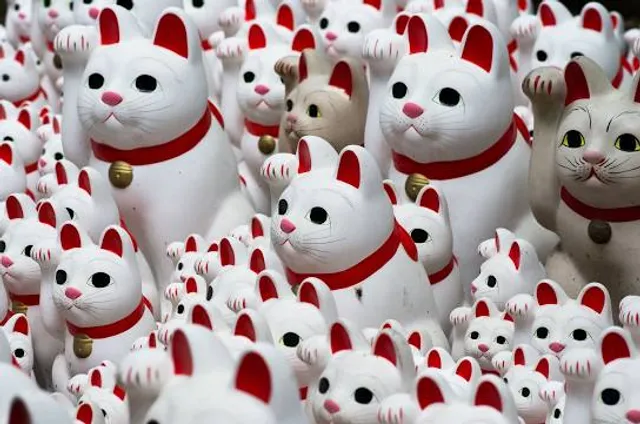
Daikeizan Gōtoku-ji is a Buddhist temple located in the Gōtokuji district of Setagaya ward, Tokyo, Japan. Gōtoku-ji is a Sōtō Zen temple and served as the Bodai-ji of the Ii clan, who were lords of the Hikone Domain, in Edo period. It is known as the "cat temple" because of the Maneki-neko.
Cultural
Relaxation
Pet friendly
attractions: Maneki-neko sculpture, Setagaya Hachimangu Shrine, Buddha Hall, Site of Setagaya Castle, Pine trees along the approach to Gotokuji Temple, Tsurunoyu, Setagaya Kuritsu Gotokuji Inarishitabashi Park, Setagaya Castle Site Park, Setagaya Donguri Hiroba Park, Kokushikan University, restaurants: Relaxin, GOTOKUJI CAFE piece of peace, Chouette torréfacteur laboratoire, RARASAND, Marucho, IRON COFFEE, 辣上帝(らしゃんてい), Working cafe halo(ワーキング カフェ ハロ), FIKAFABRIKEN, ギャラリーカフェ Atelier T, local businesses: Kotokuji, Shofuku-den, Gōtoku-ji Gate, Jutokuji Temple, Three-Story Pagoda, Gōtoku-ji Bell Pagota, Buddha Hall, Fukudaya, Jotokuin, 豪徳寺商店街
 Learn more insights from Wanderboat AI.
Phone
+81 3-3426-1437
Website
gotokuji.jp
Open hoursSee all hours
Sun6 AM - 5 PMOpen
Plan your stay

Pet-friendly Hotels in Tokyo
Find a cozy hotel nearby and make it a full experience.

Affordable Hotels in Tokyo
Find a cozy hotel nearby and make it a full experience.

The Coolest Hotels You Haven't Heard Of (Yet)
Find a cozy hotel nearby and make it a full experience.

Trending Stays Worth the Hype in Tokyo
Find a cozy hotel nearby and make it a full experience.
Reviews
Live events
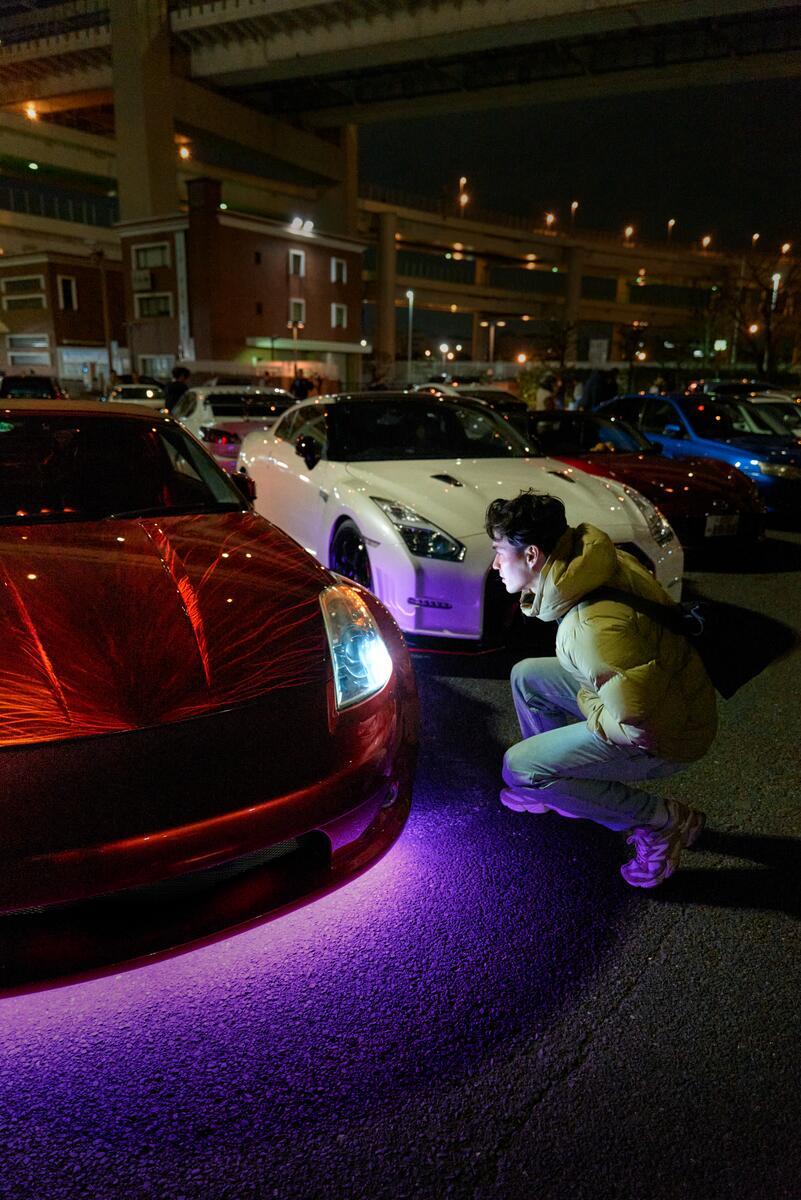
Drive Tokyo’s car culture in a Nissan Skyline
Mon, Feb 23 • 8:30 PM
150-0047, Tokyo Prefecture, Shibuya, Japan
View details
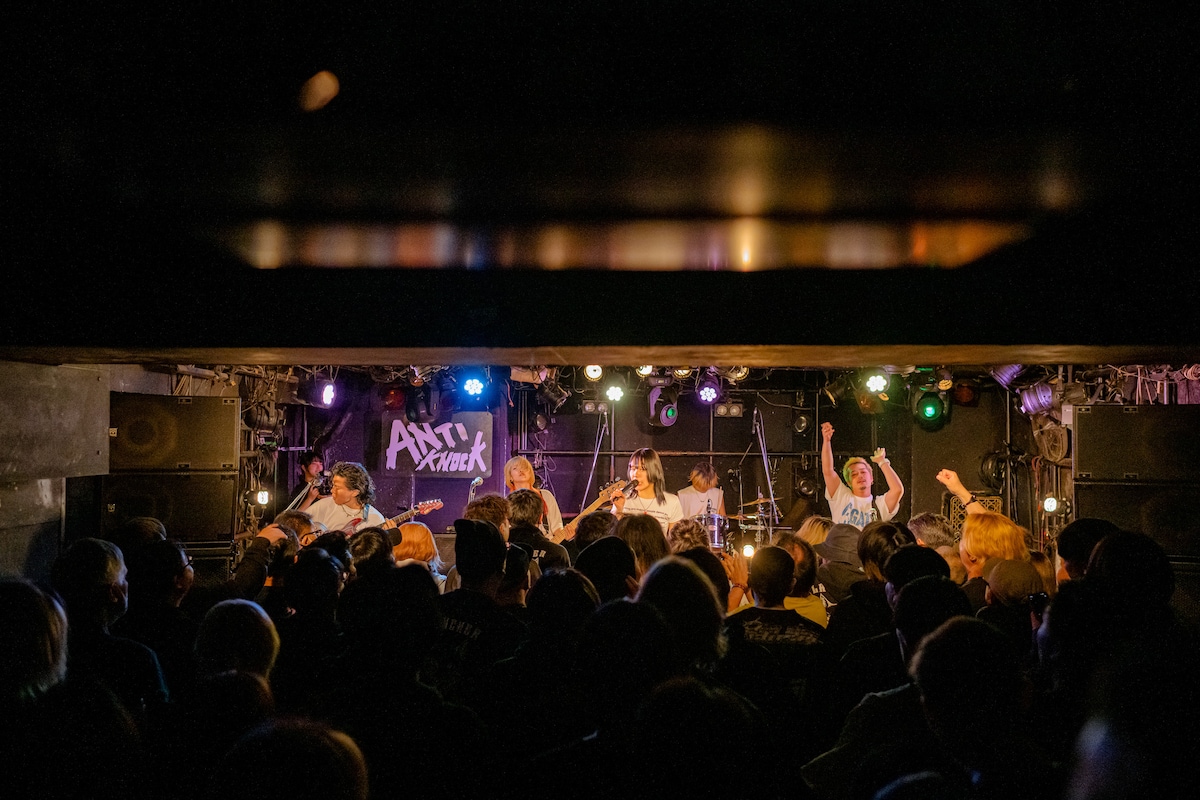
Explore Tokyo’s music scene with an insider
Sun, Feb 22 • 4:00 PM
150-0043, Tokyo Prefecture, Shibuya, Japan
View details
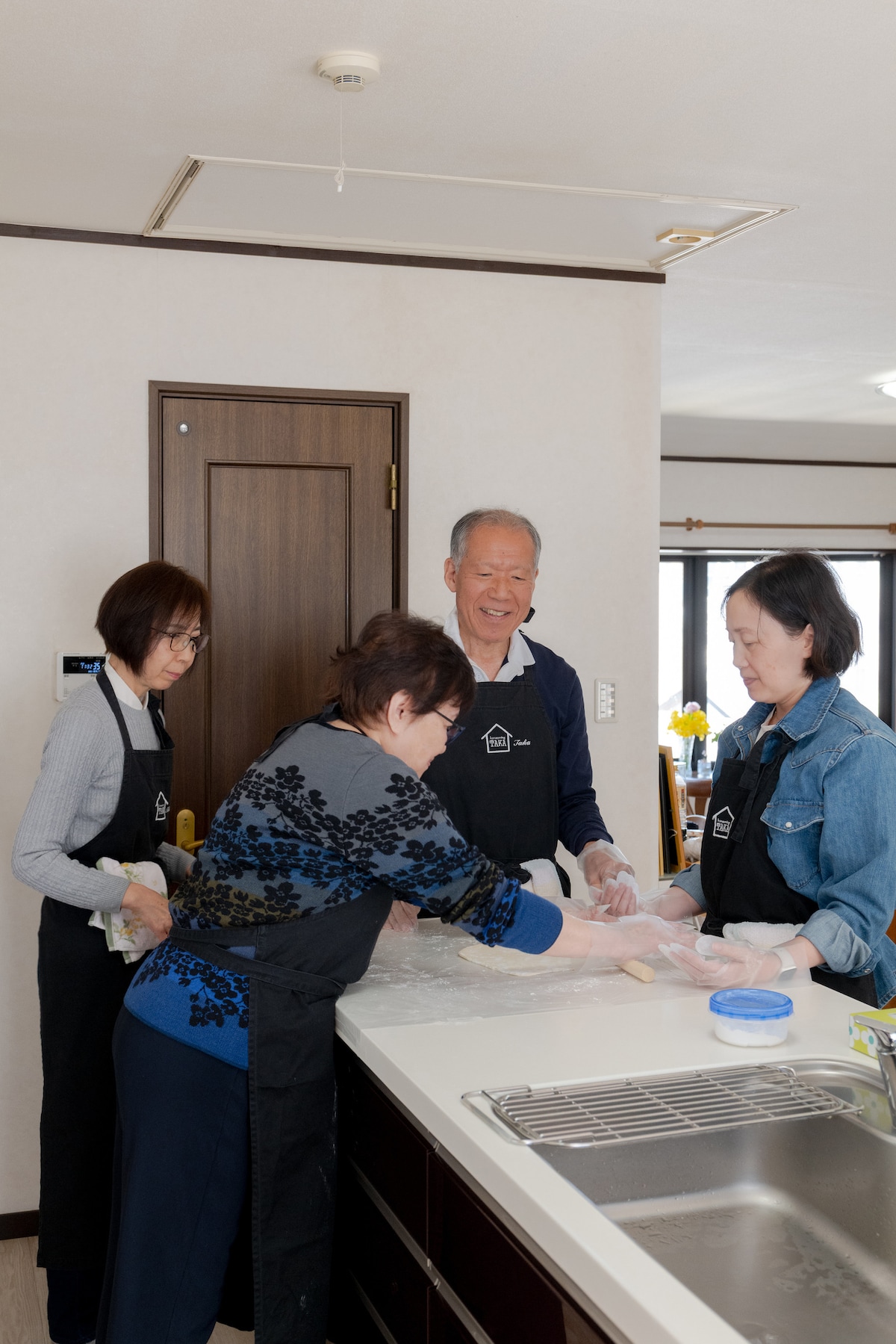
Dive into Japanese food and culture
Sun, Mar 1 • 10:30 AM
143-0016, Tokyo Prefecture, Ota City, Japan
View details
Nearby attractions of Gotokuji Temple
Maneki-neko sculpture
Setagaya Hachimangu Shrine
Buddha Hall
Site of Setagaya Castle
Pine trees along the approach to Gotokuji Temple
Tsurunoyu
Setagaya Kuritsu Gotokuji Inarishitabashi Park
Setagaya Castle Site Park
Setagaya Donguri Hiroba Park
Kokushikan University
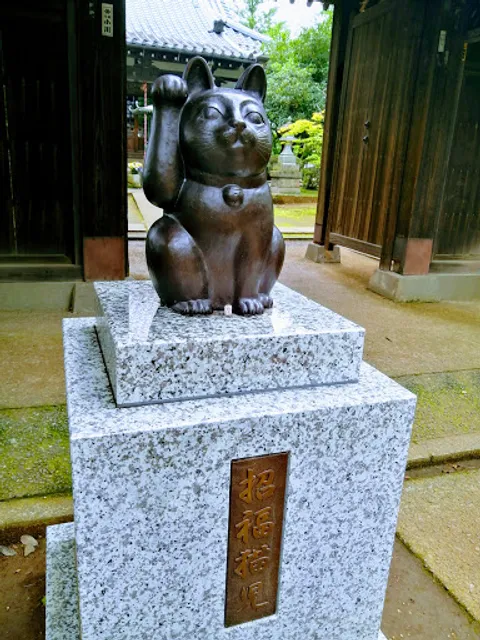
Maneki-neko sculpture
4.7
(36)
Open until 5:00 PM
Click for details
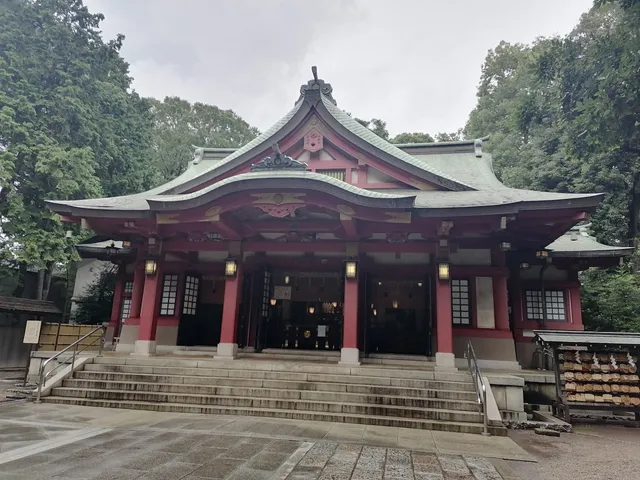
Setagaya Hachimangu Shrine
4.3
(710)
Open until 4:00 PM
Click for details
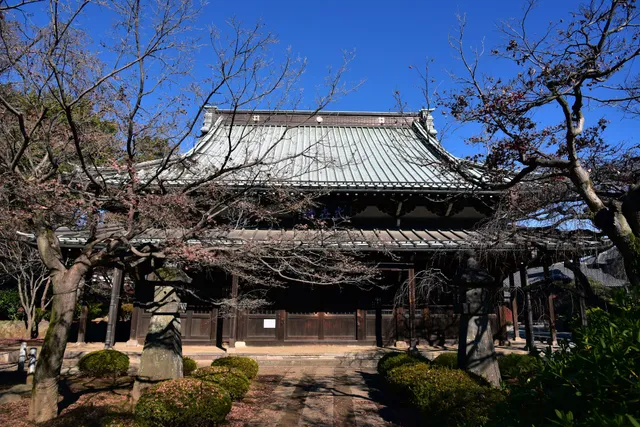
Buddha Hall
4.2
(26)
Open until 5:00 PM
Click for details
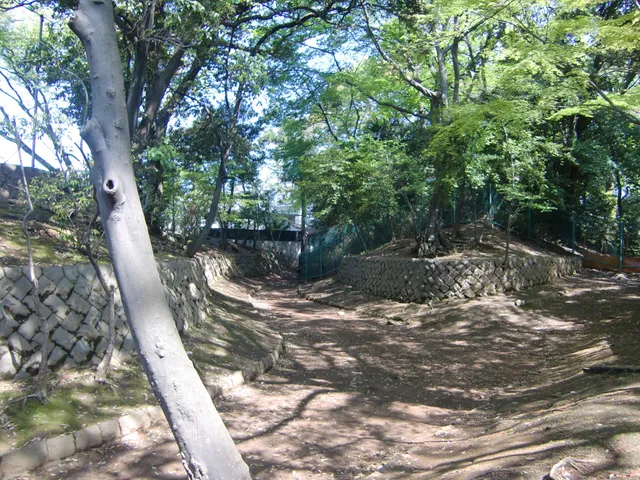
Site of Setagaya Castle
3.6
(127)
Open until 12:00 AM
Click for details
Nearby restaurants of Gotokuji Temple
Relaxin
GOTOKUJI CAFE piece of peace
Chouette torréfacteur laboratoire
RARASAND
Marucho
IRON COFFEE
辣上帝(らしゃんてい)
Working cafe halo(ワーキング カフェ ハロ)
FIKAFABRIKEN
ギャラリーカフェ Atelier T
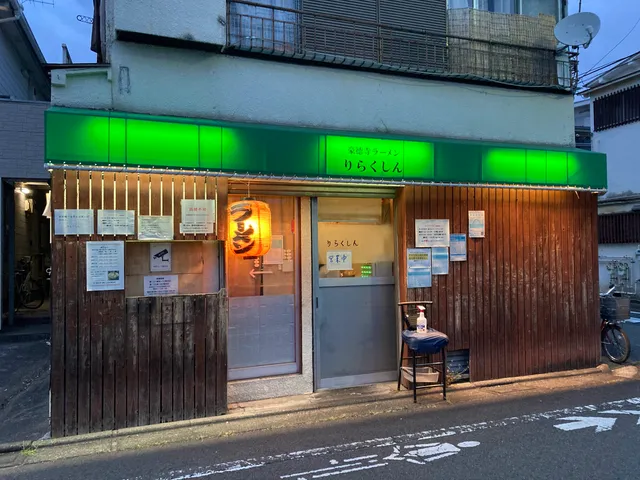
Relaxin
4.2
(197)
Open until 12:00 AM
Click for details
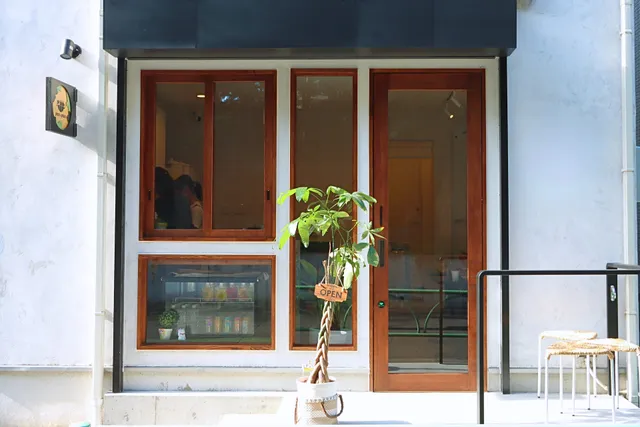
GOTOKUJI CAFE piece of peace
5.0
(42)
Closed
Click for details
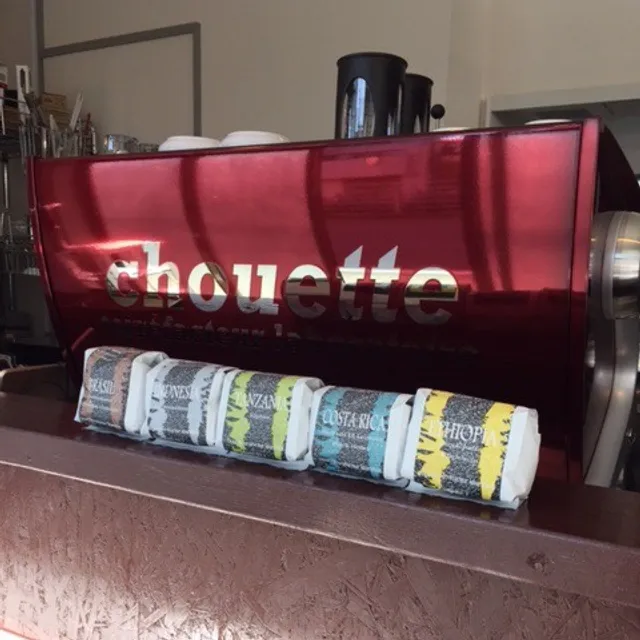
Chouette torréfacteur laboratoire
4.4
(120)
Open until 12:00 AM
Click for details
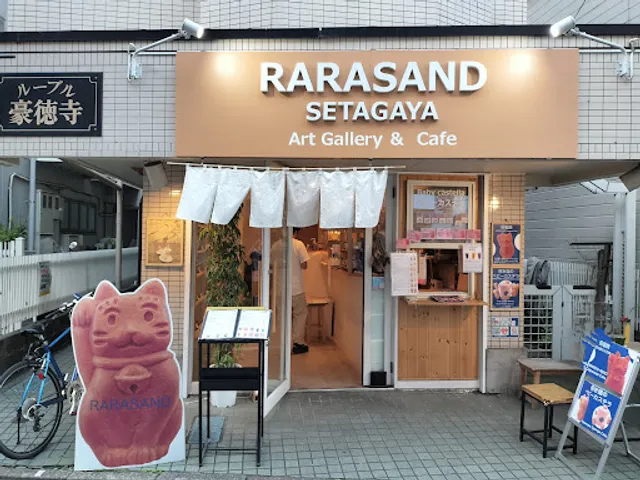
RARASAND
4.6
(228)
Open until 6:00 PM
Click for details
Nearby local services of Gotokuji Temple
Kotokuji
Shofuku-den
Gōtoku-ji Gate
Jutokuji Temple
Three-Story Pagoda
Gōtoku-ji Bell Pagota
Buddha Hall
Fukudaya
Jotokuin
豪徳寺商店街
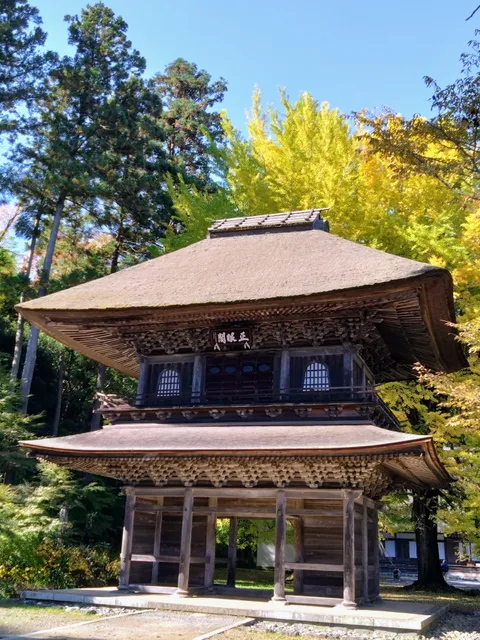
Kotokuji
4.4
(181)
Click for details
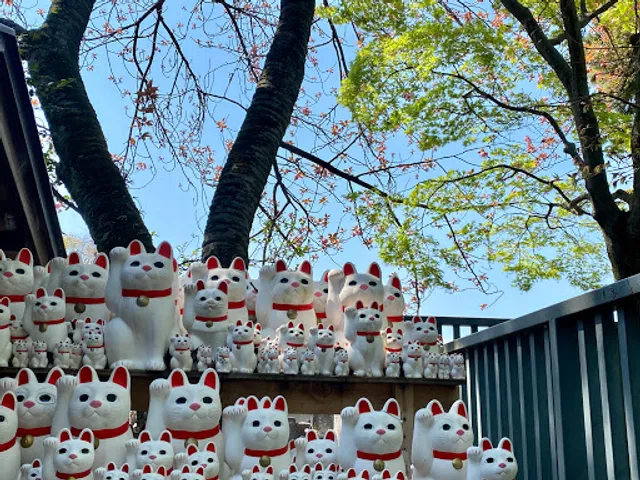
Shofuku-den
4.6
(107)
Click for details
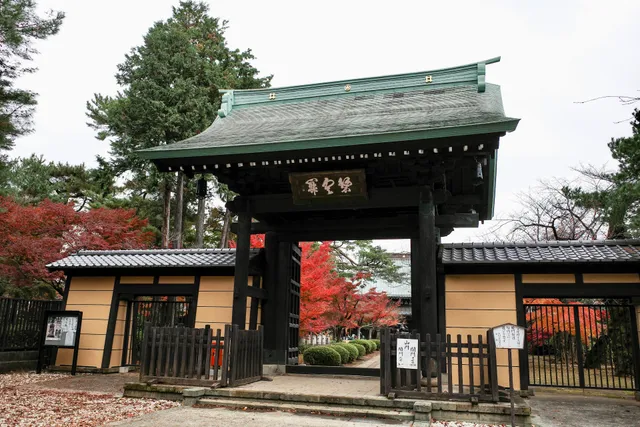
Gōtoku-ji Gate
4.3
(85)
Click for details
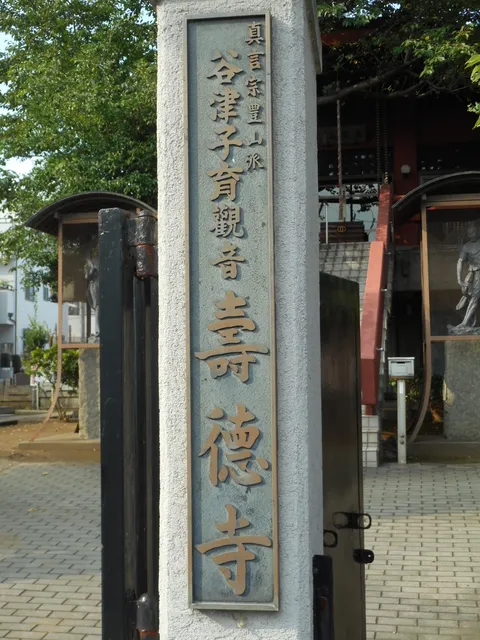
Jutokuji Temple
3.8
(36)
Click for details