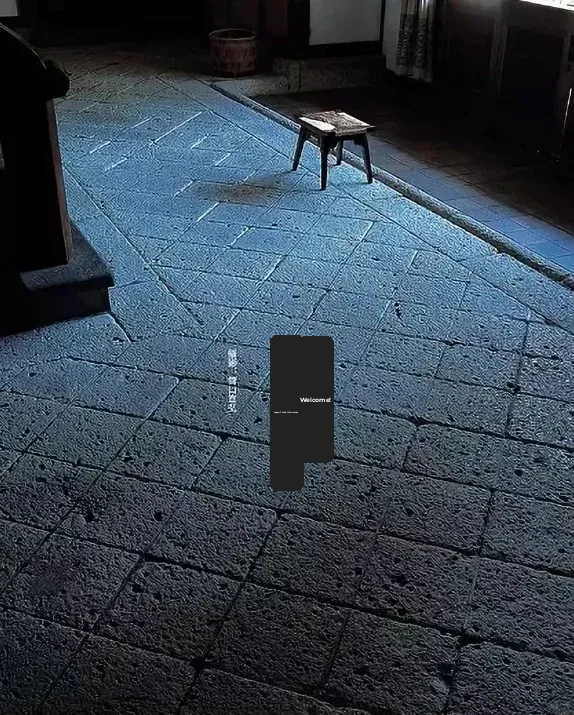
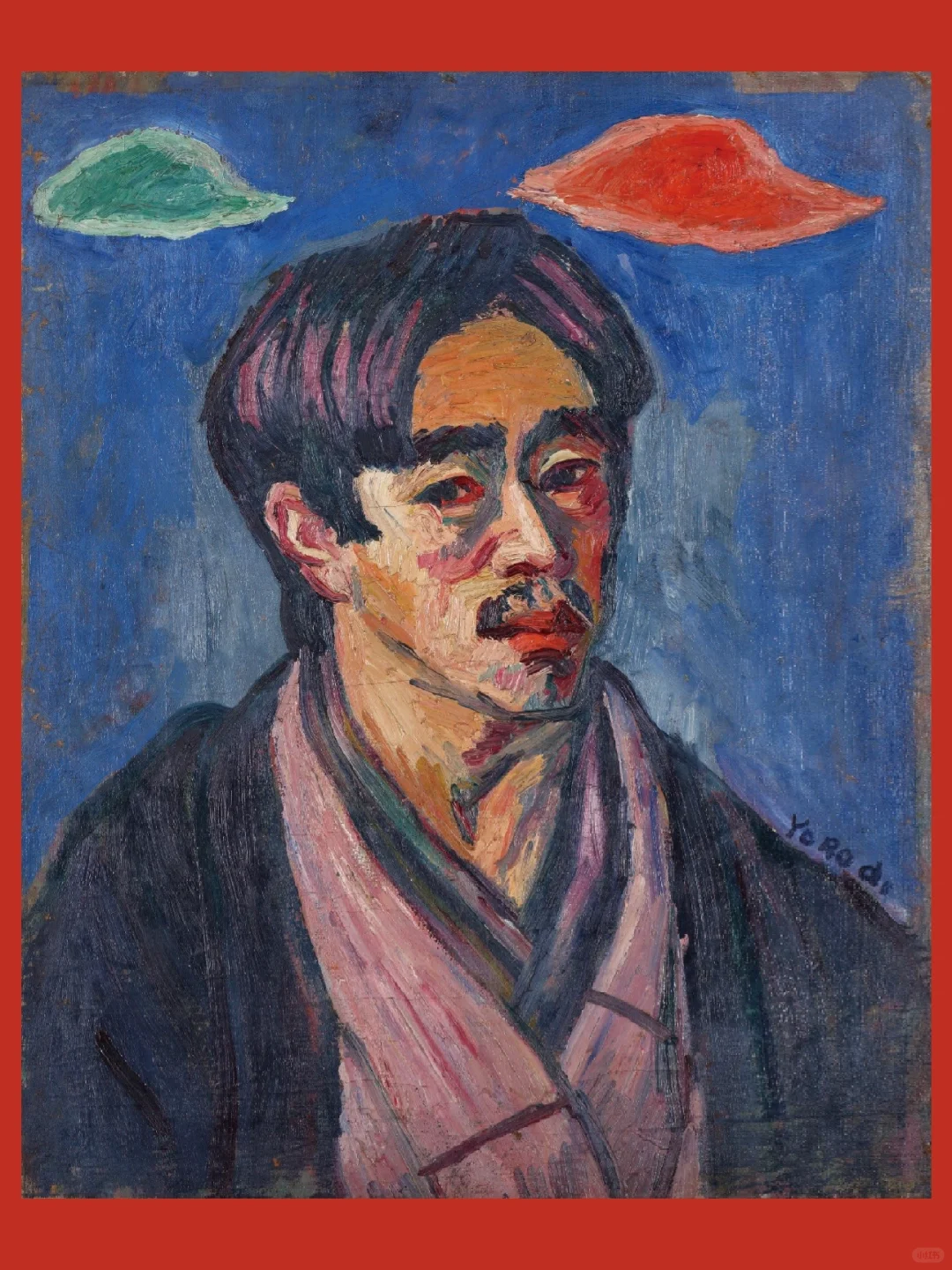
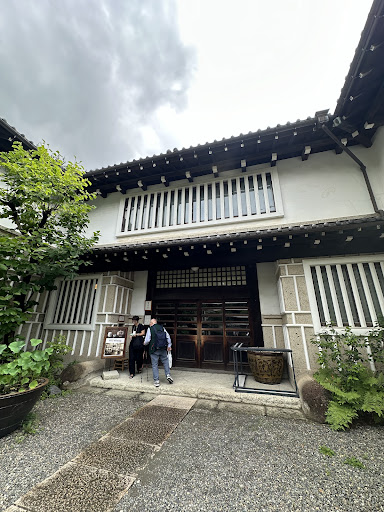
Japan Folk Crafts Museum things to do, attractions, restaurants, events info and trip planning
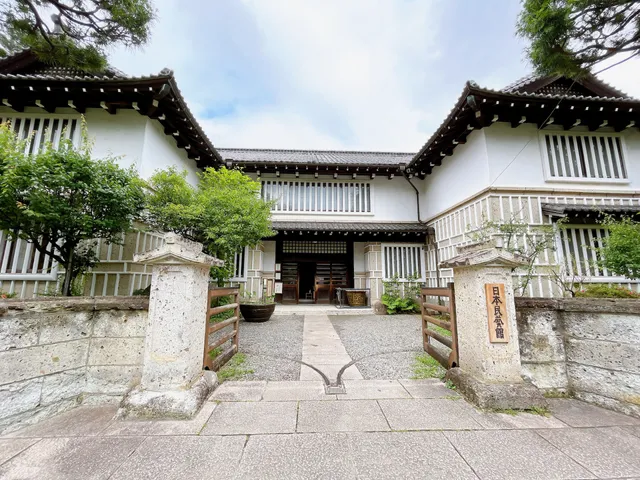
Basic Info
Japan Folk Crafts Museum
4 Chome-3-33 Komaba, Meguro City, Tokyo 153-0041, Japan
4.3(592)
Open until 12:00 AM

tickets
Save
spot
spot
Ratings & Description
Info
The Japan Folk Crafts Museum is a museum in Komaba, Meguro, Tokyo, Japan, dedicated to the hand-crafted art of ordinary people. Access is from Komaba-Tōdaimae Station of Keio Inokashira Line.
Cultural
Family friendly
Accessibility
attractions: Komaba Park, Former Marquis Maeda Mansion, The Japan Folk Crafts Museum West Hall, Former Marquis Maeda Teahouse, The Museum of Modern Japanese Literature, Lawn, Meguro City Komabano Park, The University of Tokyo - Komaba Campus, Komaba Museum, The University of Tokyo, Tokyo Camii & Diyanet Turkish Culture Center, restaurants: Senrigan, ape cucina naturale, BUNDAN Coffee & Beer, Le Ressort, Cafe Colorado, Lever son Verre Komaba, ビオカフェアーペ (biocafe ape), Freshness Burger Tomigaya, Sushi Hirokane, 橄欖, local businesses: Convention Hall, Institute of Industrial Science, The University of Tokyo, Tokyo Cooking Studio, Kaidohidamari Park, The Guitar Lounge, Shelter Shimokitazawa, Kitazawa Town Hall, Disk Union Shimokitazawa CD Record Store, Douguya, Studio Post Yoyogi-uehara, Roundabout
 Learn more insights from Wanderboat AI.
Phone
+81 3-3467-4527
Website
mingeikan.or.jp
Open hoursSee all hours
MonClosedOpen
Plan your stay

Pet-friendly Hotels in Tokyo
Find a cozy hotel nearby and make it a full experience.

Affordable Hotels in Tokyo
Find a cozy hotel nearby and make it a full experience.

The Coolest Hotels You Haven't Heard Of (Yet)
Find a cozy hotel nearby and make it a full experience.

Trending Stays Worth the Hype in Tokyo
Find a cozy hotel nearby and make it a full experience.
Reviews
Live events

TYFFONIUM 新宿:IT/イット カーニバル
Mon, Feb 23 • 10:20 AM
東京都新宿区西新宿2-2-1 京王プラザホテル 南館2F (2-chōme-2-1 Nishishinjuku, Shinjuku City), 160-8330
View details
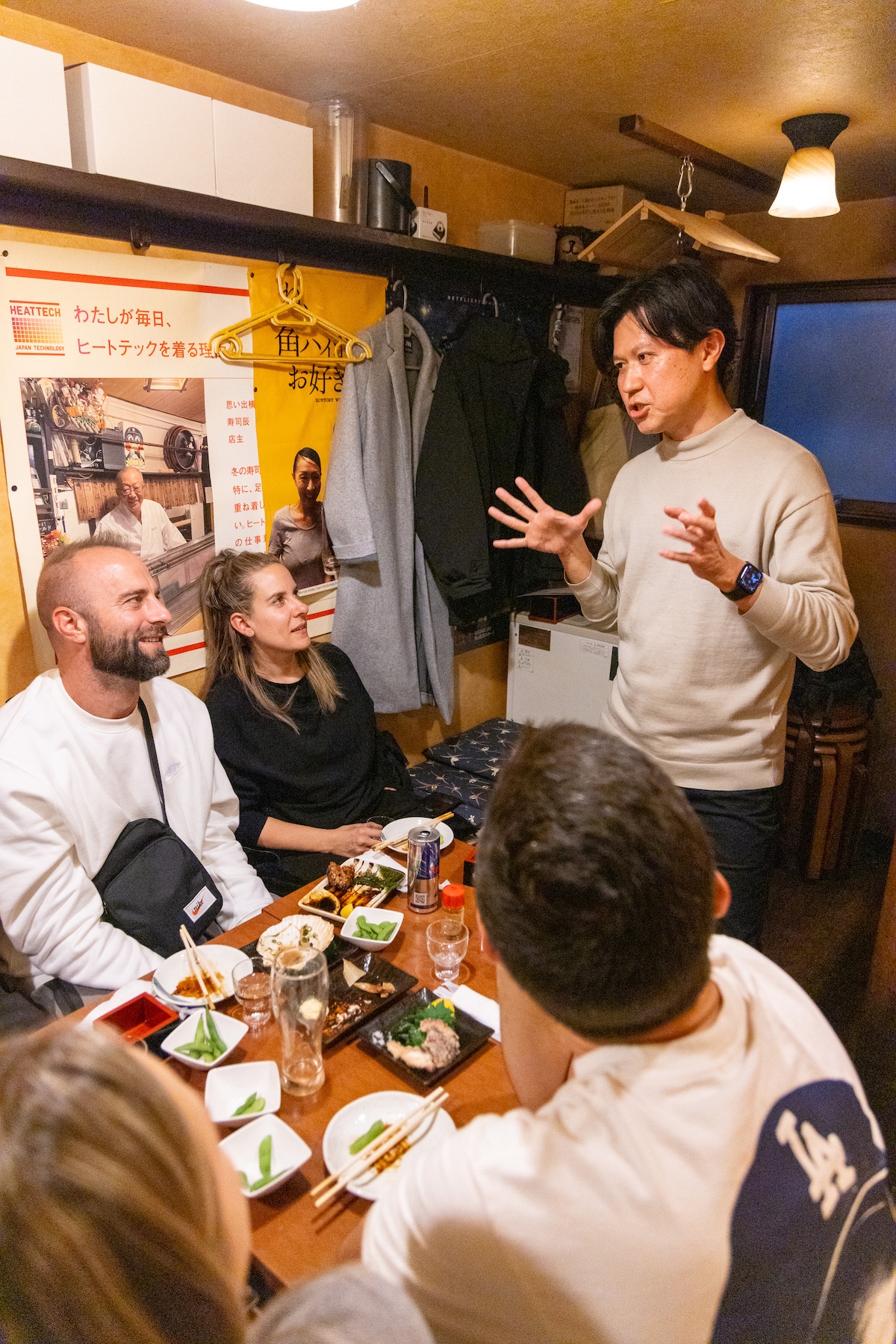
Explore Shinjukus nightlife
Sat, Feb 28 • 5:30 PM
160-0023, Tokyo Prefecture, Shinjuku City, Japan
View details
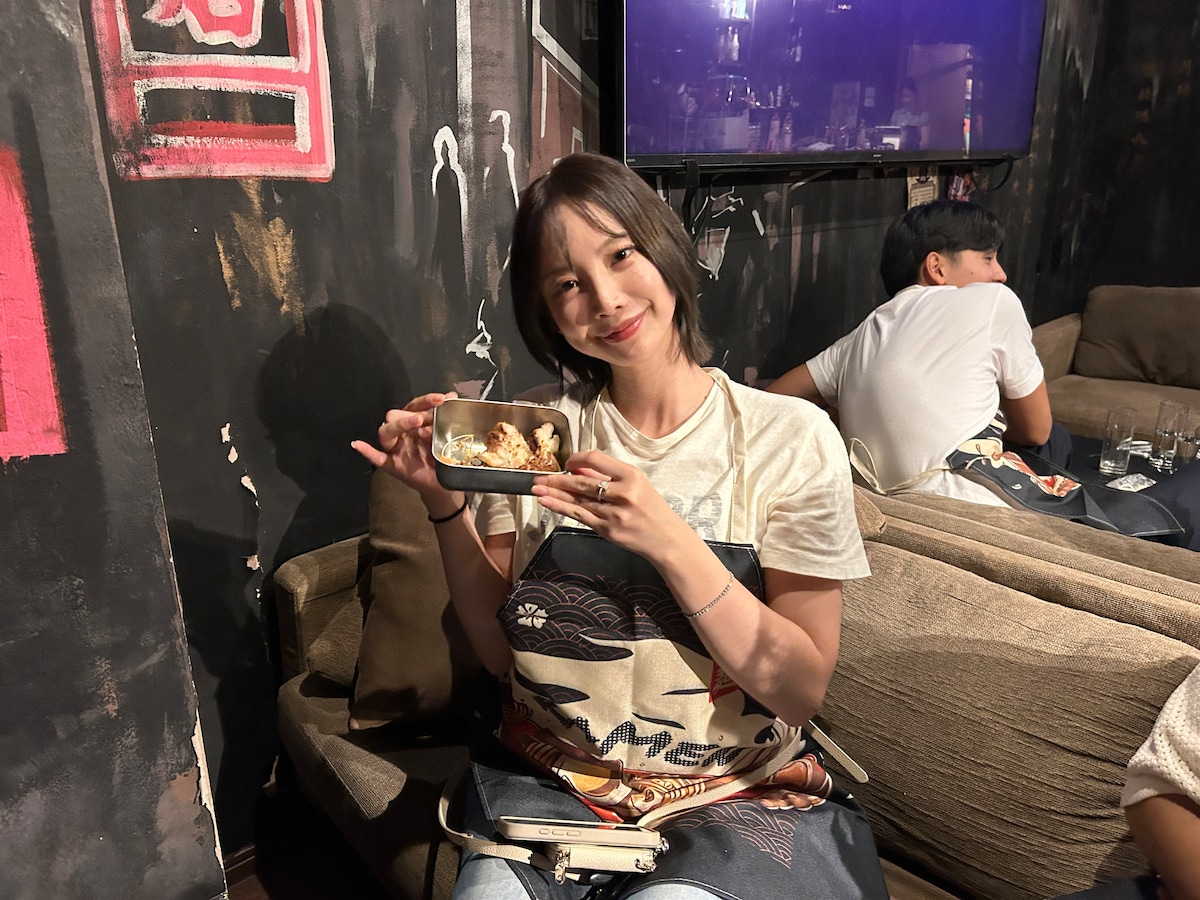
Ramen Dojo Tokyo: Make All 3 Ramen
Mon, Feb 23 • 11:00 AM
153-0044, Tokyo Prefecture, Meguro City, Japan
View details
Nearby attractions of Japan Folk Crafts Museum
Komaba Park
Former Marquis Maeda Mansion
The Japan Folk Crafts Museum West Hall
Former Marquis Maeda Teahouse
The Museum of Modern Japanese Literature
Lawn
Meguro City Komabano Park
The University of Tokyo - Komaba Campus
Komaba Museum, The University of Tokyo
Tokyo Camii & Diyanet Turkish Culture Center
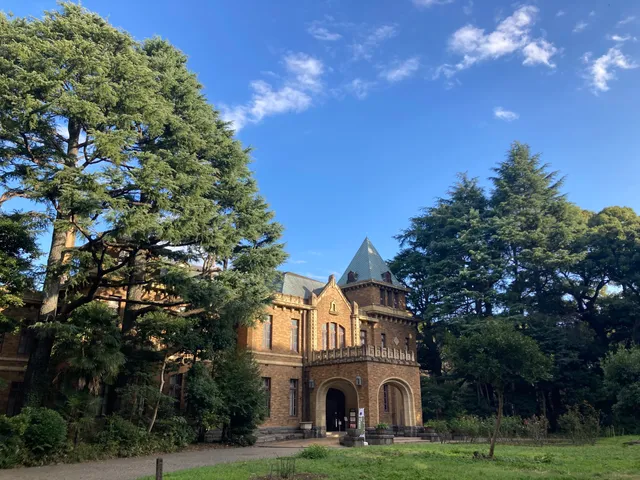
Komaba Park
4.3
(371)
Open until 12:00 AM
Click for details
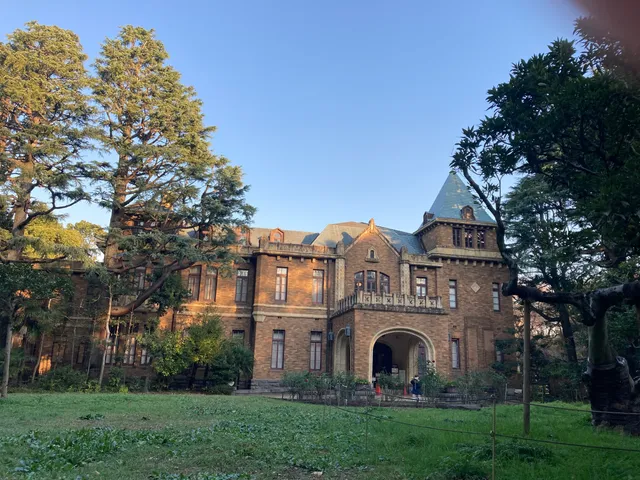
Former Marquis Maeda Mansion
4.6
(473)
Open until 12:00 AM
Click for details
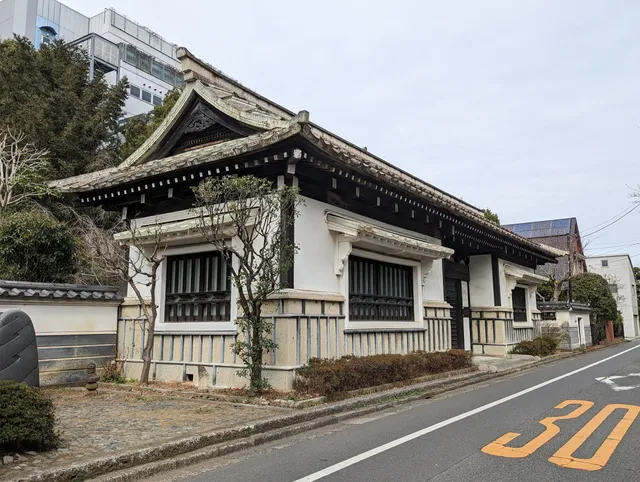
The Japan Folk Crafts Museum West Hall
3.8
(20)
Open until 12:00 AM
Click for details
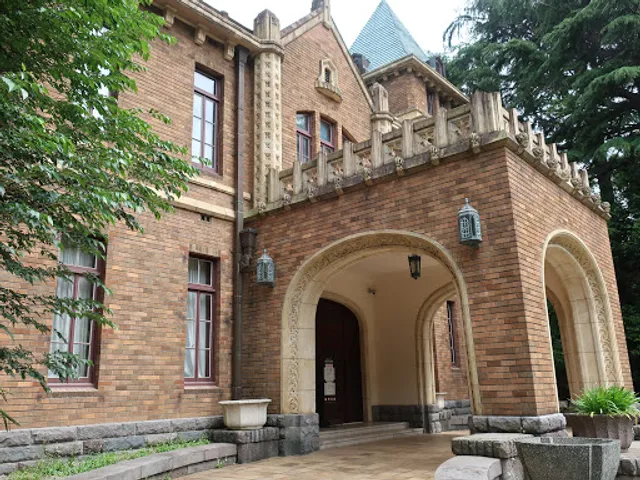
Former Marquis Maeda Teahouse
4.4
(136)
Open until 12:00 AM
Click for details
Nearby restaurants of Japan Folk Crafts Museum
Senrigan
ape cucina naturale
BUNDAN Coffee & Beer
Le Ressort
Cafe Colorado
Lever son Verre Komaba
ビオカフェアーペ (biocafe ape)
Freshness Burger Tomigaya
Sushi Hirokane
橄欖
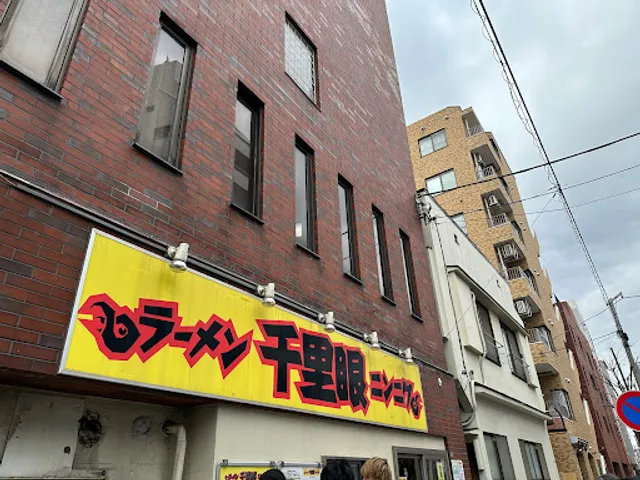
Senrigan
3.9
(772)
Closed
Click for details
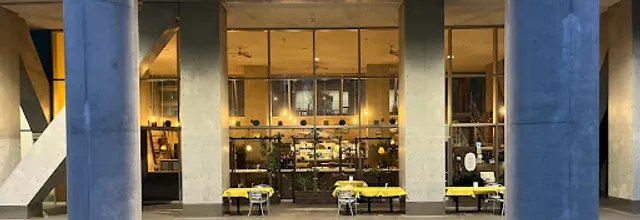
ape cucina naturale
4.1
(37)
$$
Open until 12:00 AM
Click for details
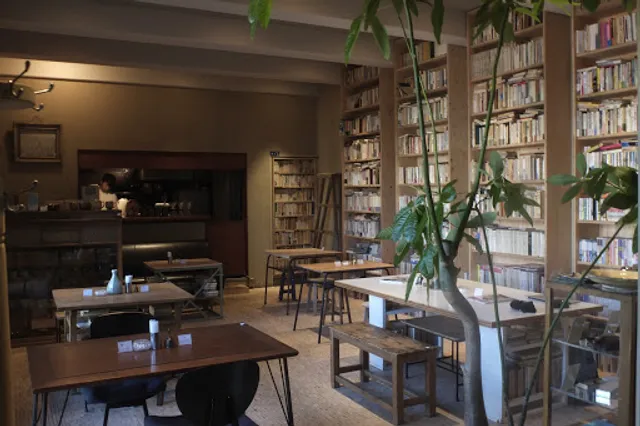
BUNDAN Coffee & Beer
4.2
(126)
Open until 12:00 AM
Click for details
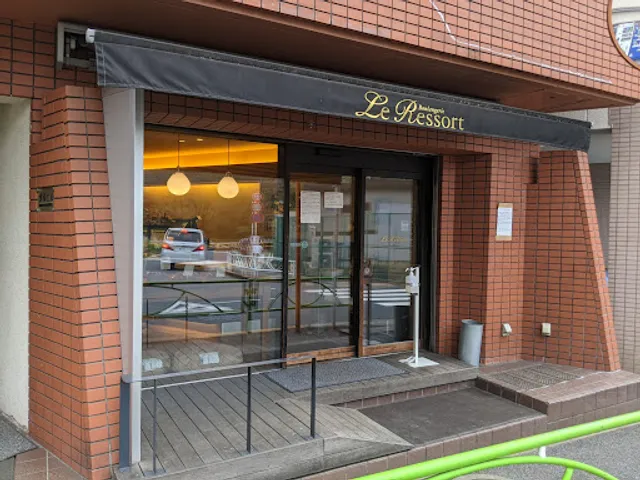
Le Ressort
4.5
(341)
Open until 12:00 AM
Click for details
Nearby local services of Japan Folk Crafts Museum
Convention Hall, Institute of Industrial Science, The University of Tokyo
Tokyo Cooking Studio
Kaidohidamari Park
The Guitar Lounge
Shelter Shimokitazawa
Kitazawa Town Hall
Disk Union Shimokitazawa CD Record Store
Douguya
Studio Post Yoyogi-uehara
Roundabout
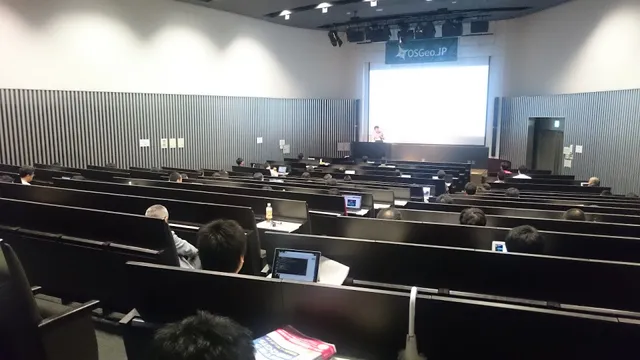
Convention Hall, Institute of Industrial Science, The University of Tokyo
4.0
(39)
Click for details
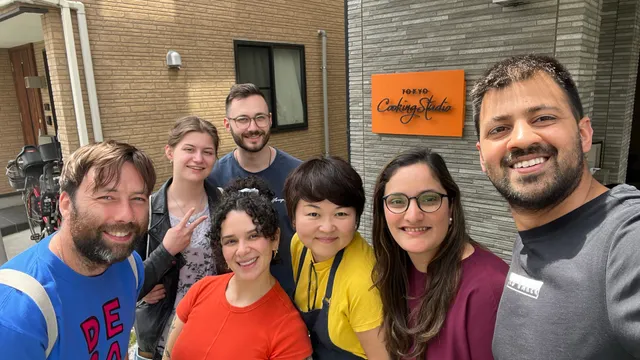
Tokyo Cooking Studio
5.0
(70)
Click for details
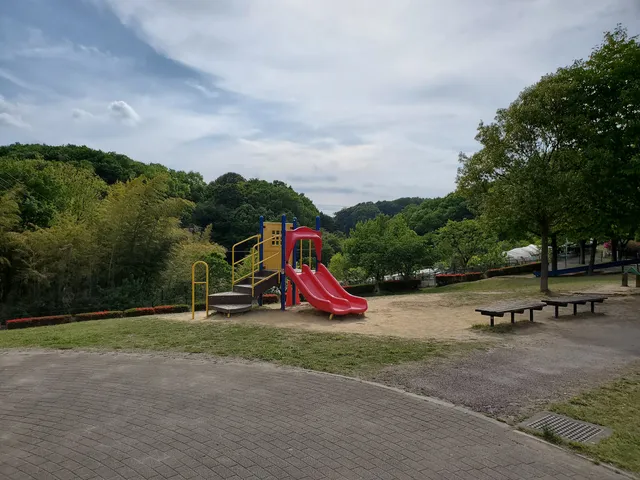
Kaidohidamari Park
3.6
(20)
Click for details
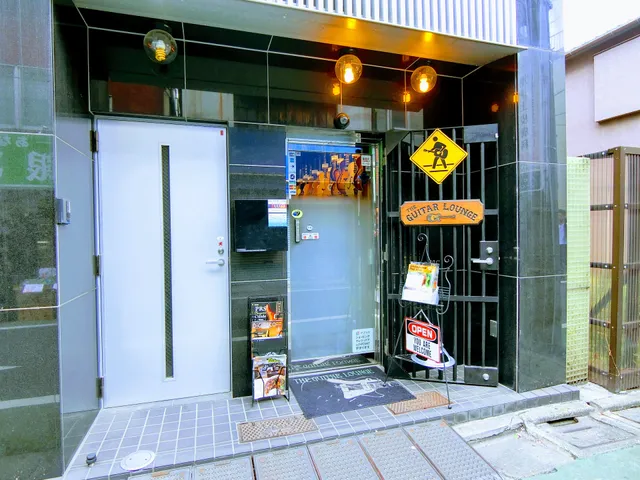
The Guitar Lounge
4.6
(8)
Click for details