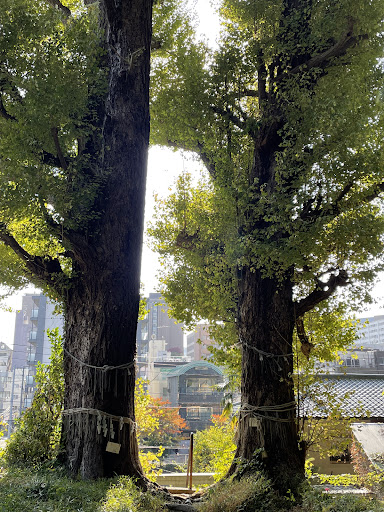
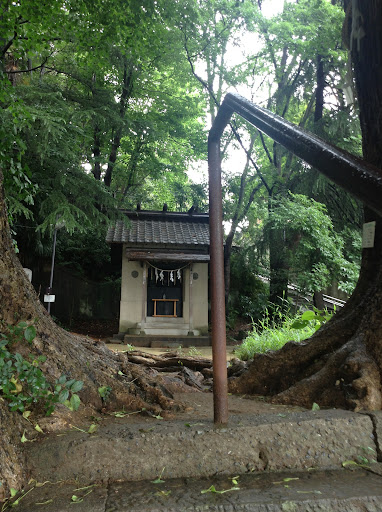
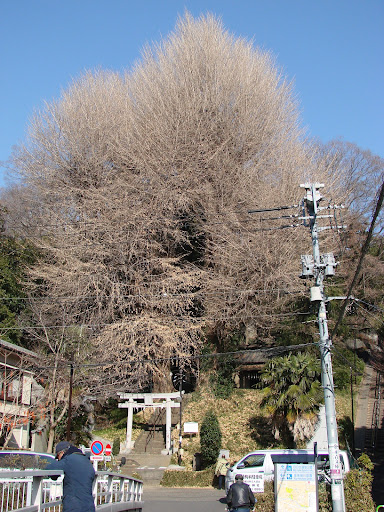
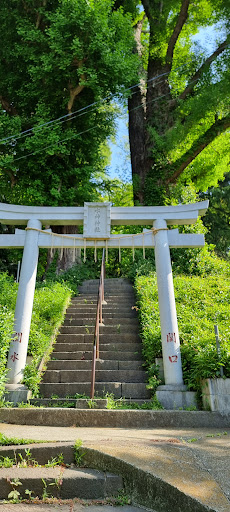
Sui Shrine things to do, attractions, restaurants, events info and trip planning
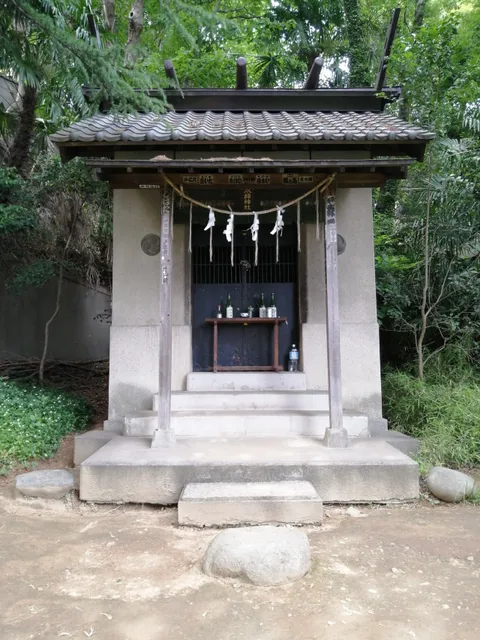
Basic Info
Sui Shrine
1 Chome-1 Mejirodai, Bunkyo City, Tokyo 112-0015, Japan
4.2(97)
Open until 12:00 AM
Save
spot
spot
Ratings & Description
Info
Cultural
Scenic
Relaxation
Family friendly
Accessibility
attractions: Eisei Bunko Museum, Higo-Hosokawa Garden, Hotel Chinzan-sō Tokyo Garden, Mejirodai Sports Park, St. Mary's Cathedral, Kodansha Noma Memorial Museum, Ōkuma Garden, Okuma Auditorium, Edogawa Park, Waseda University, restaurants: Tokyo Menchintei Honpo Tsurumakicho Main Store, Menya Udatsu, 大王ラーメン, Vegetable club oto no ha Café, Kinsui, Il Teatro, Itoh Bakery, FERIO, Miyuki, Chinese Restaurant Royal Ryuho, local businesses: Sekiguchi Bashoan - Basho Residence, Shōseikaku, Green Shop Oto-no-ha, 悠 YU,THE SPA, Waseda Station, Sekiguchi Catholic Church, The Waseda International House of Literature (The Haruki Murakami Library), Catholic Tokyokan Jinkyokai, Waseda University History Museum, クレヴィアウィル早稲田
 Learn more insights from Wanderboat AI.
Phone
+81 3-5803-1174
Website
city.bunkyo.lg.jp
Open hoursSee all hours
SatOpen 24 hoursOpen
Plan your stay

Pet-friendly Hotels in Tokyo
Find a cozy hotel nearby and make it a full experience.

Affordable Hotels in Tokyo
Find a cozy hotel nearby and make it a full experience.

The Coolest Hotels You Haven't Heard Of (Yet)
Find a cozy hotel nearby and make it a full experience.

Trending Stays Worth the Hype in Tokyo
Find a cozy hotel nearby and make it a full experience.
Reviews
Live events
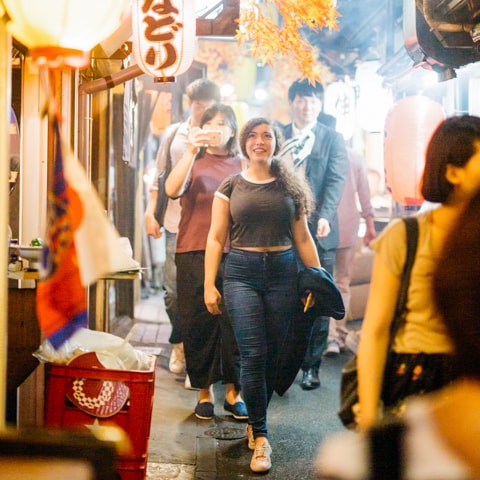
Shinjuku Izakaya Tour with an Expert
Sat, Feb 7 • 5:00 PM
160-0023, Tokyo Prefecture, Shinjuku City, Japan
View details
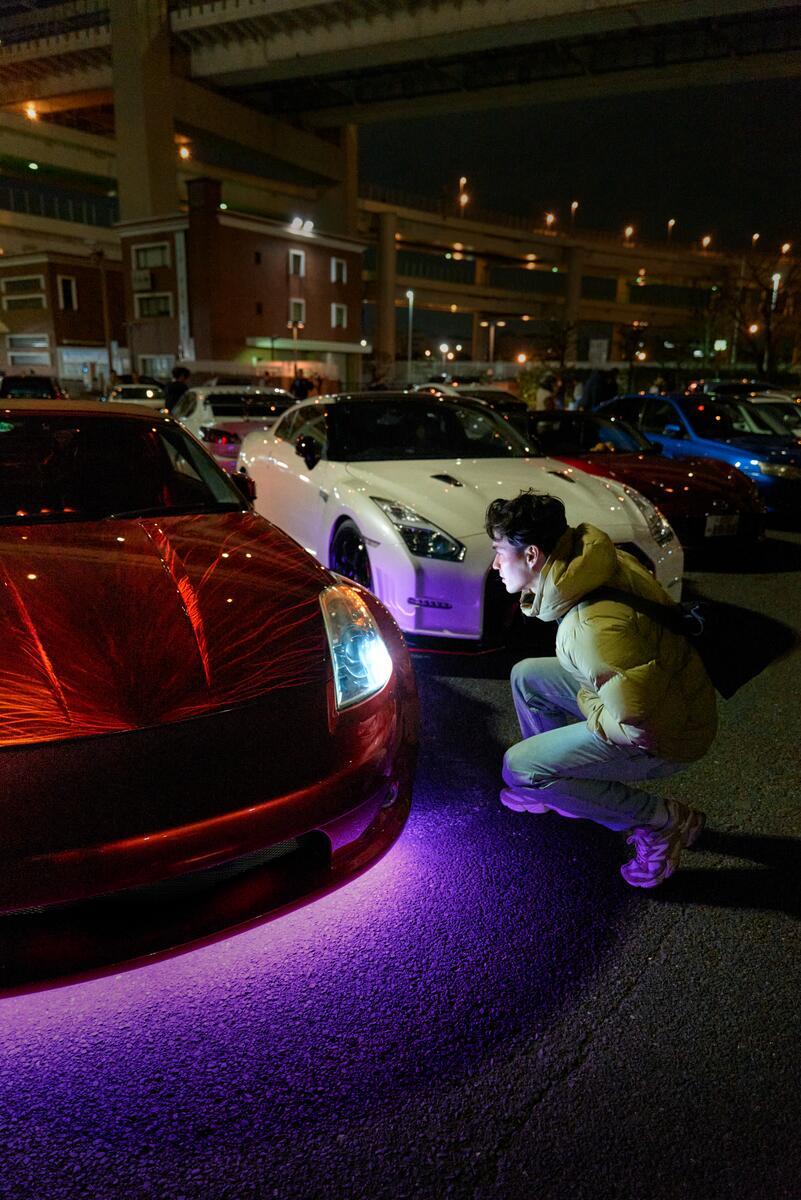
Drive Tokyo’s car culture in a Nissan Skyline
Sat, Feb 7 • 5:30 PM
150-0047, Tokyo Prefecture, Shibuya, Japan
View details

Learn to make traditional Sashiko embroidery
Sat, Feb 7 • 4:30 PM
167-0032, Tokyo Prefecture, Suginami City, Japan
View details
Nearby attractions of Sui Shrine
Eisei Bunko Museum
Higo-Hosokawa Garden
Hotel Chinzan-sō Tokyo Garden
Mejirodai Sports Park
St. Mary's Cathedral
Kodansha Noma Memorial Museum
Ōkuma Garden
Okuma Auditorium
Edogawa Park
Waseda University
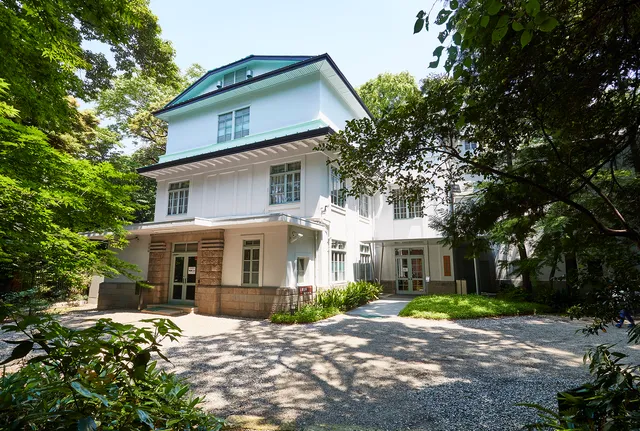
Eisei Bunko Museum
4.2
(411)
Closed
Click for details
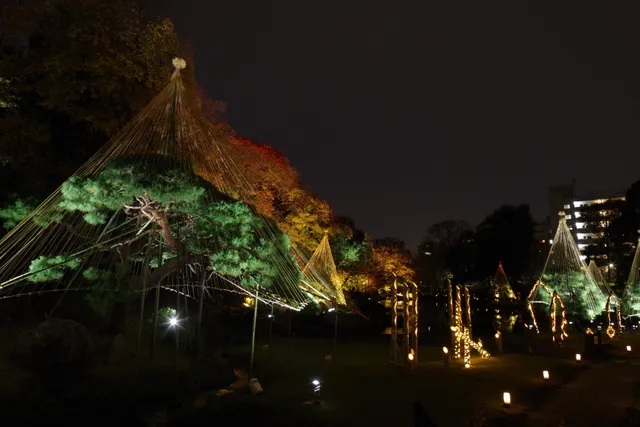
Higo-Hosokawa Garden
4.4
(129)
Closed
Click for details
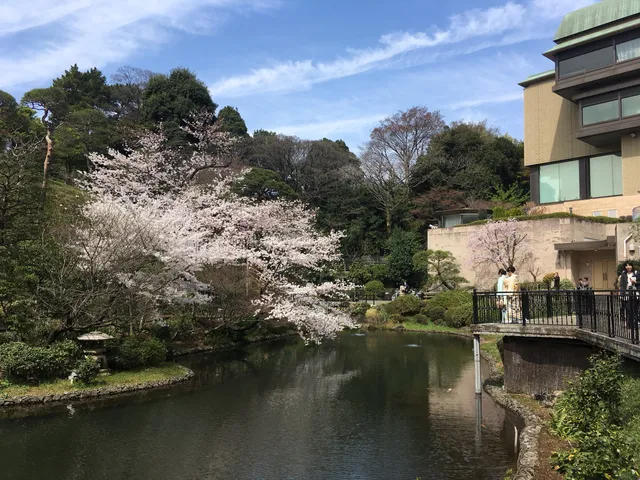
Hotel Chinzan-sō Tokyo Garden
4.6
(349)
Open until 11:00 PM
Click for details
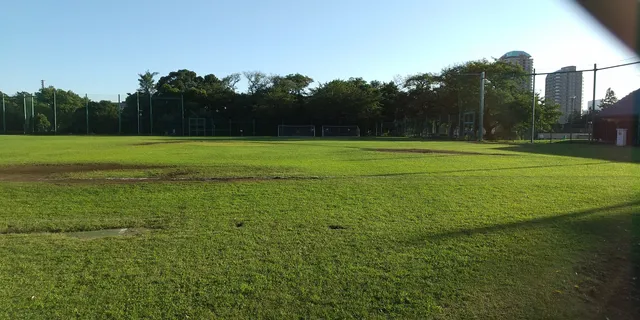
Mejirodai Sports Park
4.0
(405)
Closed
Click for details
Nearby restaurants of Sui Shrine
Tokyo Menchintei Honpo Tsurumakicho Main Store
Menya Udatsu
大王ラーメン
Vegetable club oto no ha Café
Kinsui
Il Teatro
Itoh Bakery
FERIO
Miyuki
Chinese Restaurant Royal Ryuho
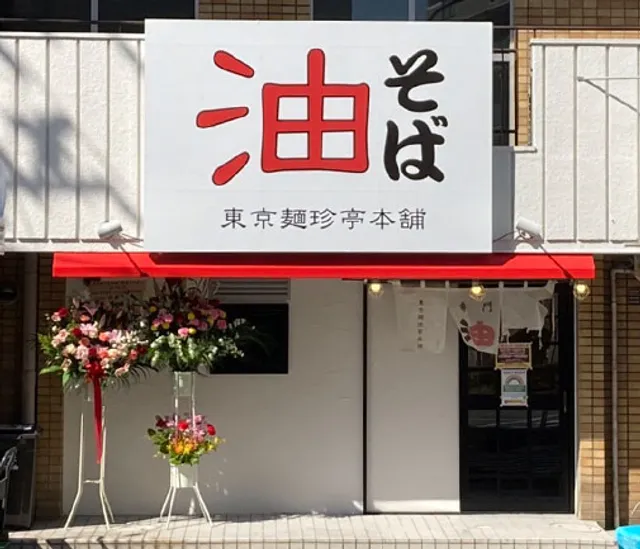
Tokyo Menchintei Honpo Tsurumakicho Main Store
4.2
(559)
Open until 3:00 AM
Click for details
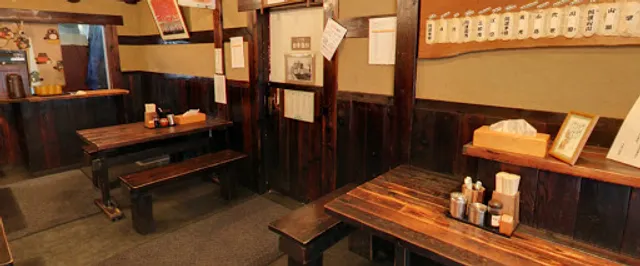
Menya Udatsu
3.7
(329)
Open until 10:00 PM
Click for details
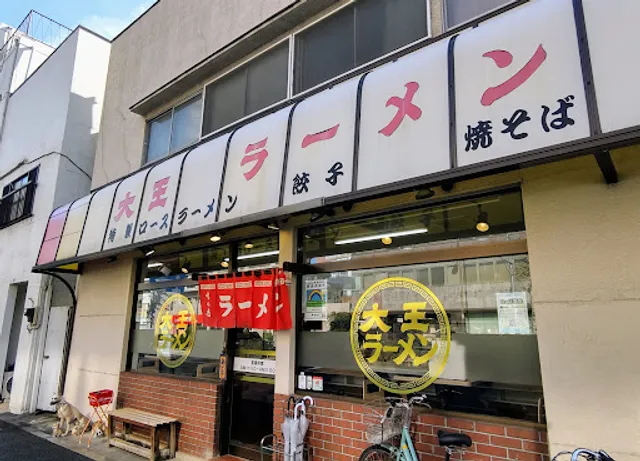
大王ラーメン
3.9
(326)
Open until 3:00 AM
Click for details
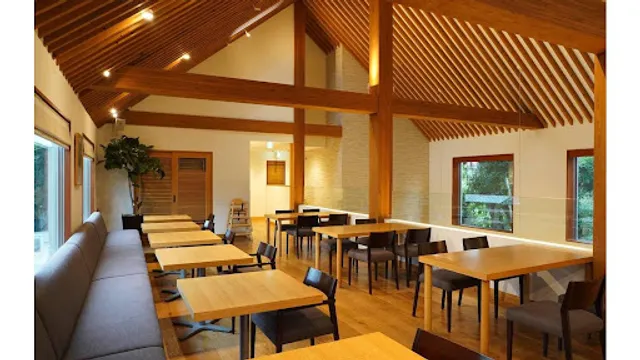
Vegetable club oto no ha Café
4.1
(285)
Open until 7:00 PM
Click for details
Nearby local services of Sui Shrine
Sekiguchi Bashoan - Basho Residence
Shōseikaku
Green Shop Oto-no-ha
悠 YU,THE SPA
Waseda Station
Sekiguchi Catholic Church
The Waseda International House of Literature (The Haruki Murakami Library)
Catholic Tokyokan Jinkyokai
Waseda University History Museum
クレヴィアウィル早稲田
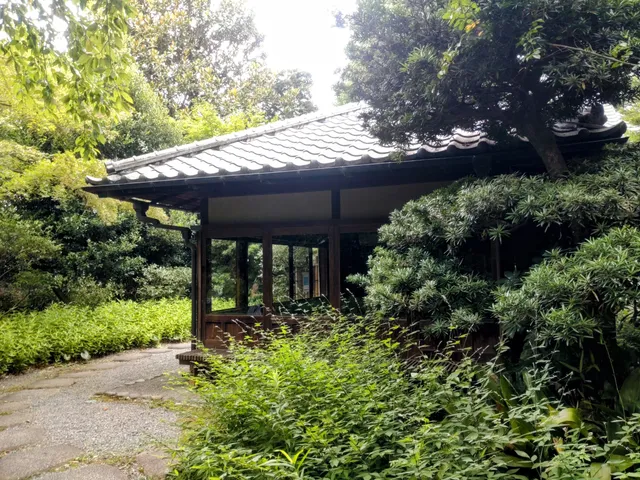
Sekiguchi Bashoan - Basho Residence
3.9
(70)
Click for details
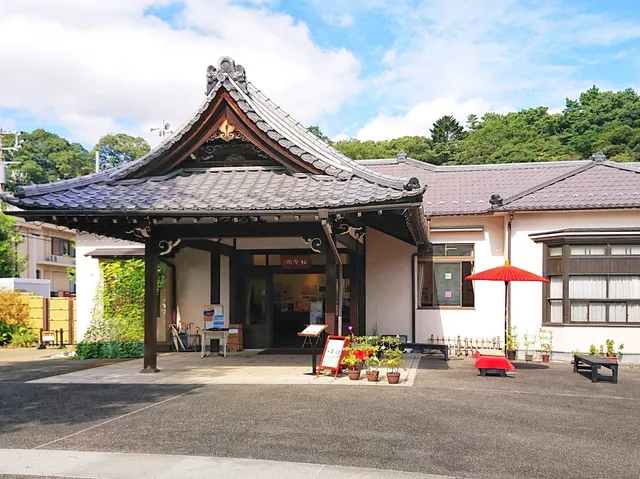
Shōseikaku
4.3
(73)
Click for details
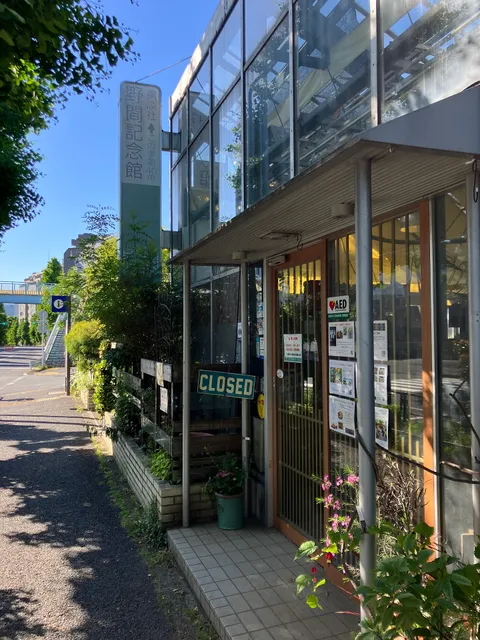
Green Shop Oto-no-ha
4.3
(130)
Click for details
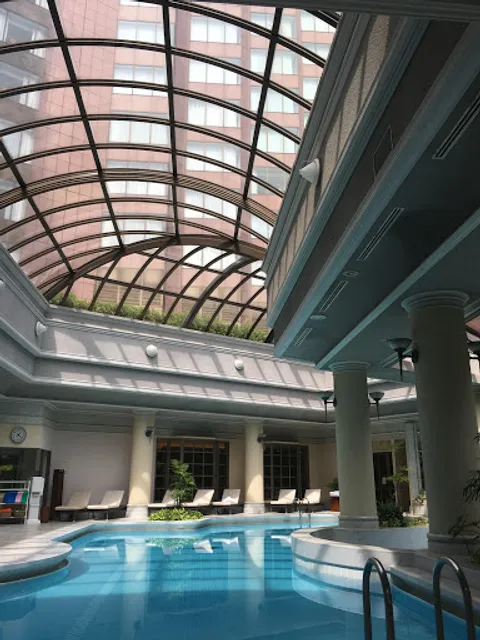
悠 YU,THE SPA
4.2
(29)
Click for details