HTML SitemapExplore
logo
Find Things to DoFind The Best Restaurants

Zenkoku-ji Temple — Attraction in Tokyo

Name
Zenkoku-ji Temple
Description
Nearby attractions
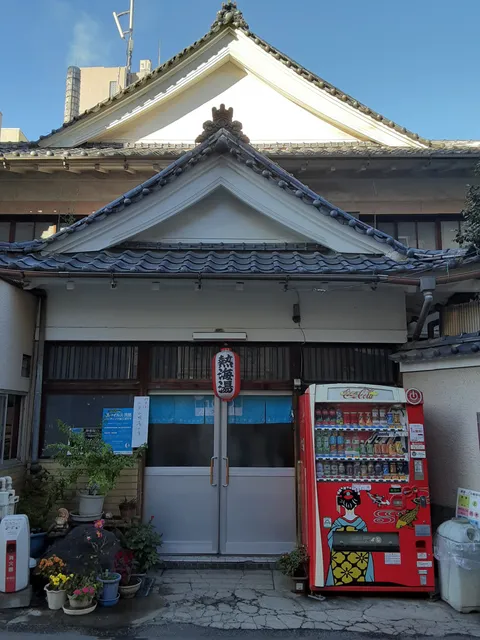
Atamiyu
3 Chome-6 Kagurazaka, Shinjuku City, Tokyo 162-0825, Japan
Hyogo Yokocho Alley
Japan, 〒162-0825 Tokyo, Shinjuku City, Kagurazaka, 4 Chome−2−周辺
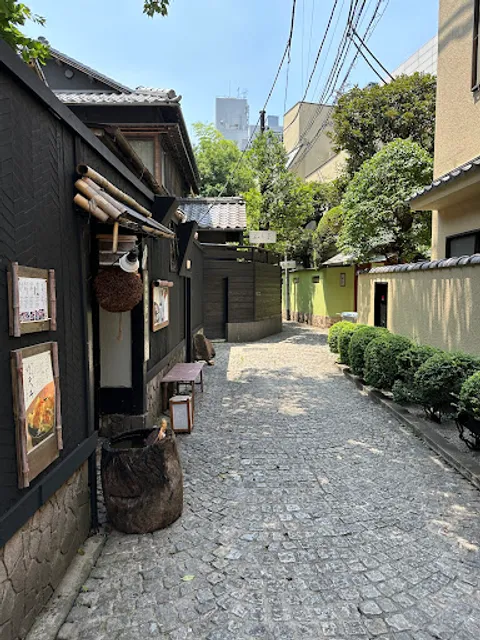
Kakurenbo Yokocho (Hide-and-Seek Alley)
3 Chome Kagurazaka, Shinjuku City, Tokyo 162-0825, Japan
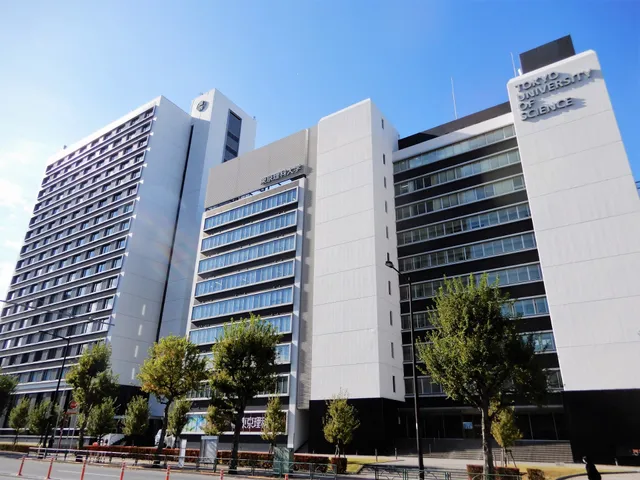
Tokyo University of Science
1 Chome-3 Kagurazaka, Shinjuku City, Tokyo 162-8601, Japan
Shirogane Park
3 Shiroganecho, Shinjuku City, Tokyo 162-0816, Japan
Tsukudo Hachiman Shrine
2-1 Tsukudohachimancho, 新宿区 Shinjuku City, Tokyo 162-0815, Japan
Mathematical Experience Plaza
Kagurazaka, Shinjuku City, Tokyo 162-0825, Japan
Akagi Shrine
1-10 Akagi Motomachi, Shinjuku City, Tokyo 162-0817, Japan
Statue of Kobo-chan
6 Chome Kagurazaka, Shinjuku City, Tokyo 162-0825, Japan
Samurai Theater Tokyo
40 Yokoteramachi, Shinjuku City, Tokyo 162-0831, Japan
Nearby restaurants
Le Bretagne Creperie
4 Chome-2 Kagurazaka, Shinjuku City, Tokyo 162-0825, Japan
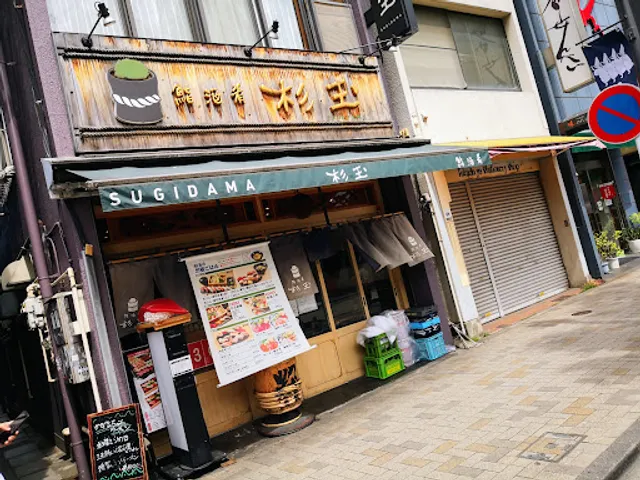
SUGIDAMA Kagurazaka
4 Chome-2-1 Kagurazaka, Shinjuku City, Tokyo 162-0825, Japan
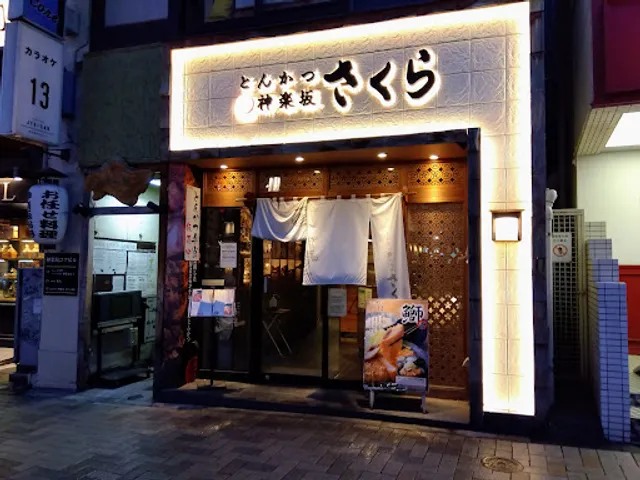
Tonkatsu SAKURA
Japan, 〒162-0825 Tokyo, Shinjuku City, Kagurazaka, 5 Chome−1−1 神楽坂コアビル 1F
Caffè Veloce Kagurazaka
4 Chome-1-1 Kagurazaka, Shinjuku City, Tokyo 162-0825, Japan
Ramen Torisoba Zagin Kagurazaka
Japan, 〒162-0825 Tokyo, Shinjuku City, Kagurazaka, 3 Chome−2−12 摩耶ビル 1F
Churrasco Restaurant ALEGRIA Kagurazaka
Japan, 〒162-0825 Tokyo, Shinjuku City, Kagurazaka, 4 Chome−3 Rakuzan, 4F
Nakizakana
Japan, 〒162-0825 Tokyo, Shinjuku City, Kagurazaka, 5 Chome−35 おおとりビル B1F
Lugdunum Bouchon Lyonnais
Japan, 〒162-0825 Tokyo, Shinjuku City, Kagurazaka, 4 Chome−3−7
GUENPIN KAGURAZAKA
Japan, 〒162-0825 Tokyo, Shinjuku City, Kagurazaka, 5 Chome−35 第二野本ハイツ 1F~3F
Kagurazaka Ishikawa
Japan, 〒162-0825 Tokyo, Shinjuku City, Kagurazaka, 5 Chome−37 高村ビル 1f
Nearby hotels
GIVE Kagurazaka
Japan, 〒162-0832 Tokyo, Shinjuku City, Iwatocho, 19-7 GIVE Kagurazaka
TRUNK(HOUSE)
3 Chome-1-34 Kagurazaka, Shinjuku City, Tokyo 162-0825, Japan
Tokyo Central Youth Hostel
Japan, 〒162-0823 Tokyo, Shinjuku City, Kaguragashi, 1−1 セントラルプラザ 18階
VIA INN Iidabashi Korakuen
4-11 Shinogawamachi, Shinjuku City, Tokyo 162-0814, Japan
FLEXSTAY INN Iidabashi
3-26 Shinogawamachi, Shinjuku City, Tokyo 162-0814, Japan
Hop Inn Tokyo Iidabashi
2-25 Shimomiyabicho, Shinjuku City, Tokyo 162-0822, Japan
Rhodes Kagurazaka Hotel
1-17 Saikumachi, Shinjuku City, Tokyo 162-0838, Japan
HINODE HOTEL KAGURAZAKA
Japan, 〒162-0825 Tokyo, Shinjuku City, Kagurazaka, 6 Chome−38−3 神楽坂ビル
APA Hotel Iidabashi-Ekimae
3 Chome-4-6 Iidabashi, Chiyoda City, Tokyo 102-0072, Japan
APA Hotel Iidabashi Station South
3 Chome-1-4 Iidabashi, Chiyoda City, Tokyo 102-0072, Japan
Related posts
Keywords
Zenkoku-ji Temple tourism.Zenkoku-ji Temple hotels.Zenkoku-ji Temple bed and breakfast. flights to Zenkoku-ji Temple.Zenkoku-ji Temple attractions.Zenkoku-ji Temple restaurants.Zenkoku-ji Temple travel.Zenkoku-ji Temple travel guide.Zenkoku-ji Temple travel blog.Zenkoku-ji Temple pictures.Zenkoku-ji Temple photos.Zenkoku-ji Temple travel tips.Zenkoku-ji Temple maps.Zenkoku-ji Temple things to do.
Zenkoku-ji Temple things to do, attractions, restaurants, events info and trip planning
Zenkoku-ji Temple
JapanTokyoZenkoku-ji Temple

Basic Info

Zenkoku-ji Temple

Japan, 〒162-0825 Tokyo, Shinjuku City, Kagurazaka, 5 Chome−36
4.0(730)
Closed
Save
spot

Ratings & Description

Info

Cultural
Family friendly
Accessibility
attractions: Atamiyu, Hyogo Yokocho Alley, Kakurenbo Yokocho (Hide-and-Seek Alley), Tokyo University of Science, Shirogane Park, Tsukudo Hachiman Shrine, Mathematical Experience Plaza, Akagi Shrine, Statue of Kobo-chan, Samurai Theater Tokyo, restaurants: Le Bretagne Creperie, SUGIDAMA Kagurazaka, Tonkatsu SAKURA, Caffè Veloce Kagurazaka, Ramen Torisoba Zagin Kagurazaka, Churrasco Restaurant ALEGRIA Kagurazaka, Nakizakana, Lugdunum Bouchon Lyonnais, GUENPIN KAGURAZAKA, Kagurazaka Ishikawa
logoLearn more insights from Wanderboat AI.
Phone
+81 3-3269-0641
Website
kagurazaka-bishamonten.com
Open hoursSee all hours
Sat9 AM - 5 PMClosed

Plan your stay

hotel
Pet-friendly Hotels in Tokyo
Find a cozy hotel nearby and make it a full experience.

hotel
Affordable Hotels in Tokyo
Find a cozy hotel nearby and make it a full experience.

hotel
The Coolest Hotels You Haven't Heard Of (Yet)
Find a cozy hotel nearby and make it a full experience.

hotel
Trending Stays Worth the Hype in Tokyo
Find a cozy hotel nearby and make it a full experience.

Reviews

Nearby attractions of Zenkoku-ji Temple

Atamiyu

Hyogo Yokocho Alley

Kakurenbo Yokocho (Hide-and-Seek Alley)

Tokyo University of Science

Shirogane Park

Tsukudo Hachiman Shrine

Mathematical Experience Plaza

Akagi Shrine

Statue of Kobo-chan

Samurai Theater Tokyo

Atamiyu

Atamiyu

4.0

(241)

Closed
Click for details
Hyogo Yokocho Alley

Hyogo Yokocho Alley

4.2

(62)

Open 24 hours
Click for details
Kakurenbo Yokocho (Hide-and-Seek Alley)

Kakurenbo Yokocho (Hide-and-Seek Alley)

4.1

(38)

Open 24 hours
Click for details
Tokyo University of Science

Tokyo University of Science

4.1

(185)

Open 24 hours
Click for details

Things to do nearby

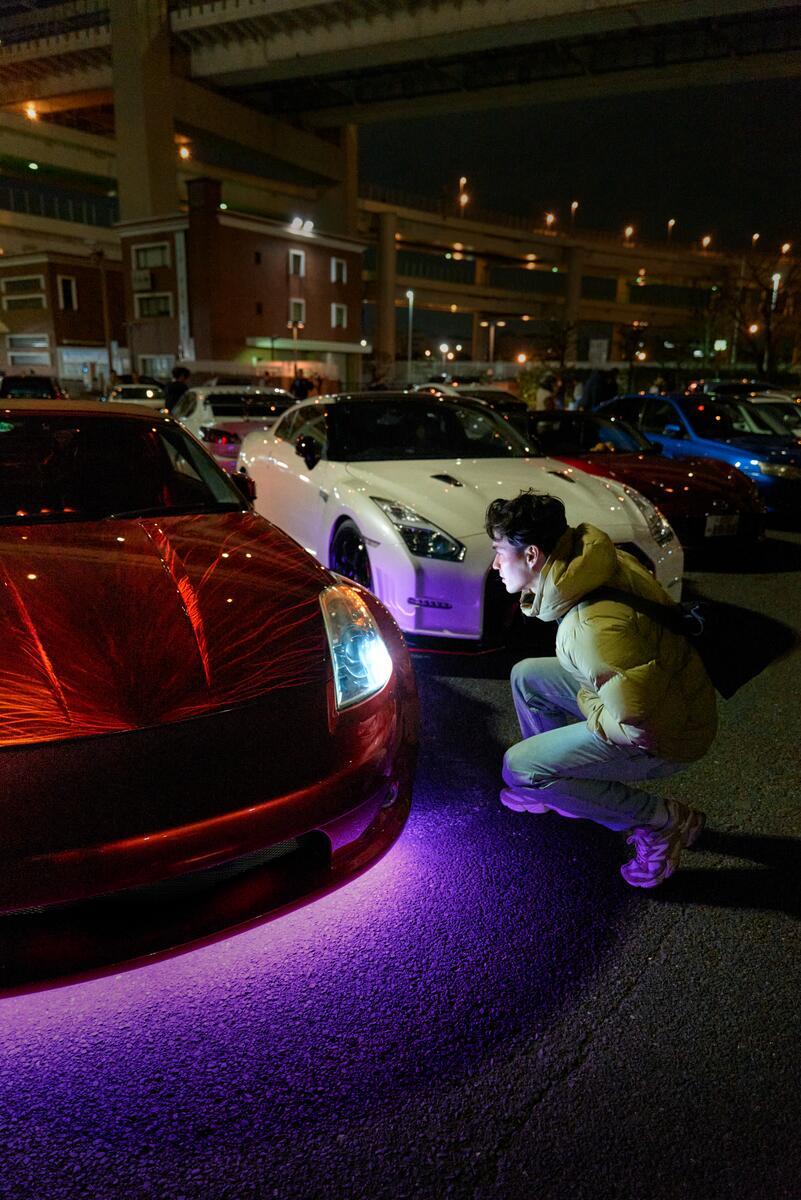
Explore Tokyo’s Car Scene in a Nissan Skyline
Fri, Dec 5 • 9:15 PM
150-0002, Tokyo Prefecture, Shibuya, Japan
View details
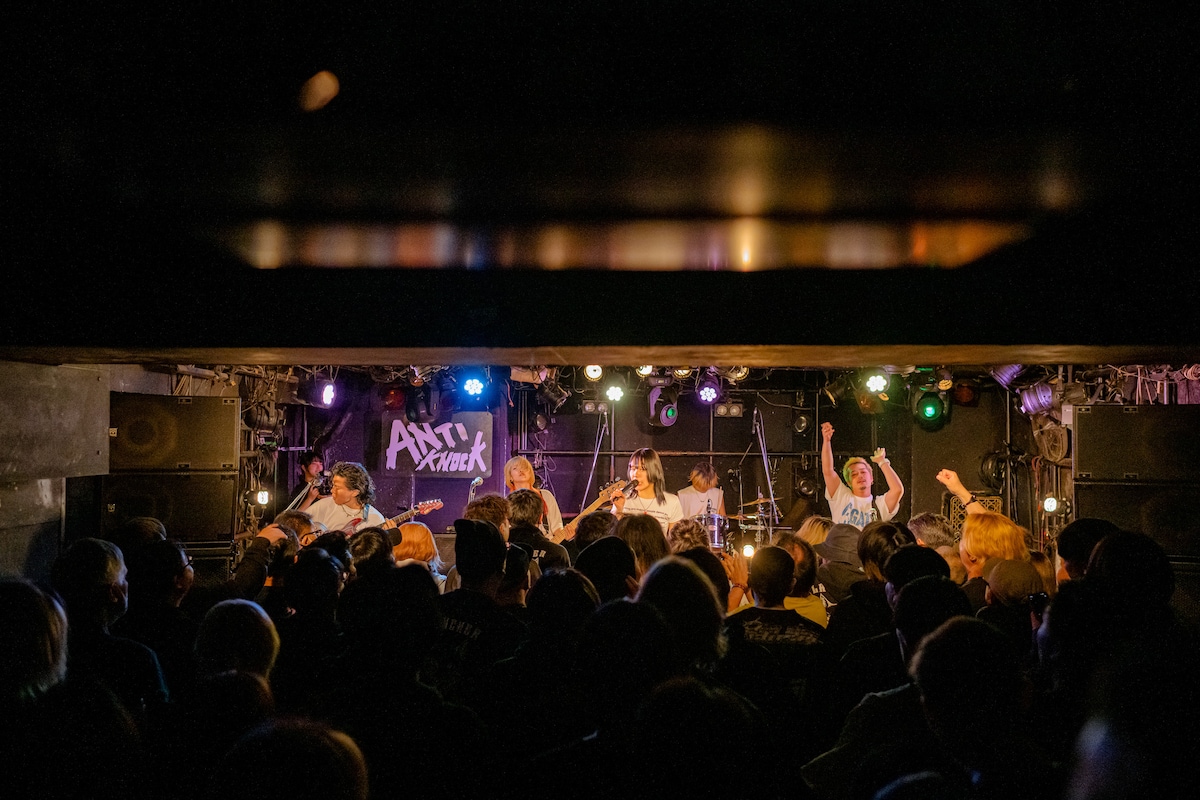
Bike Shinjukus Gems - a Tokyo locals tour
Sun, Dec 7 • 9:30 AM
160-0023, Tokyo Prefecture, Shinjuku City, Japan
View details
Practice Judo with a former UfC fighter
Sat, Dec 6 • 4:00 PM
227-0055, Kanagawa Prefecture, Yokohama, Japan
View details

Nearby restaurants of Zenkoku-ji Temple

Le Bretagne Creperie

SUGIDAMA Kagurazaka

Tonkatsu SAKURA

Caffè Veloce Kagurazaka

Ramen Torisoba Zagin Kagurazaka

Churrasco Restaurant ALEGRIA Kagurazaka

Nakizakana

Lugdunum Bouchon Lyonnais

GUENPIN KAGURAZAKA
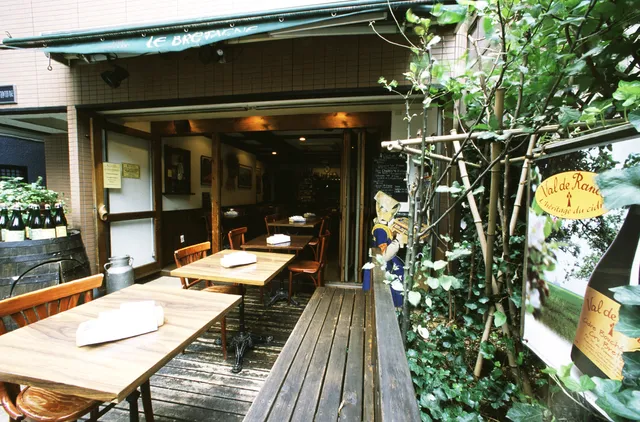
Kagurazaka Ishikawa

Le Bretagne Creperie

Le Bretagne Creperie

4.3

(613)

$$

Closed
Click for details
SUGIDAMA Kagurazaka

SUGIDAMA Kagurazaka

3.8

(300)

$$

Click for details
Tonkatsu SAKURA

Tonkatsu SAKURA

4.1

(430)

Click for details
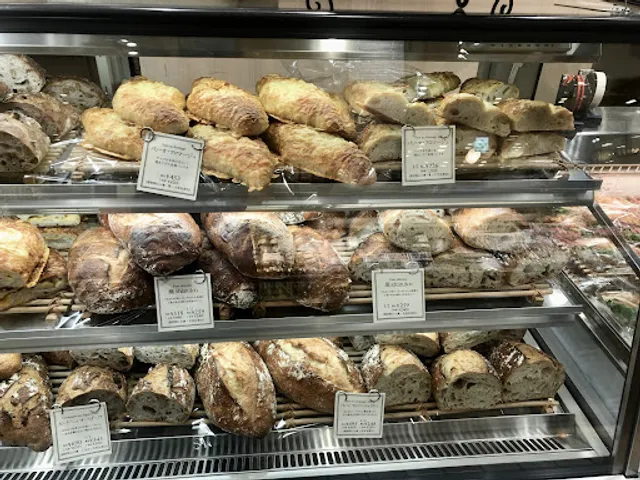
Caffè Veloce Kagurazaka

Caffè Veloce Kagurazaka

3.8

(294)

Click for details
Get the Appoverlay
Get the AppOne tap to find yournext favorite spots!
Wanderboat LogoWanderboat

Your everyday Al companion for getaway ideas

CompanyAbout Us
InformationAI Trip PlannerSitemap
SocialXInstagramTiktokLinkedin
LegalTerms of ServicePrivacy Policy

Get the app

© 2025 Wanderboat. All rights reserved.
logo

Reviews of Zenkoku-ji Temple

4.0
(730)
avatar
3.0
2y

Zenkokuji was founded in 1595, at the end of the Momoyama period, about 400 years ago. The first chief priest was Bushijoin Nissei Shonin, who served as the 12th chief priest of Ikegami Honmonji Temple. Shonin was the biological son of Nijo Kanpaku Akizane, and had been on friendly terms with Tokugawa Ieyasu for some time due to his father's relationship. In Tensho 18 (1590), nine years after Shonin was appointed as head of the Honmonji Temple from Kyoto, where he traveled to study, Ieyasu moved to Edo Castle and the two met again. So, the Shonin immediately made a prayer for peace in the world in front of the statue of Bishamonten that had been handed down from his grandfather. When Ieyasu heard about it, he gave the priest a temple site at the end of Nihonbashi Bakuro-cho Baba Kita, and furthermore, with the intention of protecting the nation, he hand-painted the mountain and temple plaque of "Chengozan/Zenkokuji" and presented it. became the foundation. This is where the famous Zenkokuji Temple, which enshrines Bishamonten, was born. Among the members of the Tokugawa family, if there is a strong belief in the Lotus Sutra, it is Mitsukuni Mito, who is famous for Komon-sama. Lord Mitsukuni also put his faith in Bishamonten of Zenkokuji Temple, and the mountain, which was destroyed by fire in 1670, was relocated to Kojimachi and rebuilt splendidly. Because of this connection, the mountain has since become a place of prayer for the Tokugawa family, as well as for the Tayasu and Hitotsubashi families of the Sango branch family. After that, the mountain suffered from fires in the Kyoho and Kansei years, especially in 1792, when it was relocated to Kagurazaka. About two hundred years ago. In addition, the ruins of Kojimachi can be remembered by the black granite "Zenkoku Teratani Ato" stone monument built on the sidewalk of the current Nippon Television Street, Kojimachi 3-chome intersection. The worship of Bishamonten became popular with the times, spreading to the shogunate, hatamoto, and feudal lords, and in the end of the Edo period, especially during the Bunka and Bunsei eras, it became an object of reverence for the common people. The prestige of Bishamonten has doubled. At first, the Kagurazaka neighborhood was mostly just samurai residences, but along with the relocation of Zenkokuji Temple, the number of private houses gradually increased, such as the relocation of Yoshizu-covered shops from Kojimachi to the front of Kukentoji Temple. was established and became a vibrant city. In the Meiji and early Taisho eras, many writers and artists such as Kyoka Izumi, Koyo Ozaki, and Hakushu Kitahara strolled through the area, making it a very lively place. In particular, the bustle of fairs was so great that crowds of people made it difficult for horses and carriages to come and go, and it became so famous that it was called Yamanote Ginza. rice field. The Great Tokyo Air Raid of 1945 turned the capital into a sea of ​​fire, and Mt. However, in 1946, Bishamondo was rebuilt, and in 1946, with the support of local residents and related people, the main hall, Bishamondo, which boasts of its majestic appearance, was completed, and reconstruction after the war damage was accomplished. of. Bishamonten is a god from India who plays the role of protecting the Buddha or Buddhism, and as the number one of the Four Heavenly Kings, he is in charge of the protection of the north. Also known as Tamonten, he literally "listens" to the prayers of pilgrims, and as one of the Seven Lucky Gods, he bestows good fortune on a...

   Read more
avatar
5.0
4y

とても特殊で面白い神社だと思います。 一見、街並みが映える程度の神社で、素通りする方も多いのではないでしょうか。神社オタクの僕が自信を持ってお勧めできる神社です。 所用時間5分 Reasonable ⭐️⭐️⭐️⭐️⭐️ Structure ⭐️⭐️⭐️⭐️ Access ⭐️⭐️⭐️⭐️⭐️ Knowledge ⭐️⭐️⭐️⭐️⭐️ Total ⭐️⭐️⭐️⭐️⭐️ 何故この神社がオススメかというと、 ・神楽坂~飯田橋の散歩がそもそも楽しい ・周辺に美味しい飲食店が多い ・見どころがコンパクトだけど、非常に面白い という、神楽坂散策のコースに入れやすい点です 以下のうんちくを覚えていくと、楽しめます。 毘沙門天というのは、仏教四天王の一柱で、最強です。ポケモンでいうところのワタルの位置にいます。 また、七福神の神様でもあるんです。なので、恵比寿様や大黒様が有名ではあるんですが、同じような気持ちでお参りされて大丈夫です。 祈願できるのは、金運・開運・商売繁盛・勝運(合格祈願)・健康長寿・厄除なので、これらに関することだと、叶うかもしれませんね! 関東の毘沙門天神社としては一番縁があると思ってます。 さらに、ここの狛犬は虎なんです。私はかなりの神社を回ってますが、こんな狛犬見たことが無いです。是非、見て行ってください。 以上、ご参考になれば嬉しいです。いいねや返信頂けると大変励みになります!それでは! I think it is a very special and interesting shrine. At first glance, the shrine is only a reflection of the cityscape, and many people may pass it by. As a shrine geek, I can recommend this shrine with confidence. Time required: 5 minutes Reasonable ⭐️⭐️⭐️⭐️⭐️ Structure ⭐️⭐️⭐️⭐️ Access ⭐️⭐️⭐️⭐️⭐️ Knowledge ⭐️⭐️⭐️⭐️⭐️ Total ⭐️⭐️⭐️⭐️ Why do I recommend this shrine? It's a great place to take a stroll around Kagurazaka and Iidabashi. There are many good restaurants in the area. There are many good restaurants in the area. It's easy to include in your Kagurazaka walking course! If you remember the following information, you will enjoy the walk. Bishamonten is one of the Four Heavenly Kings of Buddhism, and the strongest. He is in the position of Wataru in Pokemon. He is also the God of the Seven Lucky Gods. He is also one of the Seven Gods of Good Fortune, so although Ebisu-sama and Daikoku-sama are famous, you can visit him with the same feeling. You can pray for good luck with money, good luck with business, good luck in business, good luck in winning a test, good health and longevity, and protection from bad luck, so if it's about these things, it might come true! I think it's the most fortunate Bishamonten shrine in Kanto. Furthermore, the guardian dogs here are tigers. I've been to a lot of shrines, but I've never seen such guardian dogs. Please go and have a look. I hope the above is helpful to you. It would be very encouraging if you could like or...

   Read more
avatar
5.0
1y

Zenkokuji Temple in Kagurazaka, Shinjuku, built around late 16th or early 17th century, is located near Tokyo Metro Kagurazaka Station and is the symbol for Kagurazaka community.

The Temple is quite plain but stylish, with most wood frames painted in red color.

It opens daily to the public free for entrance.

For visitors who plan to stroll Kagurazaka-dori and nearby slope, Zenkokuji Temple is also a good geographic spot, because there are area maps outside the Temple and because Hyogo Yokocho [stone-paved lane] area is...

   Read more
Page 1 of 7
Previous
Next

Posts

This Fall in Tokyo, I'm Doing Just One Thing!!!
noodle.craftnoodle.craft
This Fall in Tokyo, I'm Doing Just One Thing!!!
Tokyo's Kagurazaka: The Cool Global Street Perfect for Slow Strolls
wear_life_wear_life_
Tokyo's Kagurazaka: The Cool Global Street Perfect for Slow Strolls
Yosh โยชิ NakYosh โยชิ Nak
Zenkokuji was founded in 1595, at the end of the Momoyama period, about 400 years ago. The first chief priest was Bushijoin Nissei Shonin, who served as the 12th chief priest of Ikegami Honmonji Temple. Shonin was the biological son of Nijo Kanpaku Akizane, and had been on friendly terms with Tokugawa Ieyasu for some time due to his father's relationship. In Tensho 18 (1590), nine years after Shonin was appointed as head of the Honmonji Temple from Kyoto, where he traveled to study, Ieyasu moved to Edo Castle and the two met again. So, the Shonin immediately made a prayer for peace in the world in front of the statue of Bishamonten that had been handed down from his grandfather. When Ieyasu heard about it, he gave the priest a temple site at the end of Nihonbashi Bakuro-cho Baba Kita, and furthermore, with the intention of protecting the nation, he hand-painted the mountain and temple plaque of "Chengozan/Zenkokuji" and presented it. became the foundation. This is where the famous Zenkokuji Temple, which enshrines Bishamonten, was born. Among the members of the Tokugawa family, if there is a strong belief in the Lotus Sutra, it is Mitsukuni Mito, who is famous for Komon-sama. Lord Mitsukuni also put his faith in Bishamonten of Zenkokuji Temple, and the mountain, which was destroyed by fire in 1670, was relocated to Kojimachi and rebuilt splendidly. Because of this connection, the mountain has since become a place of prayer for the Tokugawa family, as well as for the Tayasu and Hitotsubashi families of the Sango branch family. After that, the mountain suffered from fires in the Kyoho and Kansei years, especially in 1792, when it was relocated to Kagurazaka. About two hundred years ago. In addition, the ruins of Kojimachi can be remembered by the black granite "Zenkoku Teratani Ato" stone monument built on the sidewalk of the current Nippon Television Street, Kojimachi 3-chome intersection. The worship of Bishamonten became popular with the times, spreading to the shogunate, hatamoto, and feudal lords, and in the end of the Edo period, especially during the Bunka and Bunsei eras, it became an object of reverence for the common people. The prestige of Bishamonten has doubled. At first, the Kagurazaka neighborhood was mostly just samurai residences, but along with the relocation of Zenkokuji Temple, the number of private houses gradually increased, such as the relocation of Yoshizu-covered shops from Kojimachi to the front of Kukentoji Temple. was established and became a vibrant city. In the Meiji and early Taisho eras, many writers and artists such as Kyoka Izumi, Koyo Ozaki, and Hakushu Kitahara strolled through the area, making it a very lively place. In particular, the bustle of fairs was so great that crowds of people made it difficult for horses and carriages to come and go, and it became so famous that it was called Yamanote Ginza. rice field. The Great Tokyo Air Raid of 1945 turned the capital into a sea of ​​fire, and Mt. However, in 1946, Bishamondo was rebuilt, and in 1946, with the support of local residents and related people, the main hall, Bishamondo, which boasts of its majestic appearance, was completed, and reconstruction after the war damage was accomplished. of. Bishamonten is a god from India who plays the role of protecting the Buddha or Buddhism, and as the number one of the Four Heavenly Kings, he is in charge of the protection of the north. Also known as Tamonten, he literally "listens" to the prayers of pilgrims, and as one of the Seven Lucky Gods, he bestows good fortune on a daily basis.
See more posts
See more posts
hotel
Find your stay

Pet-friendly Hotels in Tokyo

Find a cozy hotel nearby and make it a full experience.

This Fall in Tokyo, I'm Doing Just One Thing!!!
noodle.craft

noodle.craft

hotel
Find your stay

Affordable Hotels in Tokyo

Find a cozy hotel nearby and make it a full experience.

Get the Appoverlay
Get the AppOne tap to find yournext favorite spots!
Tokyo's Kagurazaka: The Cool Global Street Perfect for Slow Strolls
wear_life_

wear_life_

hotel
Find your stay

The Coolest Hotels You Haven't Heard Of (Yet)

Find a cozy hotel nearby and make it a full experience.

hotel
Find your stay

Trending Stays Worth the Hype in Tokyo

Find a cozy hotel nearby and make it a full experience.

Zenkokuji was founded in 1595, at the end of the Momoyama period, about 400 years ago. The first chief priest was Bushijoin Nissei Shonin, who served as the 12th chief priest of Ikegami Honmonji Temple. Shonin was the biological son of Nijo Kanpaku Akizane, and had been on friendly terms with Tokugawa Ieyasu for some time due to his father's relationship. In Tensho 18 (1590), nine years after Shonin was appointed as head of the Honmonji Temple from Kyoto, where he traveled to study, Ieyasu moved to Edo Castle and the two met again. So, the Shonin immediately made a prayer for peace in the world in front of the statue of Bishamonten that had been handed down from his grandfather. When Ieyasu heard about it, he gave the priest a temple site at the end of Nihonbashi Bakuro-cho Baba Kita, and furthermore, with the intention of protecting the nation, he hand-painted the mountain and temple plaque of "Chengozan/Zenkokuji" and presented it. became the foundation. This is where the famous Zenkokuji Temple, which enshrines Bishamonten, was born. Among the members of the Tokugawa family, if there is a strong belief in the Lotus Sutra, it is Mitsukuni Mito, who is famous for Komon-sama. Lord Mitsukuni also put his faith in Bishamonten of Zenkokuji Temple, and the mountain, which was destroyed by fire in 1670, was relocated to Kojimachi and rebuilt splendidly. Because of this connection, the mountain has since become a place of prayer for the Tokugawa family, as well as for the Tayasu and Hitotsubashi families of the Sango branch family. After that, the mountain suffered from fires in the Kyoho and Kansei years, especially in 1792, when it was relocated to Kagurazaka. About two hundred years ago. In addition, the ruins of Kojimachi can be remembered by the black granite "Zenkoku Teratani Ato" stone monument built on the sidewalk of the current Nippon Television Street, Kojimachi 3-chome intersection. The worship of Bishamonten became popular with the times, spreading to the shogunate, hatamoto, and feudal lords, and in the end of the Edo period, especially during the Bunka and Bunsei eras, it became an object of reverence for the common people. The prestige of Bishamonten has doubled. At first, the Kagurazaka neighborhood was mostly just samurai residences, but along with the relocation of Zenkokuji Temple, the number of private houses gradually increased, such as the relocation of Yoshizu-covered shops from Kojimachi to the front of Kukentoji Temple. was established and became a vibrant city. In the Meiji and early Taisho eras, many writers and artists such as Kyoka Izumi, Koyo Ozaki, and Hakushu Kitahara strolled through the area, making it a very lively place. In particular, the bustle of fairs was so great that crowds of people made it difficult for horses and carriages to come and go, and it became so famous that it was called Yamanote Ginza. rice field. The Great Tokyo Air Raid of 1945 turned the capital into a sea of ​​fire, and Mt. However, in 1946, Bishamondo was rebuilt, and in 1946, with the support of local residents and related people, the main hall, Bishamondo, which boasts of its majestic appearance, was completed, and reconstruction after the war damage was accomplished. of. Bishamonten is a god from India who plays the role of protecting the Buddha or Buddhism, and as the number one of the Four Heavenly Kings, he is in charge of the protection of the north. Also known as Tamonten, he literally "listens" to the prayers of pilgrims, and as one of the Seven Lucky Gods, he bestows good fortune on a daily basis.
Yosh โยชิ Nak

Yosh โยชิ Nak

See more posts
See more posts