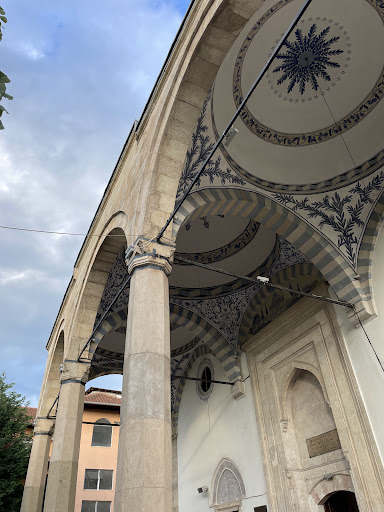
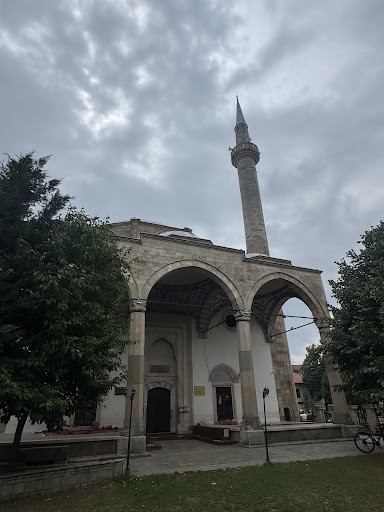
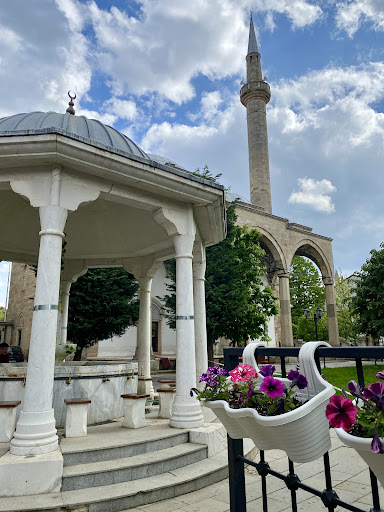
The Great Mosque things to do, attractions, restaurants, events info and trip planning
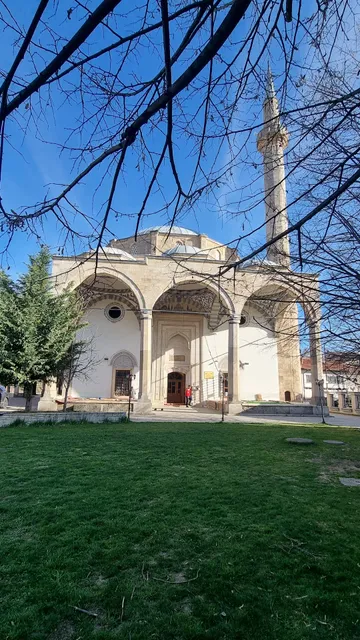
Basic Info
The Great Mosque
M588+QRV, Ibrahim Lutfiu, Prishtina 10000
4.8(384)
Open 24 hours
Save
spot
spot
Ratings & Description
Info
Cultural
Scenic
Accessibility
attractions: Kosovo Museum, Skanderbeg Square, Dodona Puppet Theater, Kosovo Flag, Gjergj Kastrioti "Skanderbeu'', Mother Theresa Square, Parku i Qytetit, Newborn Monument, Fadil Vokrri Stadium, Kosovo Philharmonic, restaurants: Liburnia, Qebaptore Gjakova, ABA, El Greco Restaurant, Yumi Bubble Tea – Prishtina, Thana & Redon, Shaban Grill House, Jana Napoletana Pizza 🇮🇹, Taverna Prishtina e Vjetër, Salt Prishtina, local businesses: Old Green Market, Teatri Kombëtar, Cigar Club Mareva Prishtine, Christ the Saviour - Orthodox Cathedral, Madeleine Albright's Square
 Learn more insights from Wanderboat AI.
Plan your stay

Pet-friendly Hotels in Pristina
Find a cozy hotel nearby and make it a full experience.

Affordable Hotels in Pristina
Find a cozy hotel nearby and make it a full experience.

The Coolest Hotels You Haven't Heard Of (Yet)
Find a cozy hotel nearby and make it a full experience.

Trending Stays Worth the Hype in Pristina
Find a cozy hotel nearby and make it a full experience.
Reviews
Nearby attractions of The Great Mosque
Kosovo Museum
Skanderbeg Square
Dodona Puppet Theater
Kosovo Flag
Gjergj Kastrioti "Skanderbeu''
Mother Theresa Square
Parku i Qytetit
Newborn Monument
Fadil Vokrri Stadium
Kosovo Philharmonic

Kosovo Museum
4.0
(317)
Open 24 hours
Click for details
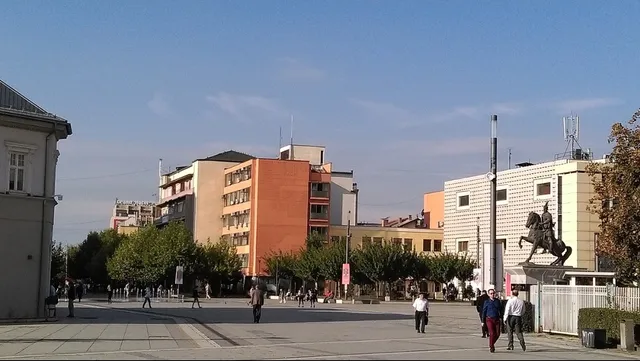
Skanderbeg Square
4.6
(338)
Closed
Click for details
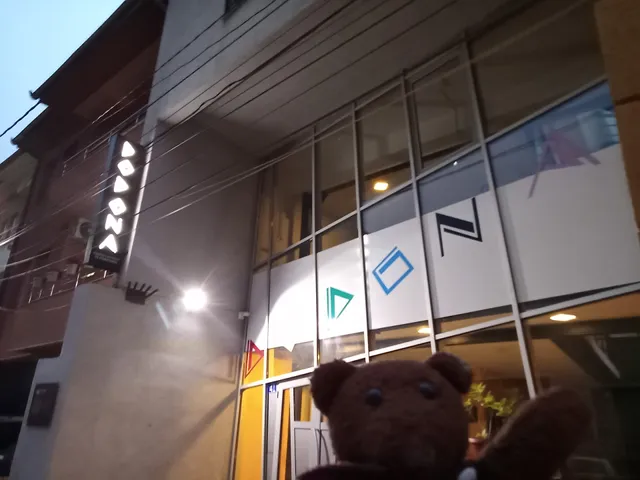
Dodona Puppet Theater
4.4
(45)
Open 24 hours
Click for details
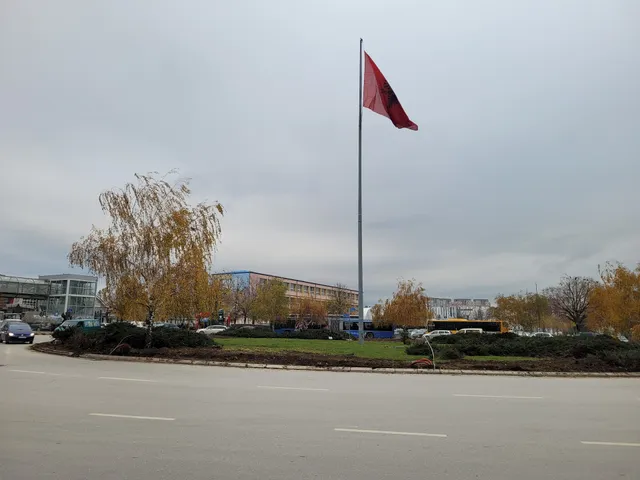
Kosovo Flag
4.2
(103)
Open 24 hours
Click for details
Nearby restaurants of The Great Mosque
Liburnia
Qebaptore Gjakova
ABA
El Greco Restaurant
Yumi Bubble Tea – Prishtina
Thana & Redon
Shaban Grill House
Jana Napoletana Pizza 🇮🇹
Taverna Prishtina e Vjetër
Salt Prishtina
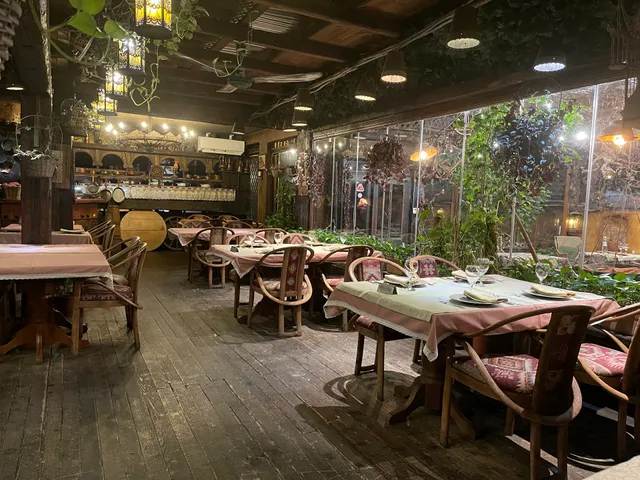
Liburnia
4.4
(812)
$
Closed
Click for details
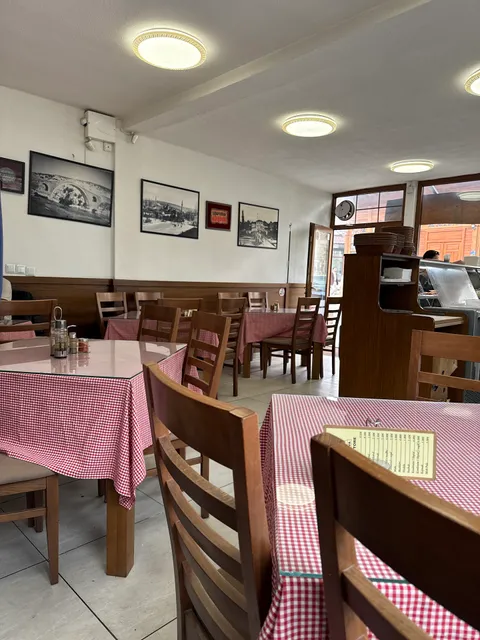
Qebaptore Gjakova
4.7
(36)
Closed
Click for details
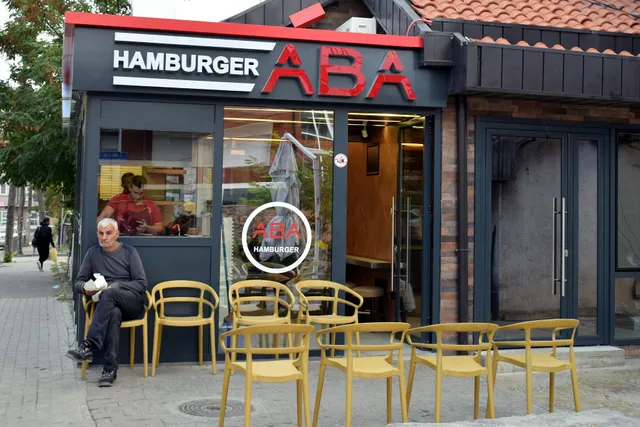
ABA
4.8
(82)
$
Closed
Click for details
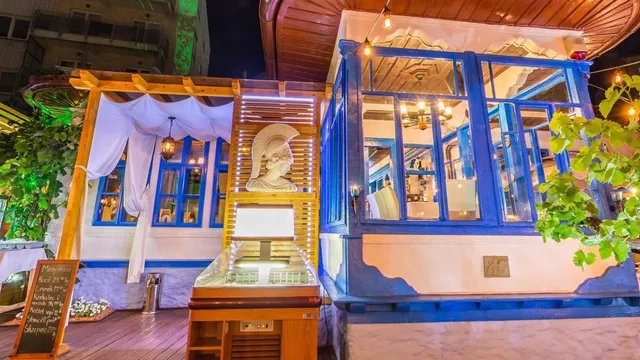
El Greco Restaurant
4.5
(69)
$$
Click for details
Nearby local services of The Great Mosque
Old Green Market
Teatri Kombëtar
Cigar Club Mareva Prishtine
Christ the Saviour - Orthodox Cathedral
Madeleine Albright's Square
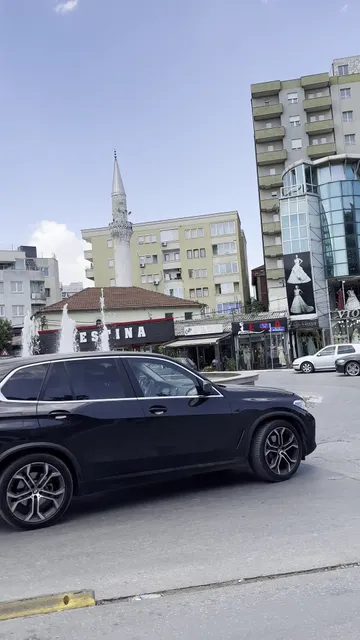
Old Green Market
4.3
(17)
Click for details
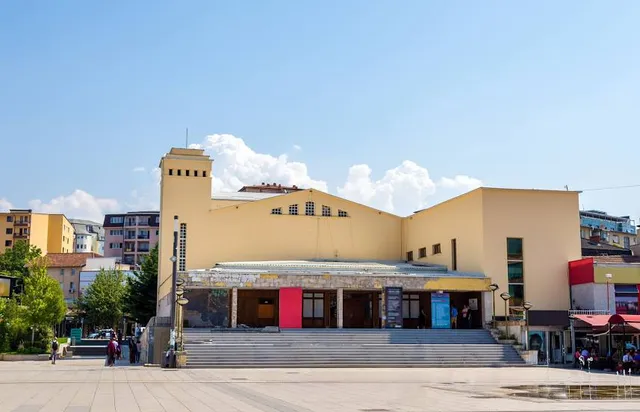
Teatri Kombëtar
4.5
(96)
Click for details
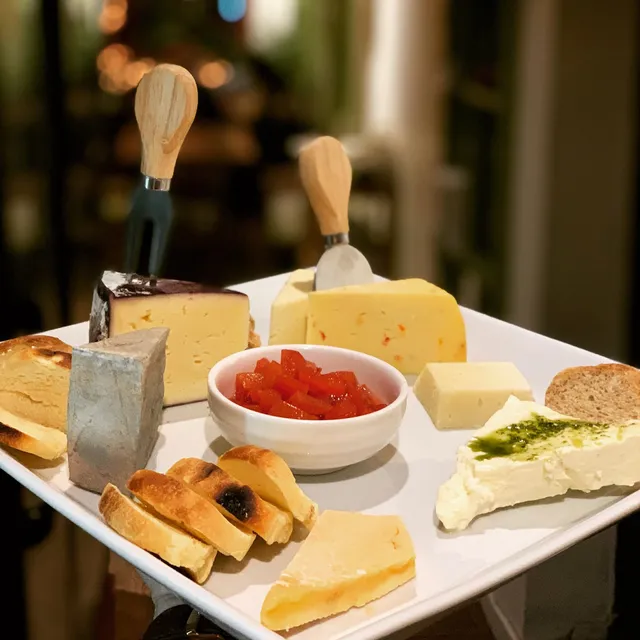
Cigar Club Mareva Prishtine
4.5
(33)
Click for details
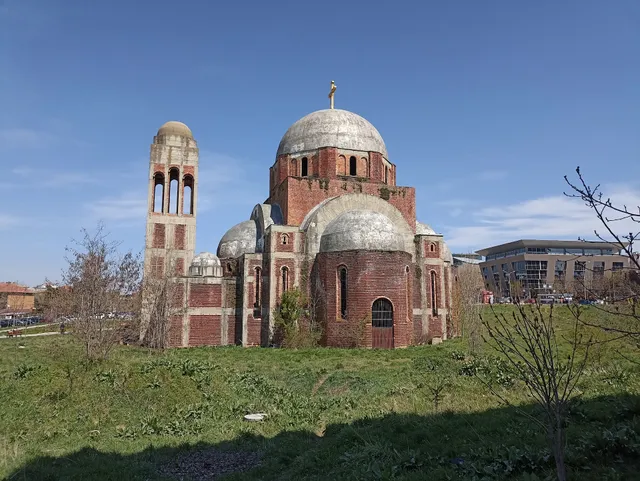
Christ the Saviour - Orthodox Cathedral
3.9
(96)
Click for details