We use cookies to ensure you get the best experience on our website. For more information on how we use cookies, please see our cookie policy.
By clicking "Accept", you agree to our use of cookies.
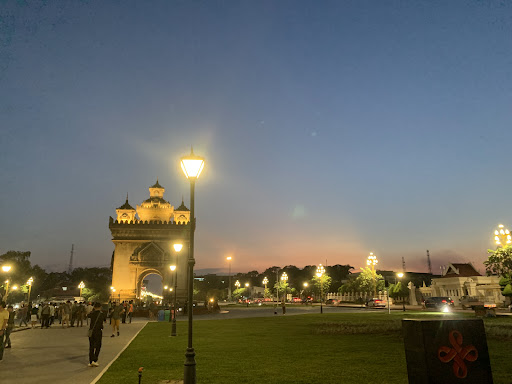
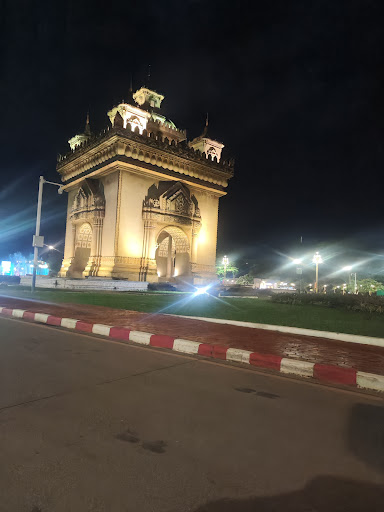
Learn moreThe Patuxay Monument in Vientiane, Laos, is a remarkable testament to the nation's history, resilience, and architectural grandeur. During my recent visit to this iconic landmark, I was left in awe of its significance and beauty, making it an absolute must-visit for anyone exploring Vientiane.
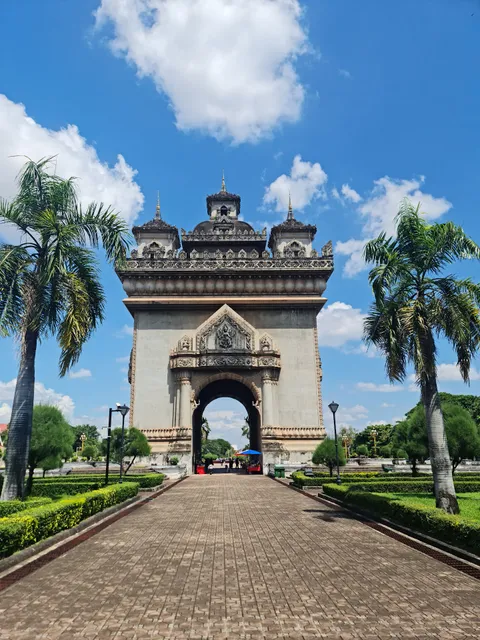
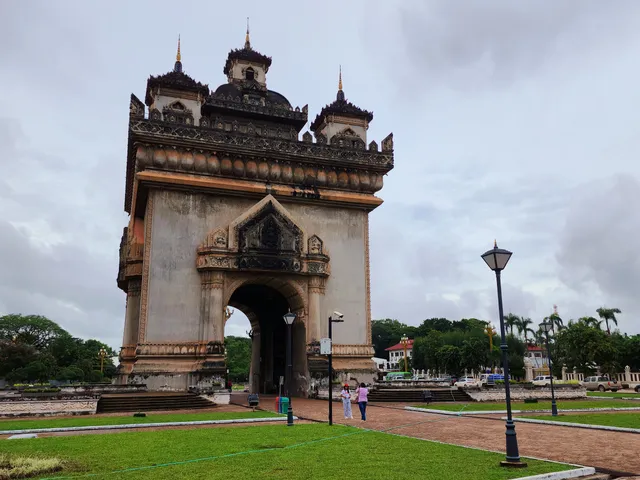
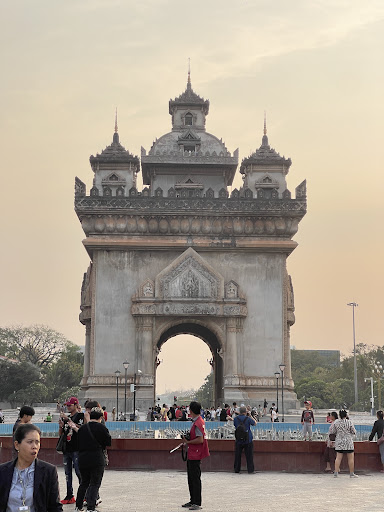
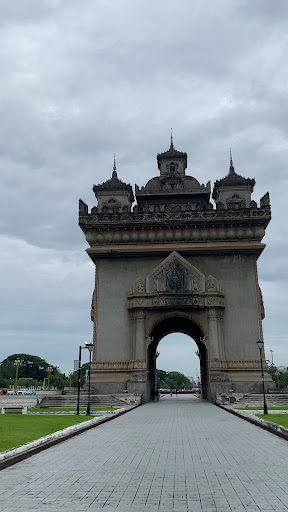
Architecture and Design: The first thing that strikes you about Patuxay is its striking architectural design. Often referred to as the "Vertical Runway" due to its resemblance to the Arc de Triomphe in Paris, this monument stands as a symbol of Laos' struggle for independence from foreign colonial powers. Its intricate carvings and artistic embellishments showcase a harmonious blend of Lao and French architectural influences, which adds a unique touch to the structure's aesthetics.
Panoramic Views: One of the highlights of visiting Patuxay is the opportunity to ascend to the top of the monument, where a breathtaking panoramic view of Vientiane awaits. The climb to the top is an adventure in itself, with staircases that lead to several lookout points. From the elevated vantage points, you can admire the city's layout, the meandering Mekong River, and the lush greenery that surrounds Vientiane. It's the perfect spot for taking memorable photographs and gaining a deeper understanding of the city's geography.
Historical Significance: Beyond its architectural charm, Patuxay is steeped in historical significance. The monument was built to honor those who fought for Laos' independence from French colonial rule and, later, to pay tribute to those who struggled for Lao sovereignty in the 20th century. The war memorials and plaques provide insight into the nation's history and the sacrifices made for its freedom, making it an essential historical site in Vientiane.
Lush Gardens and Parks: The surrounding gardens and parks of Patuxay offer a serene escape from the hustle and bustle of the city. It's an ideal place for leisurely walks, picnics, or simply unwinding in the shade of the beautiful trees. The peaceful ambiance adds to the overall experience and provides a sense of tranquility.
Local Culture: Patuxay is not just a tourist attraction; it's also a vibrant hub for the local community. You'll often find locals gathering, practicing traditional dances, and enjoying picnics with their families. This integration of local culture with historical significance adds an enriching layer to the experience.
In conclusion, the Patuxay Monument in Vientiane, Laos, is a symbol of national pride, resilience, and architectural splendor. It offers visitors a captivating blend of history, culture, and breathtaking views of the city. My visit left me with a profound appreciation for Laos' heritage and the enduring spirit of its people. I wholeheartedly recommend experiencing the Patuxay Monument as an essential part of your...
Read morePatuxay: Vientiane's Triumphant Arch Patuxay, often referred to as the "Triumphal Arch of Vientiane" or the "Victory Gate," stands as one of the most iconic landmarks in Vientiane, Laos. This majestic monument, situated at the end of Lan Xang Avenue, offers a fascinating blend of architectural grandeur and historical irony, making it a must-visit destination for any traveler. A Striking Design The monument's design is immediately striking. While its overall structure is reminiscent of the Arc de Triomphe in Paris, Patuxay has a distinctly Laotian character. Built between 1957 and 1968, it was constructed using funds and cement originally intended for a new airport runway, which earned it the local nickname "the vertical runway." This blend of French colonial influence with traditional Laotian elements—such as Kinnari (half-woman, half-bird) sculptures, staircases decorated with Hindu deities, and the use of Buddhist symbolism—creates a unique aesthetic. The four arches are adorned with elaborate carvings that depict scenes from the Ramayana and local folklore, showcasing the rich cultural heritage of Laos. The Ascent to the Top One of the highlights of a visit is the opportunity to climb to the top of the arch. For a small fee, visitors can ascend the internal staircases, which pass by a few small souvenir shops selling local handicrafts and textiles. The climb is not strenuous and offers several vantage points on the different levels. Once at the very top, you are rewarded with a panoramic view of Vientiane—a cityscape of low-rise buildings, temples, and the surrounding green space, including the tranquil Patuxay Park below. This elevated perspective offers a great sense of the city's layout and atmosphere. The Surrounding Park The area surrounding the arch is equally appealing. The Patuxay Park features well-manicured gardens, a large fountain, and reflecting pools that make for beautiful photographs, particularly during sunset. The park is a popular spot for locals to relax, exercise, and socialize, lending a peaceful, authentic vibe to the area. In summary, Patuxay is more than just a photo opportunity; it is a symbol of Laotian resilience and history. It perfectly encapsulates Vientiane's blend of past and present, traditional and foreign influences. While perhaps not as historically significant as its French counterpart, its unique history, beautiful Laotian detailing, and the commanding views from the top make it an unforgettable stop on any itinerary. It’s a wonderful place to spend an hour absorbing the local atmosphere and appreciating the artistry of its...
Read morePatuxai known by the French as Monument Aux Morts) is a war monument in Downtown Vientiane, Laos, built between 1957 and 1968. The Patuxai was dedicated to those who fought in the struggle for independence from France. In romanizing the name from the Laotian language, it is variously transliterated as Patuxai, Patuxay, Patousai and Patusai. It is also called Patuxai Arch or the Arc de Triomphe of Vientiane as it resembles the Arc de Triomphe in Paris. However, it is typically Laotian in design, decorated with mythological creatures such as the kinnari.
The monument has five towers that represent the five principles of coexistence among nations of the world. They are also representative of the five Buddhist principles of “thoughtful amiability, flexibility, honesty, honor and prosperity”.
The monument has gateways on four sides oriented towards the four cardinal directions. The east–west gateways open to the Lane Xang Avenue, which is used during ceremonial national parades. In front of each gate, there is a pond. The four ponds represent the open section of a lotus flower (representing reverence of Laotians to the brave warriors of the nation). The four corners of the gateways are adorned by statues of a Naga King (mythical symbol of Laos), with a depiction signifying spraying of a jet of water (suggesting nature, fertility, welfare and happiness) into the ponds on the ground. Two concrete staircases wind up from inside the main structure, passing through each floor, right up to the top of the monument. Viewing galleries are provided on the upper floors. The first floor has mainly the offices of the management of the monument; the kiosks dealing with tourist paraphernalia (artefacts, souvenirs and refreshments) are also housed on this floor. The second floor is an important area where a museum is housed, displaying statues and pictures of the iconic heroes and heroines of the country. The roof design is also inspired by Taj...
Read more