HTML SitemapExplore
logo
Find Things to DoFind The Best Restaurants

Dhammikarama Burmese Temple — Attraction in George Town

Name
Dhammikarama Burmese Temple
Description
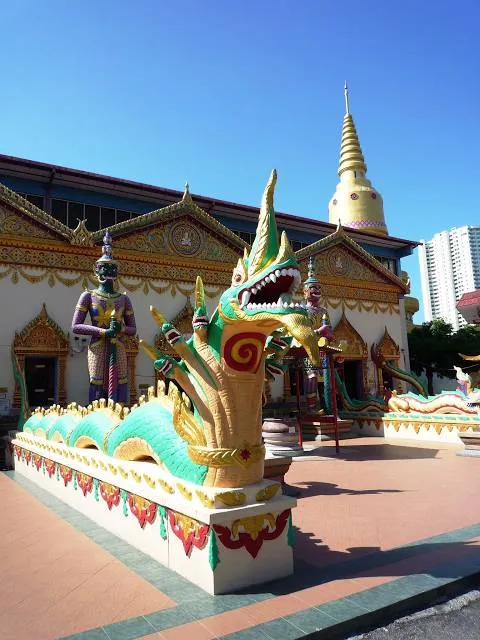
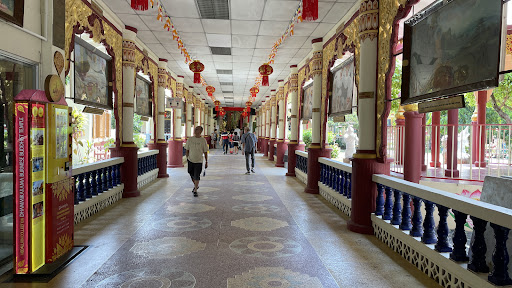
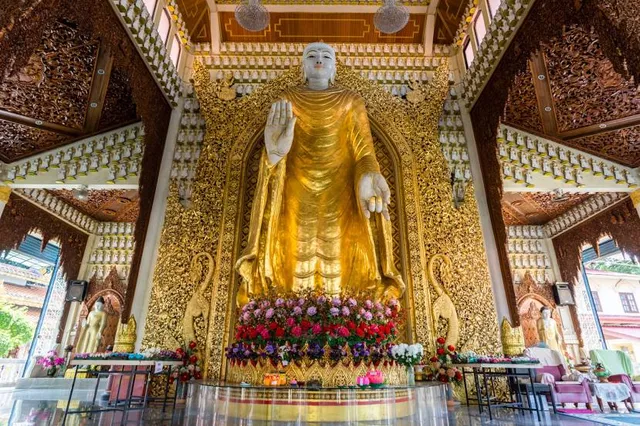
Dhammikarama Burmese Temple is a Burmese temple in Pulau Tikus suburb of George Town of Penang in Malaysia. Situated in Burmah Road, the temple located close to the Wat Chayamangkalaram. It is the sole and oldest Malaysian Burmese temple in the state.
Nearby attractions
Chaiya Mangalaram Thai Buddhist Temple
17, Lorong Burma, Pulau Tikus, 10250 George Town, Pulau Pinang, Malaysia
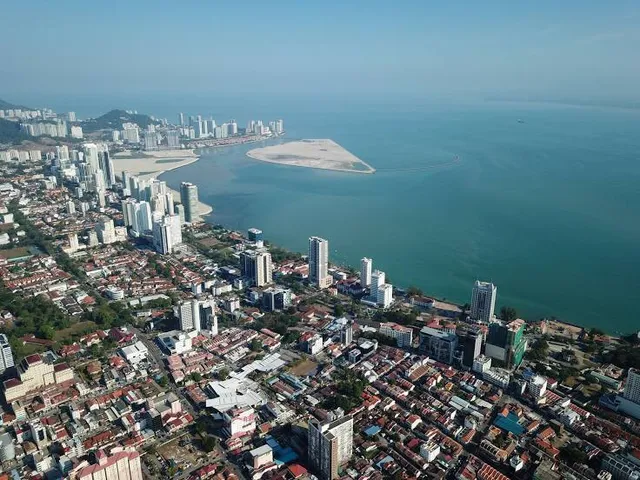
Gurney Bay Park
Gurney Dr, 10250 George Town, Penang, Malaysia
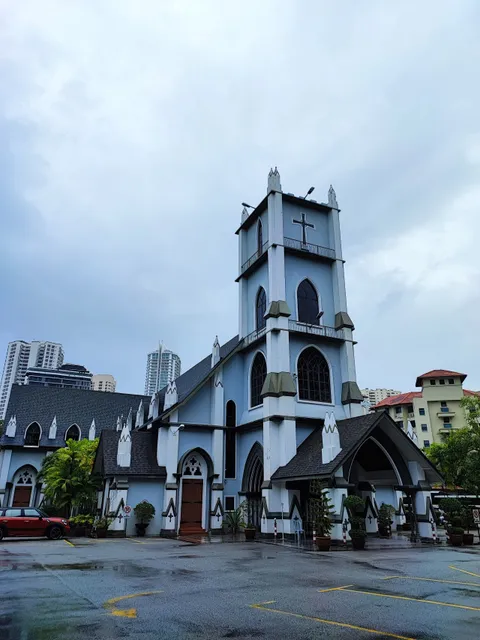
Church of the Immaculate Conception, Penang (Gereja Kandungan Suci/அமலோற்பவ அன்னை தேவாலயம்) (1811)
1, Lorong Maktab, Pulau Tikus, 10250 George Town, Pulau Pinang, Malaysia
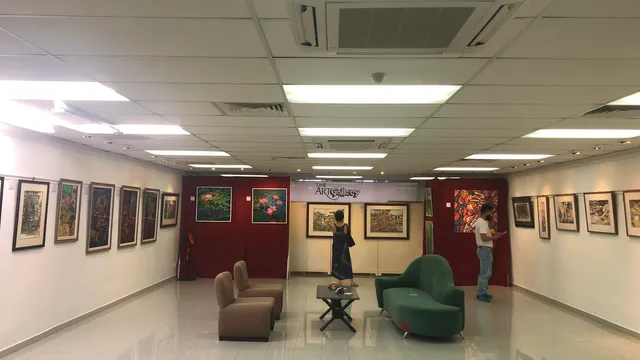
The Art Gallery, Penang (Open by Appointments Only)
368-4-8, Bellisa Row, Jalan Burma, Pulau Tikus, 10350 George Town, Pulau Pinang, Malaysia
Buddhist Temple Wat Buppharam
8, Jln Perak, Pulau Tikus, 10150 George Town, Pulau Pinang, Malaysia
The Buddhist Triple Wisdom Hall
5, Jalan Pangkor, Road, 10050 George Town, Pulau Pinang, Malaysia
Colonial Penang Museum
7, Jln D.S. Ramanathan, Pulau Tikus, 10350 George Town, Pulau Pinang, Malaysia
Nearby restaurants
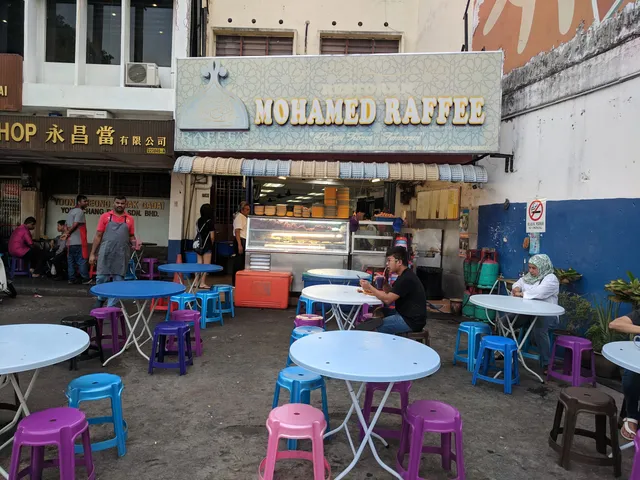
Restoran Mohamed Raffee Nasi Kandar
295-A, Jalan Burma, Pulau Tikus, 10350 George Town, Penang, Malaysia
Tao Kae Noi caffe ( Thai Steamboat )
12, Lorong Burma, 10250 George Town, Pulau Pinang, Malaysia
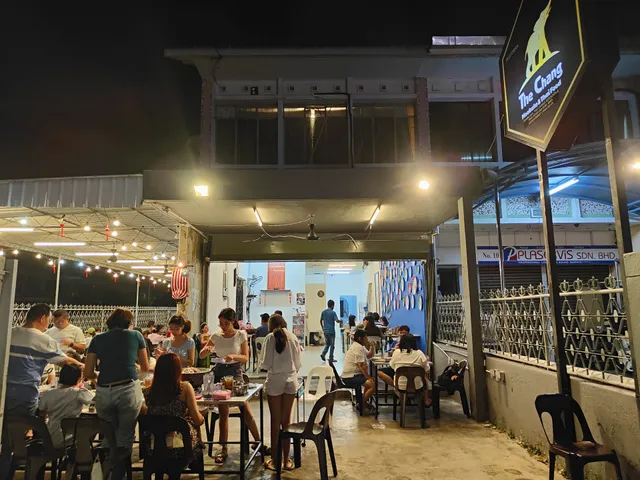
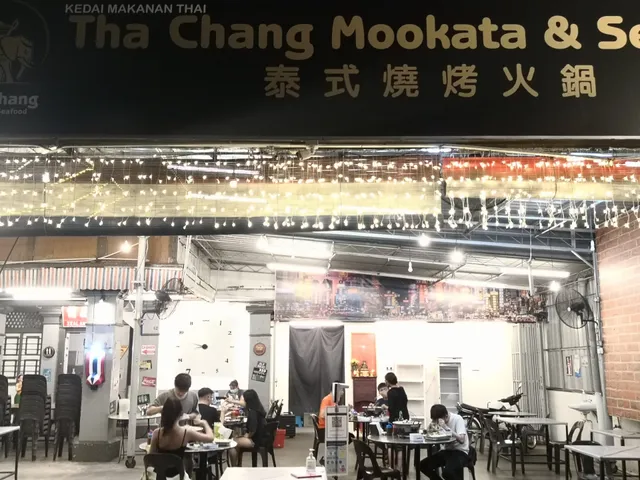
The Chang Mookata & Thai Food
12, Lorong Burma, 10250 George Town, Pulau Pinang, Malaysia
Pulau Tikus Kitchen
236, Jalan Burma, 10350 George Town, Pulau Pinang, Malaysia
Bali Hai Seafood Market
90A, 90 B, 90C & 90 D, 90, Persiaran Gurney, 10250 George Town, Pulau Pinang, Malaysia
Evergreen Vegetarian
39 A, Cantonment Rd, 10250 George Town, Penang, Malaysia
Kristal Seafood
224-B, Jalan Burma, 10350 George Town, Pulau Pinang, Malaysia
Jiashi Restaurant
72-H & I, 72h, Gurney Dr, Gurney, 10250 George Town, Penang, Malaysia
NIKUNO YOICHI @Penang
No90-G, Gurney Dr, Pulau Tikus, 10250 George Town, Penang, Malaysia
Orinea Restaurant
68-18-1, Sunrise Gurney, Gurney Dr, 10250 George Town, Penang, Malaysia
Nearby hotels
Sunrise Gurney Homestay
68A-12-1, Gurney Dr, 10250 George Town, Penang, Malaysia
Momostay
42, Jalan Jones, George Town, 10250 George Town, Pulau Pinang, Malaysia
Palanquinn Heritage Suites
39, Lorong Bangkok, George Town, 10250 George Town, Pulau Pinang, Malaysia
Wangs Hotel Gurney Drive
No. 75, Gurney Dr, 10250 George Town, Penang, Malaysia
Burmahtel Hotel
Wisma Soon, Jalan Burma, Pulau Tikus, 10350 George Town, Pulau Pinang, Malaysia
KF Guesthouse & Laundry selfservice
224-C, Jalan Burma, 10350 George Town, Pulau Pinang, Malaysia
Codrington House
35, Lengkok Moulmein, Pulau Tikus, 10350 George Town, Pulau Pinang, Malaysia
Penang Marriott Hotel
55, Gurney Dr, 10250 George Town, Penang, Malaysia
THE CORNER CLUB PENANG
32, Kelawai Rd, Georgetown, 10250 George Town, Penang, Malaysia
Gurney Bay Hotel, A PARKROYAL Hotel
53, Gurney Dr, 10250 George Town, Penang, Malaysia
Related posts
Keywords
Dhammikarama Burmese Temple tourism.Dhammikarama Burmese Temple hotels.Dhammikarama Burmese Temple bed and breakfast. flights to Dhammikarama Burmese Temple.Dhammikarama Burmese Temple attractions.Dhammikarama Burmese Temple restaurants.Dhammikarama Burmese Temple travel.Dhammikarama Burmese Temple travel guide.Dhammikarama Burmese Temple travel blog.Dhammikarama Burmese Temple pictures.Dhammikarama Burmese Temple photos.Dhammikarama Burmese Temple travel tips.Dhammikarama Burmese Temple maps.Dhammikarama Burmese Temple things to do.
Dhammikarama Burmese Temple things to do, attractions, restaurants, events info and trip planning
Dhammikarama Burmese Temple
MalaysiaPenangGeorge TownDhammikarama Burmese Temple

Basic Info

Dhammikarama Burmese Temple

10250, Lorong Burma, Georgetown, 10350 George Town, Pulau Pinang, Malaysia
4.6(663)
Open 24 hours
Save
spot

Ratings & Description

Info

Dhammikarama Burmese Temple is a Burmese temple in Pulau Tikus suburb of George Town of Penang in Malaysia. Situated in Burmah Road, the temple located close to the Wat Chayamangkalaram. It is the sole and oldest Malaysian Burmese temple in the state.

Cultural
Scenic
Family friendly
Accessibility
attractions: Chaiya Mangalaram Thai Buddhist Temple, Gurney Bay Park, Church of the Immaculate Conception, Penang (Gereja Kandungan Suci/அமலோற்பவ அன்னை தேவாலயம்) (1811), The Art Gallery, Penang (Open by Appointments Only), Buddhist Temple Wat Buppharam, The Buddhist Triple Wisdom Hall, Colonial Penang Museum, restaurants: Restoran Mohamed Raffee Nasi Kandar, Tao Kae Noi caffe ( Thai Steamboat ), The Chang Mookata & Thai Food, Pulau Tikus Kitchen, Bali Hai Seafood Market, Evergreen Vegetarian, Kristal Seafood, Jiashi Restaurant, NIKUNO YOICHI @Penang, Orinea Restaurant
logoLearn more insights from Wanderboat AI.
Phone
+60 4-226 9575

Plan your stay

hotel
Pet-friendly Hotels in George Town
Find a cozy hotel nearby and make it a full experience.
hotel
Affordable Hotels in George Town
Find a cozy hotel nearby and make it a full experience.
hotel
The Coolest Hotels You Haven't Heard Of (Yet)
Find a cozy hotel nearby and make it a full experience.
hotel
Trending Stays Worth the Hype in George Town
Find a cozy hotel nearby and make it a full experience.

Reviews

Nearby attractions of Dhammikarama Burmese Temple

Chaiya Mangalaram Thai Buddhist Temple

Gurney Bay Park

Church of the Immaculate Conception, Penang (Gereja Kandungan Suci/அமலோற்பவ அன்னை தேவாலயம்) (1811)

The Art Gallery, Penang (Open by Appointments Only)

Buddhist Temple Wat Buppharam

The Buddhist Triple Wisdom Hall

Colonial Penang Museum

Chaiya Mangalaram Thai Buddhist Temple

Chaiya Mangalaram Thai Buddhist Temple

4.5

(1.6K)

Open 24 hours
Click for details
Gurney Bay Park

Gurney Bay Park

4.5

(332)

Open 24 hours
Click for details
Church of the Immaculate Conception, Penang (Gereja Kandungan Suci/அமலோற்பவ அன்னை தேவாலயம்) (1811)

Church of the Immaculate Conception, Penang (Gereja Kandungan Suci/அமலோற்பவ அன்னை தேவாலயம்) (1811)

4.8

(170)

Open 24 hours
Click for details
The Art Gallery, Penang (Open by Appointments Only)

The Art Gallery, Penang (Open by Appointments Only)

4.9

(35)

Open until 5:30 PM
Click for details

Things to do nearby

Biking through Malay countryside
Mon, Dec 8 • 7:00 AM
10200, George Town, Penang, Malaysia
View details
Good Morning Penang Food Tour with 15-plus tasting
Mon, Dec 8 • 10:00 AM
10050, George Town, Penang, Malaysia
View details
Penang Hill Hike & Night View
Sun, Dec 7 • 7:30 PM
11500, Bukit Bendera, Penang, Malaysia
View details

Nearby restaurants of Dhammikarama Burmese Temple

Restoran Mohamed Raffee Nasi Kandar

Tao Kae Noi caffe ( Thai Steamboat )

The Chang Mookata & Thai Food

Pulau Tikus Kitchen

Bali Hai Seafood Market

Evergreen Vegetarian

Kristal Seafood

Jiashi Restaurant

NIKUNO YOICHI @Penang

Orinea Restaurant

Restoran Mohamed Raffee Nasi Kandar

Restoran Mohamed Raffee Nasi Kandar

4.2

(2.5K)

$

Click for details
Tao Kae Noi caffe ( Thai Steamboat )

Tao Kae Noi caffe ( Thai Steamboat )

4.2

(141)

Click for details
The Chang Mookata & Thai Food

The Chang Mookata & Thai Food

4.3

(67)

Click for details
Pulau Tikus Kitchen

Pulau Tikus Kitchen

4.4

(138)

Click for details
Get the Appoverlay
Get the AppOne tap to find yournext favorite spots!
Wanderboat LogoWanderboat

Your everyday Al companion for getaway ideas

CompanyAbout Us
InformationAI Trip PlannerSitemap
SocialXInstagramTiktokLinkedin
LegalTerms of ServicePrivacy Policy

Get the app

© 2025 Wanderboat. All rights reserved.
logo

Reviews of Dhammikarama Burmese Temple

4.6
(663)
avatar
5.0
1y

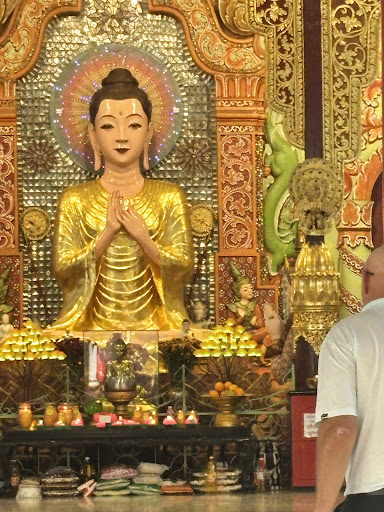
It is said to be the largest Buddhist temple in Southeast Asia, divided into two by a street. You can take bus number 201 to get there, which is not very far from the old town of Penang, making it very convenient as the bus stops right there. The most striking feature in the left temple is the paintings above the corridor on both sides, depicting the life of Buddha. These paintings are not by a single artist; their styles and quality vary, all funded by Buddhists. Some of the paintings are exceptional, while others clearly exhibit the style of Relikh. The temple is adorned with various statues, complemented by green vegetation, creating a beautiful scene. In the main temple, monks are performing rituals for the faithful. The Buddha statue worshipped in this main temple is a modern creation, not only differing in facial and bodily appearance from the traditional Buddha images but also adorned with an electronic light halo on its head.

Across the street is the Reclining Buddha temple. Inside, the Reclining Buddha measures 33 meters in length, the largest I have seen. The one I saw in Yangon, Myanmar, was 27 meters, but this one seemed smaller, perhaps due to its height. Behind and beneath the Reclining Buddha are columbariums for storing ashes, each niche marked with photos, birth and death dates, and various urns. It was striking to see the ashes of a graceful, beautiful young woman and a handsome, clear-eyed young man who had left the world in their twenties, truly a lamentable sight. Here, too, donations are called for and welcomed, but without the pervasive smell of money like at the temple of extreme joy. Temples mostly rely on donations for survival, and as long as it is not excessive, it is considered normal. Near the end of the visit, a friendly reminder on the wall warned of thieves stealing shoes left outside, which could be a disaster in such hot weather, prompting a...

   Read more
avatar
5.0
12w

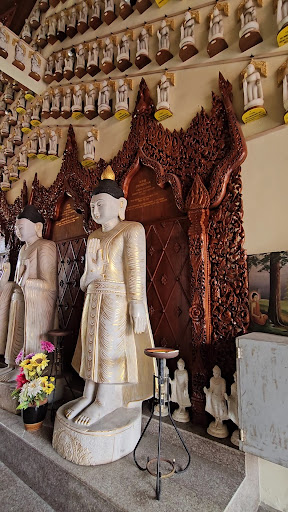
This Burmese temple is located directly opposite Chaiya Mangalaram Thai Buddhist Temple. Similarly, it has been decades since I last visited and really relieved to see this temple is well maintained. I visited on a weekday and am glad I made that choice. As this site is a recommended tourist & historical site, going a weekday meant it was less crowded and I could enjoy the sights there. During my visit, there were almost no tourist in sight except for Buddhist devotees at that time. Some tips and highlights: There are no issues with photos and videos of the temple (inside & outside). Shoes must be taken off before entering the buildings. There are plenty of statues, carvings and paintings; worth taking your time admiring and looking through them. There are some sections of the temple where artwork, Buddhist trinkets, statues, Burmese Jade and many more items sold. When I visited, there was a monk in the main shrine hall that was available for blessings. The temple has a building housing many standing Buddha statues. In this building, there are beautiful wood carvings all over. At the back of the building, there are many different statues representing the different countries. Each statues has slightly different facial features representative of that country. There is no admission fee. Visitors are welcome to donate any amounts they wish to. There are beggars on the temple grounds but nothing to worry about.

Overall, the temple has a very peaceful atmosphere. I would happily return again to this temple...

   Read more
avatar
5.0
2y

Đền Dhammikarna Burmese là ngôi chùa Phật Miến Điện duy nhất bên ngoài Myanmar và có những bức tượng về tư thế thiền định của ông ở mỗi đầu của ngôi đền này. Câu chuyện lập dị của Đức Phật được truyền tải qua những bức bích họa mà bạn sẽ chứng kiến khi bạn bước vào bầu không khí thanh thản này, nơi cũng có một cây bồ đề và một cái ao ước. Người ta có thể nhận ra cuộc sống của các nhà sư vì họ sống trong các căn hộ bên trong ngôi đền này. Hãy chắc chắn rằng bạn đã tháo giày trước khi bước vào như một dấu hiệu tôn trọng. Đền Dhammikarama Burmese (Miến Điện: ဓမ္ မိ ကာ ရာ မ မြန်မာ) là một ngôi đền Miến Điện ở ngoại ô Pulau Tikus của thị trấn George của Penang ở Malaysia. Nằm ở đường Burmah, ngôi đền nằm gần Wat Chayamangkalaram. Đây là ngôi đền Miến Điện Malaysia duy nhất và lâu đời nhất trong tiểu bang. [3] Ngôi chùa cũng trở thành tâm điểm của các lễ hội Nước, Songkran và Trung thu hàng năm cũng như cho Ngày Chay Phật và Ngày thắp nến trong vùng ngoại ô thành phố. Từ đầu thế kỷ 19, đã có một khu định cư của người Miến Điện ở Pulau Tikus. Vào ngày 1 tháng 8 năm 1803, một ngôi đền nhỏ tên là "Đền Nandy Moloh" đã được xây dựng trong khu vực bởi cộng đồng Miến Điện từ một vùng đất do Nyonya Betong tặng sau khi cô mua đất với giá $ 390 (đô la Tây Ban Nha) từ George Layton. Vị trụ trì đầu tiên cho ngôi đền là U. Nandamala. Ngay từ thời kỳ đầu, các tín đồ của phụ nữ đã là trụ cột của ngôi đền với bốn ủy viên nữ; Nyonya Betong, Nyonya Meerut, Nyonya Koloh và Nyonya Bulan. Khi cộng đồng Miến Điện phát triển, sau đó họ kêu gọi Nữ hoàng Victoria cho những vùng đất bổ sung để mở rộng quy mô ngôi đền cũng như cho khu chôn cất của những người lớn tuổi. Điều này đã được chính phủ của Định cư Eo biển tích cực nhận được và một khoản trợ cấp đã được trao cho hai ủy viên nữ Miến Điện tên là Nongmay và Boonkhan trong nhiệm kỳ của W. J. Butterworth với tư cách là thống đốc Định cư Eo biển năm 1845. Được thành lập như một kyaung (tu viện), ngôi đền đóng vai trò là nơi ẩn dật cho tín đồ Phật giáo, với khu của một nhà sư, nhà nghỉ của giới luật sư và một thư viện trong khuôn viên chùa. Vô số bức tượng của Đức Phật và các sinh vật thần thoại như voi, cá và garuda để tượng trưng cho "ba cõi đất, không khí và biển" nằm rải rác trong đền, bao gồm một cặp chim có cánh được gọi là Panca Rupa (Người bảo vệ của Thế giới) và một bức tranh tường khổng lồ mô tả Sự từ bỏ của Đức Phật. Cũng như các ngôi đền Miến Điện khác, chinthe là một sinh vật nổi bật khác trong đền với khu đền thờ cũng có cảnh quan làm vườn. Phần cổ nhất của ngôi đền là bảo tháp của nó, được thánh hiến vào năm 1805. Bảo tháp sau đó được lưu giữ trong một bảo tháp bên ngoài được xây dựng vào năm 1838, cùng với Hội trường Đền thờ Sasana Vamsa Sima, được bảo vệ bởi một cặp voi đá. . Hội trường đền thờ được cải tạo lần cuối vào năm 1995 để đối phó với sự gia tăng số lượng tín đồ. Đức Phật đứng trong phòng thờ có phông nền chạm khắc bằng vàng với trần nhà cũng trưng bày những bức chạm khắc tinh xảo có màu nâu sơn mài. Ngoài ra, một cái giếng cũng được đào bởi cộng đồng Miến Điện xung quanh nhưng kể từ khi nước máy ra đời, giếng đã không được sử dụng. Đền thờ Arahant Uppagupta của ngôi đền ban đầu được xây dựng theo cấu trúc bằng gỗ vào năm 1840 trước khi một ngôi đền mới được xây dựng vào năm 1976.Uppagupta được cho là có sức mạnh để xua đuổi tà ma, chướng ngại vật và hiểm nguy. Đền thờ được kèm theo hai bức tượng khác; một trong số họ là Arahant Khema. Sau đó, một cấu trúc mới được gọi là "Tháp chuông chùa vàng" đã được thêm vào ngôi đền nơi nó được hoàn thành vào năm 2011 với chi phí 3 triệu đô la Úc. Cũng như phần còn lại của ngôi đền, chùa của nó ngập tràn trong các phong cách kiến ​​trúc của Miến Điện, với các nghệ nhân được mang đến từ Myanmar đặc biệt để xây dựng công trình. Bài...

   Read more
Page 1 of 7
Previous
Next

Posts

Bars BarsBars Bars
It is said to be the largest Buddhist temple in Southeast Asia, divided into two by a street. You can take bus number 201 to get there, which is not very far from the old town of Penang, making it very convenient as the bus stops right there. The most striking feature in the left temple is the paintings above the corridor on both sides, depicting the life of Buddha. These paintings are not by a single artist; their styles and quality vary, all funded by Buddhists. Some of the paintings are exceptional, while others clearly exhibit the style of Relikh. The temple is adorned with various statues, complemented by green vegetation, creating a beautiful scene. In the main temple, monks are performing rituals for the faithful. The Buddha statue worshipped in this main temple is a modern creation, not only differing in facial and bodily appearance from the traditional Buddha images but also adorned with an electronic light halo on its head. Across the street is the Reclining Buddha temple. Inside, the Reclining Buddha measures 33 meters in length, the largest I have seen. The one I saw in Yangon, Myanmar, was 27 meters, but this one seemed smaller, perhaps due to its height. Behind and beneath the Reclining Buddha are columbariums for storing ashes, each niche marked with photos, birth and death dates, and various urns. It was striking to see the ashes of a graceful, beautiful young woman and a handsome, clear-eyed young man who had left the world in their twenties, truly a lamentable sight. Here, too, donations are called for and welcomed, but without the pervasive smell of money like at the temple of extreme joy. Temples mostly rely on donations for survival, and as long as it is not excessive, it is considered normal. Near the end of the visit, a friendly reminder on the wall warned of thieves stealing shoes left outside, which could be a disaster in such hot weather, prompting a swift departure.
J FongJ Fong
This Burmese temple is located directly opposite Chaiya Mangalaram Thai Buddhist Temple. Similarly, it has been decades since I last visited and really relieved to see this temple is well maintained. I visited on a weekday and am glad I made that choice. As this site is a recommended tourist & historical site, going a weekday meant it was less crowded and I could enjoy the sights there. During my visit, there were almost no tourist in sight except for Buddhist devotees at that time. Some tips and highlights: - There are no issues with photos and videos of the temple (inside & outside). - Shoes must be taken off before entering the buildings. - There are plenty of statues, carvings and paintings; worth taking your time admiring and looking through them. - There are some sections of the temple where artwork, Buddhist trinkets, statues, Burmese Jade and many more items sold. - When I visited, there was a monk in the main shrine hall that was available for blessings. - The temple has a building housing many standing Buddha statues. In this building, there are beautiful wood carvings all over. At the back of the building, there are many different statues representing the different countries. Each statues has slightly different facial features representative of that country. - There is no admission fee. Visitors are welcome to donate any amounts they wish to. - There are beggars on the temple grounds but nothing to worry about. Overall, the temple has a very peaceful atmosphere. I would happily return again to this temple any given day.
Jenny malaysia tôi yêuJenny malaysia tôi yêu
Đền Dhammikarna Burmese là ngôi chùa Phật Miến Điện duy nhất bên ngoài Myanmar và có những bức tượng về tư thế thiền định của ông ở mỗi đầu của ngôi đền này. Câu chuyện lập dị của Đức Phật được truyền tải qua những bức bích họa mà bạn sẽ chứng kiến khi bạn bước vào bầu không khí thanh thản này, nơi cũng có một cây bồ đề và một cái ao ước. Người ta có thể nhận ra cuộc sống của các nhà sư vì họ sống trong các căn hộ bên trong ngôi đền này. Hãy chắc chắn rằng bạn đã tháo giày trước khi bước vào như một dấu hiệu tôn trọng. Đền Dhammikarama Burmese (Miến Điện: ဓမ္ မိ ကာ ရာ မ မြန်မာ) là một ngôi đền Miến Điện ở ngoại ô Pulau Tikus của thị trấn George của Penang ở Malaysia. Nằm ở đường Burmah, ngôi đền nằm gần Wat Chayamangkalaram. Đây là ngôi đền Miến Điện Malaysia duy nhất và lâu đời nhất trong tiểu bang. [3] Ngôi chùa cũng trở thành tâm điểm của các lễ hội Nước, Songkran và Trung thu hàng năm cũng như cho Ngày Chay Phật và Ngày thắp nến trong vùng ngoại ô thành phố. Từ đầu thế kỷ 19, đã có một khu định cư của người Miến Điện ở Pulau Tikus. Vào ngày 1 tháng 8 năm 1803, một ngôi đền nhỏ tên là "Đền Nandy Moloh" đã được xây dựng trong khu vực bởi cộng đồng Miến Điện từ một vùng đất do Nyonya Betong tặng sau khi cô mua đất với giá $ 390 (đô la Tây Ban Nha) từ George Layton. Vị trụ trì đầu tiên cho ngôi đền là U. Nandamala. Ngay từ thời kỳ đầu, các tín đồ của phụ nữ đã là trụ cột của ngôi đền với bốn ủy viên nữ; Nyonya Betong, Nyonya Meerut, Nyonya Koloh và Nyonya Bulan. Khi cộng đồng Miến Điện phát triển, sau đó họ kêu gọi Nữ hoàng Victoria cho những vùng đất bổ sung để mở rộng quy mô ngôi đền cũng như cho khu chôn cất của những người lớn tuổi. Điều này đã được chính phủ của Định cư Eo biển tích cực nhận được và một khoản trợ cấp đã được trao cho hai ủy viên nữ Miến Điện tên là Nongmay và Boonkhan trong nhiệm kỳ của W. J. Butterworth với tư cách là thống đốc Định cư Eo biển năm 1845. Được thành lập như một kyaung (tu viện), ngôi đền đóng vai trò là nơi ẩn dật cho tín đồ Phật giáo, với khu của một nhà sư, nhà nghỉ của giới luật sư và một thư viện trong khuôn viên chùa. Vô số bức tượng của Đức Phật và các sinh vật thần thoại như voi, cá và garuda để tượng trưng cho "ba cõi đất, không khí và biển" nằm rải rác trong đền, bao gồm một cặp chim có cánh được gọi là Panca Rupa (Người bảo vệ của Thế giới) và một bức tranh tường khổng lồ mô tả Sự từ bỏ của Đức Phật. Cũng như các ngôi đền Miến Điện khác, chinthe là một sinh vật nổi bật khác trong đền với khu đền thờ cũng có cảnh quan làm vườn. Phần cổ nhất của ngôi đền là bảo tháp của nó, được thánh hiến vào năm 1805. Bảo tháp sau đó được lưu giữ trong một bảo tháp bên ngoài được xây dựng vào năm 1838, cùng với Hội trường Đền thờ Sasana Vamsa Sima, được bảo vệ bởi một cặp voi đá. . Hội trường đền thờ được cải tạo lần cuối vào năm 1995 để đối phó với sự gia tăng số lượng tín đồ. Đức Phật đứng trong phòng thờ có phông nền chạm khắc bằng vàng với trần nhà cũng trưng bày những bức chạm khắc tinh xảo có màu nâu sơn mài. Ngoài ra, một cái giếng cũng được đào bởi cộng đồng Miến Điện xung quanh nhưng kể từ khi nước máy ra đời, giếng đã không được sử dụng. Đền thờ Arahant Uppagupta của ngôi đền ban đầu được xây dựng theo cấu trúc bằng gỗ vào năm 1840 trước khi một ngôi đền mới được xây dựng vào năm 1976.Uppagupta được cho là có sức mạnh để xua đuổi tà ma, chướng ngại vật và hiểm nguy. Đền thờ được kèm theo hai bức tượng khác; một trong số họ là Arahant Khema. Sau đó, một cấu trúc mới được gọi là "Tháp chuông chùa vàng" đã được thêm vào ngôi đền nơi nó được hoàn thành vào năm 2011 với chi phí 3 triệu đô la Úc. Cũng như phần còn lại của ngôi đền, chùa của nó ngập tràn trong các phong cách kiến ​​trúc của Miến Điện, với các nghệ nhân được mang đến từ Myanmar đặc biệt để xây dựng công trình. Bài viết sưu tầm .
See more posts
See more posts
hotel
Find your stay

Pet-friendly Hotels in George Town

Find a cozy hotel nearby and make it a full experience.

It is said to be the largest Buddhist temple in Southeast Asia, divided into two by a street. You can take bus number 201 to get there, which is not very far from the old town of Penang, making it very convenient as the bus stops right there. The most striking feature in the left temple is the paintings above the corridor on both sides, depicting the life of Buddha. These paintings are not by a single artist; their styles and quality vary, all funded by Buddhists. Some of the paintings are exceptional, while others clearly exhibit the style of Relikh. The temple is adorned with various statues, complemented by green vegetation, creating a beautiful scene. In the main temple, monks are performing rituals for the faithful. The Buddha statue worshipped in this main temple is a modern creation, not only differing in facial and bodily appearance from the traditional Buddha images but also adorned with an electronic light halo on its head. Across the street is the Reclining Buddha temple. Inside, the Reclining Buddha measures 33 meters in length, the largest I have seen. The one I saw in Yangon, Myanmar, was 27 meters, but this one seemed smaller, perhaps due to its height. Behind and beneath the Reclining Buddha are columbariums for storing ashes, each niche marked with photos, birth and death dates, and various urns. It was striking to see the ashes of a graceful, beautiful young woman and a handsome, clear-eyed young man who had left the world in their twenties, truly a lamentable sight. Here, too, donations are called for and welcomed, but without the pervasive smell of money like at the temple of extreme joy. Temples mostly rely on donations for survival, and as long as it is not excessive, it is considered normal. Near the end of the visit, a friendly reminder on the wall warned of thieves stealing shoes left outside, which could be a disaster in such hot weather, prompting a swift departure.
Bars Bars

Bars Bars

hotel
Find your stay

Affordable Hotels in George Town

Find a cozy hotel nearby and make it a full experience.

Get the Appoverlay
Get the AppOne tap to find yournext favorite spots!
This Burmese temple is located directly opposite Chaiya Mangalaram Thai Buddhist Temple. Similarly, it has been decades since I last visited and really relieved to see this temple is well maintained. I visited on a weekday and am glad I made that choice. As this site is a recommended tourist & historical site, going a weekday meant it was less crowded and I could enjoy the sights there. During my visit, there were almost no tourist in sight except for Buddhist devotees at that time. Some tips and highlights: - There are no issues with photos and videos of the temple (inside & outside). - Shoes must be taken off before entering the buildings. - There are plenty of statues, carvings and paintings; worth taking your time admiring and looking through them. - There are some sections of the temple where artwork, Buddhist trinkets, statues, Burmese Jade and many more items sold. - When I visited, there was a monk in the main shrine hall that was available for blessings. - The temple has a building housing many standing Buddha statues. In this building, there are beautiful wood carvings all over. At the back of the building, there are many different statues representing the different countries. Each statues has slightly different facial features representative of that country. - There is no admission fee. Visitors are welcome to donate any amounts they wish to. - There are beggars on the temple grounds but nothing to worry about. Overall, the temple has a very peaceful atmosphere. I would happily return again to this temple any given day.
J Fong

J Fong

hotel
Find your stay

The Coolest Hotels You Haven't Heard Of (Yet)

Find a cozy hotel nearby and make it a full experience.

hotel
Find your stay

Trending Stays Worth the Hype in George Town

Find a cozy hotel nearby and make it a full experience.

Đền Dhammikarna Burmese là ngôi chùa Phật Miến Điện duy nhất bên ngoài Myanmar và có những bức tượng về tư thế thiền định của ông ở mỗi đầu của ngôi đền này. Câu chuyện lập dị của Đức Phật được truyền tải qua những bức bích họa mà bạn sẽ chứng kiến khi bạn bước vào bầu không khí thanh thản này, nơi cũng có một cây bồ đề và một cái ao ước. Người ta có thể nhận ra cuộc sống của các nhà sư vì họ sống trong các căn hộ bên trong ngôi đền này. Hãy chắc chắn rằng bạn đã tháo giày trước khi bước vào như một dấu hiệu tôn trọng. Đền Dhammikarama Burmese (Miến Điện: ဓမ္ မိ ကာ ရာ မ မြန်မာ) là một ngôi đền Miến Điện ở ngoại ô Pulau Tikus của thị trấn George của Penang ở Malaysia. Nằm ở đường Burmah, ngôi đền nằm gần Wat Chayamangkalaram. Đây là ngôi đền Miến Điện Malaysia duy nhất và lâu đời nhất trong tiểu bang. [3] Ngôi chùa cũng trở thành tâm điểm của các lễ hội Nước, Songkran và Trung thu hàng năm cũng như cho Ngày Chay Phật và Ngày thắp nến trong vùng ngoại ô thành phố. Từ đầu thế kỷ 19, đã có một khu định cư của người Miến Điện ở Pulau Tikus. Vào ngày 1 tháng 8 năm 1803, một ngôi đền nhỏ tên là "Đền Nandy Moloh" đã được xây dựng trong khu vực bởi cộng đồng Miến Điện từ một vùng đất do Nyonya Betong tặng sau khi cô mua đất với giá $ 390 (đô la Tây Ban Nha) từ George Layton. Vị trụ trì đầu tiên cho ngôi đền là U. Nandamala. Ngay từ thời kỳ đầu, các tín đồ của phụ nữ đã là trụ cột của ngôi đền với bốn ủy viên nữ; Nyonya Betong, Nyonya Meerut, Nyonya Koloh và Nyonya Bulan. Khi cộng đồng Miến Điện phát triển, sau đó họ kêu gọi Nữ hoàng Victoria cho những vùng đất bổ sung để mở rộng quy mô ngôi đền cũng như cho khu chôn cất của những người lớn tuổi. Điều này đã được chính phủ của Định cư Eo biển tích cực nhận được và một khoản trợ cấp đã được trao cho hai ủy viên nữ Miến Điện tên là Nongmay và Boonkhan trong nhiệm kỳ của W. J. Butterworth với tư cách là thống đốc Định cư Eo biển năm 1845. Được thành lập như một kyaung (tu viện), ngôi đền đóng vai trò là nơi ẩn dật cho tín đồ Phật giáo, với khu của một nhà sư, nhà nghỉ của giới luật sư và một thư viện trong khuôn viên chùa. Vô số bức tượng của Đức Phật và các sinh vật thần thoại như voi, cá và garuda để tượng trưng cho "ba cõi đất, không khí và biển" nằm rải rác trong đền, bao gồm một cặp chim có cánh được gọi là Panca Rupa (Người bảo vệ của Thế giới) và một bức tranh tường khổng lồ mô tả Sự từ bỏ của Đức Phật. Cũng như các ngôi đền Miến Điện khác, chinthe là một sinh vật nổi bật khác trong đền với khu đền thờ cũng có cảnh quan làm vườn. Phần cổ nhất của ngôi đền là bảo tháp của nó, được thánh hiến vào năm 1805. Bảo tháp sau đó được lưu giữ trong một bảo tháp bên ngoài được xây dựng vào năm 1838, cùng với Hội trường Đền thờ Sasana Vamsa Sima, được bảo vệ bởi một cặp voi đá. . Hội trường đền thờ được cải tạo lần cuối vào năm 1995 để đối phó với sự gia tăng số lượng tín đồ. Đức Phật đứng trong phòng thờ có phông nền chạm khắc bằng vàng với trần nhà cũng trưng bày những bức chạm khắc tinh xảo có màu nâu sơn mài. Ngoài ra, một cái giếng cũng được đào bởi cộng đồng Miến Điện xung quanh nhưng kể từ khi nước máy ra đời, giếng đã không được sử dụng. Đền thờ Arahant Uppagupta của ngôi đền ban đầu được xây dựng theo cấu trúc bằng gỗ vào năm 1840 trước khi một ngôi đền mới được xây dựng vào năm 1976.Uppagupta được cho là có sức mạnh để xua đuổi tà ma, chướng ngại vật và hiểm nguy. Đền thờ được kèm theo hai bức tượng khác; một trong số họ là Arahant Khema. Sau đó, một cấu trúc mới được gọi là "Tháp chuông chùa vàng" đã được thêm vào ngôi đền nơi nó được hoàn thành vào năm 2011 với chi phí 3 triệu đô la Úc. Cũng như phần còn lại của ngôi đền, chùa của nó ngập tràn trong các phong cách kiến ​​trúc của Miến Điện, với các nghệ nhân được mang đến từ Myanmar đặc biệt để xây dựng công trình. Bài viết sưu tầm .
Jenny malaysia tôi yêu

Jenny malaysia tôi yêu

See more posts
See more posts