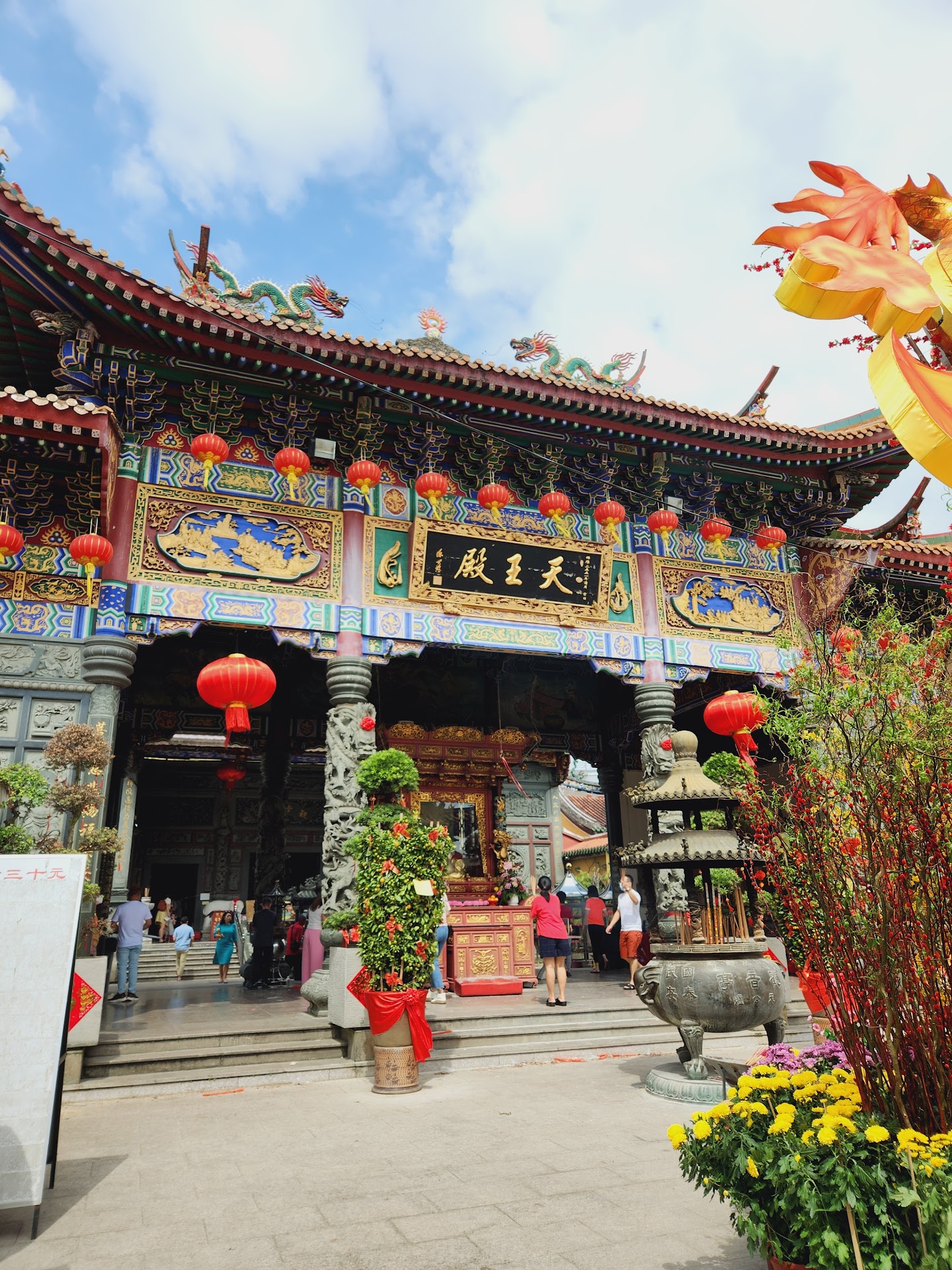
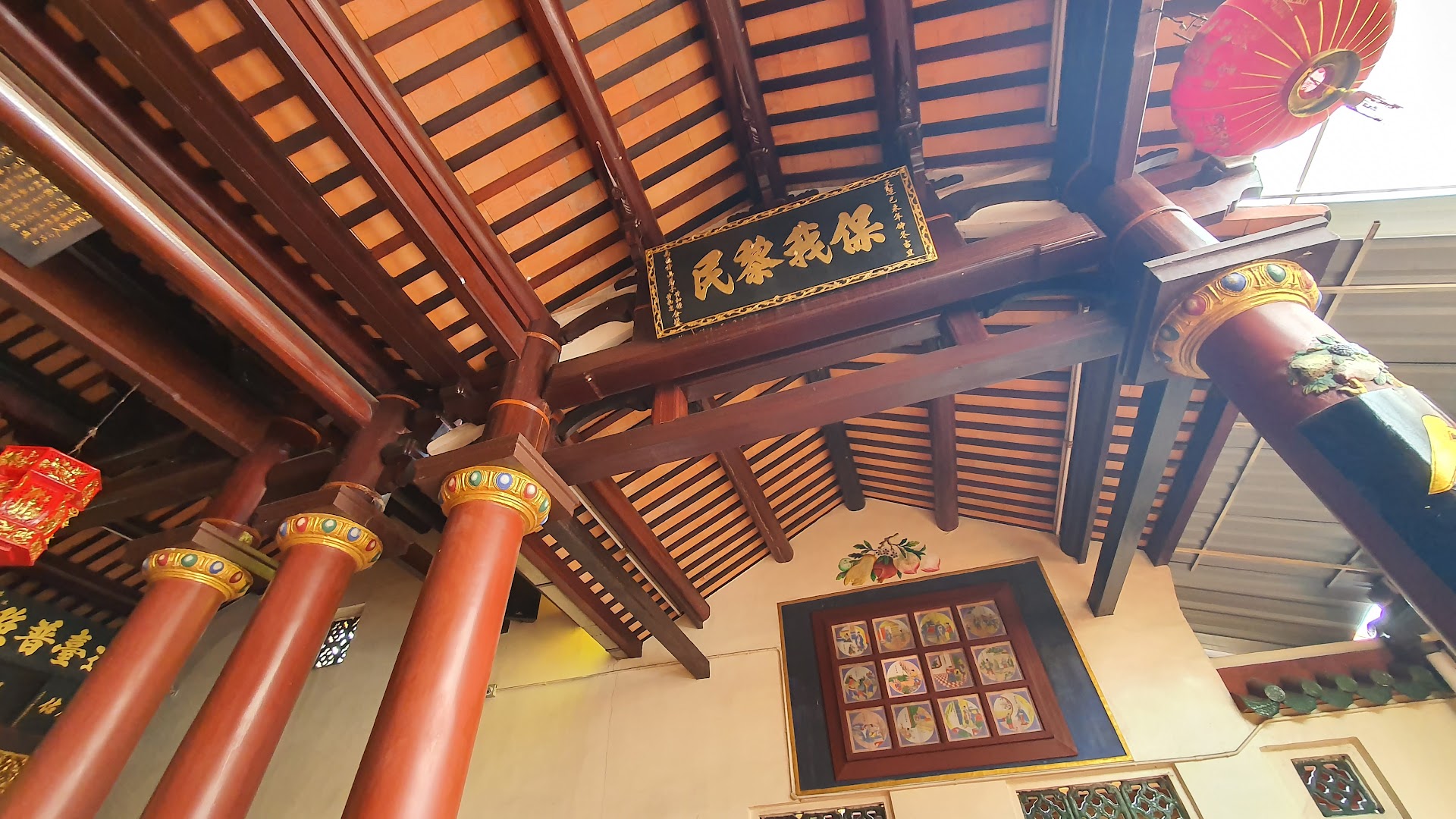
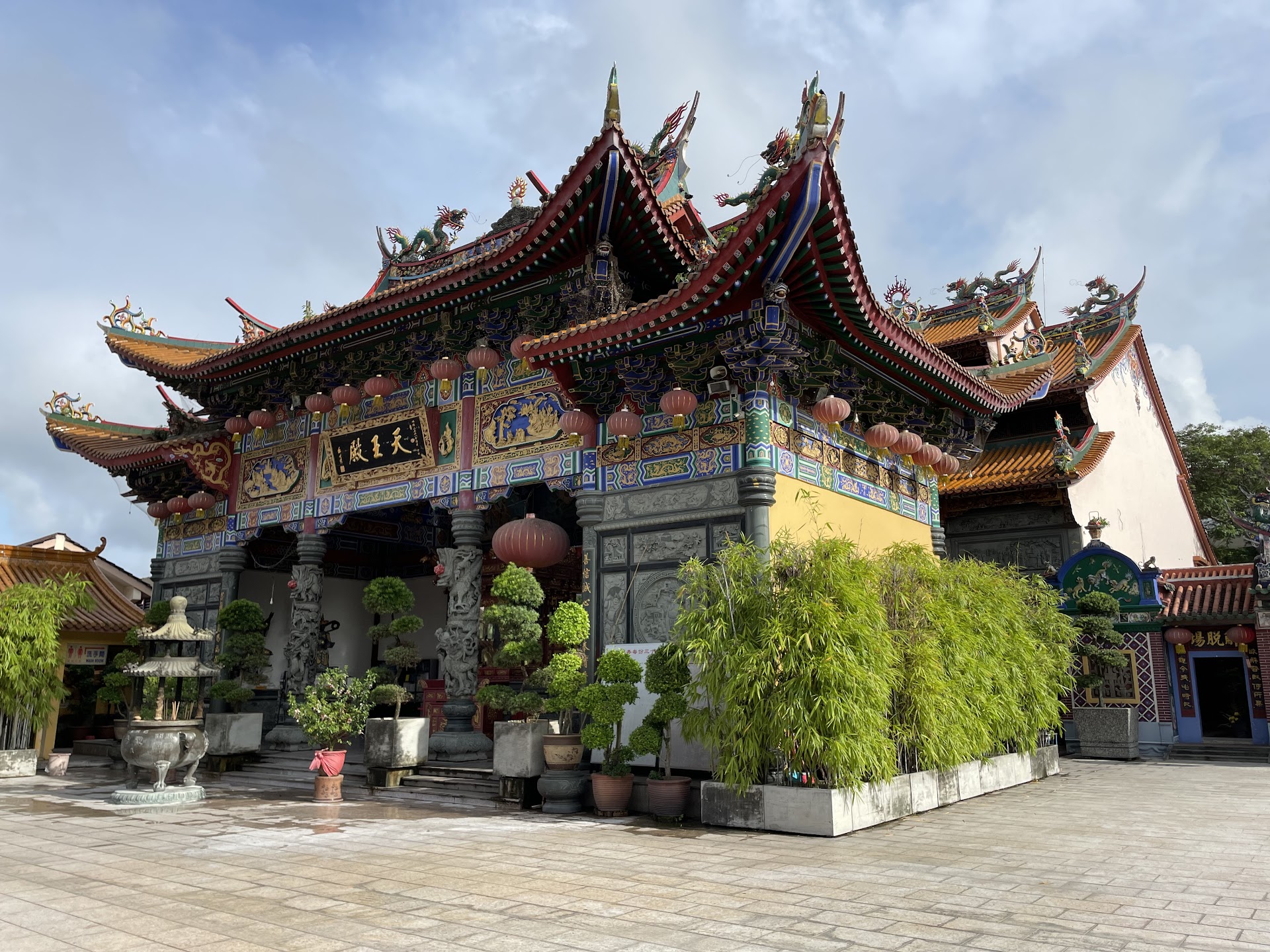
Kwan Imm Temple Klang things to do, attractions, restaurants, events info and trip planning
Basic Info
Kwan Imm Temple Klang
30, Jalan Raya Barat, Kawasan 6, 41000 Klang, Selangor, Malaysia
4.6(838)
Open until 7:00 PM
Save
spot
spot
Ratings & Description
Info
Cultural
Scenic
Relaxation
Family friendly
Accessibility
attractions: Klang Subramania Swamy Temple கிள்ளாங் சுப்ரமணிய ஸ்வாமி ஆலயம், Sri Sundaraja Perumal Temple, Klang - Malaysia, Istana Alam Shah, Sri Nagara Thandayuthapani Temple, Indian Muslim Mosque, Tengku Kelana Town (Town Mosque), Sultan Abdul Aziz Royal Gallery, Sultan Suleiman Royal Mosque, Padang Laman Seni Safari Jejak Warisan Klang, restaurants: Cendol Maju, Restoran Saguntala, Jai Hind Restaurant, Mohana Bistro, Sharmila Curry House Klang (ஷர்மிளா கறி ஹவுஸ் உணவகம் கிள்ளான்), A2B | Adyar Ananda Bhavan • Klang, Madurai curry house, Klang Sreedhanaa, CRG Chicken Rice Guys Restaurant • Klang, Skinnylegs Barbeque, local businesses: Church of Our Lady of Lourdes (1928), Little India Klang, MBDK @ Jalan Raya Barat
 Learn more insights from Wanderboat AI.
Phone
+60 16-331 6989
Open hoursSee all hours
Sun7 AM - 7 PMOpen
Plan your stay

Pet-friendly Hotels in Klang Municipal Council
Find a cozy hotel nearby and make it a full experience.

Affordable Hotels in Klang Municipal Council
Find a cozy hotel nearby and make it a full experience.

The Coolest Hotels You Haven't Heard Of (Yet)
Find a cozy hotel nearby and make it a full experience.

Trending Stays Worth the Hype in Klang Municipal Council
Find a cozy hotel nearby and make it a full experience.
Reviews
Live events
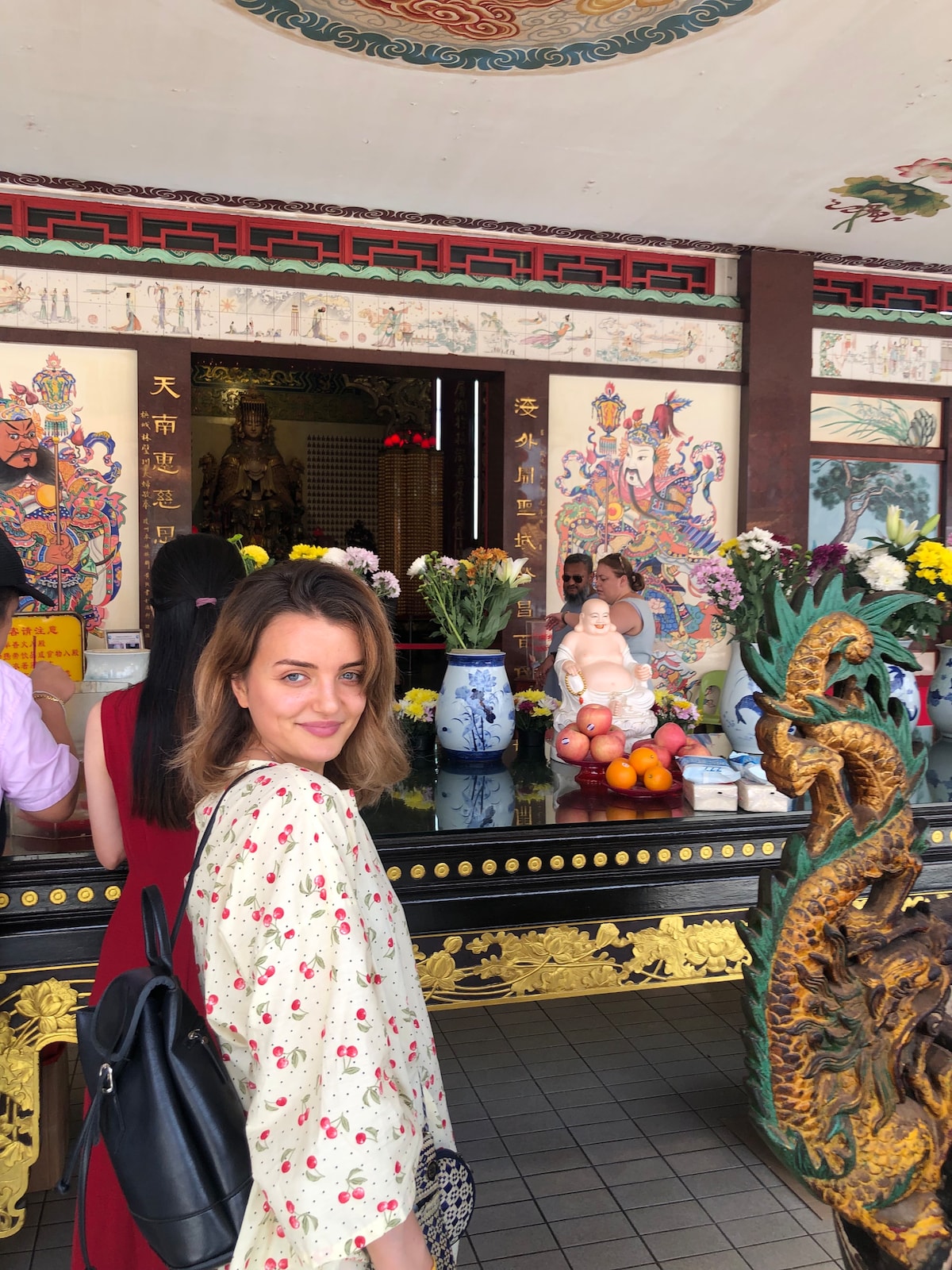
Step Into Batu Caves-hidden stories-monkeys-myths
Sun, Feb 22 • 1:00 PM
47500, Subang Jaya, Selangor, Malaysia
View details

Learn authentic Malaysian vegan cooking
Sun, Feb 22 • 11:00 AM
47301, Petaling Jaya, Selangor, Malaysia
View details
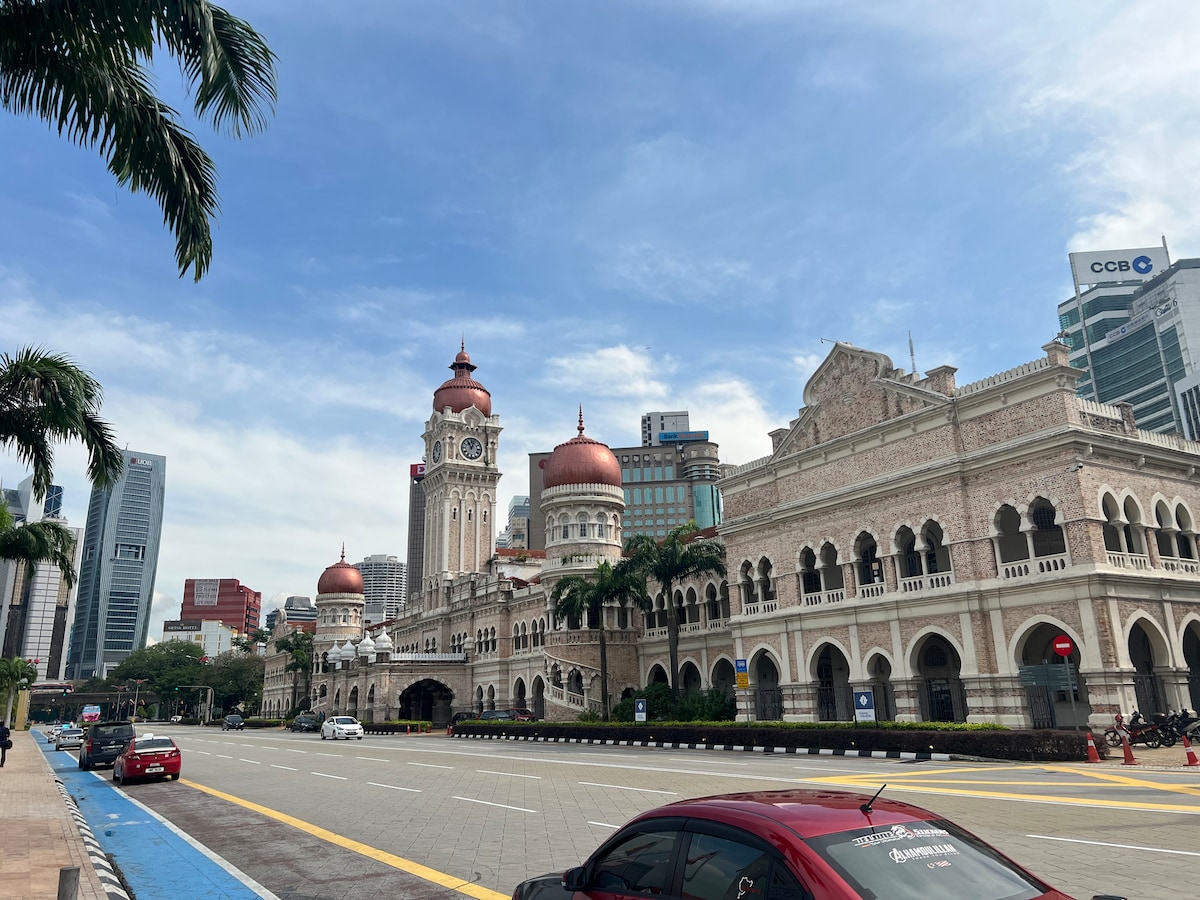
Ten wonders of Kuala Lumpur in one day
Sun, Feb 22 • 9:00 AM
50470, Kuala Lumpur, Federal Territory of Kuala Lumpur, Malaysia
View details
Nearby attractions of Kwan Imm Temple Klang
Klang Subramania Swamy Temple கிள்ளாங் சுப்ரமணிய ஸ்வாமி ஆலயம்
Sri Sundaraja Perumal Temple, Klang - Malaysia
Istana Alam Shah
Sri Nagara Thandayuthapani Temple
Indian Muslim Mosque, Tengku Kelana Town (Town Mosque)
Sultan Abdul Aziz Royal Gallery
Sultan Suleiman Royal Mosque
Padang Laman Seni Safari Jejak Warisan Klang
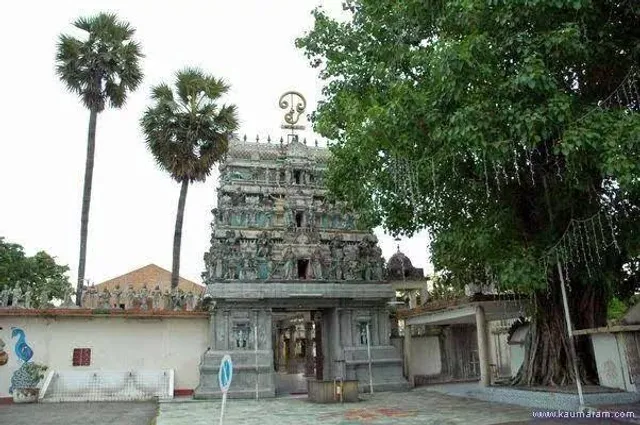
Klang Subramania Swamy Temple கிள்ளாங் சுப்ரமணிய ஸ்வாமி ஆலயம்
4.5
(33)
Closed
Click for details
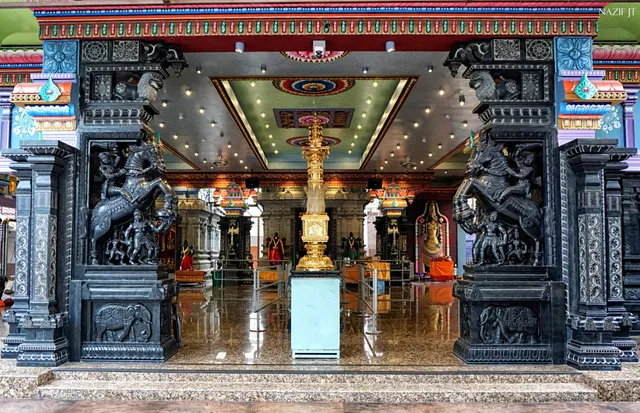
Sri Sundaraja Perumal Temple, Klang - Malaysia
4.7
(662)
Closed
Click for details
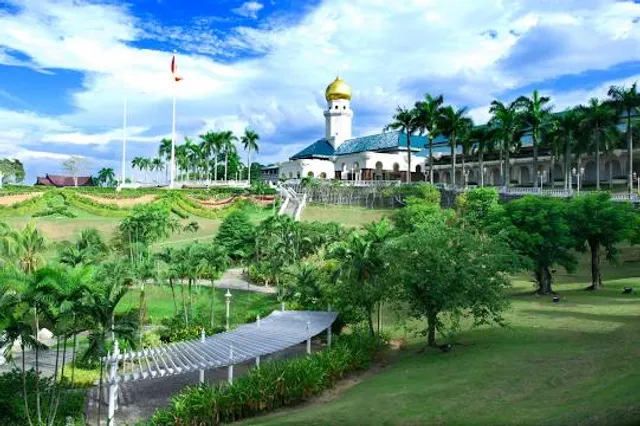
Istana Alam Shah
4.7
(226)
Open until 12:00 AM
Click for details
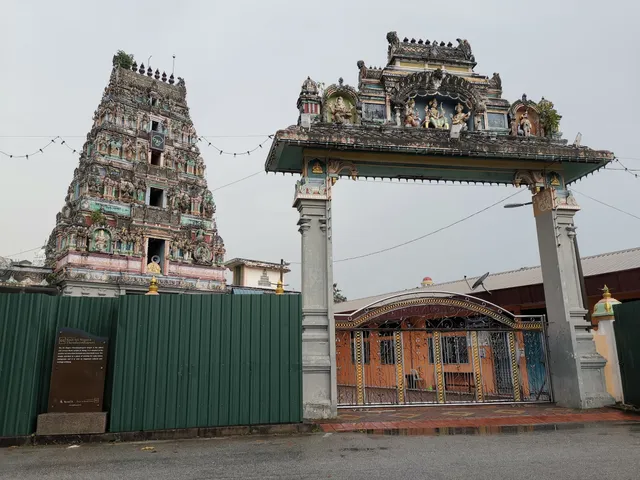
Sri Nagara Thandayuthapani Temple
4.5
(95)
Open until 12:00 AM
Click for details
Nearby restaurants of Kwan Imm Temple Klang
Cendol Maju
Restoran Saguntala
Jai Hind Restaurant
Mohana Bistro
Sharmila Curry House Klang (ஷர்மிளா கறி ஹவுஸ் உணவகம் கிள்ளான்)
A2B | Adyar Ananda Bhavan • Klang
Madurai curry house
Klang Sreedhanaa
CRG Chicken Rice Guys Restaurant • Klang
Skinnylegs Barbeque
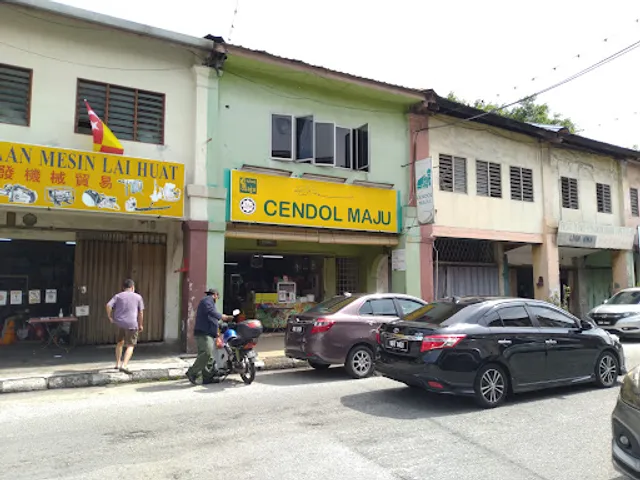
Cendol Maju
4.0
(110)
Open until 6:00 PM
Click for details
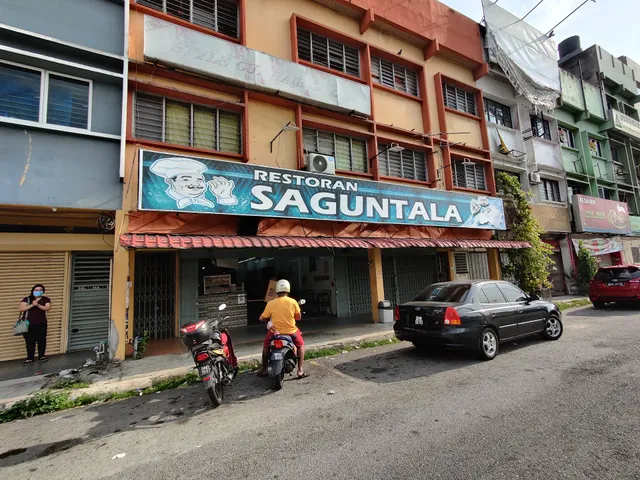
Restoran Saguntala
3.7
(207)
Open until 9:00 PM
Click for details
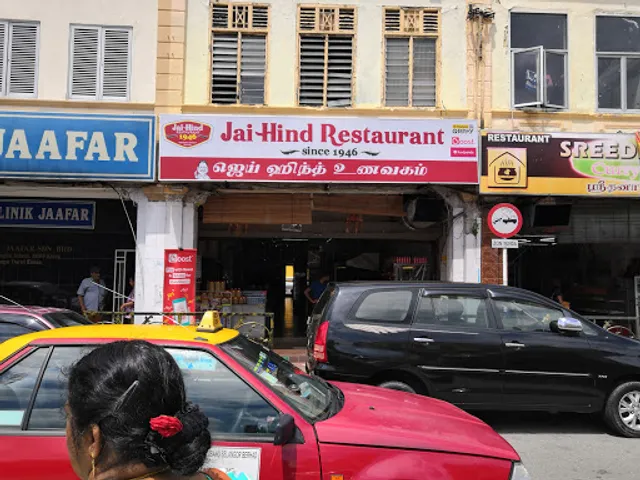
Jai Hind Restaurant
3.4
(215)
Open until 10:30 PM
Click for details
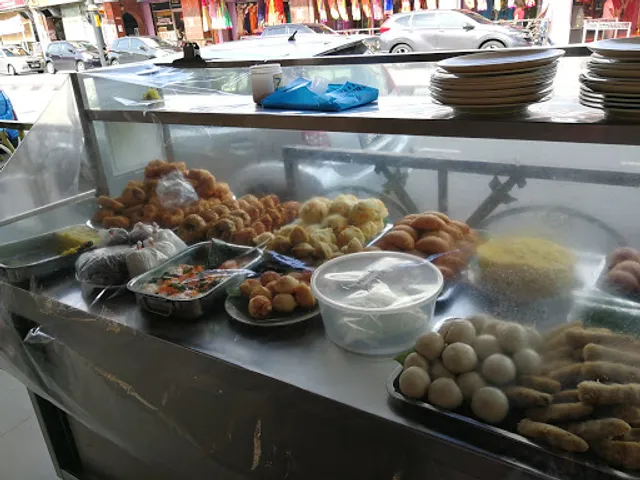
Mohana Bistro
3.5
(378)
Open until 10:00 PM
Click for details
Nearby local services of Kwan Imm Temple Klang
Church of Our Lady of Lourdes (1928)
Little India Klang
MBDK @ Jalan Raya Barat
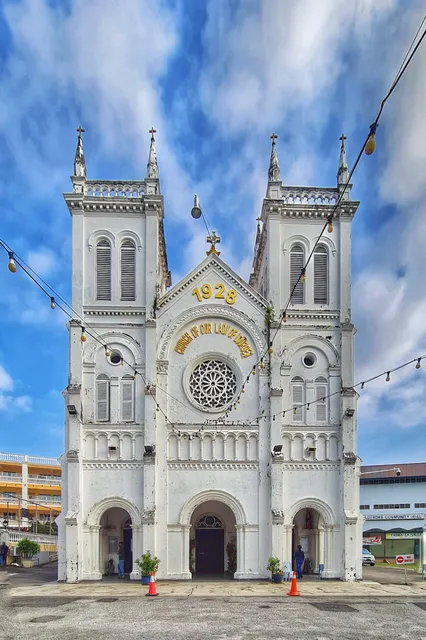
Church of Our Lady of Lourdes (1928)
4.6
(159)
Click for details
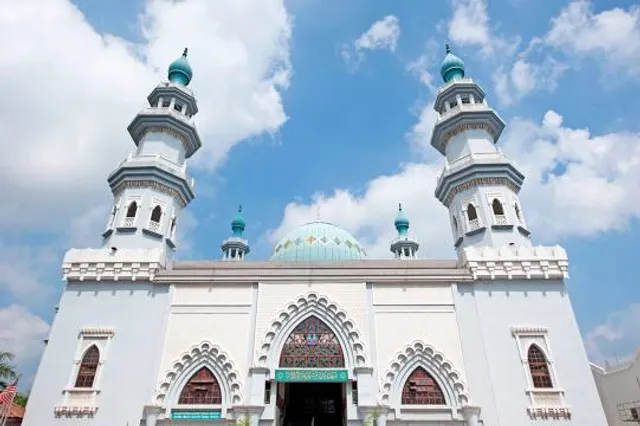
Little India Klang
4.4
(841)
Click for details
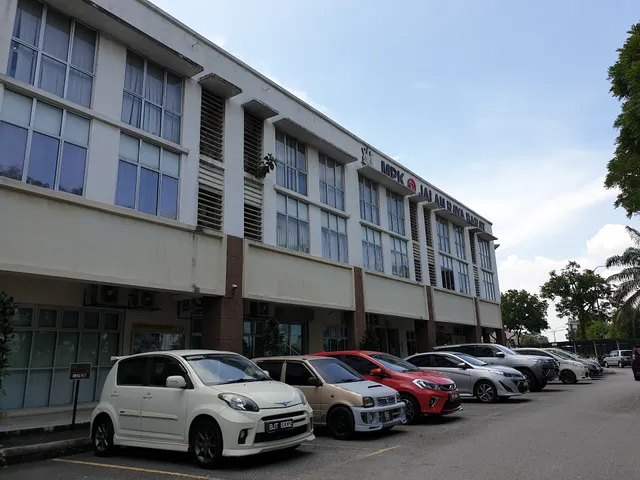
MBDK @ Jalan Raya Barat
2.4
(20)
Click for details