Catedral de Cuernavaca things to do, attractions, restaurants, events info and trip planning
Basic Info
Catedral de Cuernavaca
Miguel Hidalgo 17, Cuernavaca Centro, Centro, 62000 Cuernavaca, Mor., Mexico
4.7(4.1K)
Open until 2:00 PM
Save
spot
spot
Ratings & Description
Info
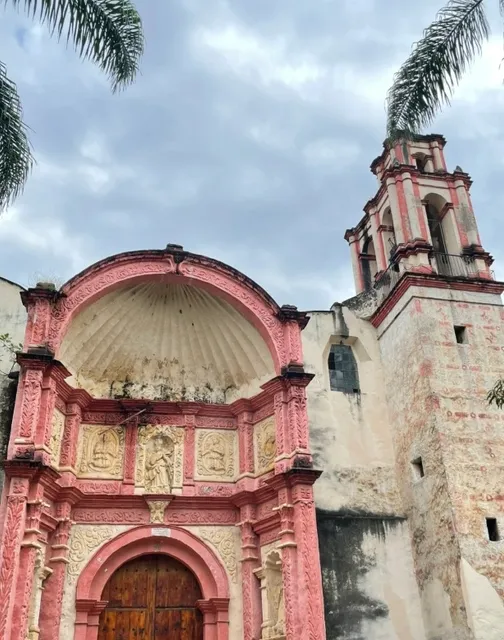
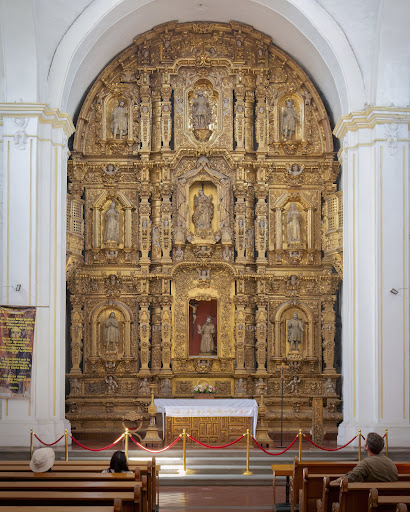
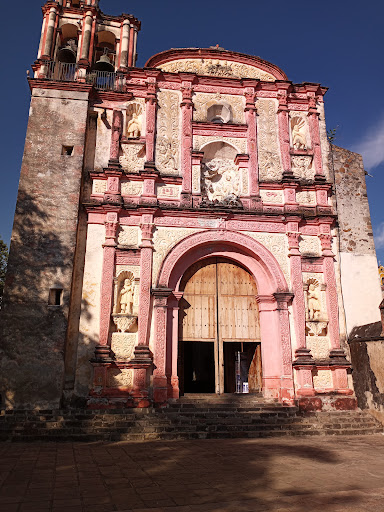
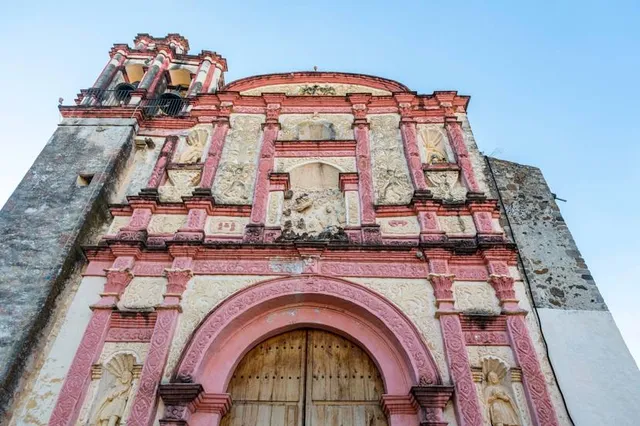
The Cuernavaca Cathedral is the Roman Catholic church of the Diocese of Cuernavaca, located in the city of Cuernavaca, Morelos, Mexico.
Cultural
Accessibility
attractions: Borda Garden, Museo de la Ciudad de Cuernavaca, Robert Brady Museum, Plaza de Armas, Parque Revolucion, Museo Universitario de Arte Indígena Contemporáneo, Cuernavaca, Centro Cultural Jardín Borda, La Casona Spencer, MMAPO Morelense Folk Art Museum, Centro Morelense de las Artes, restaurants: Café Alondra Sucursal Centro, Hilo Negro Cuernavaca, Marco Polo, Mercado Comonfort, Restaurante Bar Emiliano's, Casa Taxco, Iguanas Green’s, Bons Café, Los Campesinos, Le Pastis Bistro, local businesses: Commercial Passage Florence, Centro las Plazas, Artisans Market, Diocesis de Cuernavaca, Ñamdala ensaladas and wraps, La Morita Churrería, Lerdo de Tejada 2, Tortison
 Learn more insights from Wanderboat AI.
Phone
+52 777 312 1290
Open hoursSee all hours
Fri9 AM - 2 PM, 4 - 7 PMOpen
Plan your stay

Pet-friendly Hotels in Morelos
Find a cozy hotel nearby and make it a full experience.

Affordable Hotels in Morelos
Find a cozy hotel nearby and make it a full experience.

The Coolest Hotels You Haven't Heard Of (Yet)
Find a cozy hotel nearby and make it a full experience.

Trending Stays Worth the Hype in Morelos
Find a cozy hotel nearby and make it a full experience.
Reviews
Live events
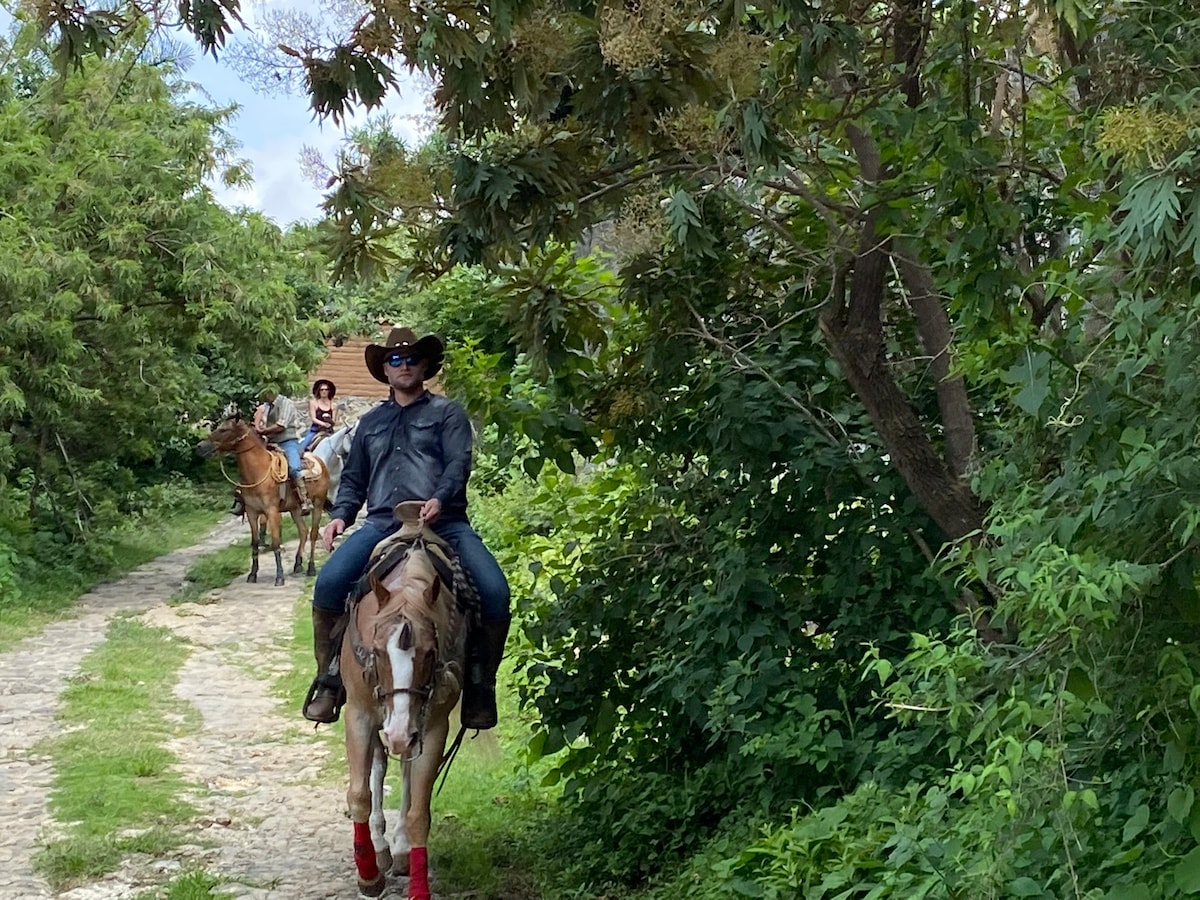
Ride through the mountains of Amatlán de Quetzalcóatl
Fri, Feb 20 • 11:00 AM
62525, Amatlán de Quetzalcóatl, Morelos, Mexico
View details
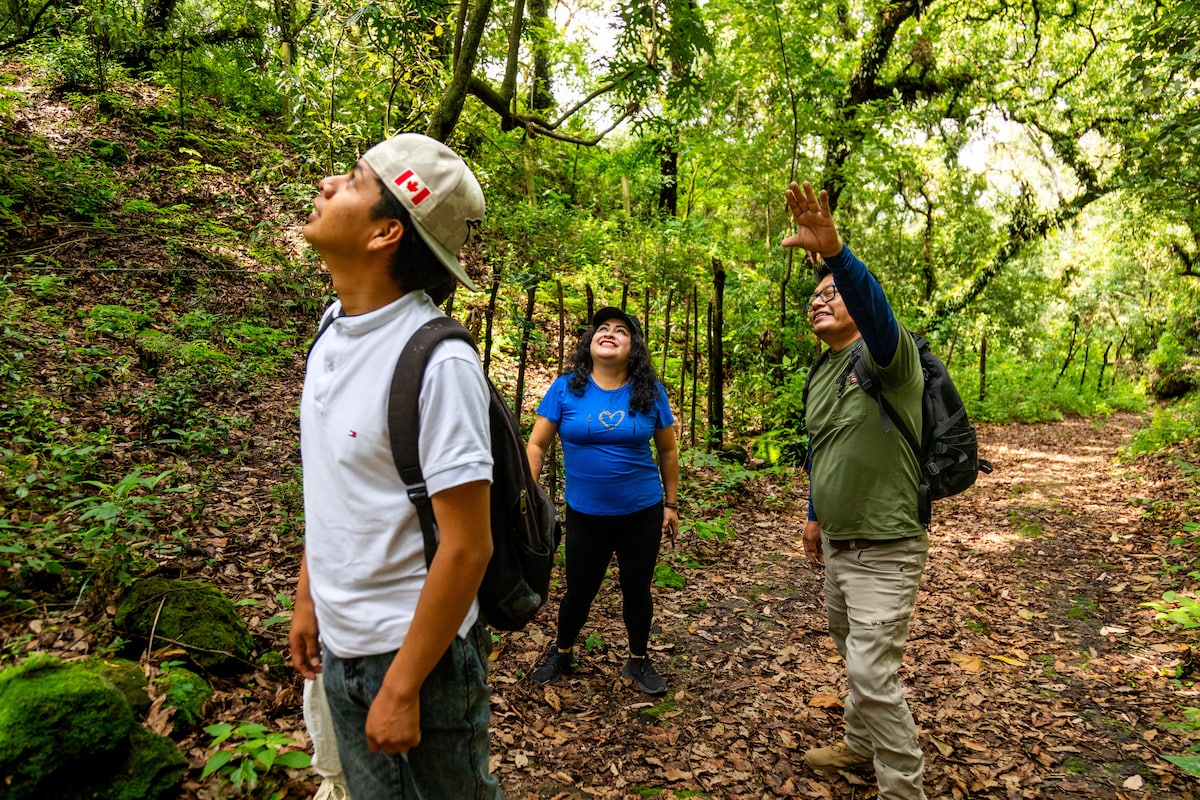
Find the hidden trails of El Tepozteco
Mon, Feb 23 • 9:30 AM
62520, Tepoztlán, Morelos, Mexico
View details
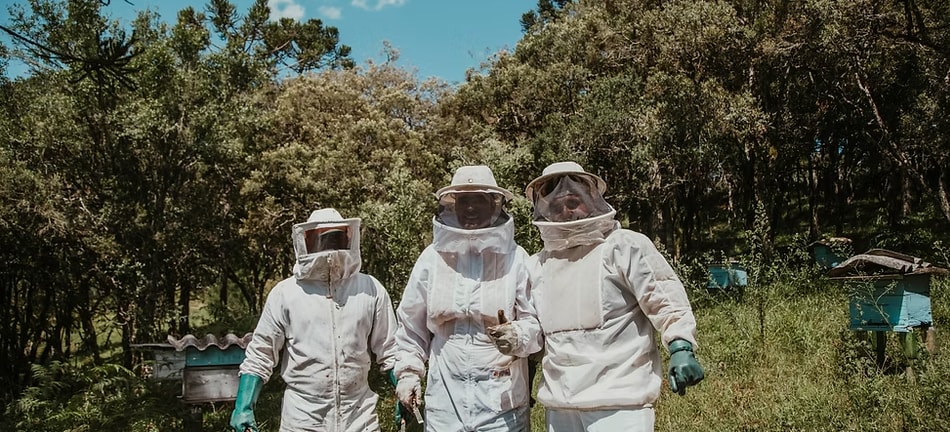
Discover the secret world of bees
Sat, Feb 21 • 9:00 AM
62526, Tepoztlán, Morelos, Mexico
View details
Nearby attractions of Catedral de Cuernavaca
Borda Garden
Museo de la Ciudad de Cuernavaca
Robert Brady Museum
Plaza de Armas
Parque Revolucion
Museo Universitario de Arte Indígena Contemporáneo, Cuernavaca
Centro Cultural Jardín Borda
La Casona Spencer
MMAPO Morelense Folk Art Museum
Centro Morelense de las Artes
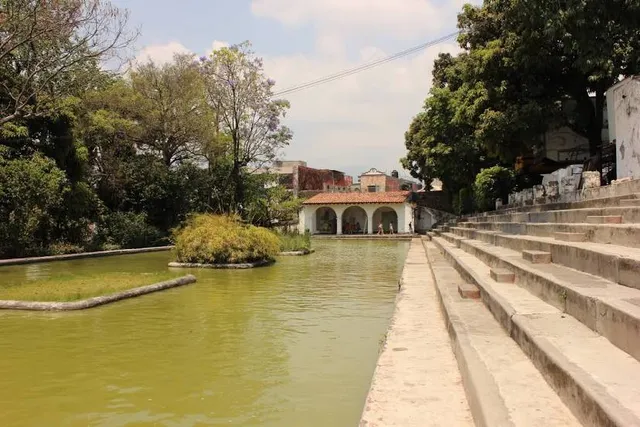
Borda Garden
4.5
(1.6K)
Open 24 hours
Click for details
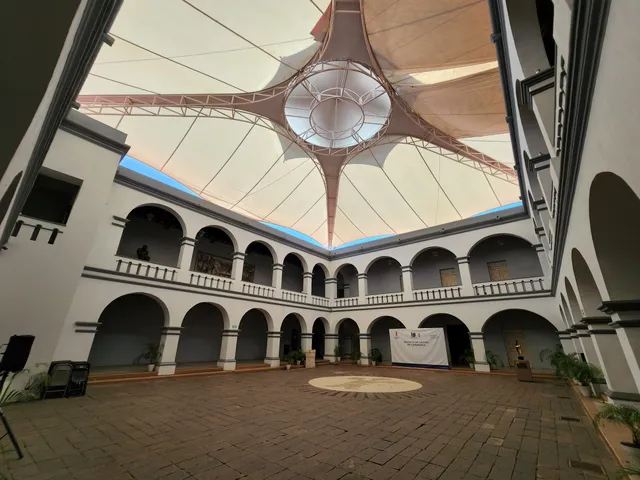
Museo de la Ciudad de Cuernavaca
4.4
(662)
Open until 6:00 PM
Click for details
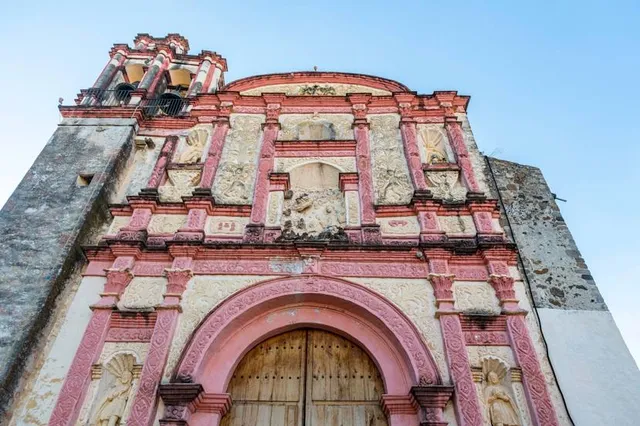
Robert Brady Museum
4.7
(789)
Open until 6:00 PM
Click for details
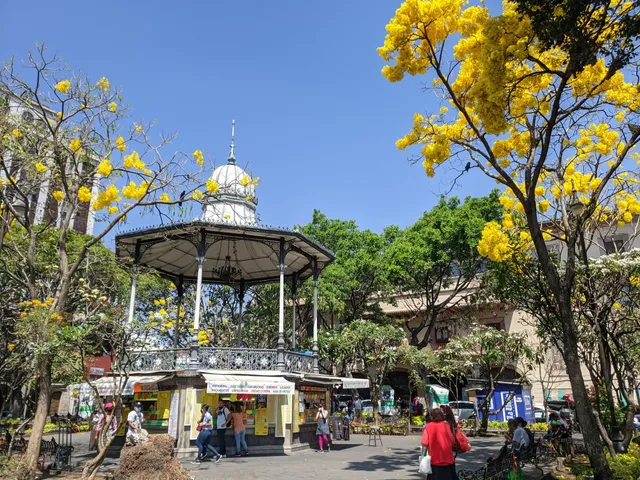
Plaza de Armas
4.4
(12.1K)
Open until 12:00 AM
Click for details
Nearby restaurants of Catedral de Cuernavaca
Café Alondra Sucursal Centro
Hilo Negro Cuernavaca
Marco Polo
Mercado Comonfort
Restaurante Bar Emiliano's
Casa Taxco
Iguanas Green’s
Bons Café
Los Campesinos
Le Pastis Bistro
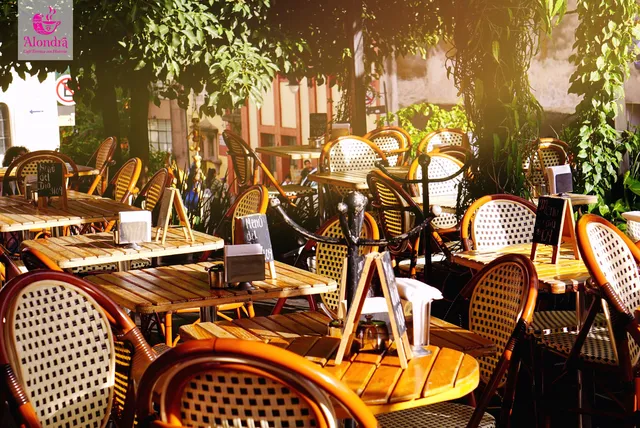
Café Alondra Sucursal Centro
4.3
(847)
Open until 10:00 PM
Click for details
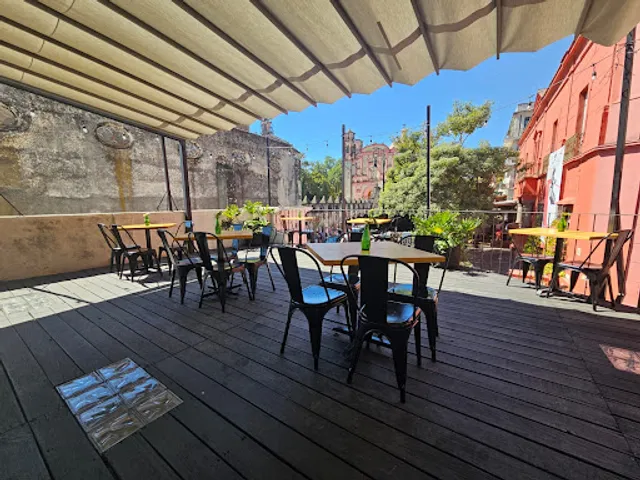
Hilo Negro Cuernavaca
4.7
(655)
Closed
Click for details
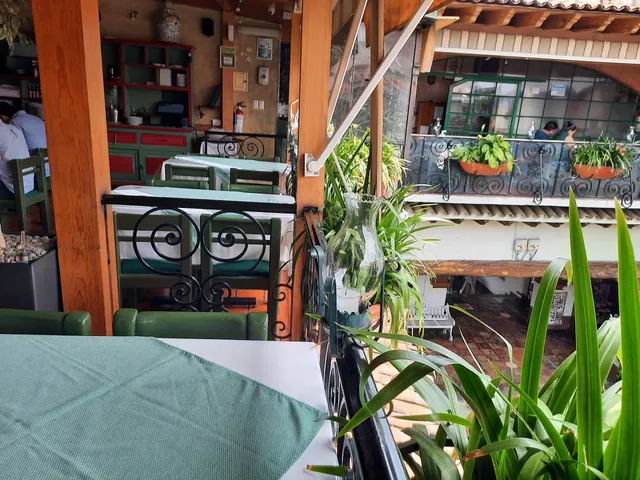
Marco Polo
4.5
(1.6K)
$$
Closed
Click for details
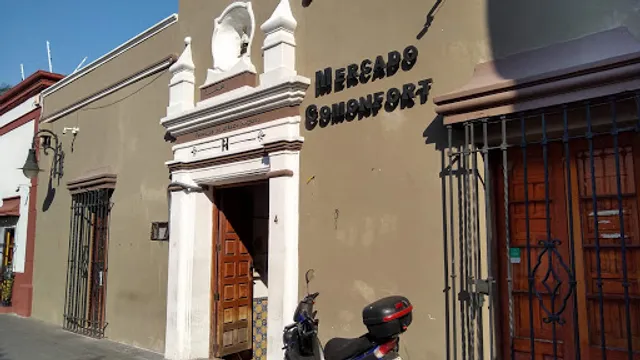
Mercado Comonfort
4.4
(1.3K)
$
Closed
Click for details
Nearby local services of Catedral de Cuernavaca
Commercial Passage Florence
Centro las Plazas
Artisans Market
Diocesis de Cuernavaca
Ñamdala ensaladas and wraps
La Morita Churrería
Lerdo de Tejada 2
Tortison
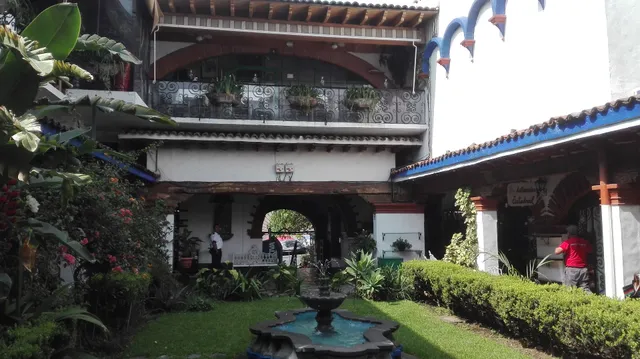
Commercial Passage Florence
4.6
(172)
Click for details
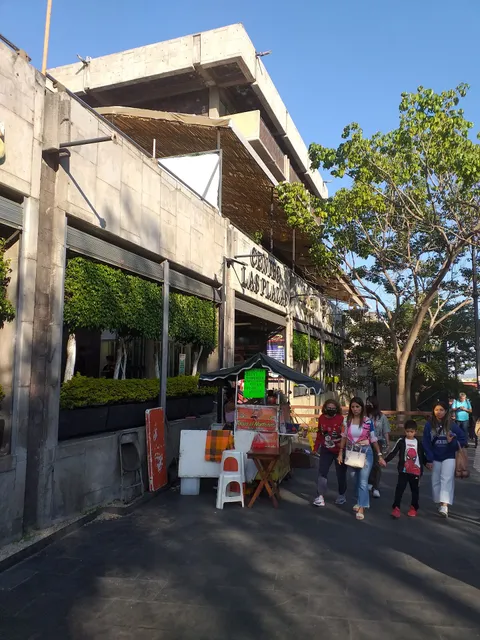
Centro las Plazas
4.2
(2.1K)
Click for details
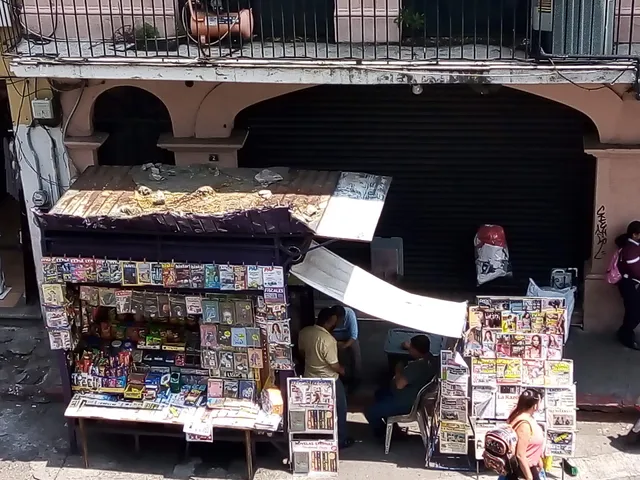
Artisans Market
4.4
(2K)
Click for details
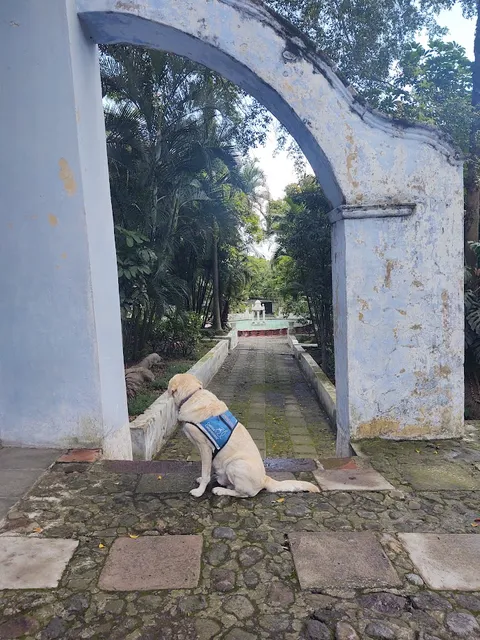
Diocesis de Cuernavaca
4.2
(10)
Click for details