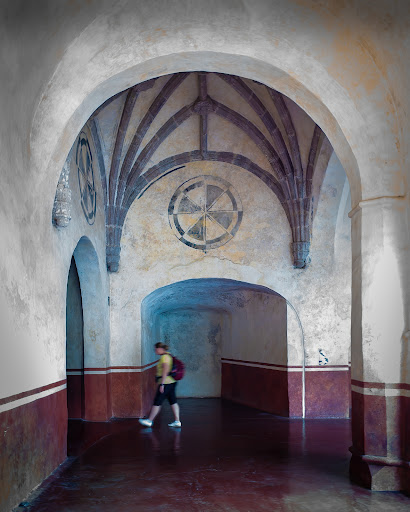
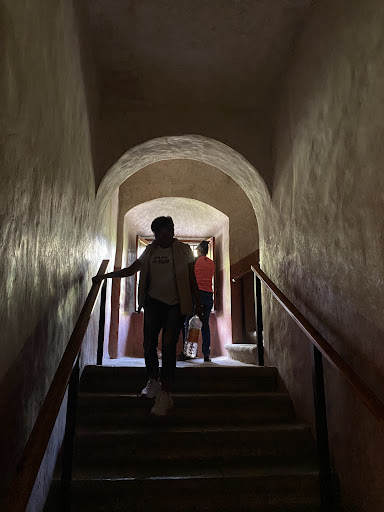
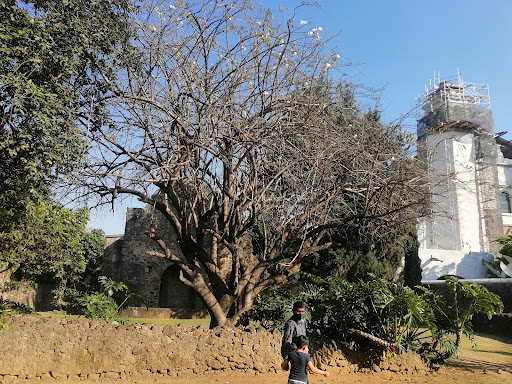
Exconvento Nuestra Señora de la Natividad things to do, attractions, restaurants, events info and trip planning
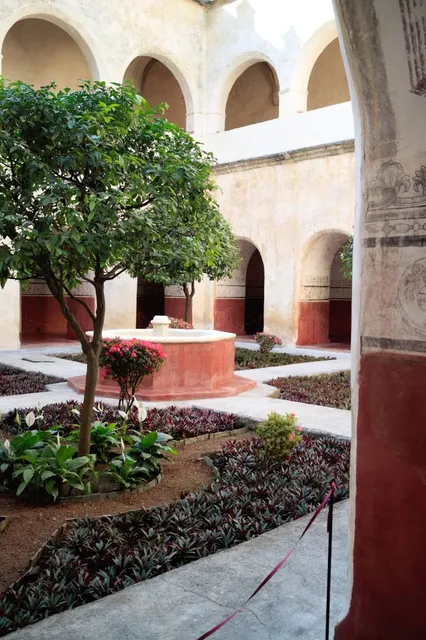
Basic Info
Exconvento Nuestra Señora de la Natividad
San Miguel, 62520 Tepoztlán, Morelos, Mexico
4.4(119)
Open until 6:00 PM
Save
spot
spot
Ratings & Description
Info
Cultural
Scenic
Relaxation
Family friendly
Accessibility
attractions: Museo Tepoztlán Colección Carlos Pellicer, Museo y Centro de Documentación, Ex Convento de Tepoztlán, Galería de Arte Camacho por Juan José Camacho, Angel Bobadilla, El triangulo-juleria, e-LTE Viajes de Aventura, Angel Bobadilla Galeria, Centro Tonal - Artes Sonoras, restaurants: El Ciruelo, Cacao Mexican chocolate, Restaurante El Cuatecomate, Los Colorines, Pulquería Vacas Verdes Tepoztlán, TepozRamen, Terraza 360 Tepoztlán, Juanitos Tepoztlan, La Luna Mextli Galeria, Jengibre SUSHI, local businesses: Mercado Municipal Tepoztlán, Mon Laferte- Galería de Arte, Casa Tepoztlán
 Learn more insights from Wanderboat AI.
Open hoursSee all hours
Sun9 AM - 6 PMOpen
Plan your stay

Pet-friendly Hotels in Morelos
Find a cozy hotel nearby and make it a full experience.

Affordable Hotels in Morelos
Find a cozy hotel nearby and make it a full experience.

The Coolest Hotels You Haven't Heard Of (Yet)
Find a cozy hotel nearby and make it a full experience.

Trending Stays Worth the Hype in Morelos
Find a cozy hotel nearby and make it a full experience.
Reviews
Live events

Xochimilco: tequila, mezcal, fried tacos and games
Wed, Feb 11 • 11:45 AM
16420, Mexico City, Mexico City, Mexico
View details

Candlelight: Las Cuatro Estaciones de Vivaldi
Fri, Feb 13 • 7:00 PM
Río Balsas 22, Vista Hermosa, Cuernavaca, 62290
View details

Xochimilco, shuttle included for private groups
Sun, Feb 8 • 12:00 PM
16090, Mexico City, Mexico City, Mexico
View details
Nearby attractions of Exconvento Nuestra Señora de la Natividad
Museo Tepoztlán Colección Carlos Pellicer
Museo y Centro de Documentación, Ex Convento de Tepoztlán
Galería de Arte Camacho por Juan José Camacho
Angel Bobadilla
El triangulo-juleria
e-LTE Viajes de Aventura
Angel Bobadilla Galeria
Centro Tonal - Artes Sonoras
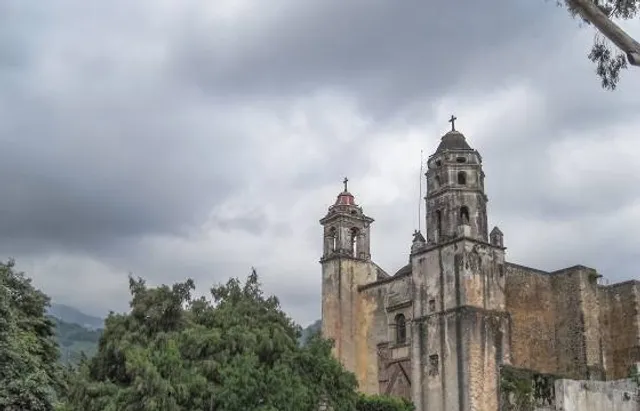
Museo Tepoztlán Colección Carlos Pellicer
4.3
(656)
Open until 6:00 PM
Click for details
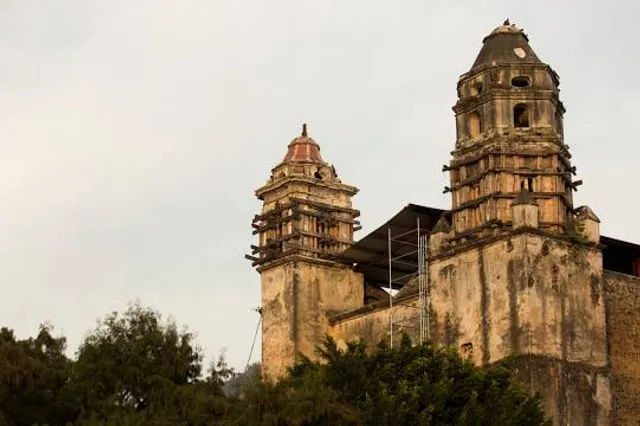
Museo y Centro de Documentación, Ex Convento de Tepoztlán
4.5
(294)
Open until 5:00 PM
Click for details

Galería de Arte Camacho por Juan José Camacho
4.5
(17)
Open until 8:00 PM
Click for details

Angel Bobadilla
5.0
(9)
Open until 8:00 PM
Click for details
Nearby restaurants of Exconvento Nuestra Señora de la Natividad
El Ciruelo
Cacao Mexican chocolate
Restaurante El Cuatecomate
Los Colorines
Pulquería Vacas Verdes Tepoztlán
TepozRamen
Terraza 360 Tepoztlán
Juanitos Tepoztlan
La Luna Mextli Galeria
Jengibre SUSHI
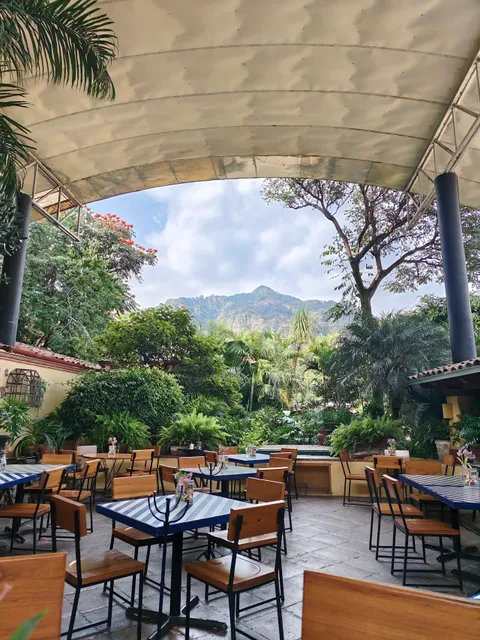
El Ciruelo
4.4
(1.5K)
$$$
Open until 9:30 PM
Click for details
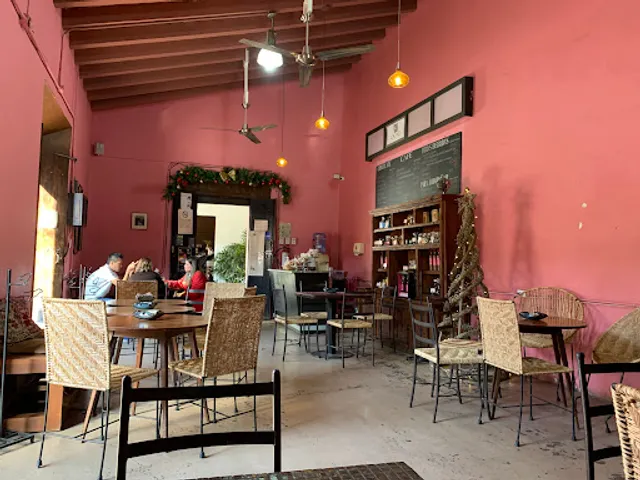
Cacao Mexican chocolate
4.5
(458)
$$
Open until 8:30 PM
Click for details
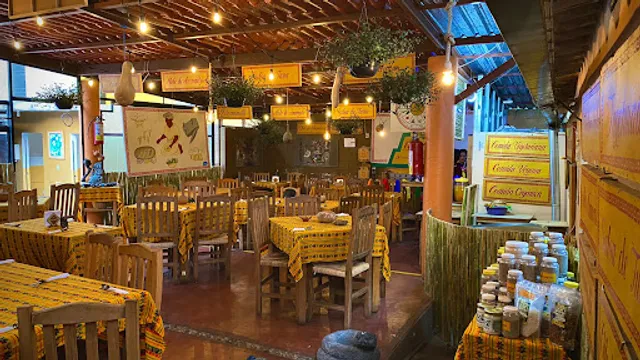
Restaurante El Cuatecomate
4.4
(227)
Open until 8:00 PM
Click for details
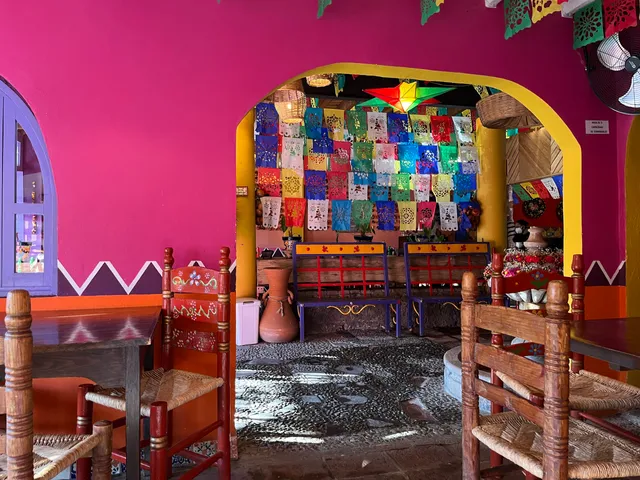
Los Colorines
4.3
(4.9K)
Open until 9:00 PM
Click for details
Nearby local services of Exconvento Nuestra Señora de la Natividad
Mercado Municipal Tepoztlán
Mon Laferte- Galería de Arte
Casa Tepoztlán
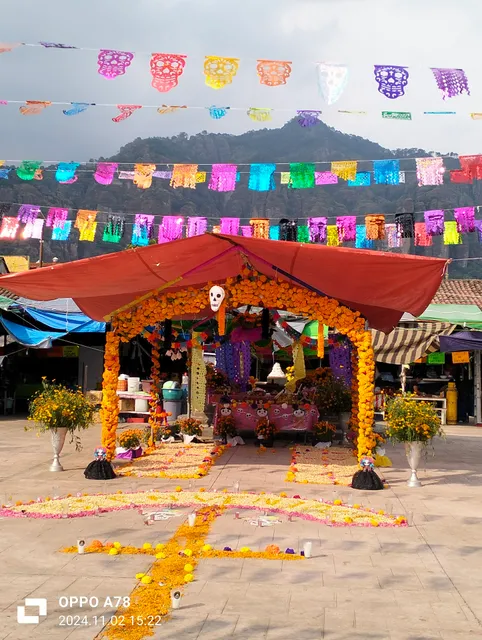
Mercado Municipal Tepoztlán
4.6
(112)
Click for details

Mon Laferte- Galería de Arte
4.2
(55)
Click for details
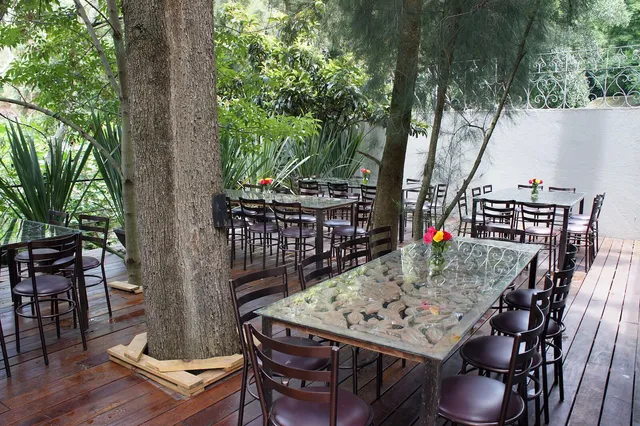
Casa Tepoztlán
4.5
(126)
Click for details