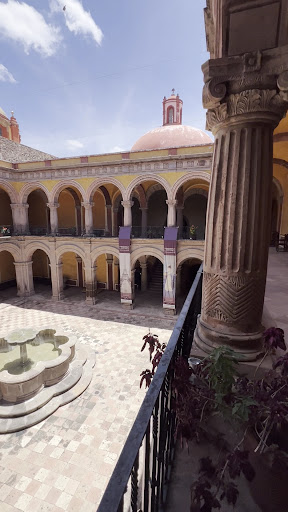
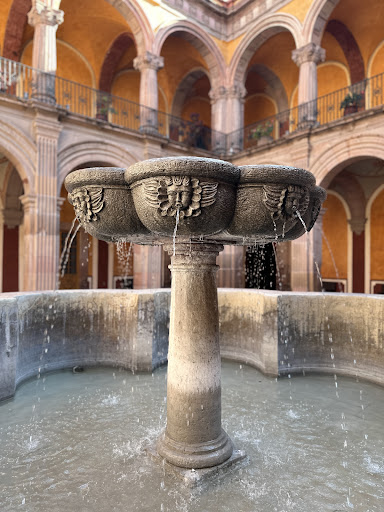
Museo Regional de Querétaro things to do, attractions, restaurants, events info and trip planning
Basic Info
Museo Regional de Querétaro
Prol Corregidora Sur 3, Centro, 76000 Santiago de Querétaro, Qro., Mexico
4.7(1.2K)
Open until 6:00 PM

tickets
Save
spot
spot
Ratings & Description
Info
Cultural
Family friendly
attractions: Guía de turistas de la ciudad de Querétaro, Templo de San Francisco, Monument of the Corregidora, Museo de los Conspiradores, Jardín Guerrero, Neptune Fountain, Art Garden, Templo de San Antonio de Padua, El Danzante Conchero Chichimeca, Museo de Arte Sacro, restaurants: Vips Querétaro Centro, Restaurante Bar Hank's Querétaro, Las Deliciosas Gorditas del Portal, Cantina Comalli, Fábrica De Chocolate, San Miguelito, Di Vino Italian Restaurant, Restaurante La Llave, La Antojería, Chucho El Roto, local businesses: Del Sol, Waldo's Corregidora, Waldo's, Indigenous Artesanal Development Centre, Casona De los 5 Patios, Clúster Vitivinícola de Querétaro, Diocesis de Querétaro, Plaza de los Fundadores, Casa Mota, Remo Motos Querétaro
 Learn more insights from Wanderboat AI.
Phone
+52 442 212 2031
Website
lugares.inah.gob.mx
Open hoursSee all hours
Sat9 AM - 6 PMOpen
Plan your stay

Pet-friendly Hotels in Querétaro
Find a cozy hotel nearby and make it a full experience.

Affordable Hotels in Querétaro
Find a cozy hotel nearby and make it a full experience.

The Coolest Hotels You Haven't Heard Of (Yet)
Find a cozy hotel nearby and make it a full experience.

Trending Stays Worth the Hype in Querétaro
Find a cozy hotel nearby and make it a full experience.
Reviews
Live events

Create and print your own linocut
Sun, Feb 22 • 11:00 AM
76020, Santiago de Querétaro, Querétaro, Mexico
View details

Wine Tour Queretaro Art & Culture/Private Tour
Sat, Feb 21 • 9:30 AM
76000, Santiago de Querétaro, Querétaro, Mexico
View details
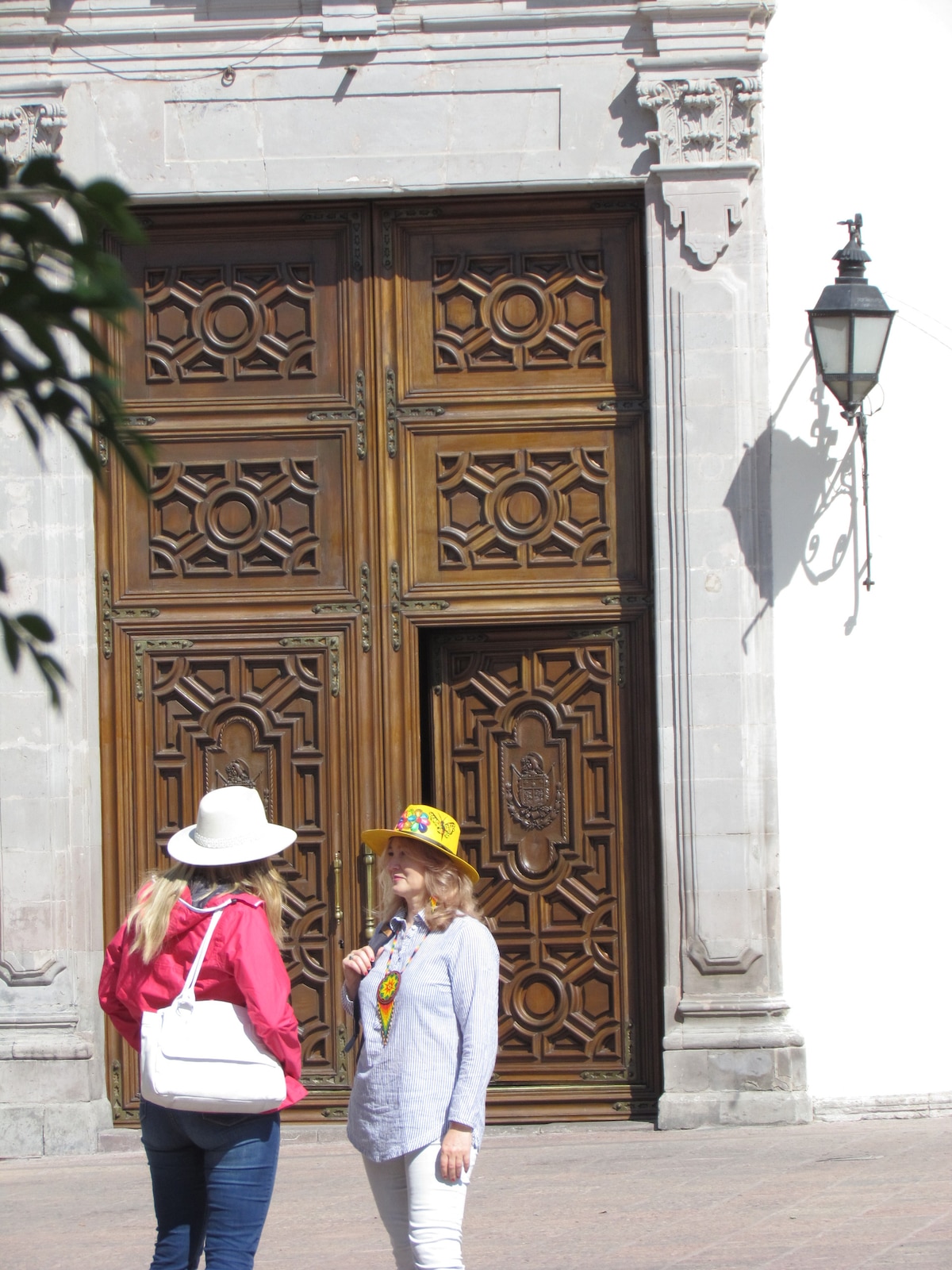
Explore Queretaros UNESCO old town
Sat, Feb 21 • 9:00 AM
76025, Santiago de Querétaro, Querétaro, Mexico
View details
Nearby attractions of Museo Regional de Querétaro
Guía de turistas de la ciudad de Querétaro
Templo de San Francisco
Monument of the Corregidora
Museo de los Conspiradores
Jardín Guerrero
Neptune Fountain
Art Garden
Templo de San Antonio de Padua
El Danzante Conchero Chichimeca
Museo de Arte Sacro

Guía de turistas de la ciudad de Querétaro
4.7
(11.6K)
Open until 5:30 PM
Click for details
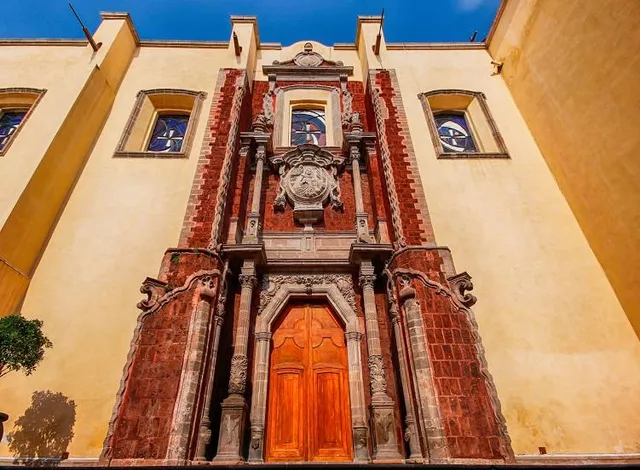
Templo de San Francisco
4.7
(1.3K)
Open until 1:30 PM
Click for details
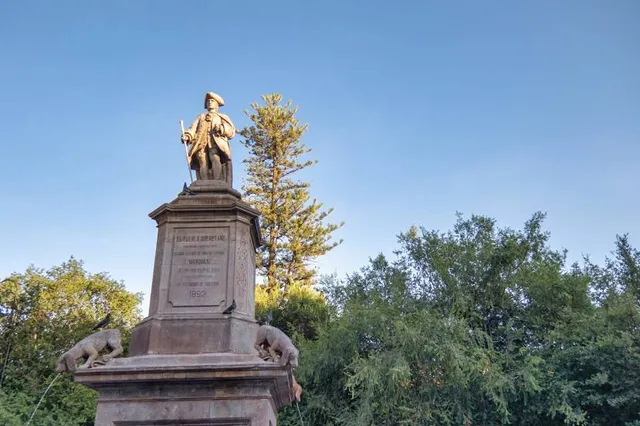
Monument of the Corregidora
4.6
(2K)
Open until 12:00 AM
Click for details
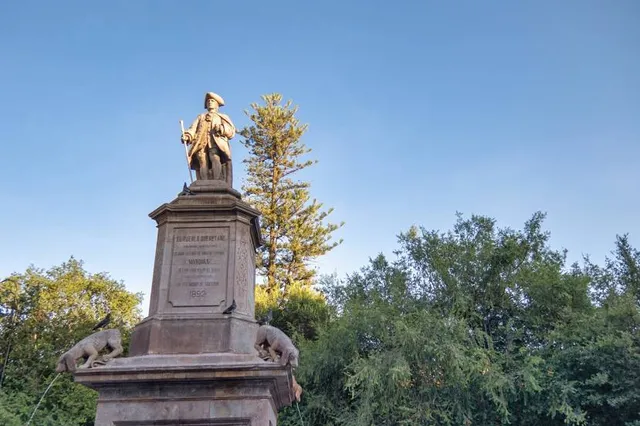
Museo de los Conspiradores
4.5
(468)
Open until 6:30 PM
Click for details
Nearby restaurants of Museo Regional de Querétaro
Vips Querétaro Centro
Restaurante Bar Hank's Querétaro
Las Deliciosas Gorditas del Portal
Cantina Comalli
Fábrica De Chocolate
San Miguelito
Di Vino Italian Restaurant
Restaurante La Llave
La Antojería
Chucho El Roto

Vips Querétaro Centro
3.8
(1.9K)
Open until 12:00 AM
Click for details
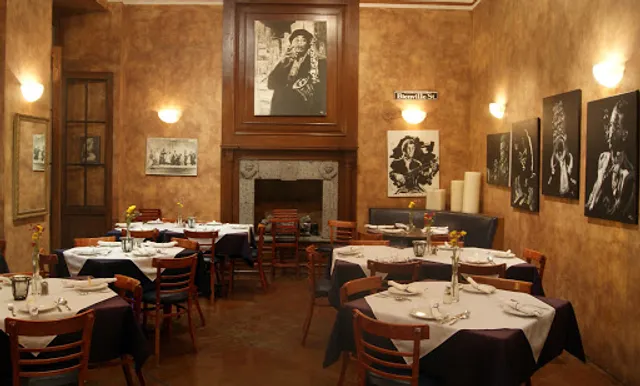
Restaurante Bar Hank's Querétaro
4.5
(1.8K)
$$
Open until 12:00 AM
Click for details
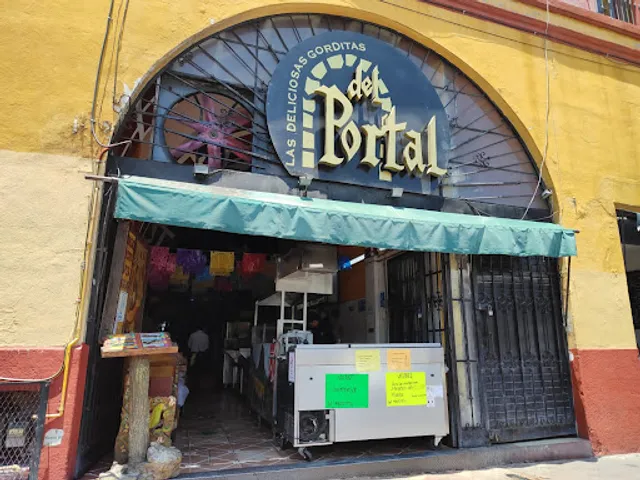
Las Deliciosas Gorditas del Portal
4.2
(3.1K)
Open until 11:00 PM
Click for details
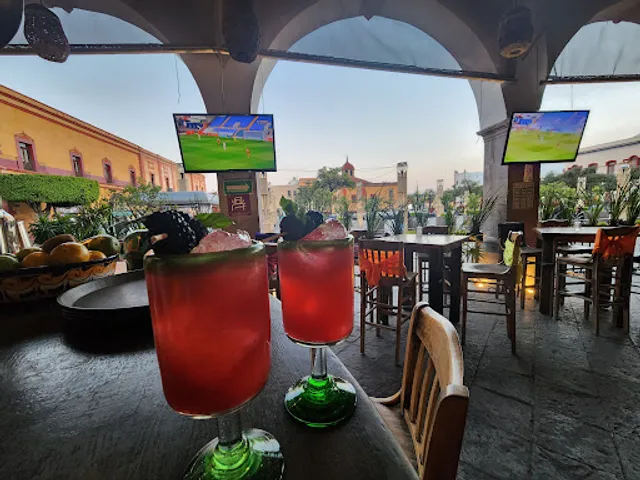
Cantina Comalli
4.3
(715)
$$
Click for details
Nearby local services of Museo Regional de Querétaro
Del Sol
Waldo's Corregidora
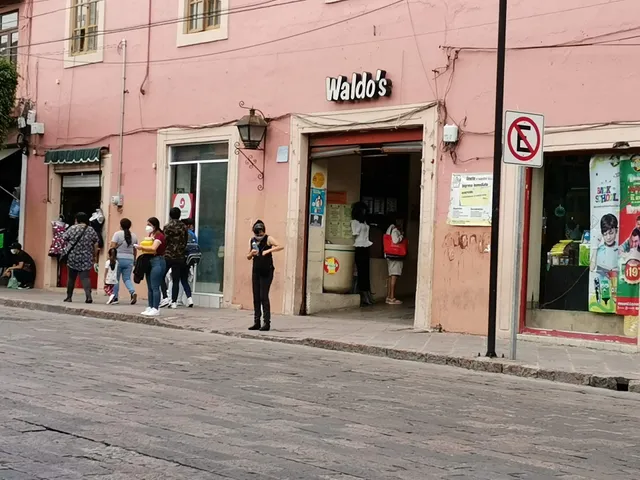
Waldo's
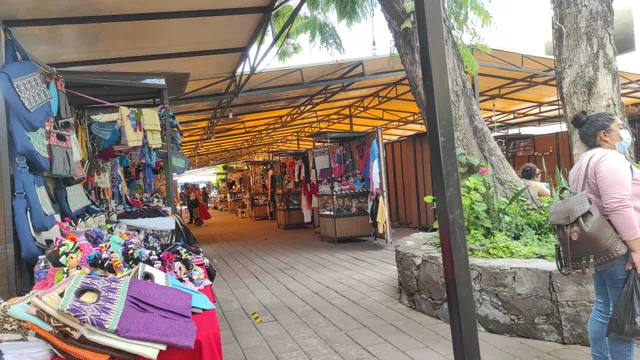
Indigenous Artesanal Development Centre
Casona De los 5 Patios
Clúster Vitivinícola de Querétaro
Diocesis de Querétaro
Plaza de los Fundadores
Casa Mota
Remo Motos Querétaro
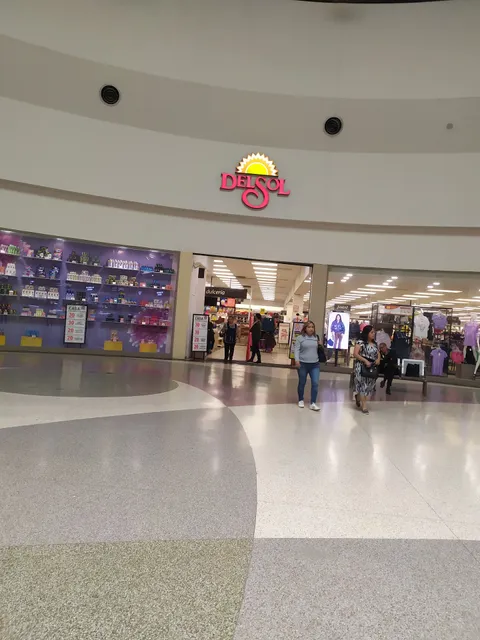
Del Sol
4.3
(542)
Click for details
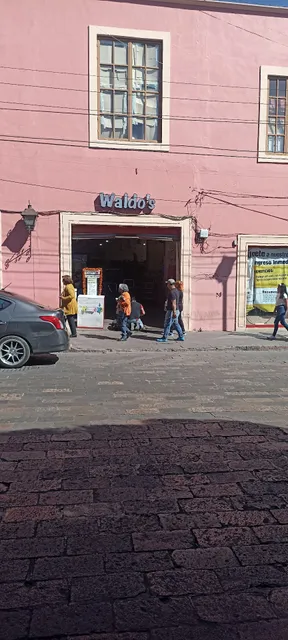
Waldo's Corregidora
3.9
(712)
Click for details
Waldo's
4.0
(191)
Click for details
Indigenous Artesanal Development Centre
4.6
(454)
Click for details