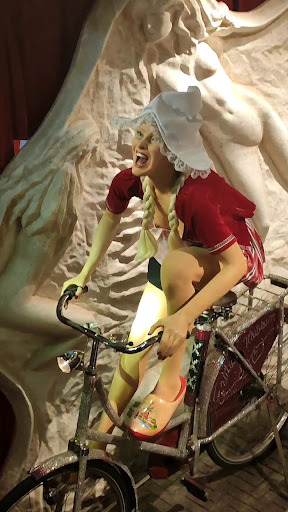
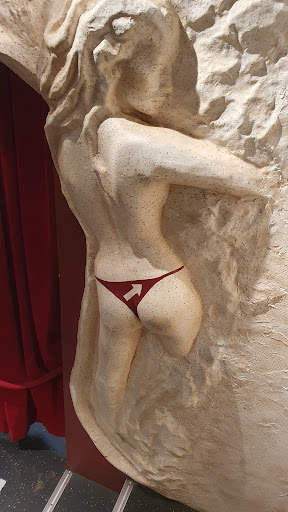
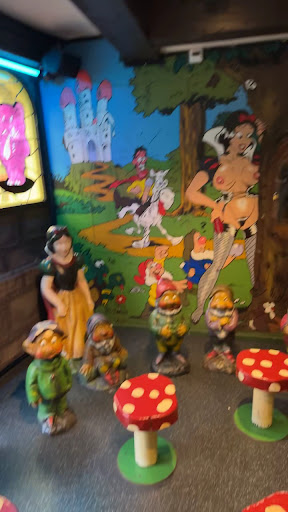
Erotic Museum things to do, attractions, restaurants, events info and trip planning
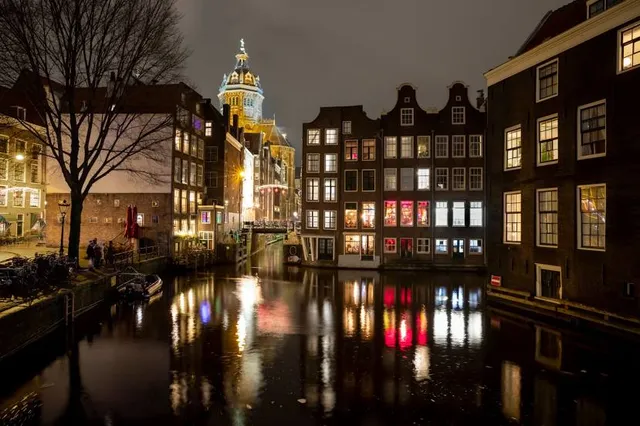
Basic Info
Erotic Museum
Oudezijds Achterburgwal 54, 1012 DP Amsterdam, Netherlands
3.7(1.3K)
Closed

tickets
Save
spot
spot
Ratings & Description
Info
The Erotic Heritage Museum is a 24,000-square-foot space with 17,000 square feet dedicated to the history of erotica, located in Las Vegas. The grand patron of the museum is Harry Mohney, founder of Déjà Vu.
Cultural
Accessibility
attractions: Red Light Secrets Museum, Oude Kerk Amsterdam, Chinatown, Our Lord in the Attic Museum (Former Hidden Catholic Church), De Wallen Red Light District Amsterdam, Casa Rosso, BODY WORLDS Amsterdam, Sexmuseum Amsterdam Venustempel, Amsterdam Boat Trips, Hash Marihuana & Hemp Museum in Amsterdam, restaurants: Excalibur Café, Café Old Sailor, Le Smash Amsterdam | Zeedijk, Gusto Italian, Kim's So Korean Food Centrum, De Koffieschenkerij, Red Light Bar, Bird Thais Restaurant, Nam Kee, Hoi Tin, local businesses: The Bulldog The First Coffeeshop, Henk Comics, de Bijenkorf Amsterdam, Fo Guang Shan He Hua Temple, Albert Heijn, Amsterdamsche Vischhandel, He Hua Tempel, Oudezijds Voorburgwal 67, Toko Dun Yong, Amsterdam Guías & Tours
 Learn more insights from Wanderboat AI.
Phone
+31 20 627 8954
Website
erotisch-museum.nl
Open hoursSee all hours
Fri11 AM - 2 AMClosed
Plan your stay

Pet-friendly Hotels in Amsterdam
Find a cozy hotel nearby and make it a full experience.

Affordable Hotels in Amsterdam
Find a cozy hotel nearby and make it a full experience.

The Coolest Hotels You Haven't Heard Of (Yet)
Find a cozy hotel nearby and make it a full experience.

Trending Stays Worth the Hype in Amsterdam
Find a cozy hotel nearby and make it a full experience.
Reviews
Live events
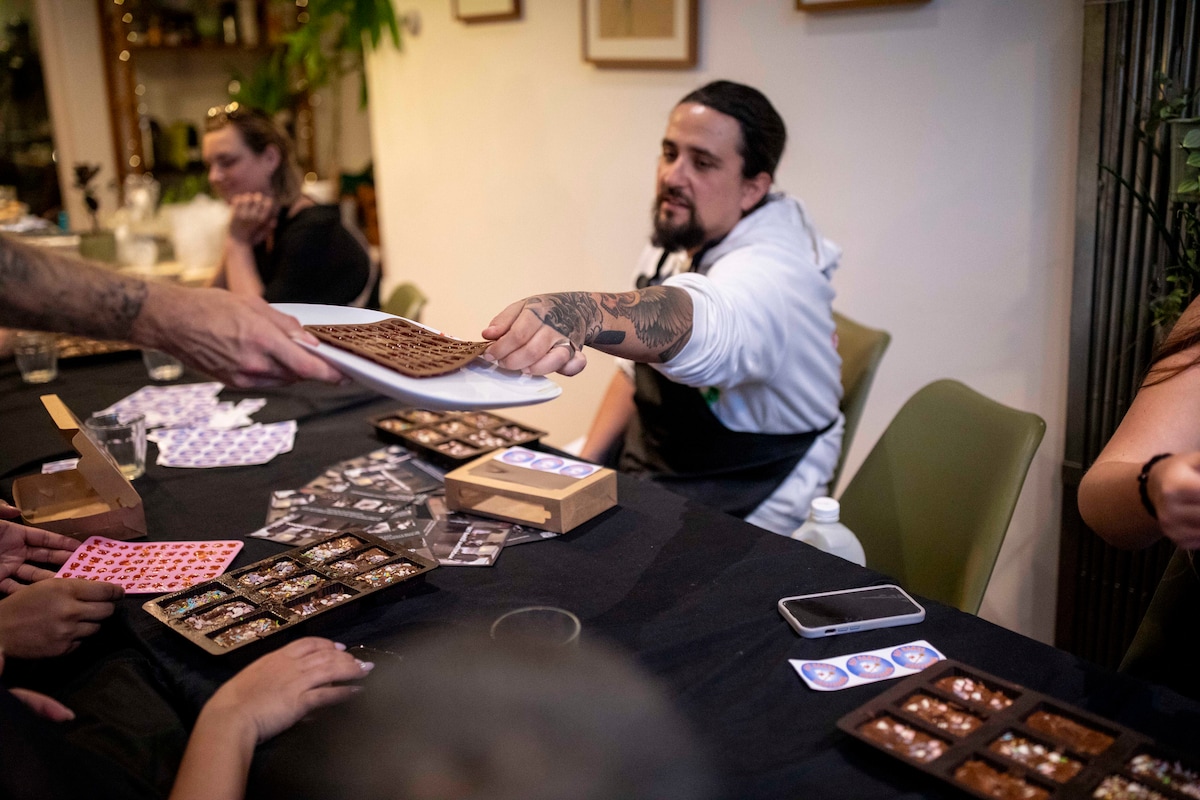
Make edibles in Amsterdam with Get Baked Amsterdam
Mon, Mar 2 • 1:30 PM
1052 HL, Amsterdam, Netherlands
View details

Cruise Amsterdam’s canals with onboard snacks
Fri, Feb 27 • 10:00 AM
1016 EK, Amsterdam, Netherlands
View details
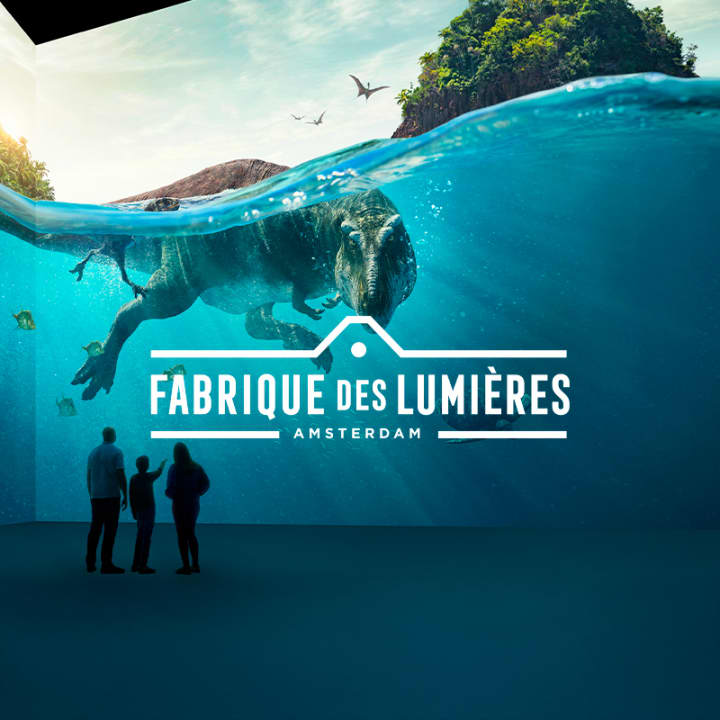
Prehistoric Planet: Dinosaurs – De meeslepende voorstelling
Mon, Mar 2 • 11:00 AM
Pazzanistraat 37, Amsterdam, 1014 DB
View details
Nearby attractions of Erotic Museum
Red Light Secrets Museum
Oude Kerk Amsterdam
Chinatown
Our Lord in the Attic Museum (Former Hidden Catholic Church)
De Wallen Red Light District Amsterdam
Casa Rosso
BODY WORLDS Amsterdam
Sexmuseum Amsterdam Venustempel
Amsterdam Boat Trips
Hash Marihuana & Hemp Museum in Amsterdam
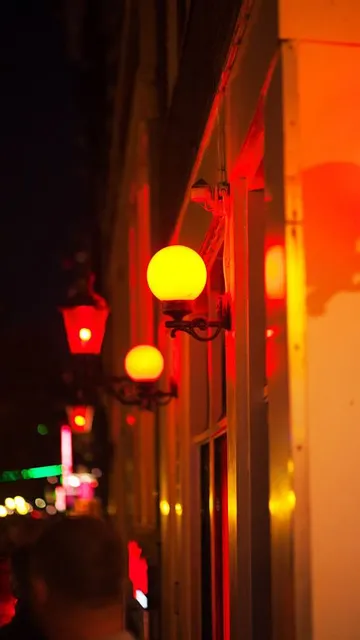
Red Light Secrets Museum
4.2
(8.3K)
Closed
Click for details
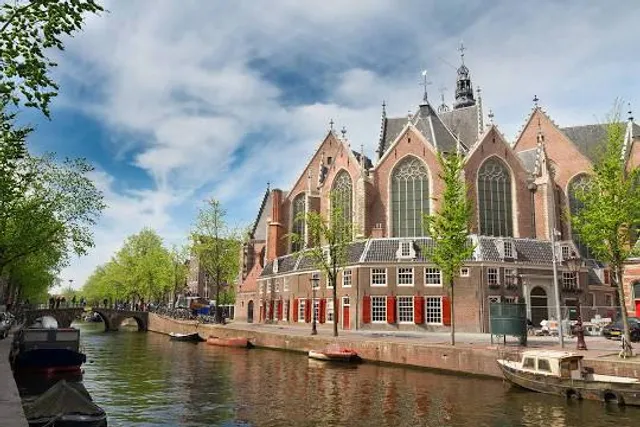
Oude Kerk Amsterdam
4.4
(4.8K)
Closed
Click for details
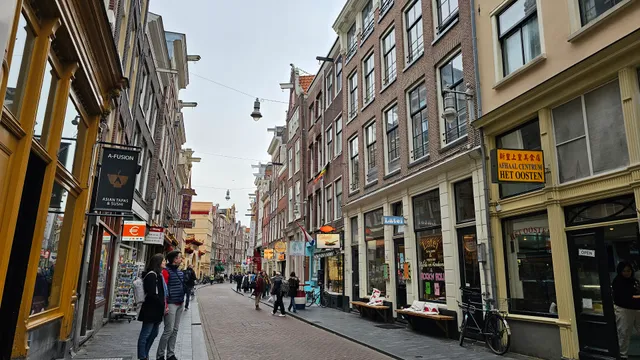
Chinatown
4.3
(918)
Open 24 hours
Click for details
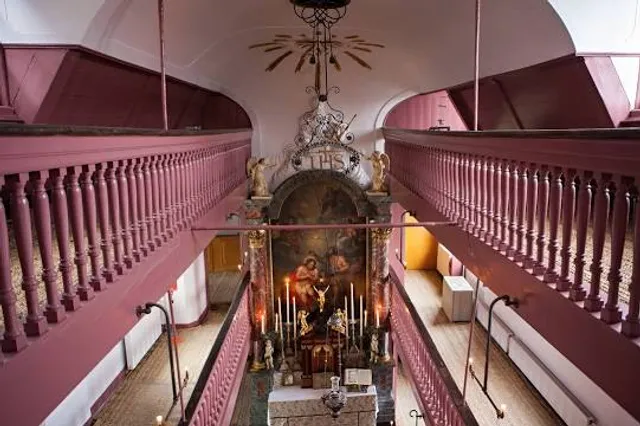
Our Lord in the Attic Museum (Former Hidden Catholic Church)
4.7
(2K)
Closed
Click for details
Nearby restaurants of Erotic Museum
Excalibur Café
Café Old Sailor
Le Smash Amsterdam | Zeedijk
Gusto Italian
Kim's So Korean Food Centrum
De Koffieschenkerij
Red Light Bar
Bird Thais Restaurant
Nam Kee
Hoi Tin
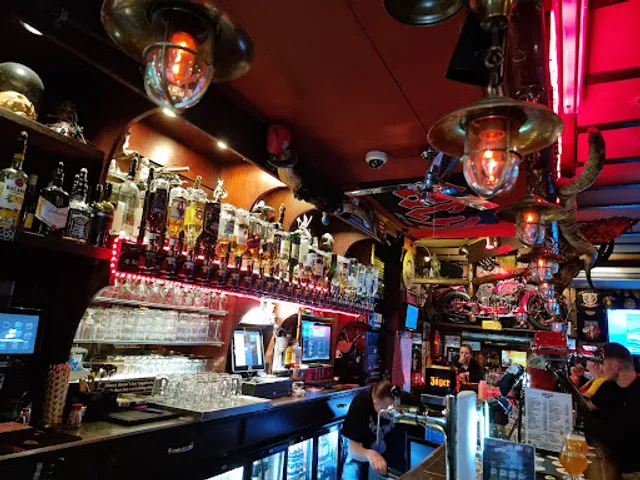
Excalibur Café
4.6
(1.9K)
Closed
Click for details
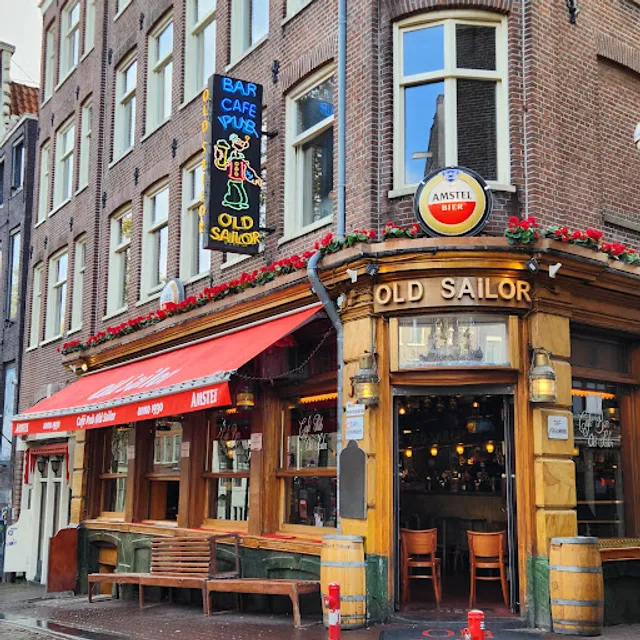
Café Old Sailor
4.5
(1.6K)
Closed
Click for details

Le Smash Amsterdam | Zeedijk
4.4
(55)
Closed
Click for details
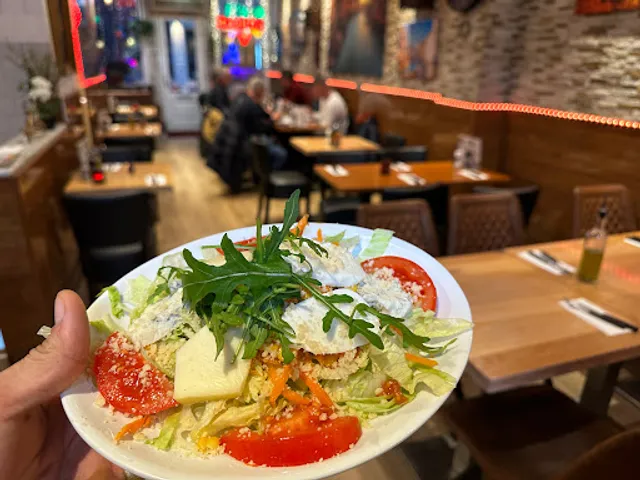
Gusto Italian
4.8
(4K)
Closed
Click for details
Nearby local services of Erotic Museum
The Bulldog The First Coffeeshop
Henk Comics
de Bijenkorf Amsterdam
Fo Guang Shan He Hua Temple
Albert Heijn
Amsterdamsche Vischhandel
He Hua Tempel
Oudezijds Voorburgwal 67
Toko Dun Yong
Amsterdam Guías & Tours
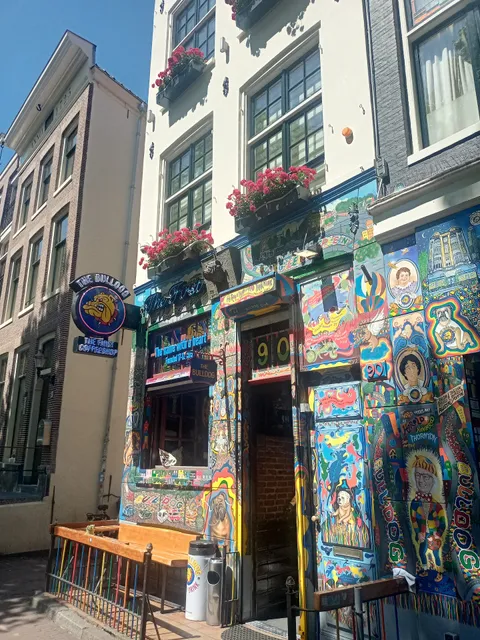
The Bulldog The First Coffeeshop
4.4
(3.1K)
Click for details

Henk Comics
4.6
(1.3K)
Click for details
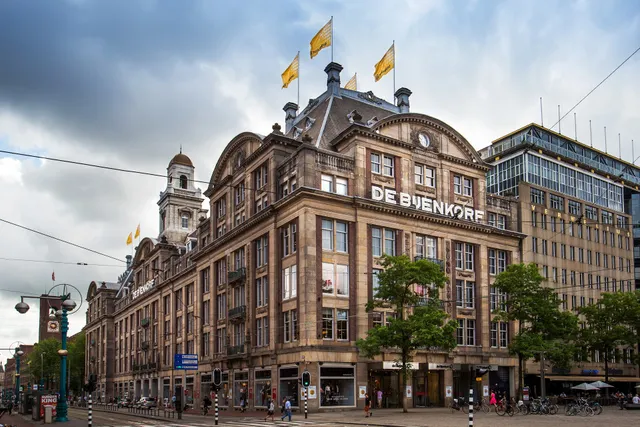
de Bijenkorf Amsterdam
4.3
(7.2K)
Click for details
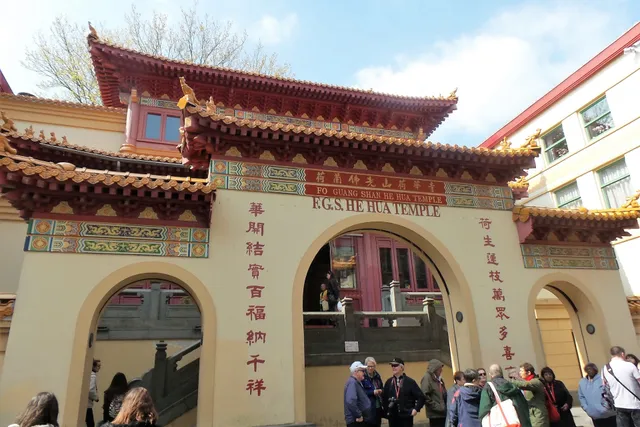
Fo Guang Shan He Hua Temple
4.3
(307)
Click for details