Micropia things to do, attractions, restaurants, events info and trip planning
Basic Info
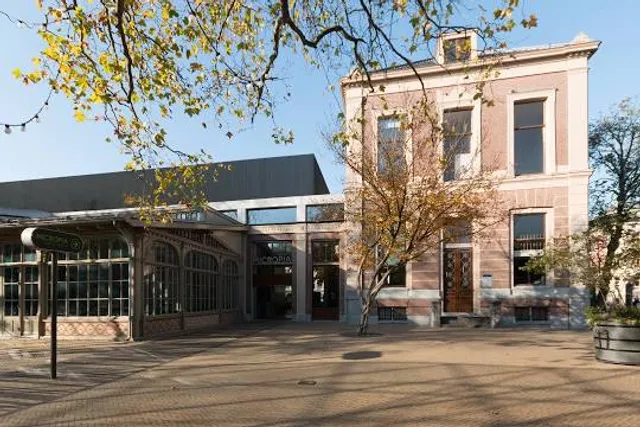
Micropia
Plantage Kerklaan 38-40, 1018 CZ Amsterdam, Netherlands
4.7(2.8K)
Closed


tickets
Save
spot
spot
Ratings & Description
Info
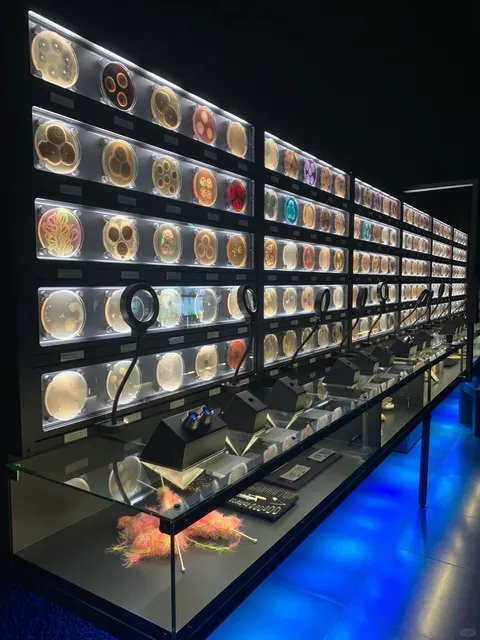
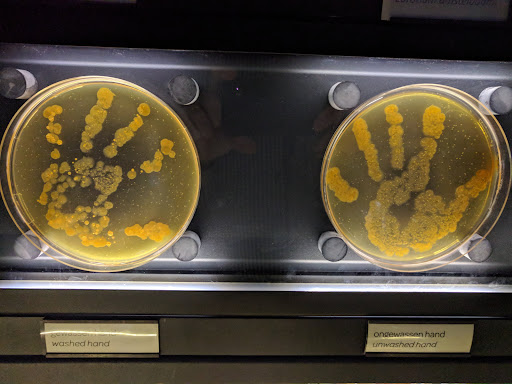
Micropia is a museum in Amsterdam based on the idea of distributing information about microbes, which are often associated with illness and disease despite their essential function in the daily functioning of human life. The museum opened on 30 September 2014. It claims to be the first of its kind.
Cultural
Family friendly
Accessibility
attractions: Verzetsmuseum Amsterdam - Museum of WWII Resistance, ARTIS, National Holocaust Museum, ARTIS - Groote Museum, Holocaust Memorial & Dutch Theater (Jewish Cultural Quarter), Hortus Botanicus, Memorial to Auschwitz Victims, Small Mammals House, Wertheimpark, National Maritime Museum, restaurants: De Plantage, Box Sociaal, De Deli - Plantagebuurt, Café Koosje, Burgermeester | Artis, Restaurant Plancius, Coffee & Bites, Pizzeria Steakhouse La Roma, De Pizzabakkers, Cafe Eik en Linde, local businesses: National Holocaust Museum In Development, a little willow hair space, Hortus Botanicus Amsterdam, (SAAB-DEALER) Artis Garage Amsterdam, Dakdekker Amsterdam | Dakservice Van Gelder, Borrelbox Amsterdam, Souvenir Shop Artis Zoo, Garage Ballering, Bounce Luggage Storage - Micropia, Home of Orange B.V.
 Learn more insights from Wanderboat AI.
Phone
+31 20 523 3670
Website
micropia.nl
Open hoursSee all hours
Sat10 AM - 5 PMClosed
Plan your stay

Pet-friendly Hotels in Amsterdam
Find a cozy hotel nearby and make it a full experience.

Affordable Hotels in Amsterdam
Find a cozy hotel nearby and make it a full experience.

The Coolest Hotels You Haven't Heard Of (Yet)
Find a cozy hotel nearby and make it a full experience.

Trending Stays Worth the Hype in Amsterdam
Find a cozy hotel nearby and make it a full experience.
Reviews
Live events
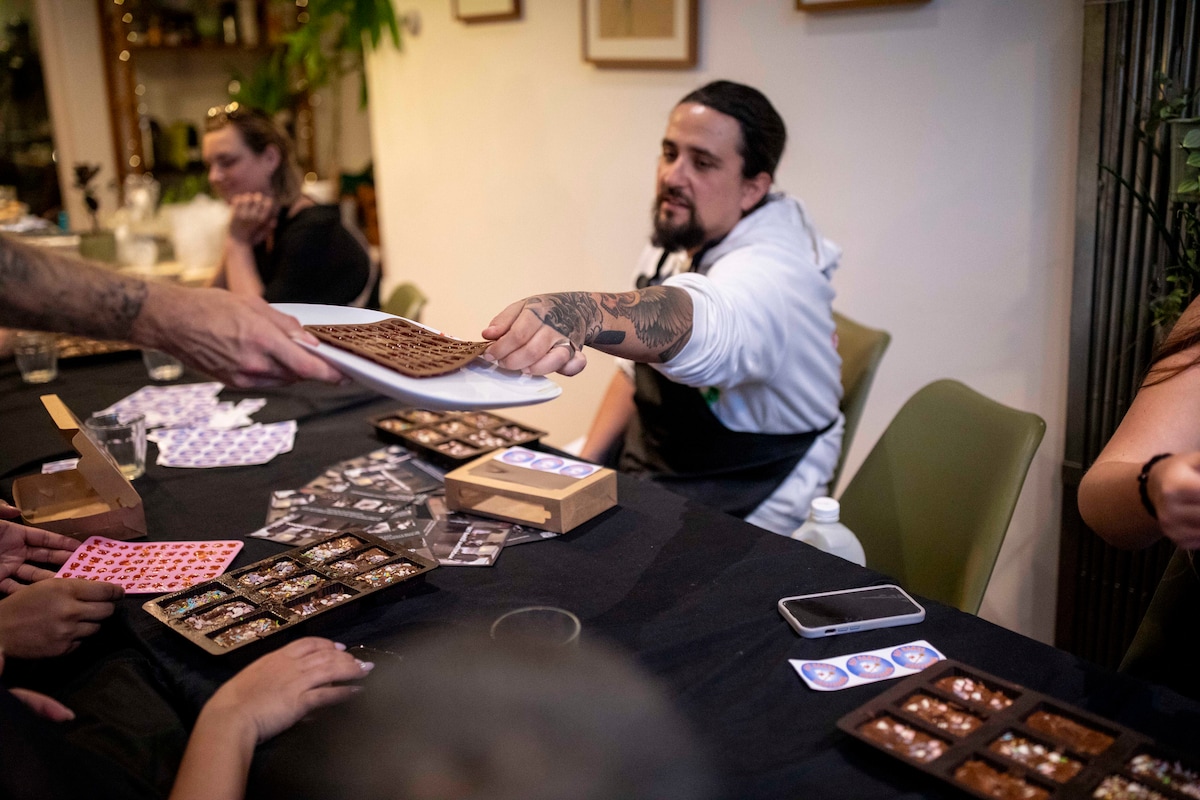
Make edibles in Amsterdam with Get Baked Amsterdam
Mon, Mar 2 • 1:30 PM
1052 HL, Amsterdam, Netherlands
View details

Cruise Amsterdam’s canals with onboard snacks
Sat, Feb 28 • 1:00 PM
1016 EK, Amsterdam, Netherlands
View details
Prehistoric Planet: Dinosaurs – De meeslepende voorstelling
Sat, Feb 28 • 11:00 AM
Pazzanistraat 37, Amsterdam, 1014 DB
View details
Nearby attractions of Micropia
Verzetsmuseum Amsterdam - Museum of WWII Resistance
ARTIS
National Holocaust Museum
ARTIS - Groote Museum
Holocaust Memorial & Dutch Theater (Jewish Cultural Quarter)
Hortus Botanicus
Memorial to Auschwitz Victims
Small Mammals House
Wertheimpark
National Maritime Museum
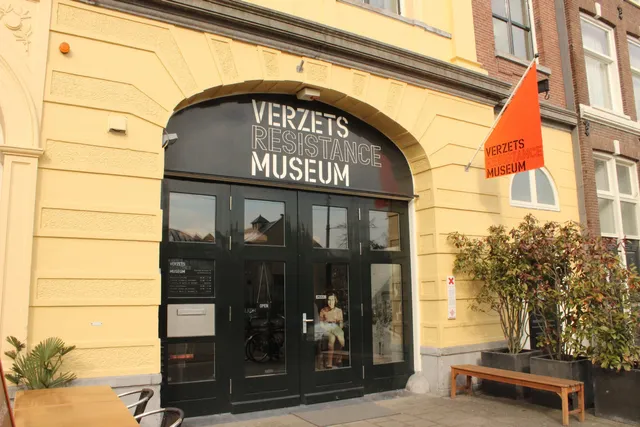
Verzetsmuseum Amsterdam - Museum of WWII Resistance
4.6
(1.5K)
Closed
Click for details
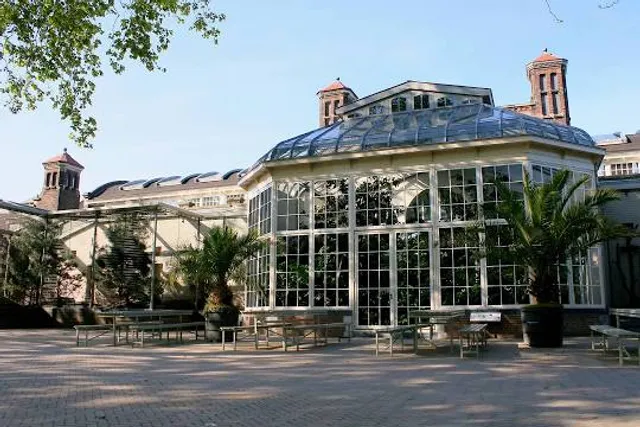
ARTIS
4.5
(12.7K)
Closed
Click for details
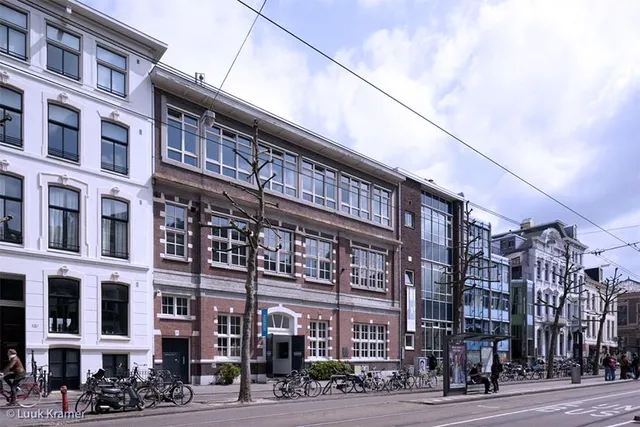
National Holocaust Museum
4.3
(592)
Closed
Click for details
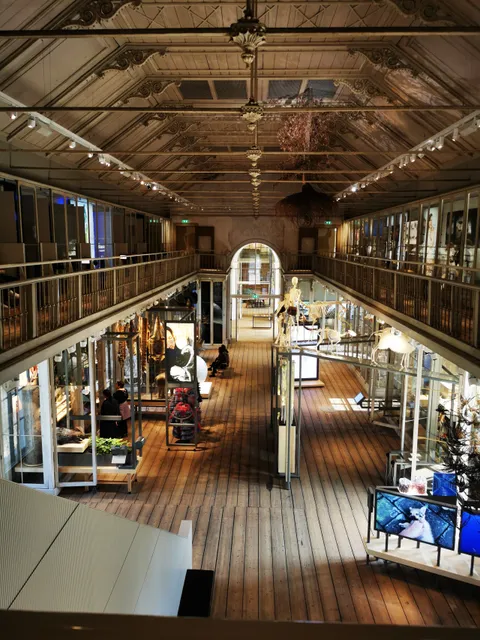
ARTIS - Groote Museum
4.4
(384)
Closed
Click for details
Nearby restaurants of Micropia
De Plantage
Box Sociaal
De Deli - Plantagebuurt
Café Koosje
Burgermeester | Artis
Restaurant Plancius
Coffee & Bites
Pizzeria Steakhouse La Roma
De Pizzabakkers
Cafe Eik en Linde
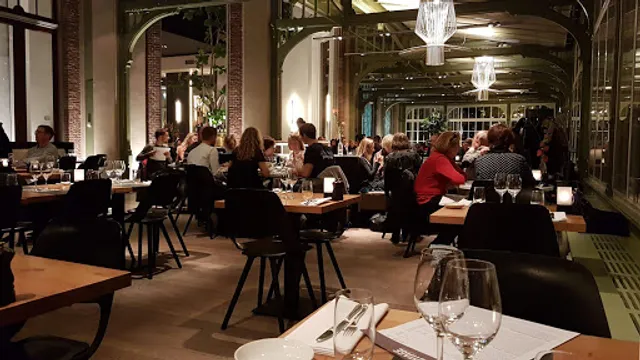
De Plantage
4.2
(1.5K)
$$
Closed
Click for details
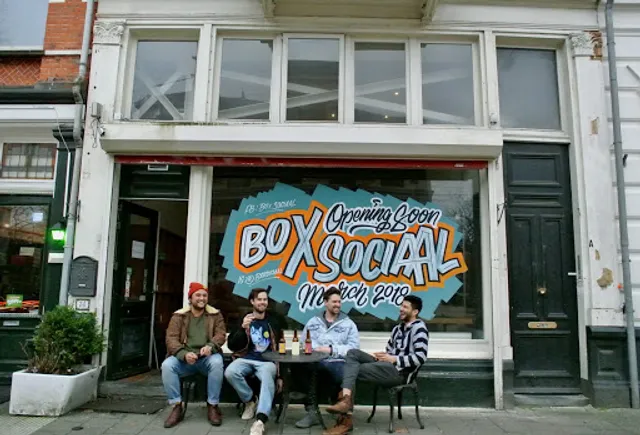
Box Sociaal
4.7
(1.3K)
Closed
Click for details
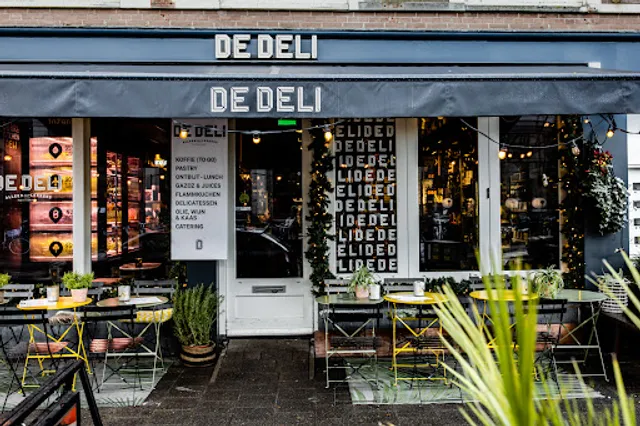
De Deli - Plantagebuurt
4.6
(580)
Closed
Click for details
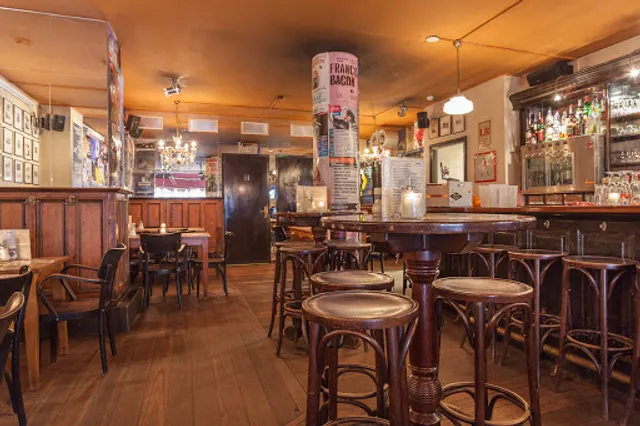
Café Koosje
4.3
(799)
Closed
Click for details
Nearby local services of Micropia
National Holocaust Museum In Development
a little willow hair space
Hortus Botanicus Amsterdam
(SAAB-DEALER) Artis Garage Amsterdam
Dakdekker Amsterdam | Dakservice Van Gelder
Borrelbox Amsterdam
Souvenir Shop Artis Zoo
Garage Ballering
Bounce Luggage Storage - Micropia
Home of Orange B.V.
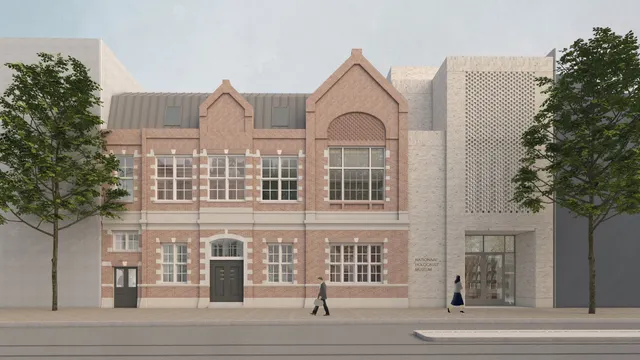
National Holocaust Museum In Development
4.1
(410)
Click for details

a little willow hair space
5.0
(87)
Click for details
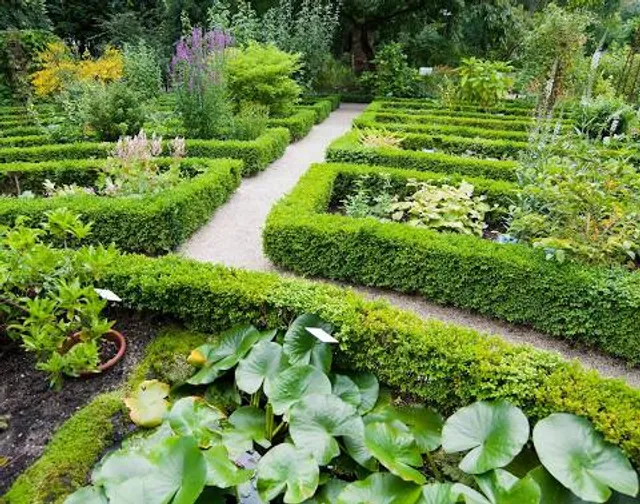
Hortus Botanicus Amsterdam
4.5
(4K)
Click for details

(SAAB-DEALER) Artis Garage Amsterdam
4.7
(22)
Click for details