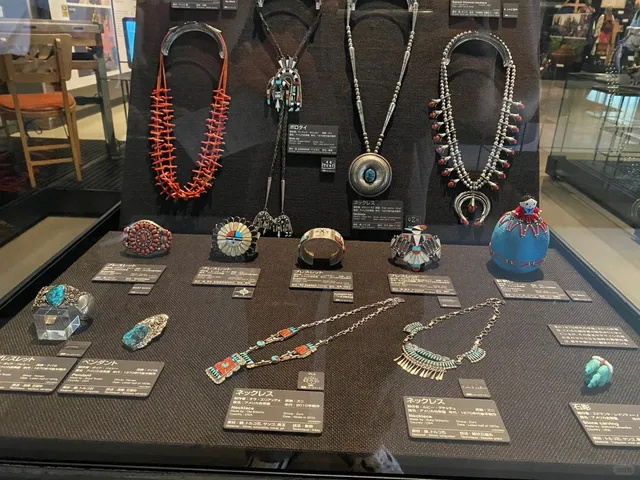
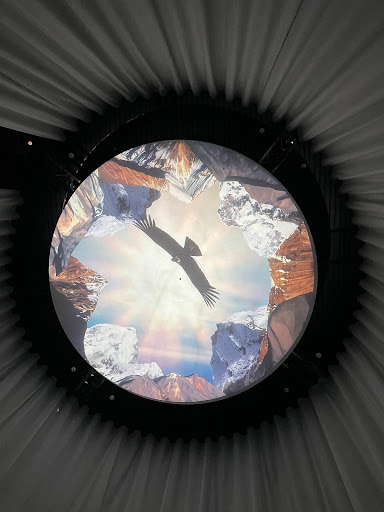
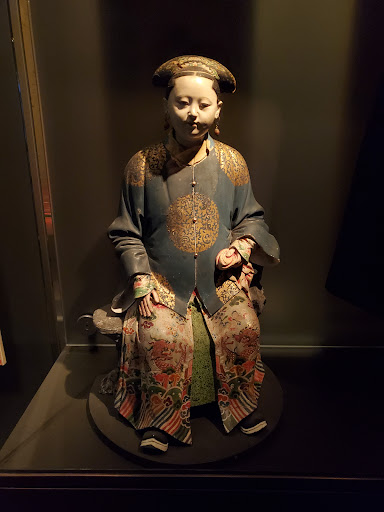
National Museum of Ethnology things to do, attractions, restaurants, events info and trip planning
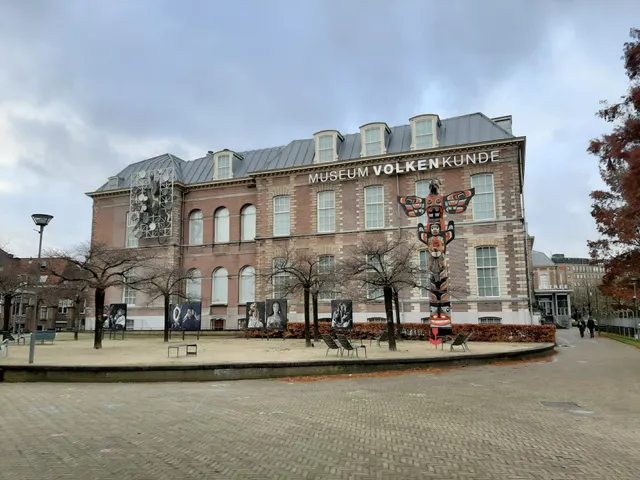
Basic Info
National Museum of Ethnology
Steenstraat 1B, 2312 BS Leiden, Netherlands
4.5(1.6K)
Open until 5:00 PM


tickets
Save
spot
spot
Ratings & Description
Info
Cultural
Family friendly
Accessibility
attractions: Morschpoort, VVV Leiden, Molen De Valk, Museum De Lakenhal, Molen De Put, Rijksmuseum Boerhaave, Japan Museum SieboldHuis, Leiden University Medical Center (LUMC), Leiden Theater, National Museum of Antiquities, restaurants: Stadscafé Van der Werff, Paco Ciao, De Bruine Boon, SHABU SHABU Leiden, Yuniku Leiden, Bierlokaal De Veste, El Fierro, M Noodle Bar, Pannenkoekenhuis de Schaapsbel, eazie Leiden CS, local businesses: National Museum of Ethnology, Night Market, Rembrandt Bridge, National Museum of Antiquities, Pieterskerk, Leiden, Leiden City Hall, Trc Leiden, Young Rembrandt Studio, Il Camino, Sushi Bento
 Learn more insights from Wanderboat AI.
Phone
+31 88 004 2800
Website
leiden.wereldmuseum.nl
Open hoursSee all hours
Sun10 AM - 5 PMOpen
Plan your stay

Pet-friendly Hotels in Leiden
Find a cozy hotel nearby and make it a full experience.

Affordable Hotels in Leiden
Find a cozy hotel nearby and make it a full experience.

The Coolest Hotels You Haven't Heard Of (Yet)
Find a cozy hotel nearby and make it a full experience.

Trending Stays Worth the Hype in Leiden
Find a cozy hotel nearby and make it a full experience.
Reviews
Live events
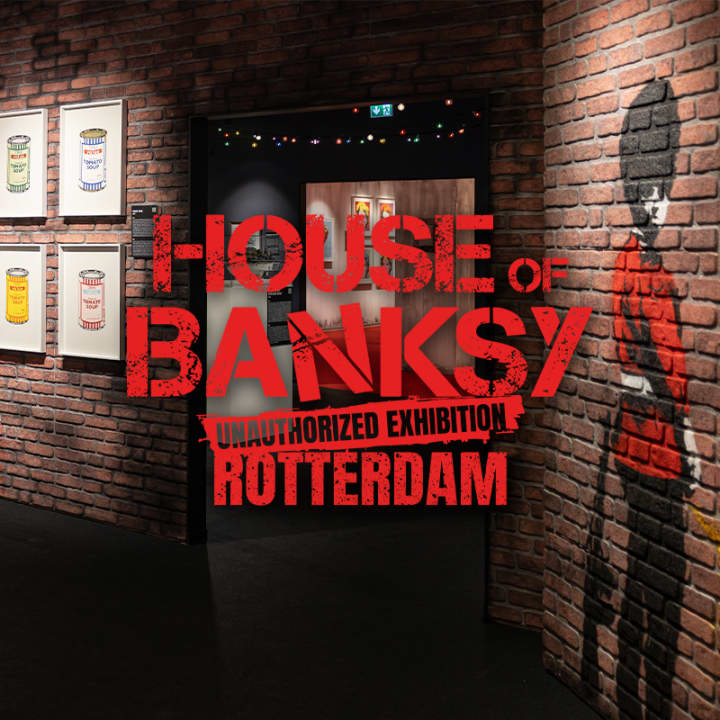
House of Banksy Rotterdam – An Unauthorized Exhibition
Sun, Feb 8 • 11:30 AM
Kop van Zuid, Wilhelminakade 332, Rotterdam, 3072 AR
View details
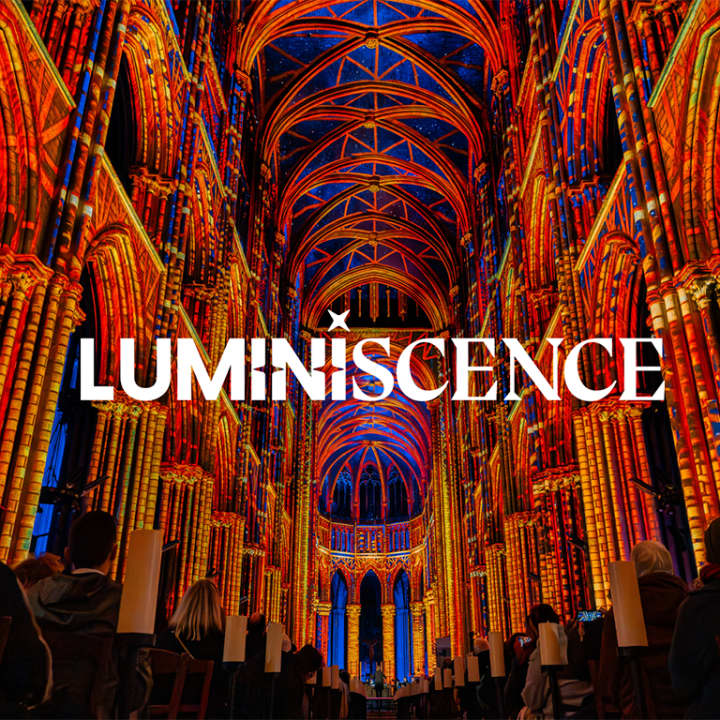
LUMINISCENCE: De meest spectaculaire lichtshow ter wereld, voor het eerst in Nederland!
Wed, Feb 11 • 7:00 PM
HH Geestkerkhof 25, Delft, Netherlands, 2611 HT
View details

The Jazz Room: Een muzikale reis naar het hart van New Orleans
Sat, Feb 14 • 6:00 PM
Schiedamseweg 19B, Rotterdam, 3026 AB
View details
Nearby attractions of National Museum of Ethnology
Morschpoort
VVV Leiden
Molen De Valk
Museum De Lakenhal
Molen De Put
Rijksmuseum Boerhaave
Japan Museum SieboldHuis
Leiden University Medical Center (LUMC)
Leiden Theater
National Museum of Antiquities
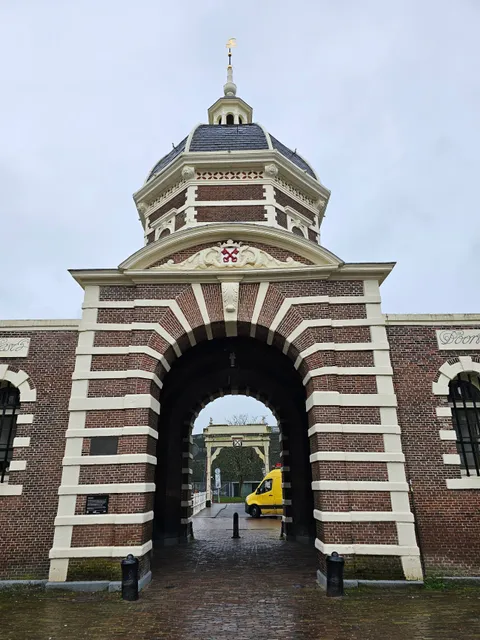
Morschpoort
4.5
(353)
Open until 12:00 AM
Click for details

VVV Leiden
4.5
(122)
Open until 3:00 PM
Click for details
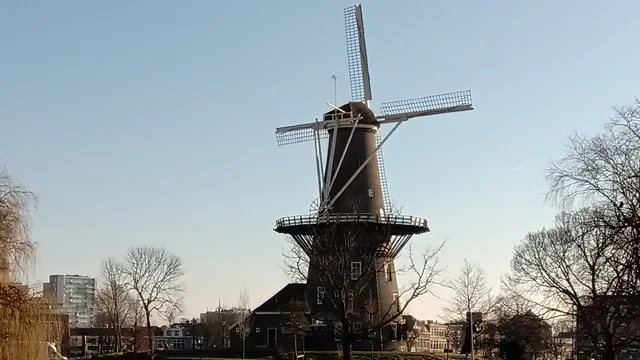
Molen De Valk
4.7
(625)
Open until 5:00 PM
Click for details
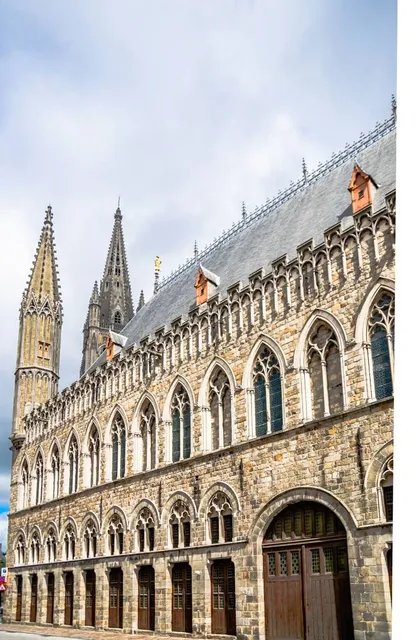
Museum De Lakenhal
4.5
(883)
Open until 5:00 PM
Click for details
Nearby restaurants of National Museum of Ethnology
Stadscafé Van der Werff
Paco Ciao
De Bruine Boon
SHABU SHABU Leiden
Yuniku Leiden
Bierlokaal De Veste
El Fierro
M Noodle Bar
Pannenkoekenhuis de Schaapsbel
eazie Leiden CS
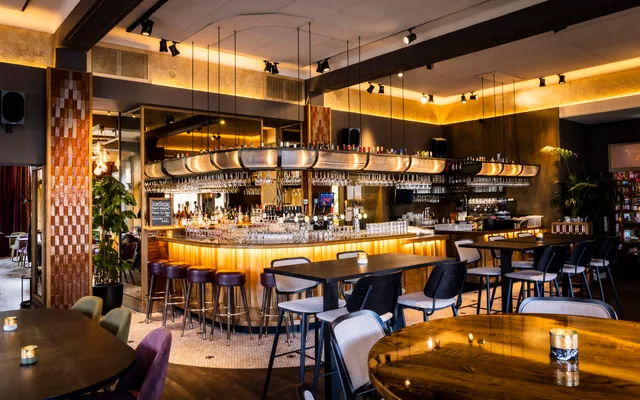
Stadscafé Van der Werff
4.1
(1.6K)
$$
Open until 12:00 AM
Click for details
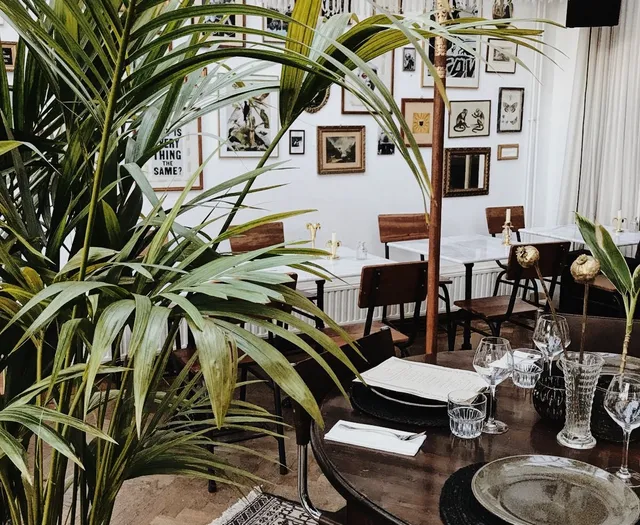
Paco Ciao
4.7
(1.5K)
$$
Open until 11:00 PM
Click for details
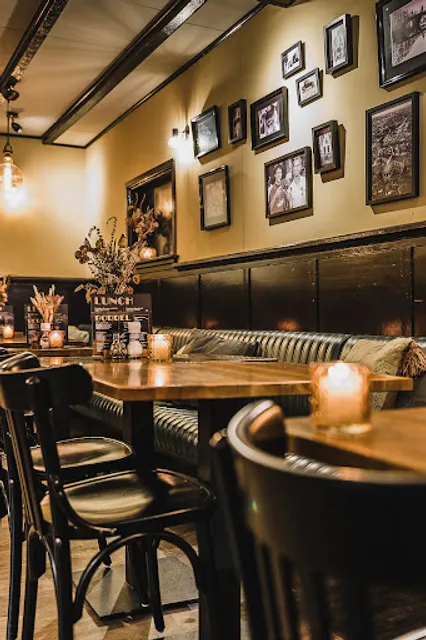
De Bruine Boon
4.1
(702)
Open until 10:00 PM
Click for details
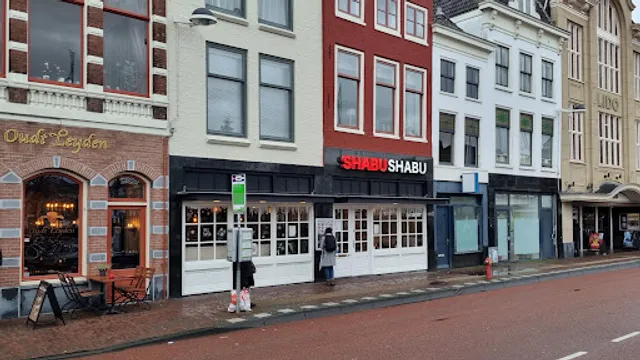
SHABU SHABU Leiden
4.2
(878)
Open until 10:00 PM
Click for details
Nearby local services of National Museum of Ethnology
National Museum of Ethnology
Night Market
Rembrandt Bridge
National Museum of Antiquities
Pieterskerk, Leiden
Leiden City Hall
Trc Leiden
Young Rembrandt Studio
Il Camino
Sushi Bento

National Museum of Ethnology
4.4
(1.4K)
Click for details
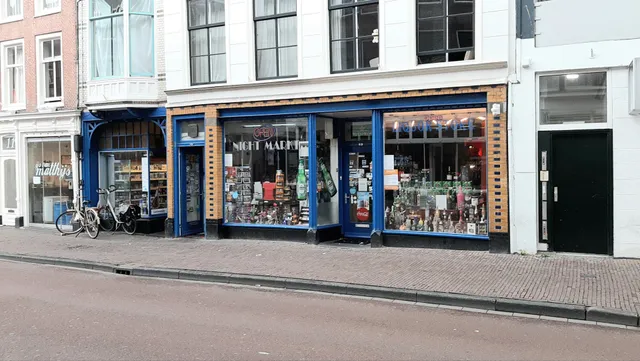
Night Market
3.5
(68)
Click for details
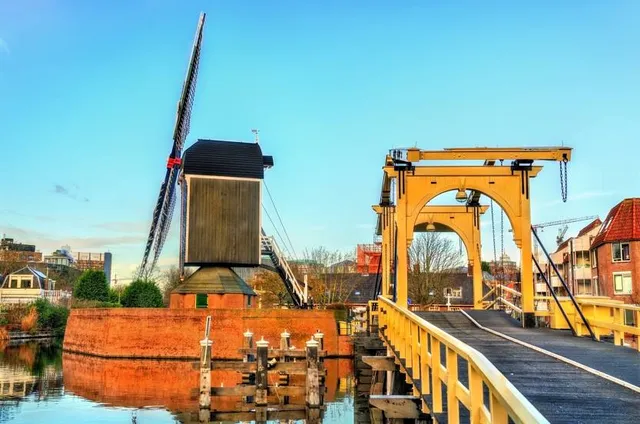
Rembrandt Bridge
4.5
(104)
Click for details
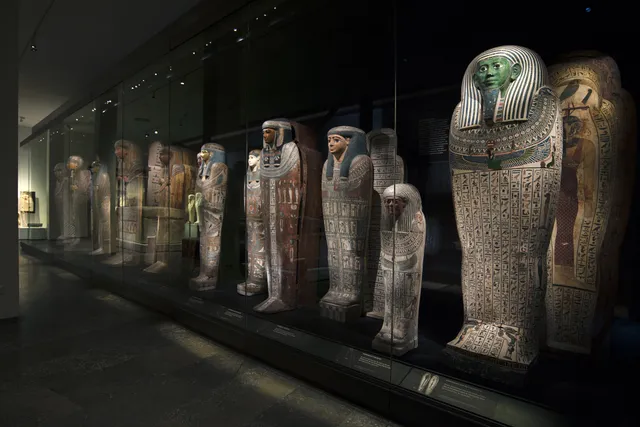
National Museum of Antiquities
4.5
(2.3K)
Click for details