International Court of Justice things to do, attractions, restaurants, events info and trip planning

Basic Info
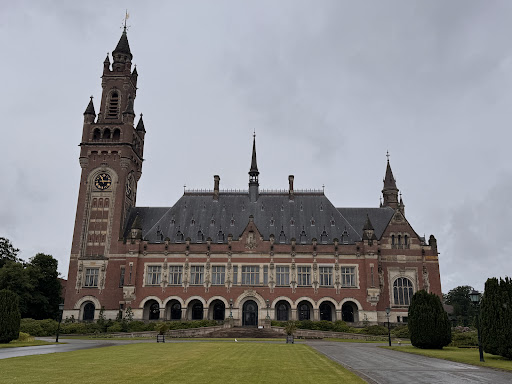
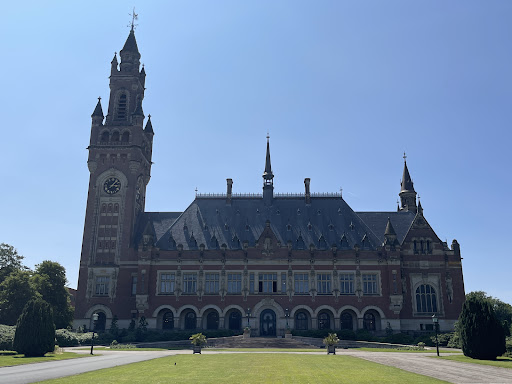
International Court of Justice
Carnegieplein 2, 2517 KJ Den Haag, Netherlands
4.3(216)
Open 24 hours
Save
spot
spot
Ratings & Description
Info
Cultural
Accessibility
Family friendly
attractions: Peace Palace, De Mesdag Collectie, Haags Herdenkingsmonument, Dutch Museum of Freemasonry, Paleistuin, Museumhuis De Quack, Museum Sophiahof - from the Indies to today, Park Sorghvliet, Scheveningse Bosjes, Noordeinde Palace, restaurants: 3Stones Kenyan Restaurant, BABAQUE Japans Restaurant, da Mister Toni, Café Blossom, La Lanterna, De Oude Tol, Villa Coucou, ROOM, Bayonne Restobar, Berempah
 Learn more insights from Wanderboat AI.
Phone
+31 70 302 2323
Website
icj-cij.org
Plan your stay

Pet-friendly Hotels in The Hague
Find a cozy hotel nearby and make it a full experience.

Affordable Hotels in The Hague
Find a cozy hotel nearby and make it a full experience.

The Coolest Hotels You Haven't Heard Of (Yet)
Find a cozy hotel nearby and make it a full experience.

Trending Stays Worth the Hype in The Hague
Find a cozy hotel nearby and make it a full experience.
Reviews
Nearby attractions of International Court of Justice
Peace Palace
De Mesdag Collectie
Haags Herdenkingsmonument
Dutch Museum of Freemasonry
Paleistuin
Museumhuis De Quack
Museum Sophiahof - from the Indies to today
Park Sorghvliet
Scheveningse Bosjes
Noordeinde Palace
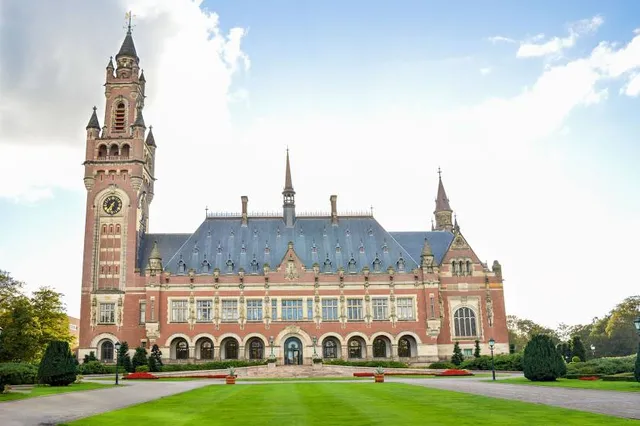
Peace Palace
4.6
(635)
Open 24 hours
Click for details
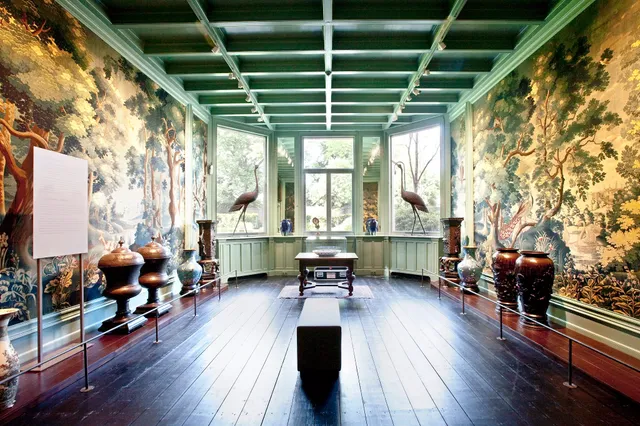
De Mesdag Collectie
4.5
(238)
Open 24 hours
Click for details
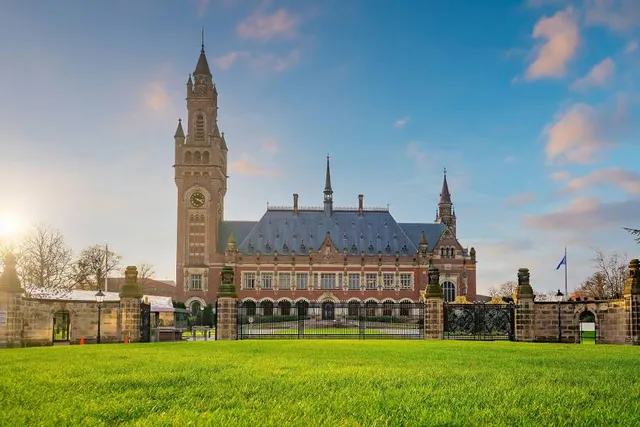
Haags Herdenkingsmonument
4.4
(32)
Open 24 hours
Click for details
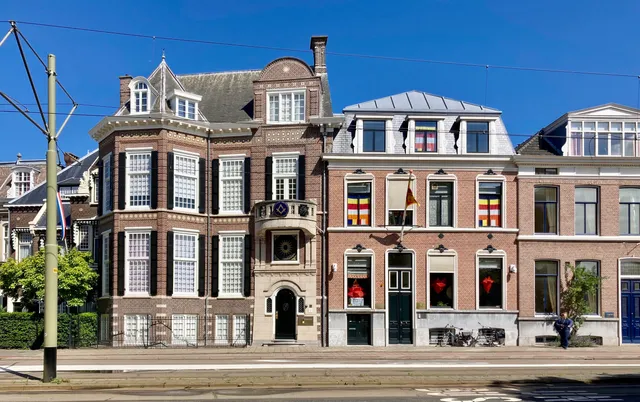
Dutch Museum of Freemasonry
4.4
(30)
Closed
Click for details
Things to do nearby
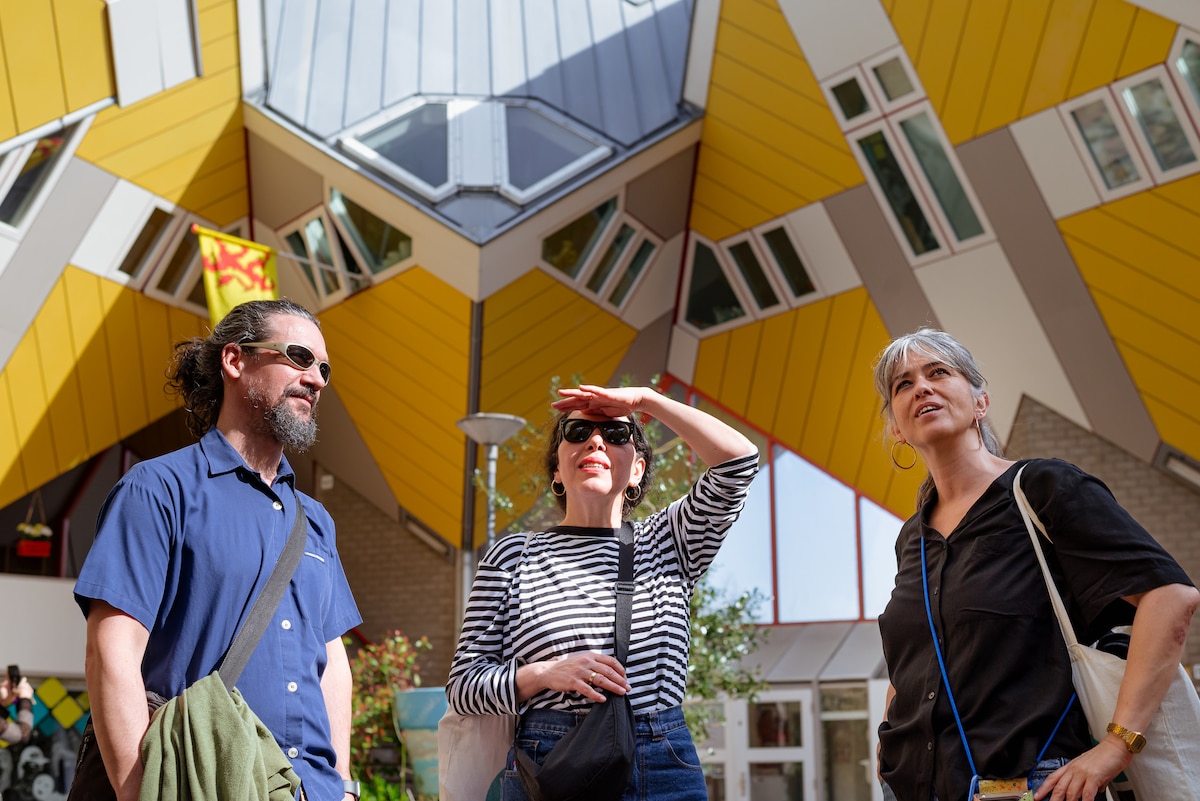
Architecture Walk Rotterdam
Mon, Dec 29 • 10:00 AM
3013 AJ, Rotterdam, Netherlands
View details
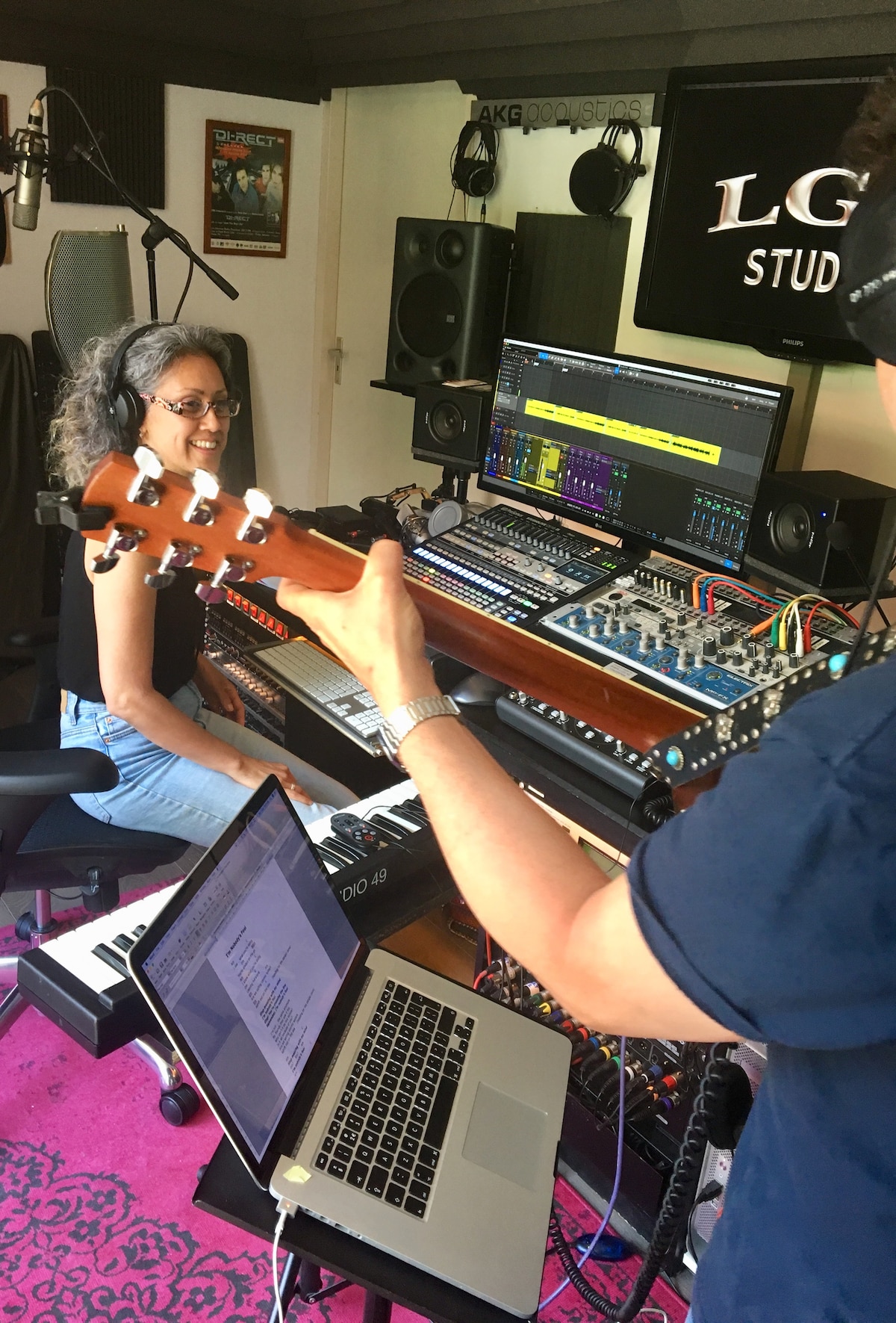
Co-write and record a song with a studio..
Sat, Dec 27 • 10:00 AM
2274 LW, Voorburg, Netherlands
View details

LUMINISCENCE: De meest spectaculaire lichtshow ter wereld, voor het eerst in Nederland!
Fri, Dec 26 • 6:00 PM
HH Geestkerkhof 25, Delft, Netherlands, 2611 HT
View details
Nearby restaurants of International Court of Justice
3Stones Kenyan Restaurant
BABAQUE Japans Restaurant
da Mister Toni
Café Blossom
La Lanterna
De Oude Tol
Villa Coucou
ROOM
Bayonne Restobar
Berempah
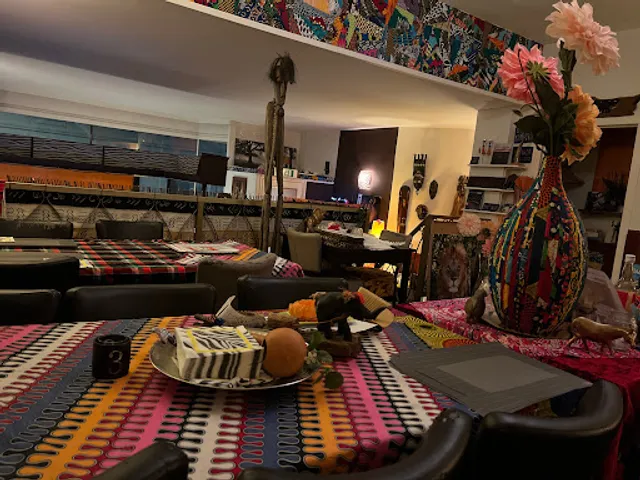
3Stones Kenyan Restaurant
4.8
(264)
Click for details
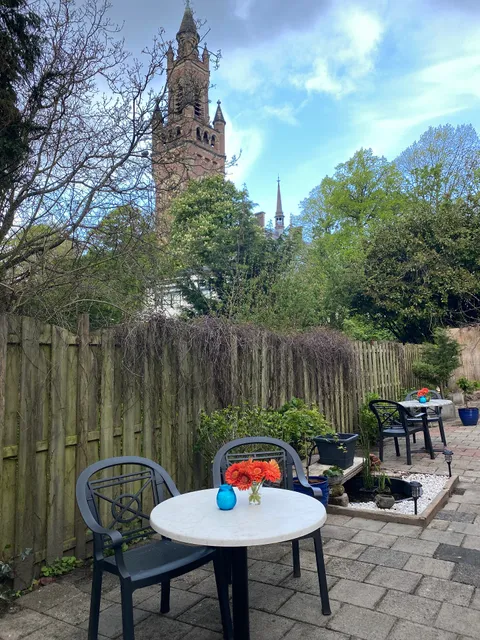
BABAQUE Japans Restaurant
4.8
(199)
Click for details
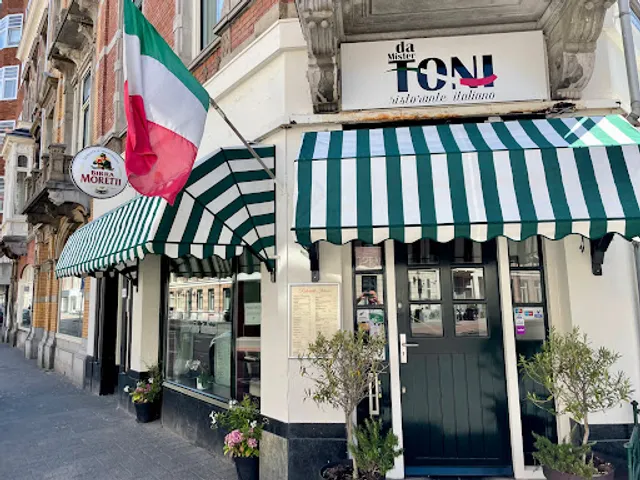
da Mister Toni
4.6
(153)
$$
Click for details
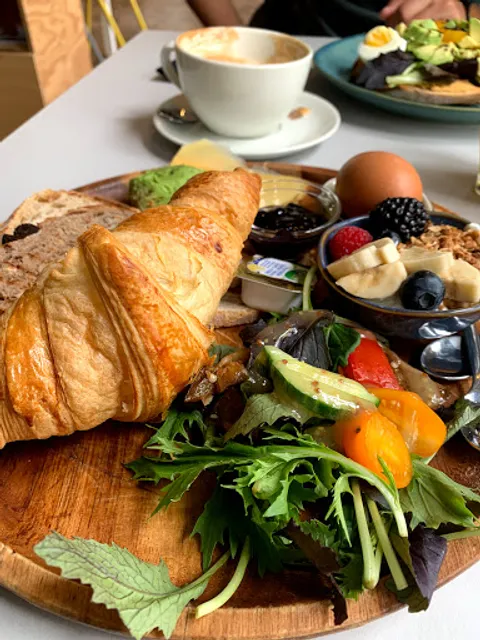
Café Blossom
4.5
(333)
Click for details