Peace Palace things to do, attractions, restaurants, events info and trip planning
Basic Info
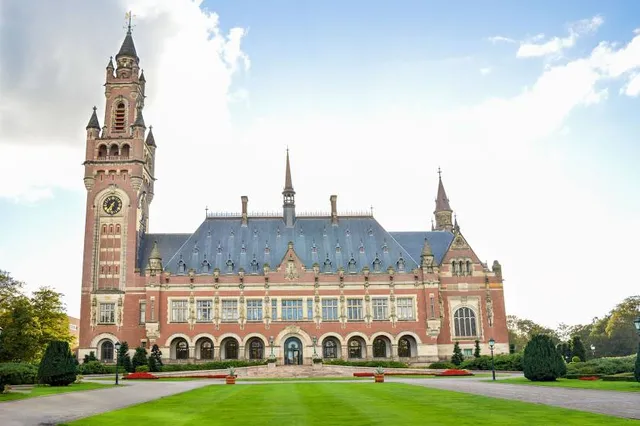
Peace Palace
Carnegieplein 2, 2517 KJ Den Haag, Netherlands
4.6(613)
Closed


tickets
Save
spot
spot
Ratings & Description
Info
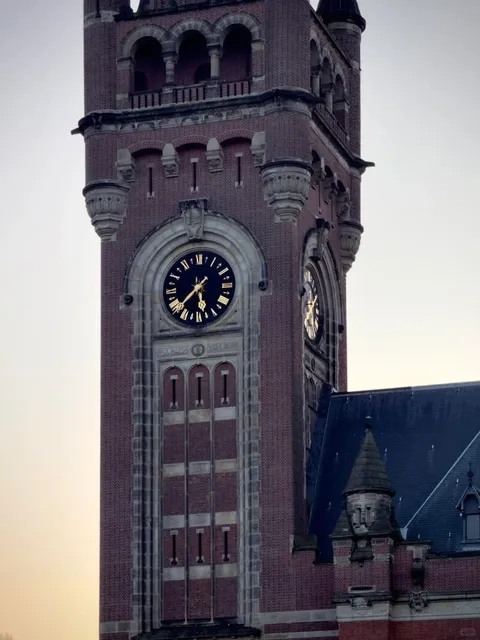
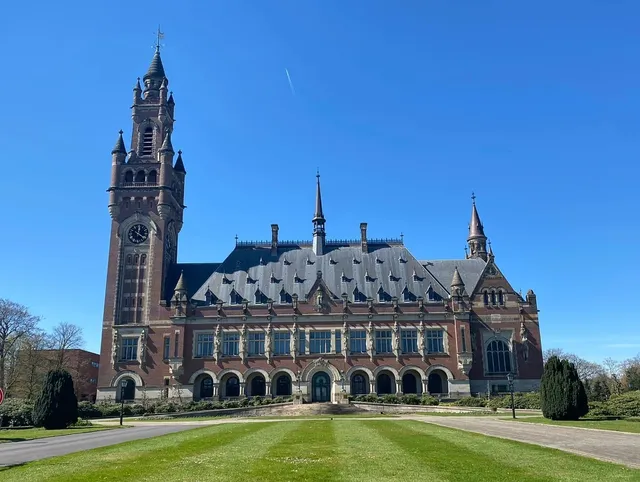
The Peace Palace is an international law administrative building in The Hague, the Netherlands. It houses the International Court of Justice, the Permanent Court of Arbitration, The Hague Academy of International Law and the Peace Palace Library.
Cultural
Scenic
Family friendly
Accessibility
attractions: De Mesdag Collectie, Peace Palace Visitor's Center, Zeeheldentheater, Haags Herdenkingsmonument, Namuso Gallery, Livingstone gallery, Dutch Museum of Freemasonry, International Institute of Social Studies (ISS), Paleistuin, Scheveningse Bosjes, restaurants: 3Stones Kenyan Restaurant, BABAQUE Japans Restaurant, De Oude Tol, Café Blossom, da Mister Toni, La Lanterna, Villa Coucou, ROOM, Bayonne Restobar, Café Restaurant Paloma, local businesses: International Court of Justice, Anna Paulownaplein 3, Piet Artisans of Flavour, Horaz, Royal Stables, Independence Monument, No Limit Coffeeshop, Smokey's, Vleugels, Galerie Helder
 Learn more insights from Wanderboat AI.
Phone
+31 70 302 4242
Website
vredespaleis.nl
Open hoursSee all hours
Fri12 - 4 PMClosed
Plan your stay

Pet-friendly Hotels in The Hague
Find a cozy hotel nearby and make it a full experience.

Affordable Hotels in The Hague
Find a cozy hotel nearby and make it a full experience.

The Coolest Hotels You Haven't Heard Of (Yet)
Find a cozy hotel nearby and make it a full experience.

Trending Stays Worth the Hype in The Hague
Find a cozy hotel nearby and make it a full experience.
Reviews
Live events
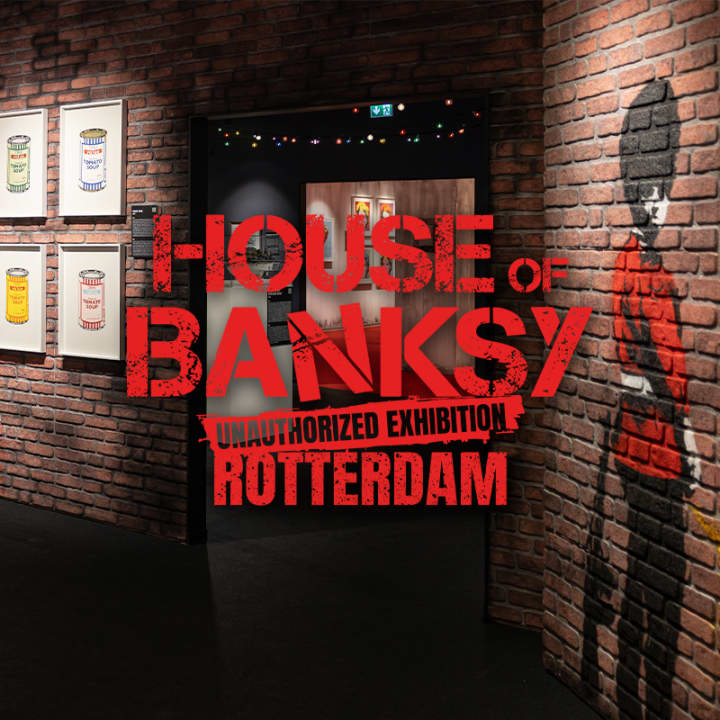
House of Banksy Rotterdam – An Unauthorized Exhibition
Fri, Feb 20 • 3:00 PM
Kop van Zuid, Wilhelminakade 332, Rotterdam, 3072 AR
View details
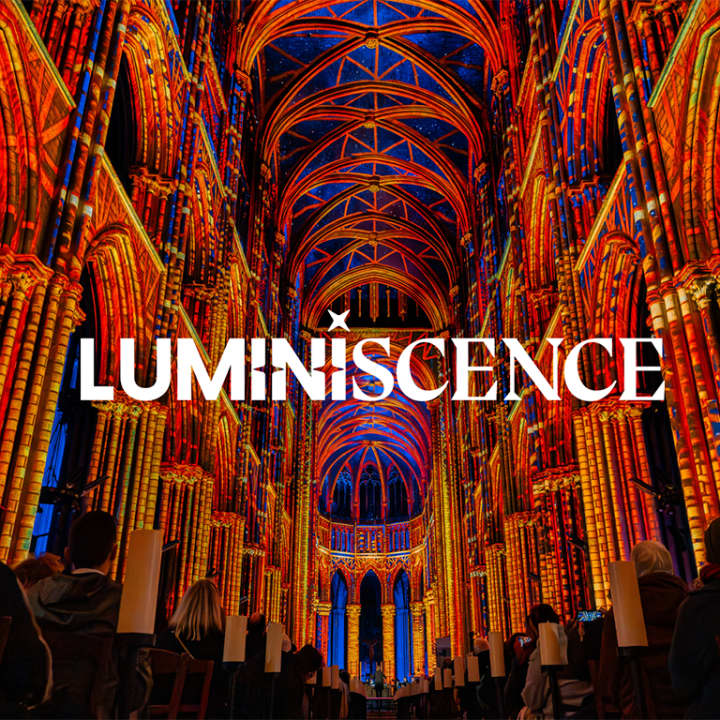
LUMINISCENCE: De meest spectaculaire lichtshow ter wereld, voor het eerst in Nederland!
Fri, Feb 20 • 6:30 PM
HH Geestkerkhof 25, Delft, Netherlands, 2611 HT
View details
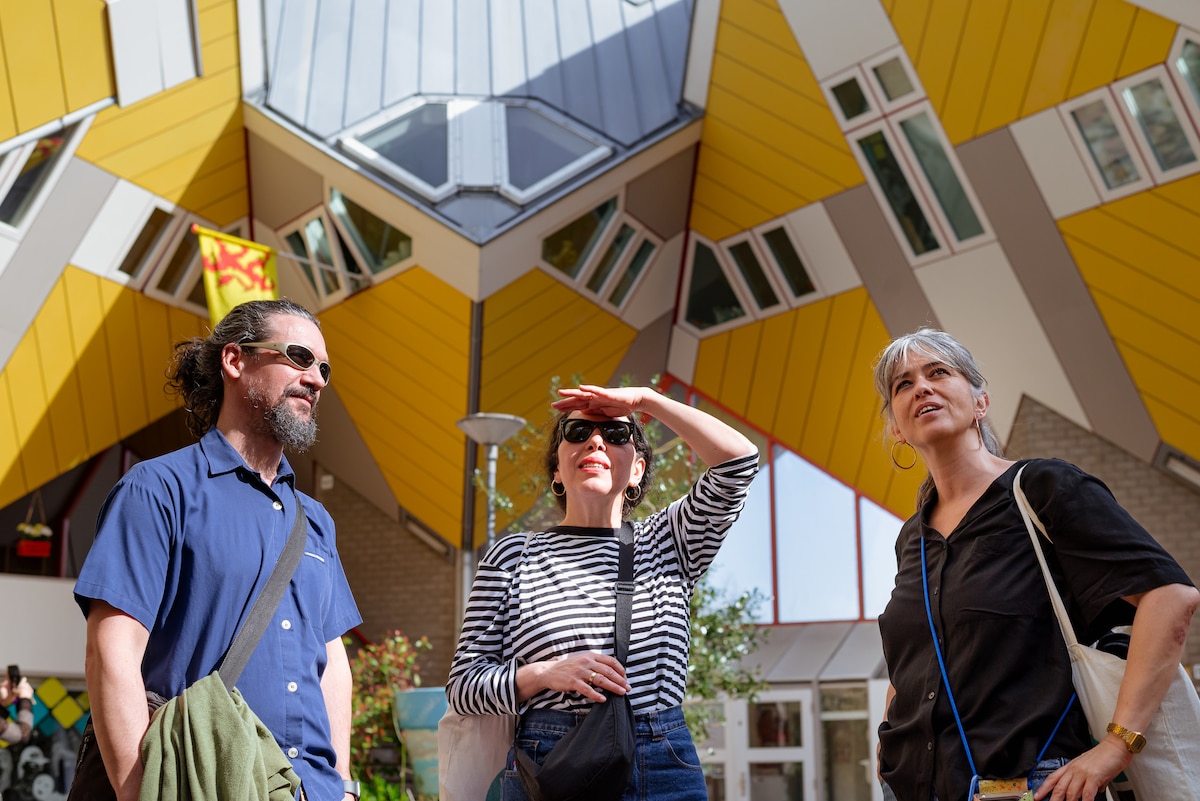
Architecture Walk Rotterdam
Sat, Feb 21 • 10:00 AM
3013 AJ, Rotterdam, Netherlands
View details
Nearby attractions of Peace Palace
De Mesdag Collectie
Peace Palace Visitor's Center
Zeeheldentheater
Haags Herdenkingsmonument
Namuso Gallery
Livingstone gallery
Dutch Museum of Freemasonry
International Institute of Social Studies (ISS)
Paleistuin
Scheveningse Bosjes
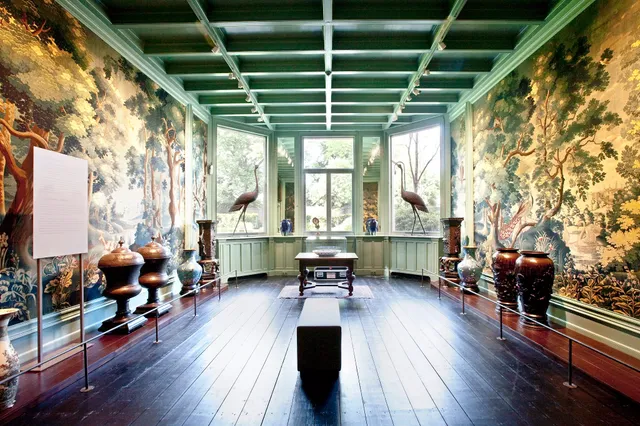
De Mesdag Collectie
4.5
(249)
Open until 12:00 AM
Click for details

Peace Palace Visitor's Center
4.5
(88)
Closed
Click for details

Zeeheldentheater
4.6
(154)
Open 24 hours
Click for details
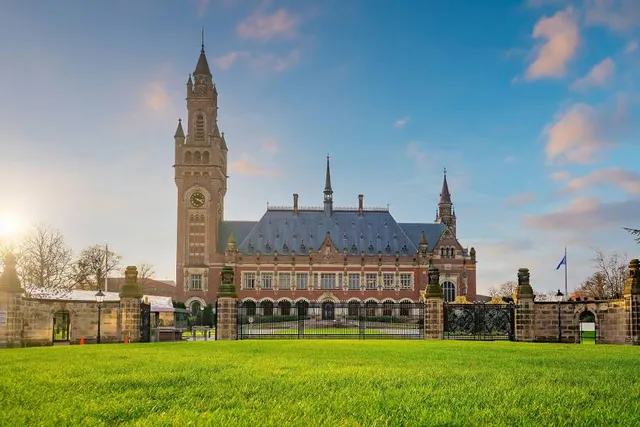
Haags Herdenkingsmonument
4.4
(35)
Open until 12:00 AM
Click for details
Nearby restaurants of Peace Palace
3Stones Kenyan Restaurant
BABAQUE Japans Restaurant
De Oude Tol
Café Blossom
da Mister Toni
La Lanterna
Villa Coucou
ROOM
Bayonne Restobar
Café Restaurant Paloma
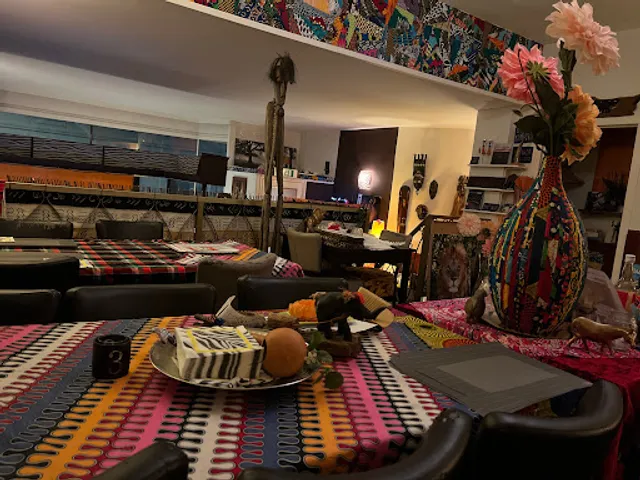
3Stones Kenyan Restaurant
4.8
(258)
Closed
Click for details
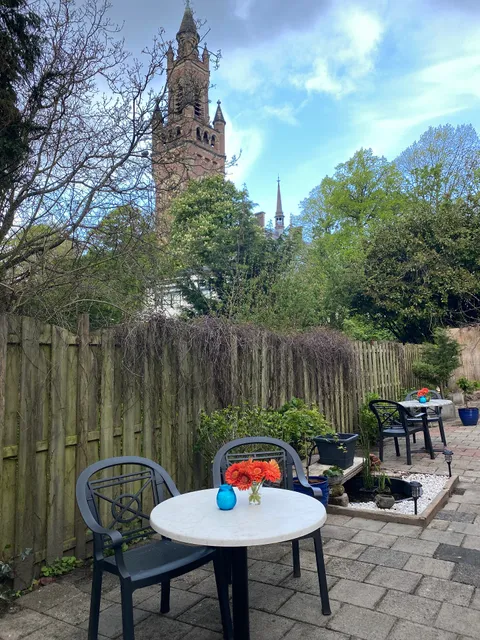
BABAQUE Japans Restaurant
4.8
(208)
Closed
Click for details
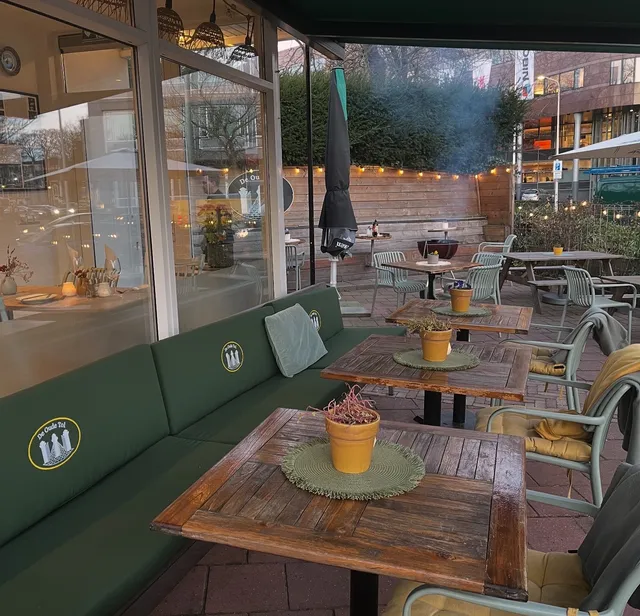
De Oude Tol
4.7
(124)
Open until 12:00 AM
Click for details
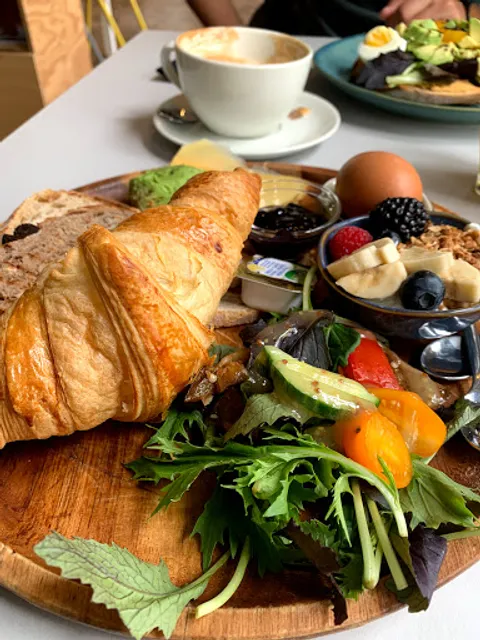
Café Blossom
4.5
(315)
Closed
Click for details
Nearby local services of Peace Palace
International Court of Justice
Anna Paulownaplein 3
Piet Artisans of Flavour
Horaz
Royal Stables
Independence Monument
No Limit Coffeeshop
Smokey's
Vleugels
Galerie Helder

International Court of Justice
4.3
(221)
Click for details
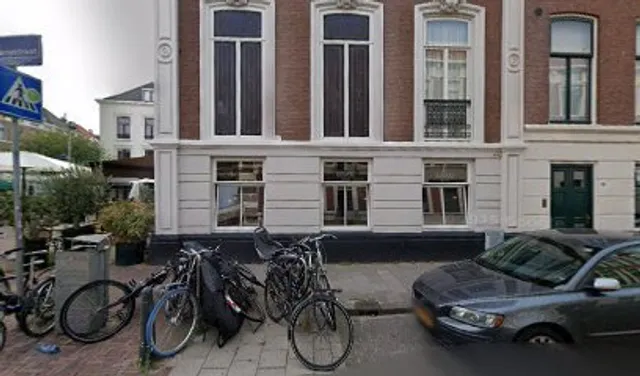
Anna Paulownaplein 3
4.7
(219)
Click for details
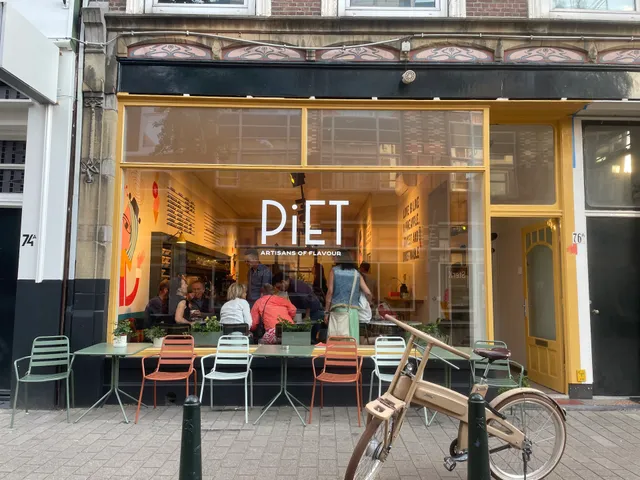
Piet Artisans of Flavour
4.8
(283)
Click for details
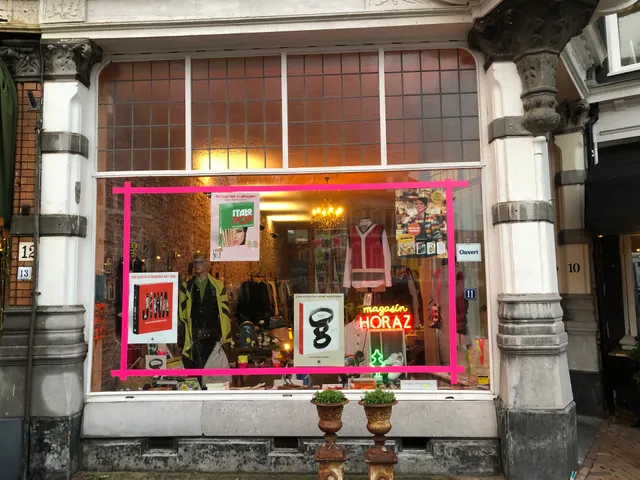
Horaz
5.0
(10)
Click for details