Museo Sugbo things to do, attractions, restaurants, events info and trip planning
Basic Info
Museo Sugbo
731 M. J. Cuenco Ave, Cebu City, 6000 Cebu, Philippines
4.3(478)
Open until 4:00 PM
Save
spot
spot
Ratings & Description
Info
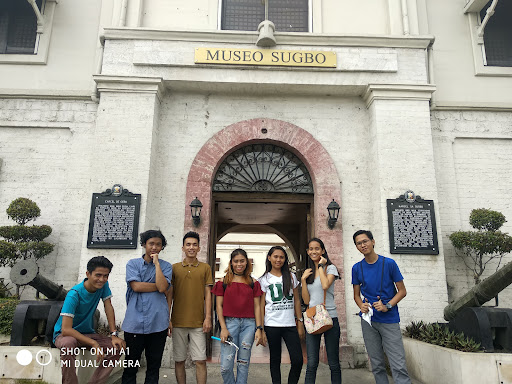
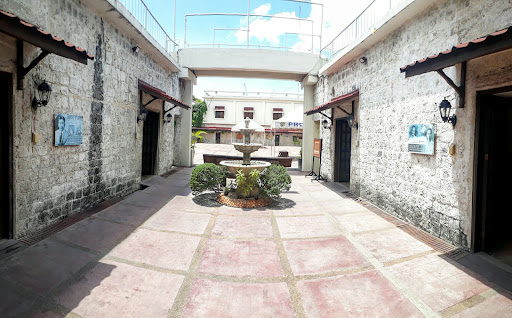
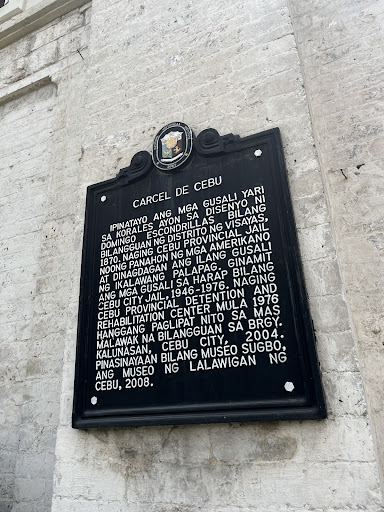
Museo Sugbo is a museum in Cebu City, Philippines. The museum is located in the former Cebu Provincial Detention and Rehabilitation Center jail, and is located four blocks away from Plaza Independencia. The museum is owned by the Cebu provincial government.
Cultural
Family friendly
Accessibility
attractions: Casa Gorordo Museum, Yap-San Diego Ancestral House, Heritage of Cebu Monument, Heritage of Cebu Monument, The Kabilin Center, Colon Obelisk arcae, Museo Parian sa Sugbo, Cebu Metropolitan Cathedral, Archdiocesan Museum of Cebu, University of San Carlos Museum, restaurants: Bo's Coffee (Casa Gorordo), Starbucks Robinsons Galleria Cebu, Sr.Pedro Lechon Manok, Brique Modern Kitchen - Galleria Cebu, TGI Fridays, Denny's, Cafe Summit, Balamban Liempo, Wellnessland Vegetarian Cafe and Health Food Store, Azabu, local businesses: Jesuit House Museum, University of the Visayas - Main Campus, Prestige Smile Dental Co., Ruiz & Sabinay Dental Clinic
 Learn more insights from Wanderboat AI.
Phone
+63 32 239 5626
Website
facebook.com
Open hoursSee all hours
Thu9 AM - 4 PMOpen
Plan your stay

Pet-friendly Hotels in Cebu City
Find a cozy hotel nearby and make it a full experience.

Affordable Hotels in Cebu City
Find a cozy hotel nearby and make it a full experience.

The Coolest Hotels You Haven't Heard Of (Yet)
Find a cozy hotel nearby and make it a full experience.

Trending Stays Worth the Hype in Cebu City
Find a cozy hotel nearby and make it a full experience.
Reviews
Live events
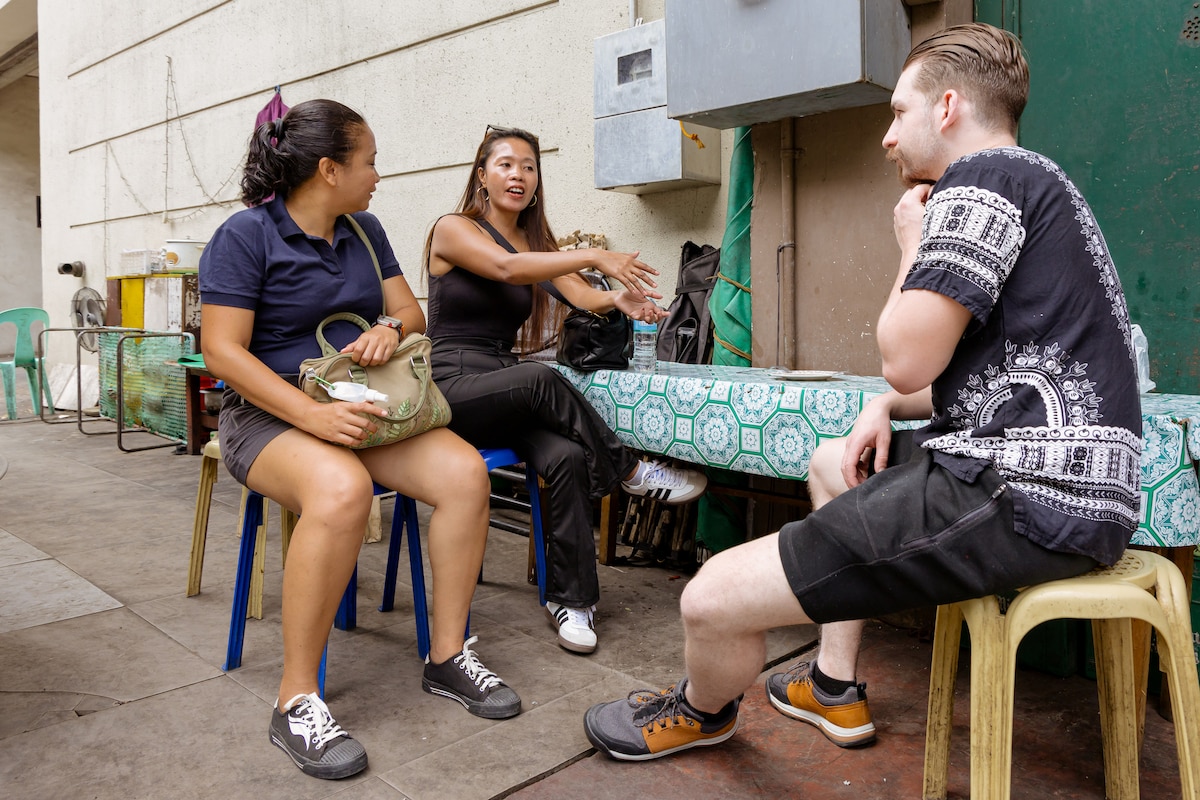
Cebu City: A Walking Street Food Experience
Thu, Feb 26 • 11:00 AM
Cebu City, 6000, Central Visayas, Philippines
View details
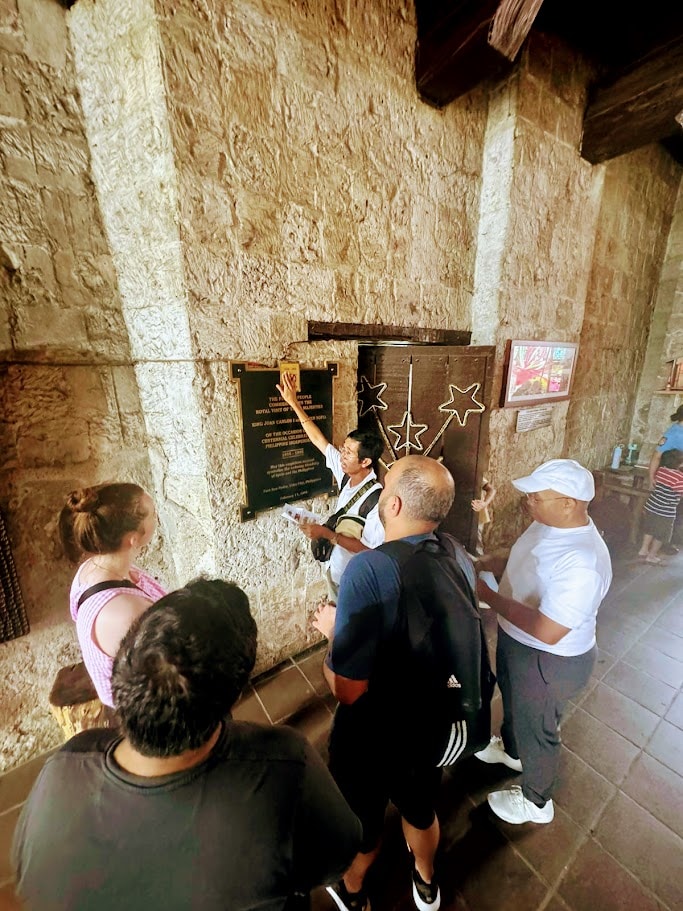
Walk Cebu Like a Local: Stories, Smiles & Taste
Fri, Feb 27 • 9:30 AM
National Museum of the Philippines - Cebu Cebu City, 6000, Central Visayas, Philippines
View details
Nearby attractions of Museo Sugbo
Casa Gorordo Museum
Yap-San Diego Ancestral House
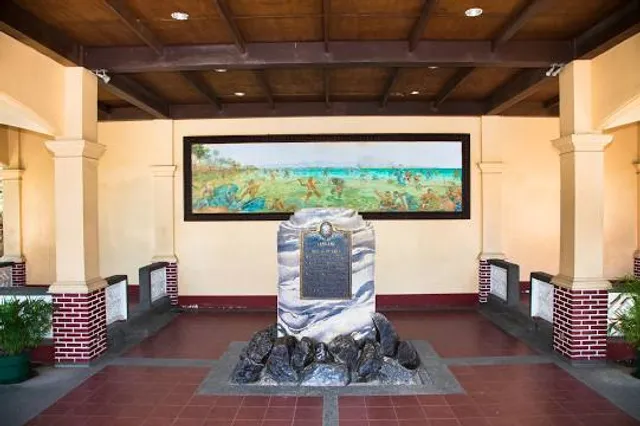
Heritage of Cebu Monument
Heritage of Cebu Monument
The Kabilin Center
Colon Obelisk arcae
Museo Parian sa Sugbo
Cebu Metropolitan Cathedral
Archdiocesan Museum of Cebu
University of San Carlos Museum

Casa Gorordo Museum
4.6
(633)
Open until 5:00 PM
Click for details
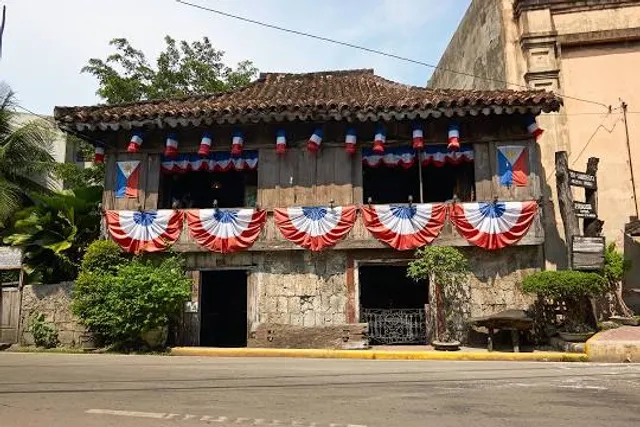
Yap-San Diego Ancestral House
4.4
(912)
Open until 7:00 PM
Click for details
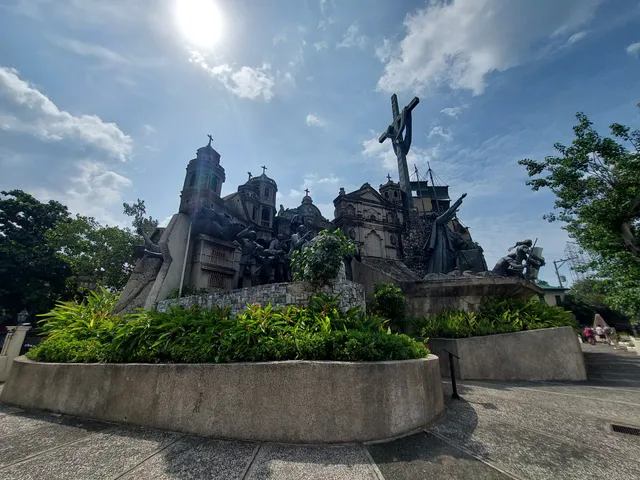
Heritage of Cebu Monument
4.3
(521)
Open until 12:00 AM
Click for details
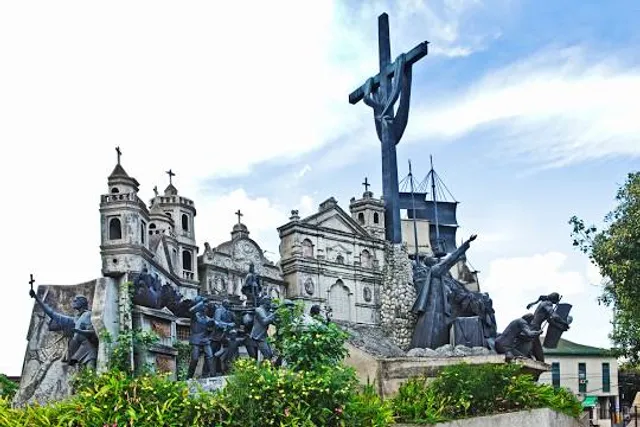
Heritage of Cebu Monument
4.3
(515)
Open until 12:00 AM
Click for details
Nearby restaurants of Museo Sugbo
Bo's Coffee (Casa Gorordo)
Starbucks Robinsons Galleria Cebu
Sr.Pedro Lechon Manok
Brique Modern Kitchen - Galleria Cebu
TGI Fridays
Denny's
Cafe Summit
Balamban Liempo
Wellnessland Vegetarian Cafe and Health Food Store
Azabu
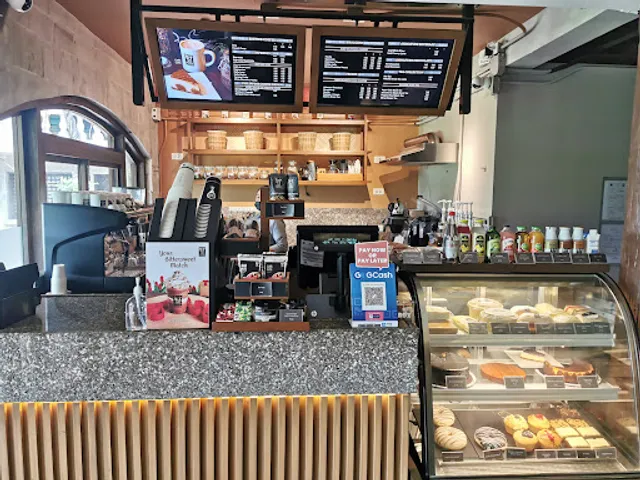
Bo's Coffee (Casa Gorordo)
4.5
(52)
Open until 7:00 PM
Click for details
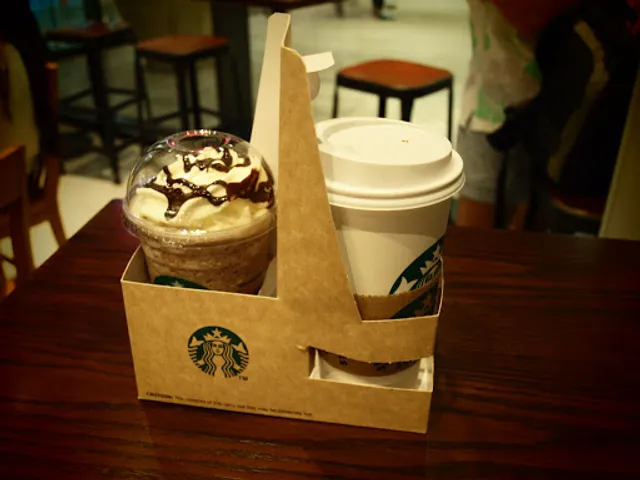
Starbucks Robinsons Galleria Cebu
4.4
(211)
Open until 9:30 PM
Click for details

Sr.Pedro Lechon Manok
3.5
(3)
Click for details
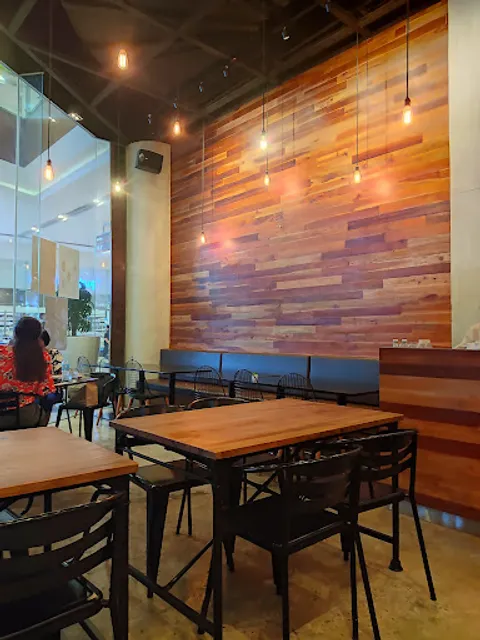
Brique Modern Kitchen - Galleria Cebu
4.5
(155)
Open until 9:00 PM
Click for details
Nearby local services of Museo Sugbo
Jesuit House Museum
University of the Visayas - Main Campus
Prestige Smile Dental Co.
Ruiz & Sabinay Dental Clinic
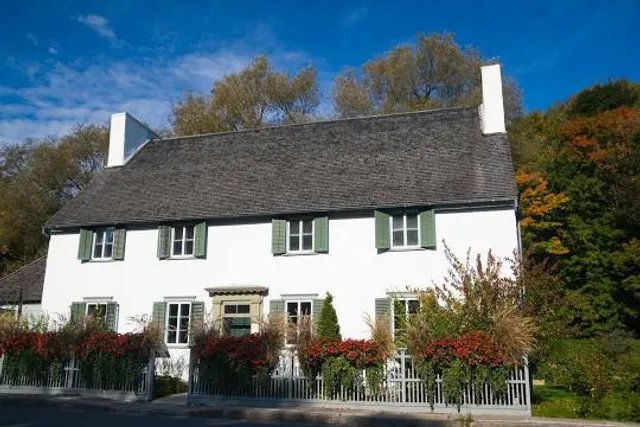
Jesuit House Museum
4.6
(91)
Click for details
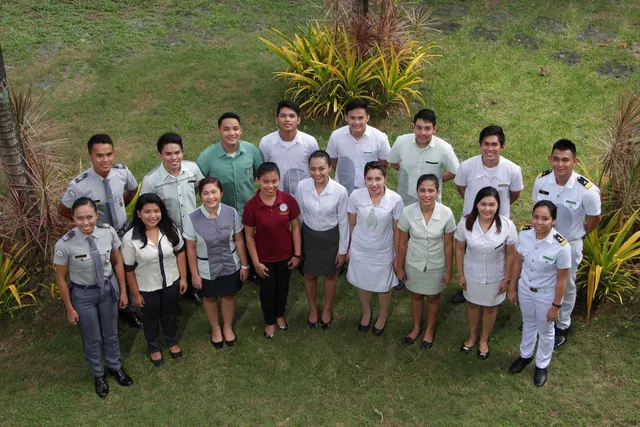
University of the Visayas - Main Campus
4.1
(129)
Click for details
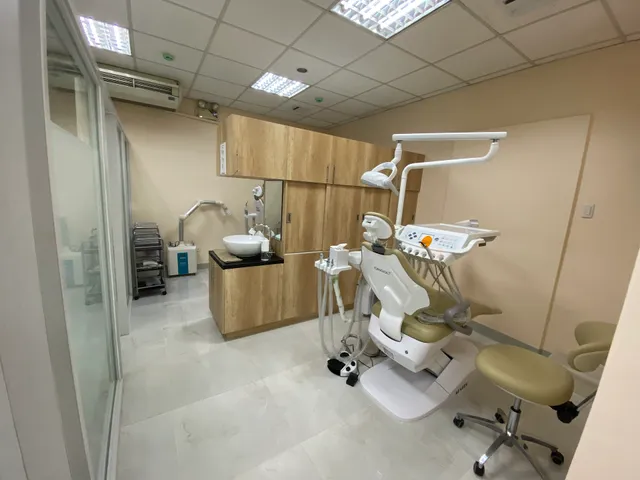
Prestige Smile Dental Co.
5.0
(11)
Click for details
Ruiz & Sabinay Dental Clinic
4.8
(12)
Click for details