UST Museum things to do, attractions, restaurants, events info and trip planning
Basic Info
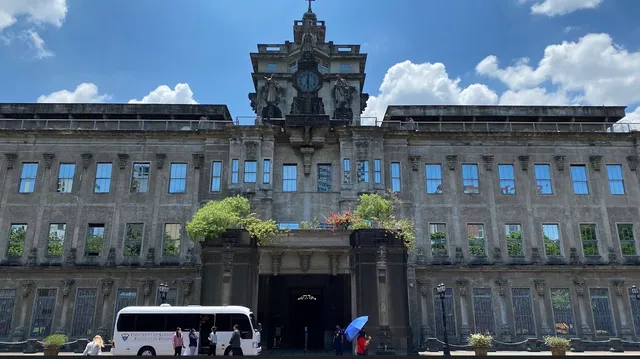
UST Museum
Mezzanine Level, Main Gallery, University of Santo Tomas Main Building, España Blvd, Sampaloc, Manila, 1015 Metro Manila, Philippines
4.6(70)
Open until 4:30 PM

tickets
Save
spot
spot
Ratings & Description
Info
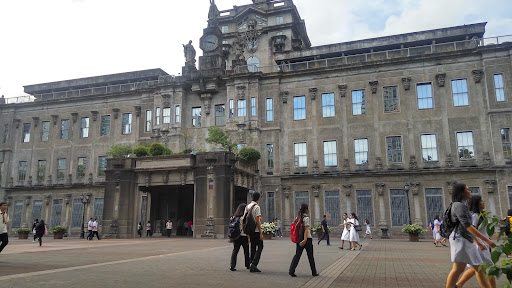
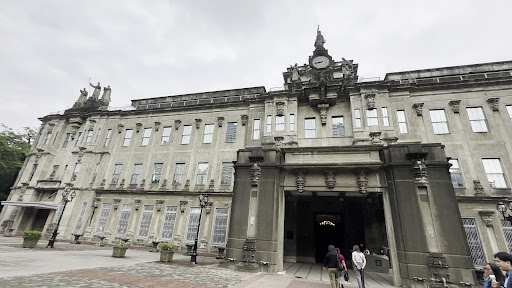
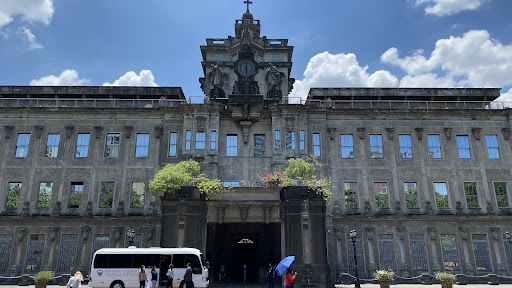
The University of Santo Tomas Museum is the oldest existing museum in the Philippines. It started as a Gabinete de Fisica, or observation room, of mineral, botanical and biological collections in the 17th century.
Cultural
Family friendly
Accessibility
attractions: Santísimo Rosario Parish (Archdiocese of Manila), Arch of the Centuries, SM Storyland, restaurants: ArmyNavy Burger + Burrito - UST, Starbucks Pacific Grand Tower, Jollibee UST Dapitan, Jollibee UST Dapitan, Wendy's - Dapitan, Boulangerie22 - Dapitan UST, Calle Cafe by Don Gabriel UST, Dapitan, Jim's Pares Usok, Shakey's Pizza Parlor - Espana, Pancake House, local businesses: Philippine Postal Corporation, The ONE Santo Tomas, Beautiful Blossoms Ph - Dangwa, THE ONE Santo Tomas Sales Office, Medway cars, SM City San Lazaro
 Learn more insights from Wanderboat AI.
Website
ustmuseum.ust.edu.ph
Open hoursSee all hours
Wed8:30 AM - 4:30 PMOpen
Plan your stay

Pet-friendly Hotels in Manila
Find a cozy hotel nearby and make it a full experience.

Affordable Hotels in Manila
Find a cozy hotel nearby and make it a full experience.

The Coolest Hotels You Haven't Heard Of (Yet)
Find a cozy hotel nearby and make it a full experience.

Trending Stays Worth the Hype in Manila
Find a cozy hotel nearby and make it a full experience.
Reviews
Live events
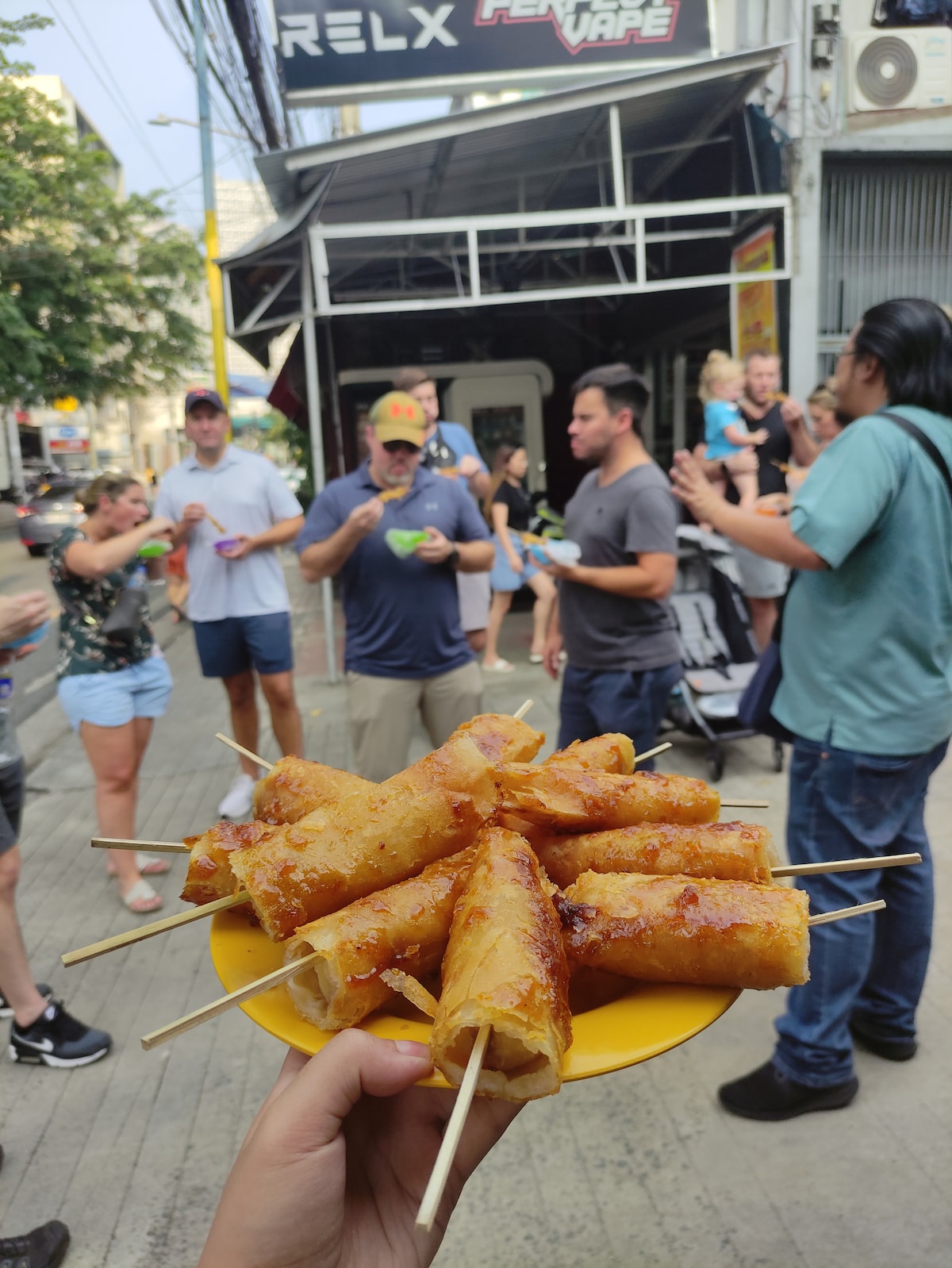
Taste Filipino Neighborhood Street Food
Fri, Feb 27 • 3:00 PM
Mandaluyong, 1550, Metro Manila, Philippines
View details
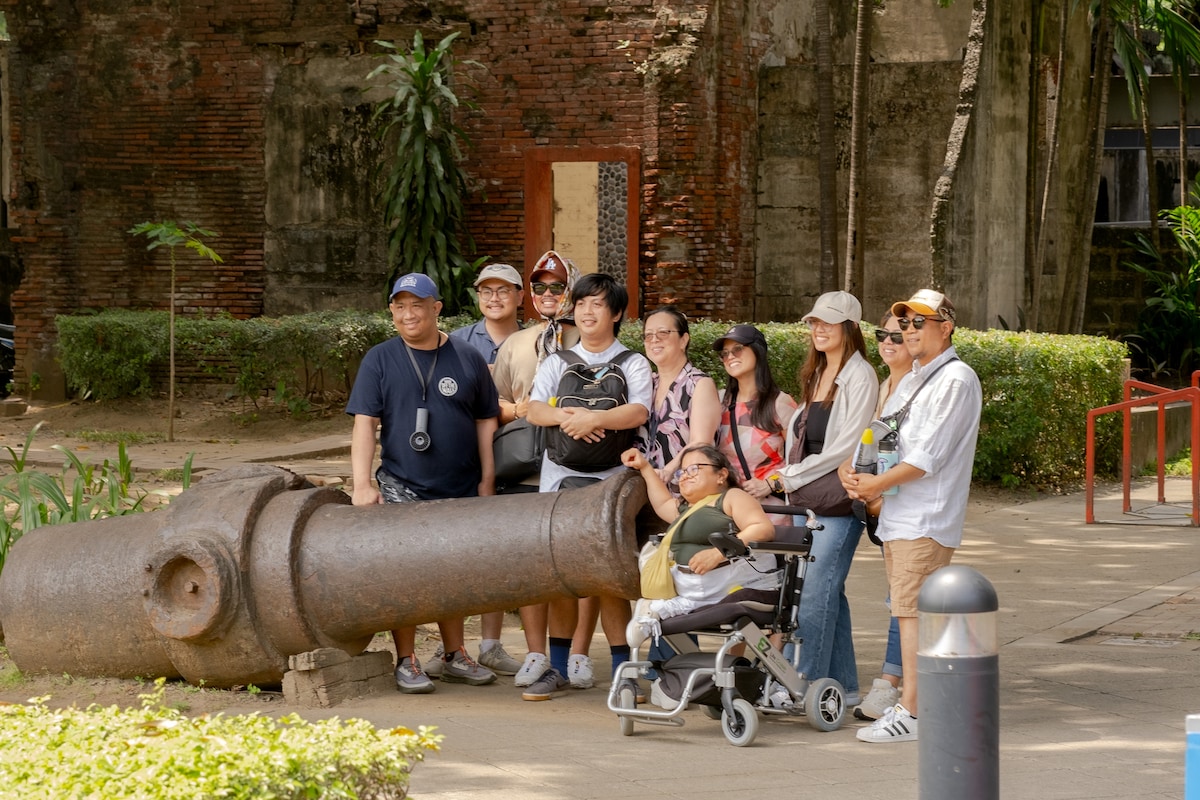
Explore Intramuros with Local Guide
Wed, Feb 25 • 9:00 AM
Manila, 1002, Metro Manila, Philippines
View details
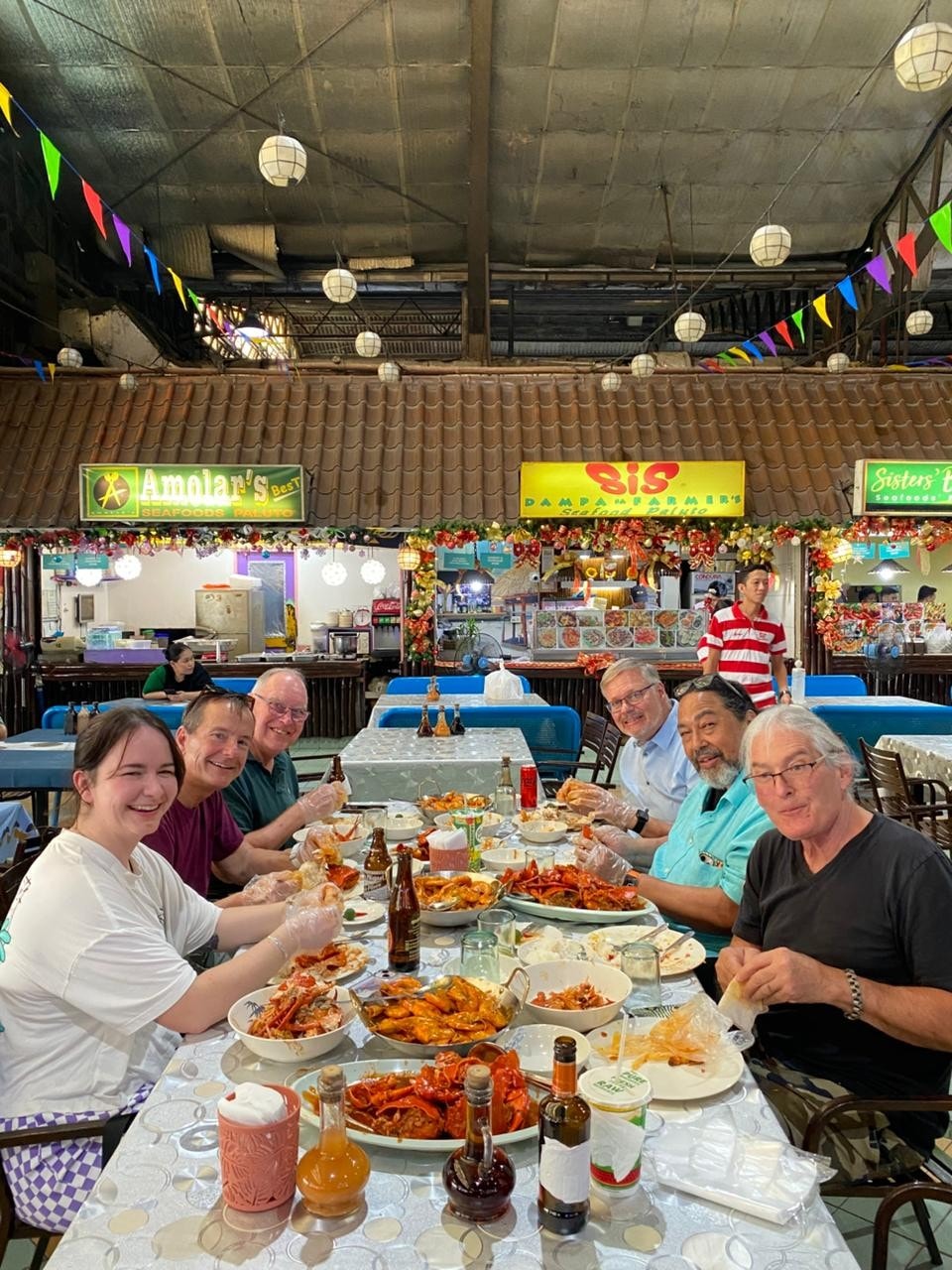
Manila Seafood Experience with Venus
Wed, Feb 25 • 11:00 AM
Quezon City, Metro Manila, Philippines
View details
Nearby attractions of UST Museum
Santísimo Rosario Parish (Archdiocese of Manila)
Arch of the Centuries
SM Storyland
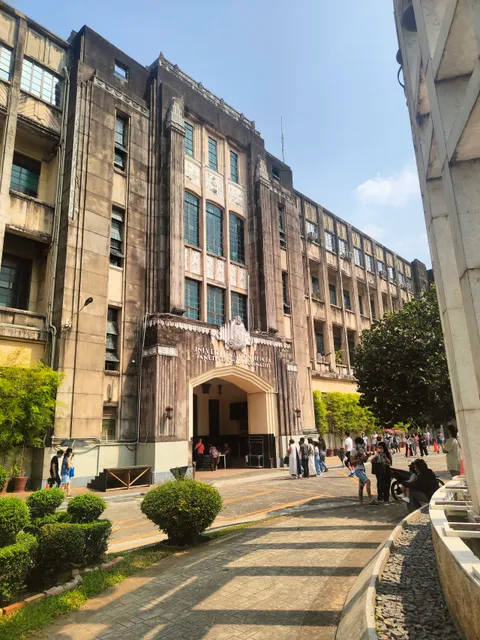
Santísimo Rosario Parish (Archdiocese of Manila)
4.8
(502)
Open until 12:00 PM
Click for details
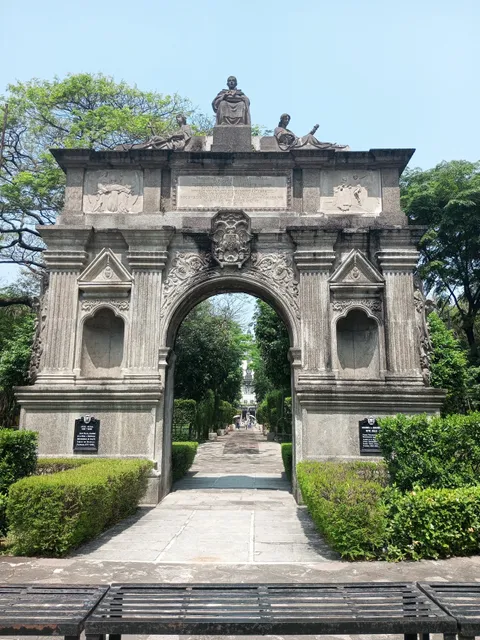
Arch of the Centuries
4.7
(42)
Open until 9:00 PM
Click for details
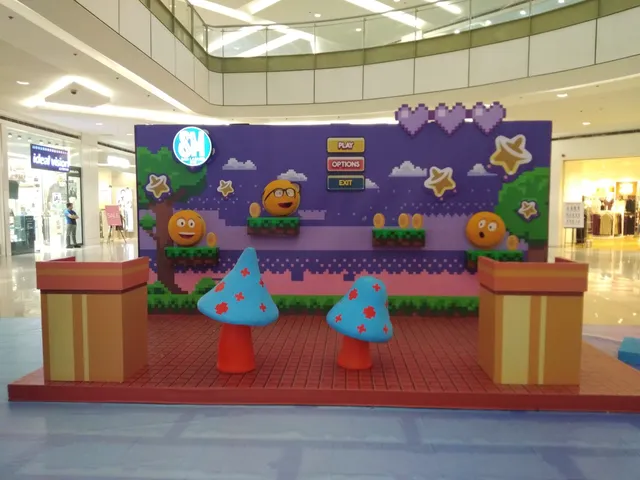
SM Storyland
3.4
(16)
Closed
Click for details
Nearby restaurants of UST Museum
ArmyNavy Burger + Burrito - UST
Starbucks Pacific Grand Tower
Jollibee UST Dapitan
Jollibee UST Dapitan
Wendy's - Dapitan
Boulangerie22 - Dapitan UST
Calle Cafe by Don Gabriel UST, Dapitan
Jim's Pares Usok
Shakey's Pizza Parlor - Espana
Pancake House
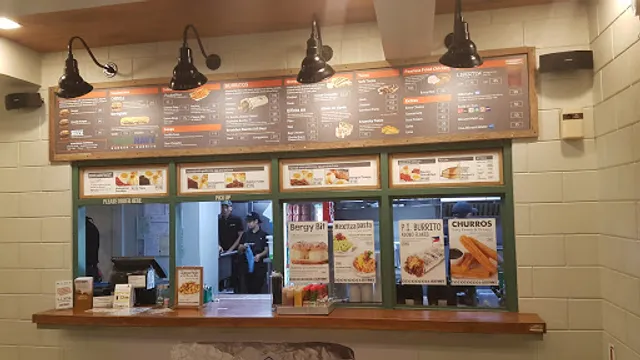
ArmyNavy Burger + Burrito - UST
4.0
(268)
Open until 12:00 AM
Click for details

Starbucks Pacific Grand Tower
4.5
(300)
Open until 12:00 AM
Click for details
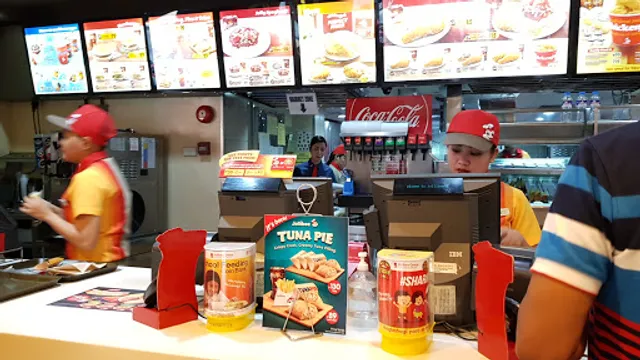
Jollibee UST Dapitan
4.7
(954)
Open until 12:00 AM
Click for details
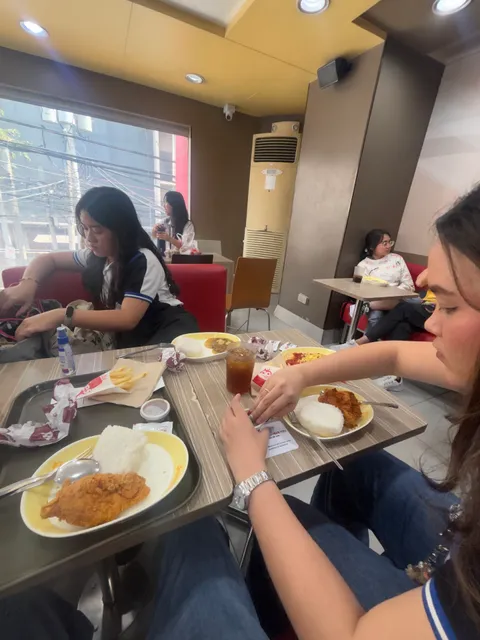
Jollibee UST Dapitan
4.7
(966)
Open until 12:00 AM
Click for details
Nearby local services of UST Museum
Philippine Postal Corporation
The ONE Santo Tomas
Beautiful Blossoms Ph - Dangwa
THE ONE Santo Tomas Sales Office
Medway cars
SM City San Lazaro

Philippine Postal Corporation
3.1
(202)
Click for details
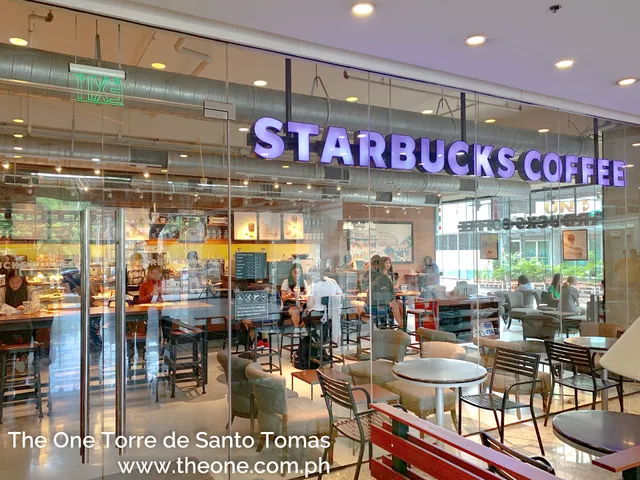
The ONE Santo Tomas
4.0
(166)
Click for details
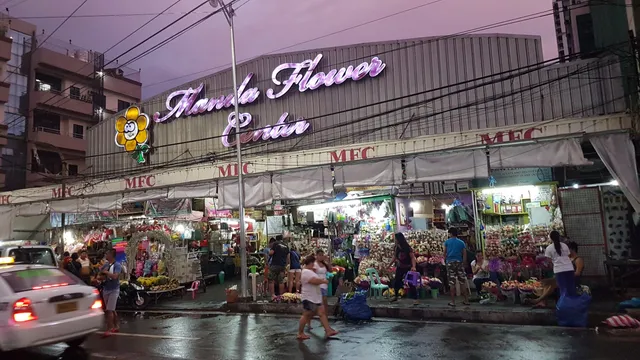
Beautiful Blossoms Ph - Dangwa
4.3
(1.4K)
Click for details
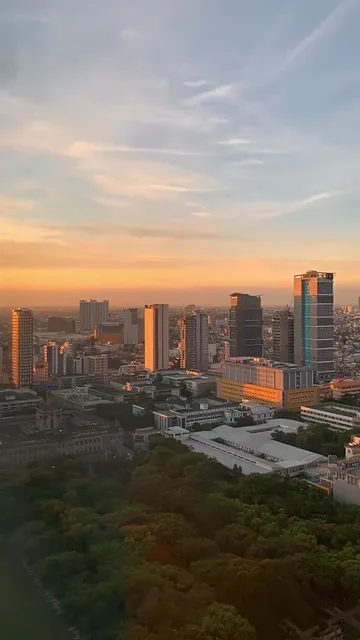
THE ONE Santo Tomas Sales Office
4.0
(11)
Click for details