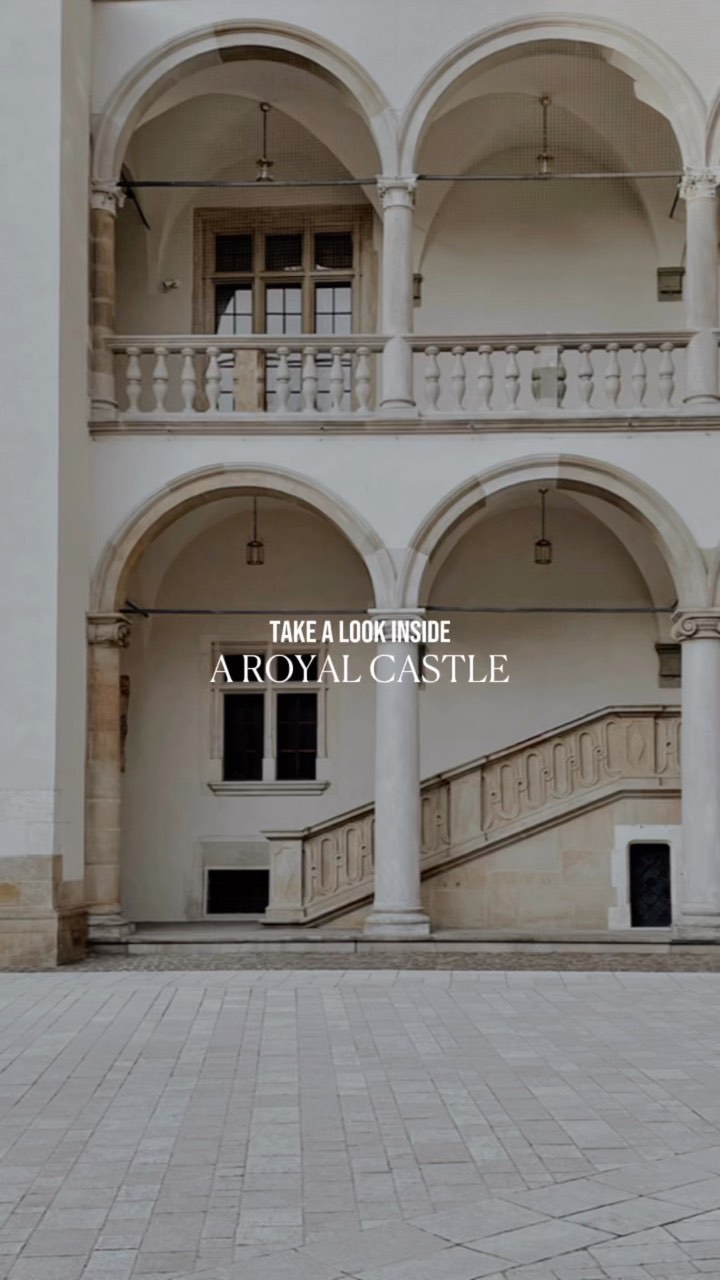
Wawel Castle: Where History, Royalty, and a Fire-Breathing Dragon Collide
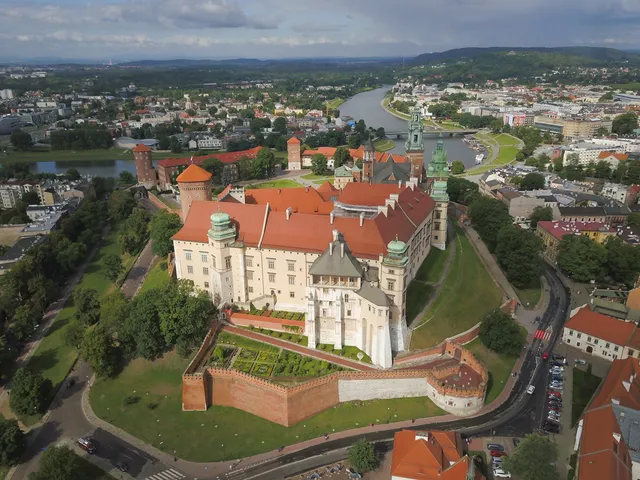
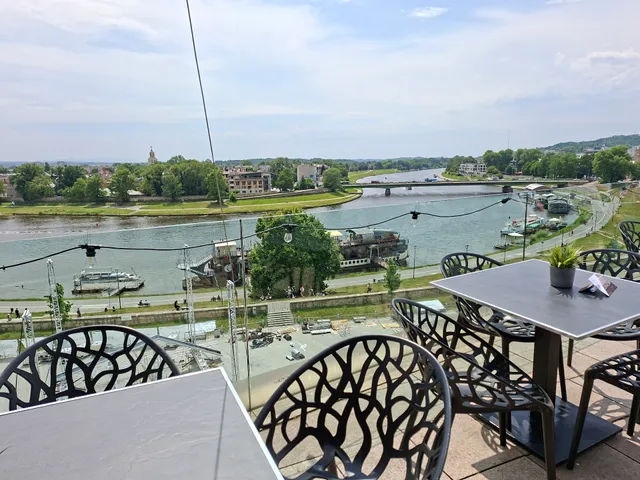
If you ever find yourself in KrakĂłw and donât visit Wawel Castle, did you even go to KrakĂłw? This place is like Polandâs version of the Vaticanâexcept with fewer popes, more dragons, and a much better view of the Vistula River. Itâs a fortress, a palace, a cathedral, a crypt, and a museum all rolled into one, making it the perfect spot to impress your date with your âdeep appreciation of historyâ while secretly pretending youâre in The Witcher.
First Impressions:
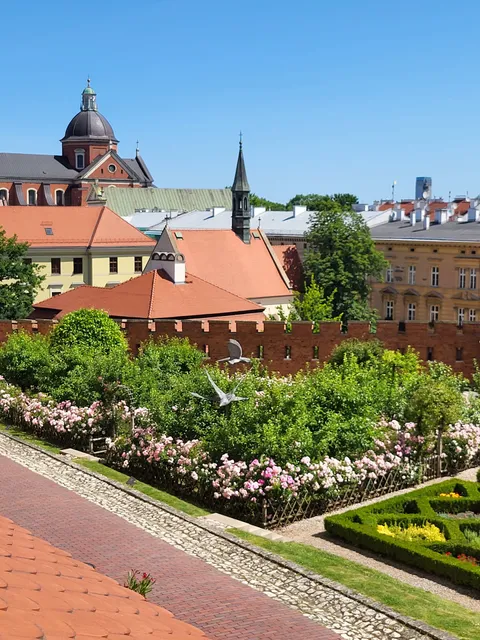
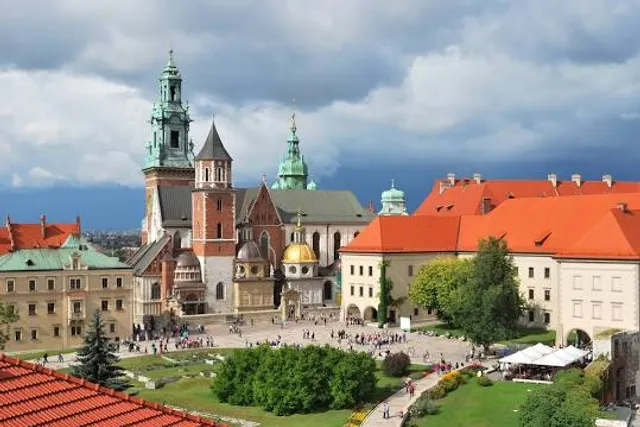
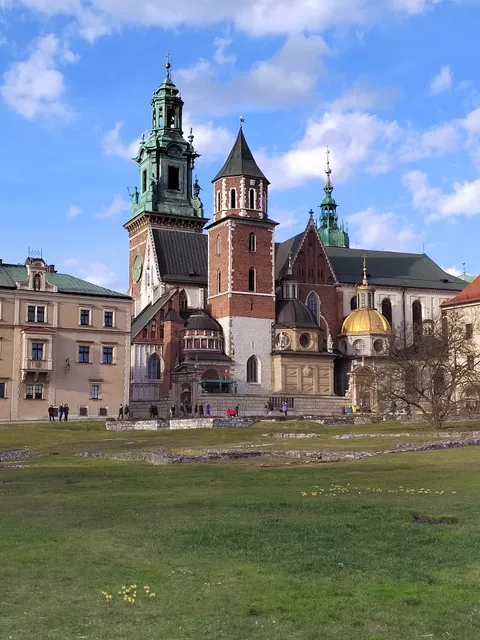
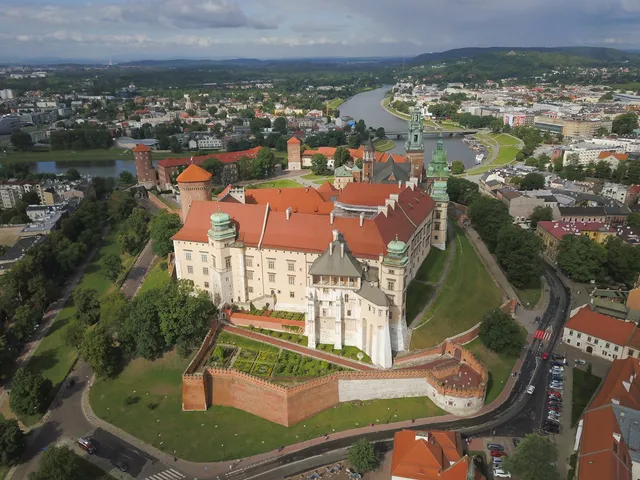
Walking up to Wawel Castle feels like stepping into a medieval fantasy novel. The enormous defensive walls, grand towers, and sprawling courtyards scream old money. And by old, I mean very oldâconstruction started in the 14th century, so by now, the walls have seen more kings than your average Game of Thrones episode.
The castle complex is huge, so wear comfortable shoes unless you want to spend the afternoon cursing Polish cobblestone. And if you're visiting in winter, prepare for the wind to slap you like a disappointed Polish grandmother.
The Cathedral: Where Poland's VIPs Are Buried
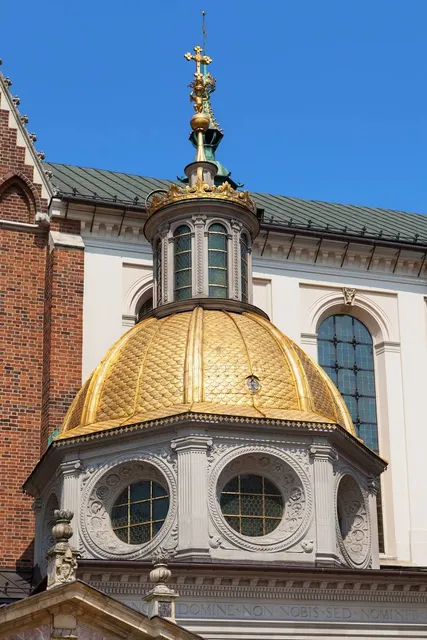
Wawel Cathedral is like Polandâs version of Westminster Abbeyâonly with better acoustics and significantly fewer beheadings. This is where Polish kings were crowned, and it's also their final resting place. If you enjoy looking at extravagant tombs and wondering why your own funeral budget wonât include gold detailing, this is the place for you.
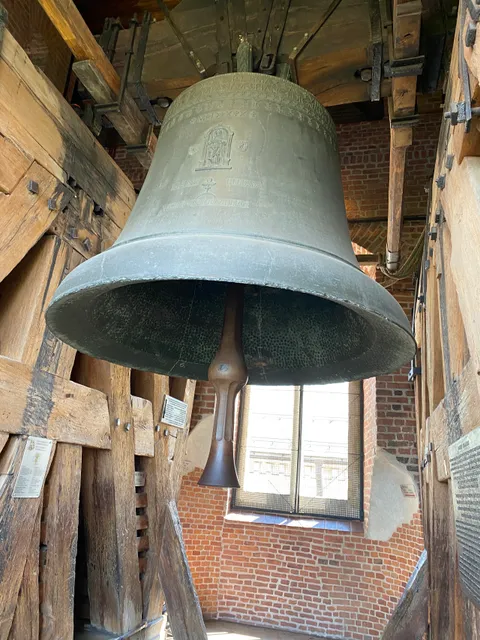
Make sure to climb the bell tower to see the Zygmunt Bell, a massive hunk of metal that has been ringing out over KrakĂłw since the 16th century. Legend has it that touching the bell with your left hand brings good luck, so if your life has been a mess lately, itâs worth a shot.
The Royal Chambers: Home to Old-School Interior Design Goals
The royal chambers are essentially the Wawel edition of MTV Cribsâonly instead of marble countertops and infinity pools, you get tapestries depicting biblical scenes and throne rooms that would make even the Lannisters jealous.
Some rooms are decorated with Arras tapestries, the Renaissance equivalent of flexing on Instagram. These were made in the 16th century, and honestly, theyâve aged better than most modern wallpapers. There's also the famous coffered ceiling with wooden heads carved into itâprobably the closest thing to a medieval security camera system.
The Treasury & Armoury: Where Poland Kept the Cool Stuff
This is where the real fun begins. The Treasury is packed with fancy regalia, crowns, and swords that would make any RPG-lover weak in the knees. The Armoury is equally impressive, showcasing weapons that look like they were designed specifically for a boss fight. If you've ever wanted to see a sword so big that it makes you question the strength of medieval Polish knights, this is the place to be.
The Dragonâs Den: Because Every Castle Needs a Fire-Breathing Monster
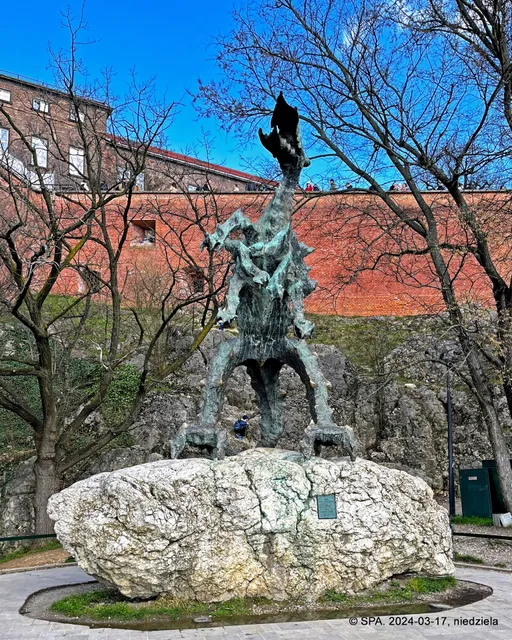
And now, the highlight: the legendary Wawel Dragon. If you havenât heard of it, the story goes that a giant dragon once terrorized KrakĂłw, demanding a steady diet of livestock (and the occasional villager). That is until a clever shoemaker tricked it into eating a bag of sulfur, causing the beast to explode. Classic Polish ingenuity.
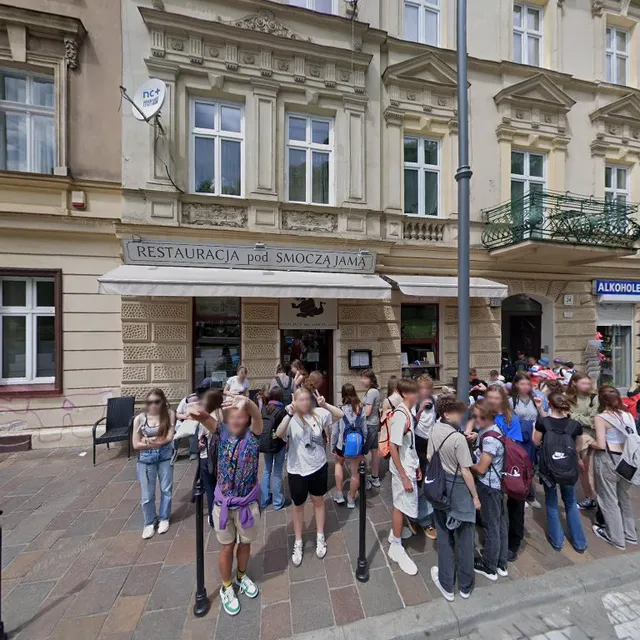
Traditionally, visitors could descend into Smocza Jama (Dragonâs Den), a dark, slightly damp cave that was supposedly the dragonâs lair. However, itâs been closed for restoration, but hereâs the exciting partâSmocza Jama is officially reopening on April 25, 2025! So, if you've always wanted to stand in a real dragonâs cave (or at least a cave with serious dragon vibes), mark your calendars.
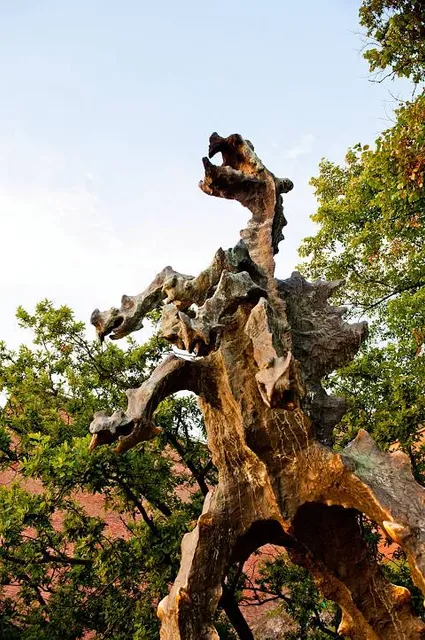
And just outside, thereâs a statue of the dragon that literally breathes fire. Itâs probably the best tourist attraction in Poland if you like your historical monuments with a side of pyrotechnics.
Final Verdict:
Wawel Castle isnât just a must-visitâitâs a must-experience. Itâs got history, art, weapons, tombs, and a freaking fire-breathing dragon. What more do you need? Sure, thereâs a lot of walking, and...
   Read moreWawel Castle is a sprawling historic complex located on Wawel Hill in KrakĂłw. It was the residence of Polish kings for centuries and now serves as a museum showcasing art, history, and national treasures. The site includes Wawel Cathedral, royal chambers, courtyards, gardens, and the legendary Dragonâs Den.
⸝
đ Highlights:
đď¸ The State Rooms and Royal Apartments: ⢠Beautifully restored rooms filled with 16thâ18th-century furniture, tapestries, and artworks. ⢠Features rare Italian Renaissance art, Polish regalia, and Flemish tapestries. ⢠Youâll feel like youâre walking through a Polish version of Versailles, minus the crowds.
đ The Dragonâs Den (Smocza Jama): ⢠A natural cave tied to the legend of the Wawel Dragon. ⢠Fun for families and fans of folklore. ⢠Donât miss the fire-breathing dragon statue outside â yes, it actually breathes fire every few minutes!
⪠Wawel Cathedral: ⢠The site of coronations and royal funerals. ⢠Houses the tombs of Polish kings, poets, and national heroes like JĂłzef PiĹsudski. ⢠Climb the Sigismund Bell Tower for an unforgettable view and a workout for your calves.
đźď¸ Crown Treasury & Armoury: ⢠Swords, armor, and royal insignias that give a Game-of-Thrones-level glimpse into Polandâs martial past. ⢠The Szczerbiec, the coronation sword of Polish kings, is a must-see.
⸝
đď¸ Tips & Logistics: ⢠Entry Fee: Varies by section; expect around 70â100 PLN for full access. ⢠Book in Advance: Especially for the Royal Apartments and Cathedral Crypt, as these have limited daily entries. ⢠Guided Tour: Highly recommended for historical context â or rent an audio guide. ⢠Photography: Limited in some rooms; no flash allowed. ⢠Best Time to Visit: Spring or autumn; summer can get crowded with school groups and tourists.
⸝
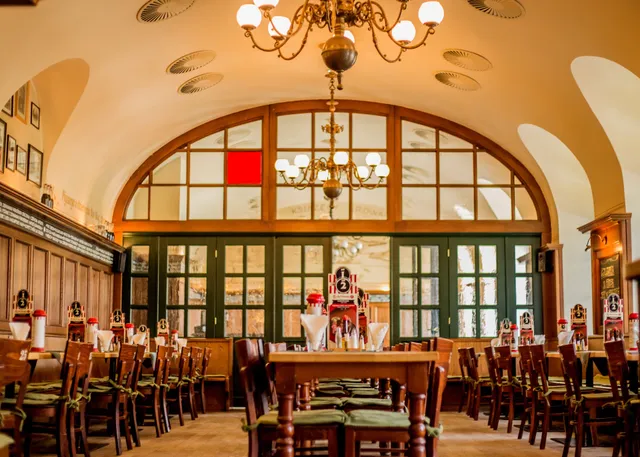
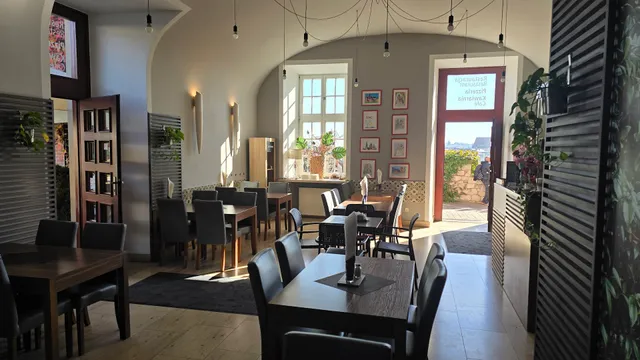
đ˝ď¸ Nearby Eats: ⢠Pod Wawelem (classic Polish food with generous portions). ⢠Cafe OranĹźeria for a scenic lunch with castle views. ⢠Nowa Prowincja if youâre craving chocolate cake or a cozy KrakĂłw cafe vibe.
⸝
â¤ď¸ What Visitors Love: ⢠The blend of history, legend, and art in one place. ⢠Majestic architecture spanning Gothic, Renaissance, and Baroque. ⢠The sense of national pride and cultural depth.
⸝
â ď¸ Minor Drawbacks: ⢠Some exhibitions have limited English descriptions â hence, guided tours are best. ⢠Itâs a large complex, so wear comfortable shoes. ⢠In peak season, it can get touristy and congested.
⸝
đ§ Fun Fact:
Legend says that Wawel Hill is one of the chakras (energy centers) of the Earth, attracting mystics and spiritual travelers â whether or not you believe it, the atmosphere is undeniably magical.
⸝
đ§ł Verdict:
Wawel Castle is a must-visit if youâre in KrakĂłw or anywhere near southern Poland. Itâs not just a tourist attraction â itâs a walk through the soul of Polish heritage, complete with royal splendor, national heroes, and dragons. Come for the views, stay for...
   Read moreThe Wawel Royal Castle (Polish pronunciation: [ËvavÉl] Zamek KrĂłlewski na Wawelu) and the Wawel Hill on which it sits constitute the most historically and culturally significant site in Poland. A fortified residency on the Vistula River in KrakĂłw, it was established on the orders of King Casimir III the Great[2] and enlarged over the centuries into a number of structures around a Polish Renaissance courtyard. It represents nearly all European architectural styles of the Medieval, Renaissance and Baroque periods. The castle is part of a fortified architectural complex erected atop a limestone outcrop on the left bank of the Vistula River, at an altitude of 228 metres (748 ft) above sea level. The complex consists of numerous buildings of great historical and national importance, including the Wawel Cathedral where Polish monarchs were crowned and buried. Some of Wawel's oldest stone buildings can be traced back to 970 CE, in addition to the earliest examples of Romanesque and Gothic architecture in Poland. The current castle was built in the 14th century, and expanded over the next hundreds of years. In 1978, Wawel was declared the first World Heritage Site as part of the Historic Centre of KrakĂłw. For centuries the residence of the kings of Poland and the symbol of Polish statehood, Wawel Castle is now one of the country's premier art museums. Established in 1930, the museum encompasses ten curatorial departments responsible for collections of paintings, including an important collection of Italian Renaissance paintings, prints, sculpture, textiles, among them the Sigismund II Augustus tapestry collection, goldsmith's work, arms and armor, ceramics, Meissen porcelain, and period furniture. The museum's holdings in oriental art include the largest collection of Ottoman tents in Europe. With seven specialized conservation studios, the museum is also an important center for the conservation of works of art. With over 2.56 million visitors in 2023, Wawel Castle is the most visited art museum in Poland and the 20th most visited art museum...
   Read more