Warsaw Gasworks Museum things to do, attractions, restaurants, events info and trip planning
Basic Info
Warsaw Gasworks Museum
Seweryna Krzyżanowskiego 7, 01-220 Warszawa, Poland
4.7(341)
Open until 12:00 AM

tickets
Save
spot
spot
Ratings & Description
Info
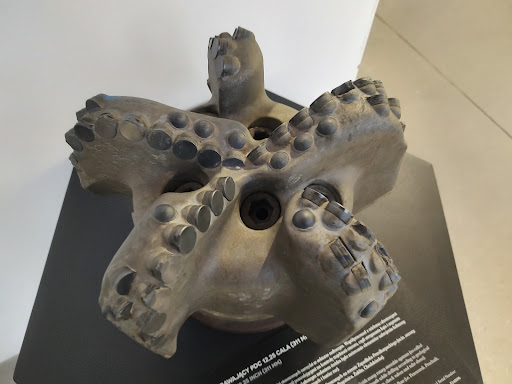
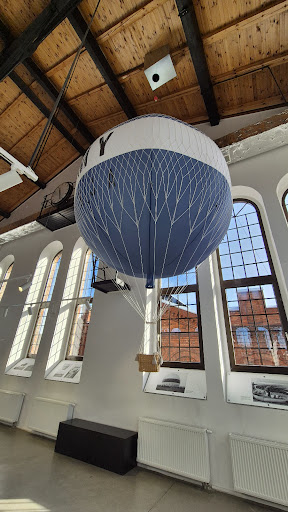
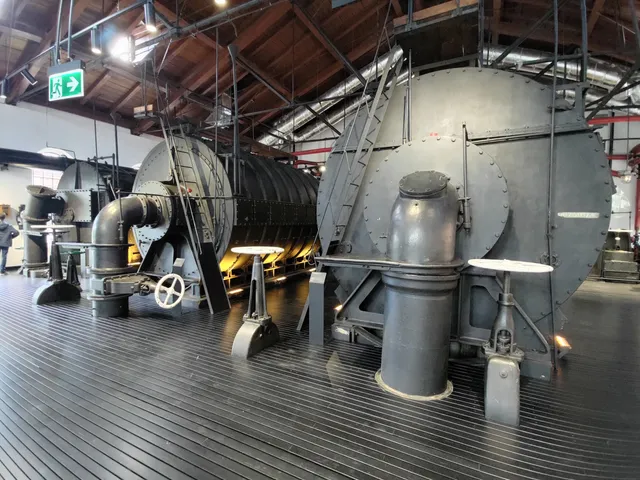
Warsaw Gasworks Museum is a museum in Warsaw, Poland, located in the complex of the former Wola Gas Factory built in 1886–1888. The museum opened in 1977. It contains various machines which were involved in the production and metering of gas as well as gas lamps from the 19th and 20th centuries.
Cultural
attractions: WARSAW EXPO XXI, Interactive Museum of Pinball "Pinball Station", restaurants: Makalu, Spianatoia, Masami Sushi, Brindisi, Pełna Micha bistro, cateringi, obsługa wydarzeń, City Break Wola Retro, Taco Bar - Meksykańska Kuchnia, Rico, Street Restaurant, SZUM, local businesses: Tram Depot Wola - R1, Beer Station Wola, Zdrofit Wola Wolska 88, Siedmiogrodzka 1A, Marcina Kasprzaka 31, Hookah House Shisha Sklep, Marcina Kasprzaka 29
 Learn more insights from Wanderboat AI.
Website
muzeum.pgnig.pl
Open hoursSee all hours
MonClosedOpen
Plan your stay

Pet-friendly Hotels in Warsaw
Find a cozy hotel nearby and make it a full experience.

Affordable Hotels in Warsaw
Find a cozy hotel nearby and make it a full experience.

The Coolest Hotels You Haven't Heard Of (Yet)
Find a cozy hotel nearby and make it a full experience.

Trending Stays Worth the Hype in Warsaw
Find a cozy hotel nearby and make it a full experience.
Reviews
Live events
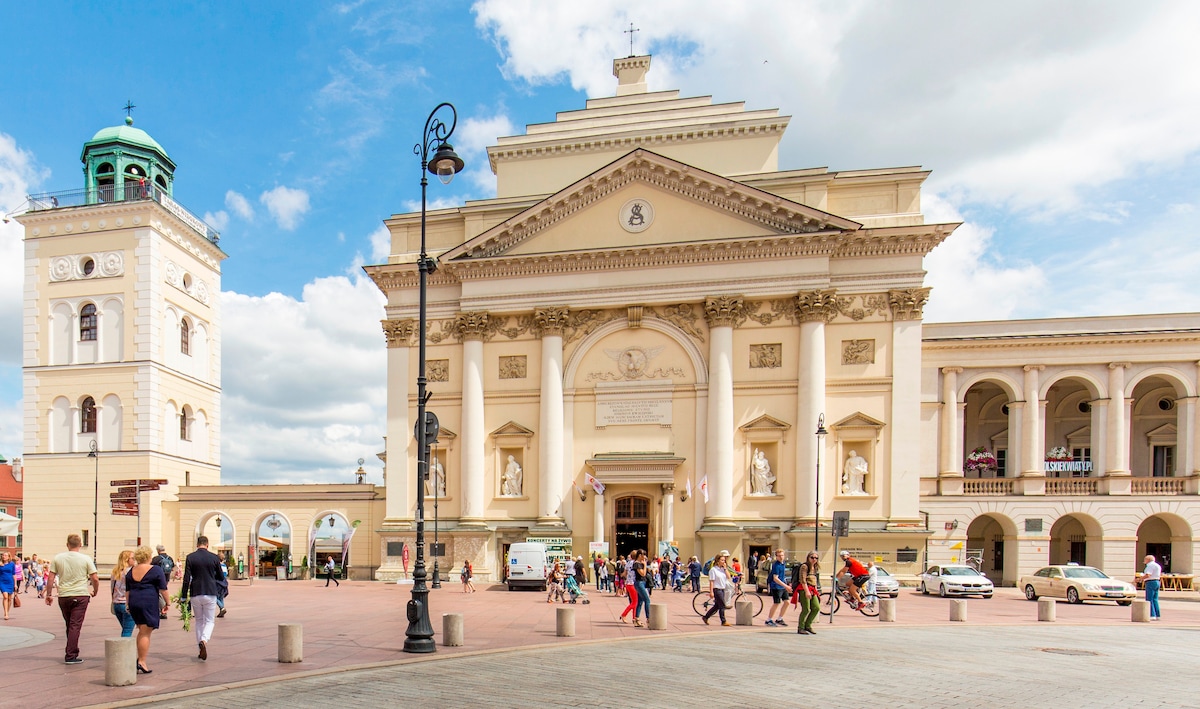
Warsaw Old Town and more with Antek and Tomek
Fri, Feb 13 • 10:30 AM
01-195, Warsaw, Masovian Voivodeship, Poland
View details
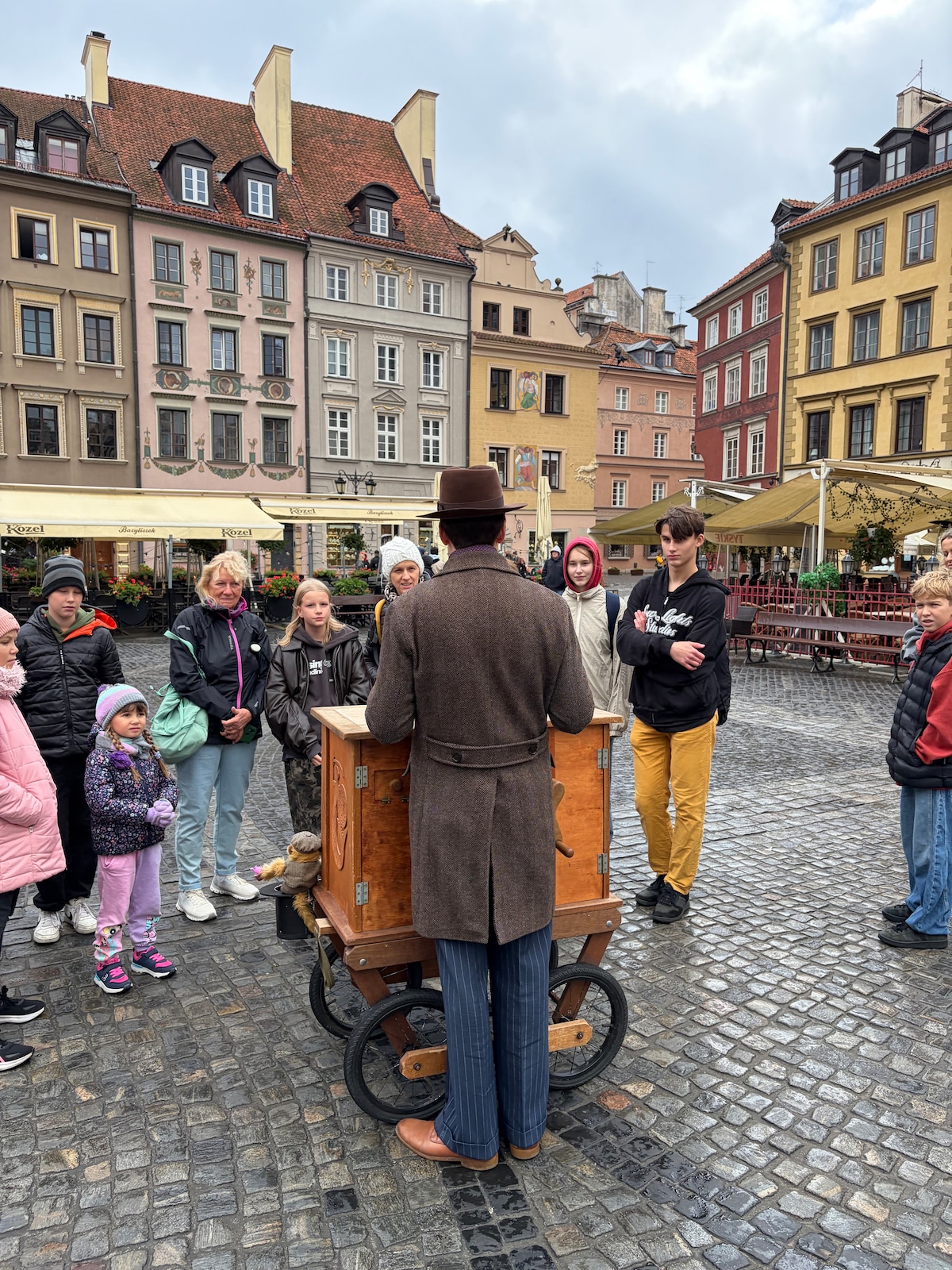
Warsaw’s Comfort Food & Hidden Stories Tour
Mon, Feb 9 • 10:30 AM
00-227, Warsaw, Masovian Voivodeship, Poland
View details

Make pierogi and try liqours with a Warsaw native
Mon, Feb 9 • 5:30 PM
02-353, Warsaw, Masovian Voivodeship, Poland
View details
Nearby attractions of Warsaw Gasworks Museum
WARSAW EXPO XXI
Interactive Museum of Pinball "Pinball Station"
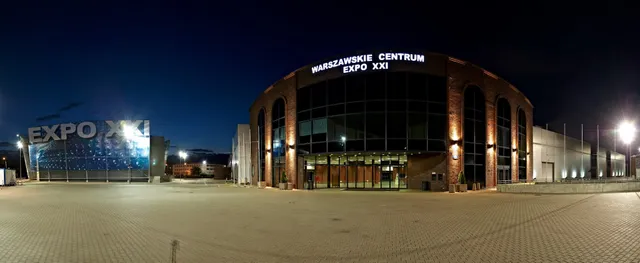
WARSAW EXPO XXI
4.3
(3.8K)
Open until 12:00 AM
Click for details
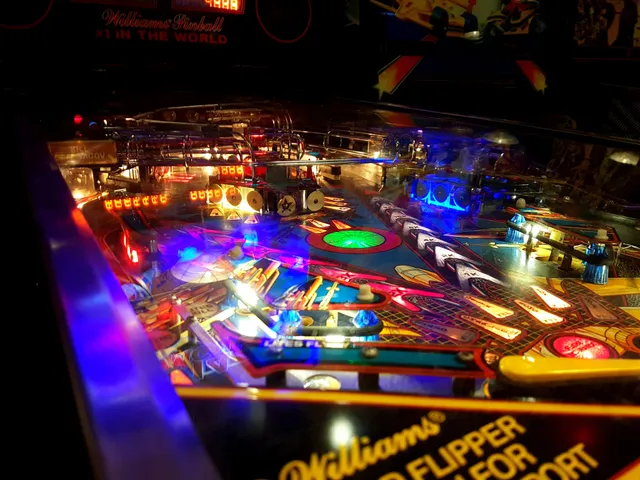
Interactive Museum of Pinball "Pinball Station"
4.8
(1.7K)
Closed
Click for details
Nearby restaurants of Warsaw Gasworks Museum
Makalu
Spianatoia
Masami Sushi
Brindisi
Pełna Micha bistro, cateringi, obsługa wydarzeń
City Break Wola Retro
Taco Bar - Meksykańska Kuchnia
Rico
Street Restaurant
SZUM
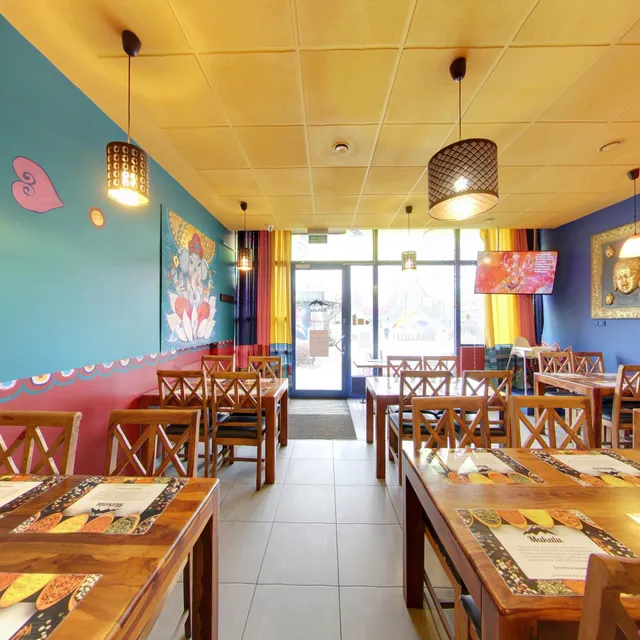
Makalu
4.4
(586)
Closed
Click for details
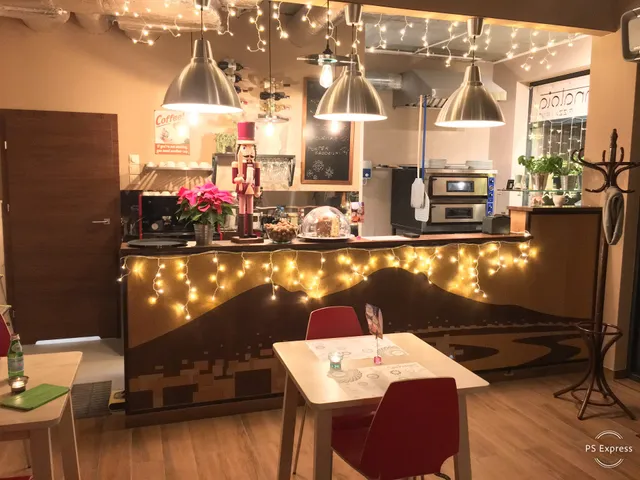
Spianatoia
4.6
(193)
Click for details
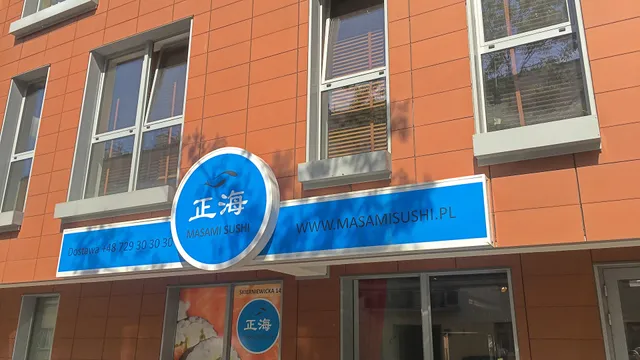
Masami Sushi
4.3
(446)
$$
Closed
Click for details
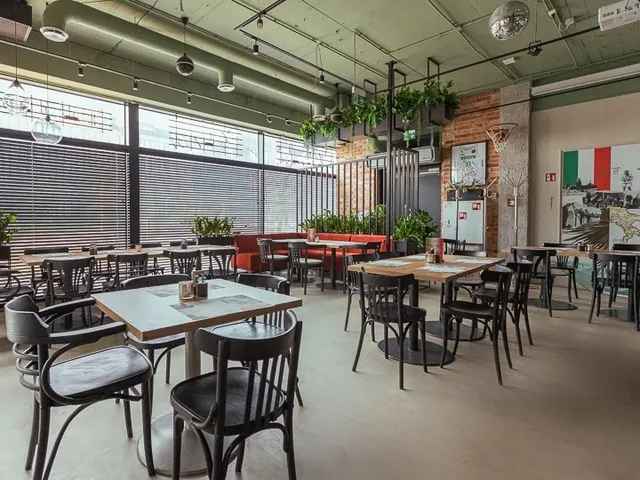
Brindisi
4.7
(236)
Closed
Click for details
Nearby local services of Warsaw Gasworks Museum
Tram Depot Wola - R1
Beer Station Wola
Zdrofit Wola Wolska 88
Siedmiogrodzka 1A
Marcina Kasprzaka 31
Hookah House Shisha Sklep
Marcina Kasprzaka 29
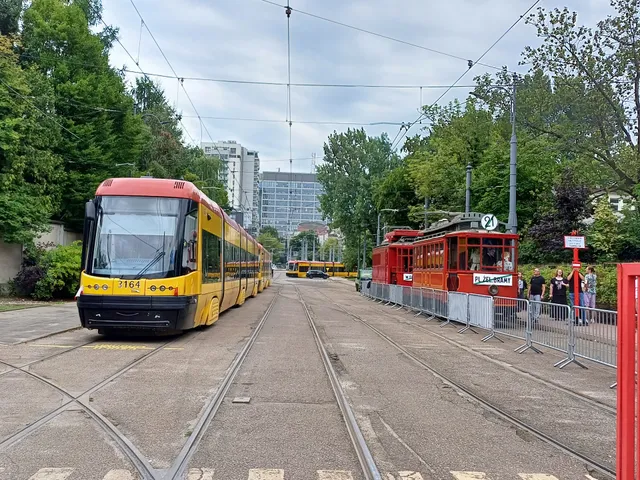
Tram Depot Wola - R1
4.5
(74)
Click for details
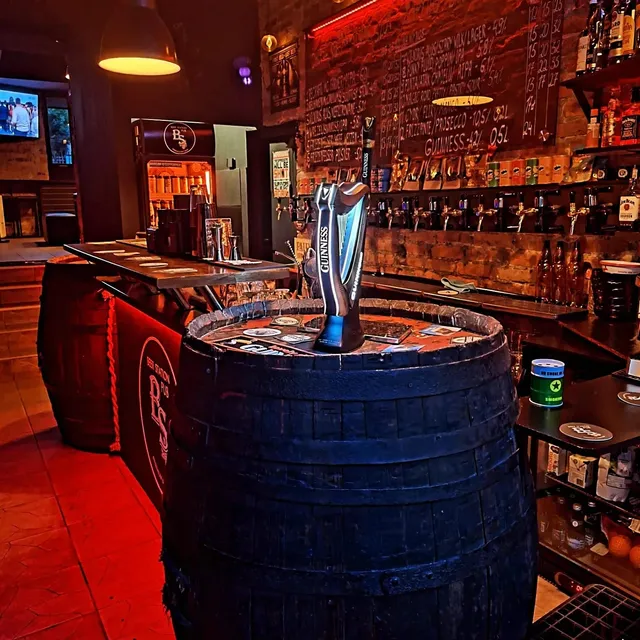
Beer Station Wola
4.8
(100)
Click for details
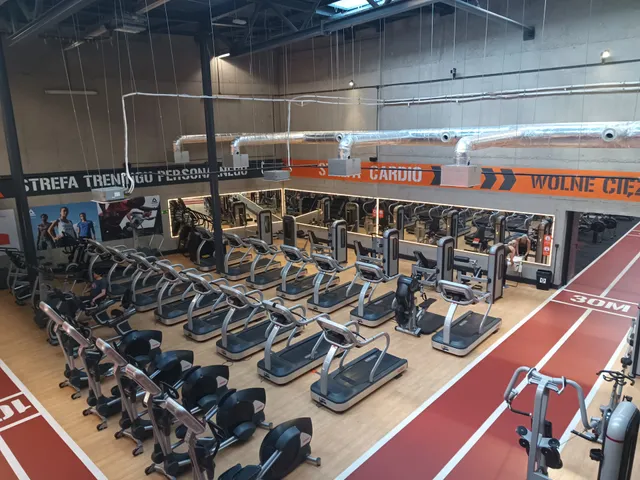
Zdrofit Wola Wolska 88
4.2
(339)
Click for details
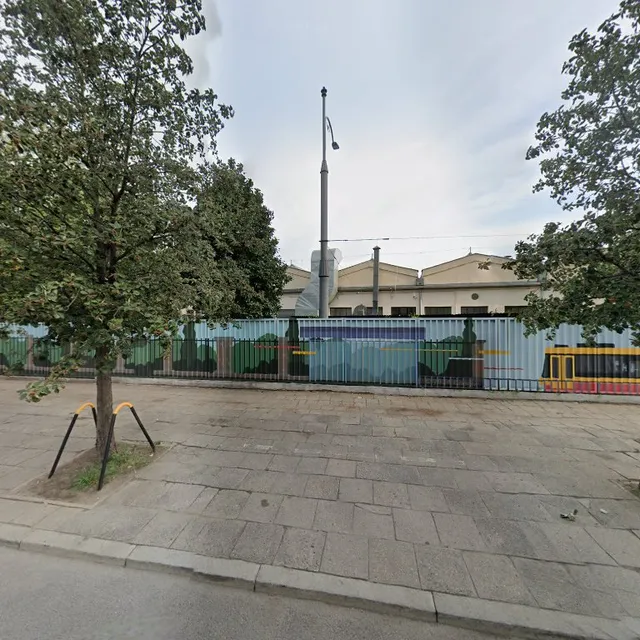
Siedmiogrodzka 1A
4.3
(260)
Click for details