Museum of Natural History things to do, attractions, restaurants, events info and trip planning
Basic Info
Museum of Natural History
Henryka Sienkiewicza 21, 50-335 Wrocław, Poland
4.7(838)
Closed

tickets
Save
spot
spot
Ratings & Description
Info
Cultural
Entertainment
Family friendly
Accessibility
attractions: Botanical Garden of the University of Wrocław, Cathedral of St. John the Baptist, Tumski Bridge, Collegiate Church of the Holy Cross and St. Bartholomew, ZOO TEAM, Brama kluskowa, Ruins of the Castle of the Silesian Piasts, Museum of the Archdiocese of Wrocław, Muzeum Iluzji Wrocław / Museum of illusions Wroclaw, St Giles' Church, restaurants: Petit by Herman, RAGU PRACOWNIA MAKARONU, Tutti Santi Wrocław Sienkiewicza (budynek piekarni Mamut), LOOK up Restaurant, Café Pompidu, Oliwa i Ogień św. Marcina, CHAI THAI Restaurant - Sienkiewicza, Cafe Flora, SOLLEIM 설레임 - Plac Bema, Kawiarenka św. Jadwigi, local businesses: Ostrów Tumski, Wrocław, Świętego Marcina 12, Wieża Katedry św. Jana Chrzciciela, wyspa Słodowa 7, Statue of St. John Nepomunk, Roman Catholic parish church NMP on the Sand in Wroclaw, Piaskowa 17, Market Hall, Statue of Jesus Christ, Wrocław Market Hall
 Learn more insights from Wanderboat AI.
Phone
+48 71 375 41 44
Website
uni.wroc.pl
Open hoursSee all hours
Wed9 AM - 4:30 PMClosed
Plan your stay

Pet-friendly Hotels in Wrocław
Find a cozy hotel nearby and make it a full experience.

Affordable Hotels in Wrocław
Find a cozy hotel nearby and make it a full experience.

The Coolest Hotels You Haven't Heard Of (Yet)
Find a cozy hotel nearby and make it a full experience.

Trending Stays Worth the Hype in Wrocław
Find a cozy hotel nearby and make it a full experience.
Reviews
Live events

Candlelight: Walentynkowy wieczór
Sun, Feb 15 • 5:30 PM
Pawła Włodkowica 7, Wrocław, 50-072
View details
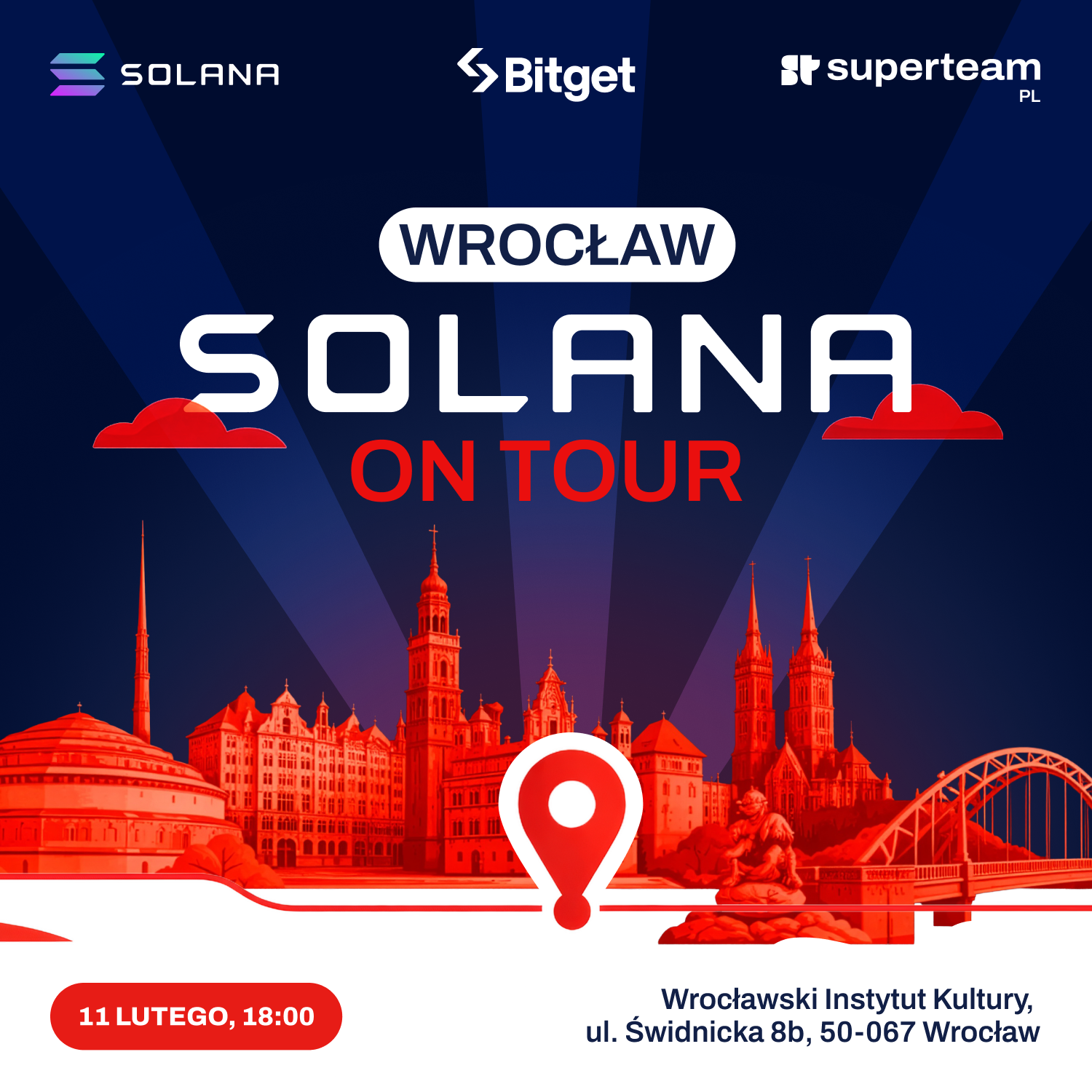
Solana on Tour: Wrocław
Wed, Feb 11 • 5:00 PM
Wrocław, Województwo dolnośląskie
View details

WrocDevs Meetup #2
Thu, Feb 12 • 5:00 PM
Wielka 67, 53-340 Wrocław, Poland
View details
Nearby attractions of Museum of Natural History
Botanical Garden of the University of Wrocław
Cathedral of St. John the Baptist
Tumski Bridge
Collegiate Church of the Holy Cross and St. Bartholomew
ZOO TEAM
Brama kluskowa
Ruins of the Castle of the Silesian Piasts
Museum of the Archdiocese of Wrocław
Muzeum Iluzji Wrocław / Museum of illusions Wroclaw
St Giles' Church
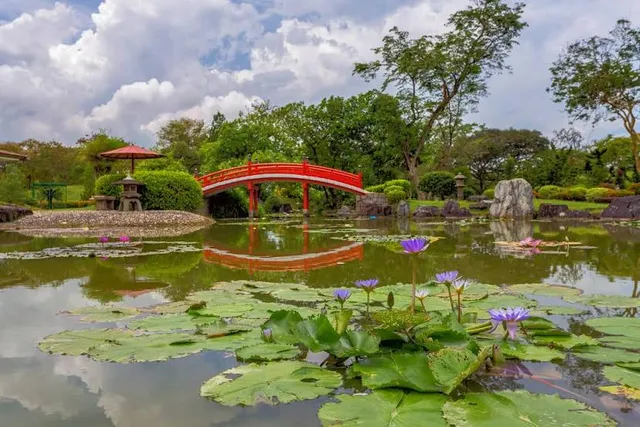
Botanical Garden of the University of Wrocław
4.8
(5.5K)
Open until 12:00 AM
Click for details
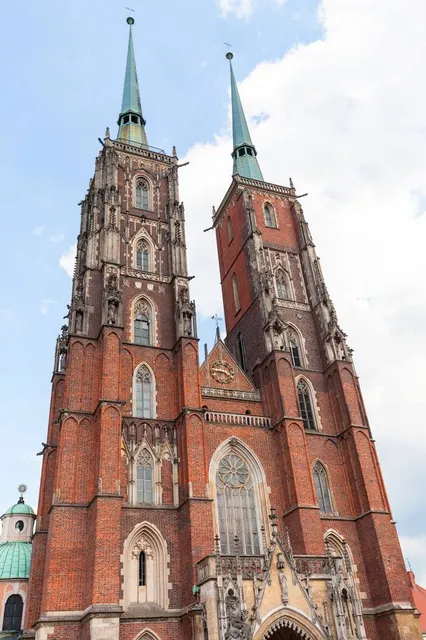
Cathedral of St. John the Baptist
4.7
(4.5K)
Closed
Click for details
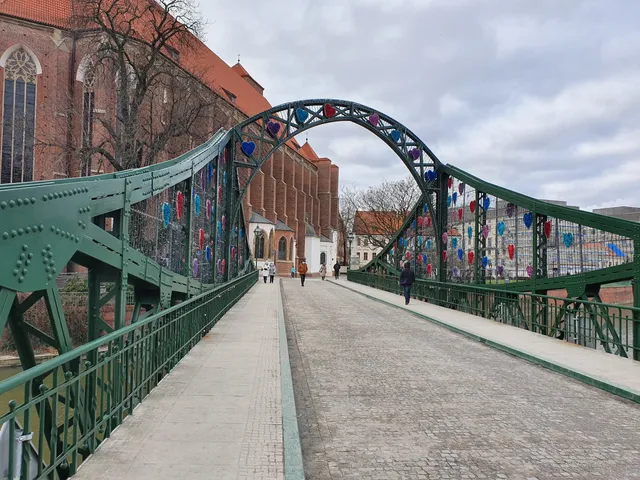
Tumski Bridge
4.8
(7K)
Open until 12:00 AM
Click for details
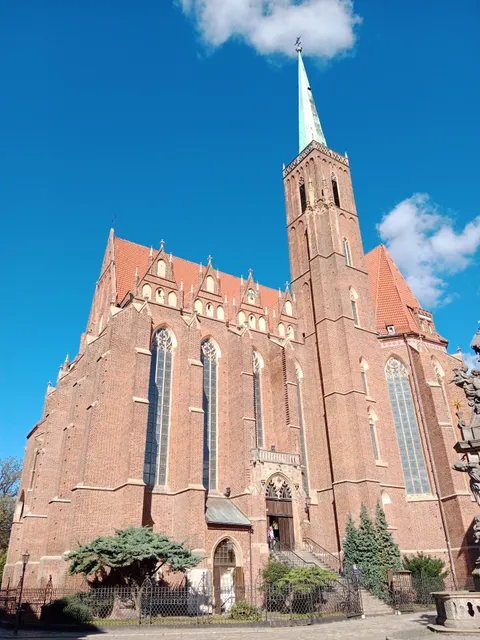
Collegiate Church of the Holy Cross and St. Bartholomew
4.6
(354)
Open until 12:00 AM
Click for details
Nearby restaurants of Museum of Natural History
Petit by Herman
RAGU PRACOWNIA MAKARONU
Tutti Santi Wrocław Sienkiewicza (budynek piekarni Mamut)
LOOK up Restaurant
Café Pompidu
Oliwa i Ogień św. Marcina
CHAI THAI Restaurant - Sienkiewicza
Cafe Flora
SOLLEIM 설레임 - Plac Bema
Kawiarenka św. Jadwigi
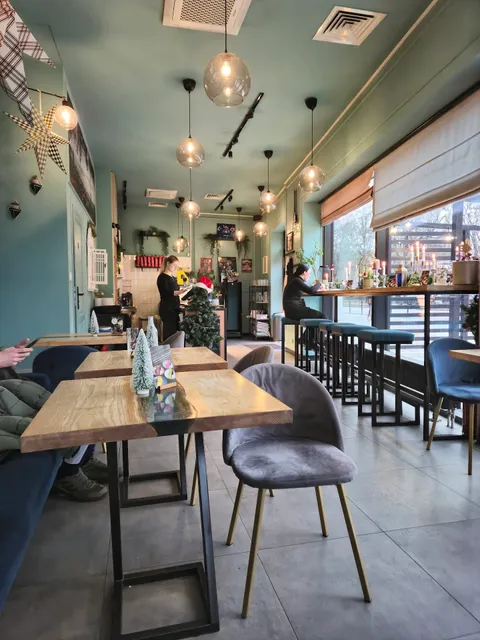
Petit by Herman
4.3
(1.0K)
Closed
Click for details
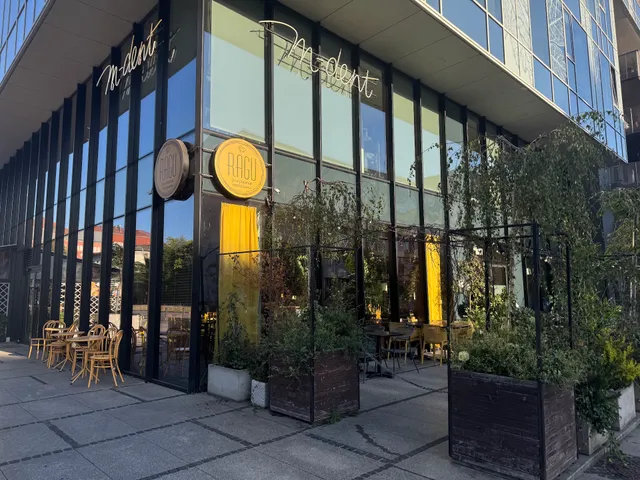
RAGU PRACOWNIA MAKARONU
4.5
(3.5K)
Closed
Click for details
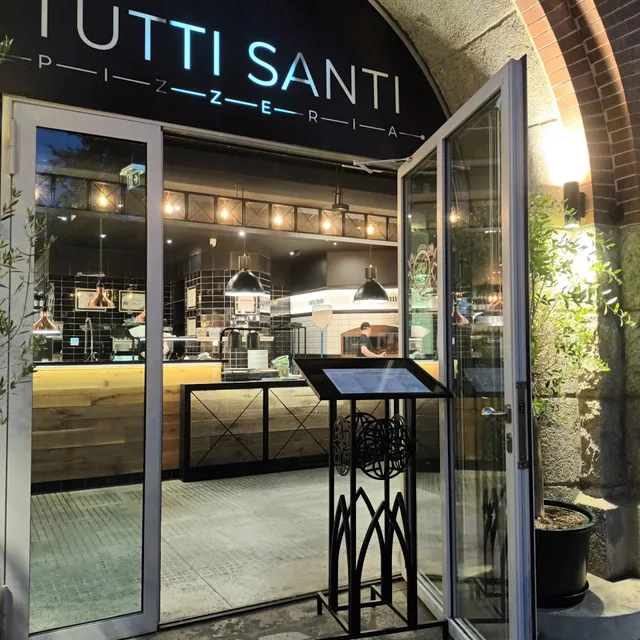
Tutti Santi Wrocław Sienkiewicza (budynek piekarni Mamut)
4.6
(289)
Closed
Click for details
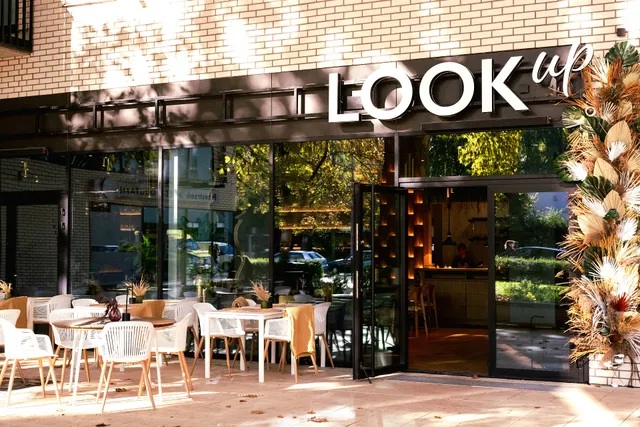
LOOK up Restaurant
4.7
(338)
Click for details
Nearby local services of Museum of Natural History
Ostrów Tumski, Wrocław
Świętego Marcina 12
Wieża Katedry św. Jana Chrzciciela
wyspa Słodowa 7
Statue of St. John Nepomunk
Roman Catholic parish church NMP on the Sand in Wroclaw
Piaskowa 17
Market Hall
Statue of Jesus Christ
Wrocław Market Hall
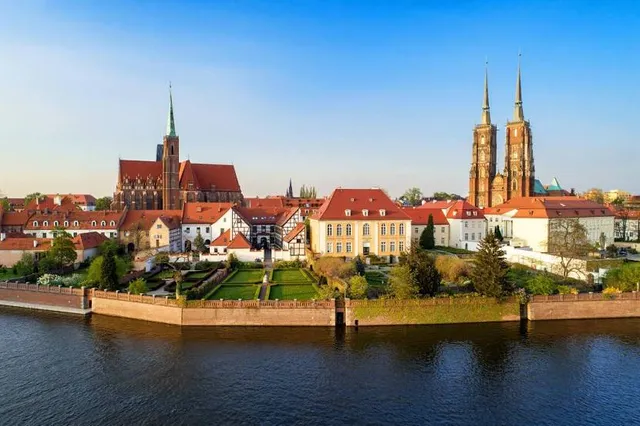
Ostrów Tumski, Wrocław
4.9
(1.5K)
Click for details
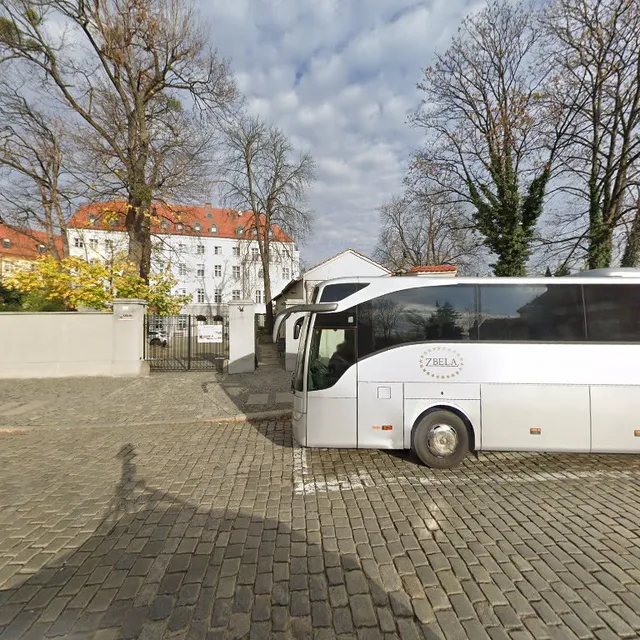
Świętego Marcina 12
4.8
(264)
Click for details
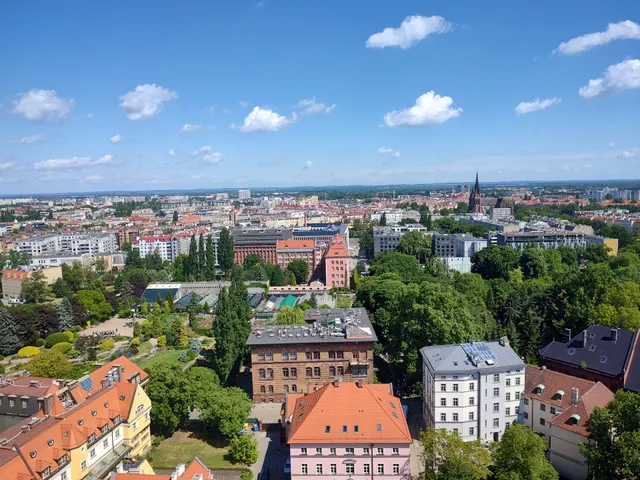
Wieża Katedry św. Jana Chrzciciela
4.9
(152)
Click for details
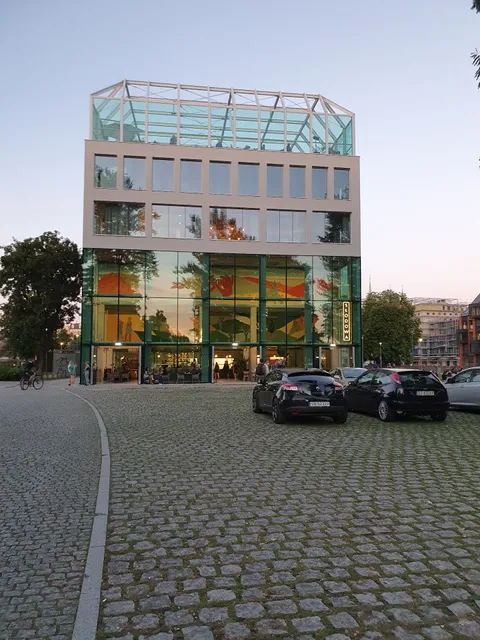
wyspa Słodowa 7
4.7
(3.2K)
Click for details