Market Hall things to do, attractions, restaurants, events info and trip planning
Basic Info
Market Hall
Piaskowa 17, 50-359 Wrocław, Poland
4.4(5.6K)
Open until 12:00 AM
Save
spot
spot
Ratings & Description
Info
Cultural
Entertainment
Family friendly
Accessibility
attractions: Tumski Bridge, Muzeum Iluzji Wrocław / Museum of illusions Wroclaw, Panorama of the Battle of Racławice, Roman Catholic parish church NMP on the Sand in Wroclaw, Juliusz Słowacki Park, Krasnal Pracz Odrzański, Wrocław Market Square, Bridge of Penitents, Krasnal eNZeteSiak, Parish of the Most Holy Name of Jesus, restaurants: Herbaciarnia Targowa, Cafe Targowa, WRO.pasty - wrocławski pasta bar, ORZO Viola Wrocław, Restauracja & Pizzeria Verona - Catering, Enklawa Wrocławska Palarnia Kawy, Przybij Piątaka, Piec Na Szewskiej, CUDO, Stary Klasztor, local businesses: Wrocław Market Hall, Piaskowa 17, Nowy Targ Square, Greek-Catholic Cathedral of St. Vincent and St. James, Wrocław, Irma, Galeria Dominikańska, Roman Catholic parish church NMP on the Sand in Wroclaw, wyspa Słodowa 7, Szewska 29, Wyspa Piasek
 Learn more insights from Wanderboat AI.
Phone
+48 71 343 84 57
Website
hala-targowa.pl
Open hoursSee all hours
SunClosedOpen
Plan your stay

Pet-friendly Hotels in Wrocław
Find a cozy hotel nearby and make it a full experience.

Affordable Hotels in Wrocław
Find a cozy hotel nearby and make it a full experience.

The Coolest Hotels You Haven't Heard Of (Yet)
Find a cozy hotel nearby and make it a full experience.

Trending Stays Worth the Hype in Wrocław
Find a cozy hotel nearby and make it a full experience.
Reviews
Live events

Żywe we mnie – otwarty krąg kobiet
Mon, Feb 9 • 6:00 PM
Masaż tantryczny Akademia Przyjemności, Jabłeczna 18, 50-539 Wrocław, Poland
View details
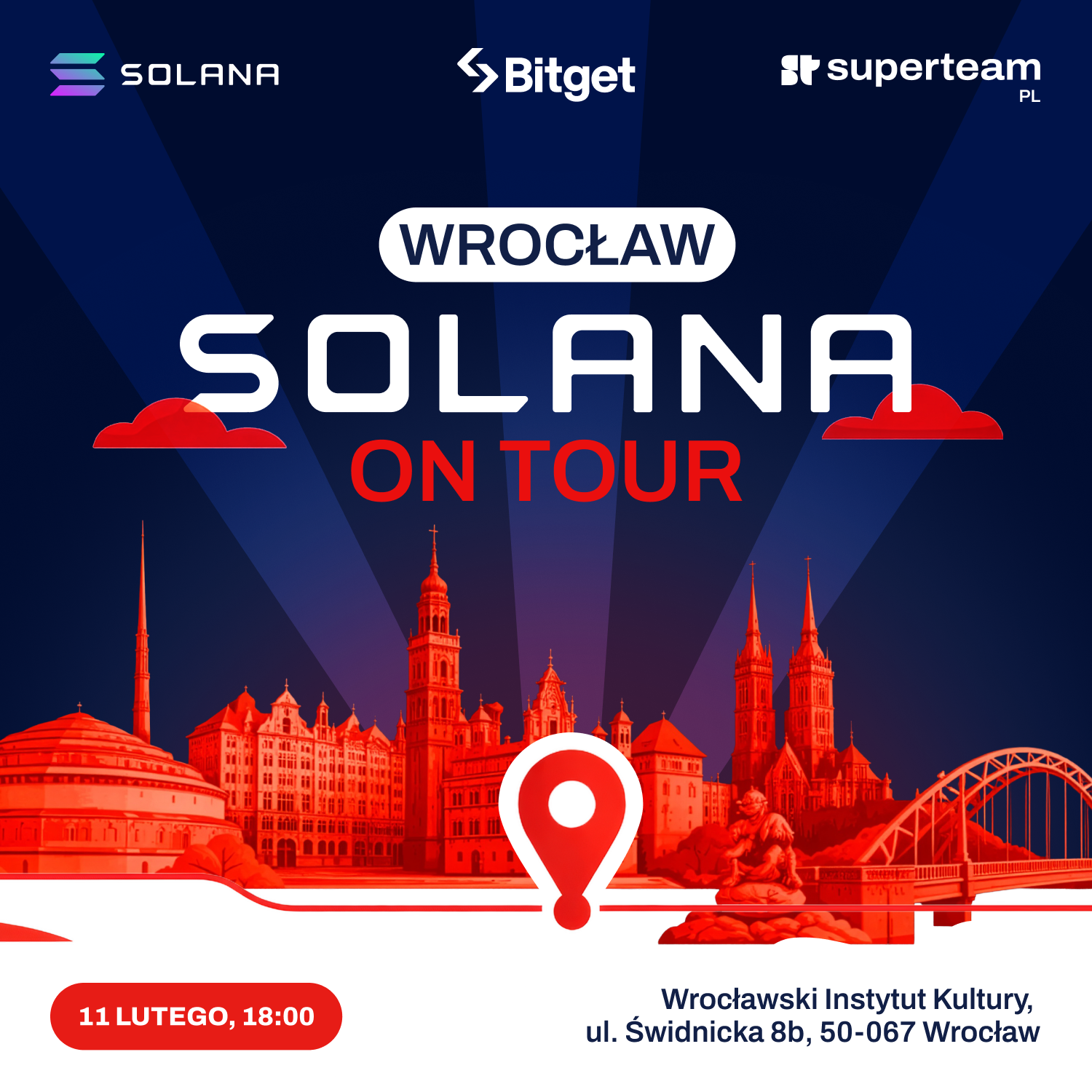
Solana on Tour: Wrocław
Wed, Feb 11 • 5:00 PM
Wrocław, Województwo dolnośląskie
View details
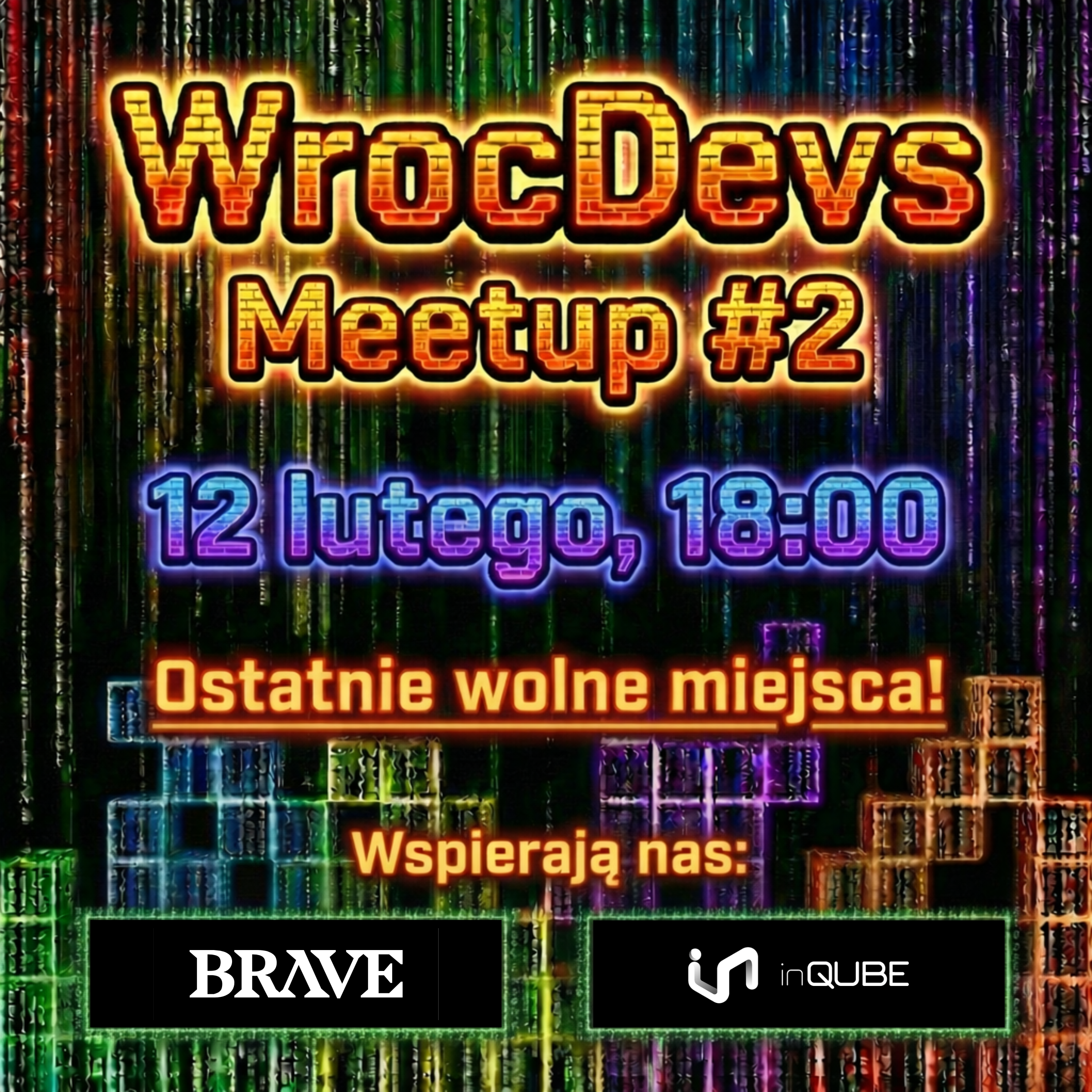
WrocDevs Meetup #2
Thu, Feb 12 • 5:00 PM
Wielka 67, 53-340 Wrocław, Poland
View details
Nearby attractions of Market Hall
Tumski Bridge
Muzeum Iluzji Wrocław / Museum of illusions Wroclaw
Panorama of the Battle of Racławice
Roman Catholic parish church NMP on the Sand in Wroclaw
Juliusz Słowacki Park
Krasnal Pracz Odrzański
Wrocław Market Square
Bridge of Penitents
Krasnal eNZeteSiak
Parish of the Most Holy Name of Jesus
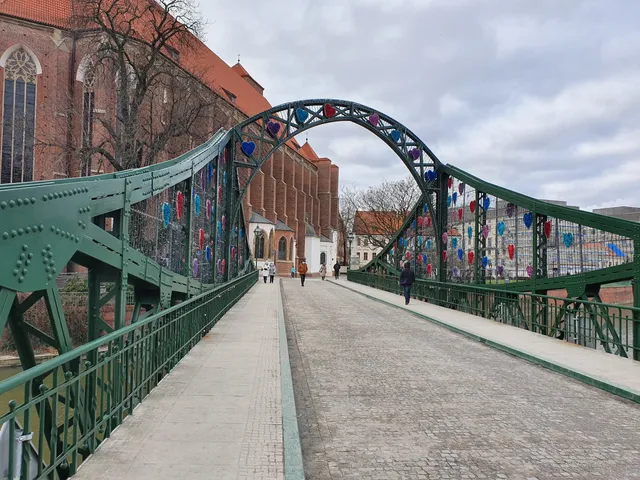
Tumski Bridge
4.8
(7K)
Open until 12:00 AM
Click for details
Muzeum Iluzji Wrocław / Museum of illusions Wroclaw
4.5
(1.9K)
Closed
Click for details
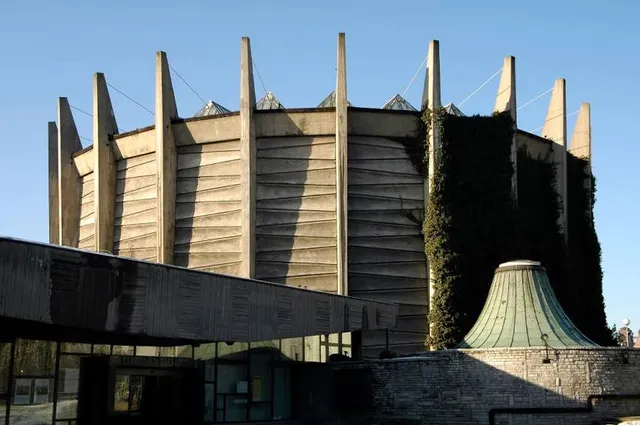
Panorama of the Battle of Racławice
4.8
(10.1K)
Closed
Click for details
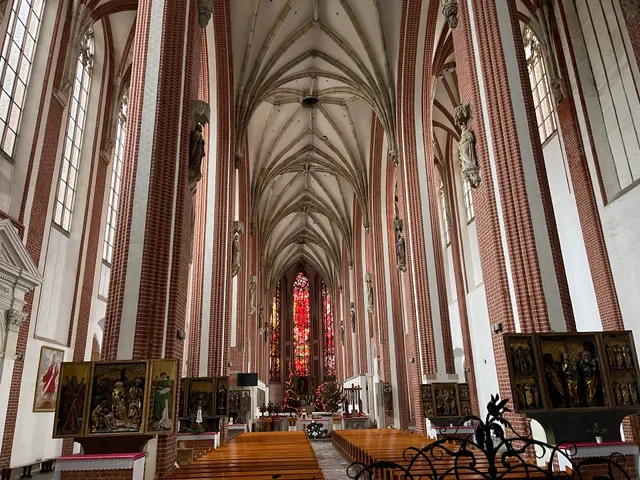
Roman Catholic parish church NMP on the Sand in Wroclaw
4.7
(375)
Closed
Click for details
Nearby restaurants of Market Hall
Herbaciarnia Targowa
Cafe Targowa
WRO.pasty - wrocławski pasta bar
ORZO Viola Wrocław
Restauracja & Pizzeria Verona - Catering
Enklawa Wrocławska Palarnia Kawy
Przybij Piątaka
Piec Na Szewskiej
CUDO
Stary Klasztor
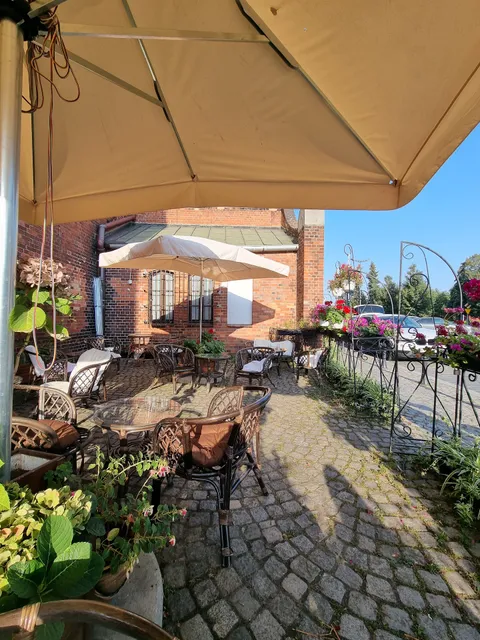
Herbaciarnia Targowa
4.9
(856)
$$
Closed
Click for details
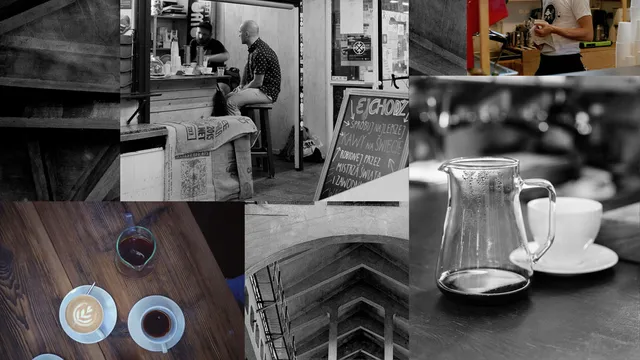
Cafe Targowa
4.8
(344)
Open until 12:00 AM
Click for details
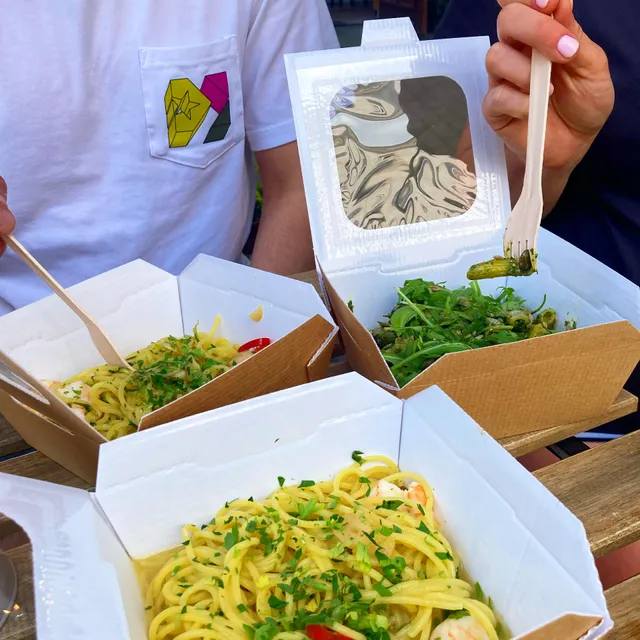
WRO.pasty - wrocławski pasta bar
4.5
(324)
Closed
Click for details
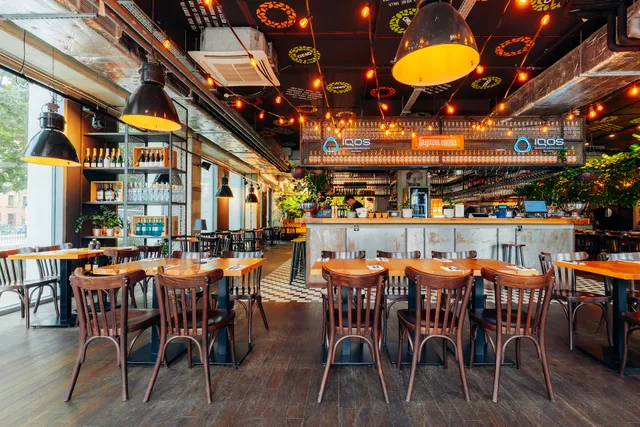
ORZO Viola Wrocław
4.3
(2.3K)
$$$
Closed
Click for details
Nearby local services of Market Hall
Wrocław Market Hall
Piaskowa 17
Nowy Targ Square
Greek-Catholic Cathedral of St. Vincent and St. James, Wrocław
Irma
Galeria Dominikańska
Roman Catholic parish church NMP on the Sand in Wroclaw
wyspa Słodowa 7
Szewska 29
Wyspa Piasek
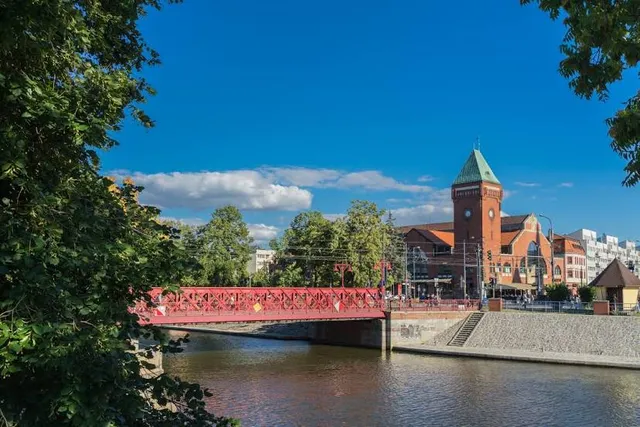
Wrocław Market Hall
4.4
(4.8K)
Click for details
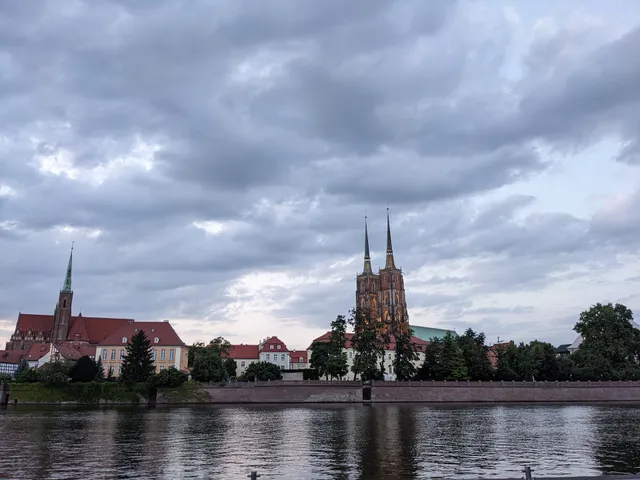
Piaskowa 17
4.4
(5.3K)
Click for details
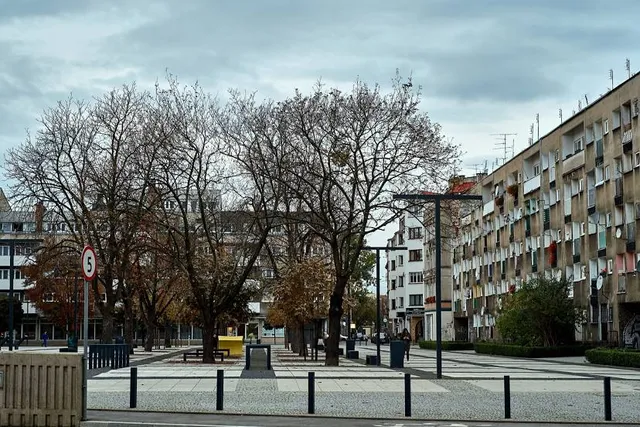
Nowy Targ Square
4.4
(1.0K)
Click for details
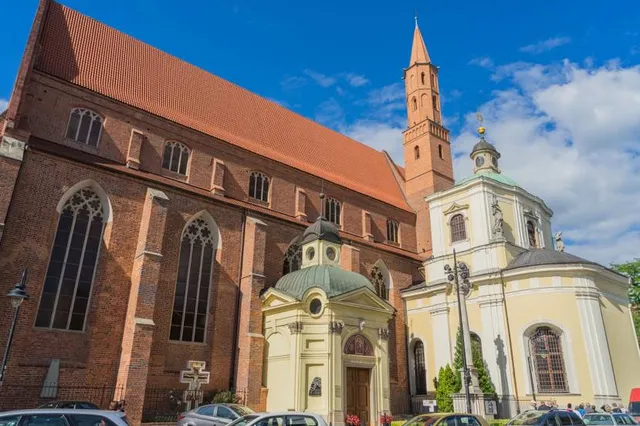
Greek-Catholic Cathedral of St. Vincent and St. James, Wrocław
4.8
(201)
Click for details