Chapel of Bones (Évora) things to do, attractions, restaurants, events info and trip planning
Basic Info
Chapel of Bones (Évora)
Praça 1º de Maio 4, 7000-650 Évora, Portugal
4.5(5.6K)
Open until 5:00 PM

tickets
Save
spot
spot
Ratings & Description
Info
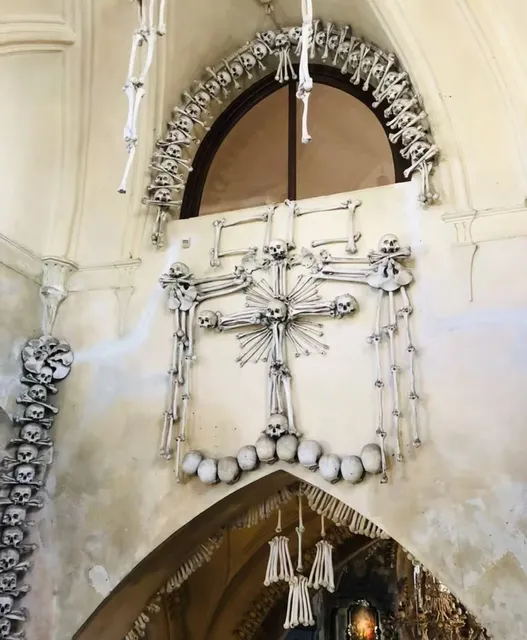
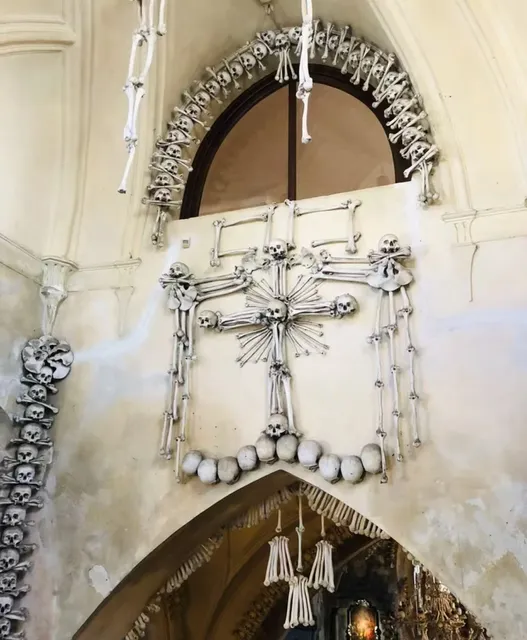
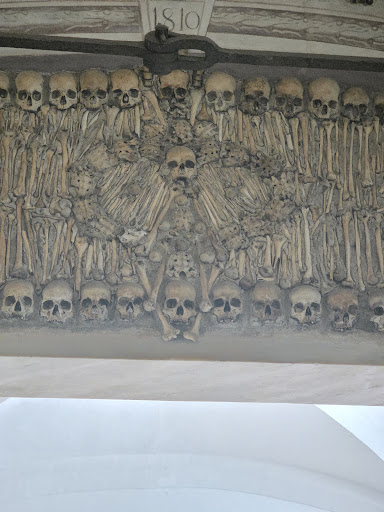
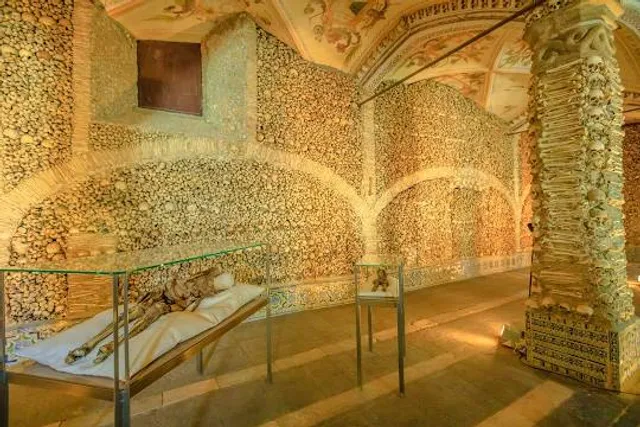
The Capela dos Ossos is one of the best-known monuments in Évora, Portugal. It is a small interior chapel located next to the entrance of the Church of St. Francis. The Chapel gets its name because the interior walls are covered and decorated with human skulls and bones.
Cultural
Accessibility
attractions: Igreja e Mosteiro de São Francisco, Royal Palace of Évora, Giraldo Square Fountain, Graça Church, Templo Romano Évora, Cathedral of Évora, Museum of Crafts and Design – MADE, Centro Histórico de Évora, Clock Museum - Pole Évora, Igreja da Misericórdia, restaurants: Tábua do Naldo, São Luís, Craft BBS, Repas, Adega da Talha Velha, Ice Cream shop Pezagno, Café Alentejo, Bifanas Vendas Novas Giraldo, TascaTosca & Wine Restaurant, Tua Madre, local businesses: Mercado do Livramento, Jardín Público de Ébora, Praça 1º de Maio 23, Cetobriga Roman Ruins, Livraria Fonte de Letras, Termas Romanas de Évora, R. Miguel Bombarda 82, Praça Joaquim António de Aguiar 18, Páteo de São Miguel, Churrasqueira Sao Tiago - Evora
 Learn more insights from Wanderboat AI.
Phone
+351 266 704 521
Website
igrejadesaofrancisco.pt
Open hoursSee all hours
Tue9 AM - 5 PMOpen
Plan your stay

Pet-friendly Hotels in Évora
Find a cozy hotel nearby and make it a full experience.

Affordable Hotels in Évora
Find a cozy hotel nearby and make it a full experience.

The Coolest Hotels You Haven't Heard Of (Yet)
Find a cozy hotel nearby and make it a full experience.

Trending Stays Worth the Hype in Évora
Find a cozy hotel nearby and make it a full experience.
Reviews
Live events
Évora: Private walking tour, By Local Guide
Tue, Feb 24 • 2:30 PM
7000-508, Evora, Portugal
View details
Évora: Small Group Tour w/ Chapel of Bones Tickets
Tue, Feb 24 • 2:00 PM
7000-650, Evora, Portugal
View details
Nearby attractions of Chapel of Bones (Évora)
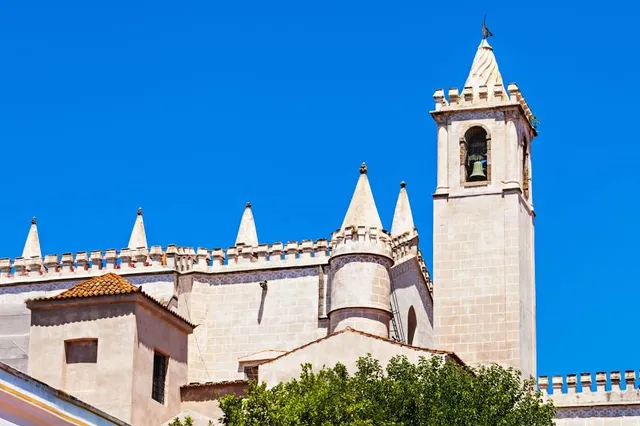
Igreja e Mosteiro de São Francisco
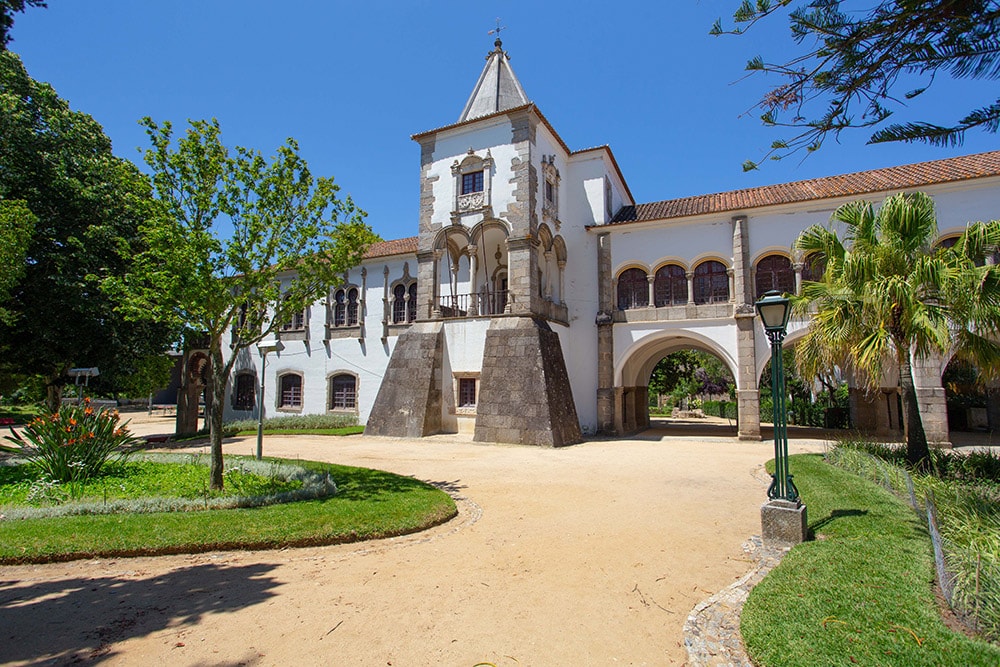
Royal Palace of Évora
Giraldo Square Fountain
Graça Church
Templo Romano Évora
Cathedral of Évora
Museum of Crafts and Design – MADE
Centro Histórico de Évora
Clock Museum - Pole Évora
Igreja da Misericórdia
Igreja e Mosteiro de São Francisco
4.6
(2.1K)
Open until 5:00 PM
Click for details
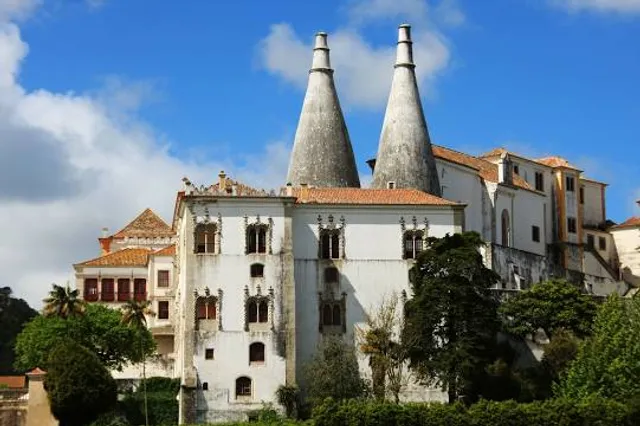
Royal Palace of Évora
4.4
(225)
Open until 12:00 AM
Click for details
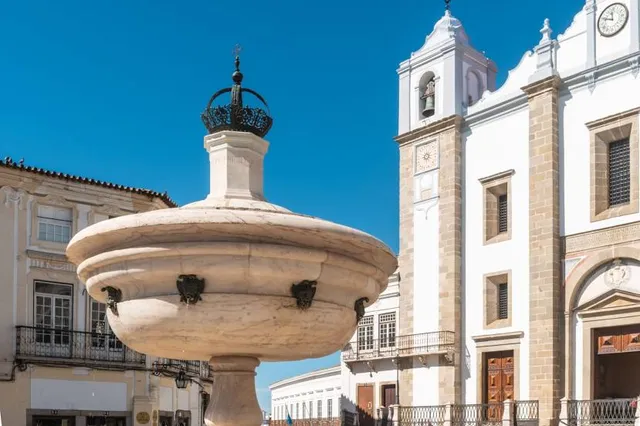
Giraldo Square Fountain
4.6
(1.4K)
Open until 12:00 AM
Click for details
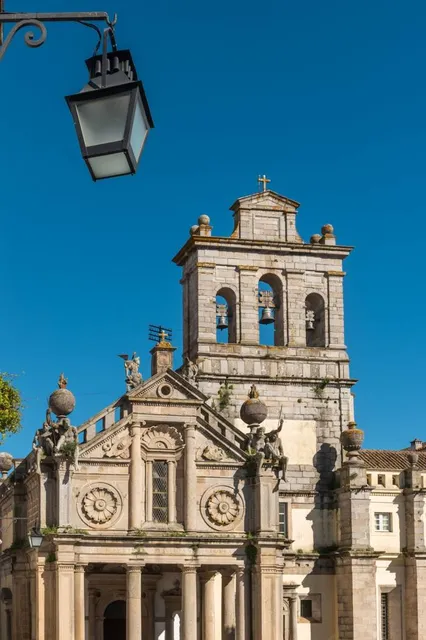
Graça Church
4.4
(172)
Open 24 hours
Click for details
Nearby restaurants of Chapel of Bones (Évora)
Tábua do Naldo
São Luís
Craft BBS
Repas
Adega da Talha Velha
Ice Cream shop Pezagno
Café Alentejo
Bifanas Vendas Novas Giraldo
TascaTosca & Wine Restaurant
Tua Madre
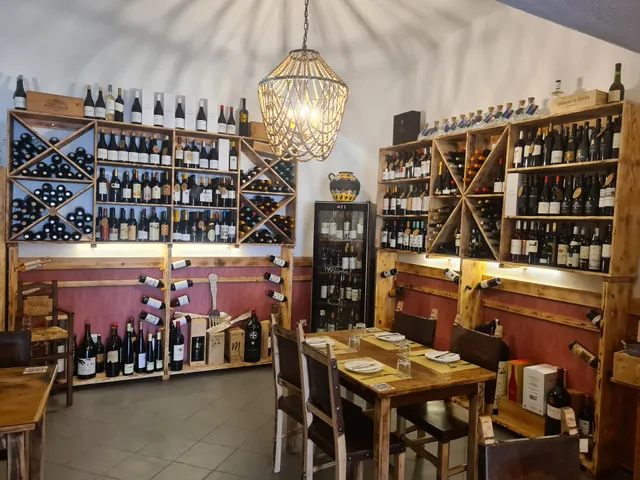
Tábua do Naldo
4.5
(650)
$$
Open until 12:00 AM
Click for details
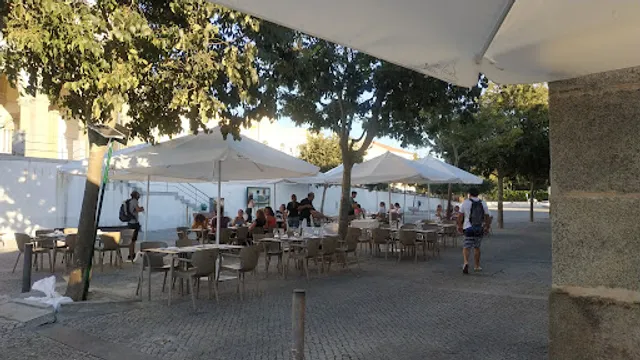
São Luís
4.4
(344)
Closed
Click for details
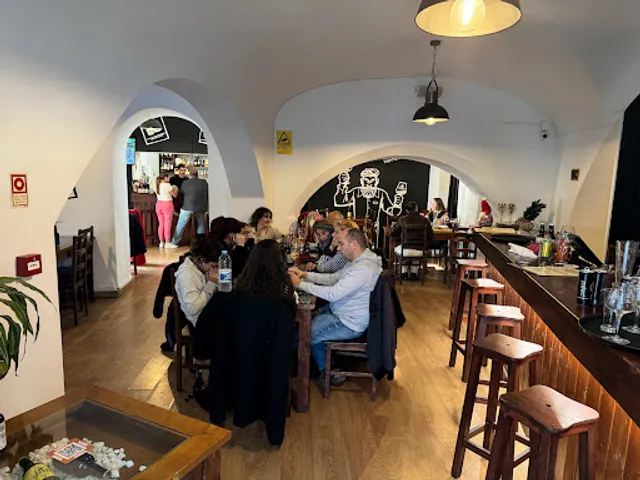
Craft BBS
4.2
(344)
Open until 12:00 AM
Click for details
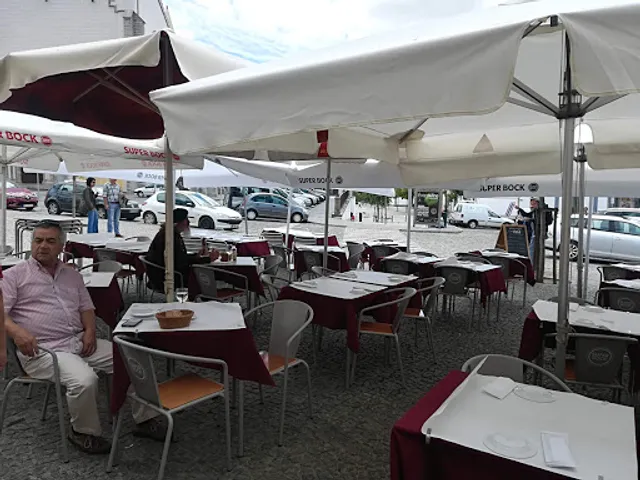
Repas
3.7
(351)
Open until 10:00 PM
Click for details
Nearby local services of Chapel of Bones (Évora)
Mercado do Livramento
Jardín Público de Ébora
Praça 1º de Maio 23
Cetobriga Roman Ruins
Livraria Fonte de Letras
Termas Romanas de Évora
R. Miguel Bombarda 82
Praça Joaquim António de Aguiar 18
Páteo de São Miguel
Churrasqueira Sao Tiago - Evora
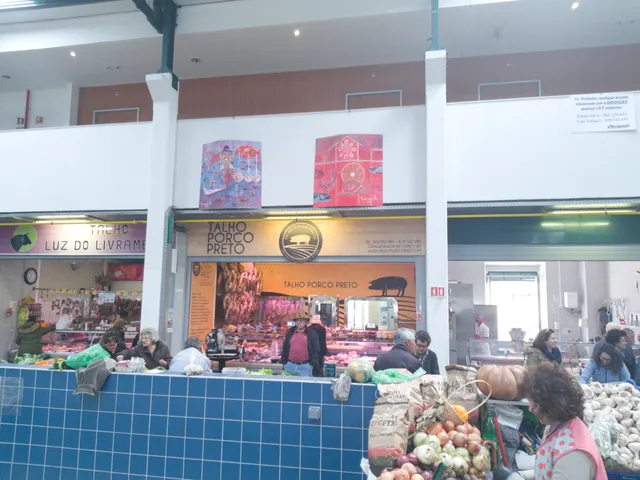
Mercado do Livramento
4.7
(4.8K)
Click for details
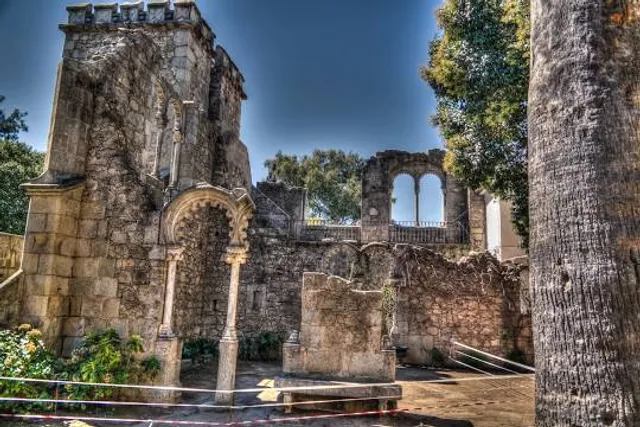
Jardín Público de Ébora
4.6
(1.1K)
Click for details
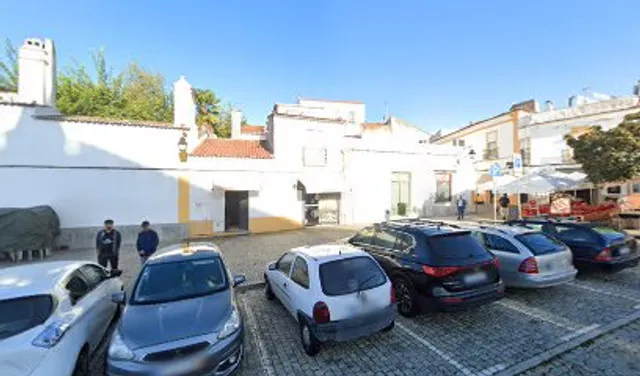
Praça 1º de Maio 23
3.8
(75)
Click for details
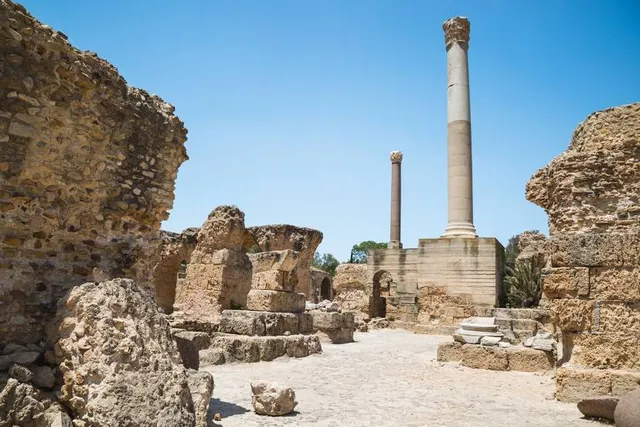
Cetobriga Roman Ruins
4.2
(409)
Click for details