Padrão do Salado things to do, attractions, restaurants, events info and trip planning
Basic Info
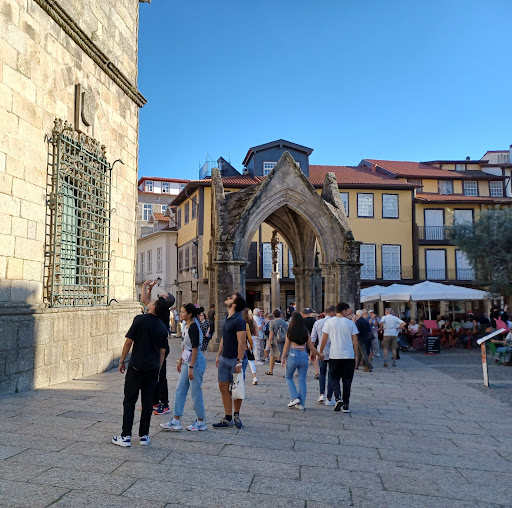
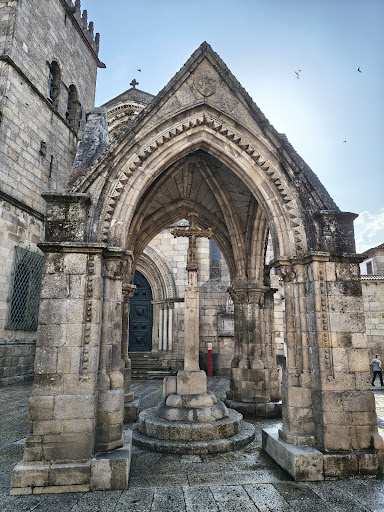
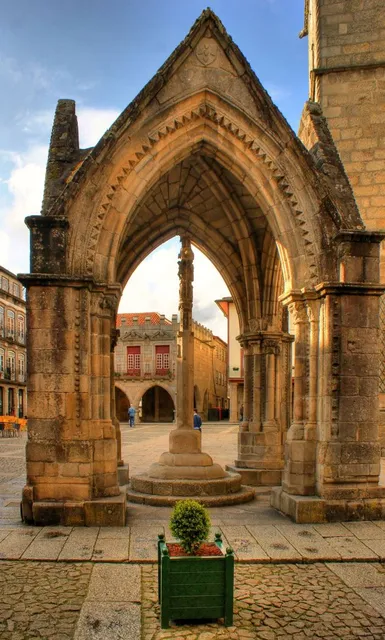
Padrão do Salado
6, Largo da Oliveira 5, Guimarães, Portugal
4.6(822)
Open until 12:00 AM
Save
spot
spot
Ratings & Description
Info
Cultural
Scenic
attractions: Guimarães Historical City Centre, Igreja de Nossa Senhora da Oliveira, Aqui Nasceu Portugal, Posto de Turismo de Guimarães, Igreja e Oratórios de Nossa Senhora da Consolação e Santos Passos, Largo de Donães, Garden of Largo Republic of Brazil, Garden Alameda, Church of Saint Francis, Palace Duques de Bragança, restaurants: Buxa, CASA AMARELA, Cinecittá Pizzaria, Cozinha Regional Santiago, Deguste by Pedro Pinto, Restaurante Virtudes, Marco Bellini è que sabe!, El Rock Bar, Amu.te praça, Restaurante Solar do Arco, local businesses: Museu Alberto Sampaio. Guimarães, Portugal, Largo do Toural, Tasquinha das Canecas, Centro Comercial S. Francisco, Fleur de Vanille, Eglise Notre-Dame de la Consolation, Tasca Expresso, Jardim do Largo Condessa do Juncal, Antigo Convento de Santa Clara, Penha Cable Car
 Learn more insights from Wanderboat AI.
Phone
+351 253 421 221
Open hoursSee all hours
SatOpen 24 hoursOpen
Plan your stay

Pet-friendly Hotels in Guimarães
Find a cozy hotel nearby and make it a full experience.

Affordable Hotels in Guimarães
Find a cozy hotel nearby and make it a full experience.

The Coolest Hotels You Haven't Heard Of (Yet)
Find a cozy hotel nearby and make it a full experience.

Trending Stays Worth the Hype in Guimarães
Find a cozy hotel nearby and make it a full experience.
Reviews
Live events

Candlelight: Coldplay vs. Imagine Dragons
Fri, Feb 27 • 7:30 PM
Rua de São Domingos 94B, Braga, 4710-435
View details
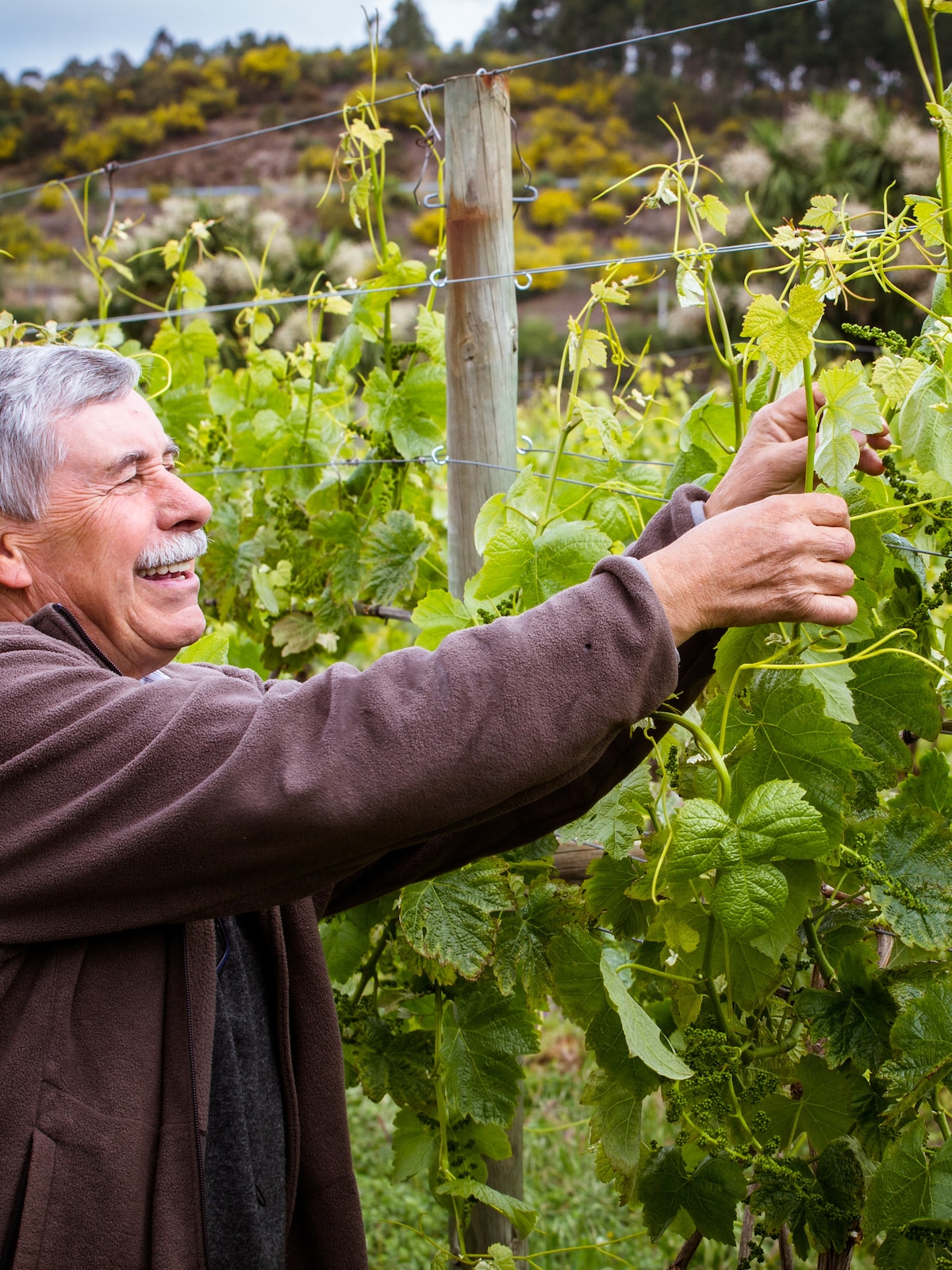
Taste Vinho Verde and Snacks
Sat, Feb 21 • 10:30 AM
4620, Lousada, Portugal
View details

Prison Island Braga
Sat, Feb 21 • 10:00 AM
Av. Dra. Assunção Vasconcelos Chaves.289, Dume, Braga, 4700-010
View details
Nearby attractions of Padrão do Salado
Guimarães Historical City Centre
Igreja de Nossa Senhora da Oliveira
Aqui Nasceu Portugal
Posto de Turismo de Guimarães
Igreja e Oratórios de Nossa Senhora da Consolação e Santos Passos
Largo de Donães
Garden of Largo Republic of Brazil
Garden Alameda
Church of Saint Francis
Palace Duques de Bragança
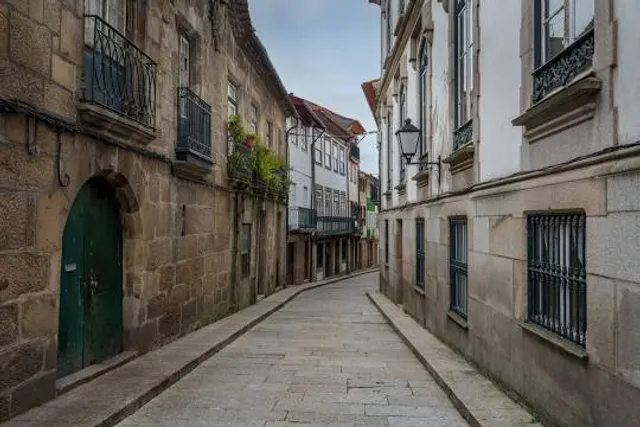
Guimarães Historical City Centre
4.8
(2.1K)
Open 24 hours
Click for details
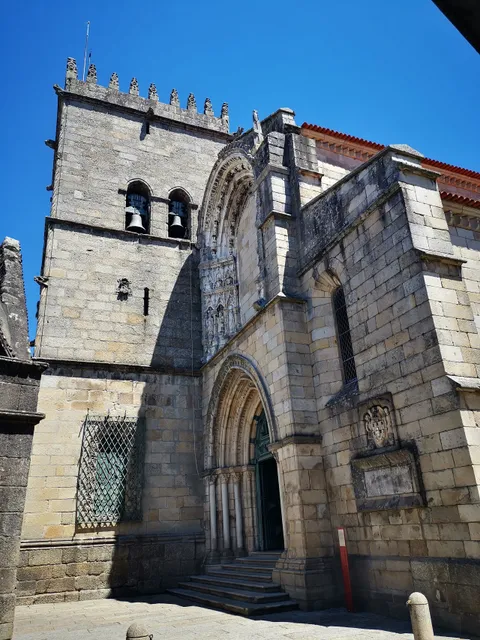
Igreja de Nossa Senhora da Oliveira
4.6
(594)
Closed
Click for details
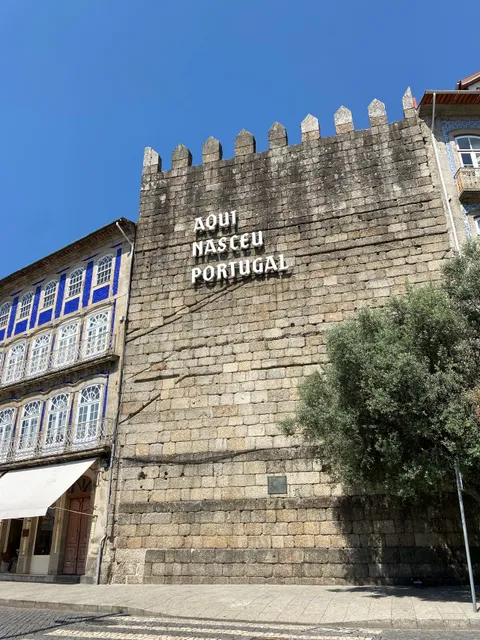
Aqui Nasceu Portugal
4.7
(2.3K)
Open until 12:00 AM
Click for details

Posto de Turismo de Guimarães
4.4
(271)
Closed
Click for details
Nearby restaurants of Padrão do Salado
Buxa
CASA AMARELA
Cinecittá Pizzaria
Cozinha Regional Santiago
Deguste by Pedro Pinto
Restaurante Virtudes
Marco Bellini è que sabe!
El Rock Bar
Amu.te praça
Restaurante Solar do Arco
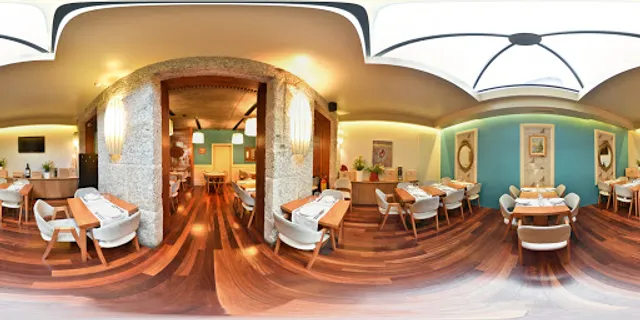
Buxa
4.4
(933)
$$
Open until 12:00 AM
Click for details
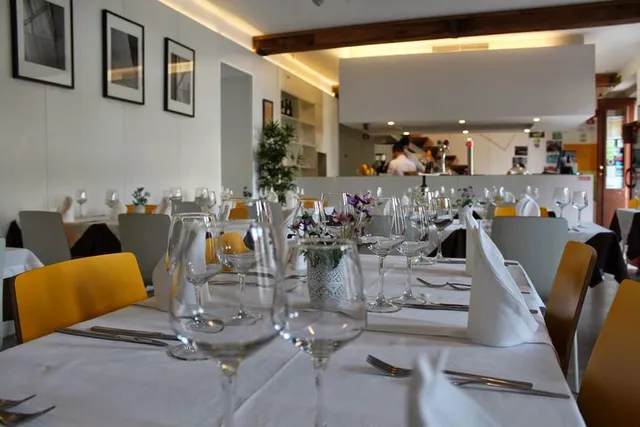
CASA AMARELA
4.6
(827)
$$
Closed
Click for details
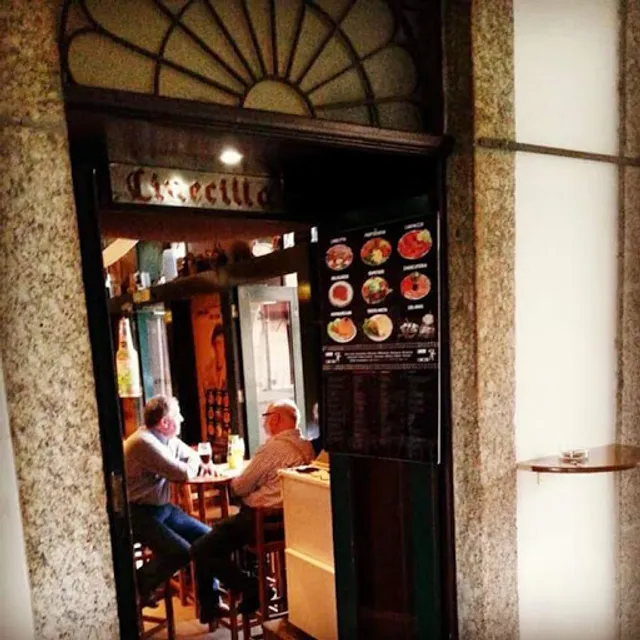
Cinecittá Pizzaria
3.9
(515)
Closed
Click for details
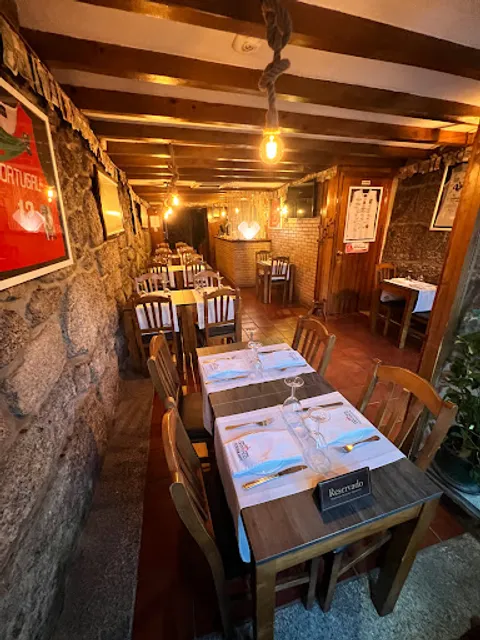
Cozinha Regional Santiago
4.6
(689)
Closed
Click for details
Nearby local services of Padrão do Salado
Museu Alberto Sampaio. Guimarães, Portugal
Largo do Toural
Tasquinha das Canecas
Centro Comercial S. Francisco
Fleur de Vanille
Eglise Notre-Dame de la Consolation
Tasca Expresso
Jardim do Largo Condessa do Juncal
Antigo Convento de Santa Clara
Penha Cable Car
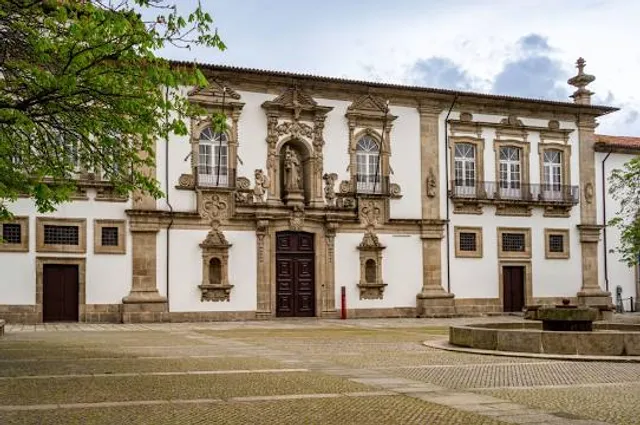
Museu Alberto Sampaio. Guimarães, Portugal
4.4
(393)
Click for details
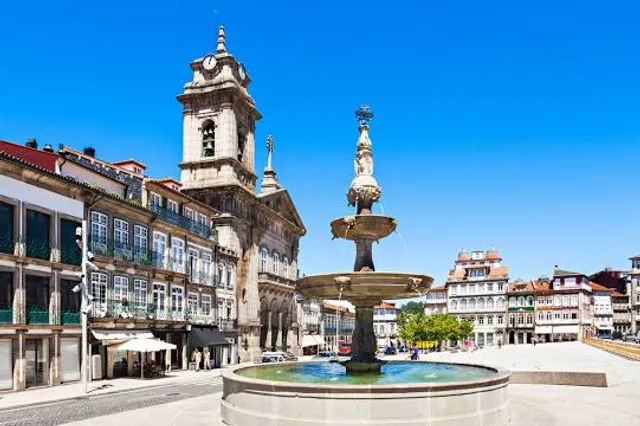
Largo do Toural
4.6
(2.2K)
Click for details

Tasquinha das Canecas
4.8
(136)
Click for details
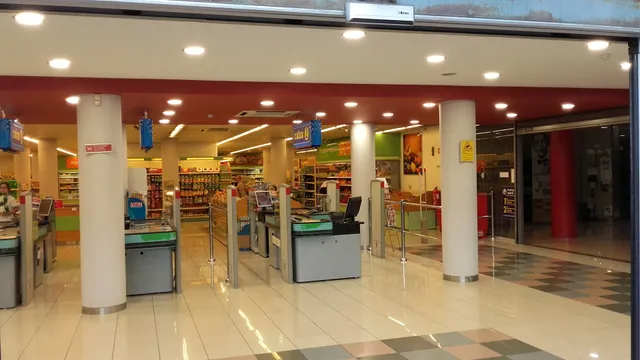
Centro Comercial S. Francisco
3.9
(743)
Click for details