Monastery of Santos-o-Novo things to do, attractions, restaurants, events info and trip planning
Basic Info
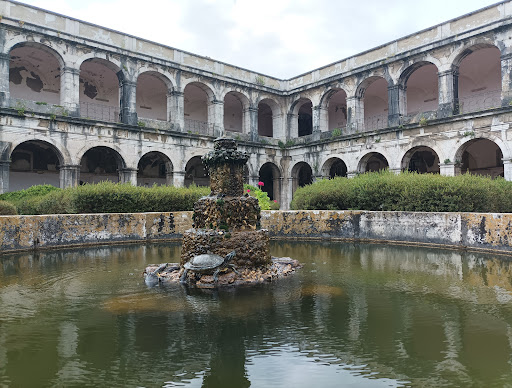
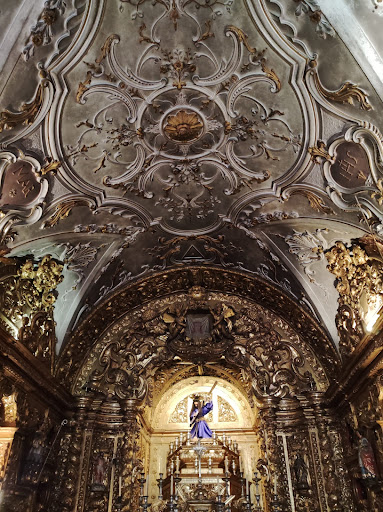
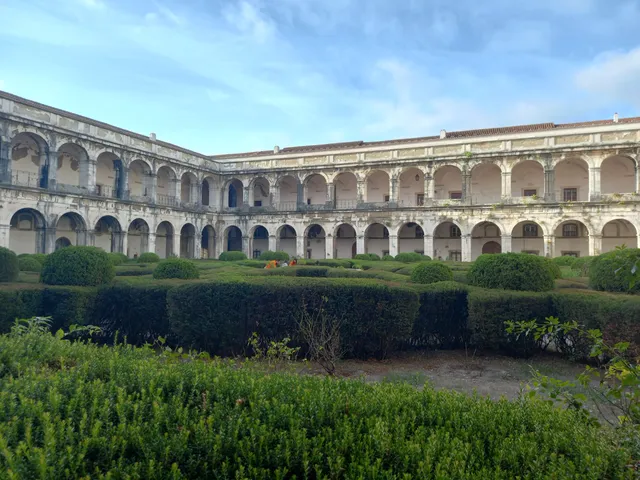
Monastery of Santos-o-Novo
P. das Comendadeiras de Santos, 1900-312 Lisboa, Portugal
4.2(201)
Closed
Save
spot
spot
Ratings & Description
Info
Cultural
Scenic
Relaxation
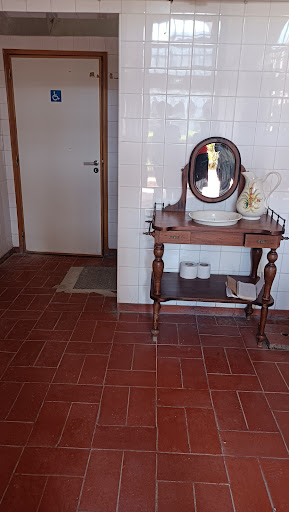
Accessibility
attractions: Water Museum, National Tile Museum, Church of Nossa Senhora da Porciúncula, Forte de Santa Apolónia, National Pantheon, CAL - Centro de Artes de Lisboa, Palácio de Xabregas, Lisbon Architecture Triennale, restaurants: Ferroviário, Churrasqueira Eusebio's, Restaurante Pastelaria Ideal, Paloma Negra | Restaurante Mexicano Lisboa, Paquito, Tabernário do Bairro, Café Bandeira, TAPAS 129, Casa Mocambo, Cunha & Alves, local businesses: Museo del Água, FavelaLx, Feira da Ladra, Farmácia Central da Penha
 Learn more insights from Wanderboat AI.
Phone
+351 21 324 0887
Website
monumentos.gov.pt
Open hoursSee all hours
Tue10 AM - 12:30 PM, 2 - 5:30 PMClosed
Plan your stay

Pet-friendly Hotels in Lisbon
Find a cozy hotel nearby and make it a full experience.

Affordable Hotels in Lisbon
Find a cozy hotel nearby and make it a full experience.

The Coolest Hotels You Haven't Heard Of (Yet)
Find a cozy hotel nearby and make it a full experience.

Trending Stays Worth the Hype in Lisbon
Find a cozy hotel nearby and make it a full experience.
Reviews
Live events

Splash&Spa
Wed, Feb 25 • 10:00 AM
Rua das Palmeiras, Lote 5 - Quinta da Marinha, 2750-005
View details

Horizonte de Quéops: Viagem ao Antigo Egito
Thu, Feb 26 • 12:00 PM
Terreiro do Paço, Lisboa, 1100-278
View details
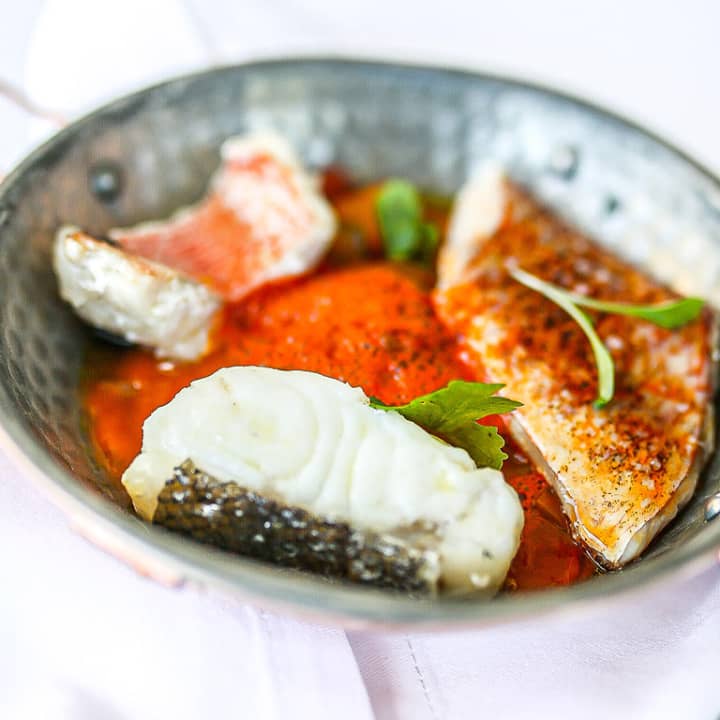
Menu de almoço com estrela Michelin no Eleven
Tue, Feb 24 • 12:30 PM
Rua Marquês da Fronteira Jardim Amália Rodrigues, 1070-051
View details
Nearby attractions of Monastery of Santos-o-Novo
Water Museum
National Tile Museum
Church of Nossa Senhora da Porciúncula
Forte de Santa Apolónia
National Pantheon
CAL - Centro de Artes de Lisboa
Palácio de Xabregas
Lisbon Architecture Triennale
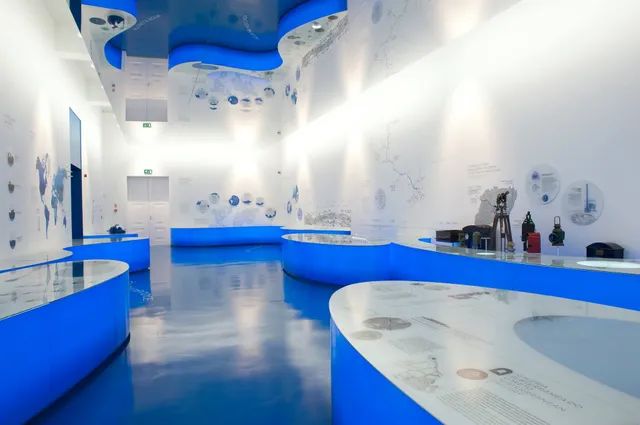
Water Museum
4.3
(491)
Open until 12:00 AM
Click for details
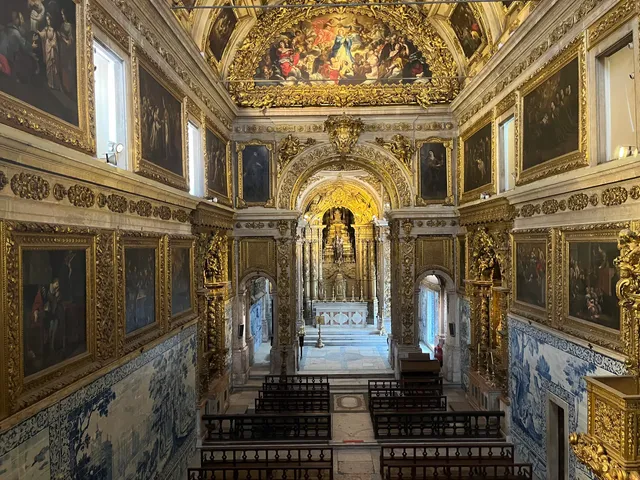
National Tile Museum
4.6
(7K)
Open 24 hours
Click for details
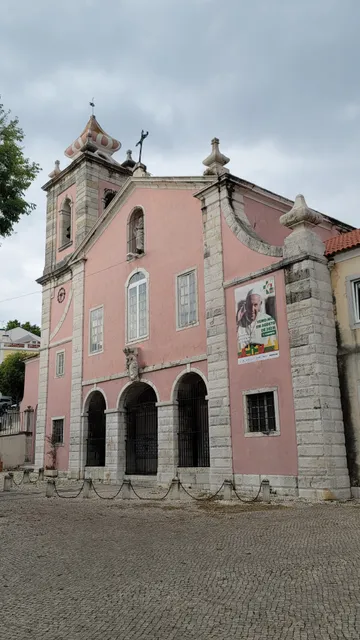
Church of Nossa Senhora da Porciúncula
4.5
(82)
Open until 12:00 AM
Click for details
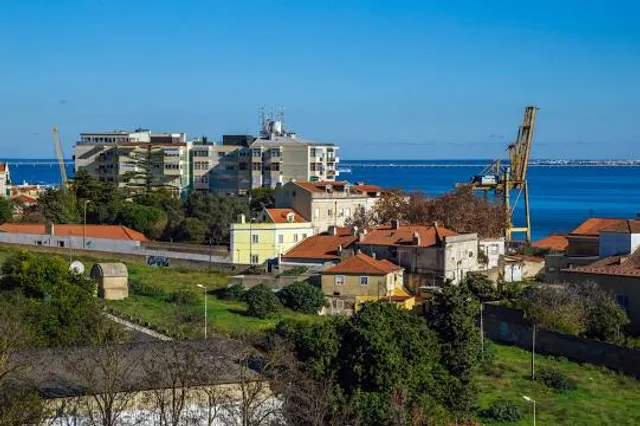
Forte de Santa Apolónia
3.5
(39)
Open 24 hours
Click for details
Nearby restaurants of Monastery of Santos-o-Novo
Ferroviário
Churrasqueira Eusebio's
Restaurante Pastelaria Ideal
Paloma Negra | Restaurante Mexicano Lisboa
Paquito
Tabernário do Bairro
Café Bandeira
TAPAS 129
Casa Mocambo
Cunha & Alves
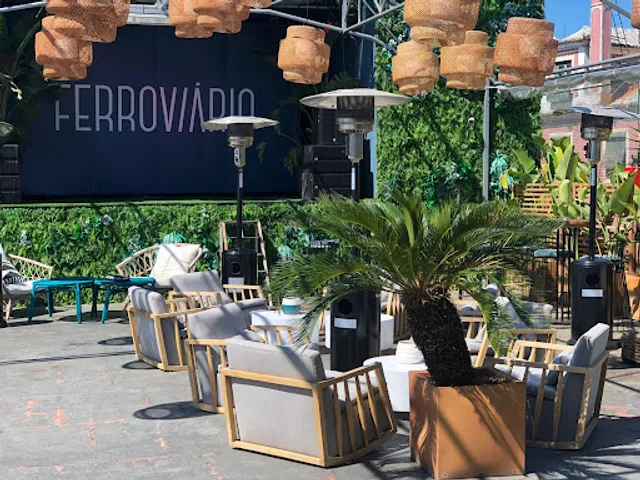
Ferroviário
4.3
(1.8K)
$$
Open until 12:00 AM
Click for details
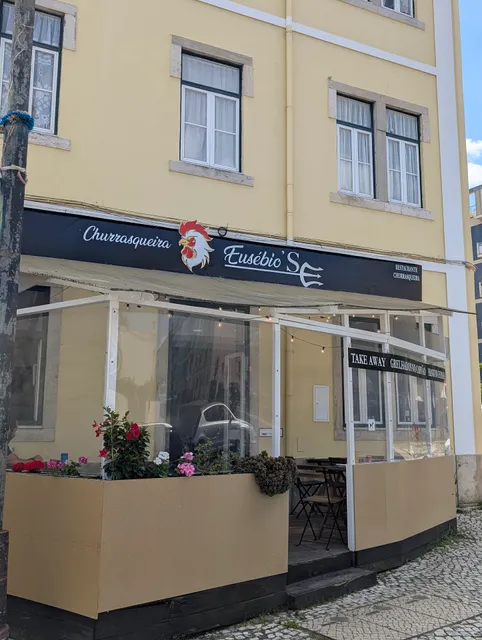
Churrasqueira Eusebio's
4.5
(138)
Open until 12:00 AM
Click for details
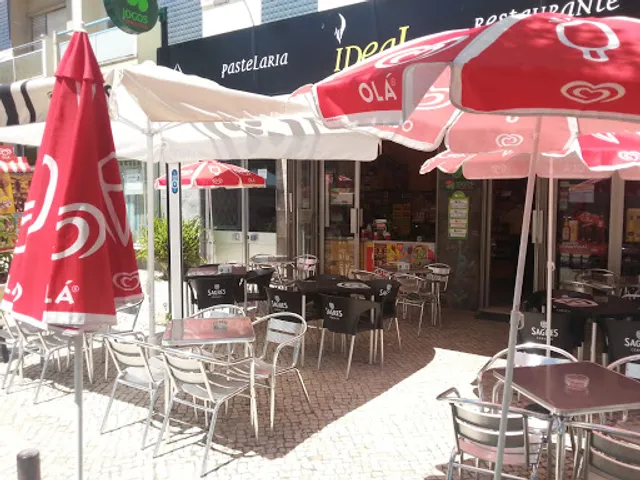
Restaurante Pastelaria Ideal
4.3
(108)
Closed
Click for details

Paloma Negra | Restaurante Mexicano Lisboa
4.9
(236)
Open until 12:00 AM
Click for details
Nearby local services of Monastery of Santos-o-Novo
Museo del Água
FavelaLx
Feira da Ladra
Farmácia Central da Penha
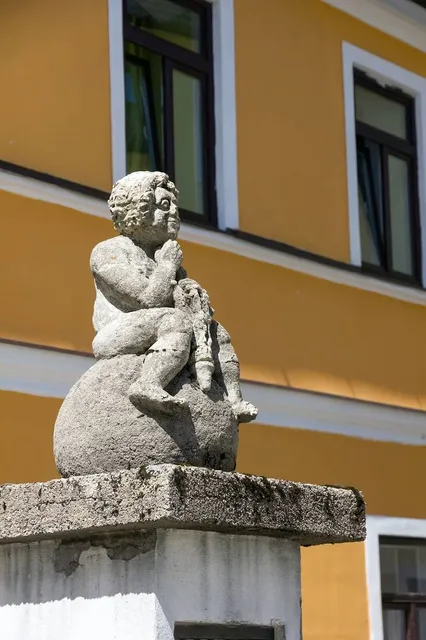
Museo del Água
4.3
(395)
Click for details

FavelaLx
4.1
(16)
Click for details
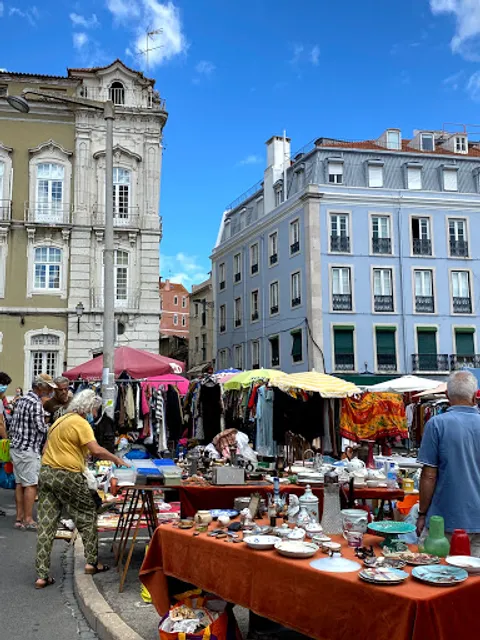
Feira da Ladra
4.3
(1.0K)
Click for details
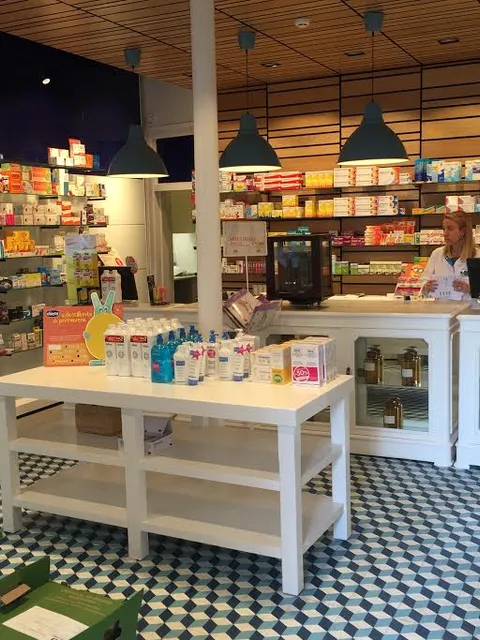
Farmácia Central da Penha
4.5
(54)
Click for details